Motion Withdraw Counsel With Client Consent
Description
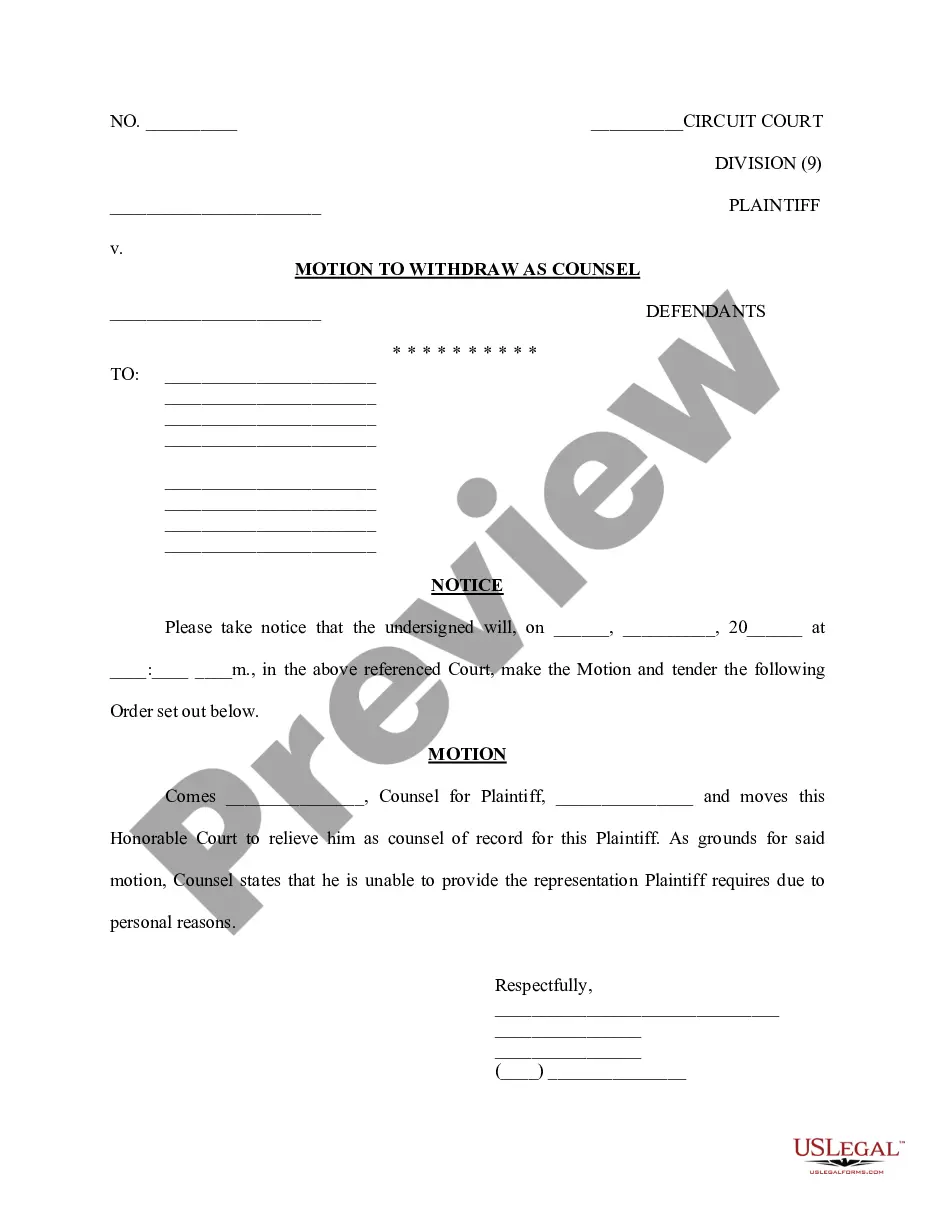
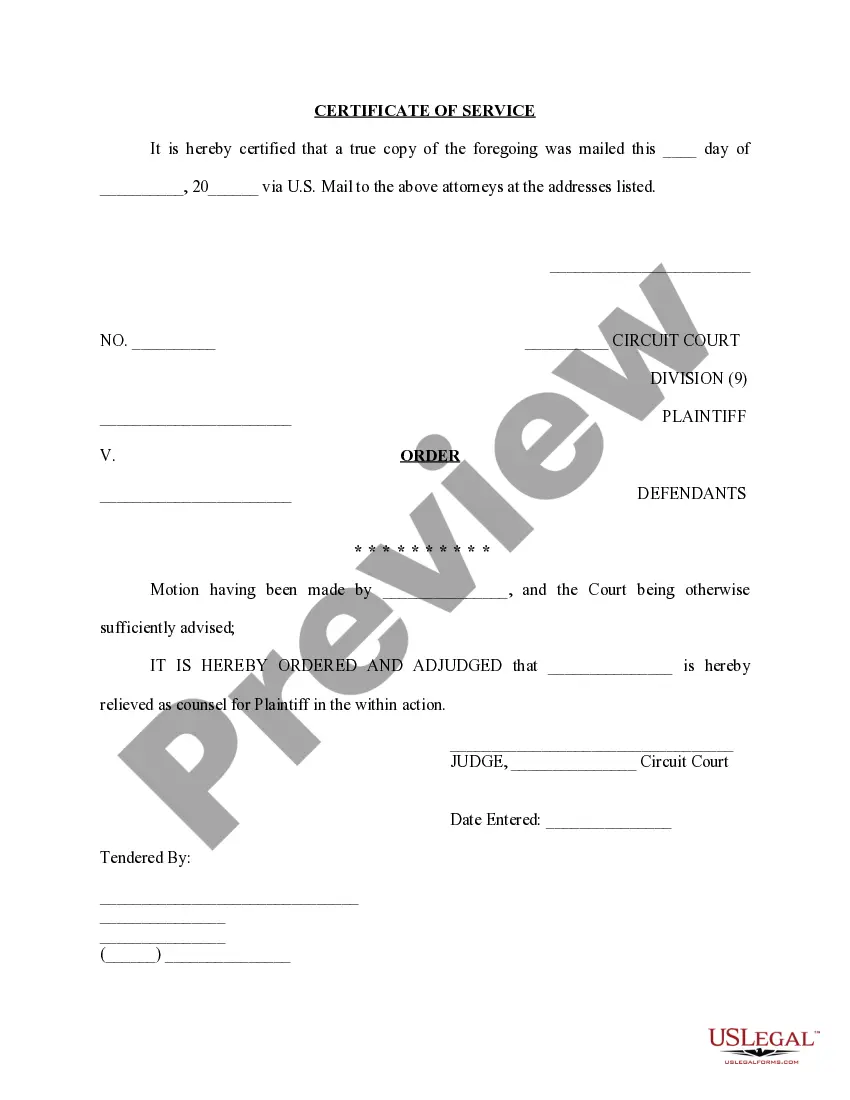
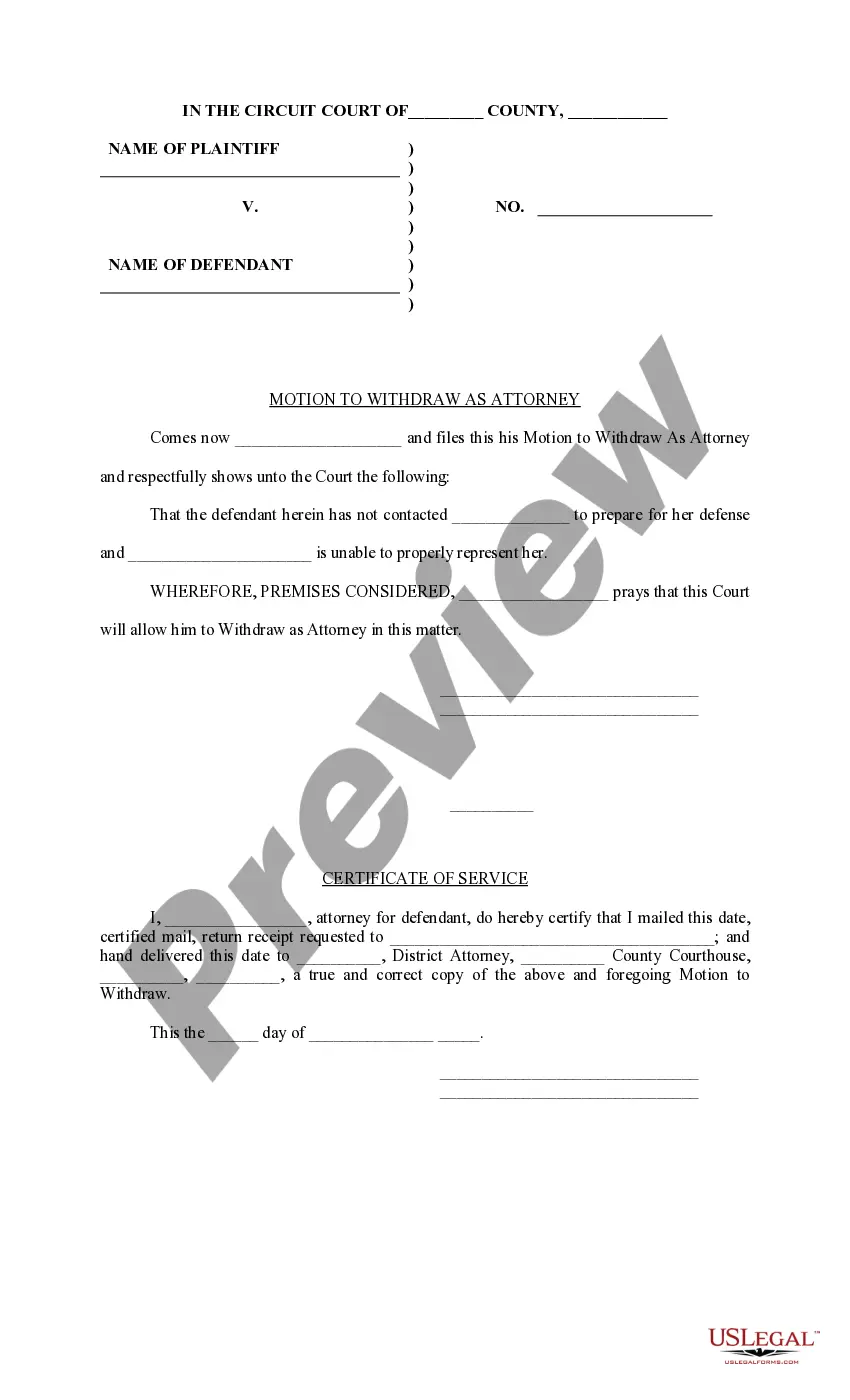
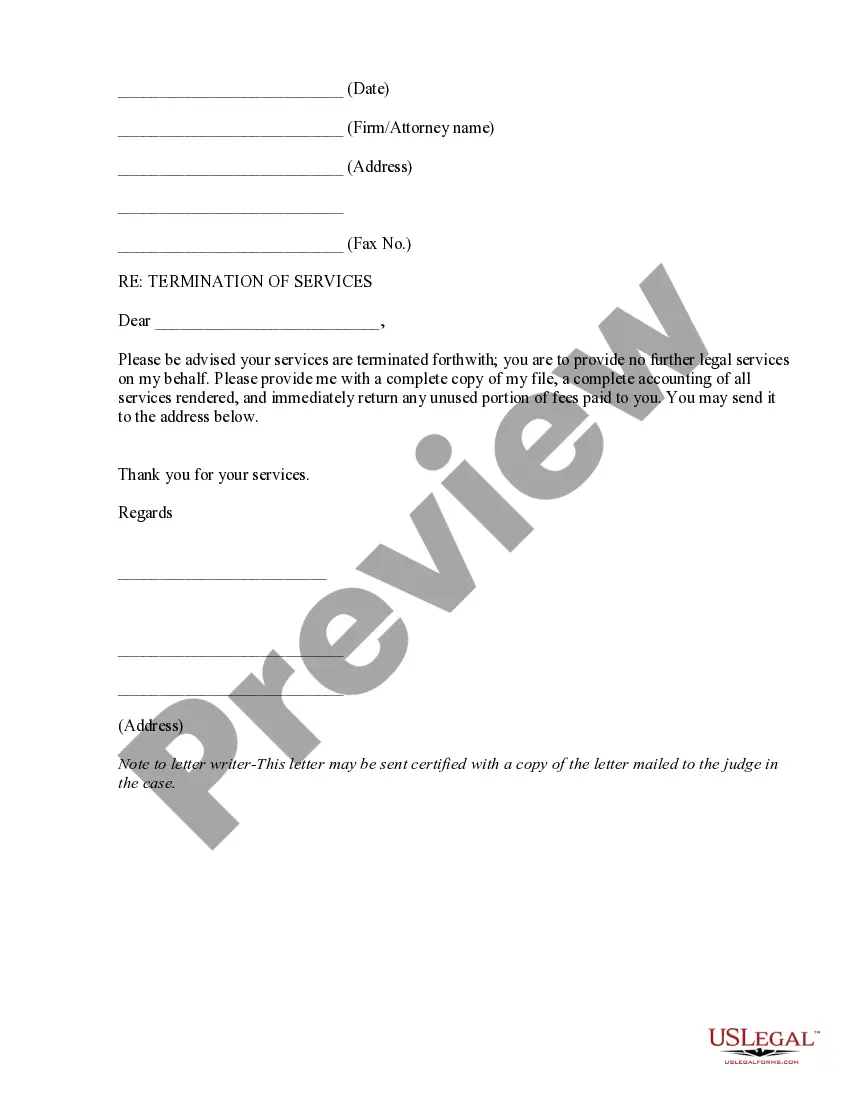
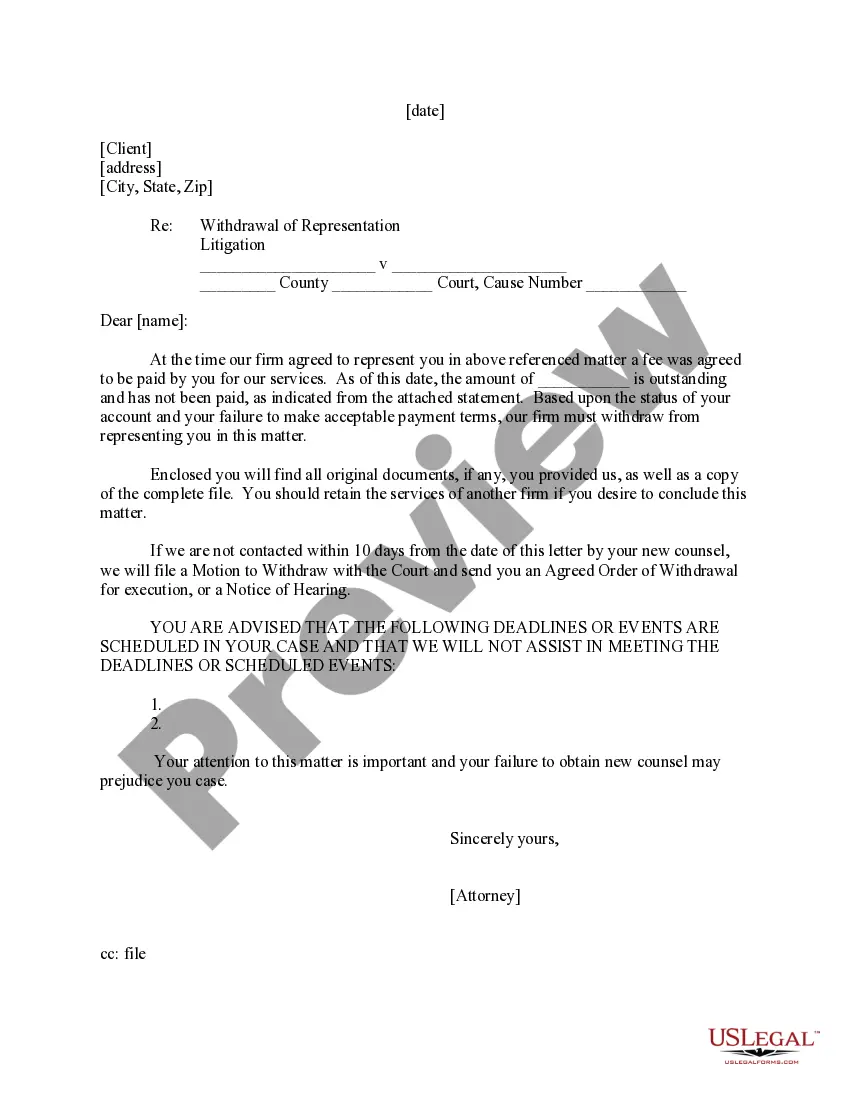
Get your form ready online
Our built-in tools help you complete, sign, share, and store your documents in one place.
Make edits, fill in missing information, and update formatting in US Legal Forms—just like you would in MS Word.
Download a copy, print it, send it by email, or mail it via USPS—whatever works best for your next step.
Sign and collect signatures with our SignNow integration. Send to multiple recipients, set reminders, and more. Go Premium to unlock E-Sign.
If this form requires notarization, complete it online through a secure video call—no need to meet a notary in person or wait for an appointment.
We protect your documents and personal data by following strict security and privacy standards.

Make edits, fill in missing information, and update formatting in US Legal Forms—just like you would in MS Word.

Download a copy, print it, send it by email, or mail it via USPS—whatever works best for your next step.

Sign and collect signatures with our SignNow integration. Send to multiple recipients, set reminders, and more. Go Premium to unlock E-Sign.

If this form requires notarization, complete it online through a secure video call—no need to meet a notary in person or wait for an appointment.

We protect your documents and personal data by following strict security and privacy standards.
Looking for another form?
Form popularity
FAQ
To release a client, you need to communicate your decision clearly and formally. Consider drafting a letter that outlines their rights and next steps, ensuring they are informed. A motion to withdraw counsel with client consent can also streamline this process and protect both parties involved. Proper documentation will help maintain professionalism and clarity in the relationship.
Client withdrawal refers to a situation where a client chooses to end their relationship with their attorney. This may occur for various reasons, including dissatisfaction or a change in legal strategy. It's important for both parties to understand the implications of this decision, particularly regarding ongoing cases. Utilizing a motion to withdraw counsel with client consent can help formalize this process.
You can decline representation by simply informing the prospective client of your decision. It’s best to be honest about your reasons, ensuring that you maintain professionalism. Consider advising them on their next steps or alternatives, which shows your care for their situation. Declining representation does not need to be complicated, but clear communication is essential.
To withdraw from representing a client, first, ensure you have valid reasons for doing so. You should communicate your intent to the client and reach an agreement, which can be formalized in a motion to withdraw counsel with client consent. Notify the court about your withdrawal as well, following the appropriate legal procedures. Legal documentation is important to ensure a smooth transition.
Yes, you can drop a client on retainer, but you must follow proper legal and ethical guidelines. It typically involves filing a motion to withdraw counsel with client consent. Ensuring that the client understands the implications is crucial; clear communication is key here. Always document the decision formally to protect yourself.