Illinois Statute For Domestic Battery
Description
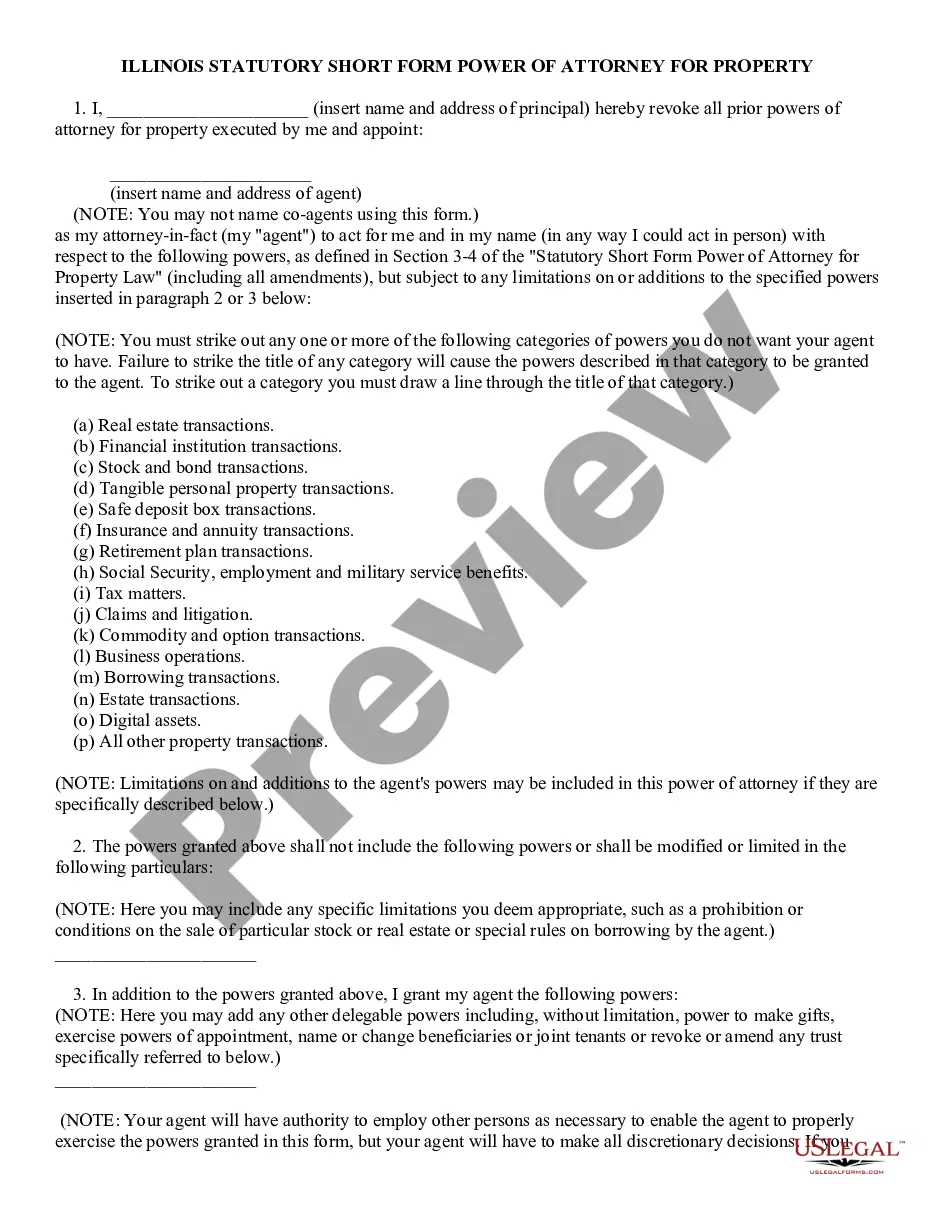
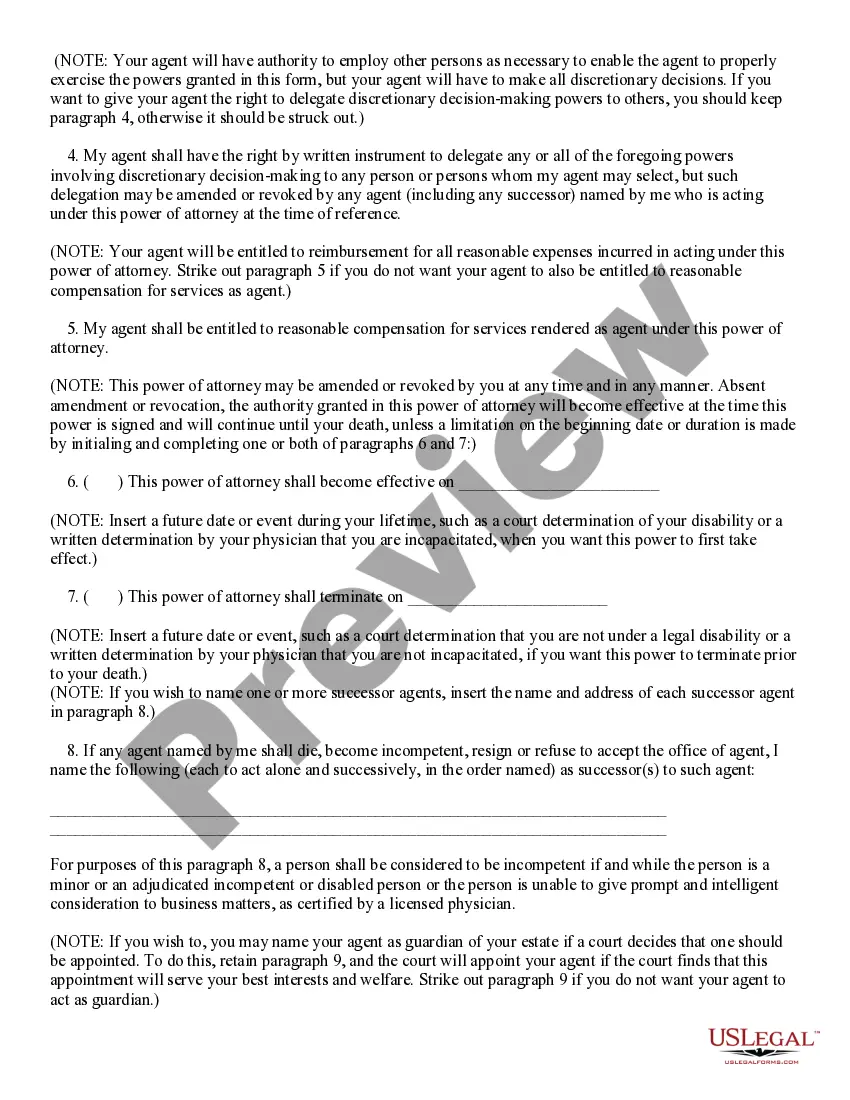
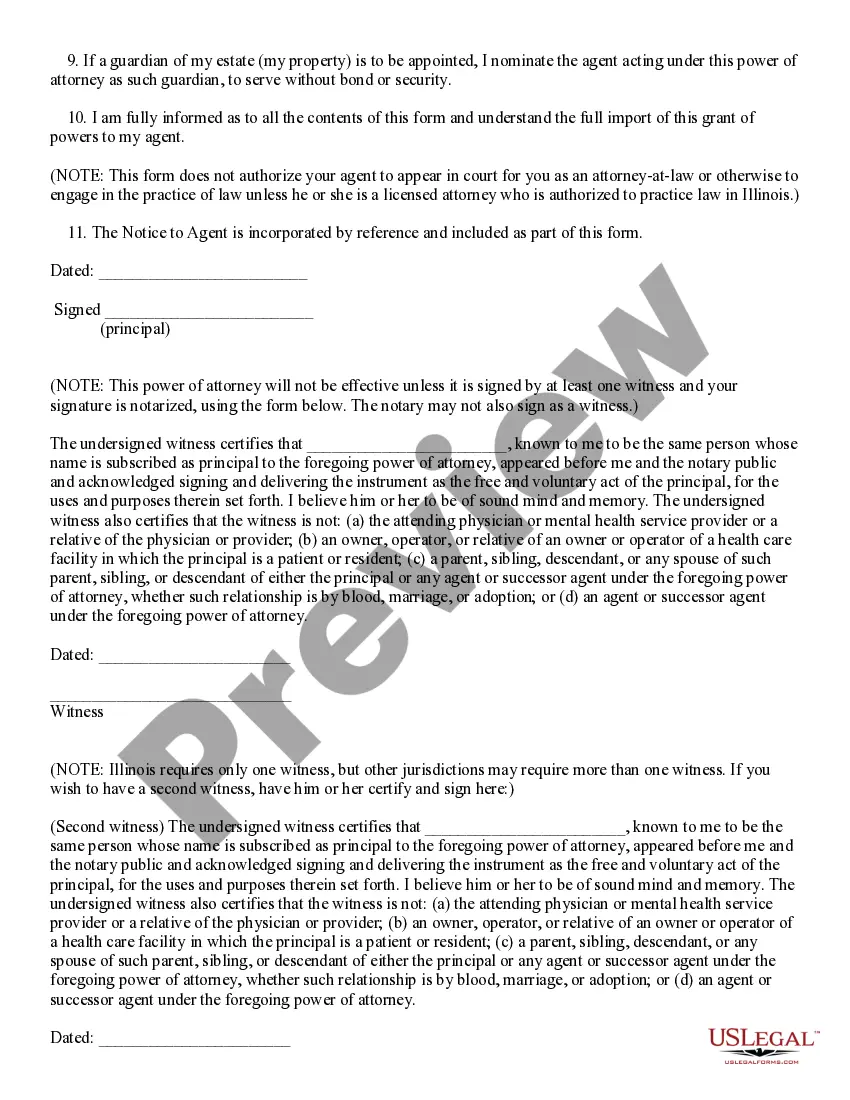
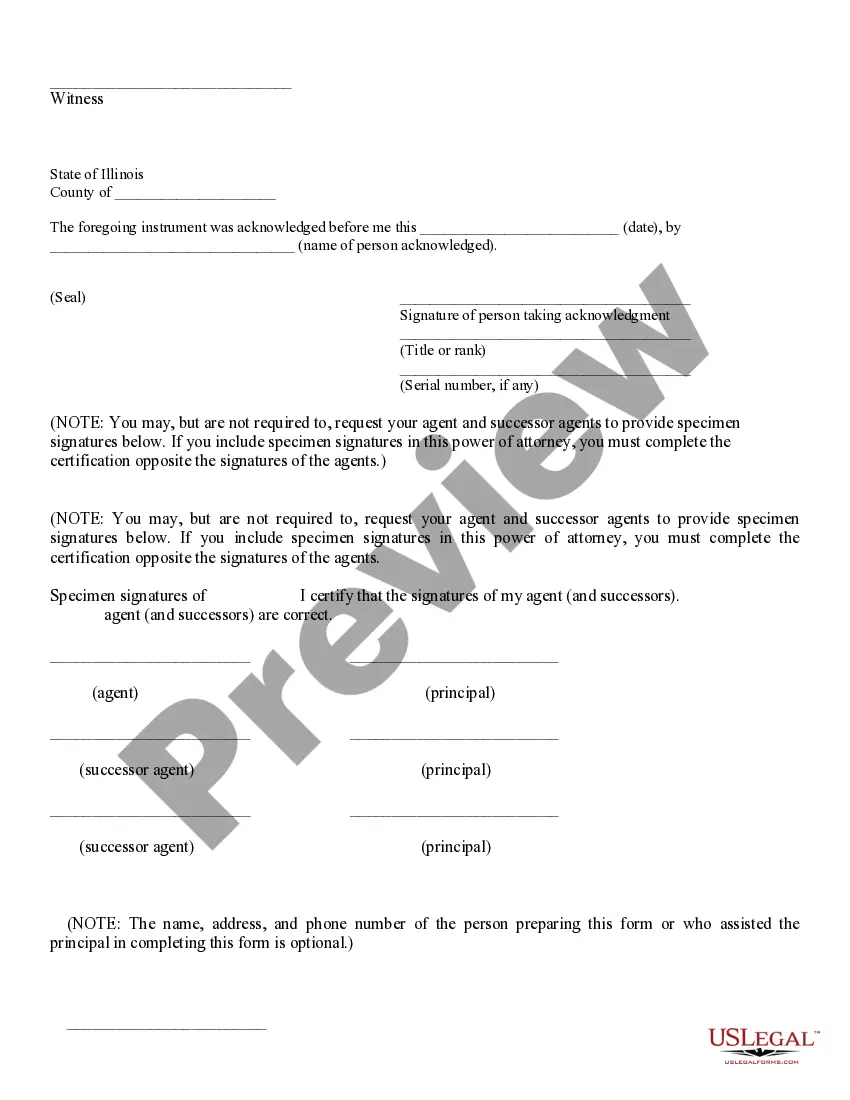
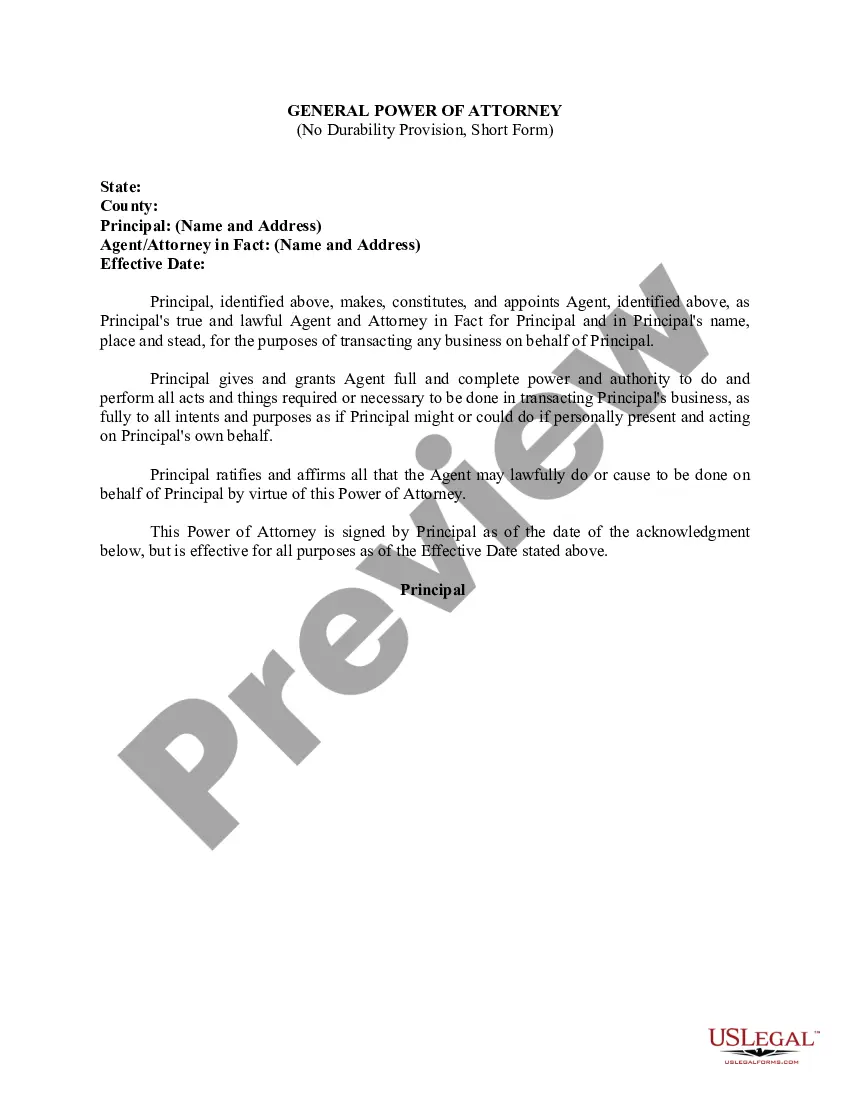
Get your form ready online
Our built-in tools help you complete, sign, share, and store your documents in one place.
Make edits, fill in missing information, and update formatting in US Legal Forms—just like you would in MS Word.
Download a copy, print it, send it by email, or mail it via USPS—whatever works best for your next step.
Sign and collect signatures with our SignNow integration. Send to multiple recipients, set reminders, and more. Go Premium to unlock E-Sign.
If this form requires notarization, complete it online through a secure video call—no need to meet a notary in person or wait for an appointment.
We protect your documents and personal data by following strict security and privacy standards.

Make edits, fill in missing information, and update formatting in US Legal Forms—just like you would in MS Word.

Download a copy, print it, send it by email, or mail it via USPS—whatever works best for your next step.

Sign and collect signatures with our SignNow integration. Send to multiple recipients, set reminders, and more. Go Premium to unlock E-Sign.

If this form requires notarization, complete it online through a secure video call—no need to meet a notary in person or wait for an appointment.

We protect your documents and personal data by following strict security and privacy standards.
Looking for another form?






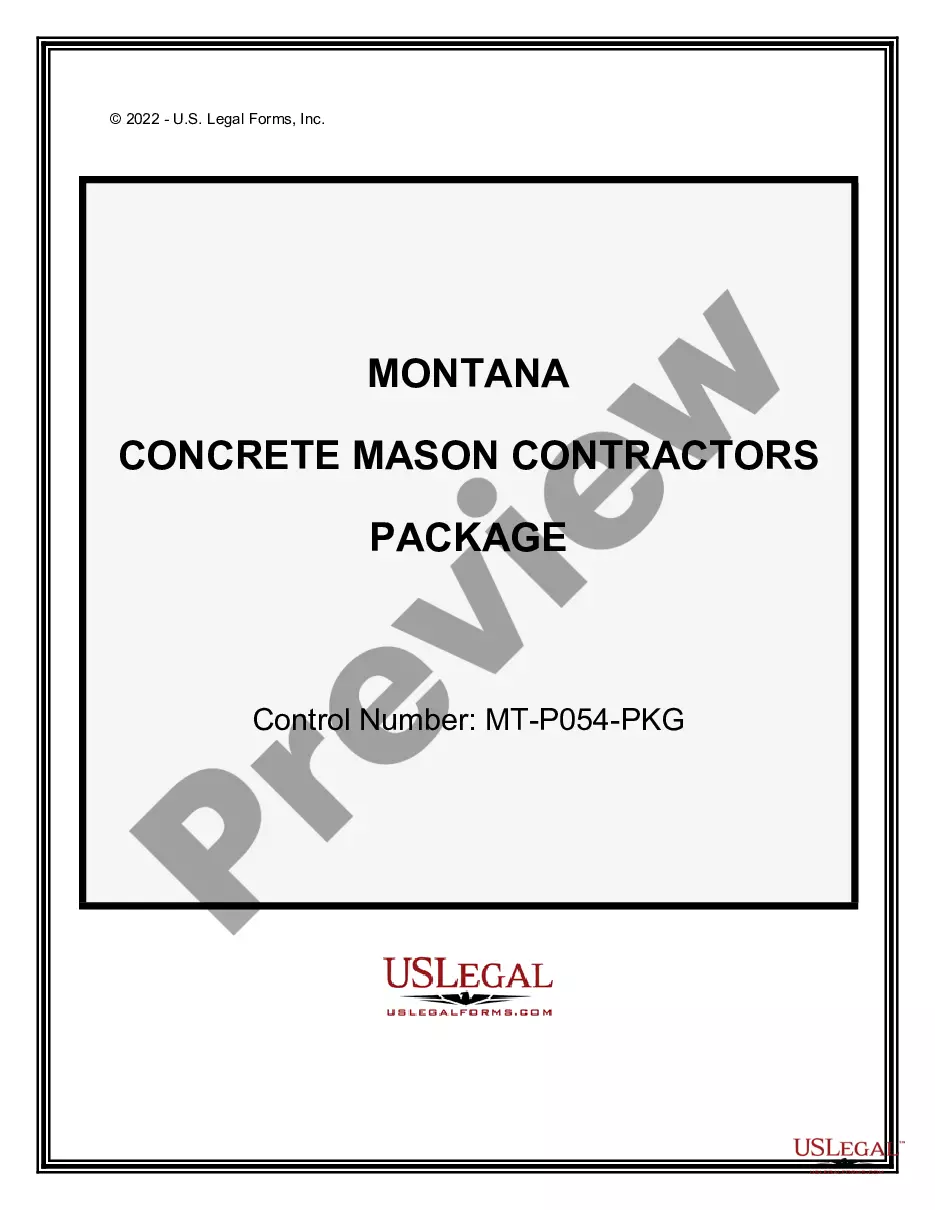
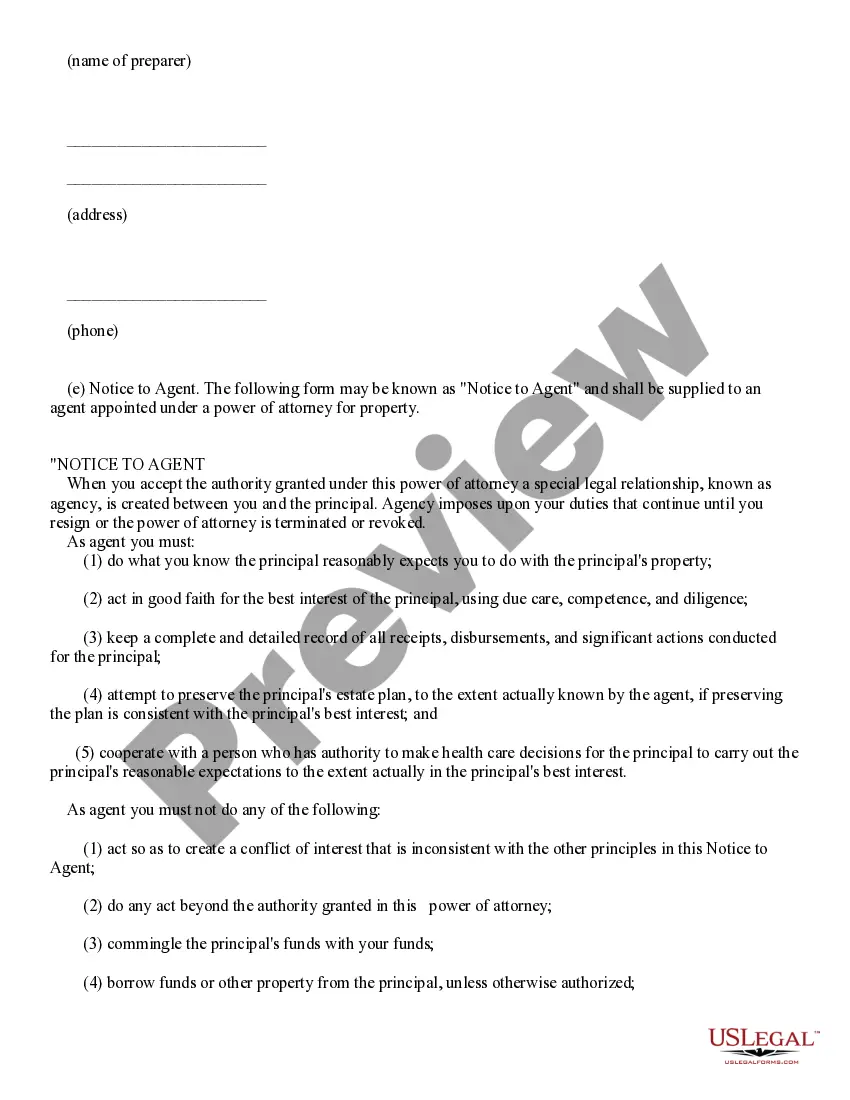
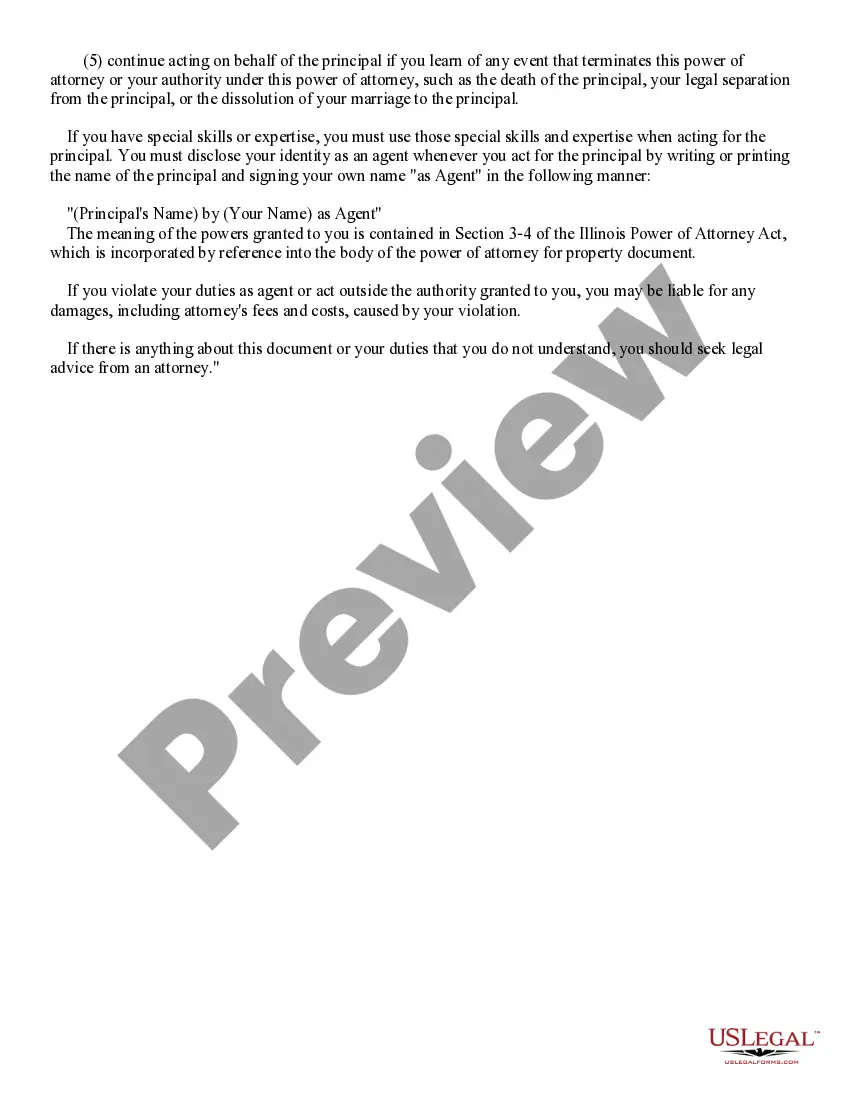
How to fill out Illinois Statutory General Power Of Attorney With Durable Provisions - Short Form Power Of Attorney For Property?
The Illinois Statute For Domestic Battery presented on this page is a versatile legal framework crafted by expert attorneys in adherence to federal and state laws and regulations.
For over 25 years, US Legal Forms has offered individuals, businesses, and legal experts more than 85,000 validated, state-specific documents for any commercial and personal circumstance. It’s the fastest, easiest, and most trustworthy method to acquire the paperwork you require, as the service ensures the utmost level of data protection and anti-malware security.
Select the format you desire for your Illinois Statute For Domestic Battery (PDF, Word, RTF) and save the document on your device. Complete and sign the document. Print out the template to fill it out by hand. Alternatively, use an online multi-functional PDF editor to swiftly and accurately fill out and sign your form with a valid signature. Download your documents again. Use the same document again whenever necessary. Access the My documents tab in your profile to redownload any previously downloaded forms. Subscribe to US Legal Forms to have verified legal templates for every aspect of life readily available.
- Explore the document you need and examine it.
- Browse through the file you searched and preview it or check the form description to confirm it meets your needs. If it doesn’t, use the search feature to find the appropriate one. Click Buy Now when you have located the template you require.
- Select a subscription and Log In.
- Choose the pricing option that fits you and set up an account. Utilize PayPal or a credit card to make an immediate payment. If you already have an account, Log In and verify your subscription to continue.
- Acquire the editable template.
Form popularity
FAQ
Assault: Assault is a Class C misdemeanor under Illinois assault and battery law, which can result in jail time for up to 30 days, a fine in an amount up to $1,500, or both. Alternatively, the court may sentence the defendant to perform between 30 and 120 hours of community service.
Assault: Assault is a Class C misdemeanor under Illinois assault and battery law, which can result in jail time for up to 30 days, a fine in an amount up to $1,500, or both. Alternatively, the court may sentence the defendant to perform between 30 and 120 hours of community service.
Is There a Statute of Limitations on Domestic Violence in Illinois? Crimes are typically separated into two main categories: misdemeanors and felonies. Misdemeanors in Illinois have a statute of limitations of 18 months. Felonies in Illinois have a three-year statute of limitations.
The Illinois domestic battery law itself reads as follows: (a) A person commits domestic battery if he or she knowingly without legal justification by any means: (1) causes bodily harm to any family or household member; (2) makes physical contact of an insulting or provoking nature with any family or household member.
Defense strategies that may result in dismissal or acquittal can include: Victim recants - Many domestic violence arrests are made during a heated dispute between a couple, family members, or roommates. ... Self-defense - Police officers tend to arrest the person who is less calm.