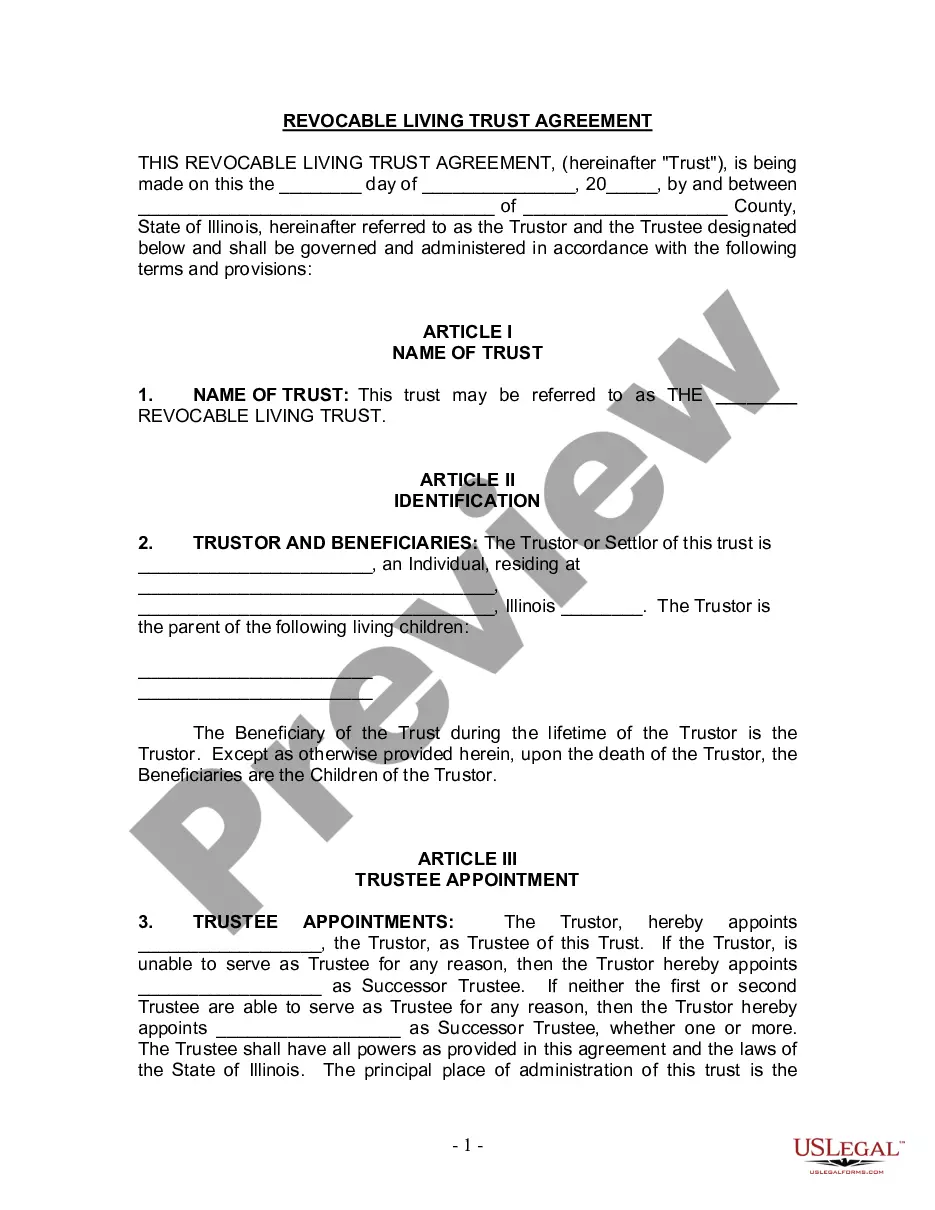
Iowa Living Trust With A Trust
Description
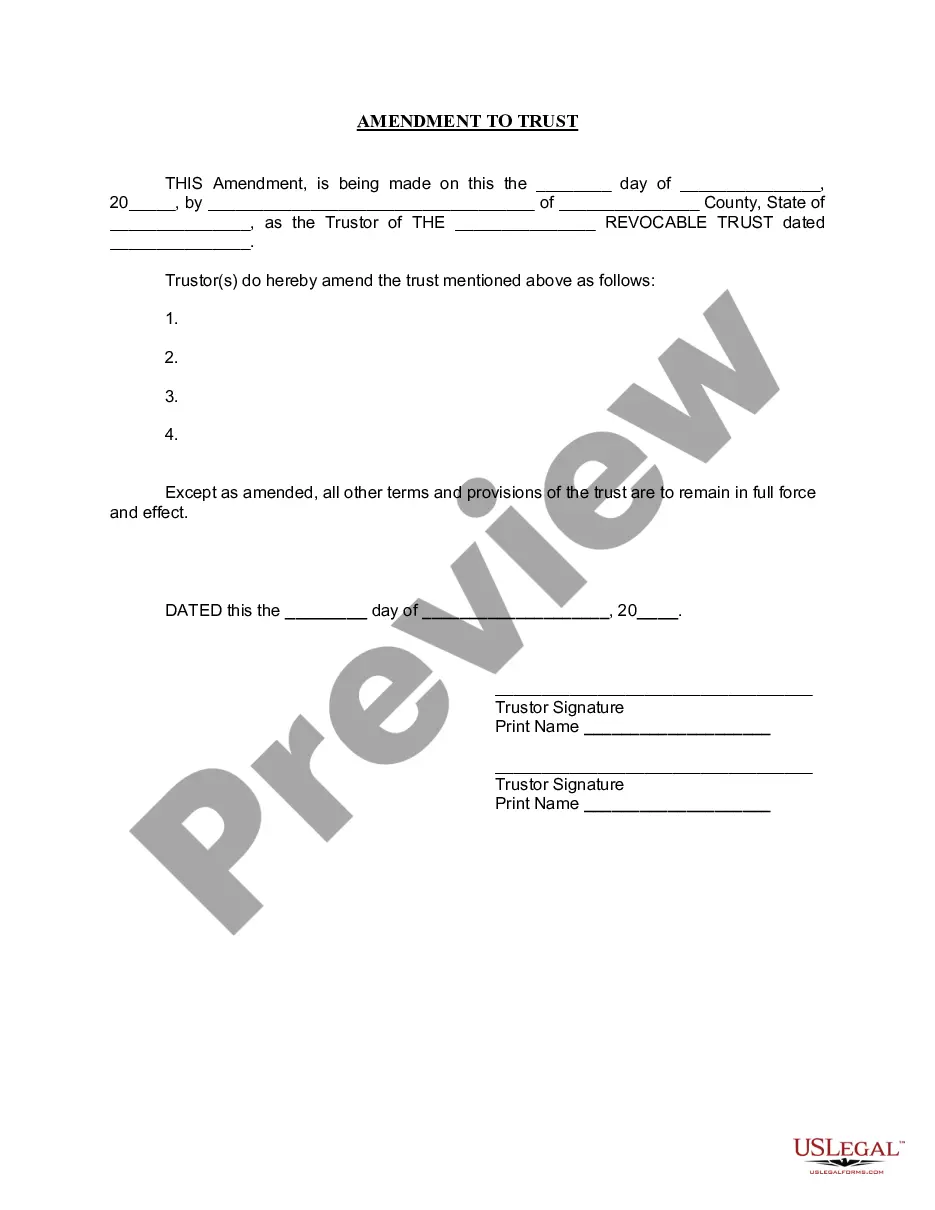
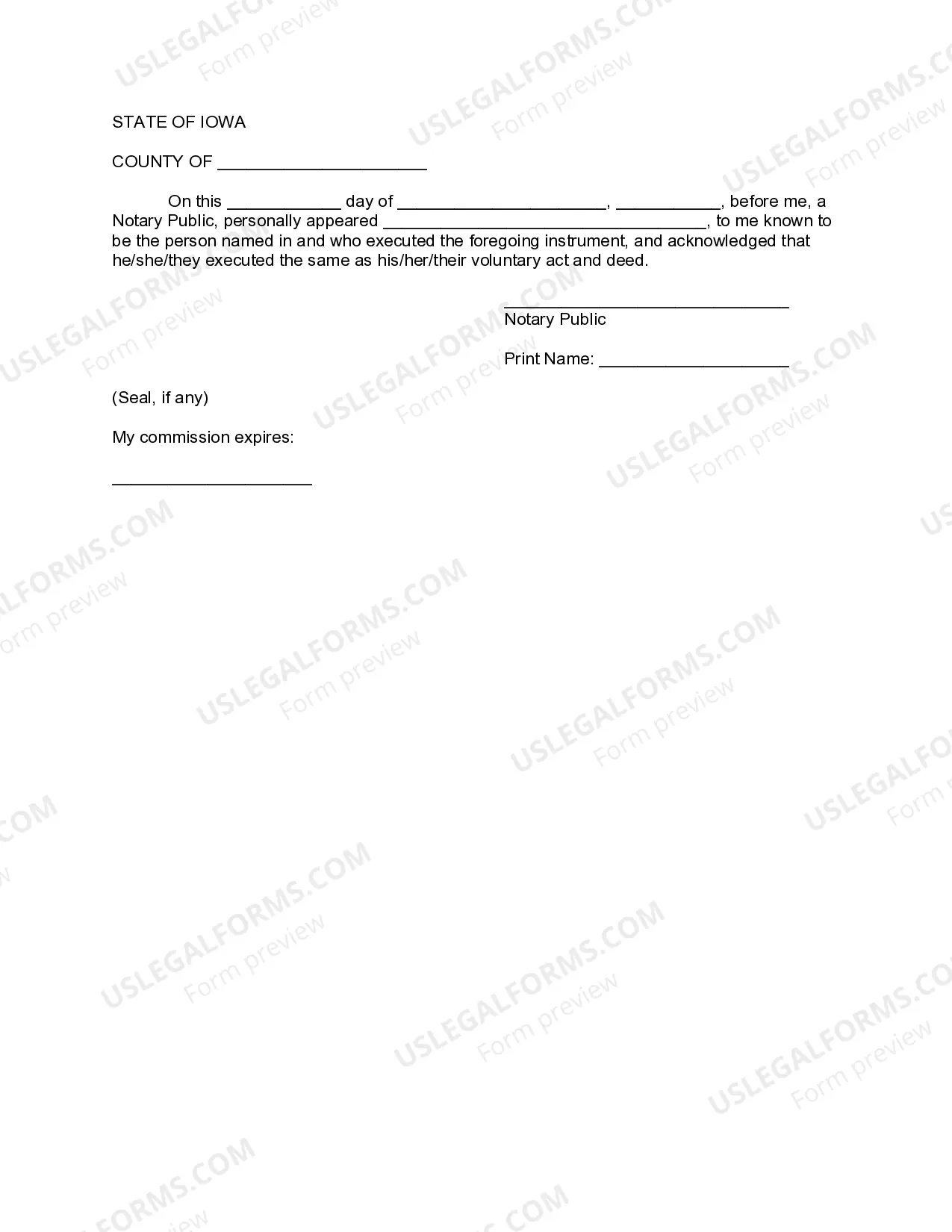

Get your form ready online
Our built-in tools help you complete, sign, share, and store your documents in one place.
Make edits, fill in missing information, and update formatting in US Legal Forms—just like you would in MS Word.
Download a copy, print it, send it by email, or mail it via USPS—whatever works best for your next step.
Sign and collect signatures with our SignNow integration. Send to multiple recipients, set reminders, and more. Go Premium to unlock E-Sign.
If this form requires notarization, complete it online through a secure video call—no need to meet a notary in person or wait for an appointment.
We protect your documents and personal data by following strict security and privacy standards.

Make edits, fill in missing information, and update formatting in US Legal Forms—just like you would in MS Word.

Download a copy, print it, send it by email, or mail it via USPS—whatever works best for your next step.

Sign and collect signatures with our SignNow integration. Send to multiple recipients, set reminders, and more. Go Premium to unlock E-Sign.

If this form requires notarization, complete it online through a secure video call—no need to meet a notary in person or wait for an appointment.

We protect your documents and personal data by following strict security and privacy standards.
Looking for another form?




How to fill out Iowa Amendment To Living Trust?
- Log in to your US Legal Forms account if you are a returning user. Ensure your subscription is active; renew if necessary.
- Explore the Preview mode and read the form details to verify the template suits your specific needs and local jurisdiction requirements.
- If the form does not meet your expectations, utilize the Search tab to find a more appropriate template aligned with your needs.
- Once you select the right document, click the 'Buy Now' button and decide on your subscription plan. You’ll need to create an account for full access.
- Complete your purchase by entering your credit card information or using your PayPal account for a streamlined payment process.
- After payment, download the form to your device for completion. Access it anytime later via the 'My Forms' section in your profile.
Following these steps with US Legal Forms ensures you have a comprehensive and legally sound living trust tailored for Iowa residents.
Ready to establish your Iowa living trust? Visit US Legal Forms today and access the tools you need for seamless legal document preparation.
Form popularity
FAQ
Iowa's trust laws are designed to support individuals in establishing, managing, and executing trusts, including an Iowa living trust with a trust. These laws outline the responsibilities of trustees, the rights of beneficiaries, and the process for modifying or dissolving trusts. Understanding these laws is important for ensuring compliance and protecting your interests. For detailed information, utilizing resources from USLegalForms can provide clarity and assistance in navigating Iowa's trust regulations.
In Iowa, an Iowa living trust with a trust serves as a legal arrangement where a trustee manages your assets on behalf of your beneficiaries. You can specify how and when the assets are distributed, ensuring your wishes are honored even after your passing. This often eliminates the lengthy probate process, allowing for a quicker transfer of assets. To create an effective living trust, you may want to consider consulting platforms like USLegalForms, which provide templates and guidance.
The 5 year rule often refers to how certain transfers to an Iowa living trust with a trust can affect eligibility for government benefits. Specifically, if you transfer assets to a trust within five years of applying for these benefits, those assets may be considered as available resources. This can impact your overall financial planning, particularly for Medicaid. Therefore, it is essential to strategize your asset transfers carefully.
To set up an Iowa living trust with a trust, start by gathering information about your assets and beneficiaries. It’s advisable to consult with an attorney or use platforms like uslegalforms to create a legally sound trust document. Once the trust document is drafted, you will need to transfer your assets into the trust. This step is crucial for ensuring that the trust functions as intended.
A major downfall of having an Iowa living trust with a trust is that it requires ongoing management. Trustees need to keep records, make distributions, and ensure the trust adheres to legal requirements. Additionally, if the trust is not funded correctly, it can lead to confusion and unintended outcomes. Working with a professional can help streamline this process.
One disadvantage of a family trust, or an Iowa living trust with a trust, is that it can limit flexibility. Once assets are placed in the trust, withdrawing them can be complicated. Furthermore, family dynamics may affect how the assets are distributed, leading to potential disputes among beneficiaries. Proper communication and legal guidance can help mitigate these issues.
While an Iowa living trust with a trust can offer many benefits, there are some downsides to consider. Creating a trust may involve upfront costs and potential ongoing fees for management. Additionally, if assets are not properly transferred into the trust, it may not function as intended. Thus, maintaining accurate records and understanding the trust is essential.
It's often beneficial for your parents to consider an Iowa living trust with a trust. By placing assets in a trust, they can avoid probate and ensure a smooth transition of their estate to beneficiaries. Moreover, trusts can provide privacy and help manage assets if they become incapacitated. It’s crucial they discuss this option with a knowledgeable estate planner.
Choosing between a trust and a will in Iowa often depends on your goals for managing your estate. An Iowa living trust with a trust can provide benefits such as avoiding probate, ensuring privacy, and allowing for a smoother transfer of assets after your death. Additionally, a trust can be managed during your lifetime, which is not an option with a will. Ultimately, considering your individual circumstances will help you determine which option suits your needs best.
In Iowa, an Iowa living trust with a trust functions as a legal entity that holds assets for your benefit during your lifetime. You remain in control of the trust while you're alive, and it allows for seamless asset distribution upon passing. This avoids the lengthy probate process and provides privacy regarding your estate. Utilizing platforms like uslegalforms can help you navigate the setup process efficiently.