Georgia Motion For Default Judgment Form
Description
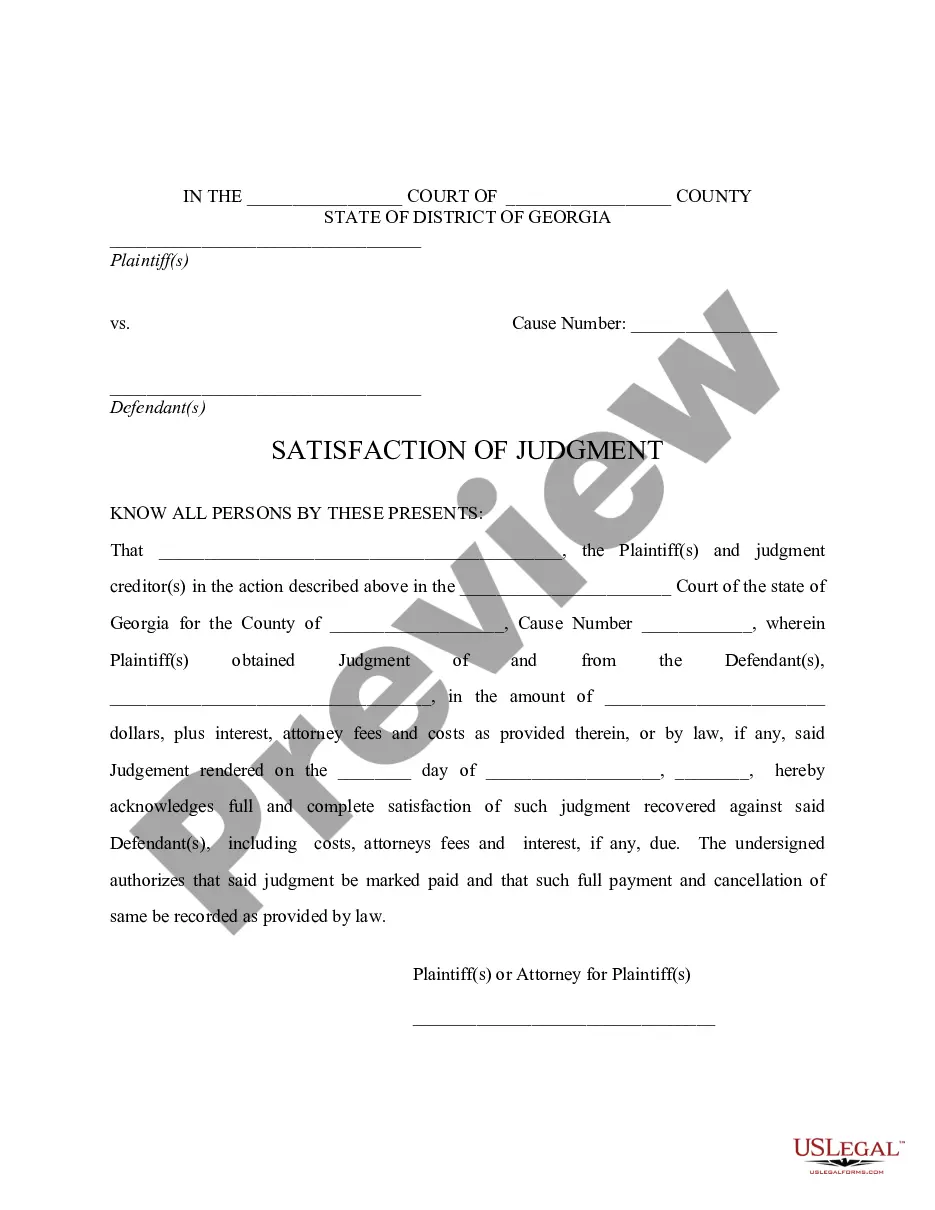
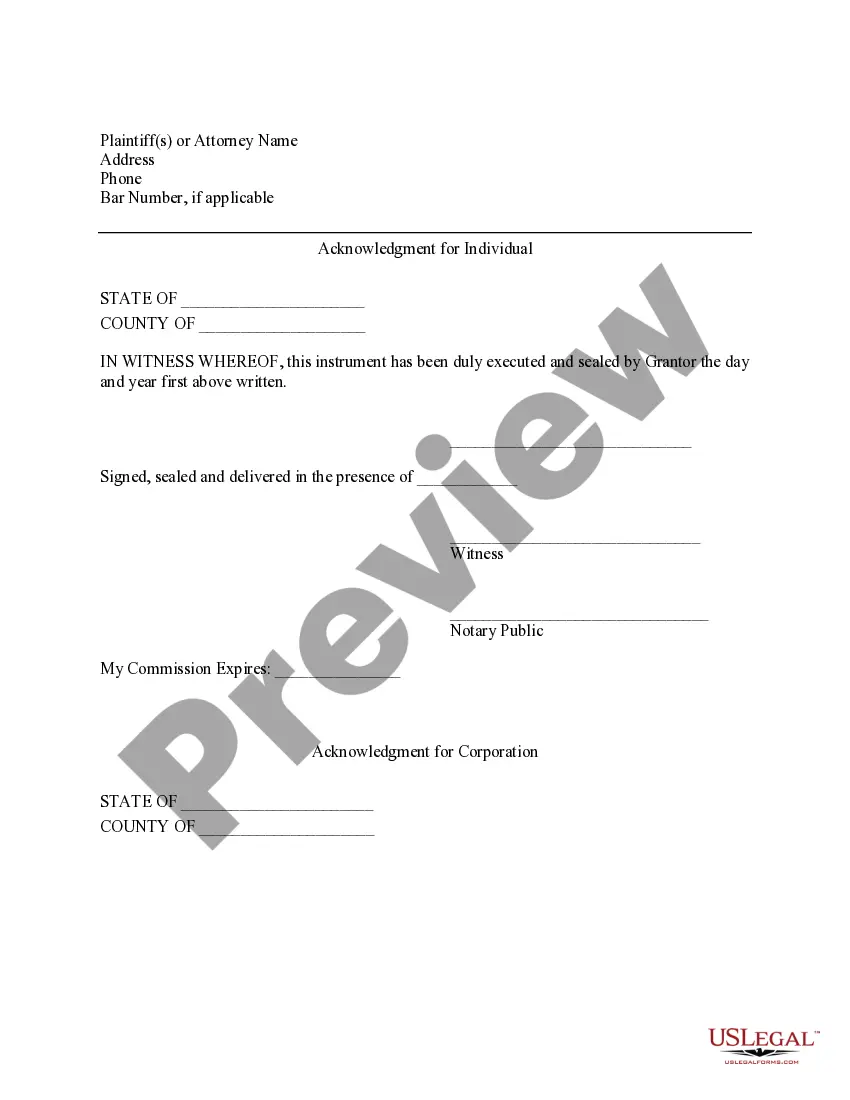
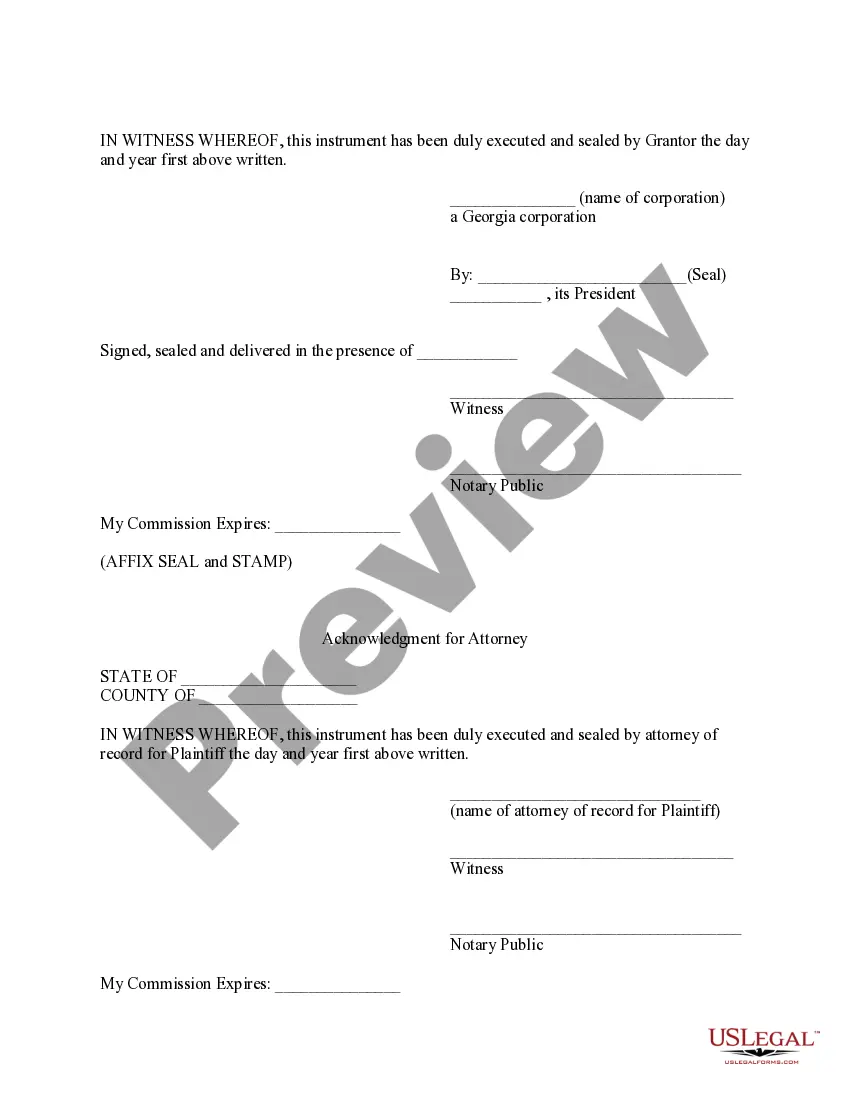
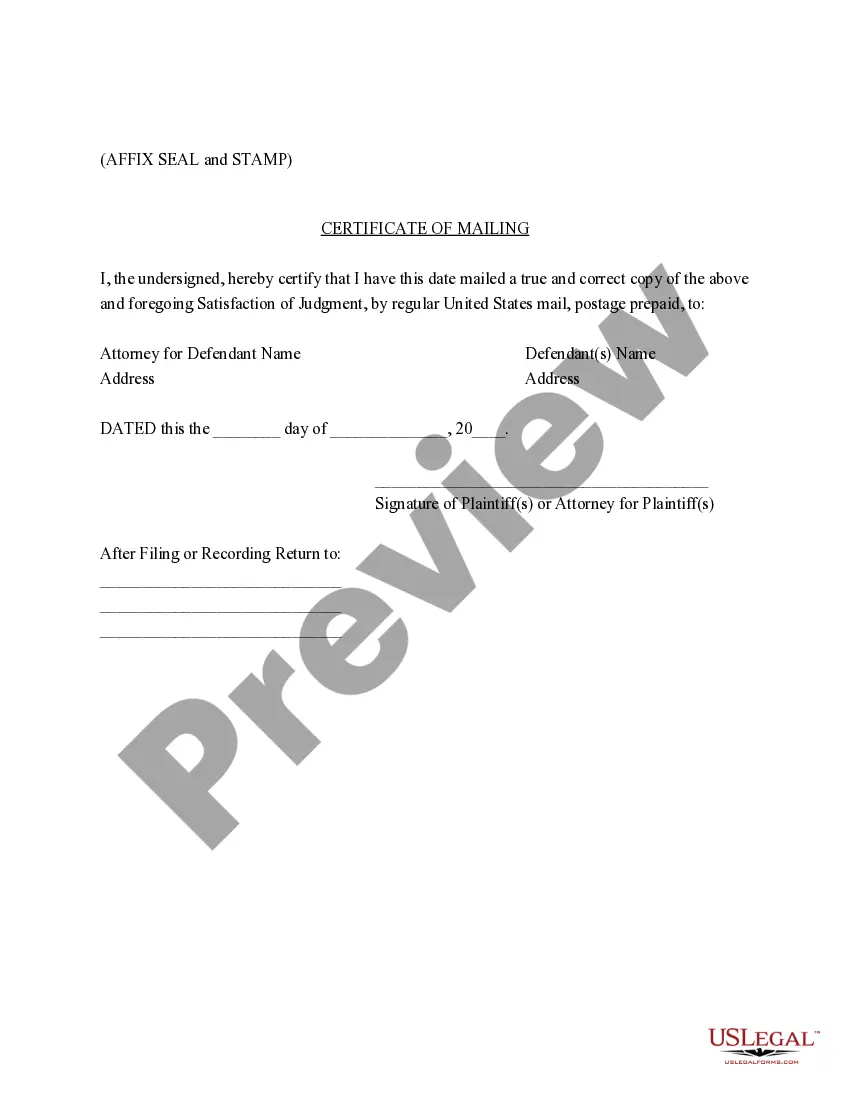

Get your form ready online
Our built-in tools help you complete, sign, share, and store your documents in one place.
Make edits, fill in missing information, and update formatting in US Legal Forms—just like you would in MS Word.
Download a copy, print it, send it by email, or mail it via USPS—whatever works best for your next step.
Sign and collect signatures with our SignNow integration. Send to multiple recipients, set reminders, and more. Go Premium to unlock E-Sign.
If this form requires notarization, complete it online through a secure video call—no need to meet a notary in person or wait for an appointment.
We protect your documents and personal data by following strict security and privacy standards.

Make edits, fill in missing information, and update formatting in US Legal Forms—just like you would in MS Word.

Download a copy, print it, send it by email, or mail it via USPS—whatever works best for your next step.

Sign and collect signatures with our SignNow integration. Send to multiple recipients, set reminders, and more. Go Premium to unlock E-Sign.

If this form requires notarization, complete it online through a secure video call—no need to meet a notary in person or wait for an appointment.

We protect your documents and personal data by following strict security and privacy standards.
Looking for another form?


Form popularity
FAQ
In Georgia, a judge does not have a strict time limit to rule on a motion. However, judges typically strive to provide a resolution in a reasonable time frame, often within a few weeks to months, depending on the complexity of the case. Using the Georgia motion for default judgment form can help keep your motion organized and more likely to be addressed promptly.
In Georgia, the response time to a motion for summary judgment is generally 30 days from the date the motion is served. It is important to adhere to this timeline to avoid a default judgment against you. Ensuring that you references the Georgia motion for default judgment form can assist in preparing a thorough response.
The default judgment rule in Georgia allows a court to issue a judgment against a party who fails to respond to a pleading in a timely manner. This judgment can result in the loss of the case without a hearing. Utilizing the Georgia motion for default judgment form can provide clarity and structure when addressing situations involving default judgments.
A motion for summary judgment in Georgia is a request for the court to rule in favor of one party based on the evidence presented, without going to trial. This type of motion is used when there are no material facts in dispute, making further proceedings unnecessary. Understanding the nuances of the Georgia motion for default judgment form can aid you in structuring your motion effectively.
To remove a default judgment, a party typically files a motion to vacate the judgment. This motion must show a valid reason, such as not receiving proper notice or having a legitimate defense. Using the Georgia motion for default judgment form can streamline this process, ensuring you present your case properly to the court.
The burden of summary judgment refers to the responsibility of the party seeking judgment to demonstrate that there is no genuine dispute about any material fact. In Georgia, this means presenting sufficient evidence to support the motion for summary judgment. If you are dealing with a Georgia motion for default judgment form, understanding this burden is crucial for effectively arguing your case.
