Georgia Satisfaction of Judgment
About this form
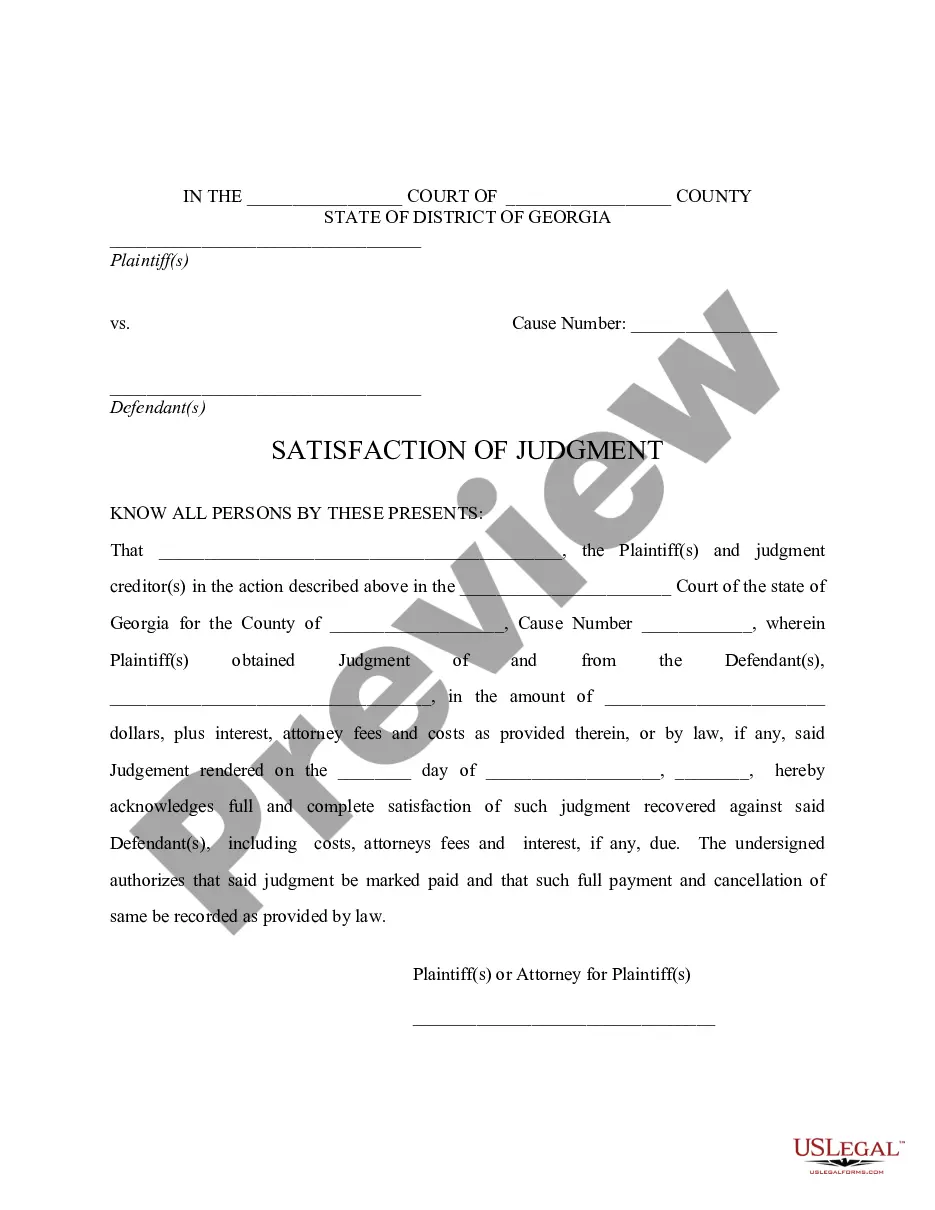
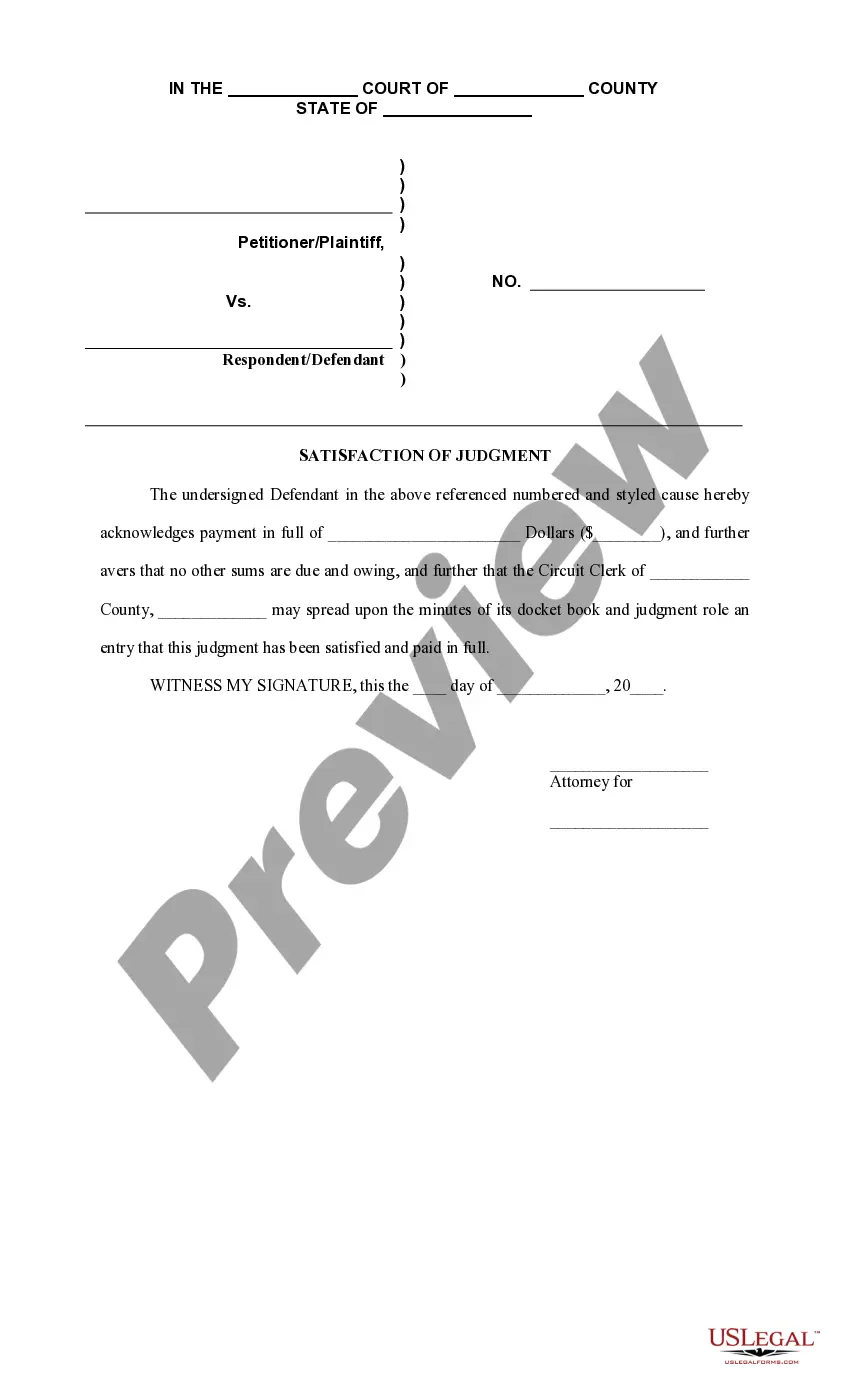
The Georgia Satisfaction of Judgment is a legal document that confirms a judgment has been paid in full, including all associated fees, costs, and interest. This form acknowledges that the claimant has received complete satisfaction for the judgment, directing the court to mark the judgment as paid. It differs from other forms in its specific focus on acknowledging the full payment of a legal judgment within the state of Georgia.
Key parts of this document
- Parties involved, including the Plaintiff(s) and Defendant(s).
- Cause number of the judgment case.
- Amount of the judgment plus any interest and fees.
- Date the judgment was rendered.
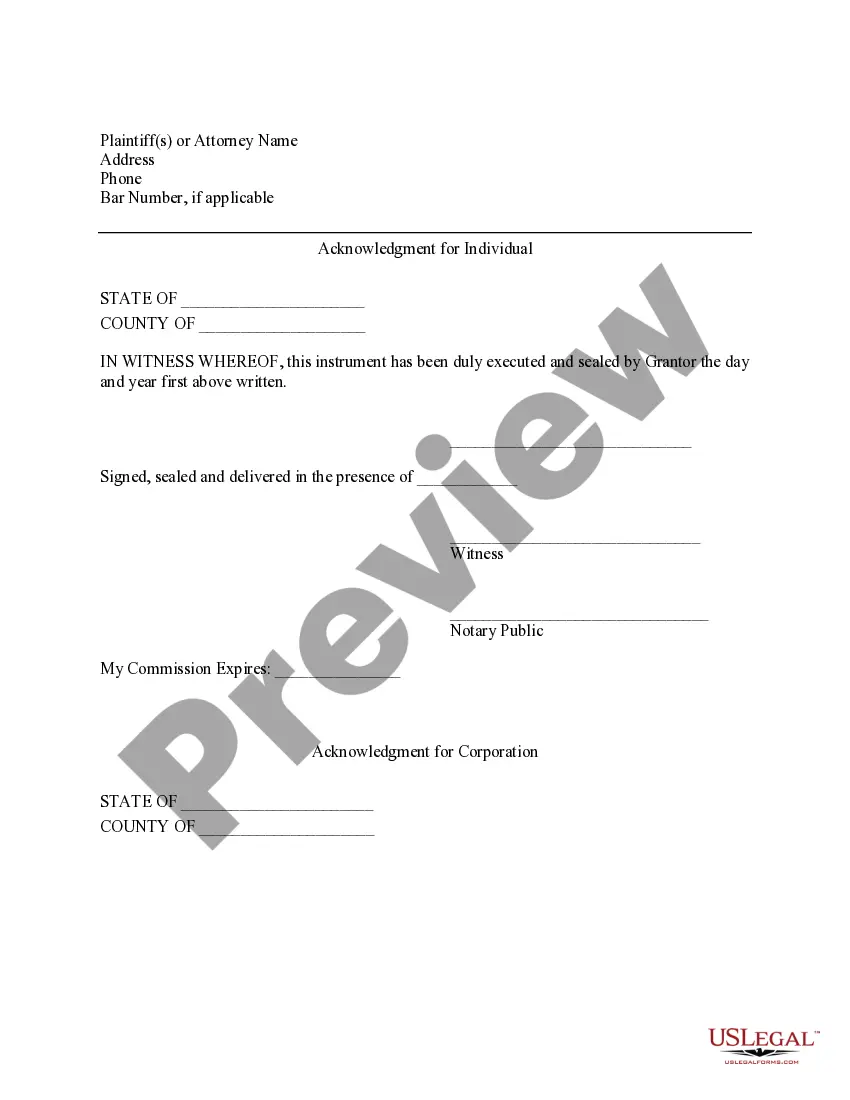
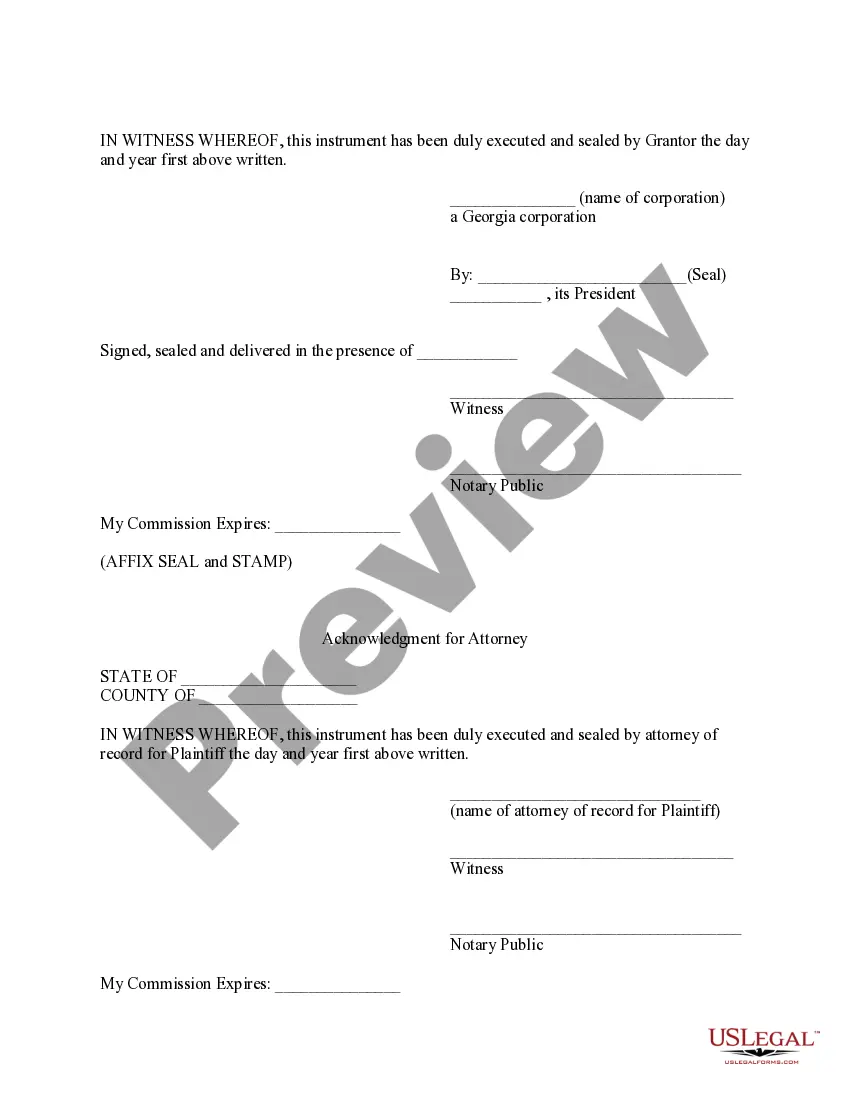
- Space for signatures from the Plaintiff(s) or their attorney, as well as a witness and notary public.
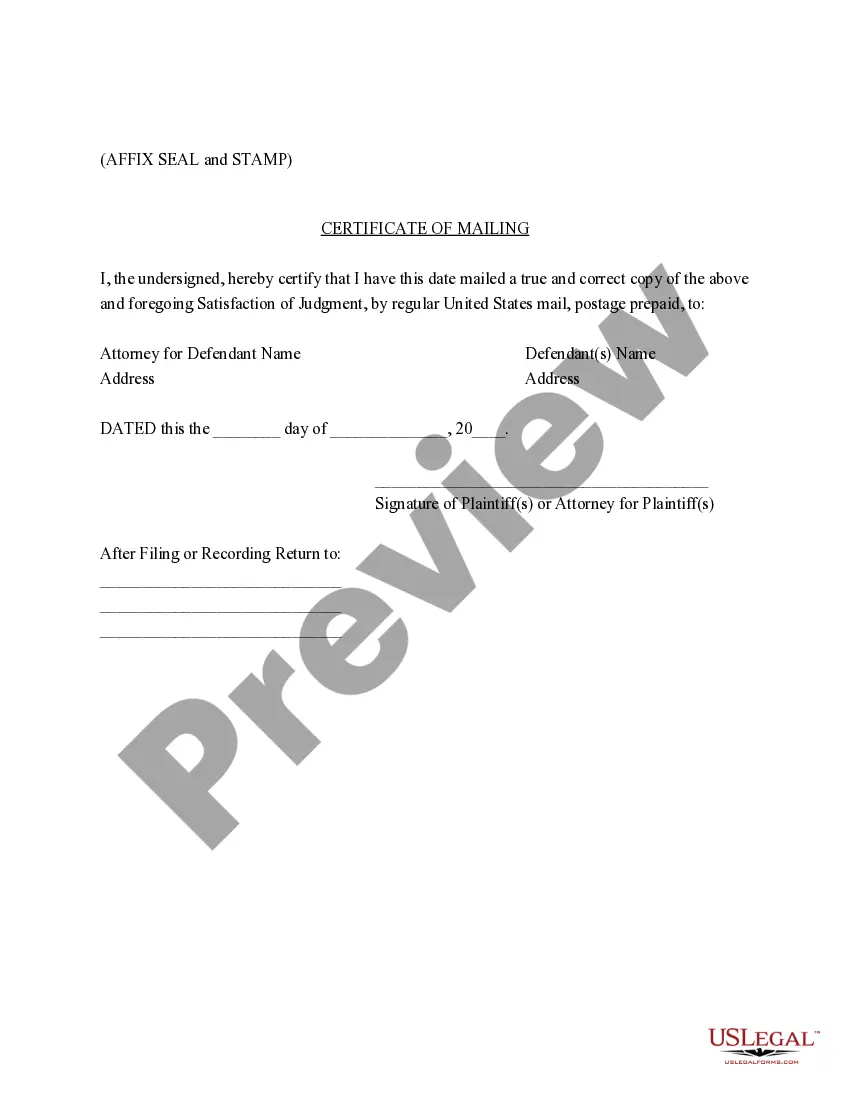
- Certificate of mailing to notify the Defendant(s) of the judgment satisfaction.


Common use cases
This form should be used when a judgment debtor has fulfilled their obligations by paying the full amount of the judgment. It is an essential step to formally document that the debt has been settled, marking the conclusion of the case in the court's records.
Who this form is for
- Plaintiff(s) who received a judgment against a Defendant(s).
- Legal representatives or attorneys acting on behalf of the Plaintiff(s).
- Individuals or businesses looking to clear their records after satisfying a judgment.
How to complete this form
- Identify the parties involved in the judgment.
- Fill in the cause number and the amount of the judgment.
- Enter the date when the judgment was rendered.
- Have the Plaintiff(s) or their attorney sign the document in the designated area.
- Include a witness and notary public signature where required.
- Mail a copy of the completed form to the Defendant(s) as per the certificate of mailing.
Is notarization required?
Yes, this form must be notarized to be legally valid. After completing the form, have it signed in the presence of a notary public, who will verify the identities of the signers and provide a seal, ensuring the document meets legal requirements.
Get your form ready online
Our built-in tools help you complete, sign, share, and store your documents in one place.
Make edits, fill in missing information, and update formatting in US Legal Forms—just like you would in MS Word.
Download a copy, print it, send it by email, or mail it via USPS—whatever works best for your next step.
Sign and collect signatures with our SignNow integration. Send to multiple recipients, set reminders, and more. Go Premium to unlock E-Sign.
If this form requires notarization, complete it online through a secure video call—no need to meet a notary in person or wait for an appointment.
We protect your documents and personal data by following strict security and privacy standards.

Make edits, fill in missing information, and update formatting in US Legal Forms—just like you would in MS Word.

Download a copy, print it, send it by email, or mail it via USPS—whatever works best for your next step.

Sign and collect signatures with our SignNow integration. Send to multiple recipients, set reminders, and more. Go Premium to unlock E-Sign.

If this form requires notarization, complete it online through a secure video call—no need to meet a notary in person or wait for an appointment.

We protect your documents and personal data by following strict security and privacy standards.
Common mistakes
- Failing to accurately fill out the cause number.
- Not obtaining the necessary signatures from witnesses or notary public.
- Not notifying the Defendant(s) as required by law.
- Leaving blank fields in the form that are mandatory.
Why complete this form online
- Convenience of filling out the form from anywhere at any time.
- Editability allows users to easily correct mistakes before finalizing the document.
- Access to professionally drafted templates ensures compliance with legal standards.
Looking for another form?
Form popularity
FAQ
The Georgia Satisfaction of Judgment form is a legal document that records that a judgment has been paid in full, including interest and costs. It directs the court to mark the judgment as satisfied, and it includes the parties, the case number, the amount, the date of judgment, signatures, a witness and notary, and a certificate of mailing. It is used after full payment to close the case.
When a judgment for the plaintiff is satisfied, it means the debtor has paid the full amount due, including any interest and costs as applicable. The Georgia Satisfaction of Judgment form records this status, guiding the court to mark the judgment as paid and providing notice that the claim has been fulfilled. This helps clear the judgment from public records.
First, fill in the required fields: the parties (Plaintiff and Defendant), the cause number, the amount paid (including interest and costs), and the date the judgment was rendered. Then obtain the Plaintiff’s or their attorney’s signature, and have a witness and notary sign if required. Finally file the form with the court and ensure the certificate of mailing is completed to notify the Defendant(s).
The form requires signatures from the Plaintiff(s) or their attorney, with space for a witness and a notary public. These signings authenticate that the judgment was paid and that the record is official. A notary or witness is typically used where required by court rules or the parties’ agreement.
The certificate of mailing is a part of the form that notifies the Defendant(s) that the judgment has been satisfied. It helps document service of notice for purposes of the court’s records and demonstrates compliance with the notice requirement tied to the satisfaction process.
This form uniquely directs the court to mark the judgment as paid and includes a certificate of mailing to notify the Defendant(s). It also explicitly lists signature blocks for the Plaintiff or their attorney, plus a witness and notary, and it ties payment to formal court-entry of satisfaction, setting it apart from more generic notices.