Living Trust With Two Trustees
Description
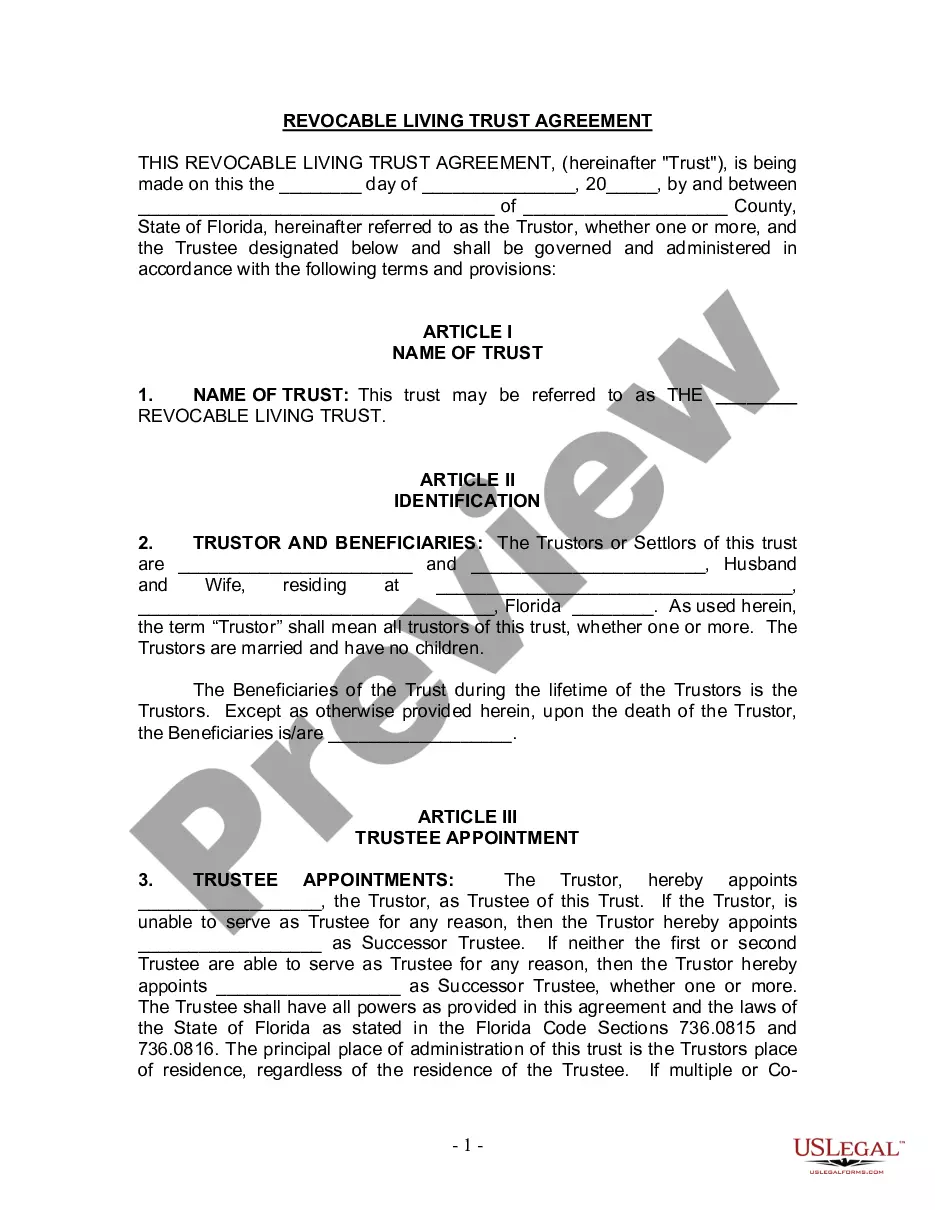





Get your form ready online
Our built-in tools help you complete, sign, share, and store your documents in one place.
Make edits, fill in missing information, and update formatting in US Legal Forms—just like you would in MS Word.
Download a copy, print it, send it by email, or mail it via USPS—whatever works best for your next step.
Sign and collect signatures with our SignNow integration. Send to multiple recipients, set reminders, and more. Go Premium to unlock E-Sign.
If this form requires notarization, complete it online through a secure video call—no need to meet a notary in person or wait for an appointment.
We protect your documents and personal data by following strict security and privacy standards.

Make edits, fill in missing information, and update formatting in US Legal Forms—just like you would in MS Word.

Download a copy, print it, send it by email, or mail it via USPS—whatever works best for your next step.

Sign and collect signatures with our SignNow integration. Send to multiple recipients, set reminders, and more. Go Premium to unlock E-Sign.

If this form requires notarization, complete it online through a secure video call—no need to meet a notary in person or wait for an appointment.

We protect your documents and personal data by following strict security and privacy standards.
Looking for another form?






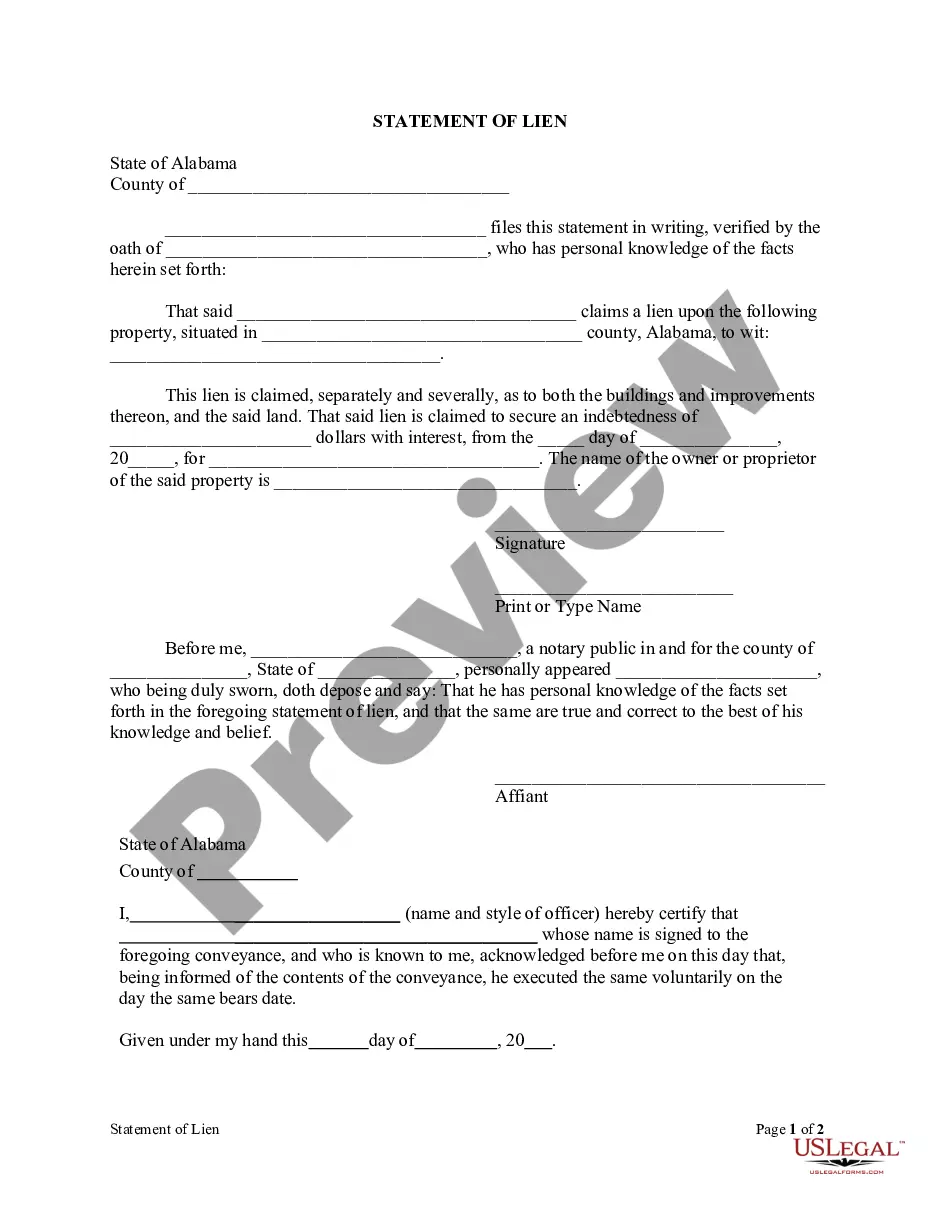
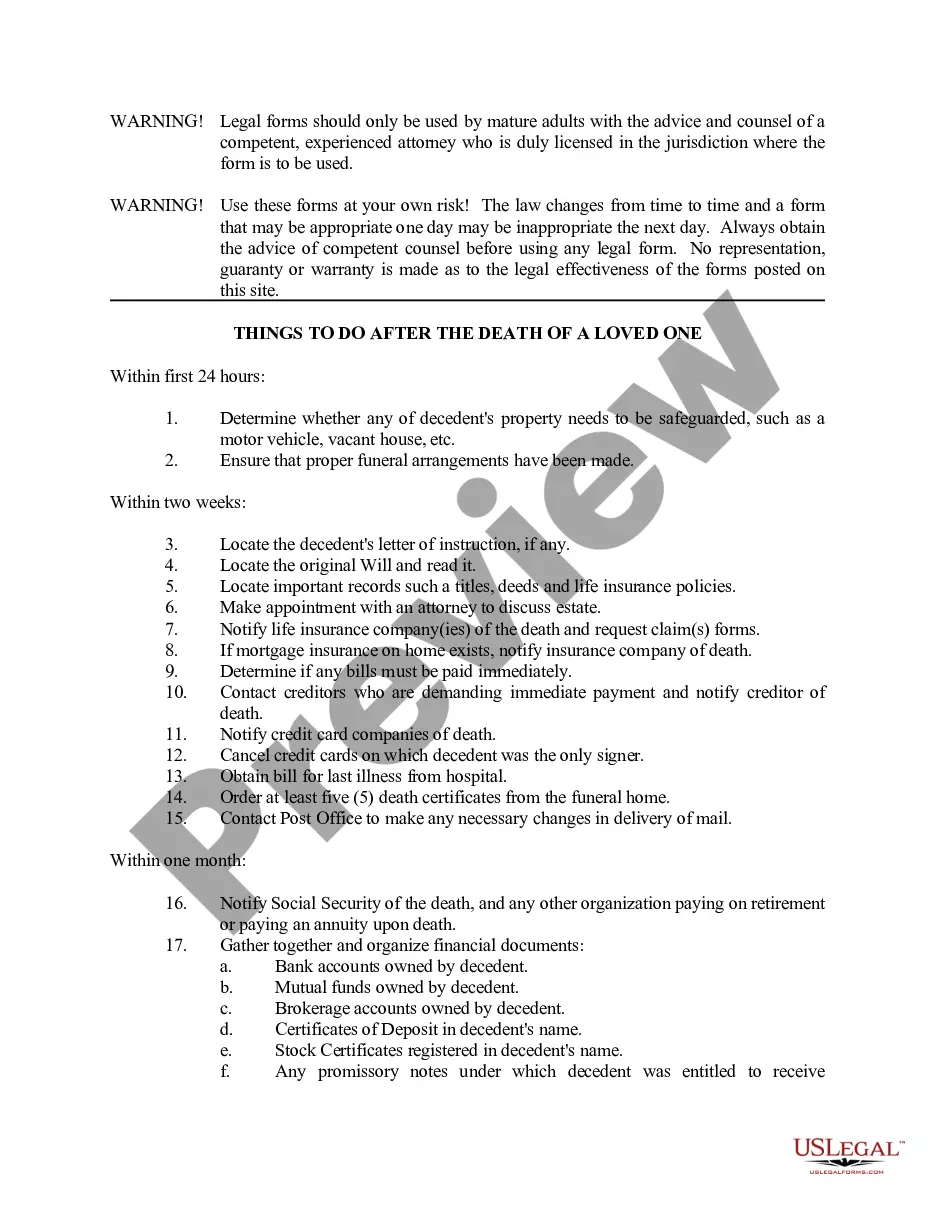


How to fill out Florida Revocable Living Trust For Husband And Wife With No Children?
Whether for commercial reasons or for individual matters, everyone must handle legal issues at some stage in their lives.
Filling out legal documents necessitates meticulous scrutiny, beginning with selecting the correct form template.
With an extensive US Legal Forms collection available, you do not need to waste time searching for the correct template across the internet. Utilize the library’s straightforward navigation to find the right template for any situation.
- Acquire the template you require by using the search bar or catalog browsing.
- Review the form’s description to ensure it aligns with your situation, jurisdiction, and area.
- Click on the form’s preview to inspect it.
- If it is the incorrect form, return to the search option to locate the Living Trust With Two Trustees sample you need.
- Download the file if it meets your requirements.
- If you possess a US Legal Forms account, simply click Log in to view previously saved documents in My documents.
- In case you do not have an account yet, you can acquire the form by clicking Buy now.
- Choose the suitable pricing option.
- Complete the profile registration form.
- Select your payment method: you can opt for a credit card or PayPal.
- Choose the file format you desire and download the Living Trust With Two Trustees.
- After it is saved, you can fill out the form using editing software or print it and complete it by hand.
Form popularity
FAQ
One notable disadvantage of having co-trustees in a living trust with two trustees is the potential for disagreement over decisions. Disparate views on trust management can slow down the process and lead to frustration for beneficiaries. Additionally, if one co-trustee does not fulfil their duties responsibly, it may impact the trust's overall performance. Thus, selecting trustworthy and compatible co-trustees is crucial for smooth operations.
A living trust can have multiple trustees, and having a living trust with two trustees is quite common. The number of trustees can vary, but it's best to limit it to ensure efficient management and to prevent conflicts. While some trusts can accommodate three or more trustees, having two is often sufficient for effective oversight while maintaining harmony. Ultimately, choose the number of trustees that best suits your trust's needs.
Having a living trust with two trustees may lead to potential conflicts in decision-making. Each trustee might have different opinions on how to manage the trust assets, which could cause delays in taking action. Additionally, if one trustee is unavailable or unwilling to cooperate, it can complicate the management process. Therefore, it's essential to select co-trustees who communicate well and agree on the trust’s goals.
Yes, a trust fund can absolutely have two trustees, and this arrangement is quite common in living trusts. Engaging two trustees can strengthen the governance of the trust, as it allows for shared oversight and diverse viewpoints in managing assets. However, both trustees must work collaboratively to ensure efficient decision-making. Utilizing platforms like uslegalforms can assist you in drafting the necessary documents to properly structure your living trust with two trustees.
In a living trust with two trustees, one trustee may have the authority to remove the other, depending on the terms outlined in the trust document. It is vital to review the specific language of your living trust to understand the provisions regarding trustee removal. If the trust lacks clear guidelines, disputes may necessitate legal intervention. Consulting with a legal expert can help clarify your rights and options.
Co-trustees can create potential complications in a living trust with two trustees, especially if they disagree on decisions. Disputes may arise over asset management, investments, or distributions, leading to delays and possible legal complications. To avoid these issues, it's beneficial for co-trustees to establish clear communication and set guidelines for decision-making. This proactive approach can help maintain harmony and efficiency.
When you establish a living trust with two trustees, both individuals must work together to manage the trust's assets. This collaboration can provide checks and balances that help ensure proper administration. However, both trustees must agree on key decisions, which could slow down the process of handling the trust. It's crucial to have strong communication and a mutual understanding of each other's roles.
Having one or two trustees for your living trust can depend on your specific needs. A living trust with two trustees allows for shared responsibility, which can enhance oversight and reduce the risk of mismanagement. However, one trustee can simplify decision-making and streamline administration. Ultimately, the best choice hinges on your individual circumstances and preferences.
It is indeed possible to have two trustees appointed for a trust. This can foster a supportive environment where both trustees contribute to the management and oversight of the trust. When forming a living trust with two trustees, be sure they can communicate openly and work together towards a common goal. This collaborative approach can lead to better trust administration and peace of mind for all parties involved.
Indeed, a trust can have two trustees. This setup is common and can promote accountability and collaboration in trust management. When creating a living trust with two trustees, ensure both parties are aligned on their roles and responsibilities. A well-structured trust with dual leadership can enhance the trust’s effectiveness and administration.