Tenant Landlord Affecting With A Lease
Description


Get your form ready online
Our built-in tools help you complete, sign, share, and store your documents in one place.
Make edits, fill in missing information, and update formatting in US Legal Forms—just like you would in MS Word.
Download a copy, print it, send it by email, or mail it via USPS—whatever works best for your next step.
Sign and collect signatures with our SignNow integration. Send to multiple recipients, set reminders, and more. Go Premium to unlock E-Sign.
If this form requires notarization, complete it online through a secure video call—no need to meet a notary in person or wait for an appointment.
We protect your documents and personal data by following strict security and privacy standards.

Make edits, fill in missing information, and update formatting in US Legal Forms—just like you would in MS Word.

Download a copy, print it, send it by email, or mail it via USPS—whatever works best for your next step.

Sign and collect signatures with our SignNow integration. Send to multiple recipients, set reminders, and more. Go Premium to unlock E-Sign.

If this form requires notarization, complete it online through a secure video call—no need to meet a notary in person or wait for an appointment.

We protect your documents and personal data by following strict security and privacy standards.
Looking for another form?




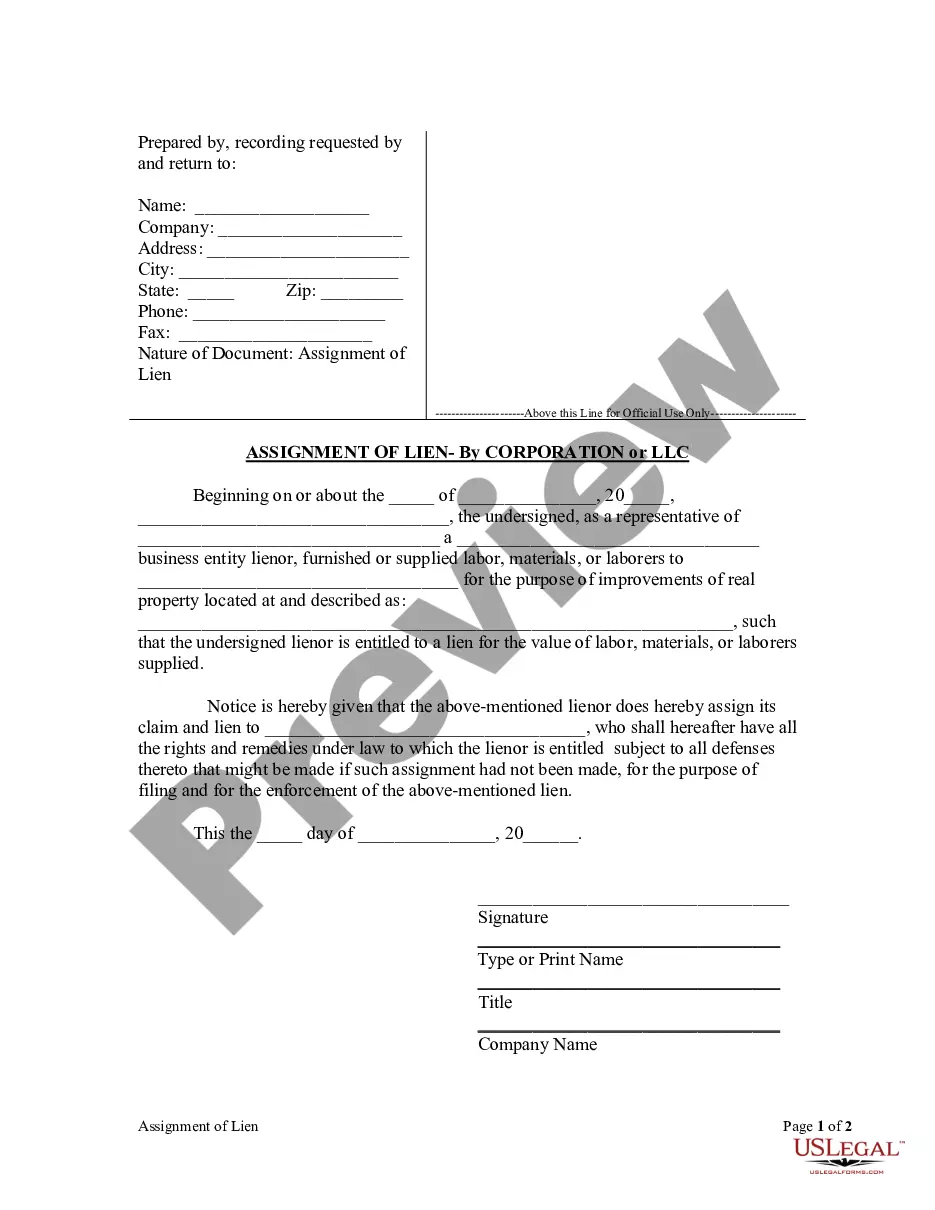
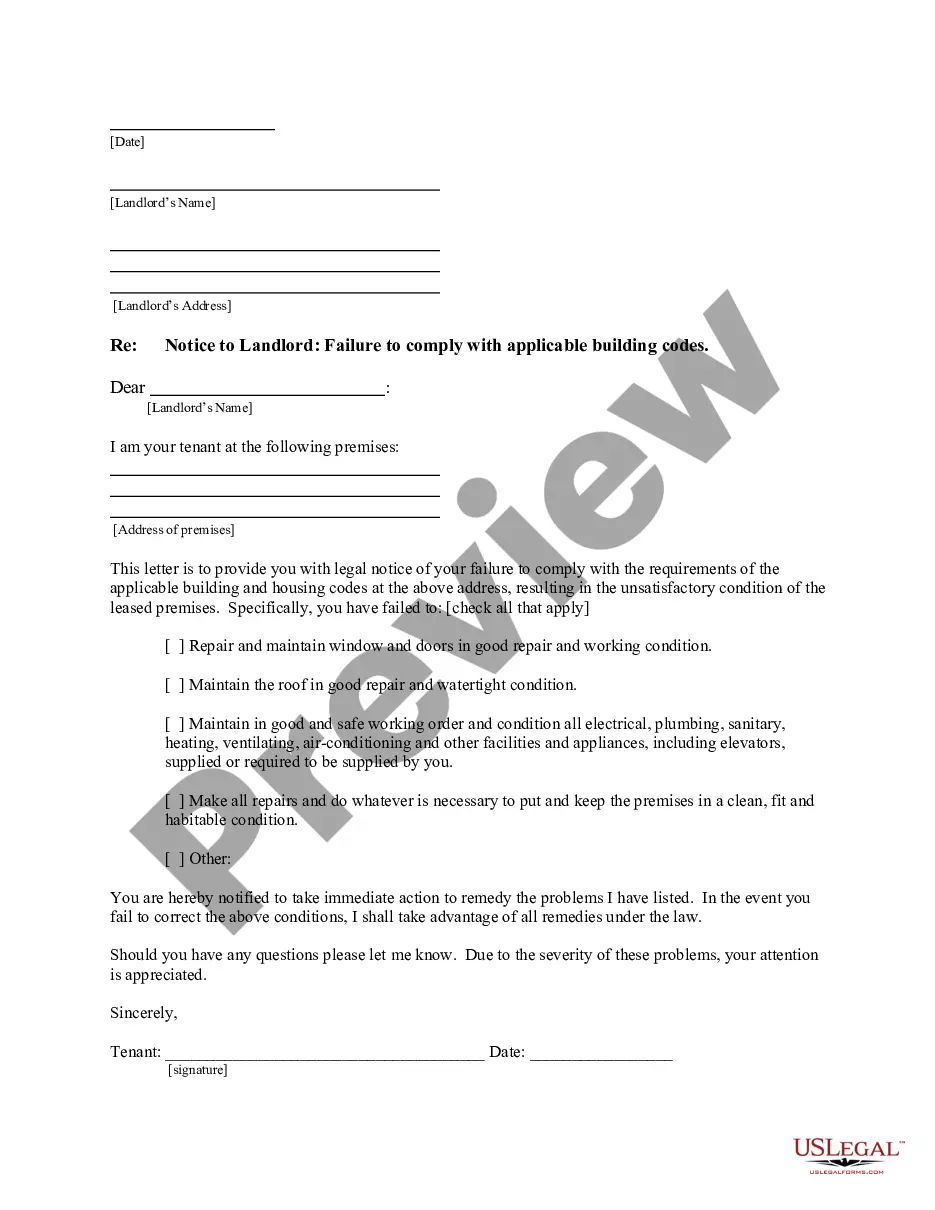
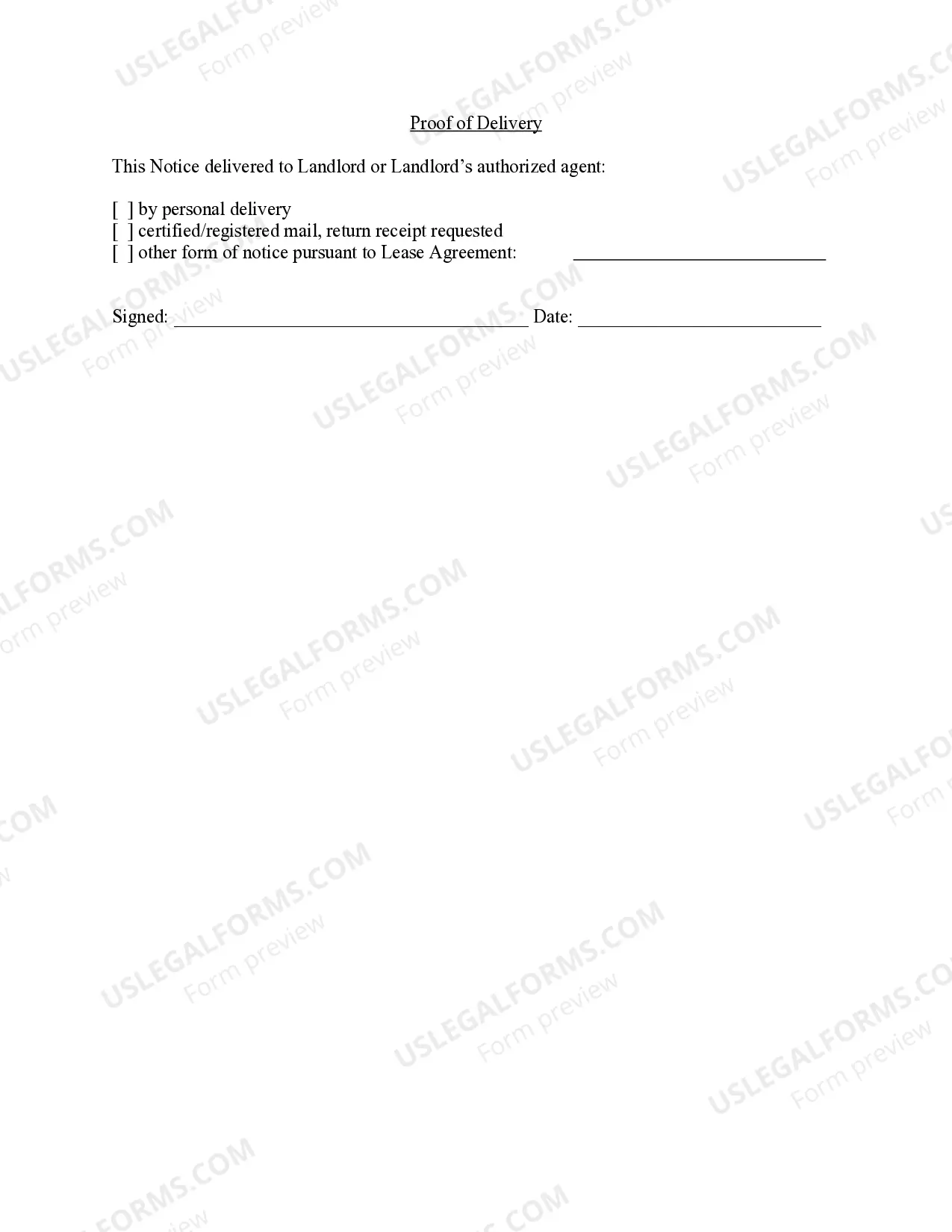
How to fill out Florida Letter From Tenant To Landlord For Failure Of Landlord To Comply With Building Codes Affecting Health And Safety Or Resulting In Untenantable Condition - Demand For Remedy?
- Access your US Legal Forms account. If you're a returning user, simply log in and check your subscription status. If needed, renew it to continue enjoying our services.
- Explore the preview mode. Review form descriptions to ensure you've chosen the appropriate template that aligns with your regional requirements.
- Conduct a search. If the current form doesn’t meet your needs, use the Search tab to find the correct document tailored to your specific situation.
- Select a subscription plan. Click 'Buy Now' to purchase the document and create an account to gain full access to our extensive library.
- Complete your transaction. Enter your payment details or opt for PayPal for a seamless purchasing experience.
- Download your selected form. After the transaction, save the document to your device and access it anytime through the 'My Forms' section of your profile.
Utilizing US Legal Forms empowers individuals and attorneys to swiftly complete legal documents effectively.
Start your journey today with US Legal Forms to simplify your tenant-landlord experience. Click to explore our extensive collection!
Form popularity
FAQ
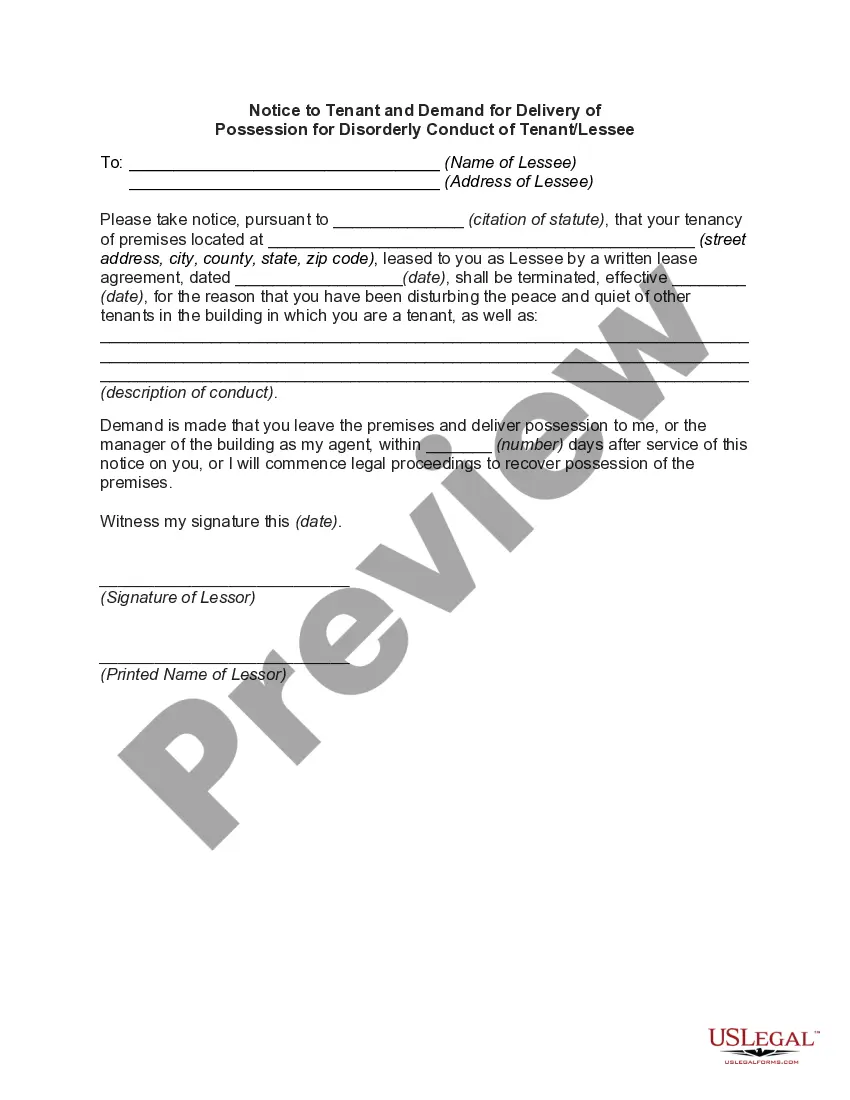
When a landlord violates a lease, several outcomes can occur, including the possibility of you seeking legal remedies or negotiating changes to your living arrangement. This may result in repairs being made, compensation for damages, or even termination of the lease, depending on the severity of the violation. Understanding your options as a tenant landlord affecting with a lease is crucial in these situations. Resources available through platforms like US Legal Forms can simplify the process of addressing such violations.
You have the option to sue your landlord if they violate the lease, particularly when it affects your rights and living conditions. Common violations include failing to make necessary repairs or not adhering to agreed-upon terms. If you decide to take legal action, it’s wise to gather documentation and consult with an attorney. Awareness of how tenant landlord affecting with a lease operates can help you navigate this process more effectively.
Yes, you can potentially sue your landlord if they break the lease terms, which impacts your right to a safe and secure living environment. You would need to demonstrate how their actions violated the agreement and caused you harm or financial loss. Consider gathering evidence and seeking legal advice to strengthen your case. Remember, a strong understanding of tenant landlord affecting with a lease can aid your pursuit of justice.
In New York, landlords cannot discriminate against tenants, lock them out without proper notice, or retaliate against them for exercising their rights. Additionally, they must provide adequate heat and hot water, ensuring your living conditions meet legal standards. These actions highlight the importance of tenant rights regarding landlord conduct and lease agreements. If you feel your rights are violated, you may want to explore solutions to protect yourself.
In Texas, if you need to report a landlord, you can contact the Texas Department of Housing and Community Affairs or your local health department. These agencies oversee various tenant-landlord issues and enforce housing laws. Making a report can be a step towards addressing any misconduct or violations you've experienced as a tenant. Always remember, understanding tenant landlord affecting with a lease can guide you on the best actions to take.
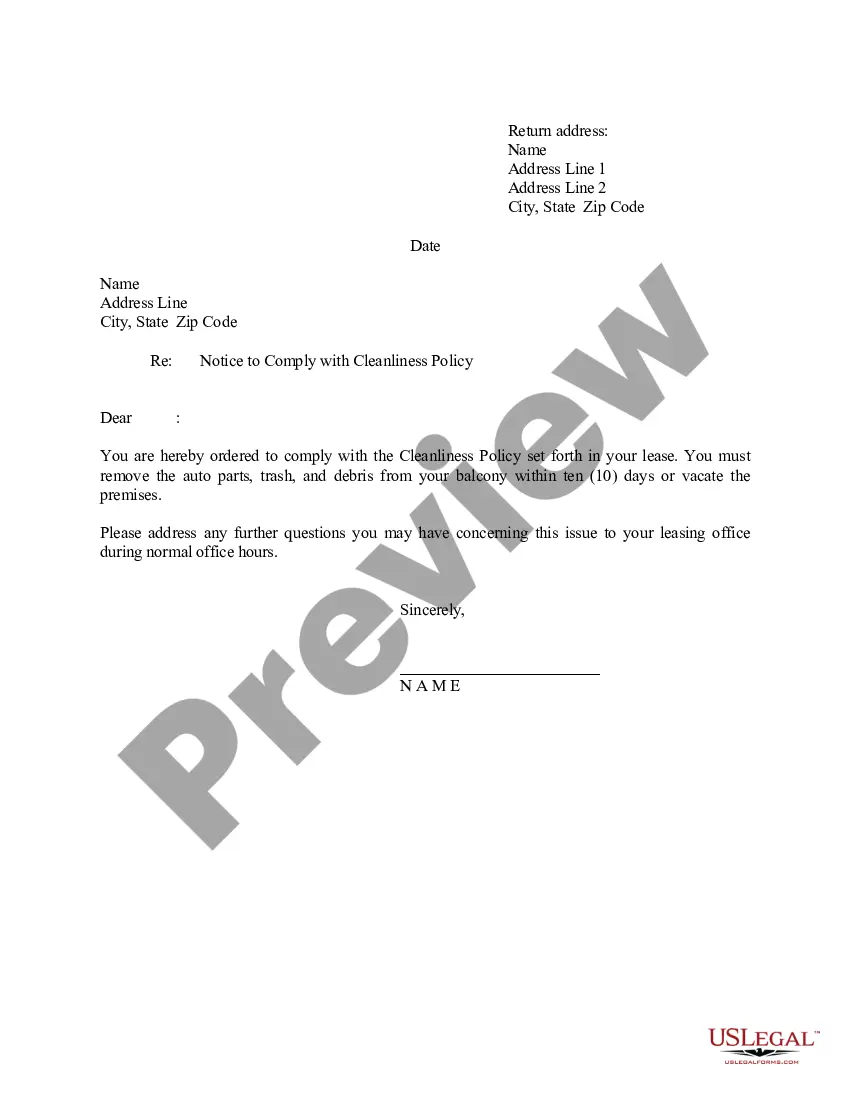
If a landlord violates a lease, you have several options to address this violation. Start by reviewing your lease terms and documenting the violation, as this information will be essential. You may choose to communicate directly with your landlord to seek resolution, or if necessary, seek legal advice on taking more formal actions. Knowing your rights as a tenant landlord affecting with a lease helps you navigate these situations effectively.
Landlord negligence occurs when a landlord fails to maintain a property in a safe and habitable condition, directly affecting tenants. This can include ignoring necessary repairs, leaving hazardous conditions unattended, or failing to respond to tenant complaints. When these actions compromise your living environment, it exemplifies how tenant landlord affecting with a lease can lead to serious issues. Understanding these responsibilities can empower you to take action.
Writing a letter to your landlord to extend a lease should include your current lease details, the desired extension period, and a polite request for consideration. Being clear and respectful in your communication helps maintain a positive relationship. Consider using US Legal Forms to guide you in drafting a professional letter for tenant landlord affecting with a lease situations.
In New York, landlords cannot conduct random inspections without providing proper notice to tenants, usually 24 hours in advance. Inspections must be reasonable and typically should occur during regular business hours. Understanding tenant landlord affecting with a lease helps ensure landlords respect tenants' privacy while fulfilling their maintenance obligations.
To change a tenant on a lease, it is necessary to get written consent from the landlord or property manager. The original tenant may need to formally request a lease amendment, which can include a background check on the prospective tenant. Exploring how tenant landlord affecting with a lease works can facilitate this process while protecting everyone's interests.