Limited Business
Description
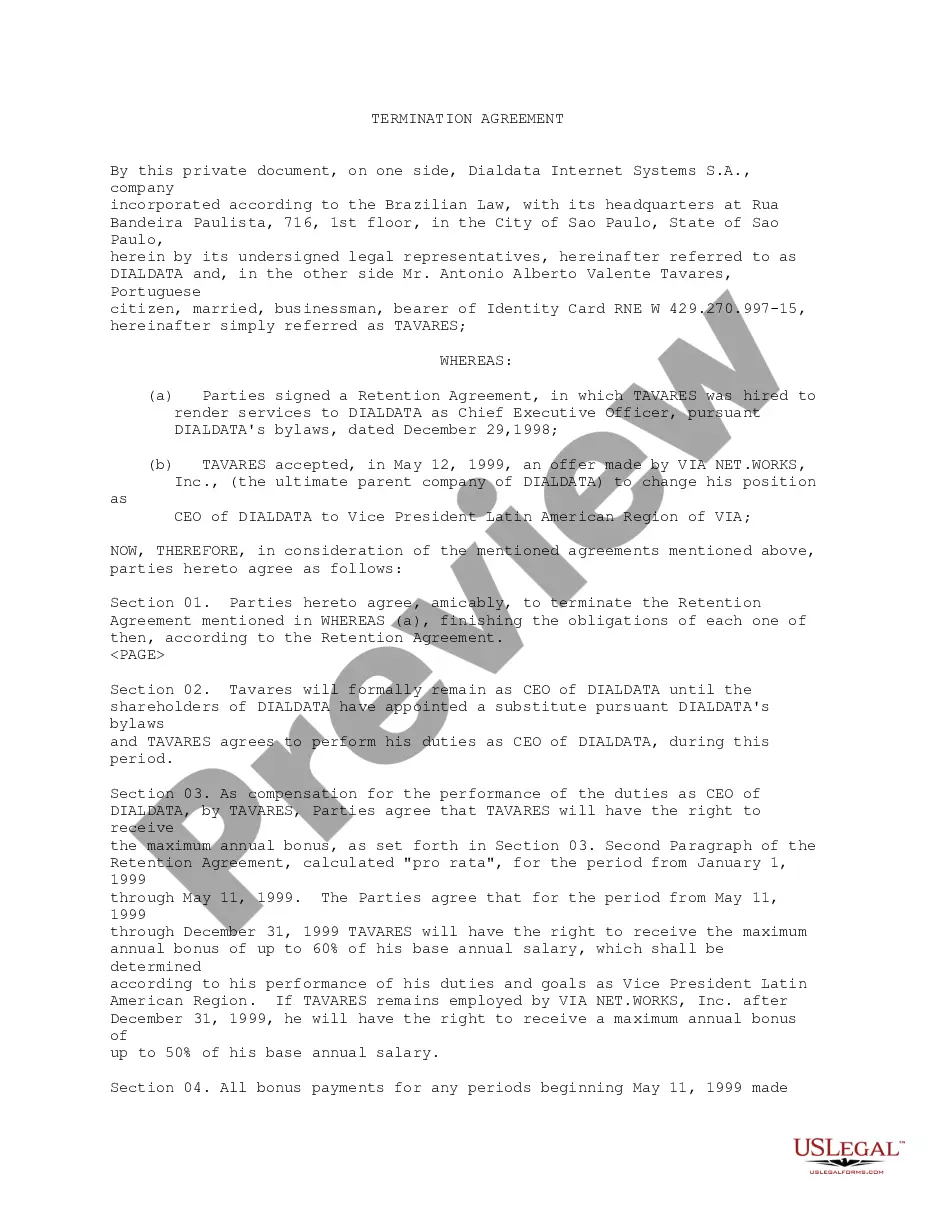
Get your form ready online
Our built-in tools help you complete, sign, share, and store your documents in one place.
Make edits, fill in missing information, and update formatting in US Legal Forms—just like you would in MS Word.
Download a copy, print it, send it by email, or mail it via USPS—whatever works best for your next step.
Sign and collect signatures with our SignNow integration. Send to multiple recipients, set reminders, and more. Go Premium to unlock E-Sign.
If this form requires notarization, complete it online through a secure video call—no need to meet a notary in person or wait for an appointment.
We protect your documents and personal data by following strict security and privacy standards.

Make edits, fill in missing information, and update formatting in US Legal Forms—just like you would in MS Word.

Download a copy, print it, send it by email, or mail it via USPS—whatever works best for your next step.

Sign and collect signatures with our SignNow integration. Send to multiple recipients, set reminders, and more. Go Premium to unlock E-Sign.

If this form requires notarization, complete it online through a secure video call—no need to meet a notary in person or wait for an appointment.

We protect your documents and personal data by following strict security and privacy standards.
Looking for another form?


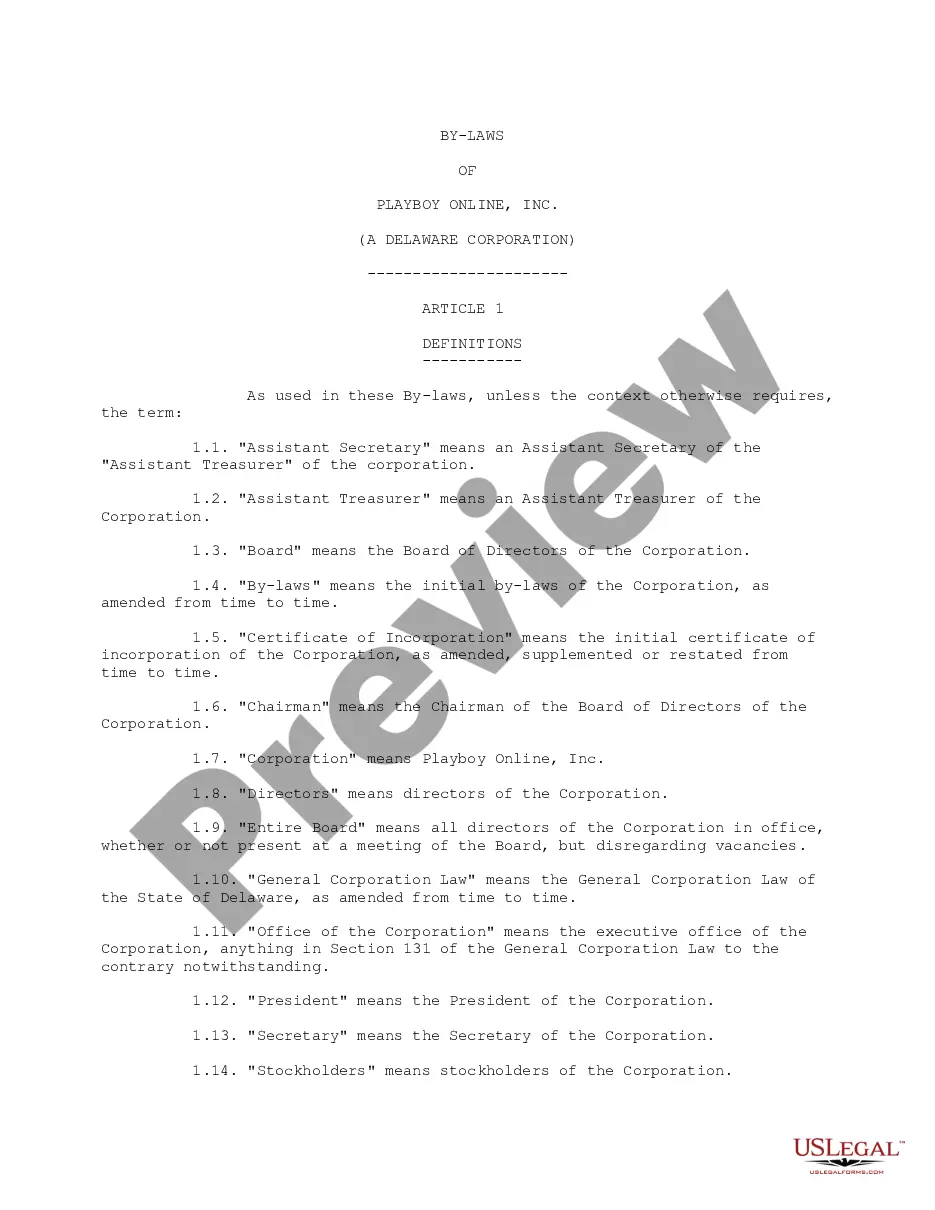
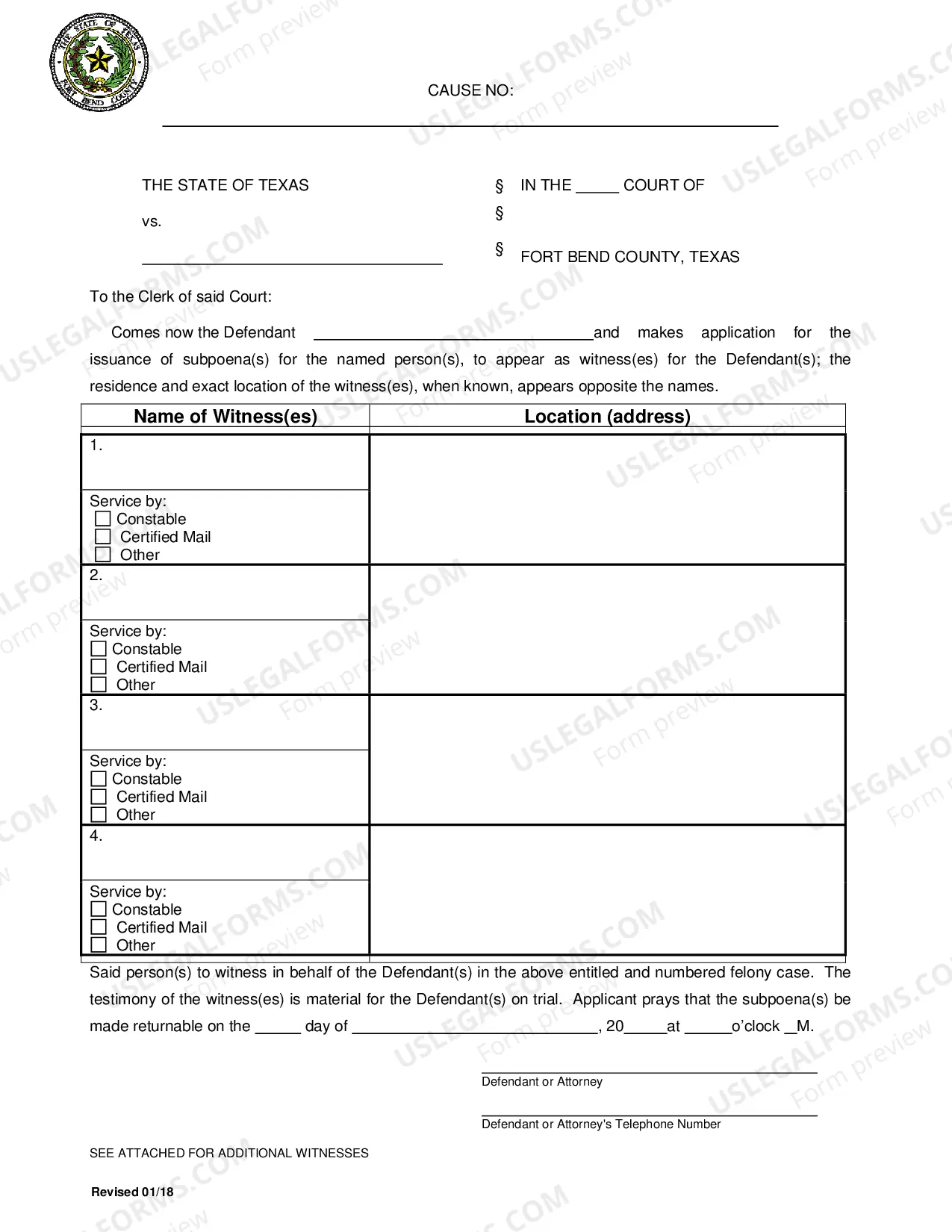





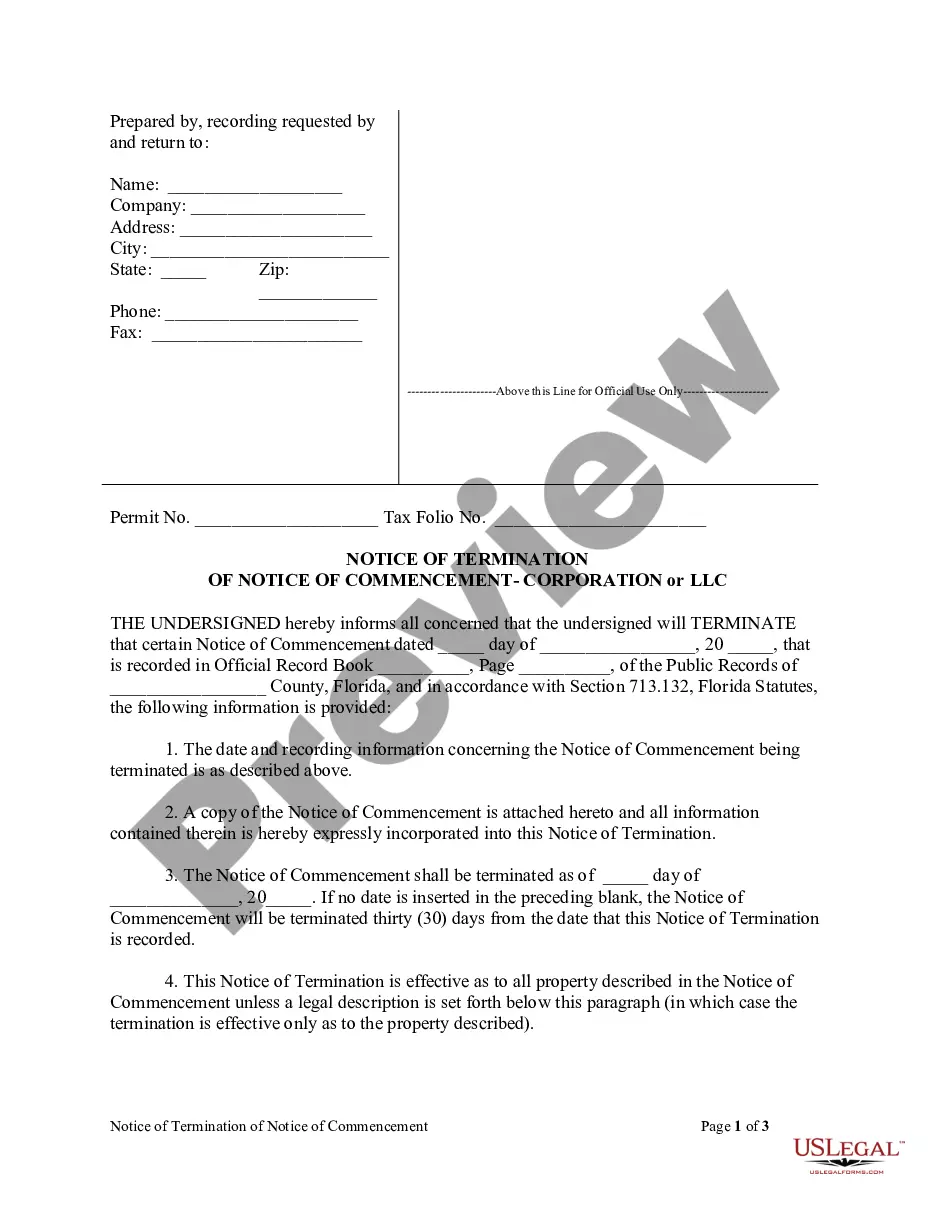
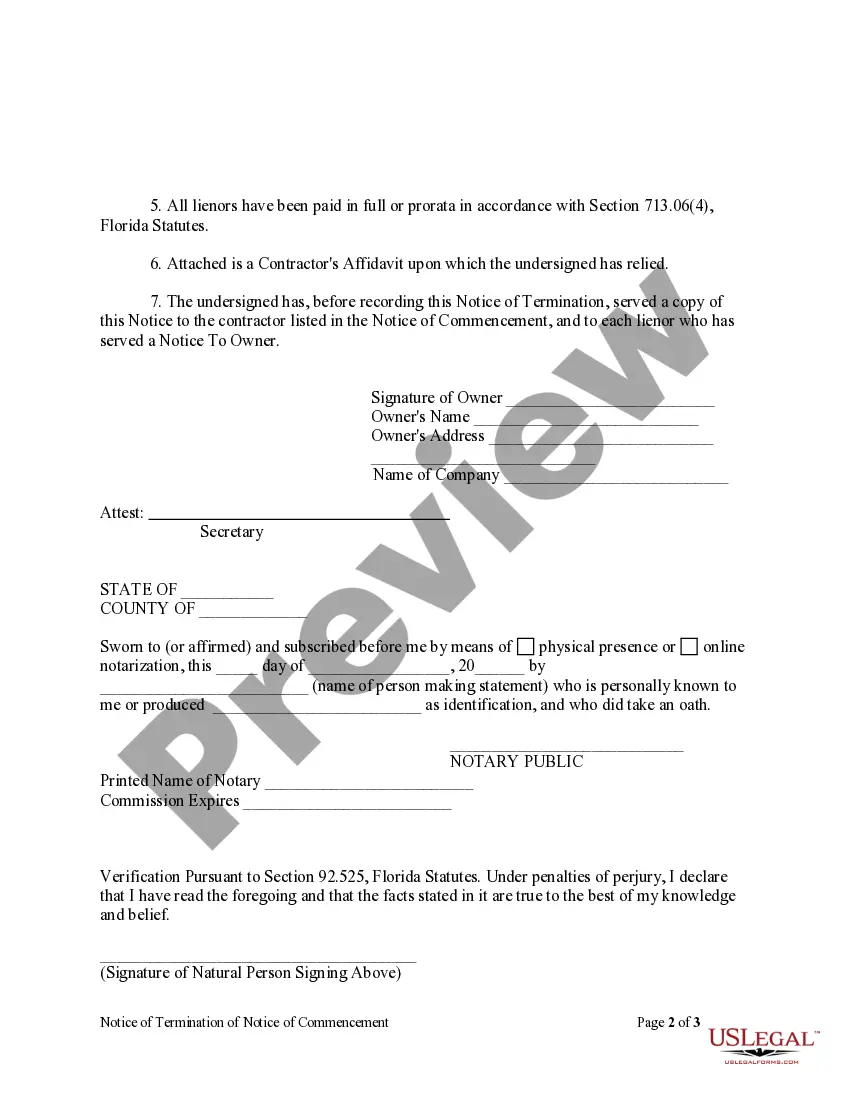
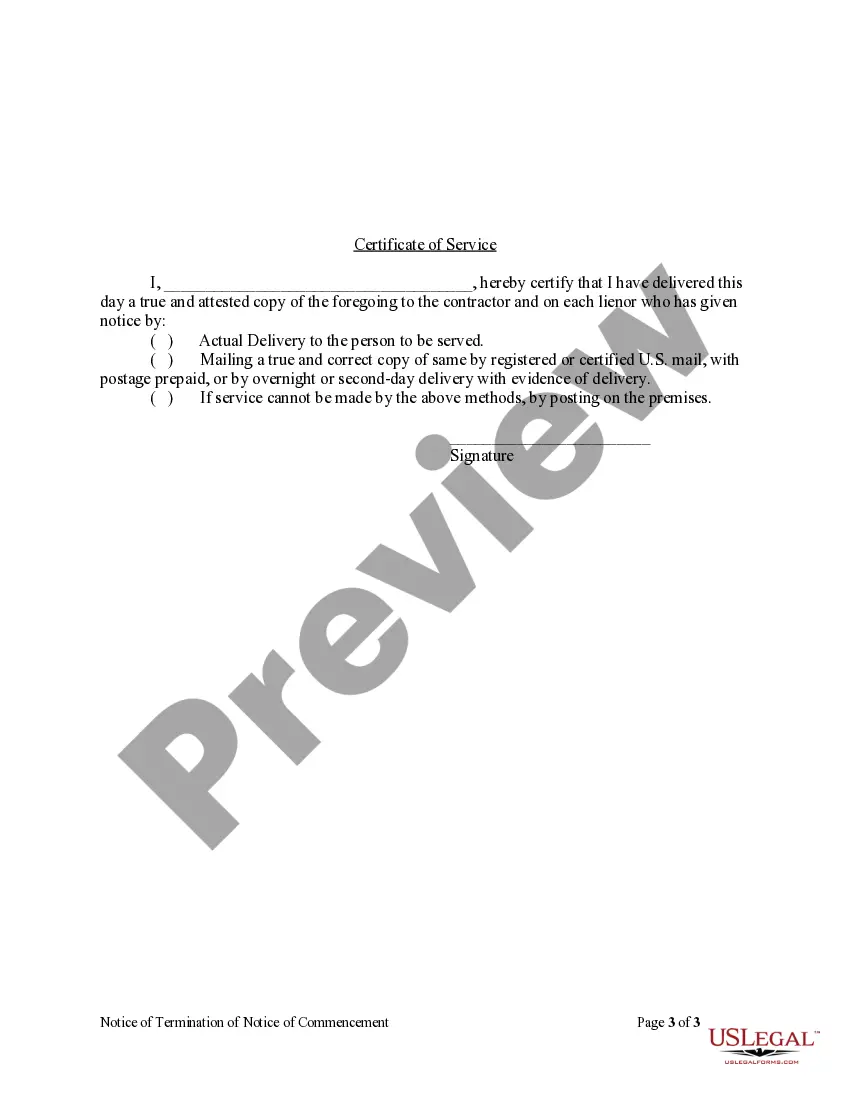
How to fill out Florida Notice Of Termination Of Notice Of Commencement Form - Construction - Mechanic Liens - Corporation Or LLC?
- Log into your US Legal Forms account. If you haven't registered yet, create an account to start your journey.
- Browse through the extensive preview mode and read the form descriptions to select the right template that aligns with your local jurisdiction.
- Utilize the search bar if necessary to find additional templates that may better meet your specific needs.
- Choose your desired subscription plan by clicking the Buy Now button and complete the registration to unlock the full library.
- Enter your payment details using a credit card or PayPal, and finalize the purchase.
- Once purchased, download your selected document onto your device and access it later via the My Forms section of your profile.
Once you have your document, you can confidently move forward with your limited business setup.
Take advantage of US Legal Forms’ robust offerings today. Explore the substantial library and get started on your legal paperwork!
Form popularity
FAQ
In the context of business, 'limited' typically refers to the limited liability aspect, which safeguards owners from being personally responsible for the company’s debts. This feature fosters a secure environment for investors and entrepreneurs, encouraging business formation and growth. The limited business structure can enhance credibility and attract funding opportunities. Explore US Legal Forms to learn how to set up your limited business effectively.
A limited company is a type of business structure where the liability of its shareholders is limited to their investment in the company. This means that personal assets are protected from business debts and obligations. Choosing a limited business structure can provide a safety net for entrepreneurs. At US Legal Forms, we offer resources to help you understand the requirements and benefits of forming a limited company.
A popular example of a limited liability company (LLC) is a small retail store that operates independently. In this structure, the owner enjoys personal liability protection against debts arising from the business. This means the owner's personal savings and property are safe from legal claims related to the company. Setting up an LLC through platforms like USLegalForms can help you ensure compliance while enjoying the benefits of a limited business.
A limited business can be any type of enterprise that offers limited liability to its owners. Common examples include limited liability companies (LLCs), limited partnerships (LPs), and limited corporations. These structures ensure that personal assets are shielded from the financial risks associated with the business. Utilizing platforms like USLegalForms can simplify the process of establishing your limited business correctly.
A limited business typically refers to a company that has limited liability protection. For instance, a real estate investment company that is structured as a limited liability company (LLC) qualifies as a limited business. This structure protects the owners' personal assets from business debts and liabilities. By choosing a limited business format, entrepreneurs can enjoy peace of mind while pursuing their ventures.
A private limited company is not the same as an LLC, even though both provide limited liability protections. A private limited company typically aligns with corporate structures, particularly in the U.K., while an LLC is a unique formation recognized in the U.S. and combines elements of partnerships and corporations. If you’re considering forming either type of organization, U.S. Legal Forms provides tailored solutions to help you understand each structure’s benefits and requirements.
Yes, you may use 'limited' instead of 'LLC', but make sure to apply it correctly according to your business's state regulations. 'Limited' generally refers to corporations, while 'LLC' is specifically applicable to Limited Liability Companies. Clear communication in your business name is crucial since it reflects your legal structure and impacts liability. Consulting with U.S. Legal Forms can clarify which designation suits your limited business best.
A limited partnership may be preferable over an LLC if you want to maintain more control over the business operations while limiting liability for some partners. In a limited partnership, there are general partners who manage the business and limited partners who invest capital but do not participate in management. This structure can attract investors who desire limited risk in a limited business. If you need help forming a limited partnership, U.S. Legal Forms offers practical guidance.
Choosing between LTD and LLC depends on your business needs and goals. An LTD, or limited company, often suits larger businesses with plans for expansion, while an LLC is popular among small to medium-sized enterprises due to its flexible operational structure. Both offer limited liability, but the taxation methods and regulatory requirements differ. To find the best fit for your limited business, consult with a legal expert or utilize the resources at U.S. Legal Forms.
Yes, you can use 'limited' instead of 'LLC', but it’s crucial to understand the implications. 'Limited' typically applies to corporations in the United Kingdom, whereas 'LLC' stands for Limited Liability Company, specifically in the U.S. Each designation carries distinct legal meanings and operational rules. Thus, ensuring clarity in your business structure is essential for compliance and tax purposes.