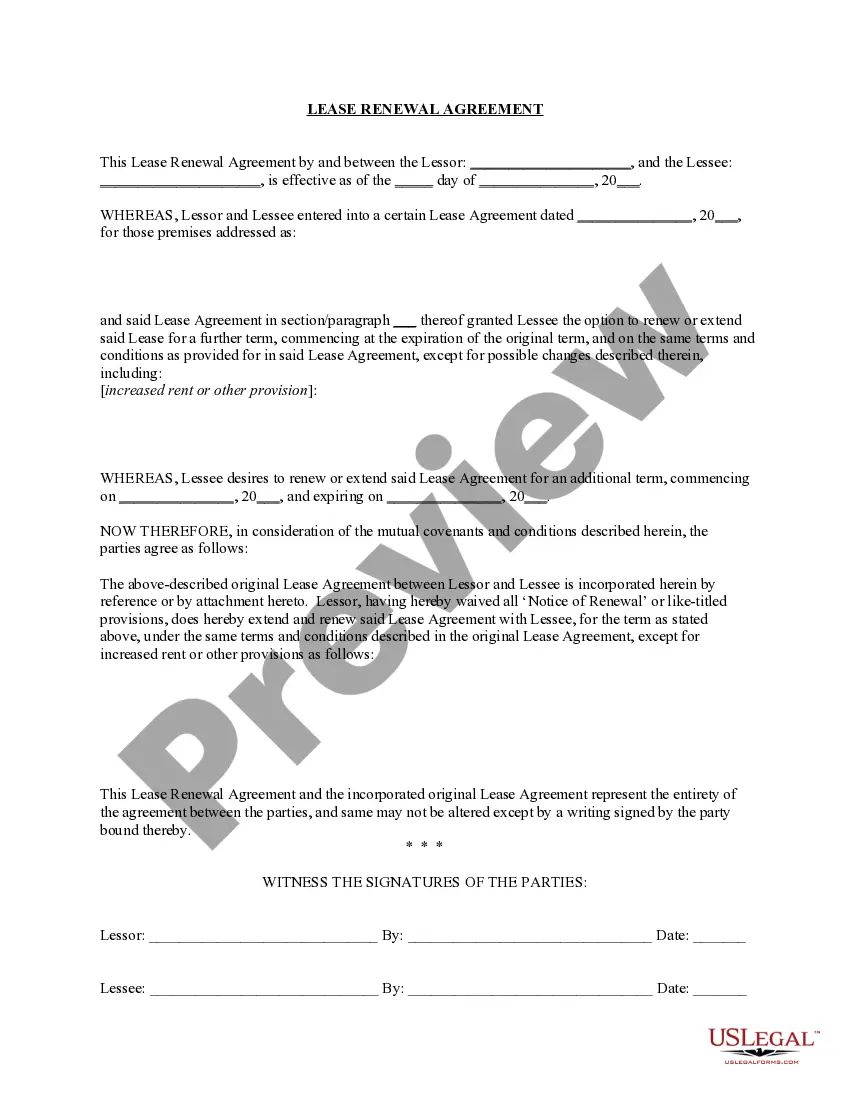
Residential Lease Agreement For House
Description
Get your form ready online
Our built-in tools help you complete, sign, share, and store your documents in one place.
Make edits, fill in missing information, and update formatting in US Legal Forms—just like you would in MS Word.
Download a copy, print it, send it by email, or mail it via USPS—whatever works best for your next step.
Sign and collect signatures with our SignNow integration. Send to multiple recipients, set reminders, and more. Go Premium to unlock E-Sign.
If this form requires notarization, complete it online through a secure video call—no need to meet a notary in person or wait for an appointment.
We protect your documents and personal data by following strict security and privacy standards.

Make edits, fill in missing information, and update formatting in US Legal Forms—just like you would in MS Word.

Download a copy, print it, send it by email, or mail it via USPS—whatever works best for your next step.

Sign and collect signatures with our SignNow integration. Send to multiple recipients, set reminders, and more. Go Premium to unlock E-Sign.

If this form requires notarization, complete it online through a secure video call—no need to meet a notary in person or wait for an appointment.

We protect your documents and personal data by following strict security and privacy standards.
Looking for another form?









How to fill out Connecticut Residential Lease Renewal Agreement?
- If you are a returning user, log in to your account and select the desired form template by clicking the Download button. Ensure your subscription is active.
- For first-time users, start by reviewing the Preview mode and description of the residential lease agreement to confirm it meets your needs and complies with local regulations.
- If adjustments are necessary, use the Search bar to find an alternative template that better suits your requirements.
- Proceed to purchase the document by clicking the Buy Now button, where you'll select your preferred subscription plan and create an account for access.
- Complete your purchase by entering your credit card information or utilizing your PayPal account for payment.
- Download your completed form and save it on your device. You can also find it in the My Forms section of your profile whenever needed.
In conclusion, US Legal Forms equips users with an extensive library of over 85,000 legal forms, including residential lease agreements. This resource ensures you can create precise and legally sound documents in no time.
Start using US Legal Forms today to simplify your legal document needs!
Form popularity
FAQ
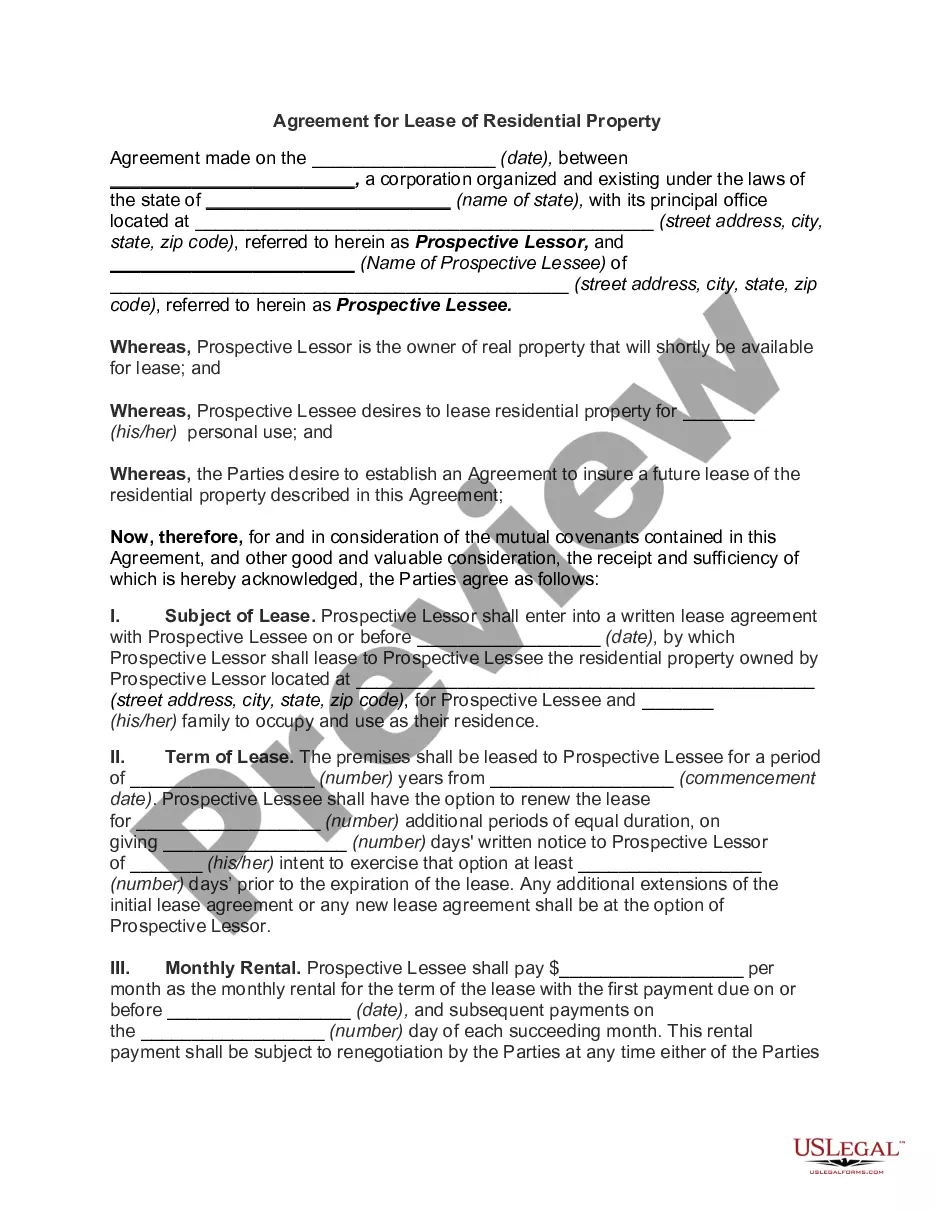
The most frequently used lease for residential property is a month-to-month lease or a fixed-term lease agreement. Each type has its advantages, with fixed-term leases providing longer stability and month-to-month leases allowing for greater flexibility. It’s helpful to understand your options, and using resources like US Legal Forms can aid in crafting the right residential lease agreement for house.
The most common form of residential lease is the fixed-term lease, which typically lasts one year. This type of lease provides stability for both the landlord and tenant, making it easier to manage expectations regarding rent and property use. For creating a solid fixed-term lease, consider starting with a template focused on residential lease agreements for house.
Yes, landlords can write their own lease agreements, including a residential lease agreement for house. This ability allows landlords to tailor terms to fit their specific needs and property requirements. However, it is crucial that the lease complies with state laws and includes all necessary clauses for tenant protection.
You can certainly create your own lease contract, including a residential lease agreement for house. It’s advisable to research the required legal provisions to ensure your contract is comprehensive and enforceable. Utilizing a reliable platform like US Legal Forms can provide templates to make this process simpler and more compliant with the law.
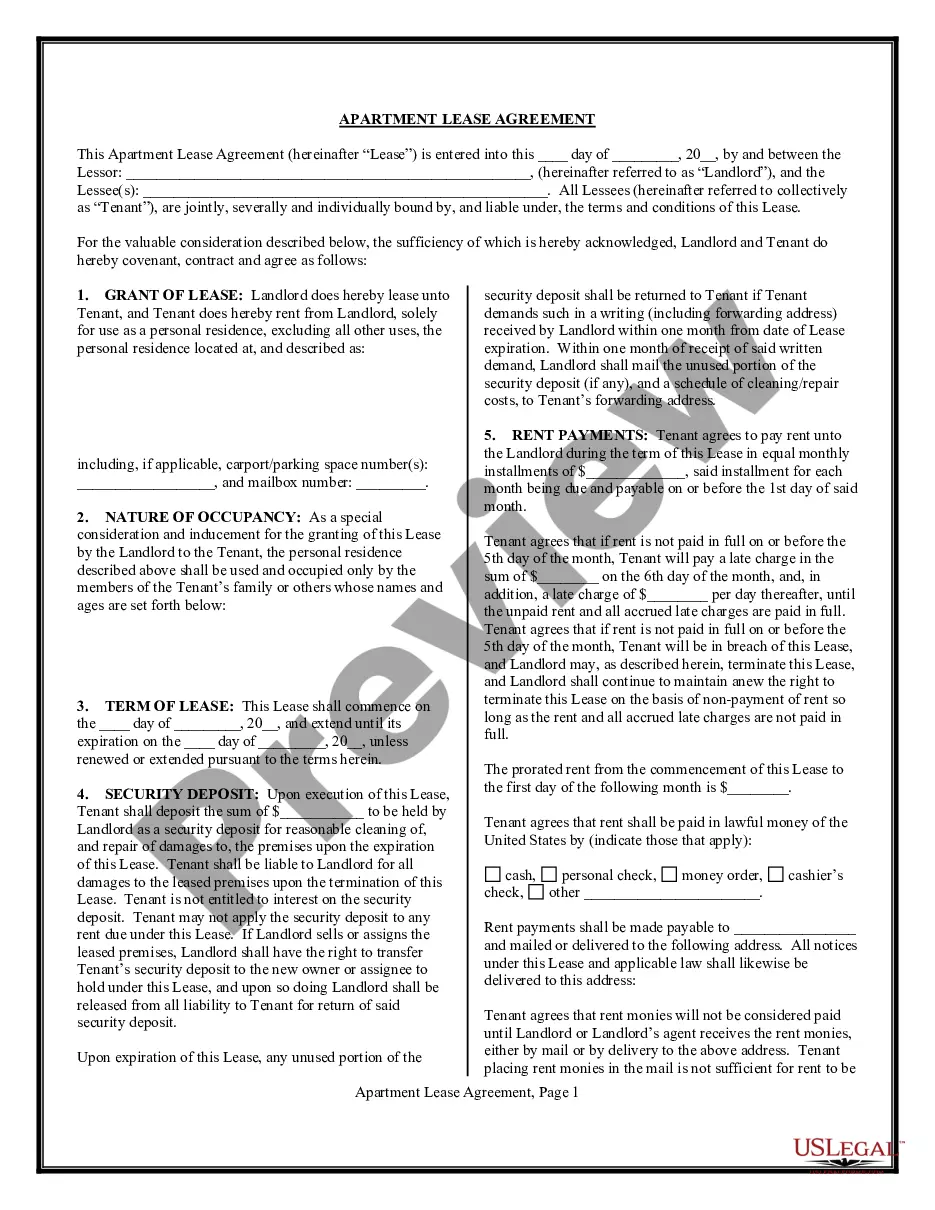
A Texas residential lease agreement for house outlines the terms between the landlord and tenant specific to Texas state laws. This agreement typically includes rent details, maintenance responsibilities, and any local regulations that apply. By using a well-structured lease, both parties gain clarity and protection under Texas law.
Yes, you can write your own residential lease agreement for house. However, it’s important to include essential elements such as rent amount, lease term, and tenant responsibilities. Drafting your own lease can give you flexibility, but ensure you follow your state’s laws to avoid potential legal issues.
You typically do not need a lawyer to draft a residential lease agreement for a house, as long as you understand the terms and obligations involved. However, if you have specific concerns or complex situations, consulting a lawyer can be beneficial. It helps to clarify any potential legal issues or to tailor the agreement to your unique circumstances. Utilizing resources like US Legal Forms can also guide you in creating a comprehensive lease agreement without needing legal representation.
In most cases, a residential lease agreement for a house does not need to be notarized to be legally binding. However, some states may have specific requirements regarding notarization. It's always wise to check your local laws or consult a legal expert. To ensure compliance, using a reliable platform like US Legal Forms can provide templates tailored to your state’s regulations.
Yes, landlords can create their own residential lease agreement for house. However, it is crucial to ensure that the lease complies with local laws and includes all necessary terms. Using professional templates from platforms like US Legal Forms can help landlords craft legally sound agreements efficiently.
Yes, a handwritten lease agreement can be legally binding as long as it meets the necessary requirements. The document should clearly state the terms of the rental, both parties’ signatures, and any relevant legal stipulations. For reliability, consider drafting the agreement using templates from US Legal Forms.