Estate Form Information With 1099
Description
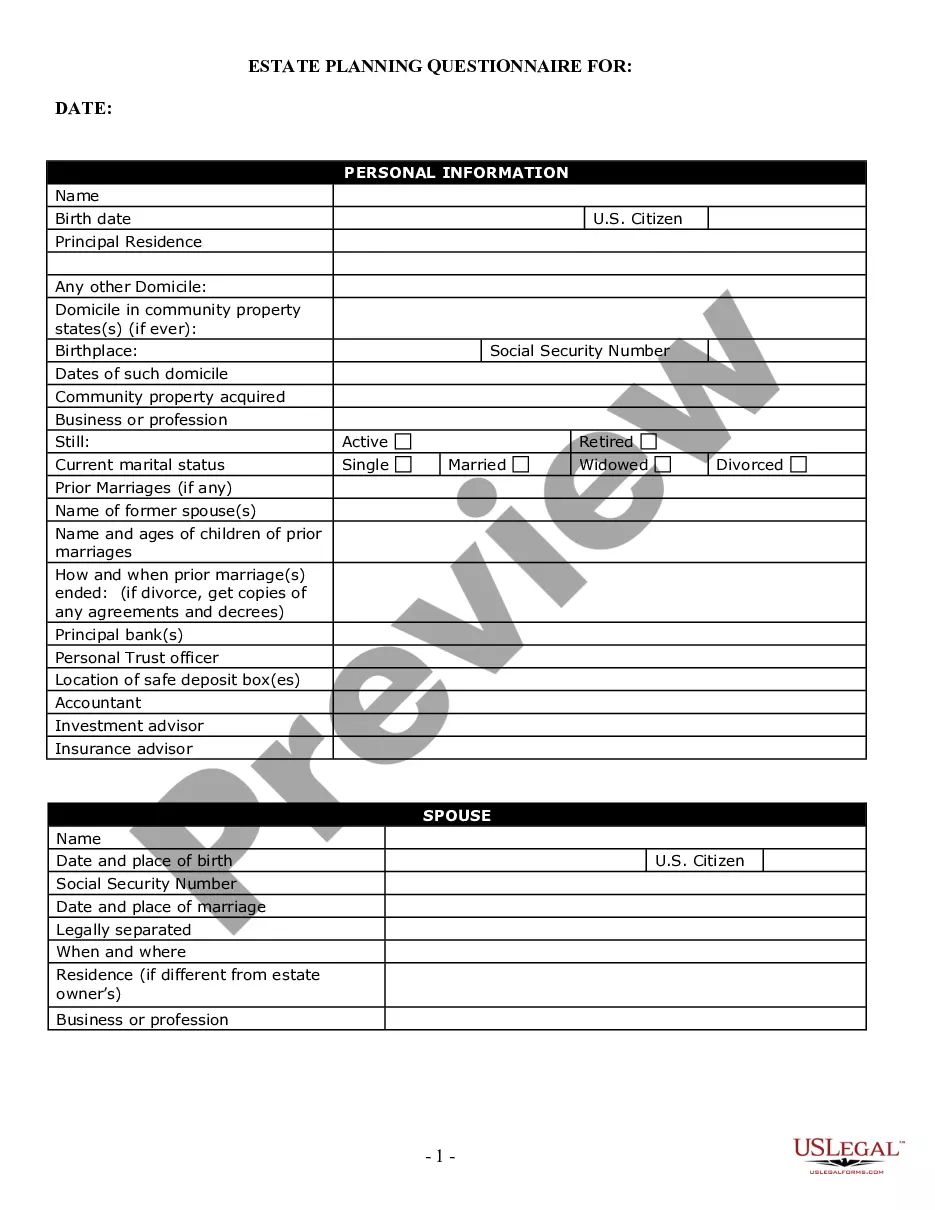
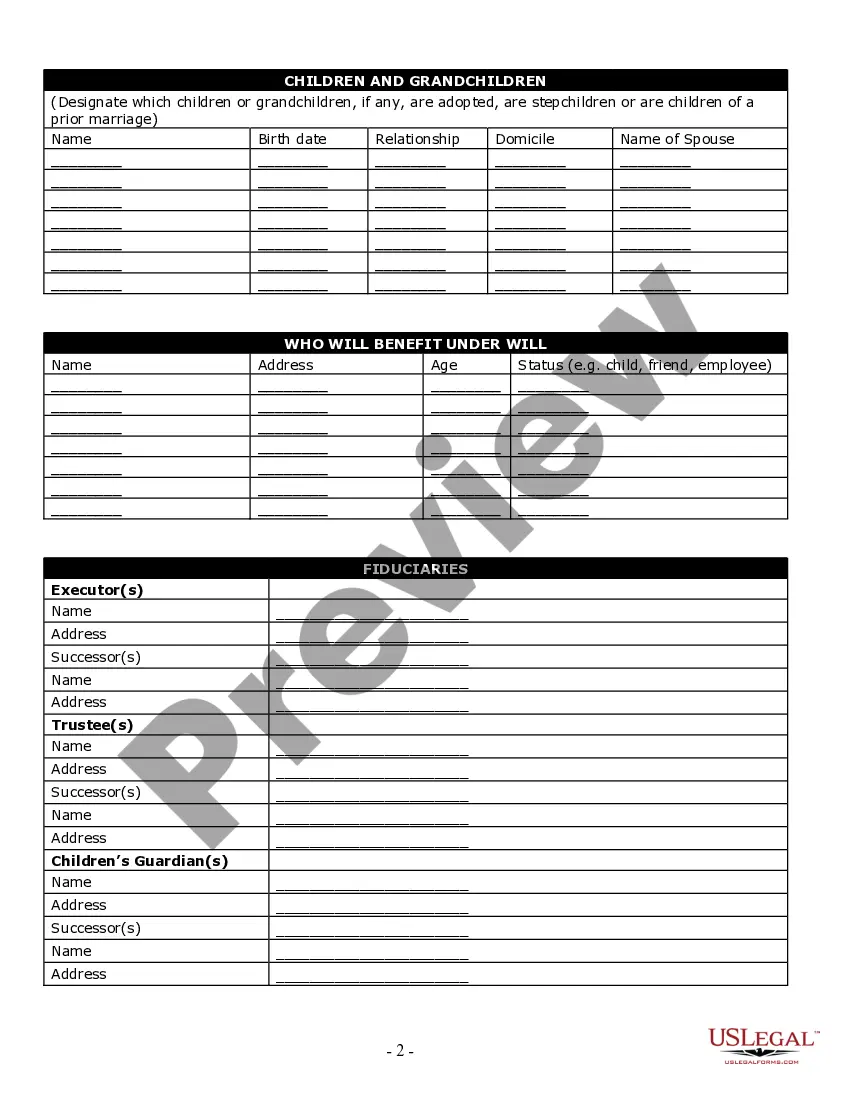
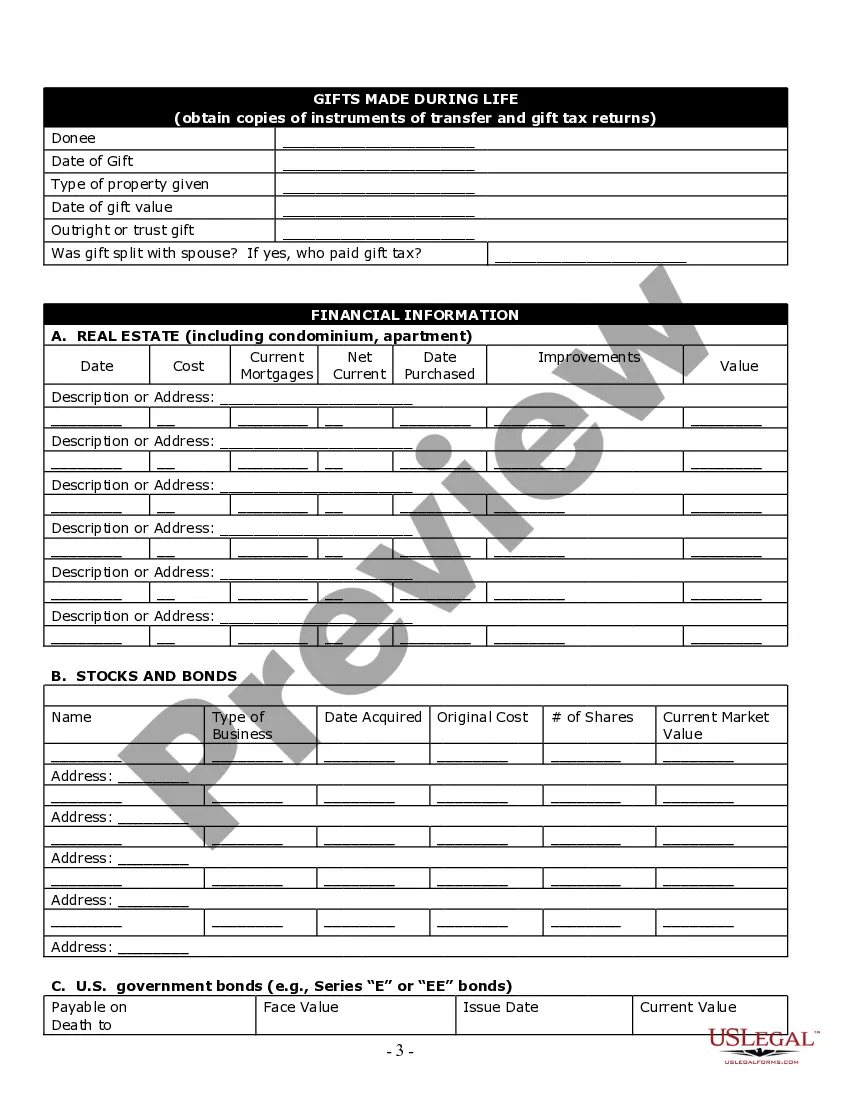
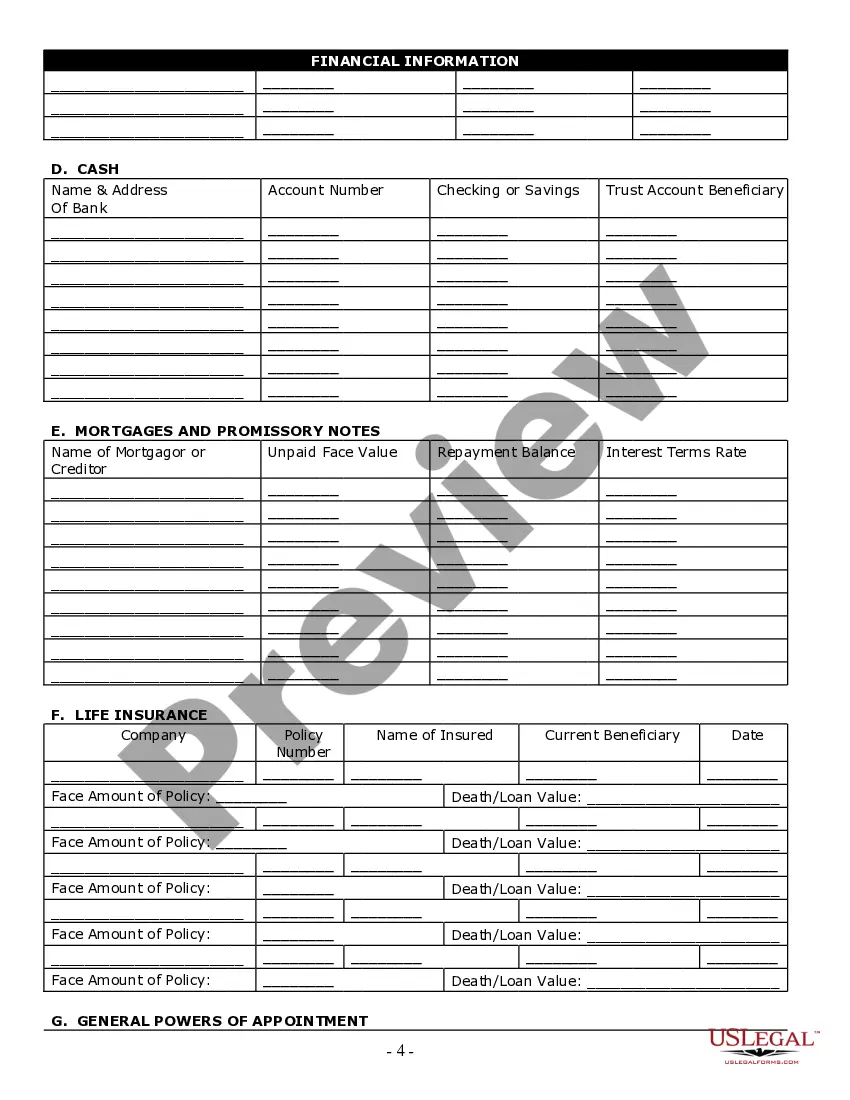
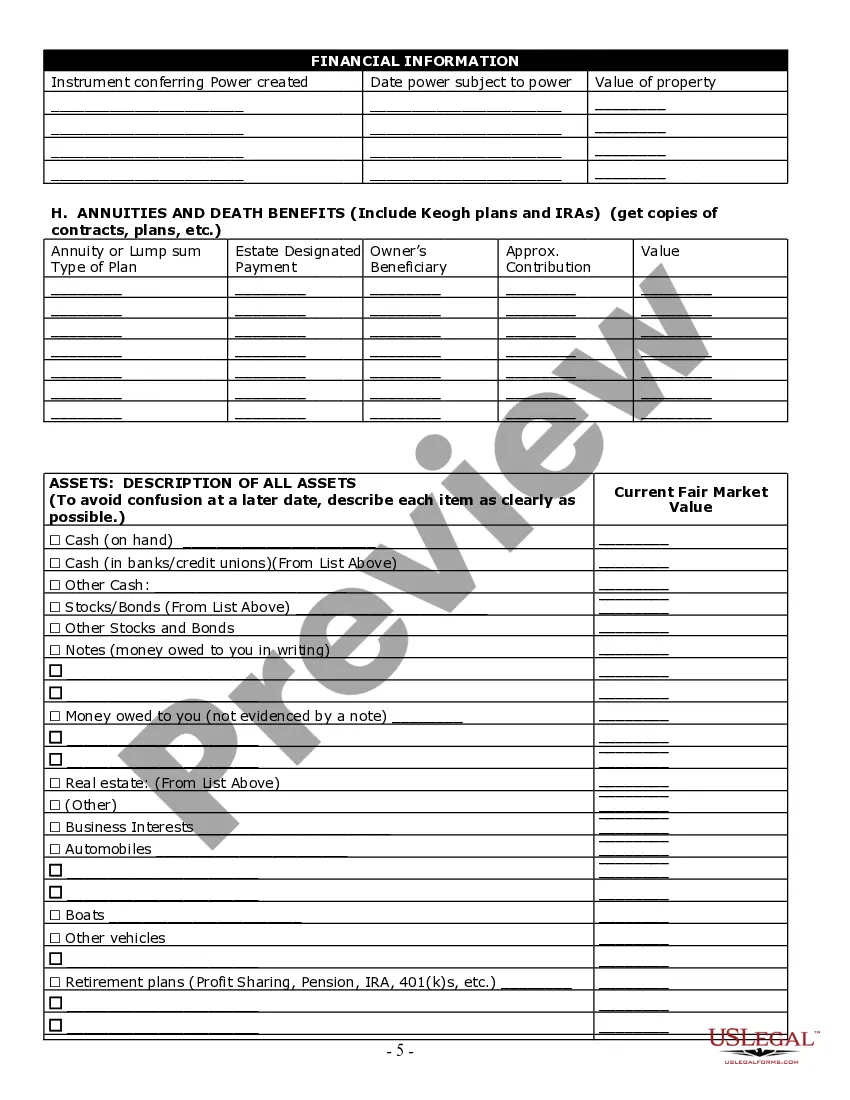
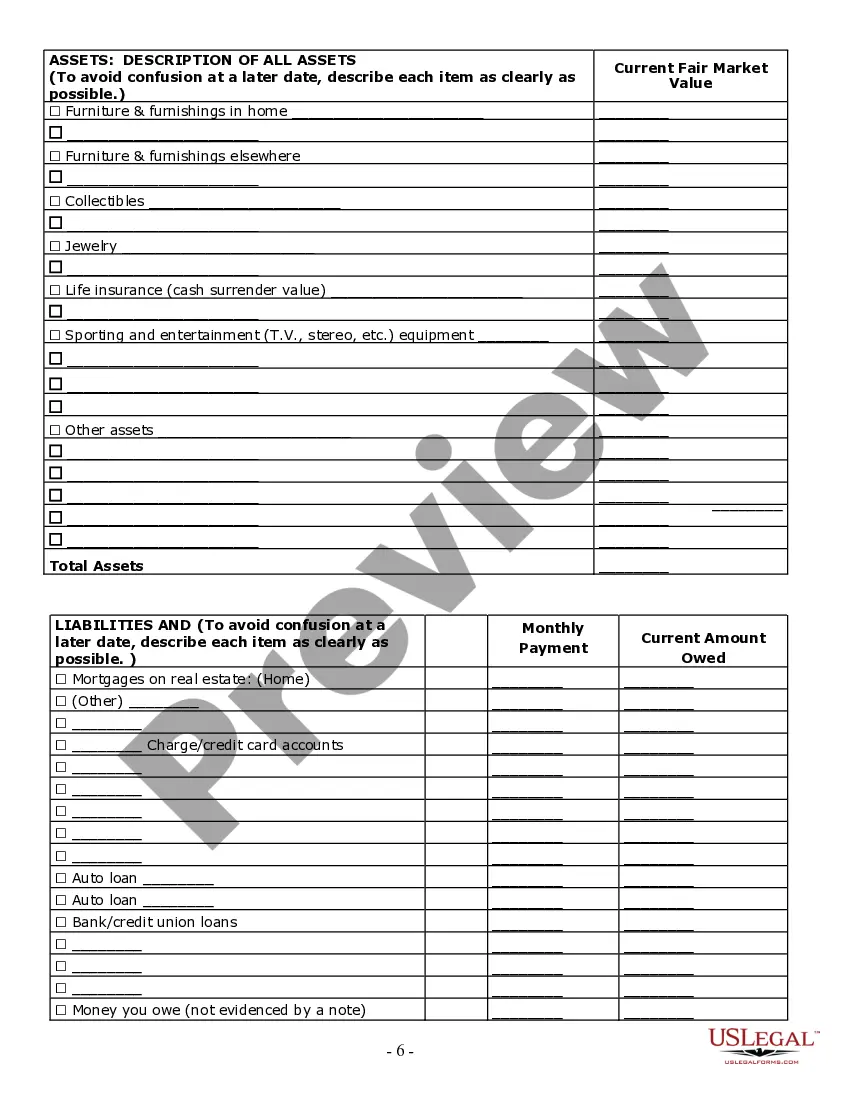
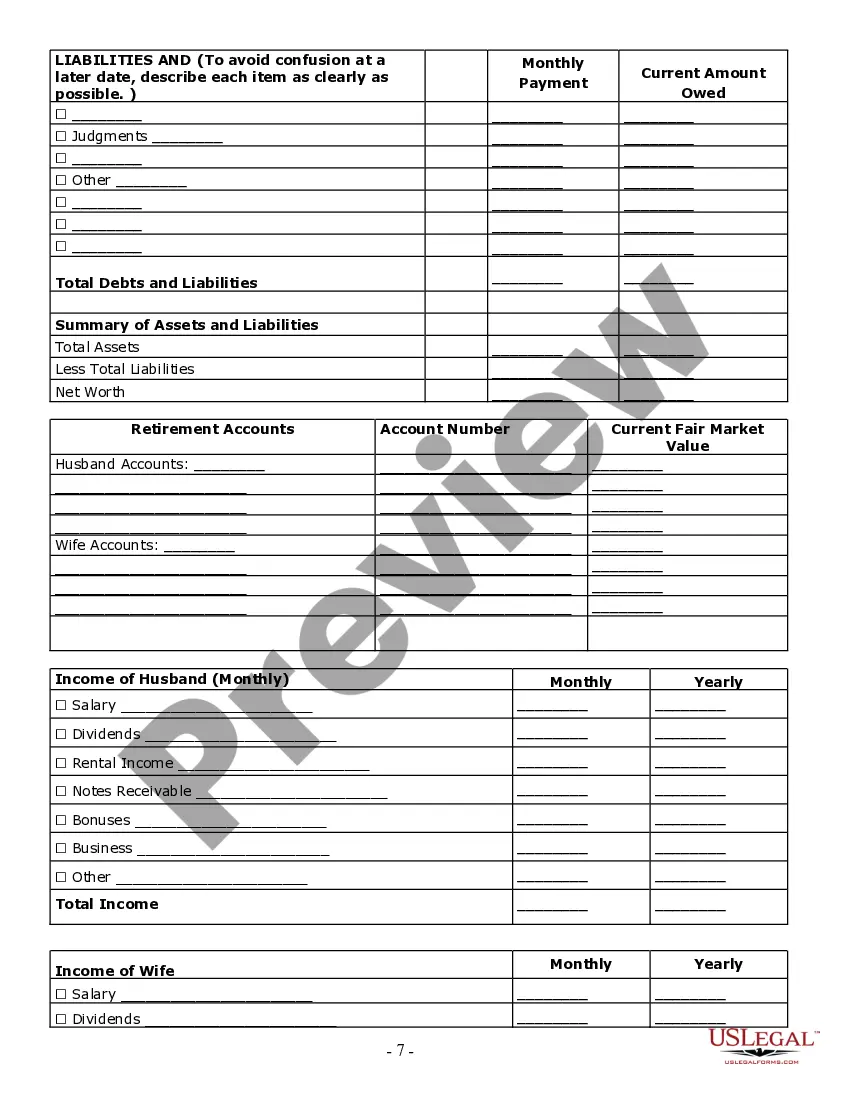
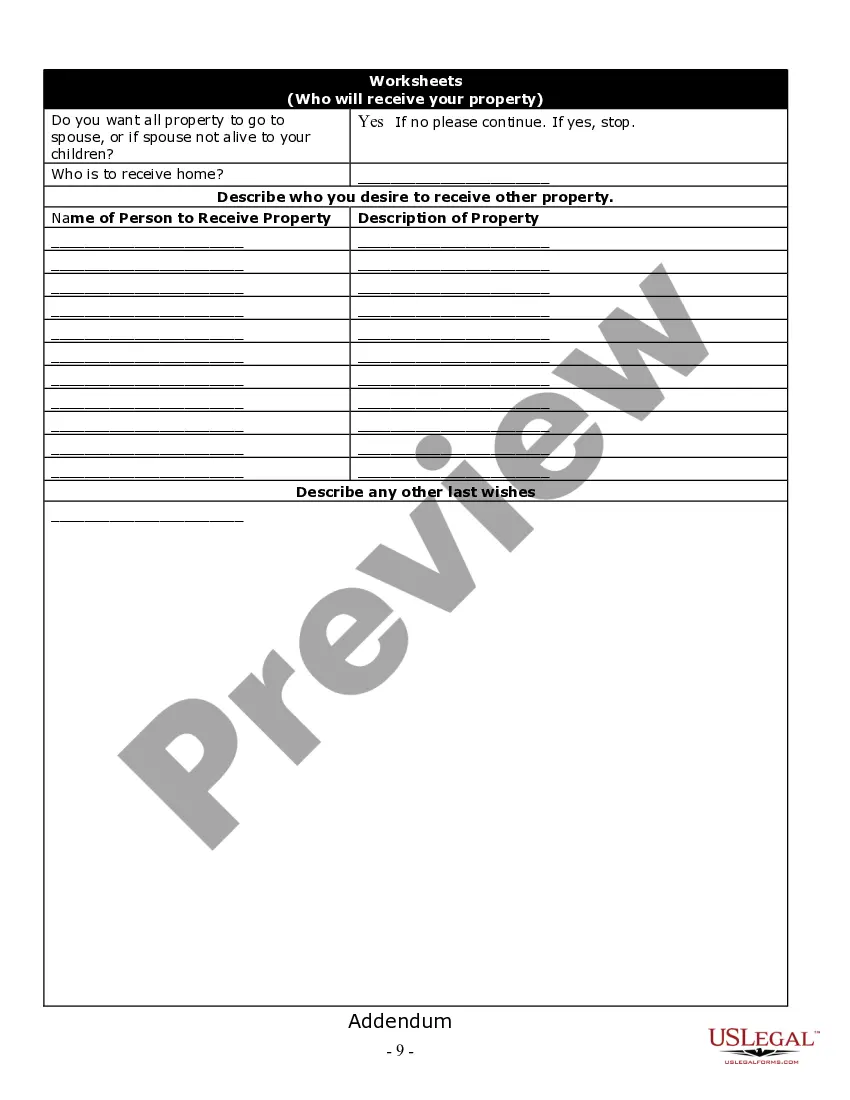
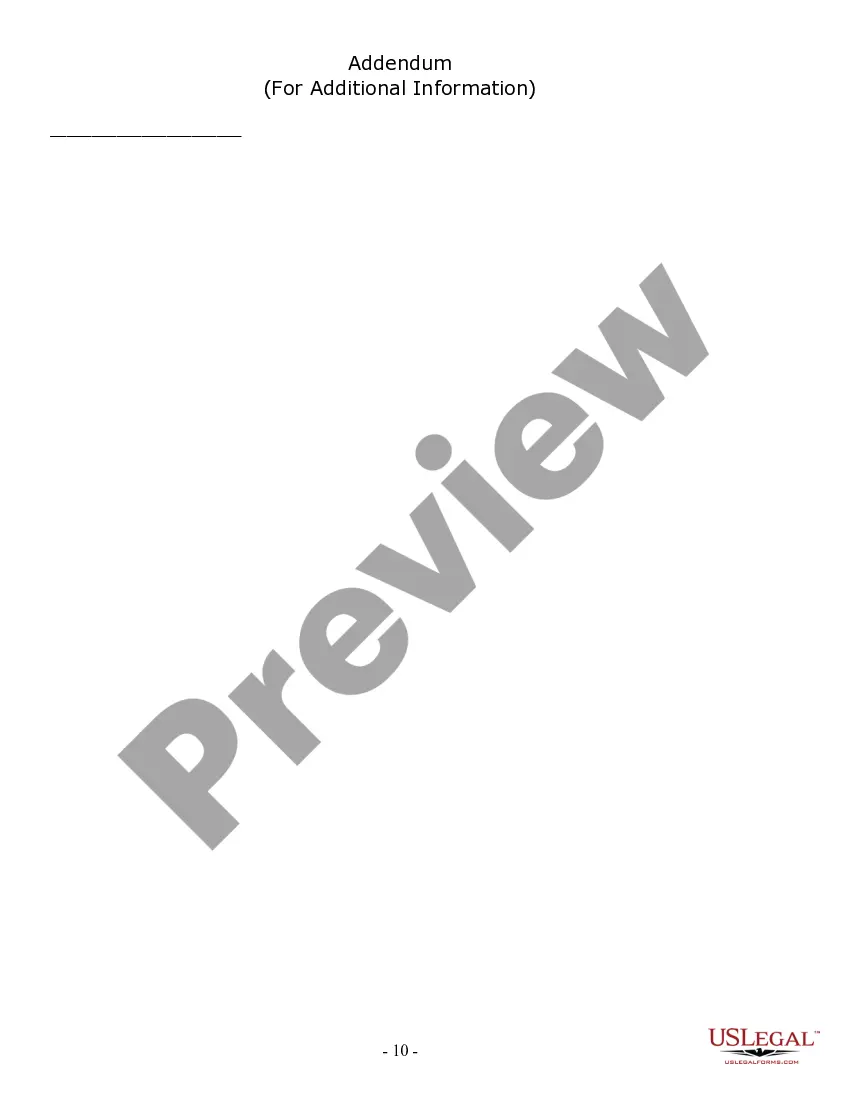

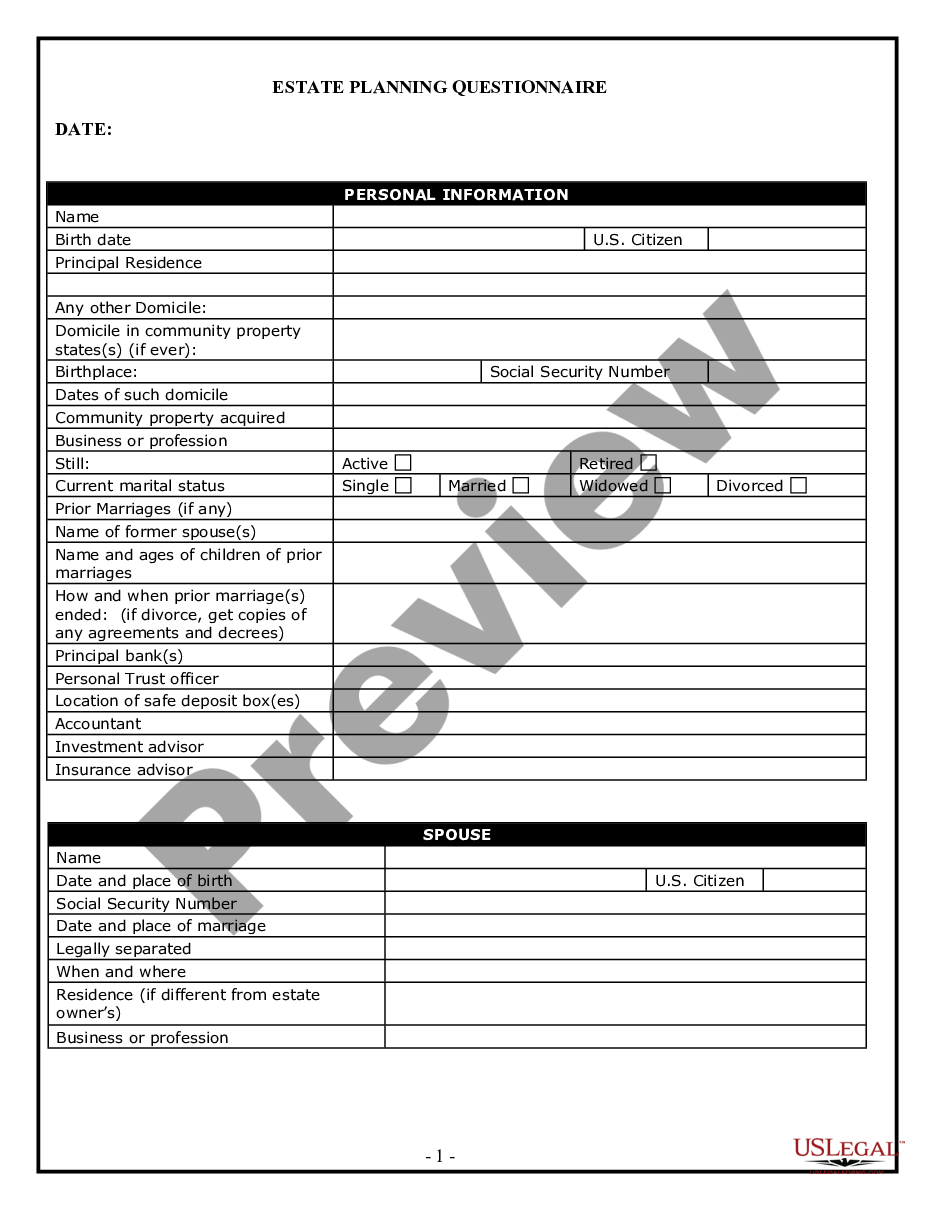
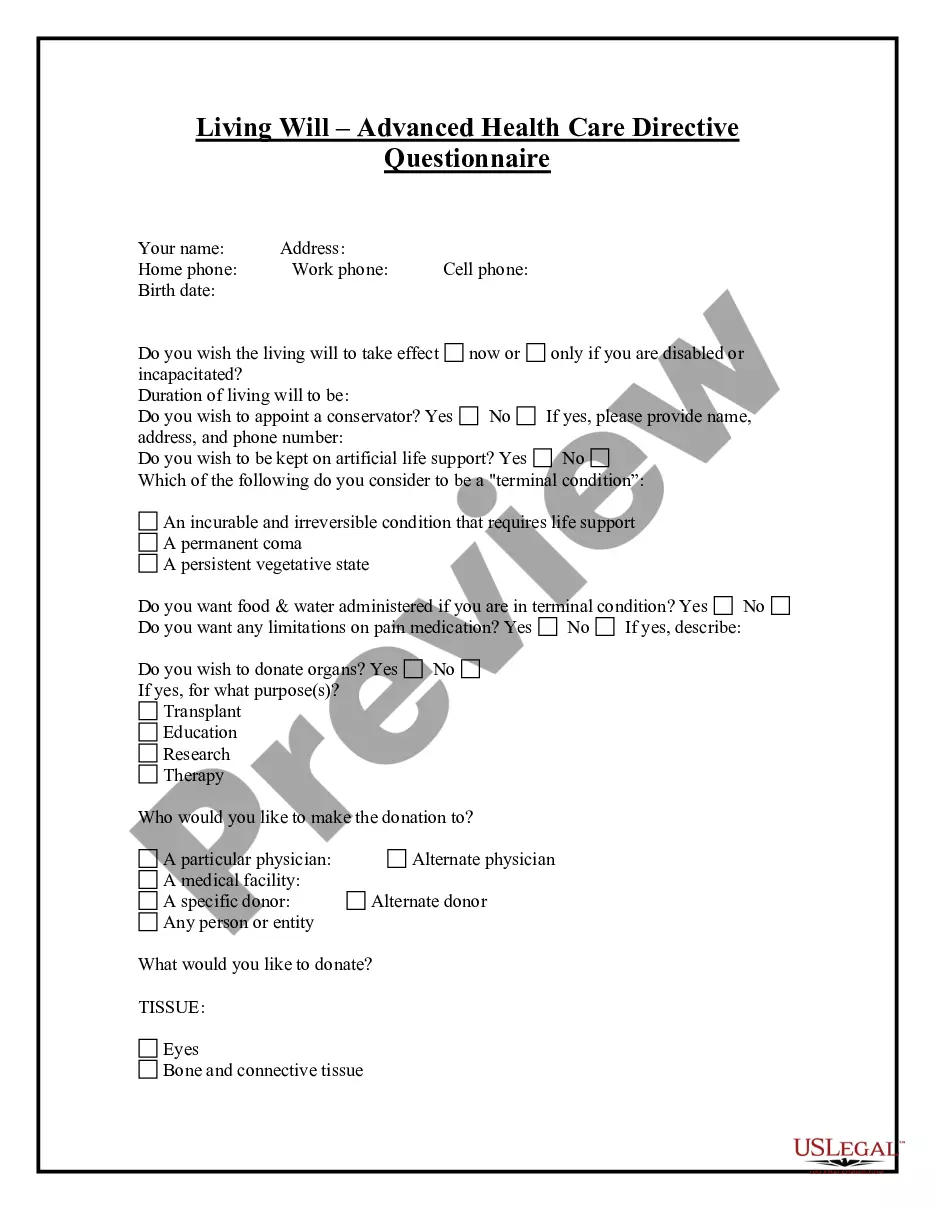
Get your form ready online
Our built-in tools help you complete, sign, share, and store your documents in one place.
Make edits, fill in missing information, and update formatting in US Legal Forms—just like you would in MS Word.
Download a copy, print it, send it by email, or mail it via USPS—whatever works best for your next step.
Sign and collect signatures with our SignNow integration. Send to multiple recipients, set reminders, and more. Go Premium to unlock E-Sign.
If this form requires notarization, complete it online through a secure video call—no need to meet a notary in person or wait for an appointment.
We protect your documents and personal data by following strict security and privacy standards.

Make edits, fill in missing information, and update formatting in US Legal Forms—just like you would in MS Word.

Download a copy, print it, send it by email, or mail it via USPS—whatever works best for your next step.

Sign and collect signatures with our SignNow integration. Send to multiple recipients, set reminders, and more. Go Premium to unlock E-Sign.

If this form requires notarization, complete it online through a secure video call—no need to meet a notary in person or wait for an appointment.

We protect your documents and personal data by following strict security and privacy standards.
Looking for another form?









How to fill out California Estate Planning Questionnaire And Worksheets?
Legal administration can be daunting, even for seasoned experts.
When you are looking for an Estate Form Information With 1099 and lack the time to spend finding the suitable and current version, the tasks can be overwhelming.
US Legal Forms accommodates any requirements you may possess, from personal to commercial paperwork, all in one location.
Leverage cutting-edge tools to complete and manage your Estate Form Information With 1099.
Here are the steps to follow after obtaining the form you need: Verify that it is the correct form by previewing it and reviewing its description. Ensure that the template is recognized in your state or county. Click Buy Now once you are prepared. Choose a monthly subscription plan. Select the file format you require, and Download, complete, sign, print, and deliver your documents. Take advantage of the US Legal Forms online repository, backed with 25 years of experience and reliability. Revolutionize your daily document management into a straightforward and user-friendly process today.
- Access a beneficial resource pool of articles, guides, and materials pertinent to your situation and requirements.
- Save time and effort locating the documents you require and utilize US Legal Forms’ advanced search and Preview function to find and obtain Estate Form Information With 1099.
- If you have a subscription, Log In to your US Legal Forms account, search for the form, and acquire it.
- Check your My documents tab to see the documents you have previously saved and manage your folders as needed.
- If it's your first time with US Legal Forms, create a free account and gain unlimited access to all the benefits of the library.
- A robust online form repository can be a game changer for anyone aiming to navigate these scenarios successfully.
- US Legal Forms stands as a frontrunner in online legal documents, boasting over 85,000 state-specific legal forms available at any moment.
- With US Legal Forms, you can access state- or county-specific legal and business forms.
Form popularity
FAQ
Typically, the settlement agent or closing attorney is responsible for reporting the required information on Form 1099-S after a real estate closing. This form reports the proceeds from the sale of real estate and must be filed with the IRS. For detailed Estate form information with 1099-S and to ensure compliance, consider utilizing the resources available at US Legal Forms, which can assist you in understanding these reporting requirements.
Receiving a 1099 can impact your taxes, as it reports income that you must declare on your tax return. Depending on the amount reported, this could increase your taxable income and potentially lead to a higher tax liability. Understanding the implications of 1099 income is crucial, and for thorough Estate form information with 1099, US Legal Forms offers tools to help clarify your tax obligations.
If you receive a 1099-R for an estate, you need to report the distributions on the estate's tax return. This form indicates that the estate received a distribution from a retirement account, which may be taxable. For more comprehensive Estate form information with 1099-R, consult US Legal Forms, where you can find resources to help you navigate the reporting process effectively.
To properly fill out a 1099 form, start by gathering all necessary information such as the payer's and recipient's names, addresses, and Social Security numbers or Employer Identification Numbers. Make sure to accurately report the payment amount and check the correct box that corresponds to the type of payment made. For detailed Estate form information with 1099, consider using US Legal Forms, which provides templates and guidance to ensure you complete the form correctly.
To submit an estate tax return, you must first gather all necessary financial information about the estate. This includes assets, debts, and any income generated. After compiling this information, file Form 706 with the IRS, which provides detailed estate form information with 1099 as needed. For assistance with this process, consider using USLegalForms to streamline your preparations and ensure accuracy.
No, estates are not exempt from 1099 reporting. If the estate earns income above a certain threshold, it must report this income using the relevant estate form information with 1099. It is essential to understand these requirements to avoid potential penalties, and resources like USLegalForms can guide you through the necessary steps.
Yes, you may need to send a 1099 to an estate if the estate receives income during its administration. This income could include interest, dividends, or rental income. The IRS requires that you report this income using the appropriate estate form information with 1099. Utilizing the right tools, such as USLegalForms, can simplify this process and ensure compliance.