Estate Form Information For The Current Branch
Description
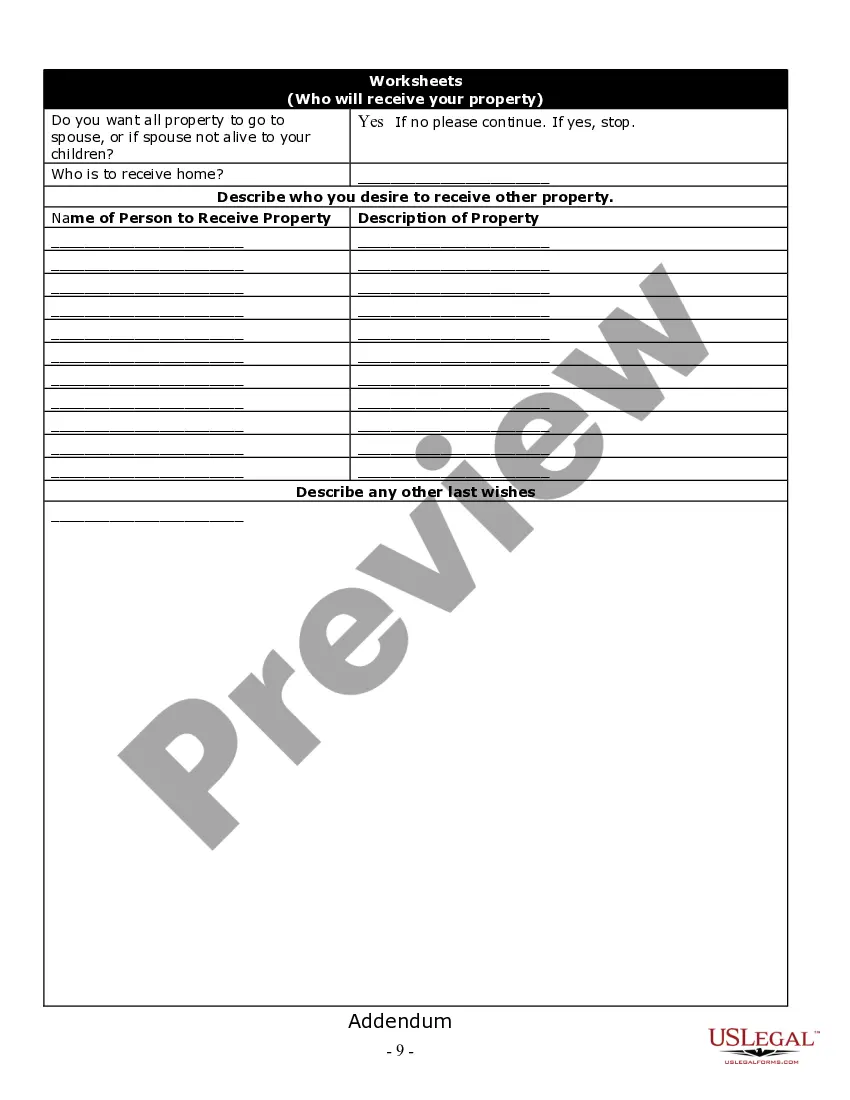
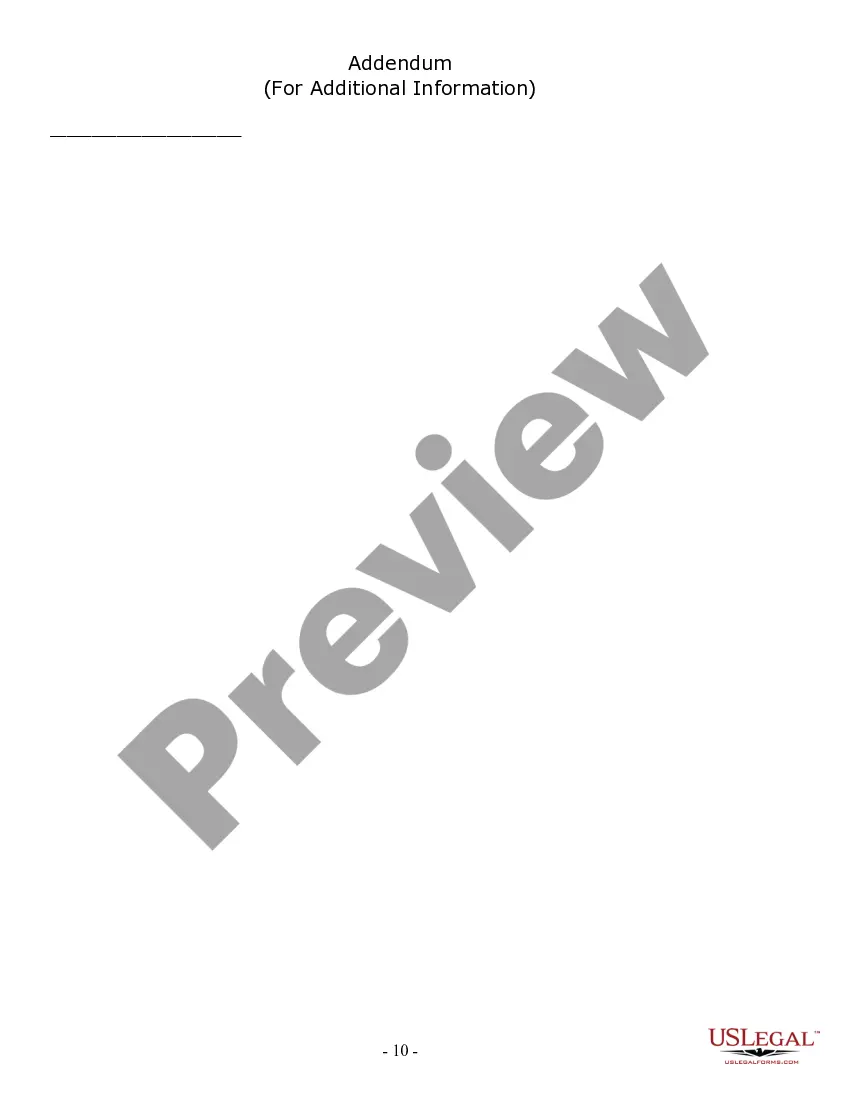

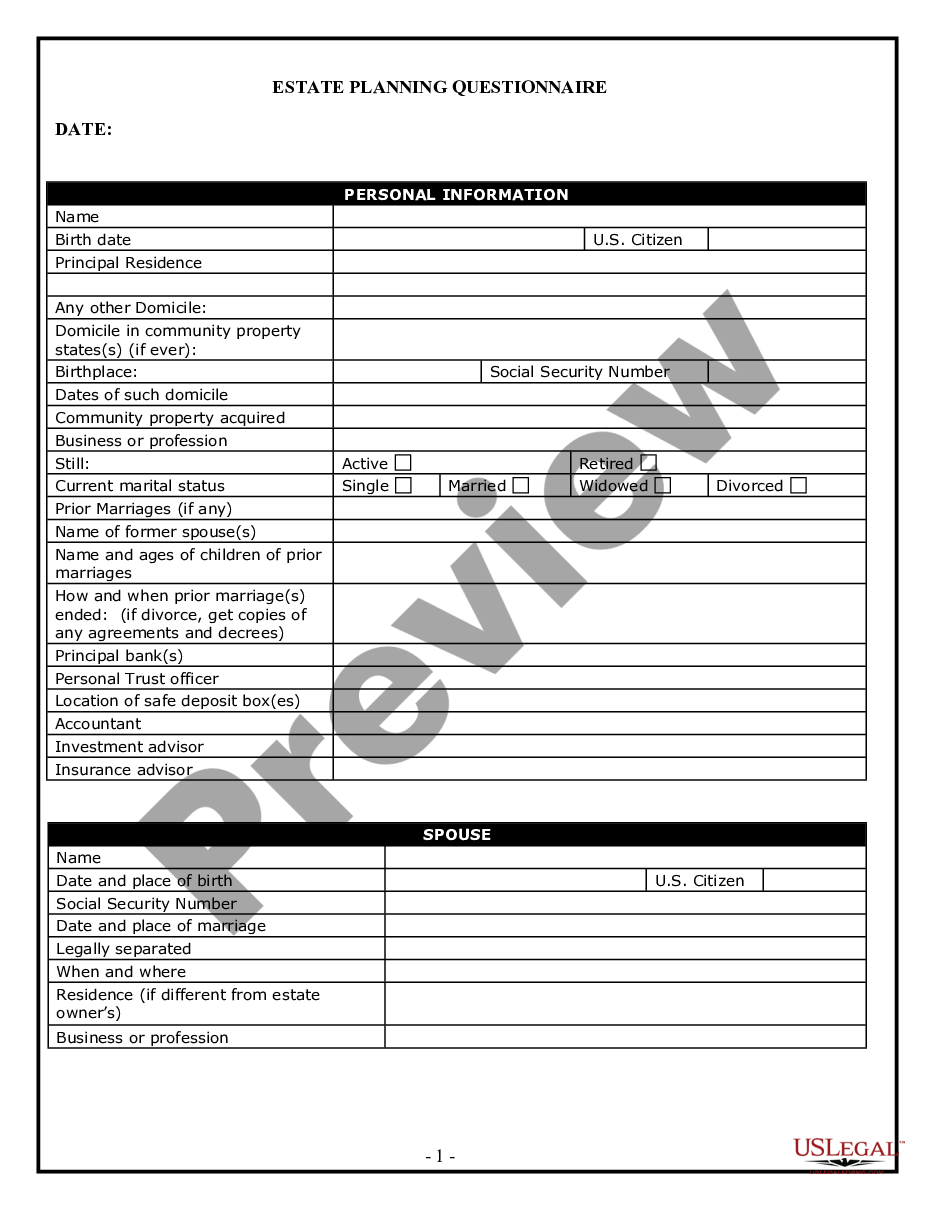
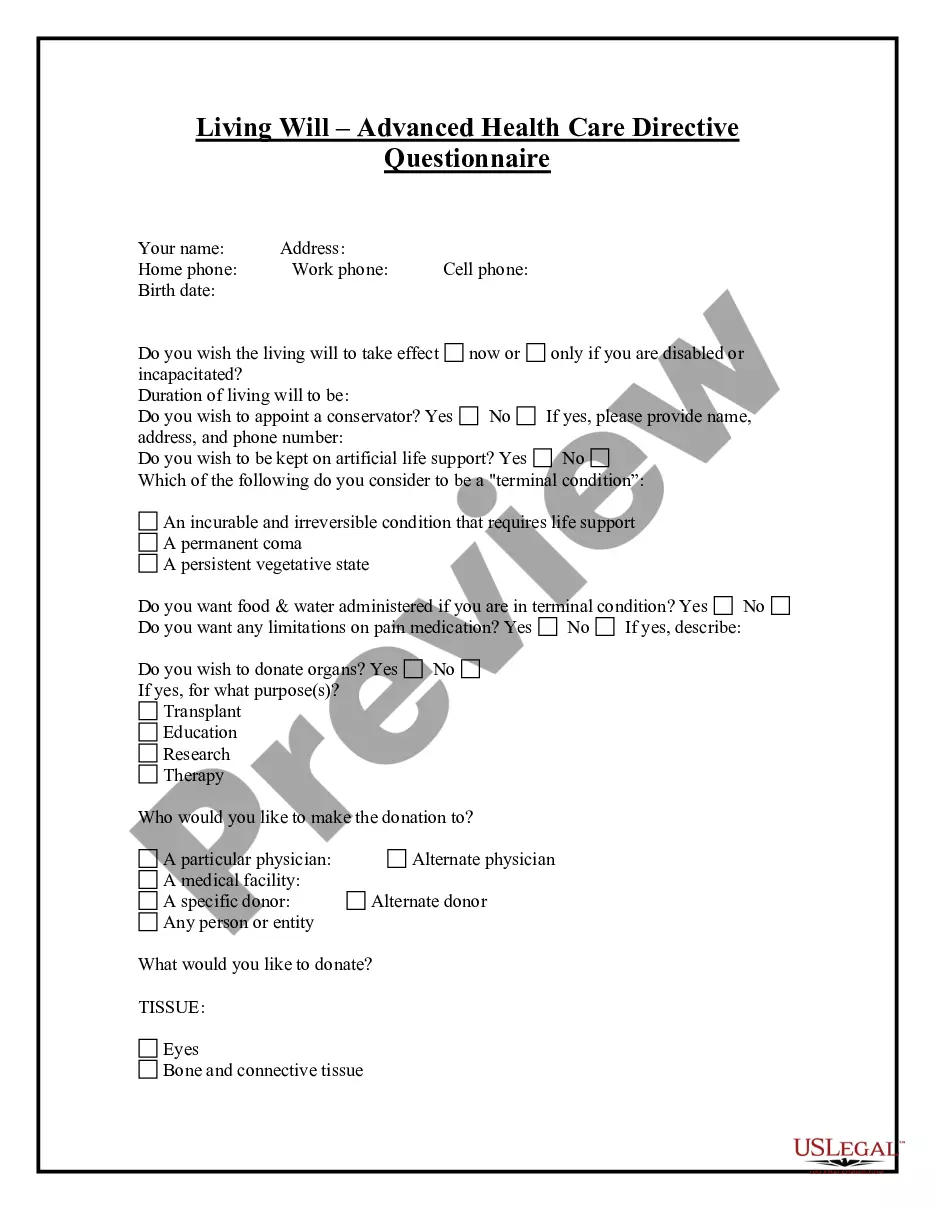
Get your form ready online
Our built-in tools help you complete, sign, share, and store your documents in one place.
Make edits, fill in missing information, and update formatting in US Legal Forms—just like you would in MS Word.
Download a copy, print it, send it by email, or mail it via USPS—whatever works best for your next step.
Sign and collect signatures with our SignNow integration. Send to multiple recipients, set reminders, and more. Go Premium to unlock E-Sign.
If this form requires notarization, complete it online through a secure video call—no need to meet a notary in person or wait for an appointment.
We protect your documents and personal data by following strict security and privacy standards.

Make edits, fill in missing information, and update formatting in US Legal Forms—just like you would in MS Word.

Download a copy, print it, send it by email, or mail it via USPS—whatever works best for your next step.

Sign and collect signatures with our SignNow integration. Send to multiple recipients, set reminders, and more. Go Premium to unlock E-Sign.

If this form requires notarization, complete it online through a secure video call—no need to meet a notary in person or wait for an appointment.

We protect your documents and personal data by following strict security and privacy standards.
Looking for another form?
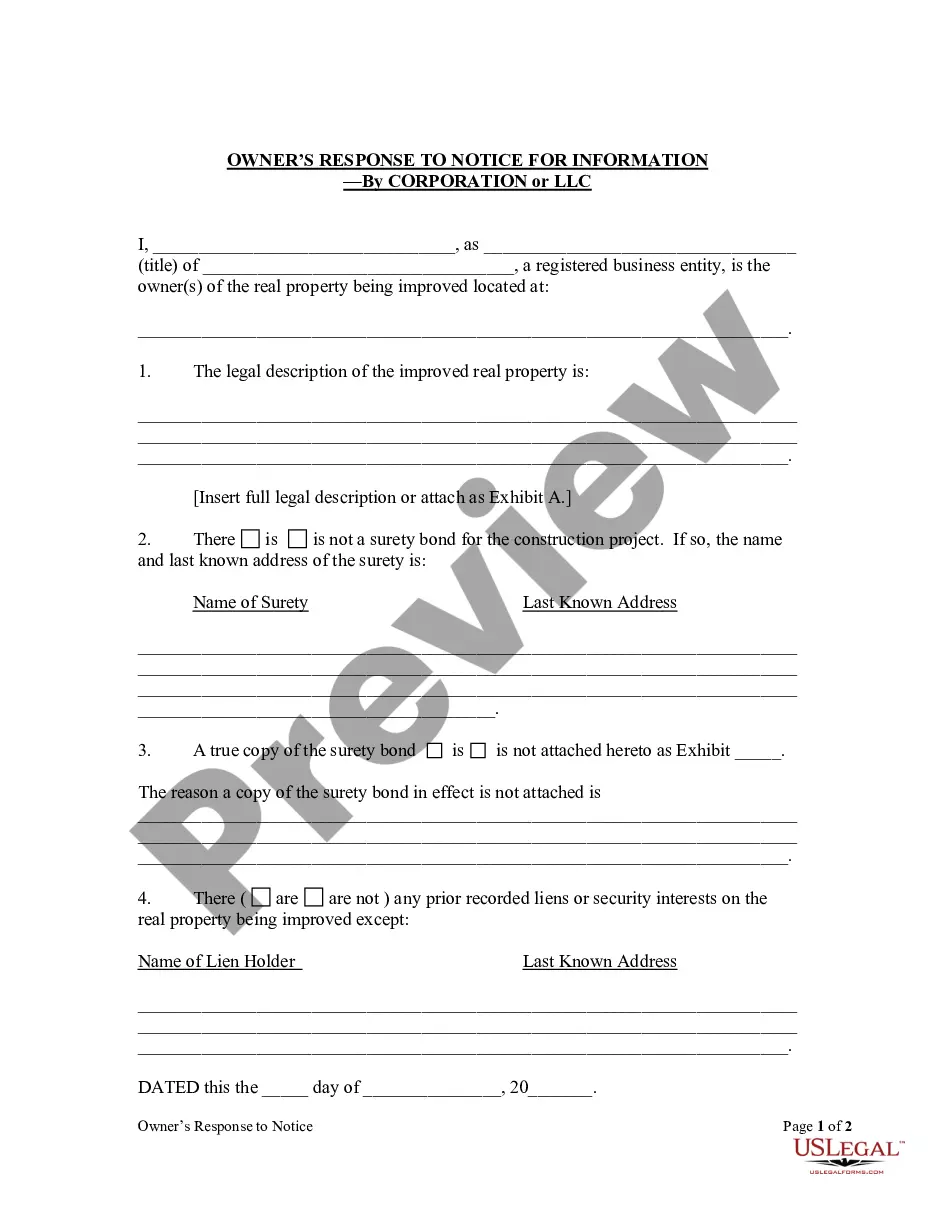





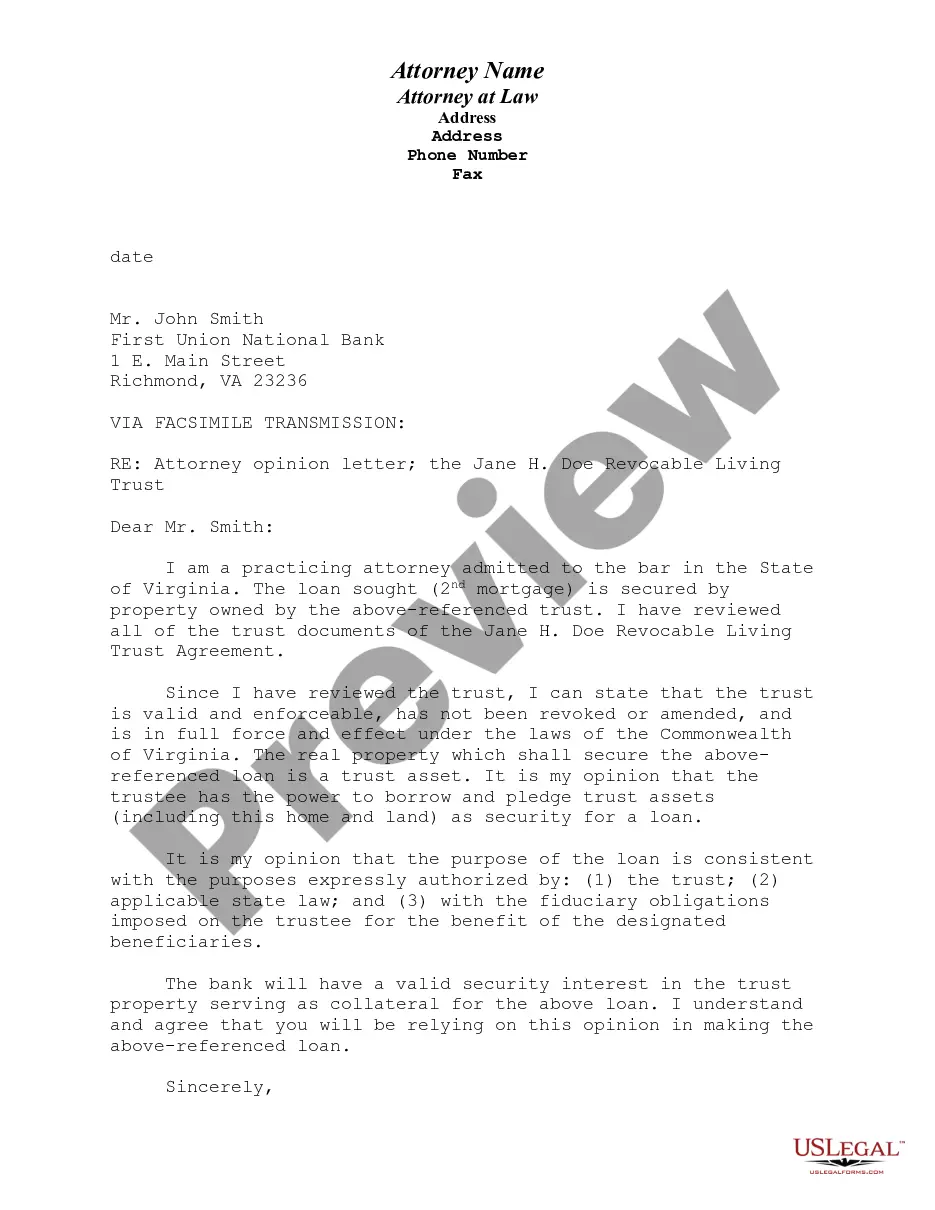


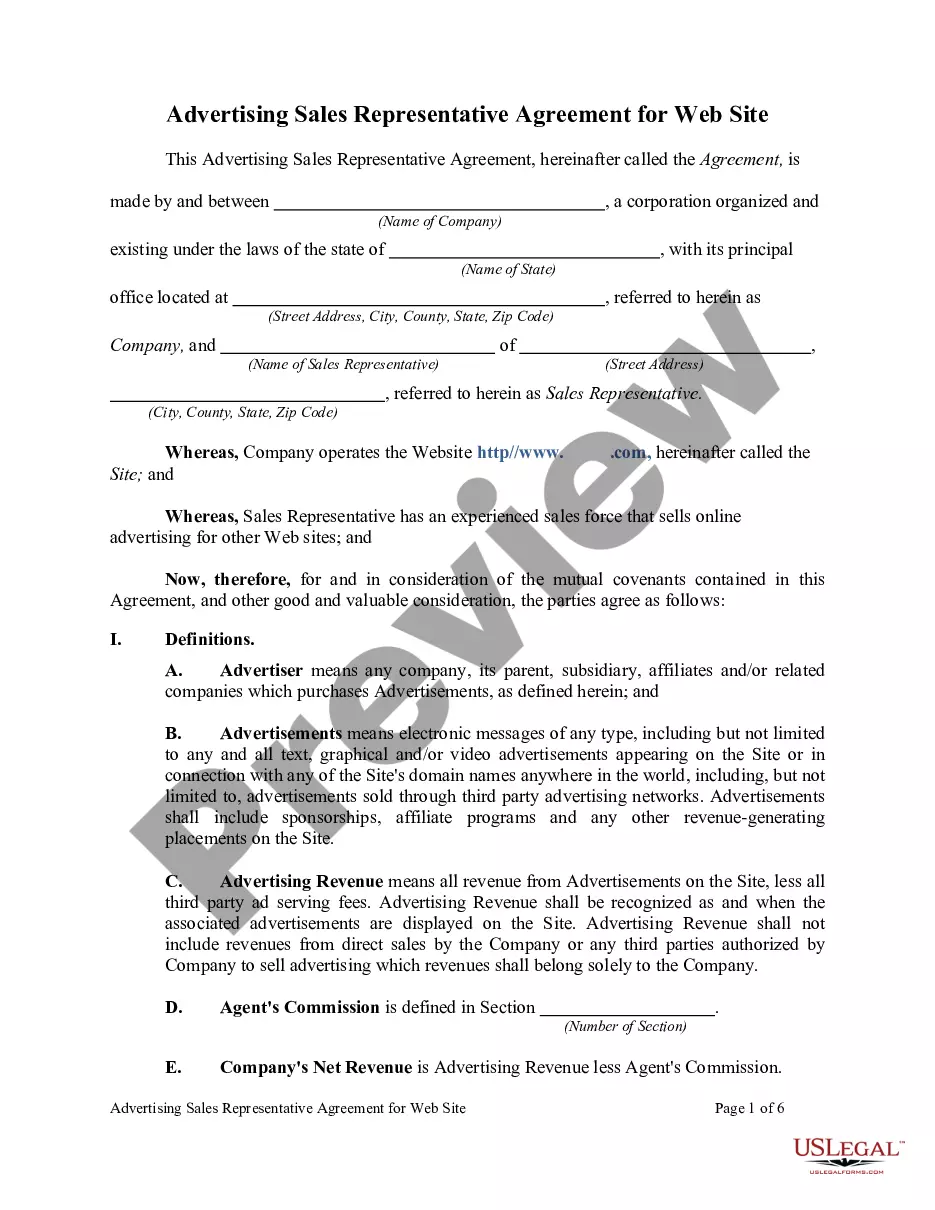
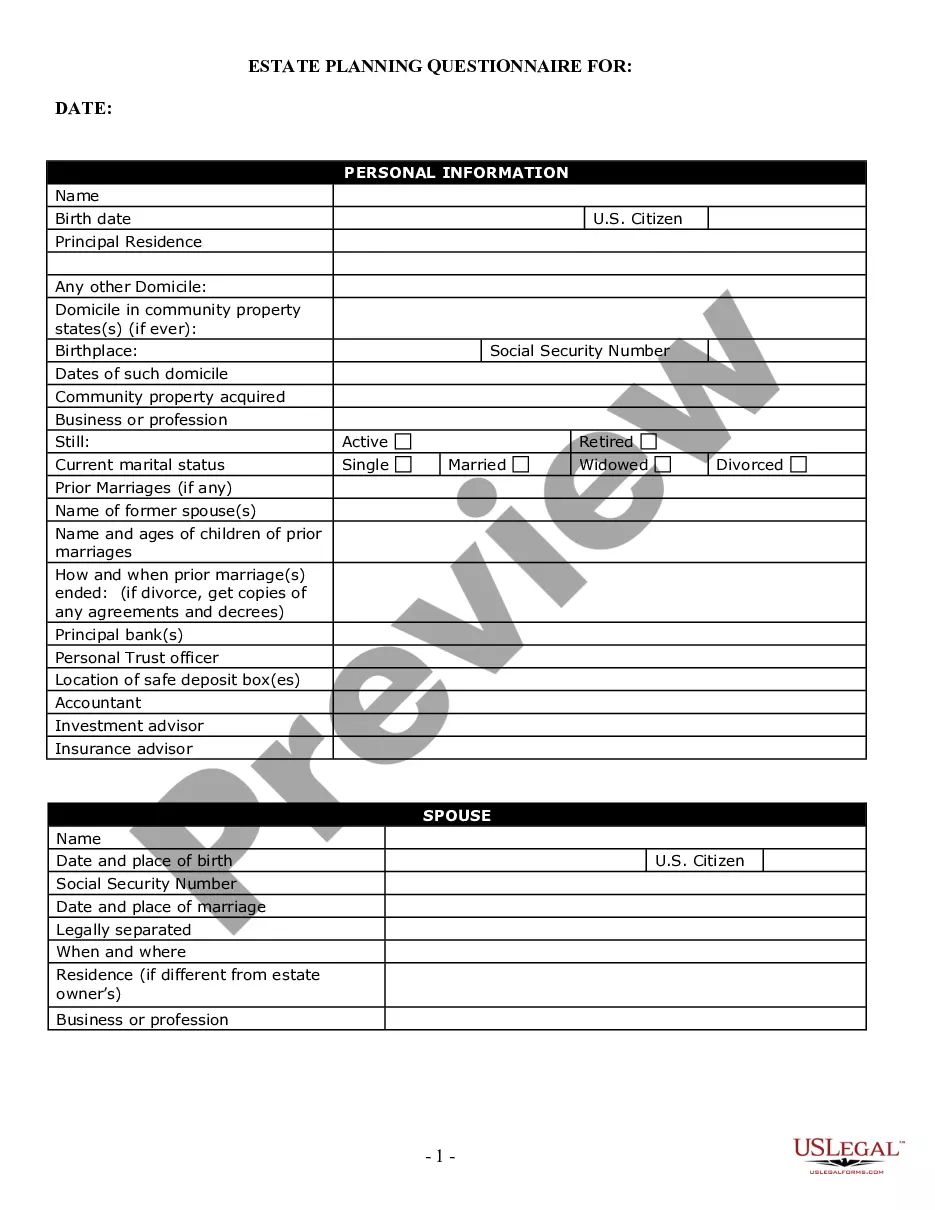
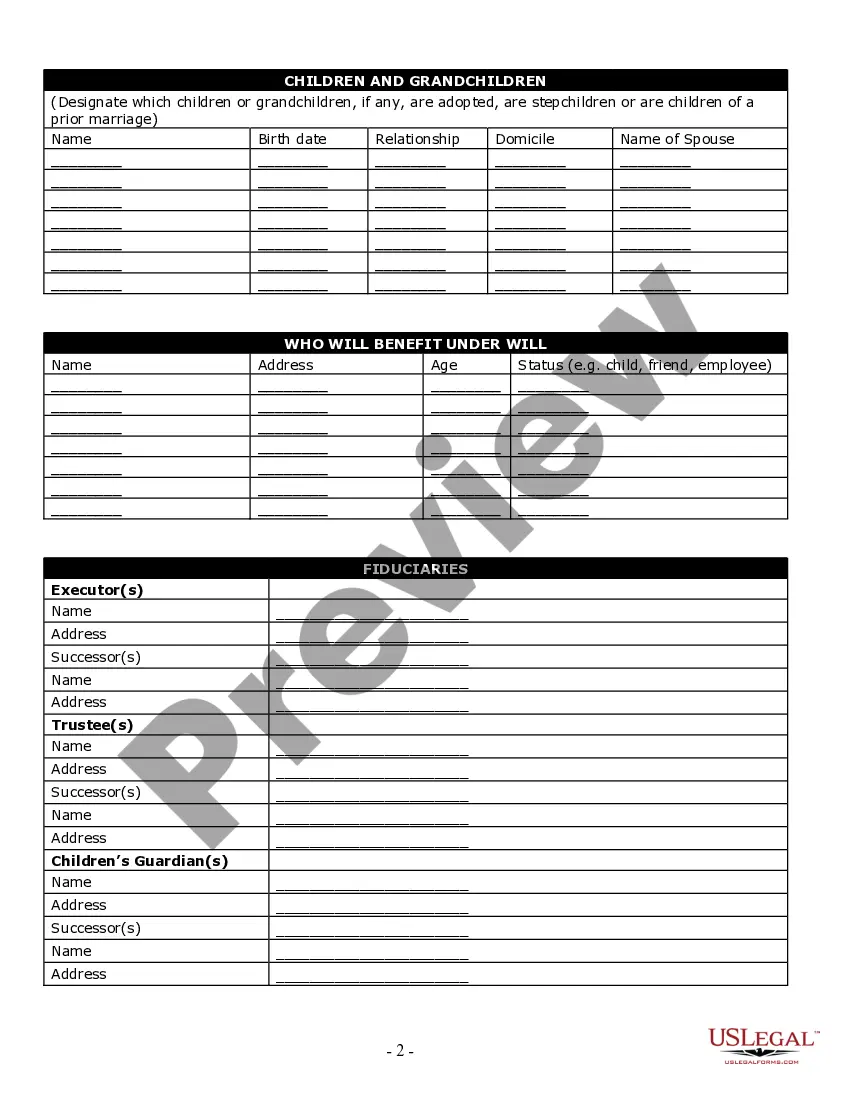
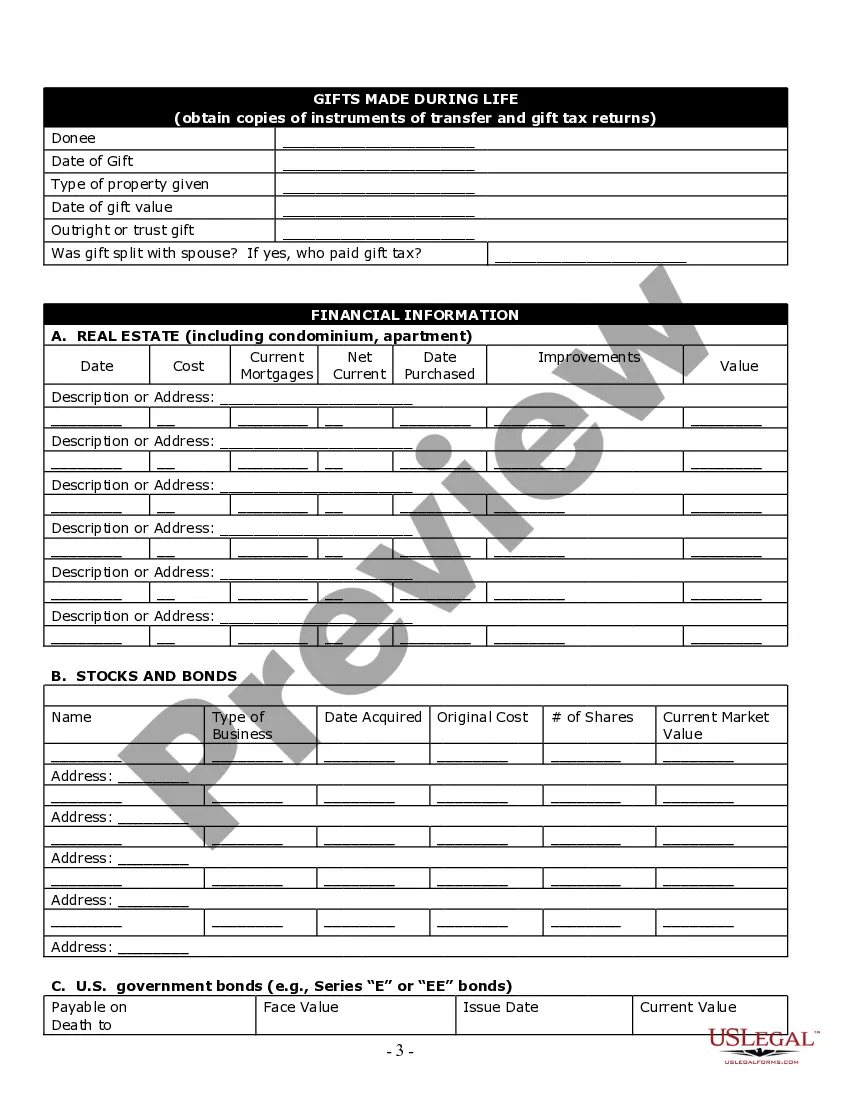
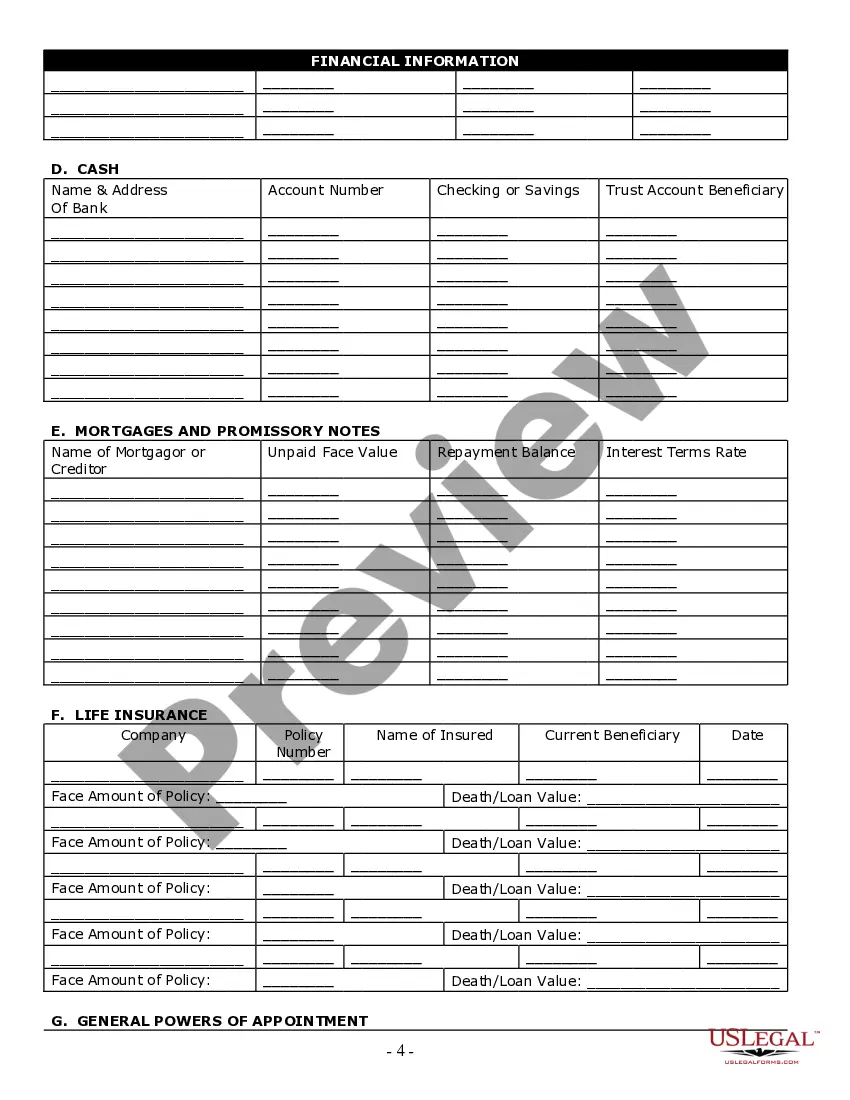
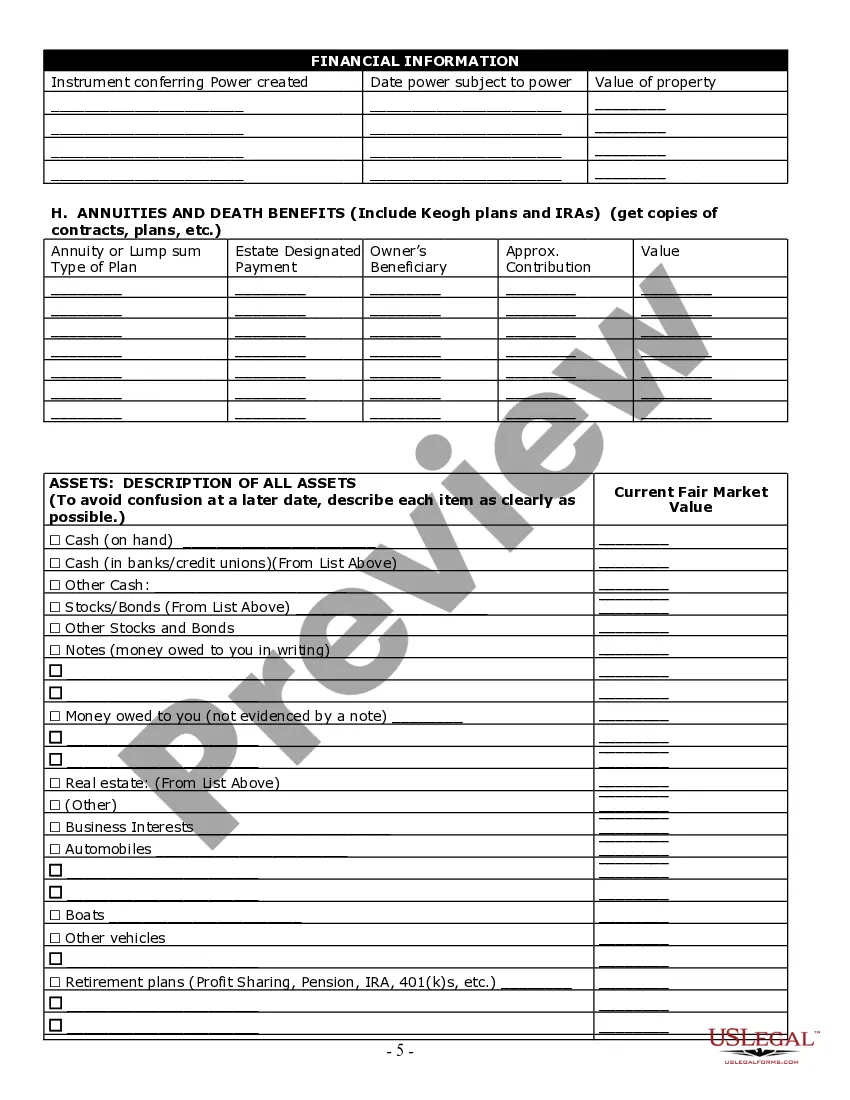
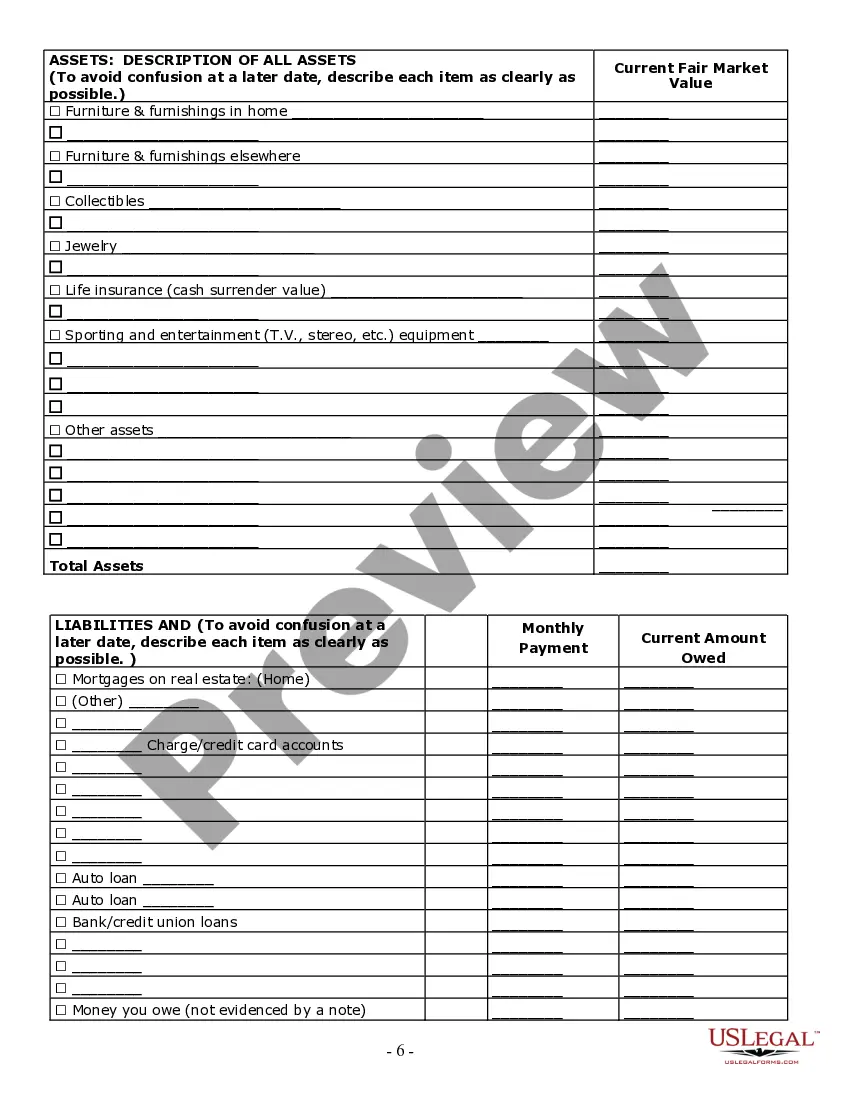
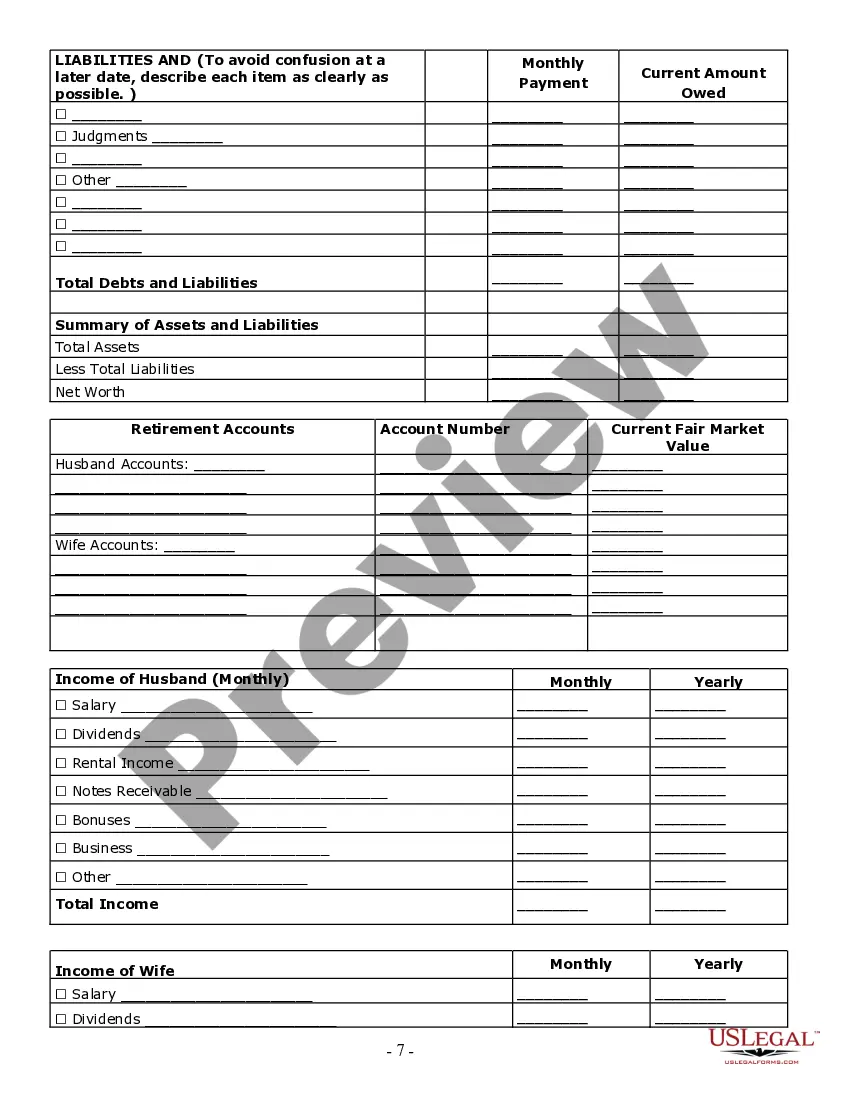
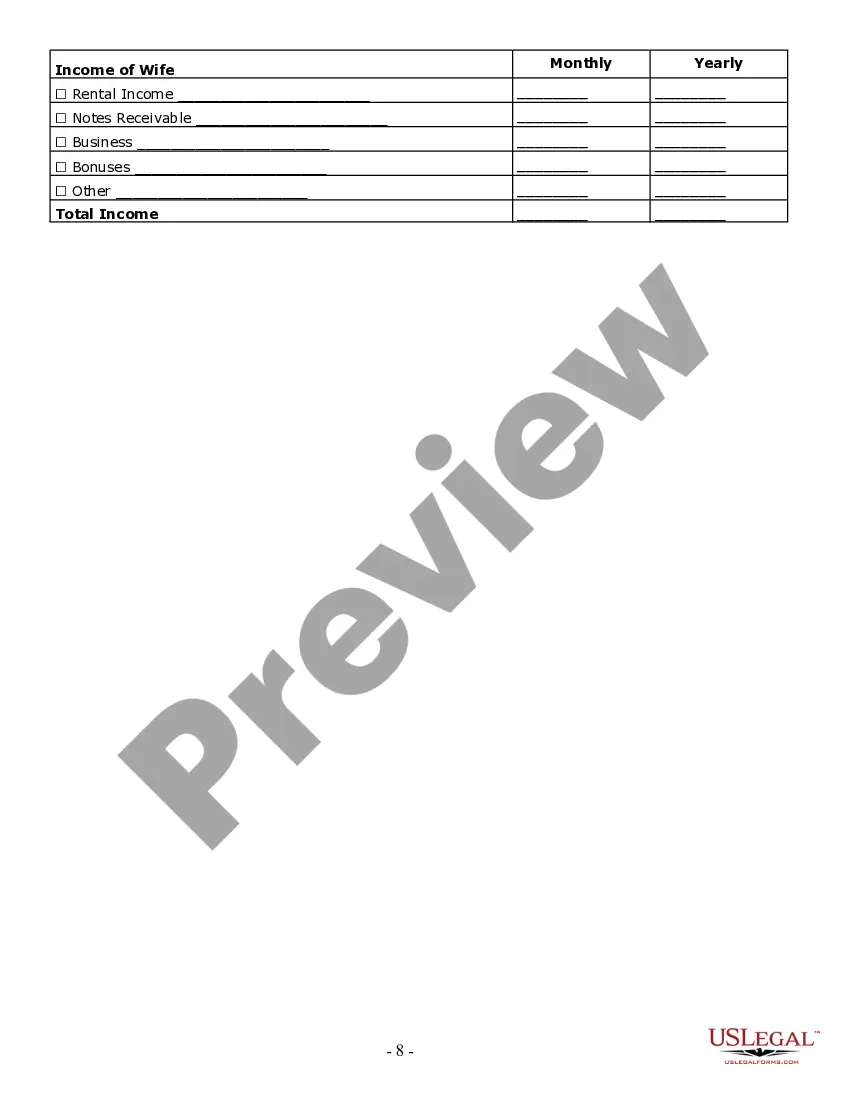
How to fill out California Estate Planning Questionnaire And Worksheets?
Whether for commercial reasons or for personal matters, everyone must confront legal issues at some stage in their lives. Filling out legal documents requires meticulous attention, starting with selecting the correct form template. For example, if you choose an incorrect version of an Estate Form Information For The Current Branch, it will be rejected upon submission. Thus, it is crucial to have a reliable source of legal documents such as US Legal Forms.
If you need to acquire an Estate Form Information For The Current Branch template, follow these straightforward steps: Obtain the sample you require by using the search box or catalog browsing. Review the form’s details to ensure it aligns with your circumstance, state, and county. Click on the form’s preview to examine it. If it is the incorrect document, return to the search feature to find the Estate Form Information For The Current Branch sample you need. Download the file once it meets your requirements.
- If you already possess a US Legal Forms account, click Log in to access previously saved documents in My documents.
- If you do not yet have an account, you can acquire the form by clicking Buy now.
- Select the appropriate pricing option.
- Complete the account registration form.
- Choose your preferred payment method: you can utilize a credit card or PayPal account.
- Select the file format you desire and download the Estate Form Information For The Current Branch.
- Once downloaded, you can fill out the form using editing software or print it and complete it manually.
- With a vast catalog of US Legal Forms available, you do not need to waste time searching for the suitable sample online.
- Utilize the library’s simple navigation to find the correct form for any situation.
Form popularity
FAQ
To correctly make out a check to an estate, use the full name of the estate, followed by the designation 'Estate of Deceased Person’s Name.' This format clarifies the check’s intended recipient and helps avoid issues during processing. For further details on proper check writing for estates, consult estate form information for the current branch available on our platform.
Filling out an estate check involves writing the estate's name on the payee line, specifying the amount, and including a clear description of the purpose in the memo section. Remember to sign the check as the authorized individual managing the estate. This process is straightforward when you have access to reliable estate form information for the current branch.
The estate planning process involves seven key steps: assessing your assets, determining your beneficiaries, choosing an executor, drafting essential documents, setting up a trust if necessary, evaluating tax implications, and reviewing your plan regularly. Each step is crucial for ensuring your wishes are carried out effectively. For comprehensive estate form information for the current branch, consider using our platform to guide you through each stage.
Depositing a check made out to a deceased person requires you to establish your authority as the executor or administrator. You will need to endorse the check and provide documentation, such as a death certificate and court letters of administration. This process can be simplified by using estate form information for the current branch, which outlines the necessary steps.
The three-year rule generally refers to the period within which the IRS can audit an estate tax return. If you file Form 706, the IRS usually has three years from the filing date to review your return. It's important to provide complete estate form information for the current branch to ensure compliance and minimize the risk of audits. Consulting with a legal expert can provide additional clarity on this rule.
Not every estate is required to file Form 706. The need to file depends on the estate's total value and whether it exceeds the federal exemption limit. To assess your specific situation accurately, you should collect estate form information for the current branch. This will help you understand your filing obligations and avoid unnecessary complications.
You should file an estate information return within nine months after the date of death, although there may be extensions available. Timely submission is essential to avoid penalties and interest. For the most accurate guidance, gather estate form information for the current branch and consult the relevant state laws. This ensures that you meet all necessary filing deadlines.
Yes, an estate may need to file a federal tax return depending on its income and value. Generally, if the gross estate exceeds a certain threshold, the estate must file Form 706. It's crucial to gather complete estate form information for the current branch to determine if filing is necessary. Consulting with a tax professional can help you navigate these requirements effectively.