Manufactured Home Transfer Disclosure Statement
About this form
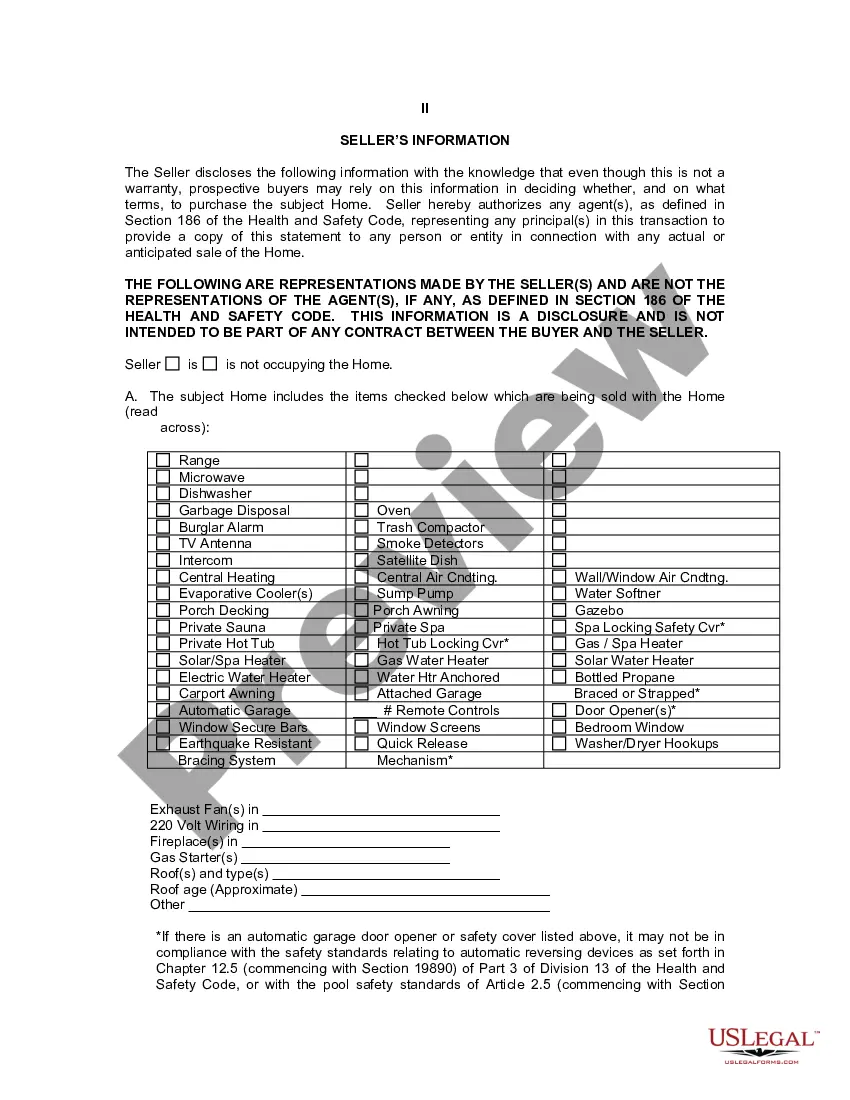
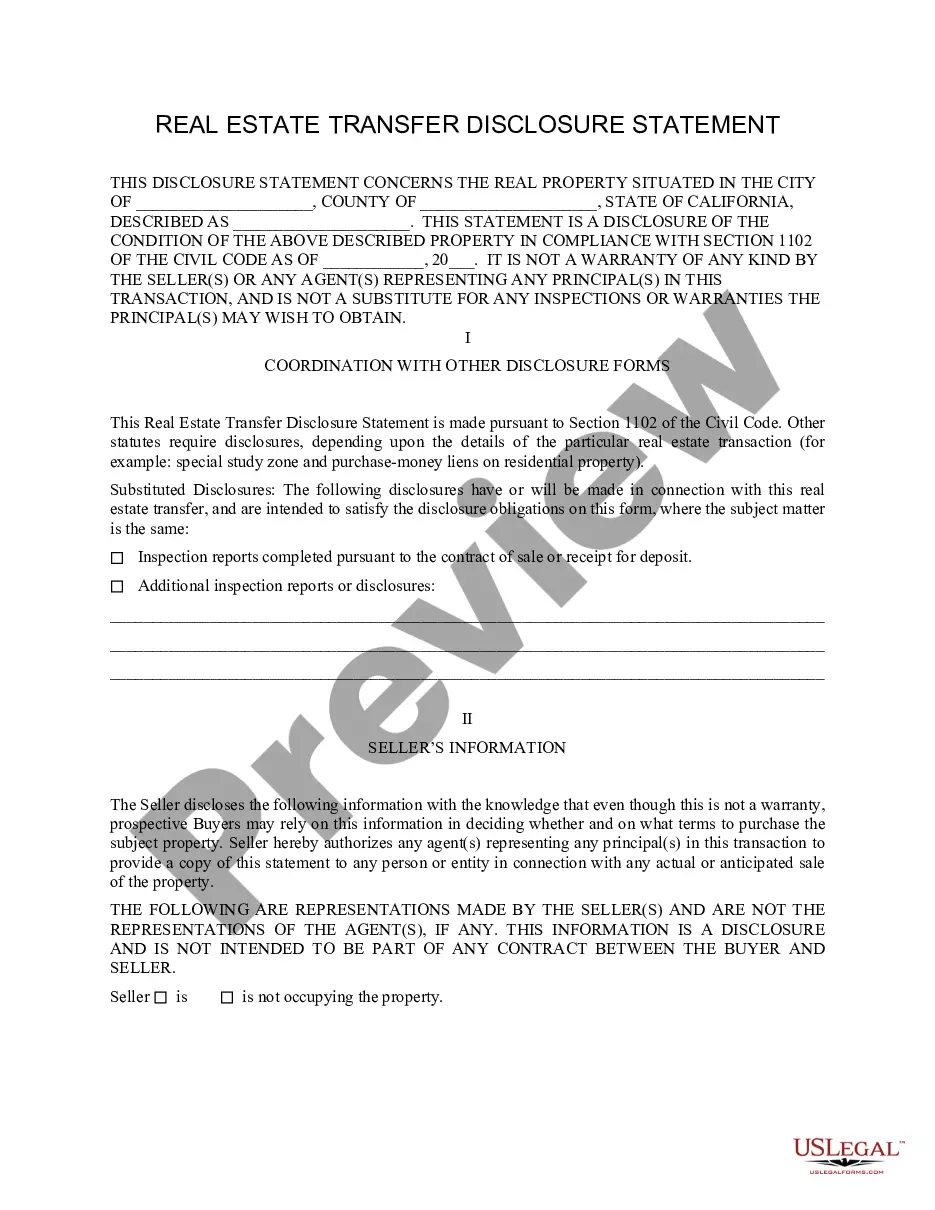
The Manufactured Home Transfer Disclosure Statement is a legal document that provides essential information about the condition of a manufactured home being sold. This form ensures compliance with real estate laws by mandating sellers disclose any defects or important details about the property to prospective buyers. It differs from standard real estate transfer disclosure statements by specifically catering to manufactured homes and mobilehomes, addressing unique aspects pertinent to these types of properties.
Main sections of this form
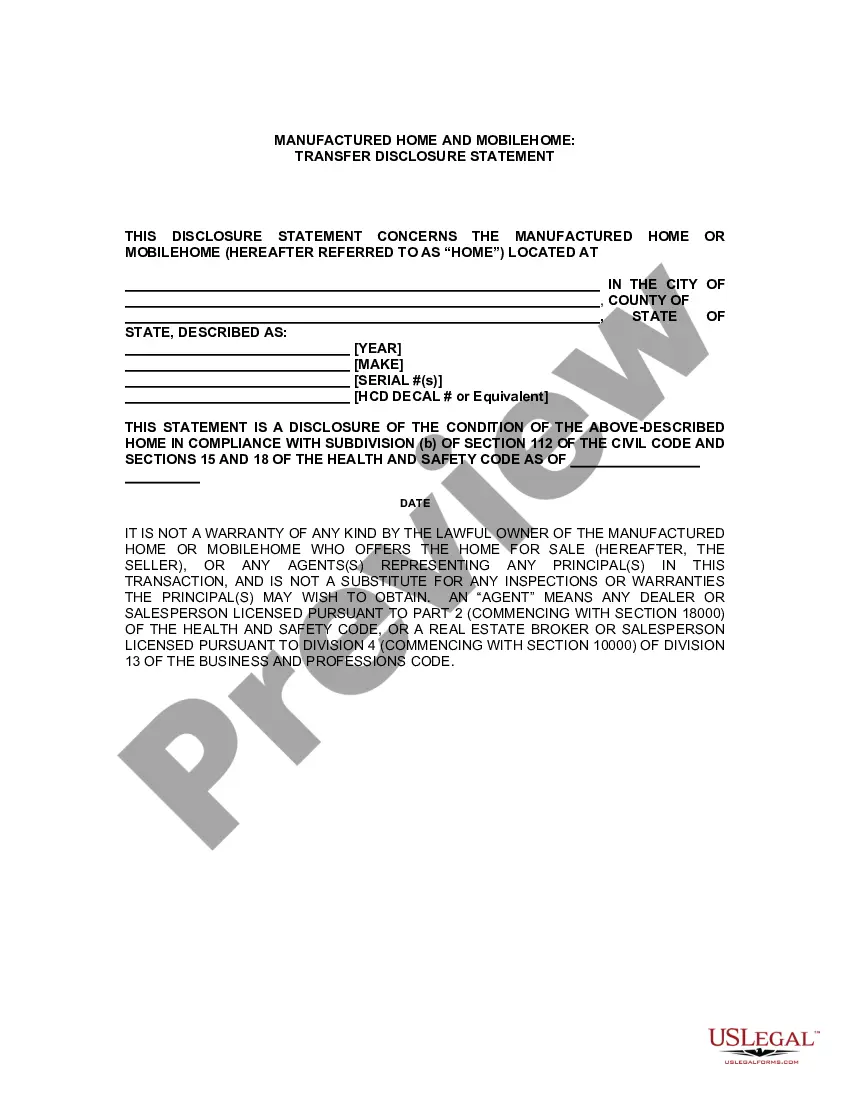
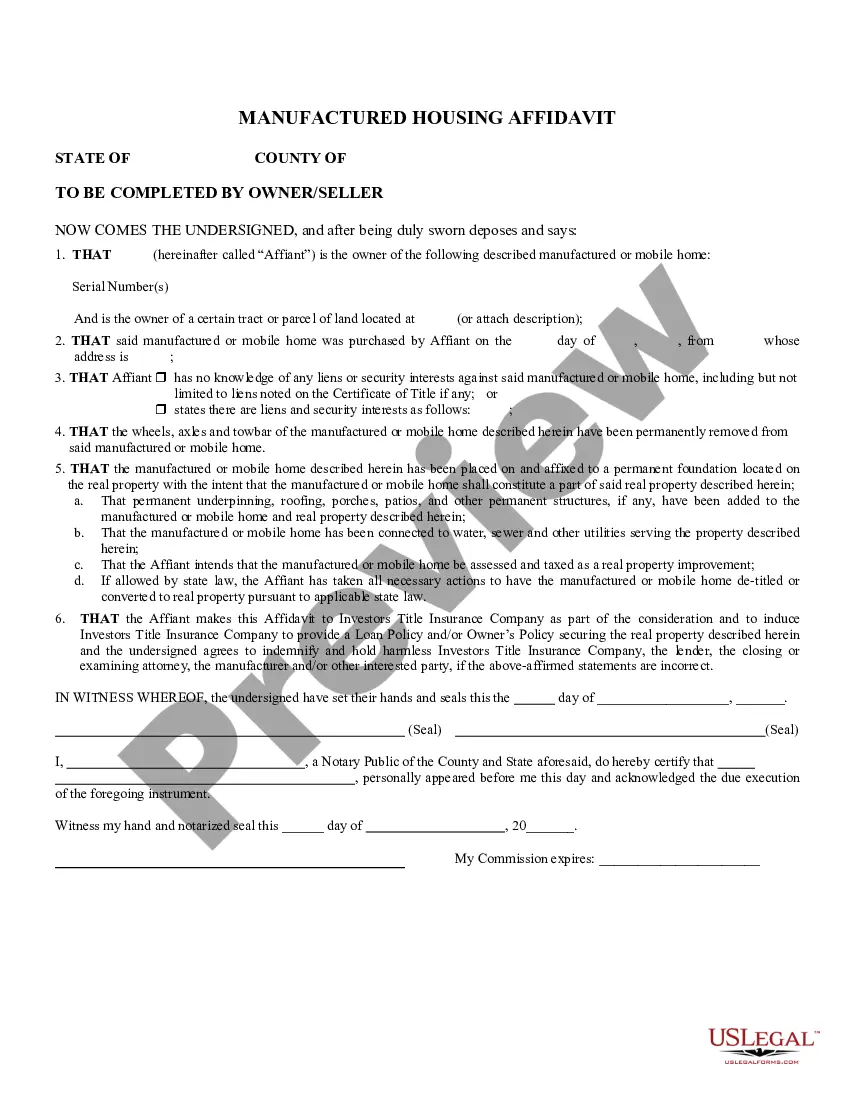
- Identification of the manufactured home, including its location and specifications (year, make, and serial number).
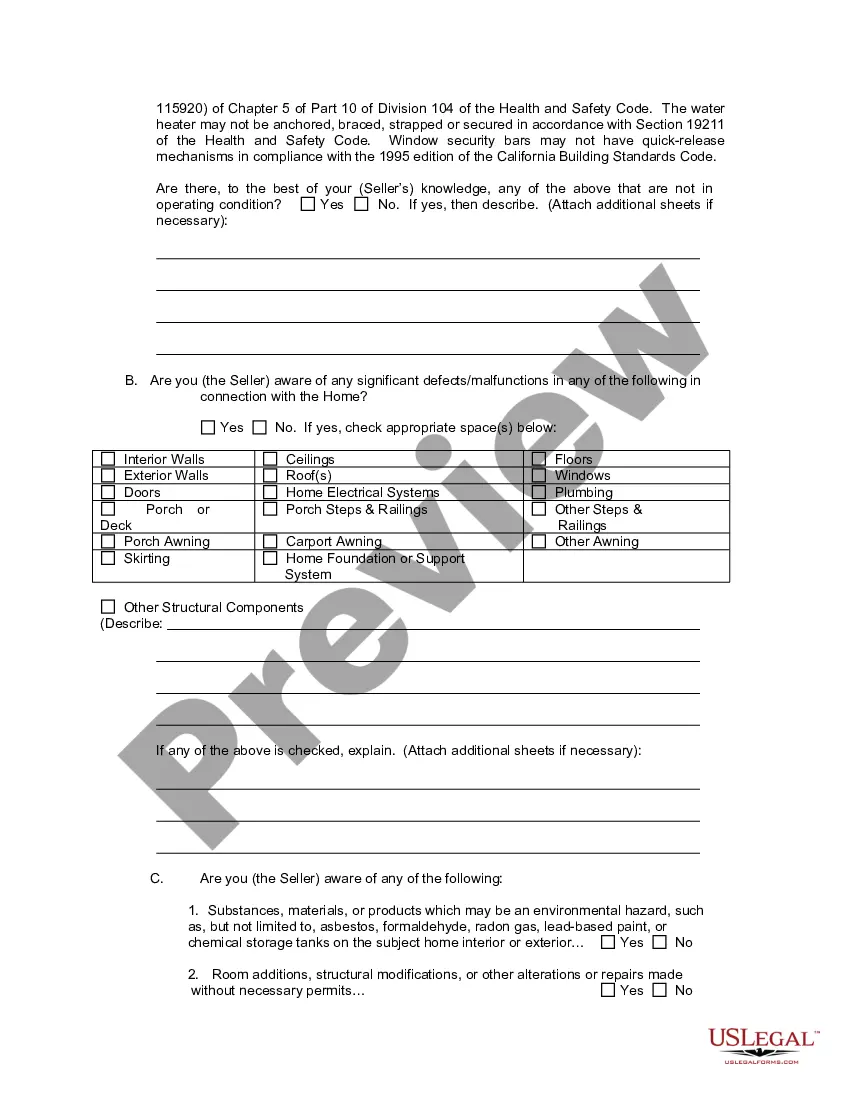
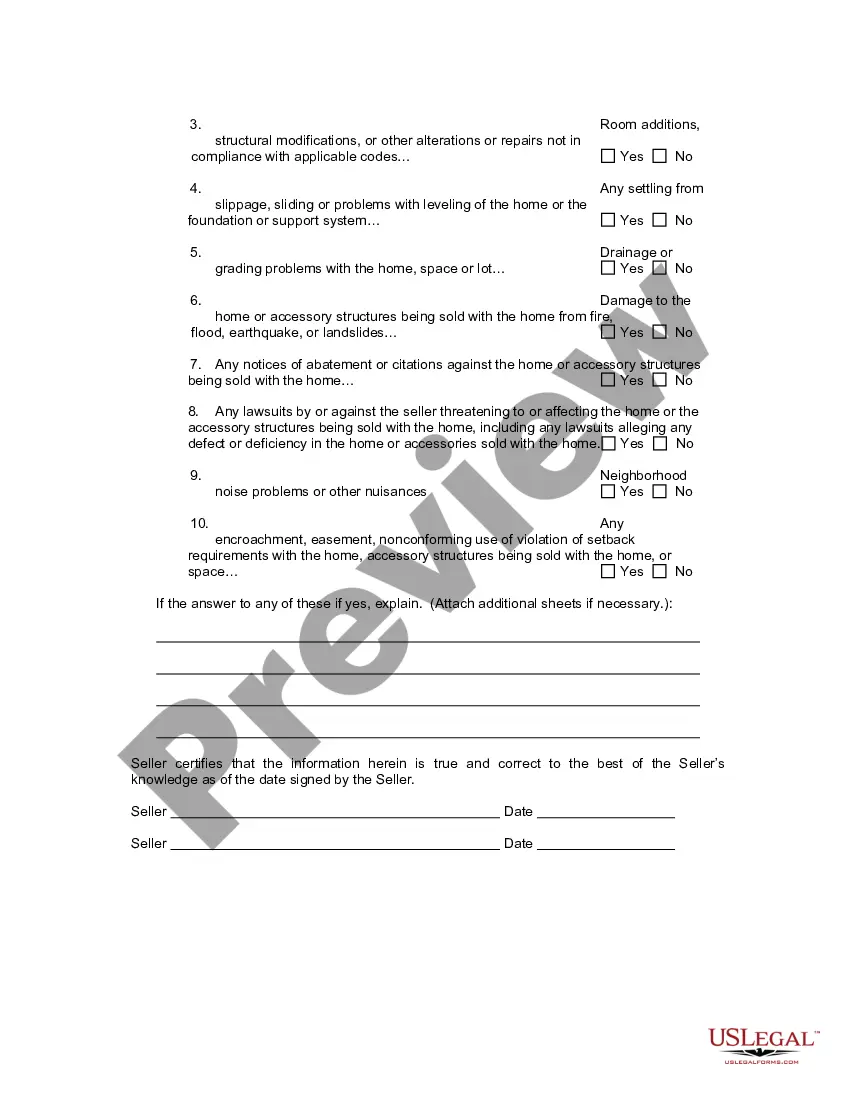
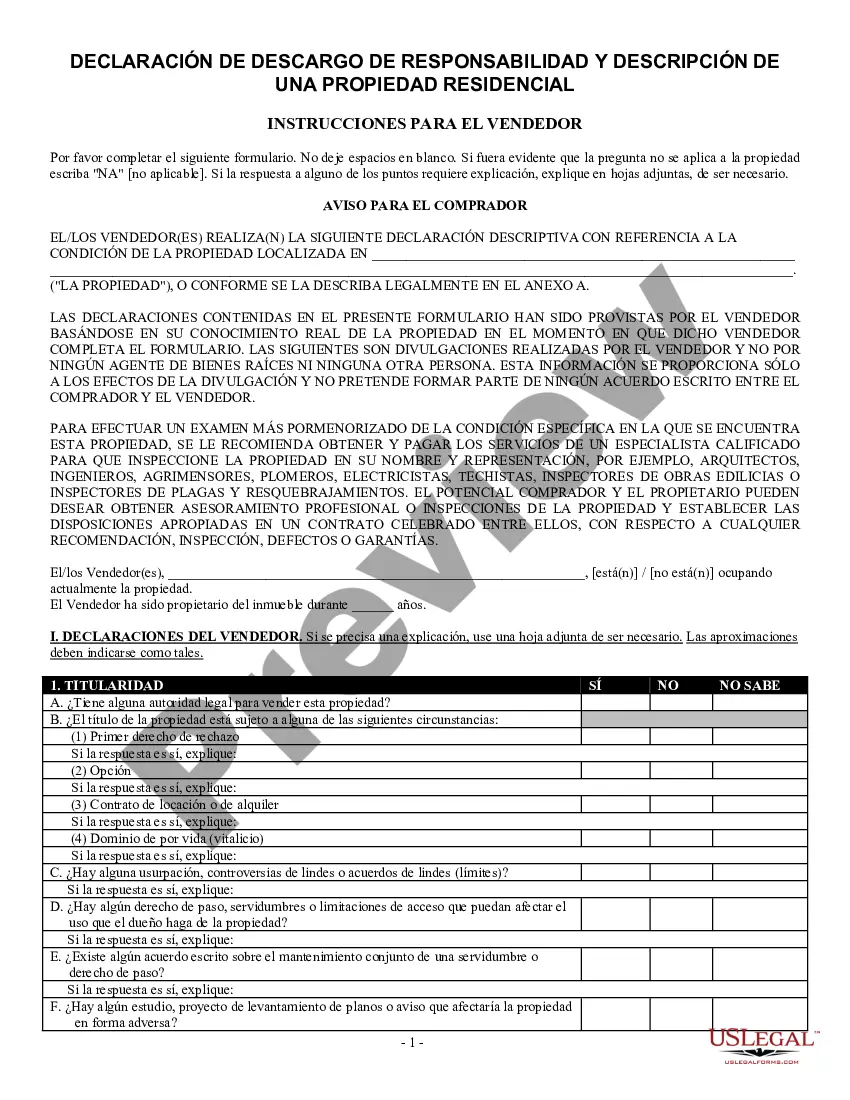
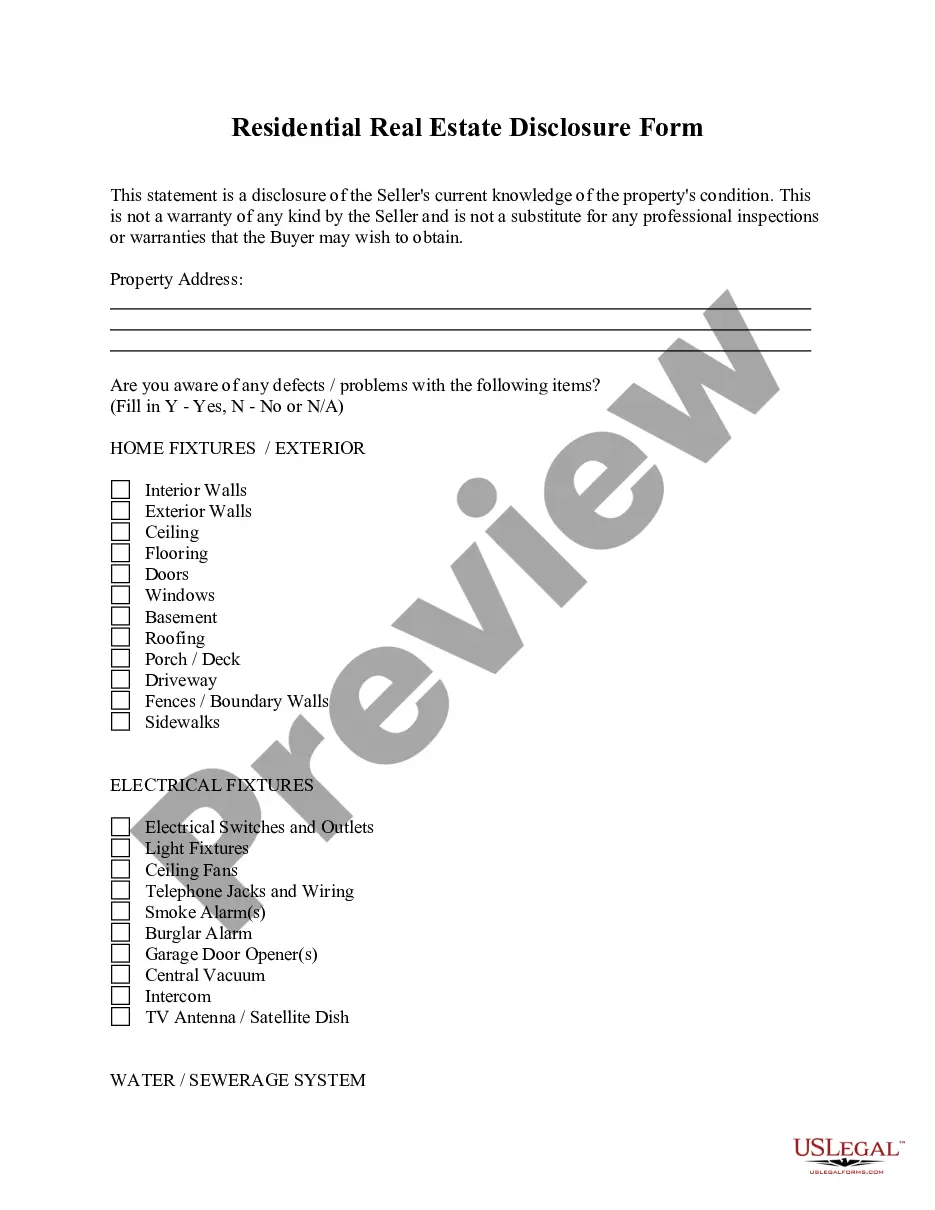
- Details regarding the condition of the home and any known defects or malfunctions.
- Sellerâs certifications and disclosures concerning potential hazards or compliance issues.
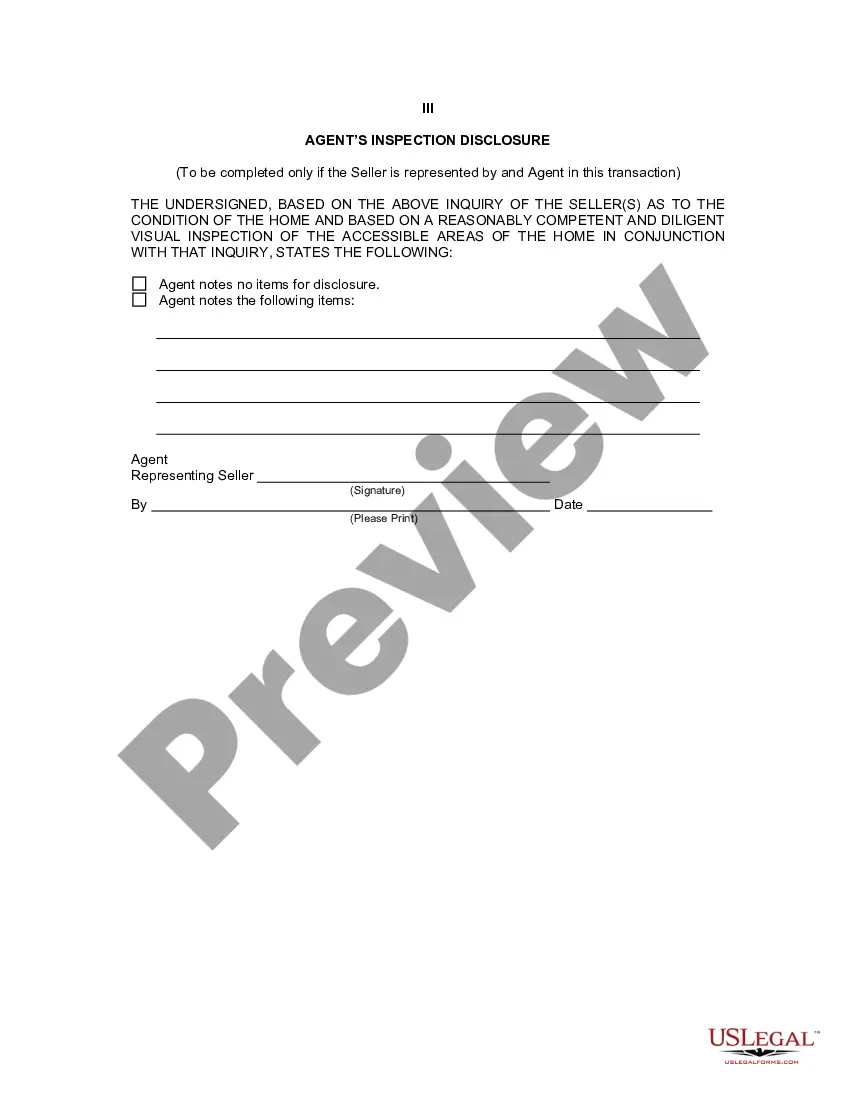
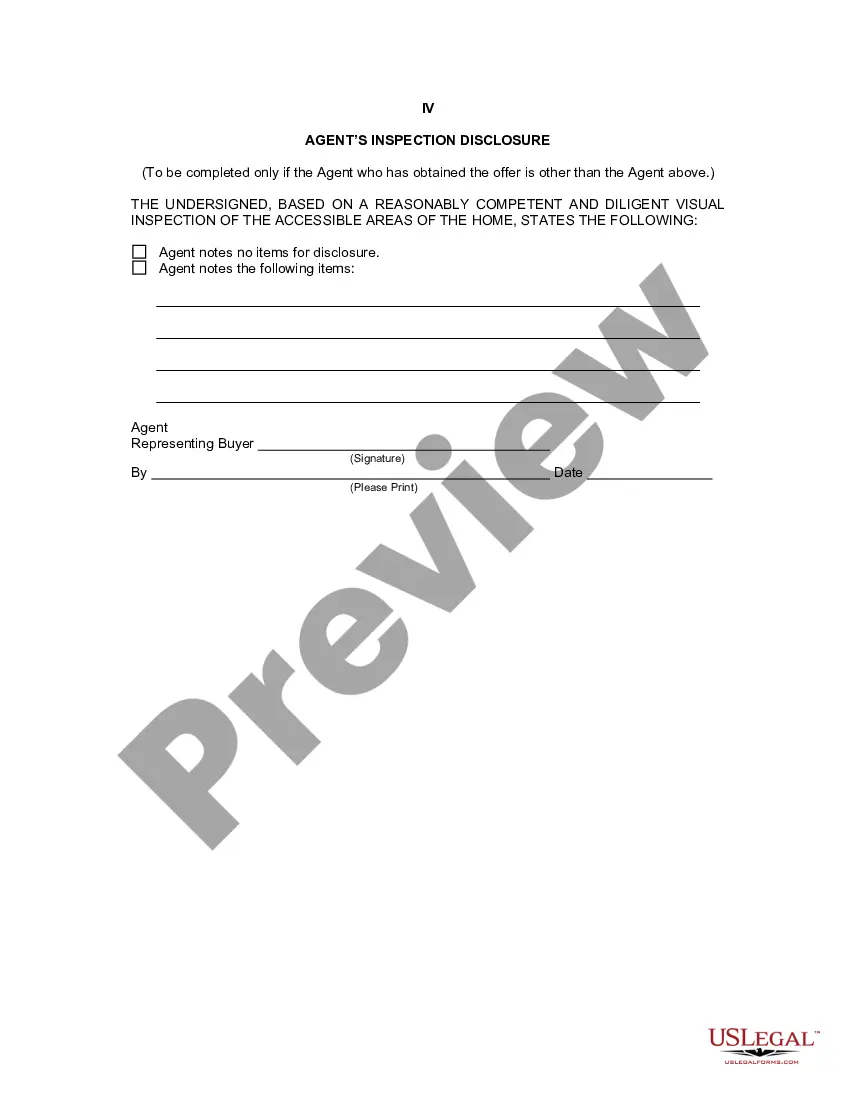
- Agentâs inspection disclosures, if applicable, outlining findings from their visual inspection.
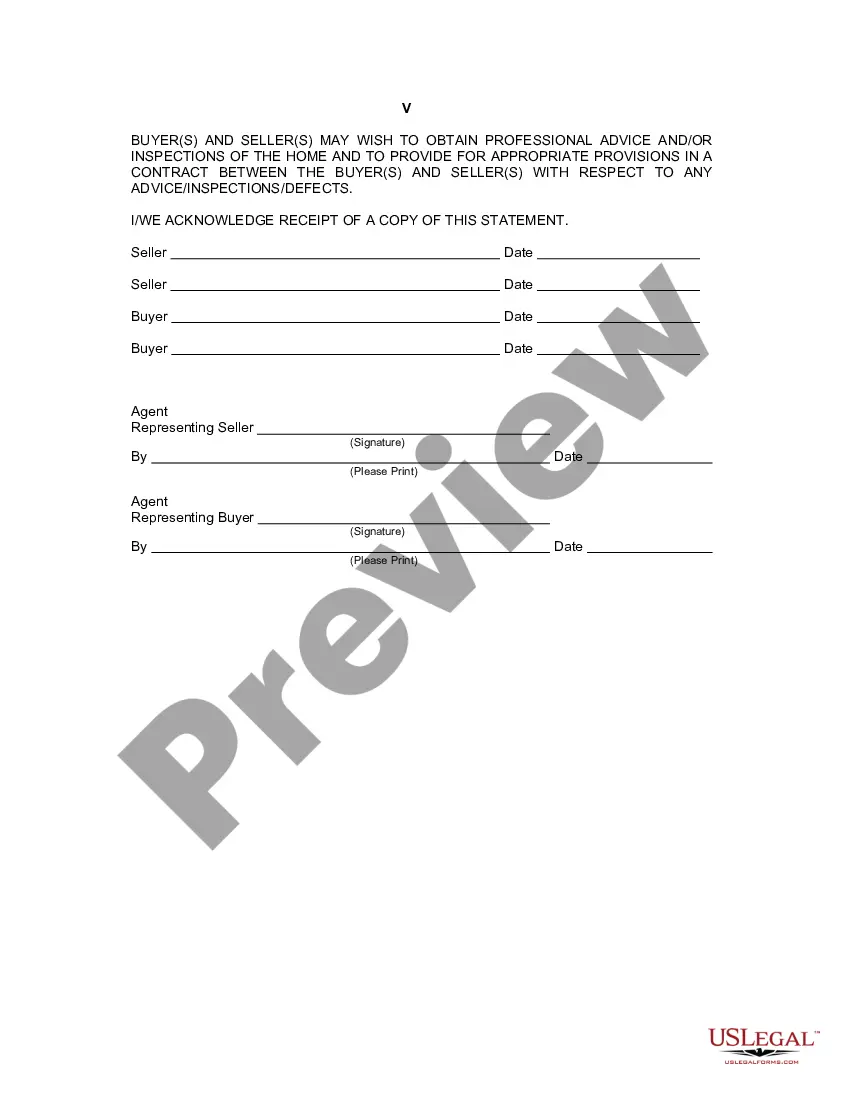
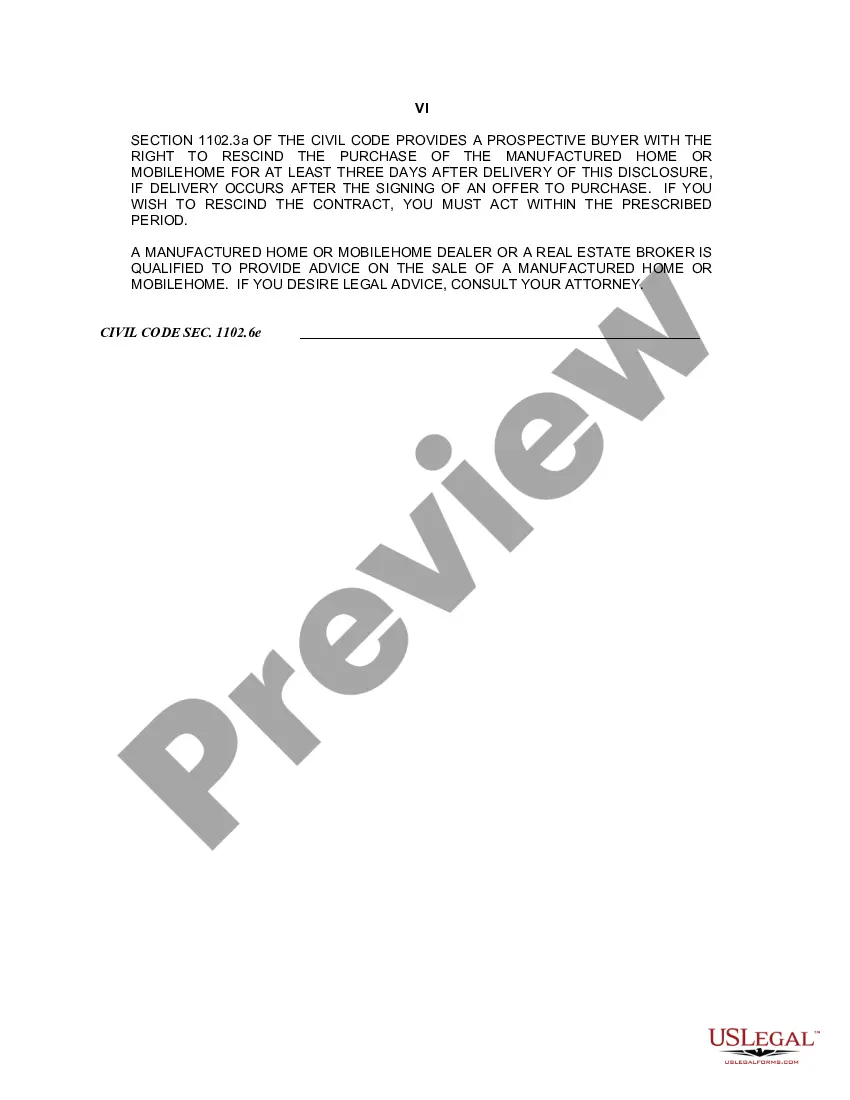
- Buyer's acknowledgment of receipt of this disclosure statement and their rights regarding rescission of the sale.

When to use this form
This form should be used when selling a manufactured home or mobilehome. It is essential for sellers to provide this disclosure to buyers as part of the sales process, ensuring transparency about the homeâs condition and any potential issues. It is particularly crucial to use this form if any prior inspections have been conducted or if the seller is aware of any defects or environmental hazards affecting the home.
Who should use this form
- Home sellers who are transferring ownership of a manufactured home or mobilehome.
- Real estate agents representing sellers in transactions involving manufactured homes.
- Buyers interested in purchasing a manufactured home who want to understand its condition before finalizing the sale.
Instructions for completing this form
- Identify the manufactured home by entering its location, year, make, and serial number.
- Complete the seller's disclosures regarding the condition of the home, including known defects and any included appliances or additions.
- Allow any agents involved to provide their inspections and acknowledge their findings if applicable.
- Ensure both the buyer and seller sign and date the statement to confirm receipt and understanding of the disclosures.
- Keep a copy of the completed form for your records and provide a copy to the buyer.
Does this document require notarization?
This form does not typically require notarization unless specified by local law. However, checking state-specific regulations is advisable to ensure compliance with all legal requirements.
Get your form ready online
Our built-in tools help you complete, sign, share, and store your documents in one place.
Make edits, fill in missing information, and update formatting in US Legal Forms—just like you would in MS Word.
Download a copy, print it, send it by email, or mail it via USPS—whatever works best for your next step.
Sign and collect signatures with our SignNow integration. Send to multiple recipients, set reminders, and more. Go Premium to unlock E-Sign.
If this form requires notarization, complete it online through a secure video call—no need to meet a notary in person or wait for an appointment.
We protect your documents and personal data by following strict security and privacy standards.

Make edits, fill in missing information, and update formatting in US Legal Forms—just like you would in MS Word.

Download a copy, print it, send it by email, or mail it via USPS—whatever works best for your next step.

Sign and collect signatures with our SignNow integration. Send to multiple recipients, set reminders, and more. Go Premium to unlock E-Sign.

If this form requires notarization, complete it online through a secure video call—no need to meet a notary in person or wait for an appointment.

We protect your documents and personal data by following strict security and privacy standards.
Typical mistakes to avoid
- Failing to disclose known defects, which can lead to legal complications.
- Not providing a copy of the disclosure statement to the buyer before finalizing the sale.
- Skipping the section for agentâs inspection disclosures if an agent is involved.
- Neglecting to sign and date the document, which can invalidate its legal standing.
- Using outdated information about the property condition that does not reflect current facts.
Why use this form online
- Convenient access to legal documents tailored for manufactured home transactions.
- Easily customizable to reflect the specific details of your sale.
- Instant downloads allow for immediate use without waiting for physical paperwork.
- Form templates created by licensed attorneys ensure legal accuracy and compliance.
- Secure storage of completed forms allows for easy retrieval in the future.
Legal use & context
- Disclosure statements are legally required to protect buyers from purchasing homes with undisclosed issues.
- Providing accurate disclosures can prevent the seller from facing legal challenges post-sale.
- This form serves as an important record supporting full transparency in the real estate transaction.
Main things to remember
- The Manufactured Home Transfer Disclosure Statement ensures buyers are informed about the home's condition.
- Sellers must provide this form at the outset of the selling process to comply with legal requirements.
- Understanding and completing the form accurately can protect sellers from future disputes.
Looking for another form?

Form popularity
FAQ
A seller is required to provide the TDS even when selling property without an agent, such as in a ?for sale by owner? transaction. The TDS also must be provided for sales of a new residential property that is not part of a subdivision, such as a new home or a new four-unit building being built on a lot.
Material Fact: Any fact that could affect a reasonable person's decision to buy, sell, or lease is considered a material fact and must be disclosed by a broker to the parties in the transaction and any interested third parties regardless of the broker's agency role within the transaction. N.C.G.S.
The Residential Property Disclosure Act (G.S. 47E) (?Disclosure Act?) requires owners of residential real estate (single-family homes, individual condominiums, townhouses, and the like, and buildings with up to four dwelling units) in North Carolina to furnish buyers a Residential Property and Owners' Association
A transfer disclosure statement (TDS) is required by California law in Section 1102 of the California Civil Code. This document is one of the seller disclosures that buyers receive during their contract contingency period. Its purpose is to let a buyer know of major defects in a property as required by California law.
The seller is required to complete a Transfer Disclosure Statement (TDS).
The Residential Property Disclosure Act, codified as North Carolina G.S. 47E, requires the seller of residential real estate (one to four dwelling units) to complete a form?known formally as the Residential Property and Owners' Association Disclosure Statement?disclosing conditions and defects with the property.
When it comes to disclosing that a person died in the home, both Wilcox and Hoffman said sellers aren't legally obligated to tell you. That applies to listings in both North Carolina and South Carolina. "If the buyer doesn't ask, it's not something that needs to be disclosed per se," Hoffman said.
A North Carolina property disclosure statement is a document that provides a complete report of a residential property's current condition and is required by law to be provided by a property owner to anyone wishing to purchase the property.