California Law For Contractor Deposit
Description

Get your form ready online
Our built-in tools help you complete, sign, share, and store your documents in one place.
Make edits, fill in missing information, and update formatting in US Legal Forms—just like you would in MS Word.
Download a copy, print it, send it by email, or mail it via USPS—whatever works best for your next step.
Sign and collect signatures with our SignNow integration. Send to multiple recipients, set reminders, and more. Go Premium to unlock E-Sign.
If this form requires notarization, complete it online through a secure video call—no need to meet a notary in person or wait for an appointment.
We protect your documents and personal data by following strict security and privacy standards.

Make edits, fill in missing information, and update formatting in US Legal Forms—just like you would in MS Word.

Download a copy, print it, send it by email, or mail it via USPS—whatever works best for your next step.

Sign and collect signatures with our SignNow integration. Send to multiple recipients, set reminders, and more. Go Premium to unlock E-Sign.

If this form requires notarization, complete it online through a secure video call—no need to meet a notary in person or wait for an appointment.

We protect your documents and personal data by following strict security and privacy standards.
Looking for another form?








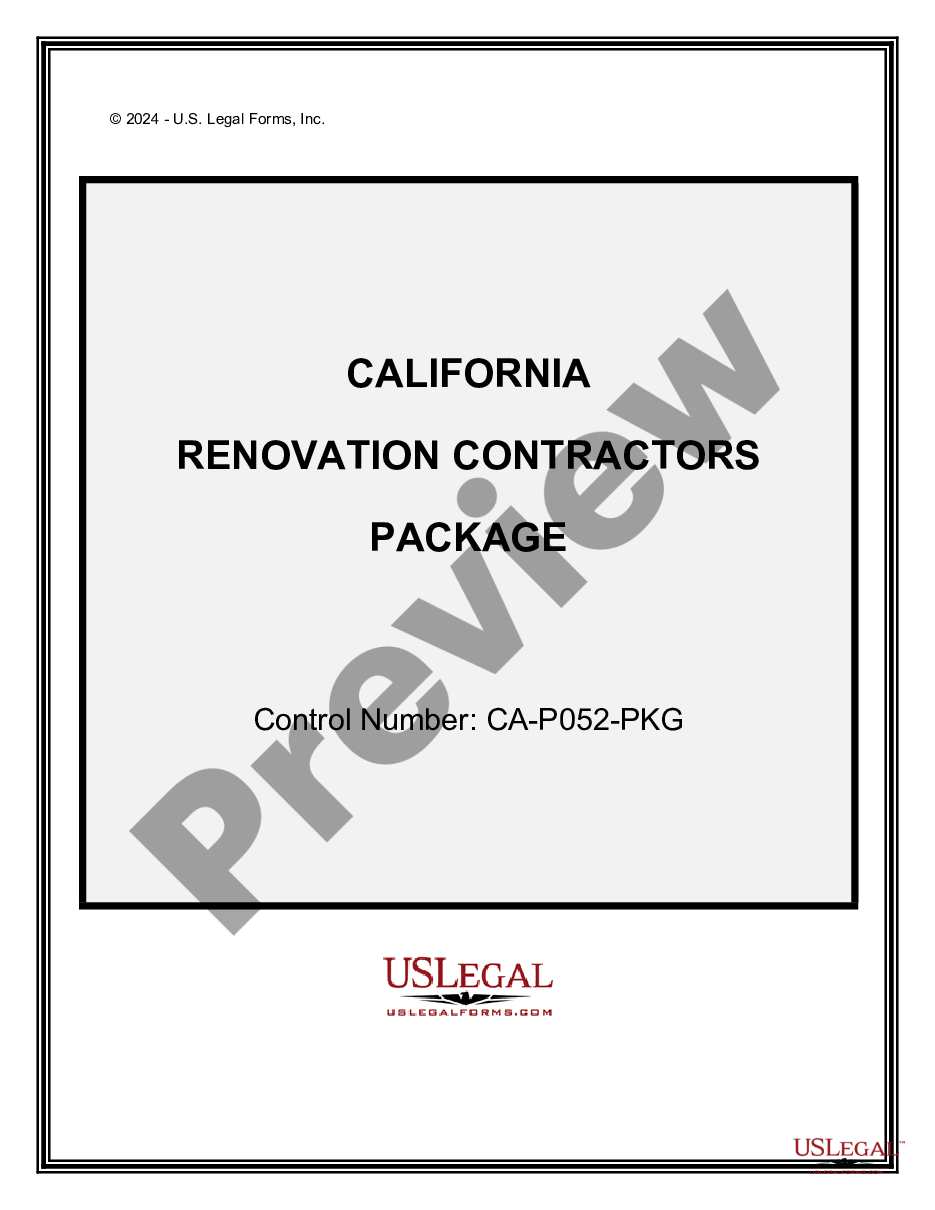
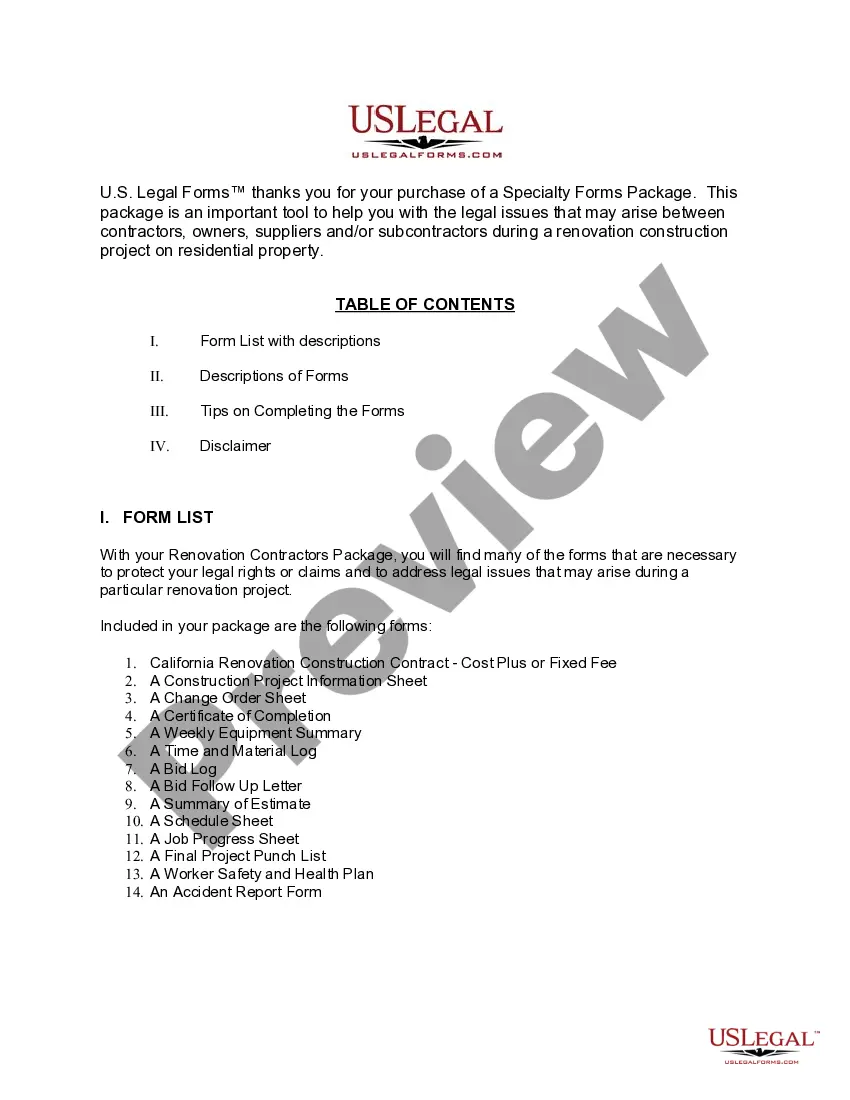
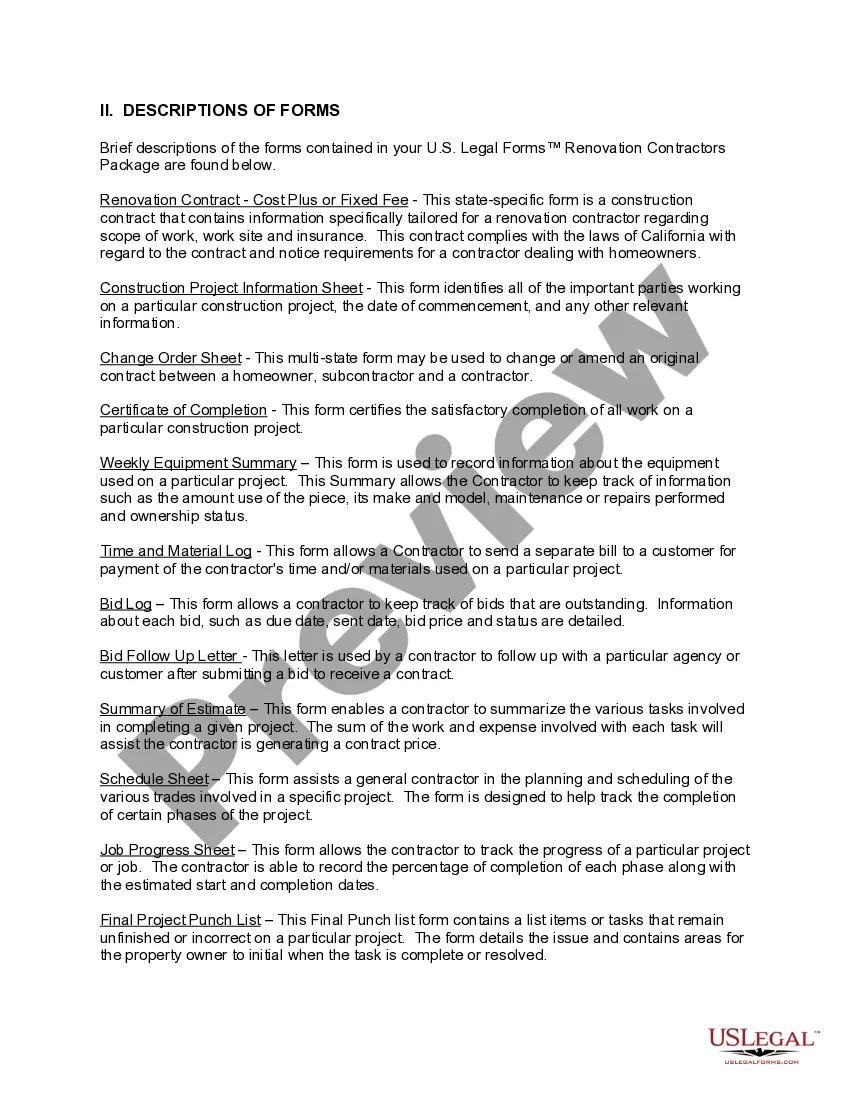
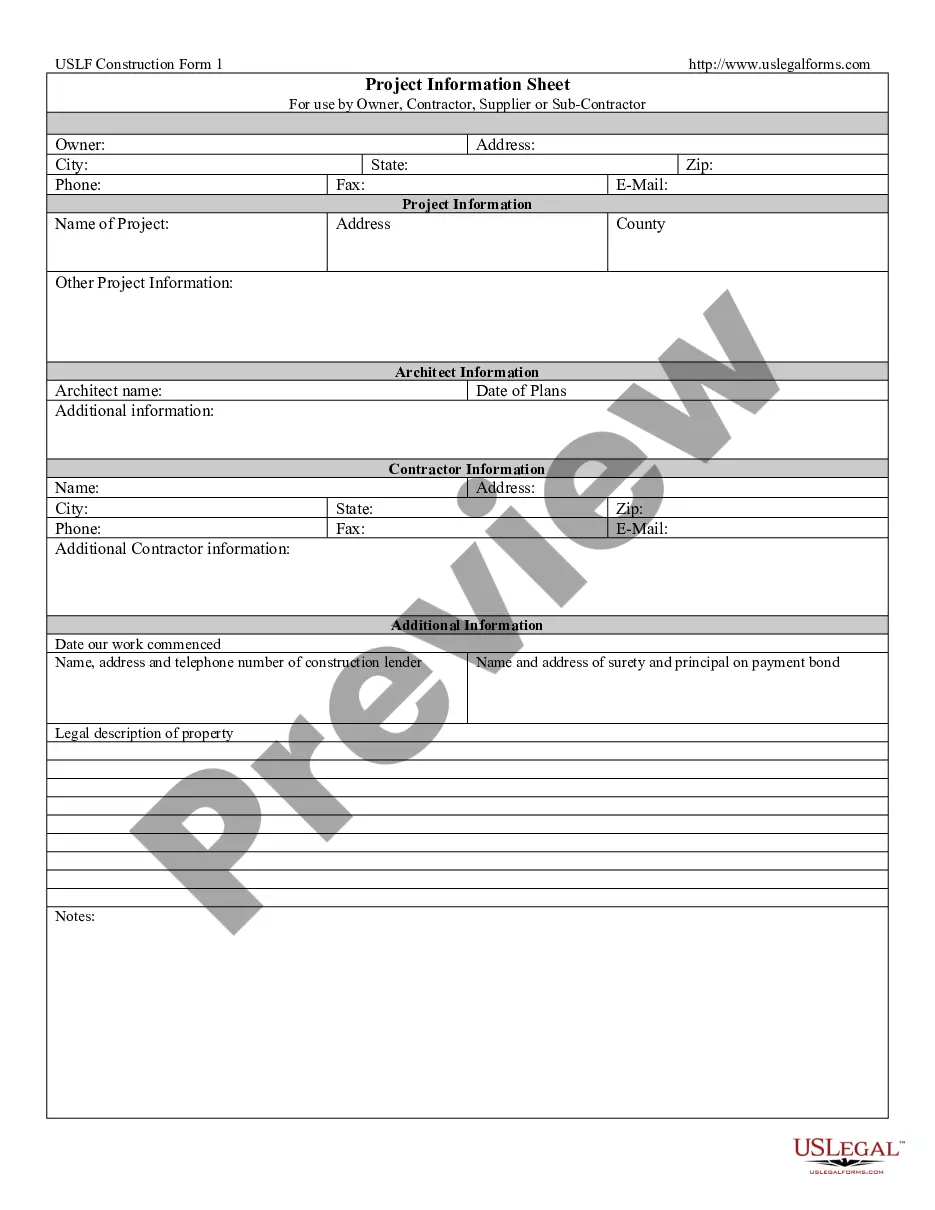
How to fill out California Renovation Contractor Package?
Managing legal documents can be daunting, even for proficient professionals.
If you are in search of a California Law For Contractor Deposit and lack the time to dedicate to finding the correct and updated version, the process can be stressful.
With US Legal Forms, you can.
Obtain access to state- or county-specific legal and commercial forms. US Legal Forms caters to all your requirements, ranging from personal to business documents, all in one location.
If it’s your first time using US Legal Forms, create a free account and gain unlimited access to all the advantages of the library. Here are the steps to follow after downloading the desired form.
- Utilize sophisticated tools to create and manage your California Law For Contractor Deposit.
- Access a valuable reservoir of articles, guides, and materials related to your situation and requirements.
- Conserve time and effort in seeking the documents you need, and make use of US Legal Forms’ innovative search and Preview feature to find California Law For Contractor Deposit and acquire it.
- If you have a subscription, Log In to your US Legal Forms account, search for the form, and obtain it.
- Check your My documents tab to see the documents you have previously downloaded and manage your folders as you wish.
- An extensive online form directory could be revolutionary for anyone aiming to streamline these matters.
- US Legal Forms stands as a leading entity in online legal documentation, boasting over 85,000 state-specific legal forms accessible at any moment.
Form popularity
FAQ
To get your deposit back from a contractor, first review your contract to understand the terms related to deposits. According to California law for contractor deposit, contractors must follow certain regulations regarding deposits and refunds. If you encounter issues, communicate directly with your contractor, as an open discussion can often resolve misunderstandings. If the situation does not improve, consider consulting with a legal expert or using platforms like US Legal Forms to explore your options and rights.
To get a deposit back from a contractor, start by reviewing your contract and understanding the terms regarding deposits under California law for contractor deposits. Next, communicate directly with the contractor, expressing your desire to retrieve the deposit and outline any issues that may have led to this request. If the contractor does not respond or refuses to return the deposit, consider sending a formal demand letter that cites California law for contractor deposits. If these steps do not resolve the issue, exploring legal options may be necessary, and using resources like USLegalForms can provide you with helpful templates and guidance.
Net 10, Net 30, or Net 60 (found on the invoice) simply indicates that the contractor's payment is due 10, 30, or 60 days from the date of the invoice, respectively. Risks: This is the most common payment term for independent contractors, and there are few risks associated with it.
Hear this out loud PauseAny reputable contractor doing work in your home will likely require up to a 30% deposit on the work. Again, any reputable contractor doing work in your home will collect a deposit for the work to be done. This is not a scheme, but a way to cover initial costs leading up to your job.
Hear this out loud PauseREMEMBER The down payment cannot be more than $1,000 or 10 percent of the contract price, whichever is less, for a home improvement job or swimming pool, excluding finance charges.
Hear this out loud PauseThis information is noted on the contractor's license detail page on CSLB's website. Avoid paying in cash. Contractors cannot ask for a deposit of more than 10 percent of the total cost of the job or $1,000, whichever is less. * (This applies to any home improvement project, including swimming pools.)
Hear this out loud PauseThe most common type of construction payment is a net payment, meaning the invoice is due a set amount of days from the issue date. For longer projects, it's typical to pay an upfront deposit and then to pay the contractor monthly until the job is finished.