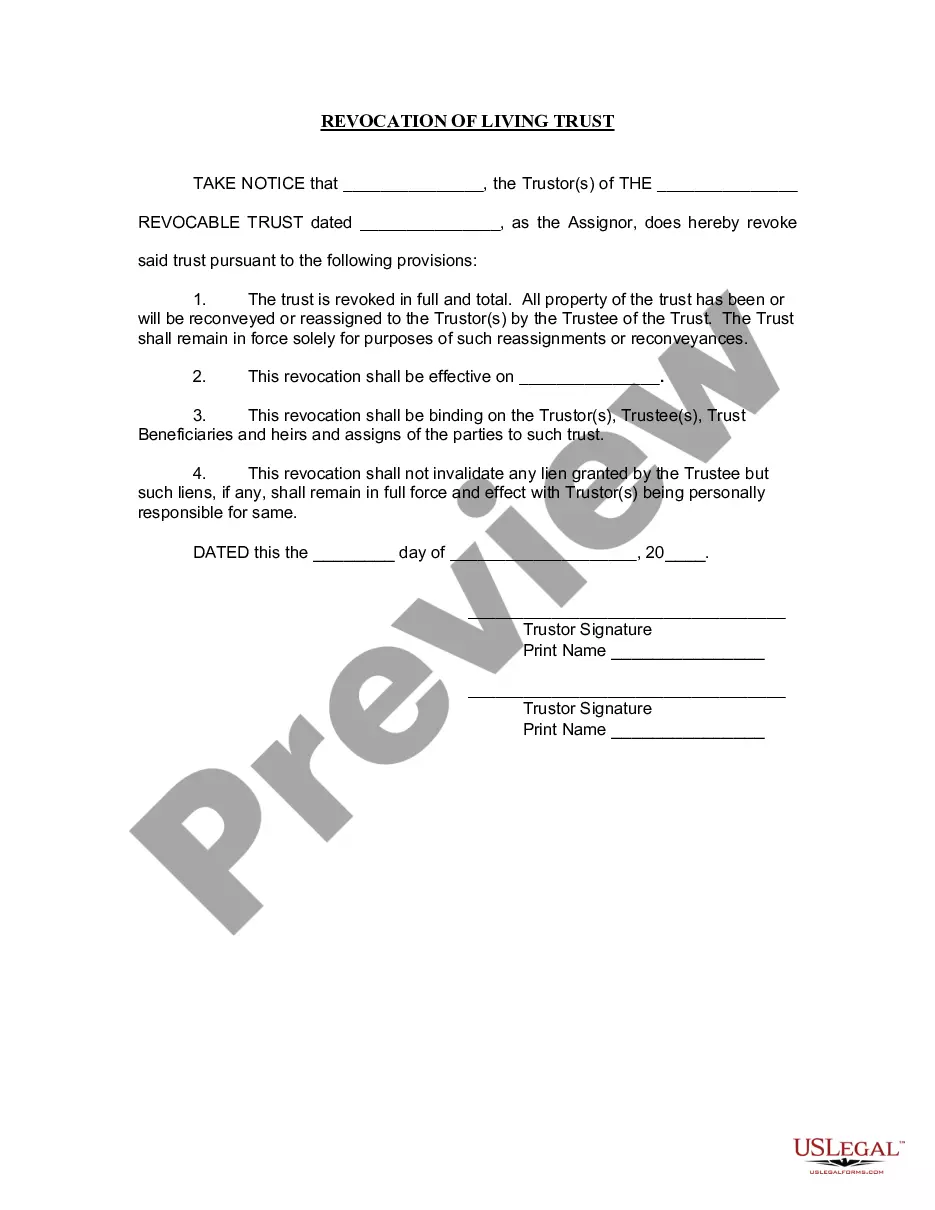
Revocation Living Trust Form For Idaho
Description

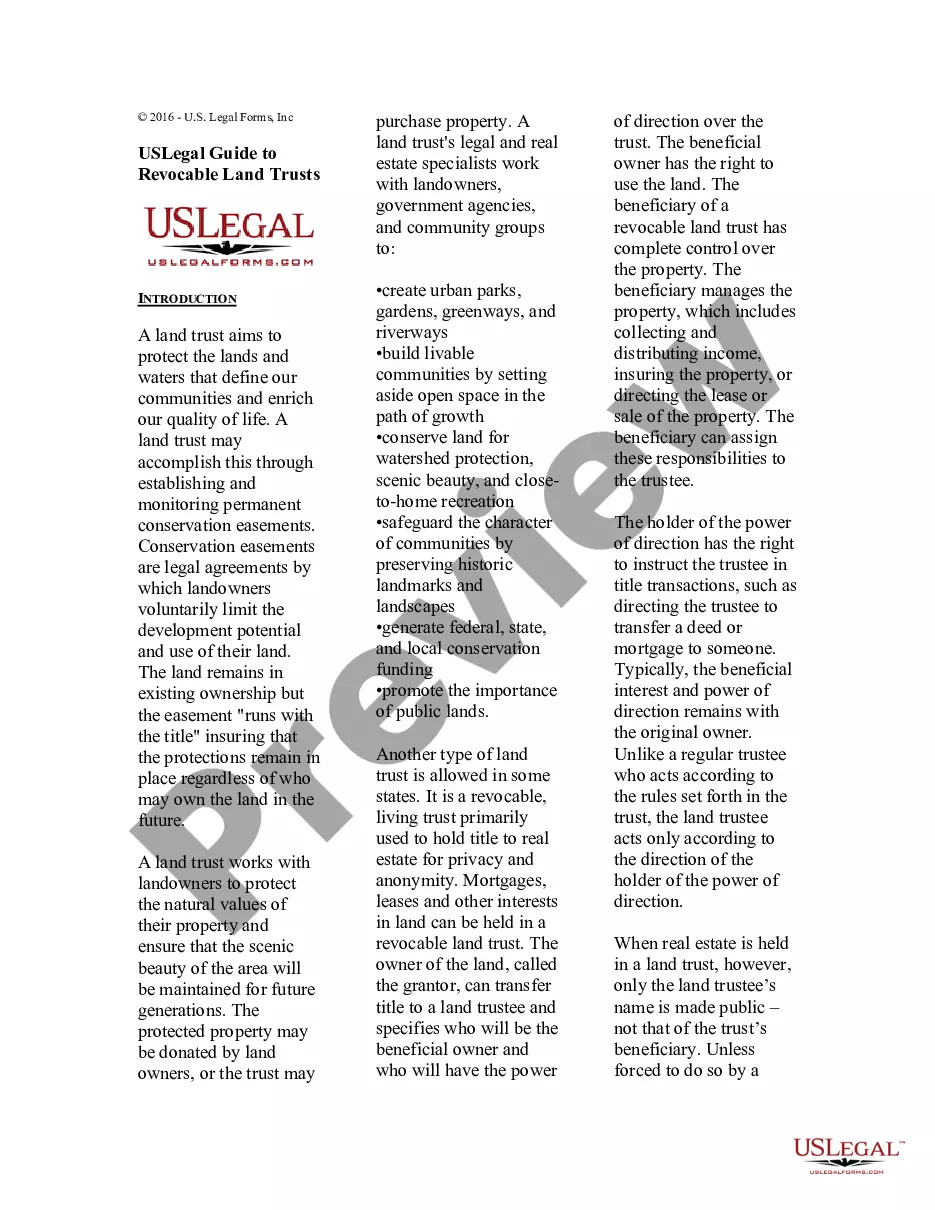
Get your form ready online
Our built-in tools help you complete, sign, share, and store your documents in one place.
Make edits, fill in missing information, and update formatting in US Legal Forms—just like you would in MS Word.
Download a copy, print it, send it by email, or mail it via USPS—whatever works best for your next step.
Sign and collect signatures with our SignNow integration. Send to multiple recipients, set reminders, and more. Go Premium to unlock E-Sign.
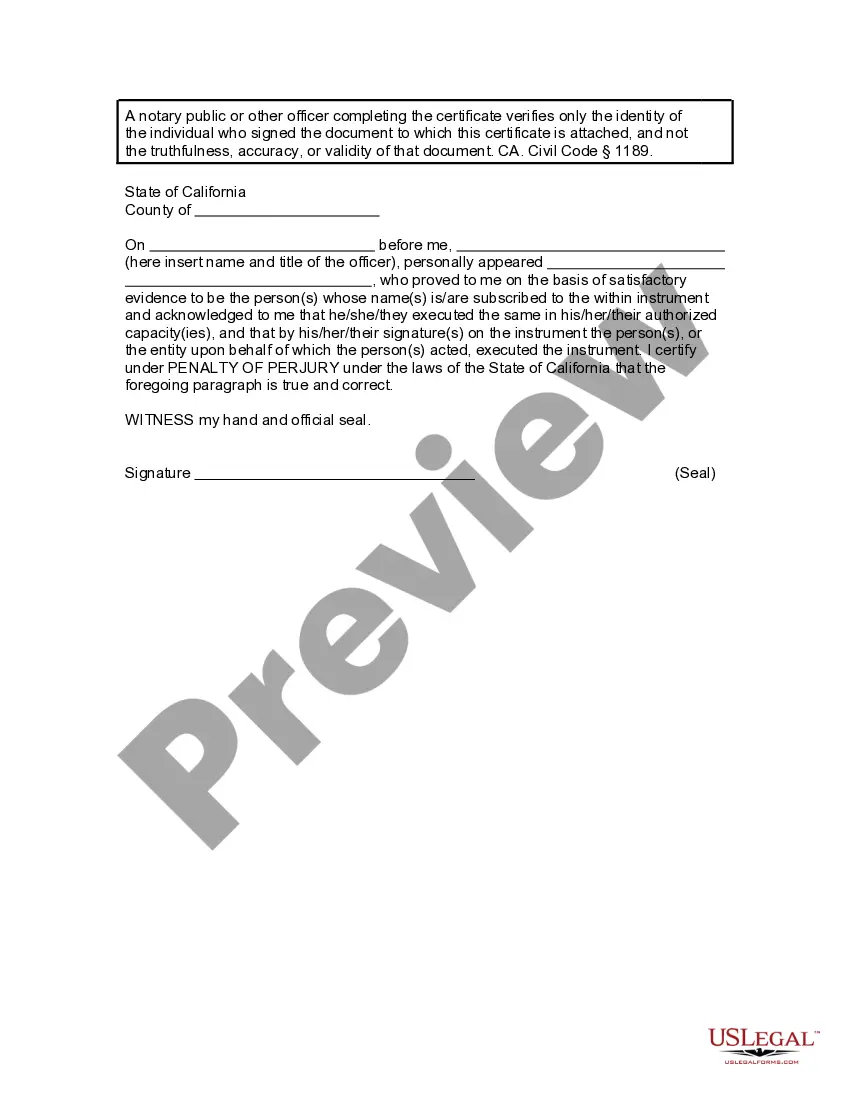
If this form requires notarization, complete it online through a secure video call—no need to meet a notary in person or wait for an appointment.
We protect your documents and personal data by following strict security and privacy standards.

Make edits, fill in missing information, and update formatting in US Legal Forms—just like you would in MS Word.

Download a copy, print it, send it by email, or mail it via USPS—whatever works best for your next step.

Sign and collect signatures with our SignNow integration. Send to multiple recipients, set reminders, and more. Go Premium to unlock E-Sign.

If this form requires notarization, complete it online through a secure video call—no need to meet a notary in person or wait for an appointment.

We protect your documents and personal data by following strict security and privacy standards.
Looking for another form?








How to fill out California Revocation Of Living Trust?
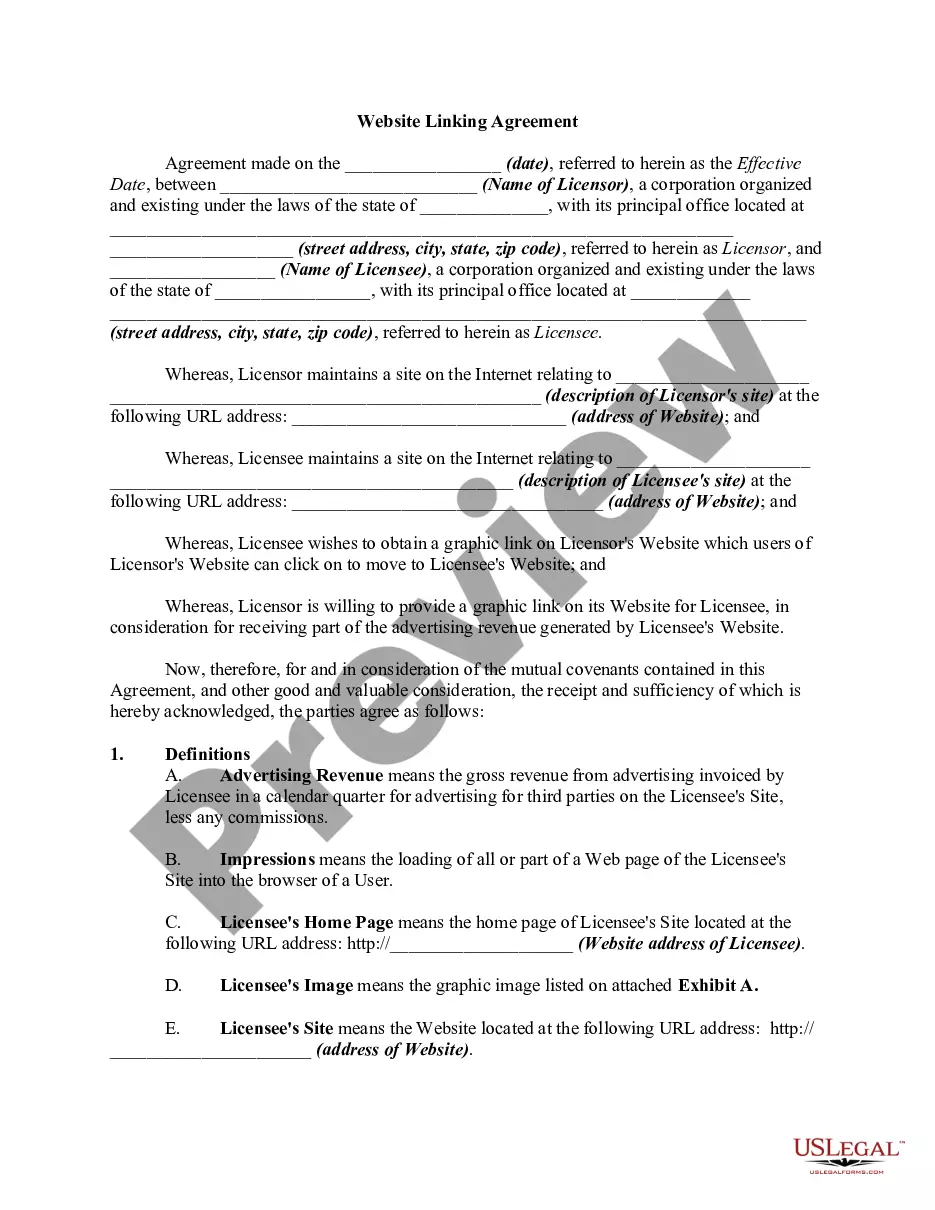
The Revocation Living Trust Document For Idaho displayed on this page is a reusable official template created by qualified attorneys in accordance with national and local regulations.
For over 25 years, US Legal Forms has served individuals, businesses, and legal professionals with more than 85,000 confirmed, state-specific documents for every professional and personal scenario.
Select the format you prefer for your Revocation Living Trust Document For Idaho (PDF, DOCX, RTF) and save the example on your device.
- Search for the document you require and examine it.
- Browse through the example you searched for and preview it or review the document description to ensure it meets your needs. If it does not, use the search feature to locate the correct one. Click 'Buy Now' once you have found the template you need.
- Enroll and Log In.
- Select the pricing option that fits your situation and create an account. Use PayPal or a credit card to make a swift payment. If you already possess an account, Log In and verify your subscription to proceed.
- Acquire the editable template.
Form popularity
FAQ
(a) A parent may file a motion to terminate a guardianship at any time. The motion shall be filed with the Probate Division that issued the guardianship order and served on all parties and interested persons.
How Long Does Probate Take in Vermont? It's not uncommon for probate to take anywhere from six months to around 18 months in Vermont. The timing directly relates to the size of the estate. Very large, very complex estates can take several years.
Vermont law requires that creditors must be given a window of four months from the date of the executor's appointment to make claims against the estate for any debts owed. Paying Debts and Taxes: After notifying the creditors, the executor must then pay off any valid debts from the estate's assets.
If the decedent died without a will and there is money, real estate or valuable belongings that did not automatically go to other people at the time of death, someone ? usually a family member or close friend ? must notify the probate court of the death.
The probate process is a safety measure for the distribution of property when someone dies. The probate division examines the legality of a will. It then oversees the administration of the estate to ensure that the executor or administrator correctly performs their duties, follows laws, and honors final wishes.
It involves proving the will is valid, identifying and inventorying the deceased person's property, having the property appraised, paying debts and taxes, and distributing the remaining property as the will directs. In Vermont, the cost for probate can range from $2,700 to $6,950 or more.
You can contact the court by phone, in writing, in person, or by sending an email to JUD.VJB@vermont.gov. A motion is a request in writing asking the court to consider doing something specific in your case. All motions must identify the request and give specific reasons for the request.
Before filing the petition, you should consider whether there are any alternatives to guardianship that might meet the individual's need for help. This includes an appointment of a representative payee through Social Security or executing a general power of attorney or advance directive.