California Revocation of Living Trust
Overview of this form
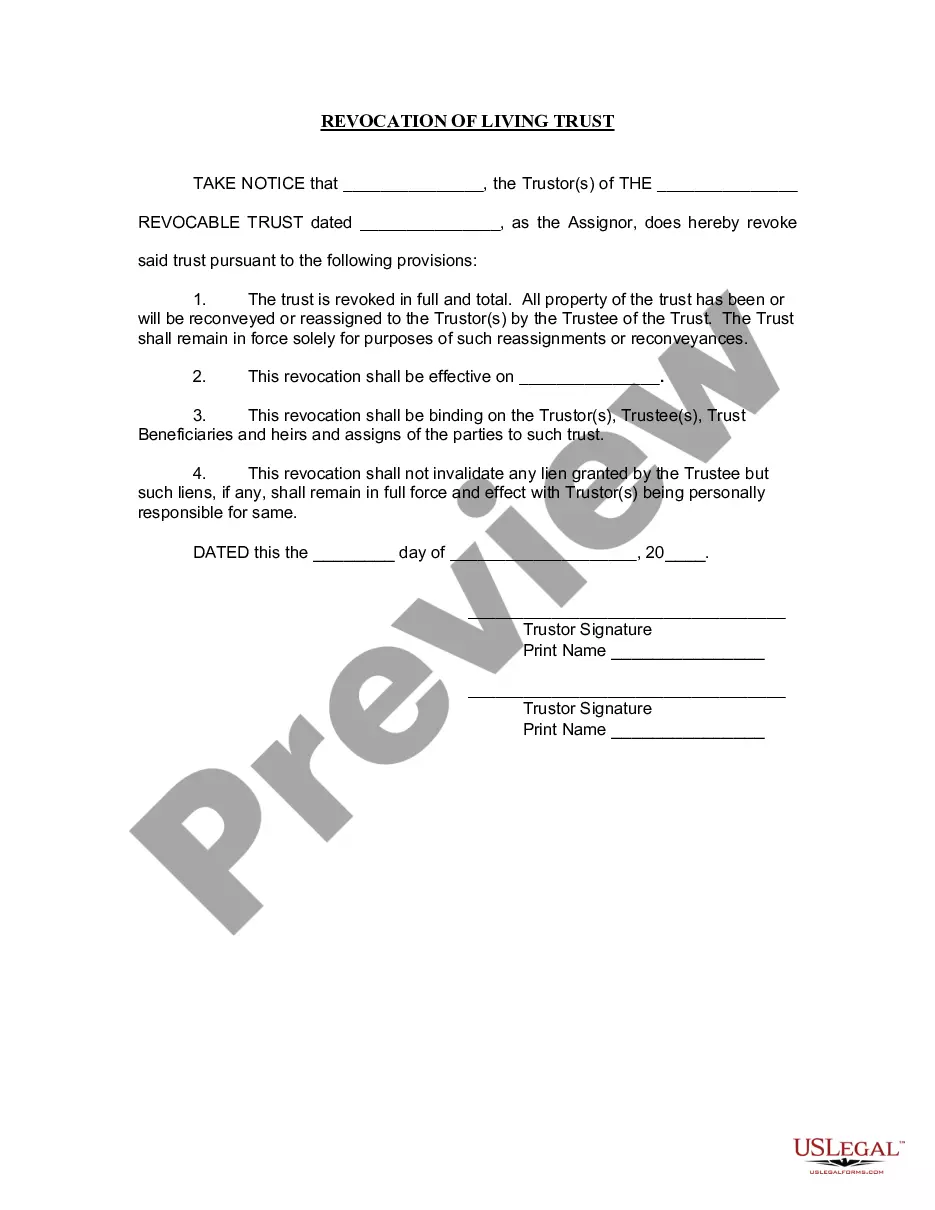
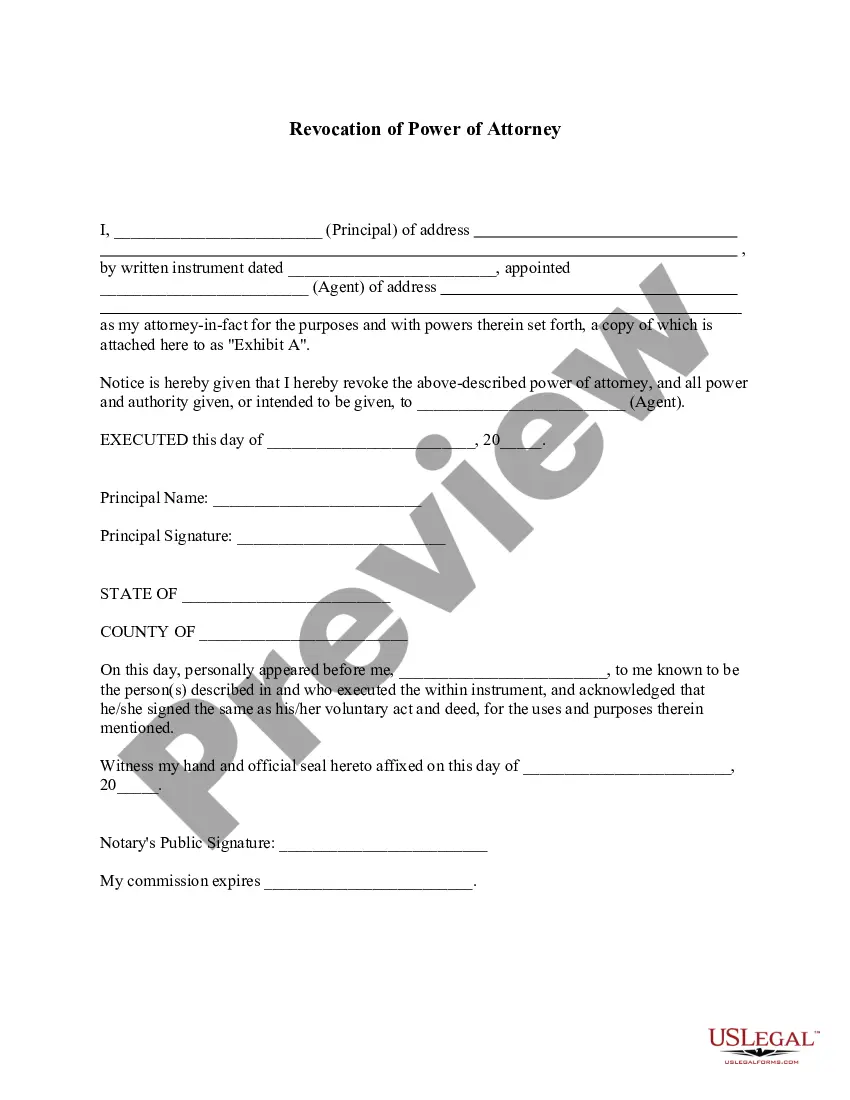
The Revocation of Living Trust is a legal document used to officially revoke an existing living trust. This form is distinct as it allows the trustor to return all assets and properties held in the trust back to themselves, thus nullifying the trust's legal powers. This revocation is critical when a trustor decides to change their estate planning strategies or liquidate their trust assets.
Key components of this form
- Identification of the trustor(s) and the specific living trust being revoked.
- A declaration stating the full and total revocation of the trust.
- Details regarding the reconveyance of trust property back to the trustor(s).
- Inclusion of the effective date of the revocation.
- Signatures of the trustor(s) for validation.
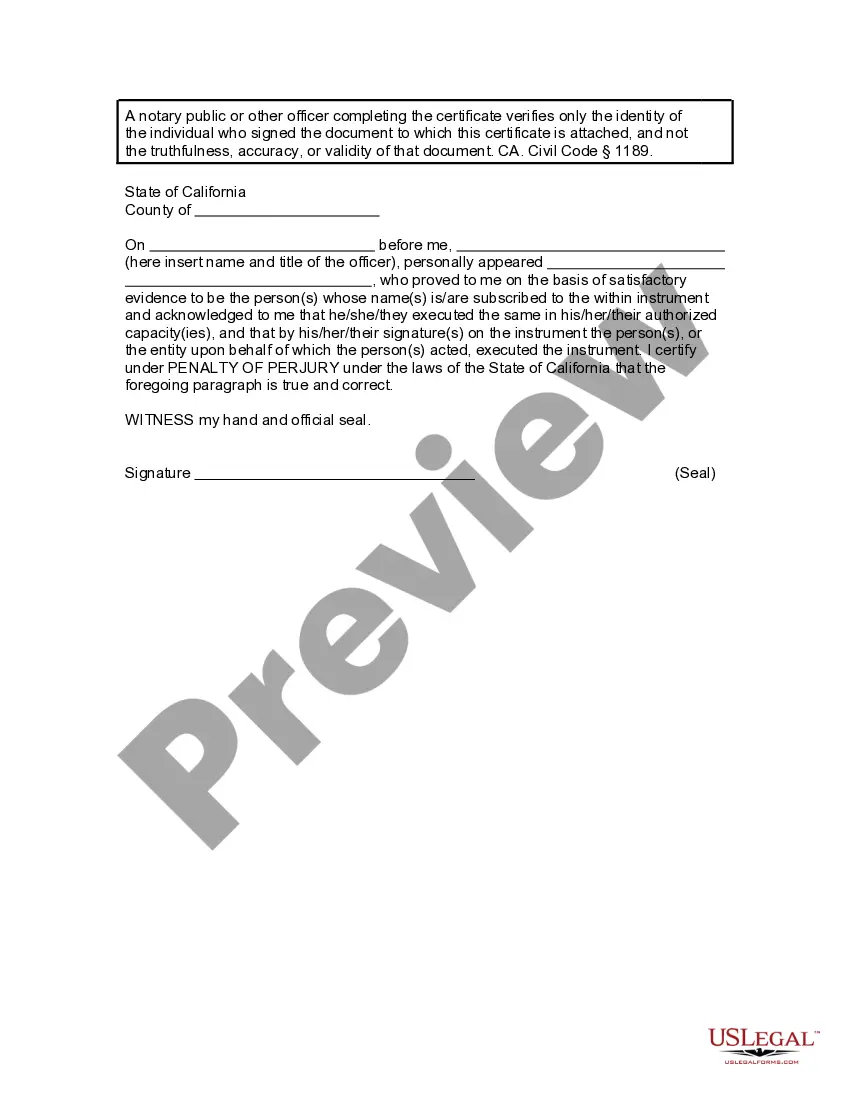
- Notarization section to affirm the authenticity of the signatures.
When to use this document
This form should be used when a trustor wishes to revoke an existing living trust. Common scenarios include changes in personal circumstances, such as a divorce or remarriage, alterations in financial status, or a shift in estate planning goals that require liquidation of trust assets. It is essential to use this form to ensure clear and official documentation of the revocation.
Who needs this form
This form is intended for:
- Individuals who have created a living trust and wish to revoke it.
- Trustors seeking to return their assets from the trust.
- Anyone involved in estate planning or managing trusts needing to formalize changes.
How to prepare this document
- Identify the trustor(s) and enter the name of the revocable trust being revoked.
- State the effective date of the revocation clearly.
- Obtain signatures from all trustor(s) involved.
- Have the document notarized by a qualified notary public.
- Ensure all property details are accurately outlined to confirm reconveyance back to the trustor(s).
Notarization requirements for this form
Notarization is required for this form to take effect. Our online notarization service, powered by Notarize, lets you verify and sign documents remotely through an encrypted video session, available 24/7.
Get your form ready online
Our built-in tools help you complete, sign, share, and store your documents in one place.
Make edits, fill in missing information, and update formatting in US Legal Forms—just like you would in MS Word.
Download a copy, print it, send it by email, or mail it via USPS—whatever works best for your next step.
Sign and collect signatures with our SignNow integration. Send to multiple recipients, set reminders, and more. Go Premium to unlock E-Sign.
If this form requires notarization, complete it online through a secure video call—no need to meet a notary in person or wait for an appointment.
We protect your documents and personal data by following strict security and privacy standards.

Make edits, fill in missing information, and update formatting in US Legal Forms—just like you would in MS Word.

Download a copy, print it, send it by email, or mail it via USPS—whatever works best for your next step.

Sign and collect signatures with our SignNow integration. Send to multiple recipients, set reminders, and more. Go Premium to unlock E-Sign.

If this form requires notarization, complete it online through a secure video call—no need to meet a notary in person or wait for an appointment.

We protect your documents and personal data by following strict security and privacy standards.
Common mistakes
- Failing to notarize the document, which is essential for validity.
- Not including the effective date of the revocation.
- Omitting signatures from all trustor(s), which can invalidate the revocation.
- Not clearly specifying the trust being revoked, leading to ambiguity.
Advantages of online completion
- Convenience of downloading and accessing the form anytime, anywhere.
- Editability allows customization to fit specific legal needs and circumstances.
- Ensured accuracy, as the form is drafted by licensed attorneys familiar with legal requirements.
Quick recap
- The Revocation of Living Trust is essential for formally canceling an existing trust.
- It is crucial to comply with notarization requirements to ensure legal validity.
- Understanding when and how to use this form helps facilitate smooth estate planning adjustments.
Looking for another form?
Form popularity
FAQ
To terminate a living trust in California, first draft a written revocation document that clearly states your intent. Obtain signatures from all relevant parties, including trustees and beneficiaries, to formalize the process. Termination of your California Revocation of Living Trust can be effectively managed with the help of legal resources like USLegalForms.
A trust becomes null and void when it fails to comply with legal requirements or if the creator did not have the capacity to establish it. Common reasons include lack of a written document, absence of proper signatures, or the trust being established under fraudulent conditions. Understanding these aspects can clarify the California Revocation of Living Trust.
A sample revocation of living trust document typically includes your name, details about the trust, and a clear statement of revocation. This document should be signed and dated, reflecting your intent to dissolve the trust. By using tools like USLegalForms, you can access templates that streamline your California Revocation of Living Trust.
Revoking a trust can be straightforward if you follow the correct procedures. It involves drafting a formal revocation document and ensuring it meets California legal standards. While it may seem simple, seeking guidance can help you confidently navigate the California Revocation of Living Trust process.
Invalidating a trust in California typically involves demonstrating that the trust was not created in compliance with state laws. Common grounds include lack of legal capacity, undue influence, or failure to meet formal requirements. If you believe these factors apply, consulting a legal expert can clarify your position regarding California Revocation of Living Trust.
To revoke a living trust in California, you must follow specific legal steps. Start by creating a written document stating your intent to revoke the trust. Sign this document and, if possible, notify all beneficiaries and trustees involved. This process clearly indicates your California Revocation of Living Trust and eliminates any confusion.
To fill out a revocable living trust, begin by gathering essential information about your assets and beneficiaries. Next, access a legal template or consult an attorney to ensure proper language and structure. After finalizing the details, sign the document in front of a notary, which solidifies your California Revocation of Living Trust.
A revocation of a living trust is a legal process through which the trustor nullifies the trust's terms, effectively returning the assets to their ownership. This process signifies a clear intention to terminate the trust's legal effect. Understanding the implications of a California Revocation of Living Trust is essential for any involved party, and platforms like USLegalForms can help simplify the procedure.
Yes, a living trust can be revoked in California, provided the trustor expresses their intention clearly. This revocation must be documented formally to avoid any future disputes. To ensure a smooth process during a California Revocation of Living Trust, consider utilizing platforms like USLegalForms for professional guidance.
To terminate a trust in California, you typically must gather the consent of all beneficiaries and meet any specific trust conditions. It often involves legal documentation and possibly filing with the courts. If you're looking to initiate this process, understanding California Revocation of Living Trust can significantly ease your journey.