Trust Incontestable Uncollected For 20x4

Description
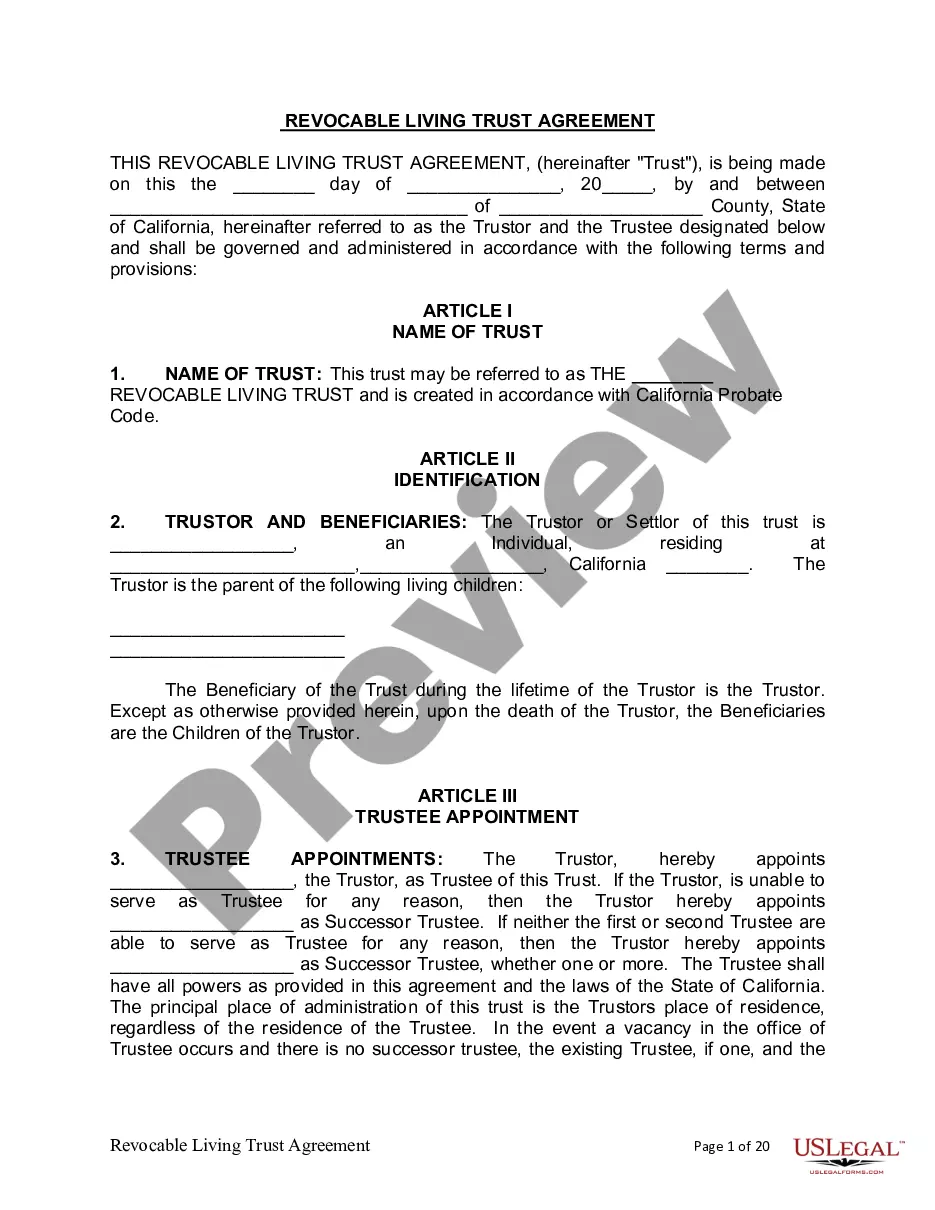
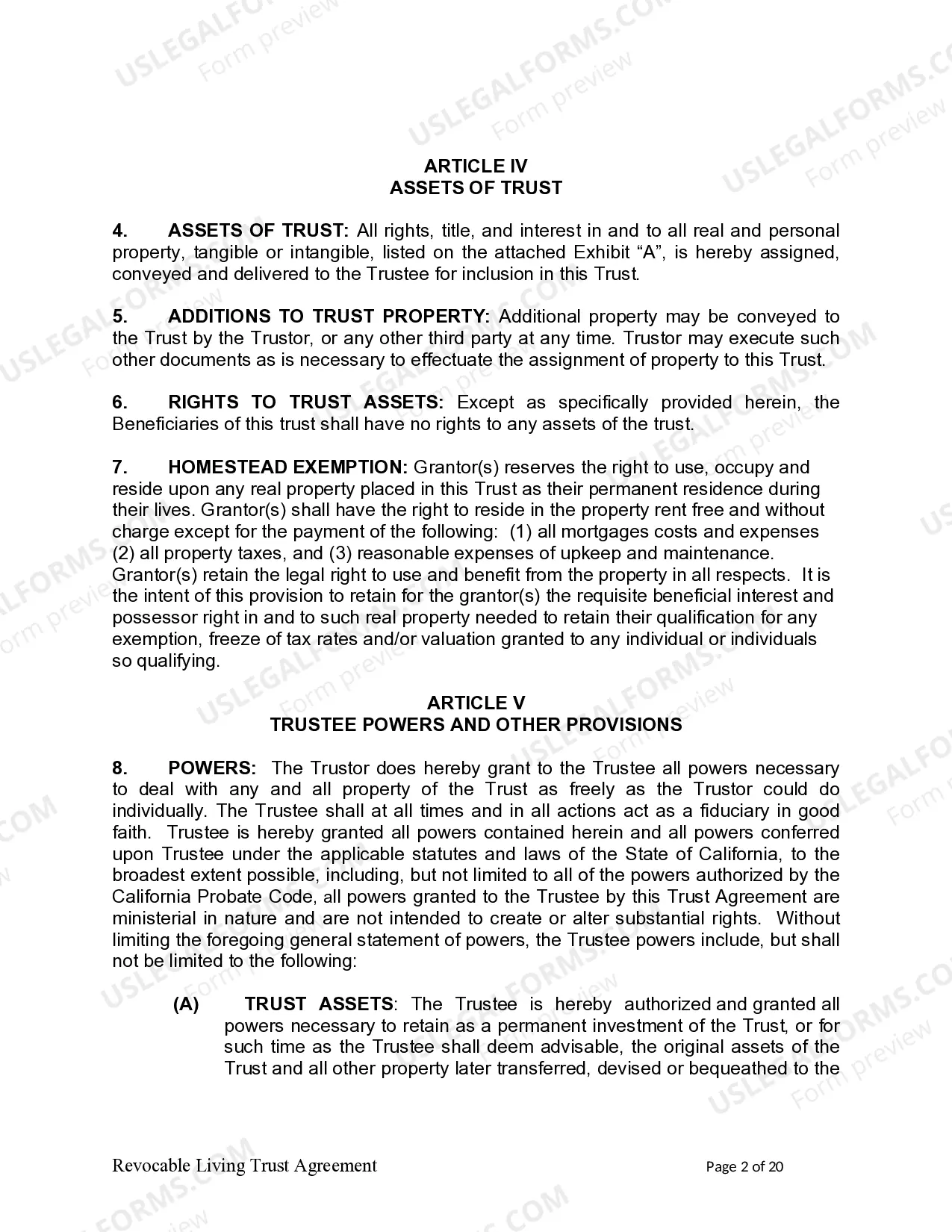
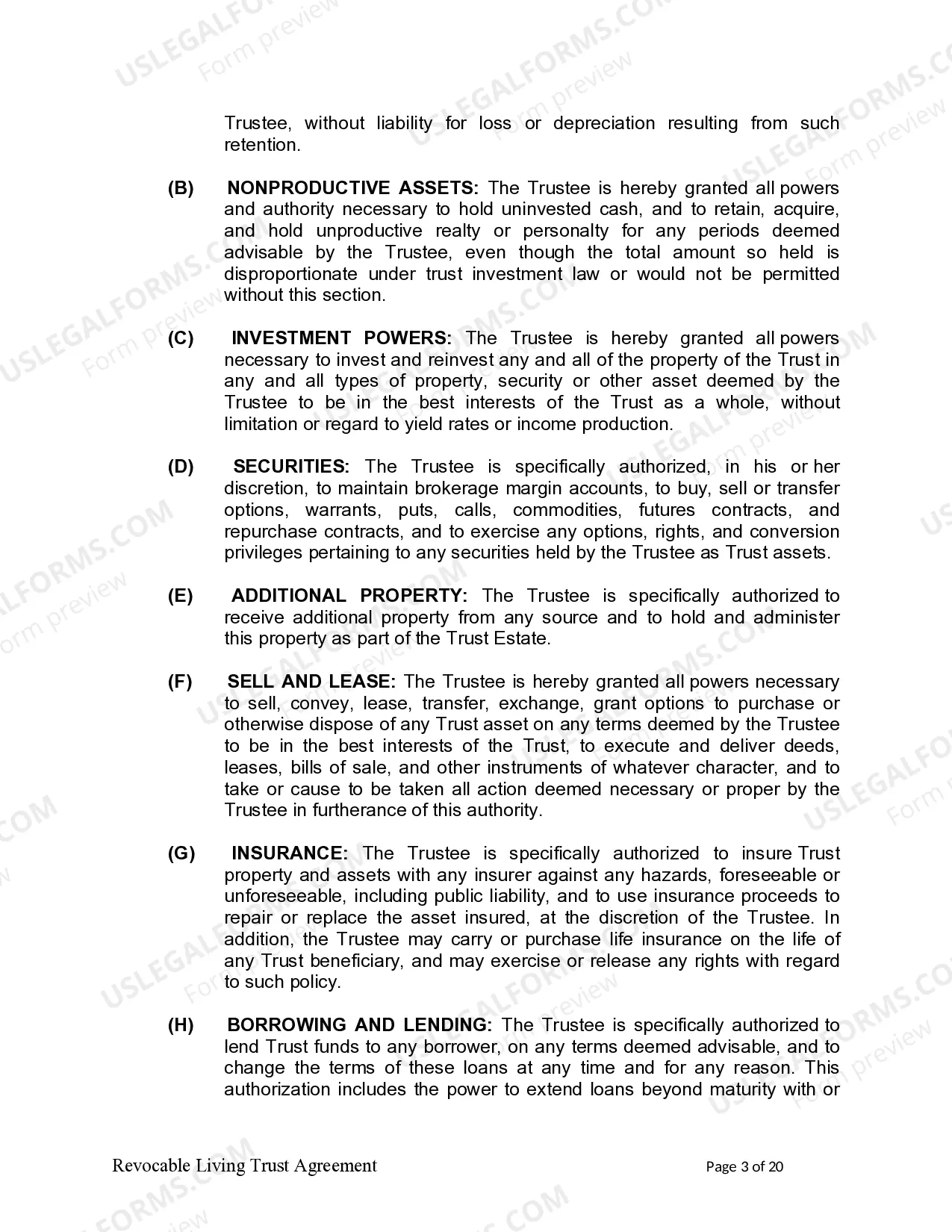
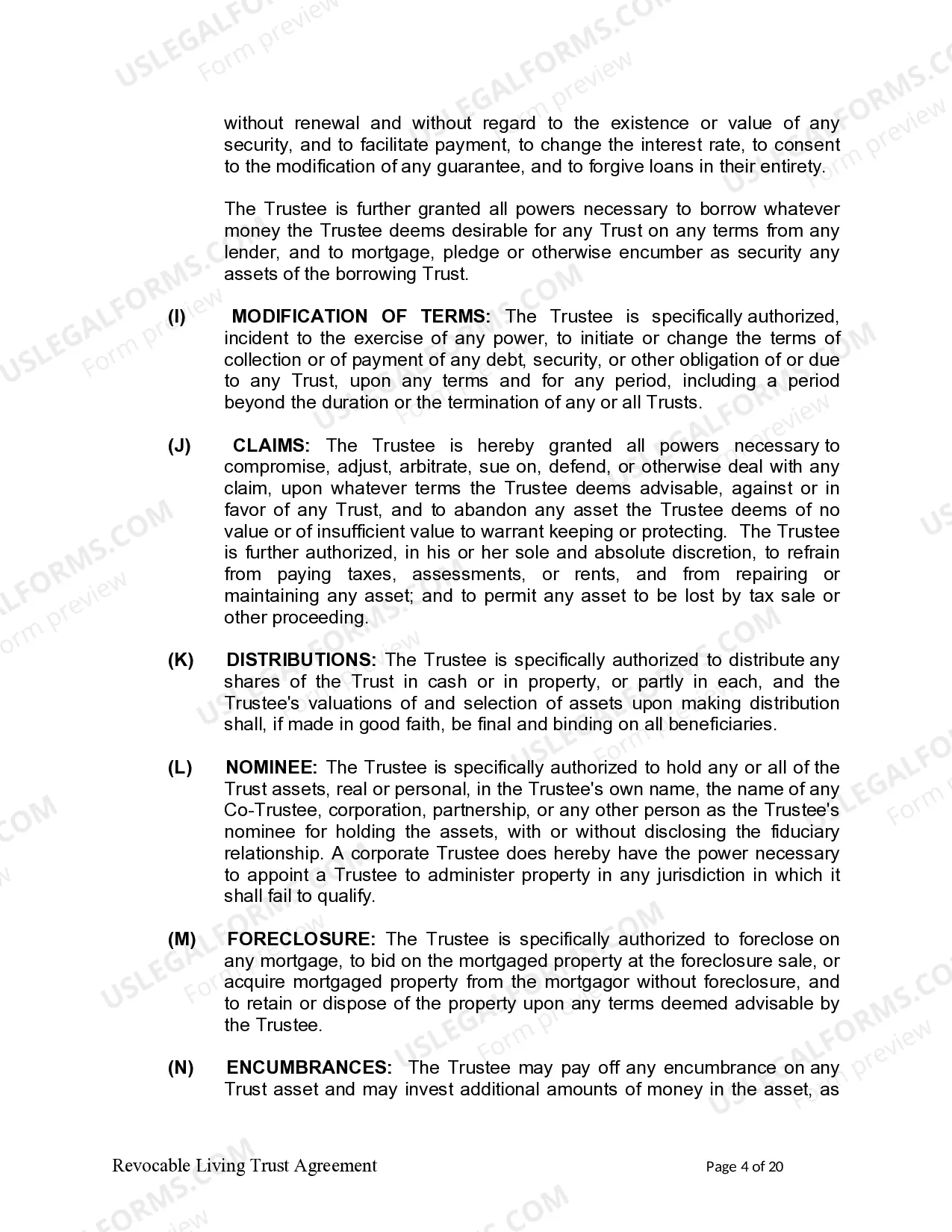
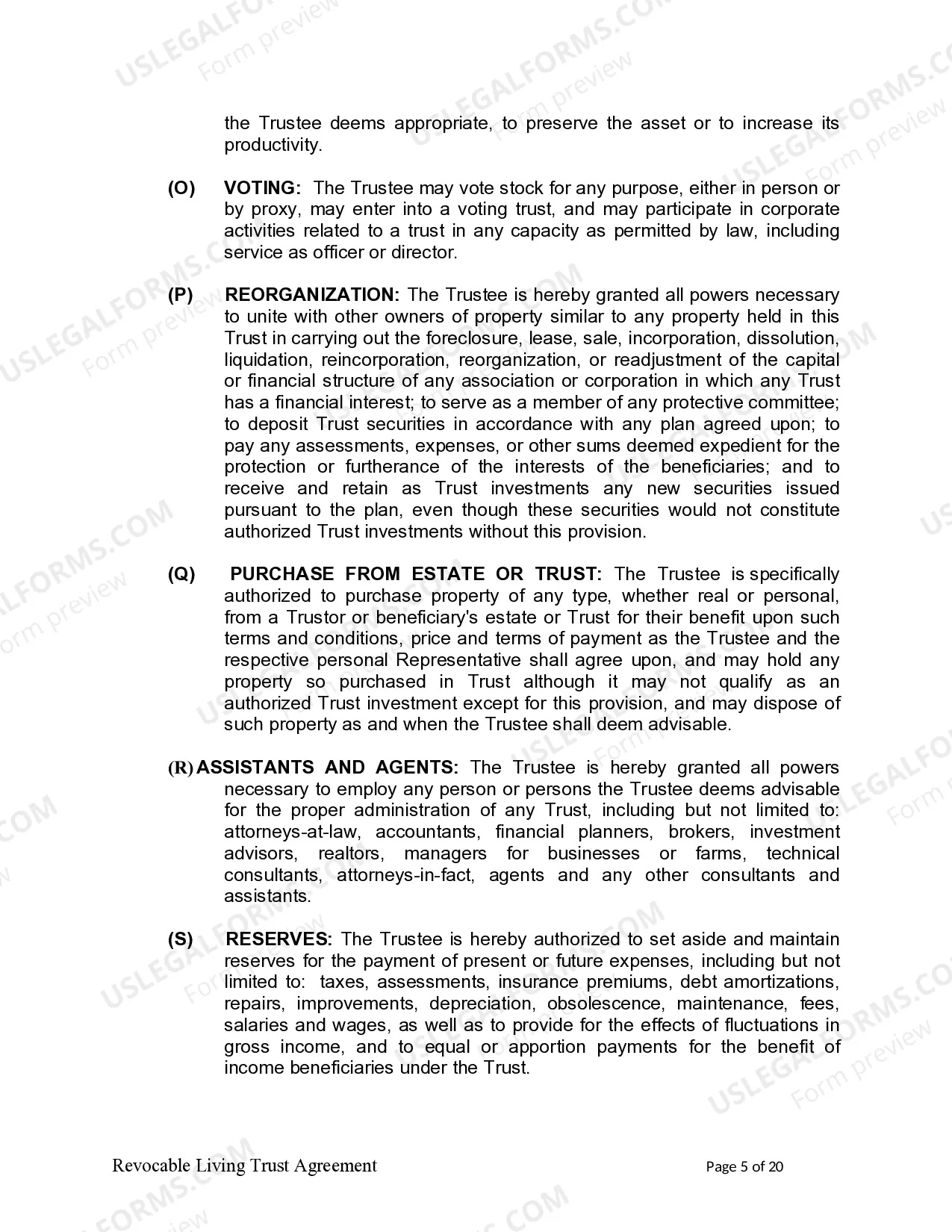
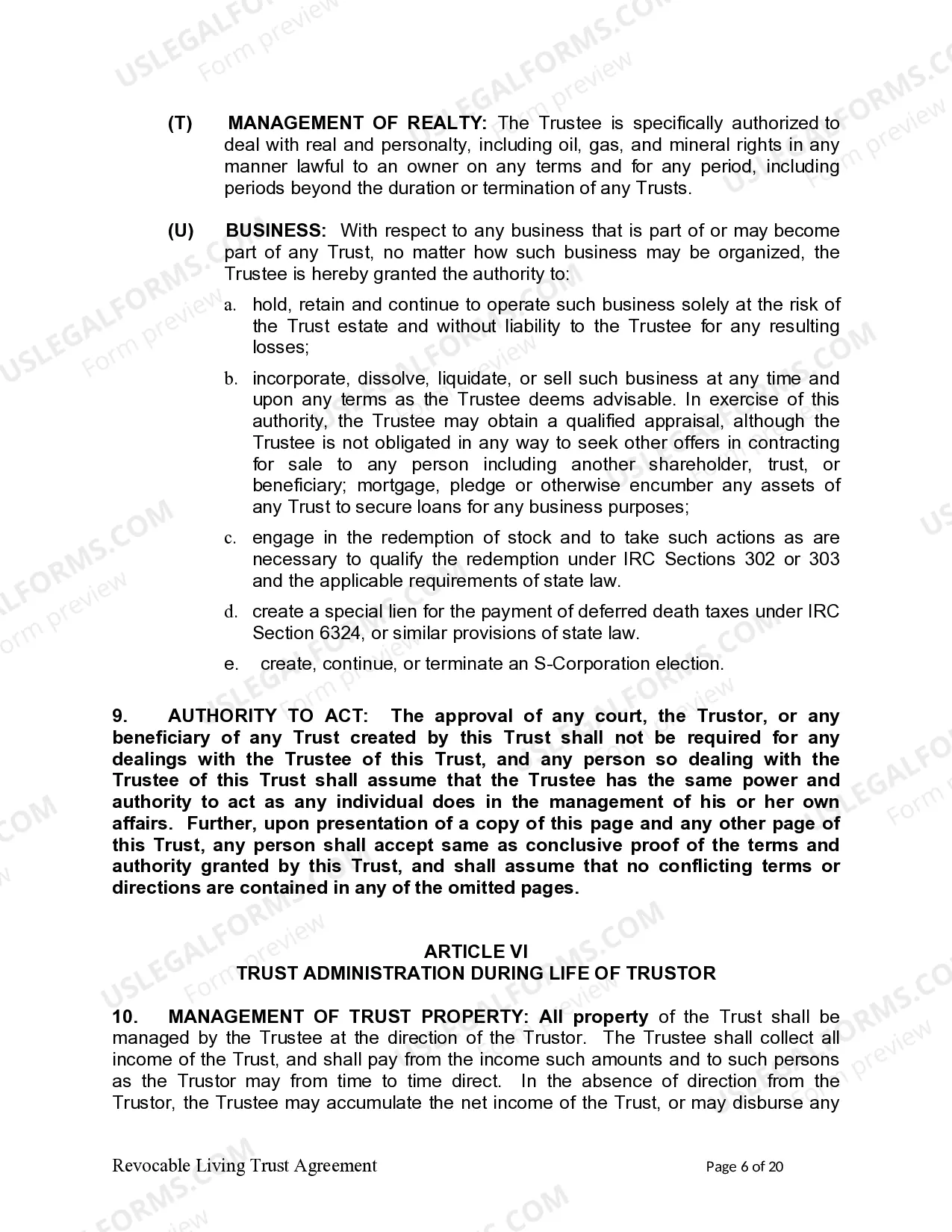
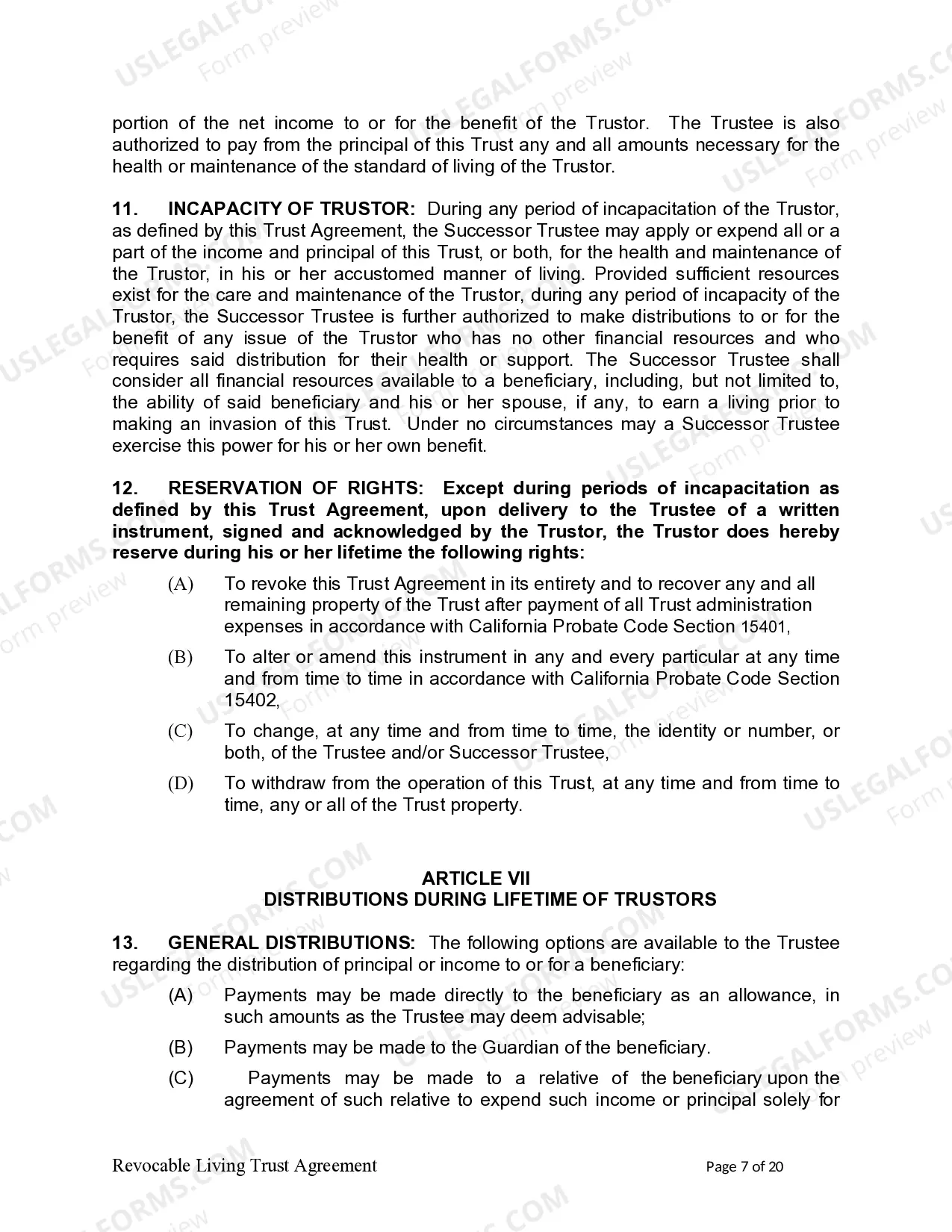
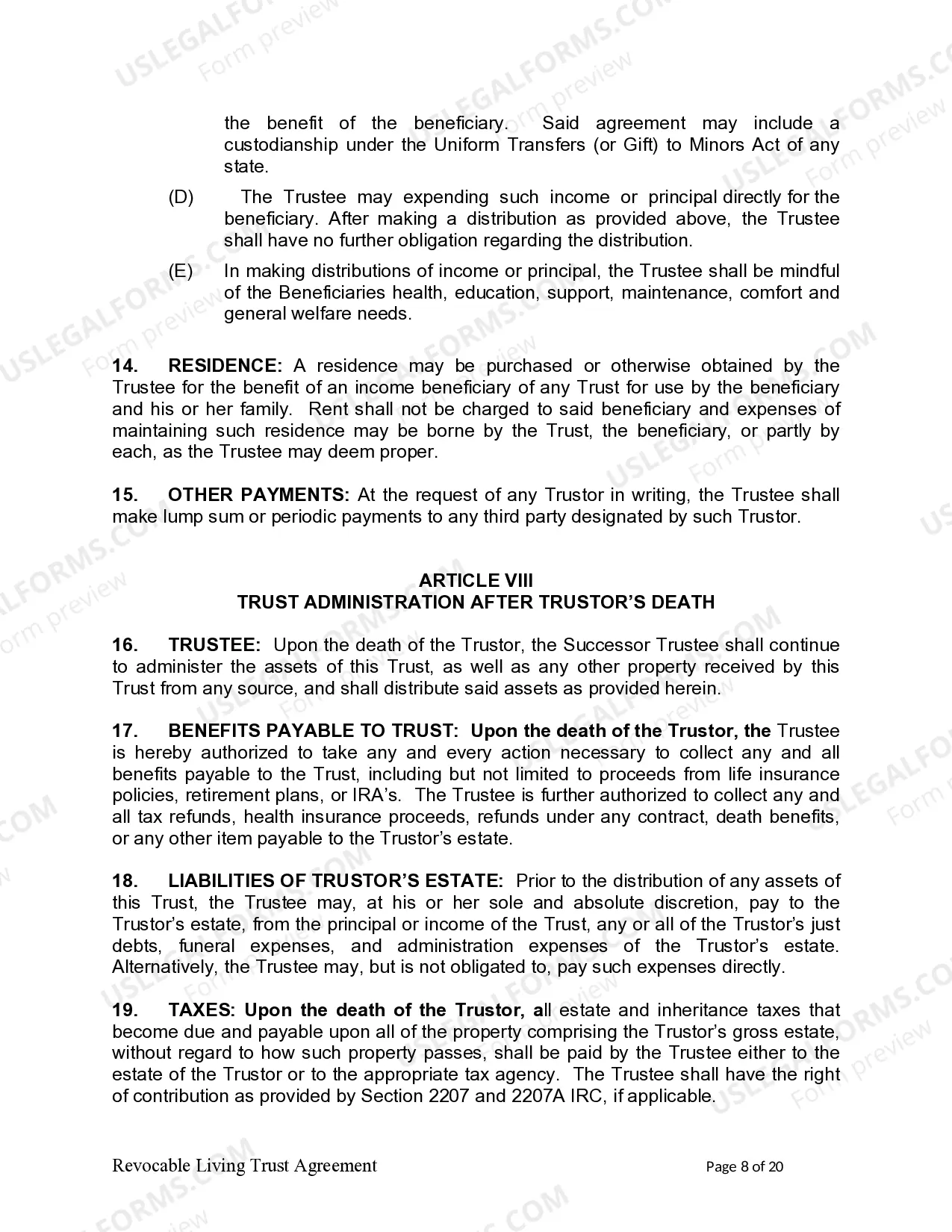



Get your form ready online
Our built-in tools help you complete, sign, share, and store your documents in one place.
Make edits, fill in missing information, and update formatting in US Legal Forms—just like you would in MS Word.
Download a copy, print it, send it by email, or mail it via USPS—whatever works best for your next step.
Sign and collect signatures with our SignNow integration. Send to multiple recipients, set reminders, and more. Go Premium to unlock E-Sign.
If this form requires notarization, complete it online through a secure video call—no need to meet a notary in person or wait for an appointment.
We protect your documents and personal data by following strict security and privacy standards.

Make edits, fill in missing information, and update formatting in US Legal Forms—just like you would in MS Word.

Download a copy, print it, send it by email, or mail it via USPS—whatever works best for your next step.

Sign and collect signatures with our SignNow integration. Send to multiple recipients, set reminders, and more. Go Premium to unlock E-Sign.

If this form requires notarization, complete it online through a secure video call—no need to meet a notary in person or wait for an appointment.

We protect your documents and personal data by following strict security and privacy standards.
Looking for another form?
How to fill out California Living Trust For Individual, Who Is Single, Divorced Or Widow (or Widower) With Children?
Handling legal documents and procedures can be a lengthy addition to your daily routine.
Rely on Trust Incontestable Uncollected For 20x4 and similar forms that typically necessitate searching for them and comprehending the best method to fill them out correctly.
Therefore, no matter if you are managing financial, legal, or personal issues, possessing a comprehensive and functional online directory of forms readily available will be beneficial.
US Legal Forms is the leading online platform for legal templates, providing over 85,000 state-specific documents and various resources to assist you in completing your paperwork effortlessly.
Is this your first time utilizing US Legal Forms? Sign up and create an account in a few minutes, and you will gain access to the form catalog and Trust Incontestable Uncollected For 20x4. Next, follow the steps listed below to finalize your form: Ensure you have located the correct form using the Review feature and examining the form description. Click Buy Now when ready, and select the subscription plan that suits your requirements. Click Download, then fill out, eSign, and print the form. US Legal Forms has 25 years of experience helping clients manage their legal documents. Discover the form you need today and streamline any process without stress.
- Browse the collection of pertinent documents accessible to you with a single click.
- US Legal Forms provides state- and county-specific forms available for download at any time.
- Safeguard your document management activities by utilizing a high-quality service that enables you to assemble any form within minutes without additional or concealed charges.
- Simply Log In to your account, find Trust Incontestable Uncollected For 20x4, and obtain it immediately from the My documents section.
- You can also access previously saved forms.
Form popularity
FAQ
Do all trusts and estates have to file Form 1041? Not every estate or trust is required to file Form 1041 for the income it earns. No return is necessary if the estate has no income-producing assets or its annual gross income (AGI) is less than $600.
There are some other irrevocable trust deductions that may help further reduce the tax burden to the trust or estate. Investment Advisory Fees. Bond Premiums. Theft Losses. Income Distribution. Qualified Mortgage Insurance Premiums. Cemetery Perpetual Care Fund. Estate Taxes. Charitable Deductions.
Trust beneficiaries must pay taxes on income and other distributions from a trust. Trust beneficiaries don't have to pay taxes on returned principal from the trust's assets. IRS forms K-1 and 1041 are required for filing tax returns that receive trust disbursements.
Can a beneficiary withdraw money from an irrevocable trust? The trustee of an irrevocable Trust cannot withdraw money except to benefit the Trust. These terms include paying maintenance costs and disbursement income to beneficiaries. However, it is not possible to withdraw money for personal or business use.
Yes. An irrevocable trust is a separate legal entity mandated to file annual income tax returns. All income disbursed to beneficiaries should be reported by the beneficiaries, while the trust should report income that is yet to be distributed.