Notice Period For Rent Increase
Description



Get your form ready online
Our built-in tools help you complete, sign, share, and store your documents in one place.
Make edits, fill in missing information, and update formatting in US Legal Forms—just like you would in MS Word.
Download a copy, print it, send it by email, or mail it via USPS—whatever works best for your next step.
Sign and collect signatures with our SignNow integration. Send to multiple recipients, set reminders, and more. Go Premium to unlock E-Sign.
If this form requires notarization, complete it online through a secure video call—no need to meet a notary in person or wait for an appointment.
We protect your documents and personal data by following strict security and privacy standards.

Make edits, fill in missing information, and update formatting in US Legal Forms—just like you would in MS Word.

Download a copy, print it, send it by email, or mail it via USPS—whatever works best for your next step.

Sign and collect signatures with our SignNow integration. Send to multiple recipients, set reminders, and more. Go Premium to unlock E-Sign.

If this form requires notarization, complete it online through a secure video call—no need to meet a notary in person or wait for an appointment.

We protect your documents and personal data by following strict security and privacy standards.
Looking for another form?








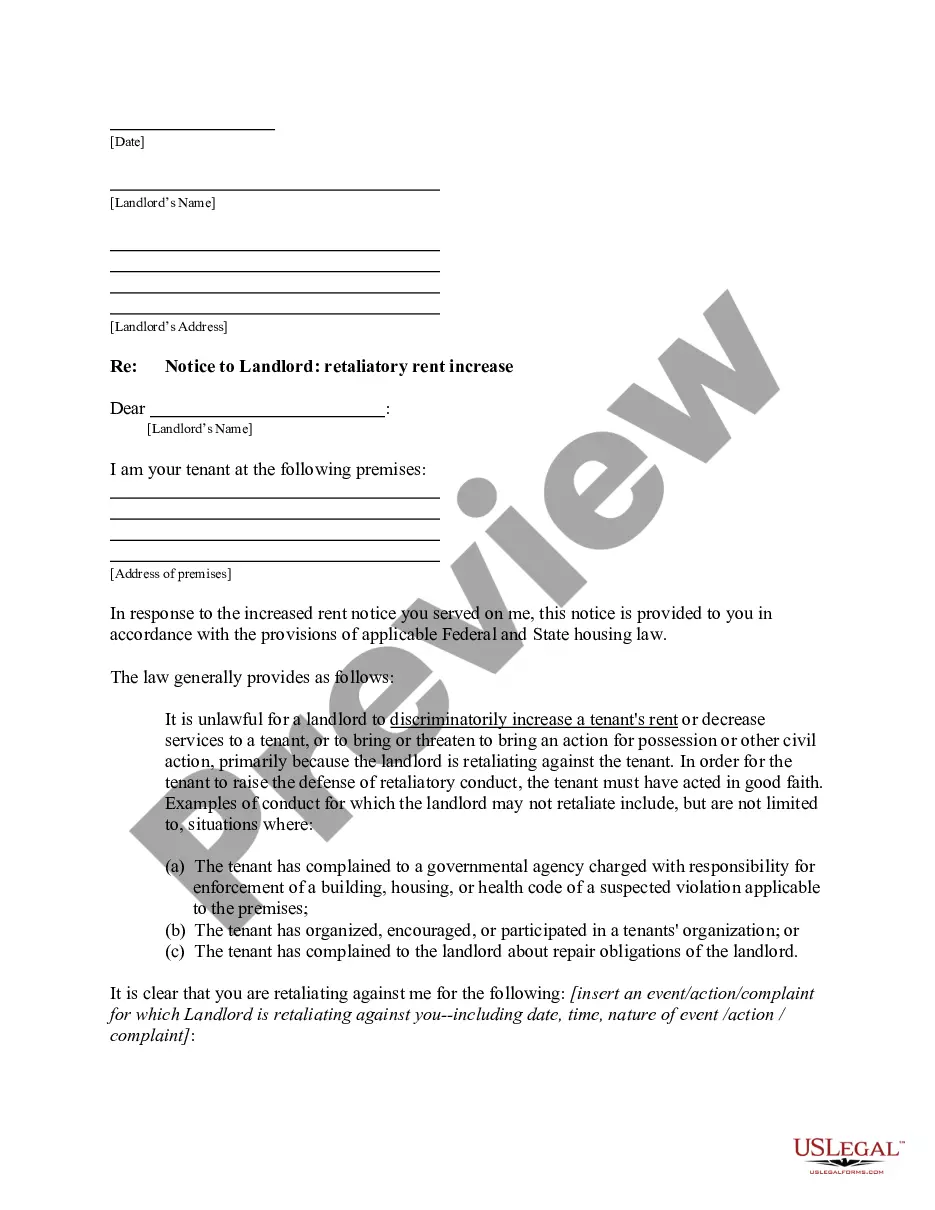
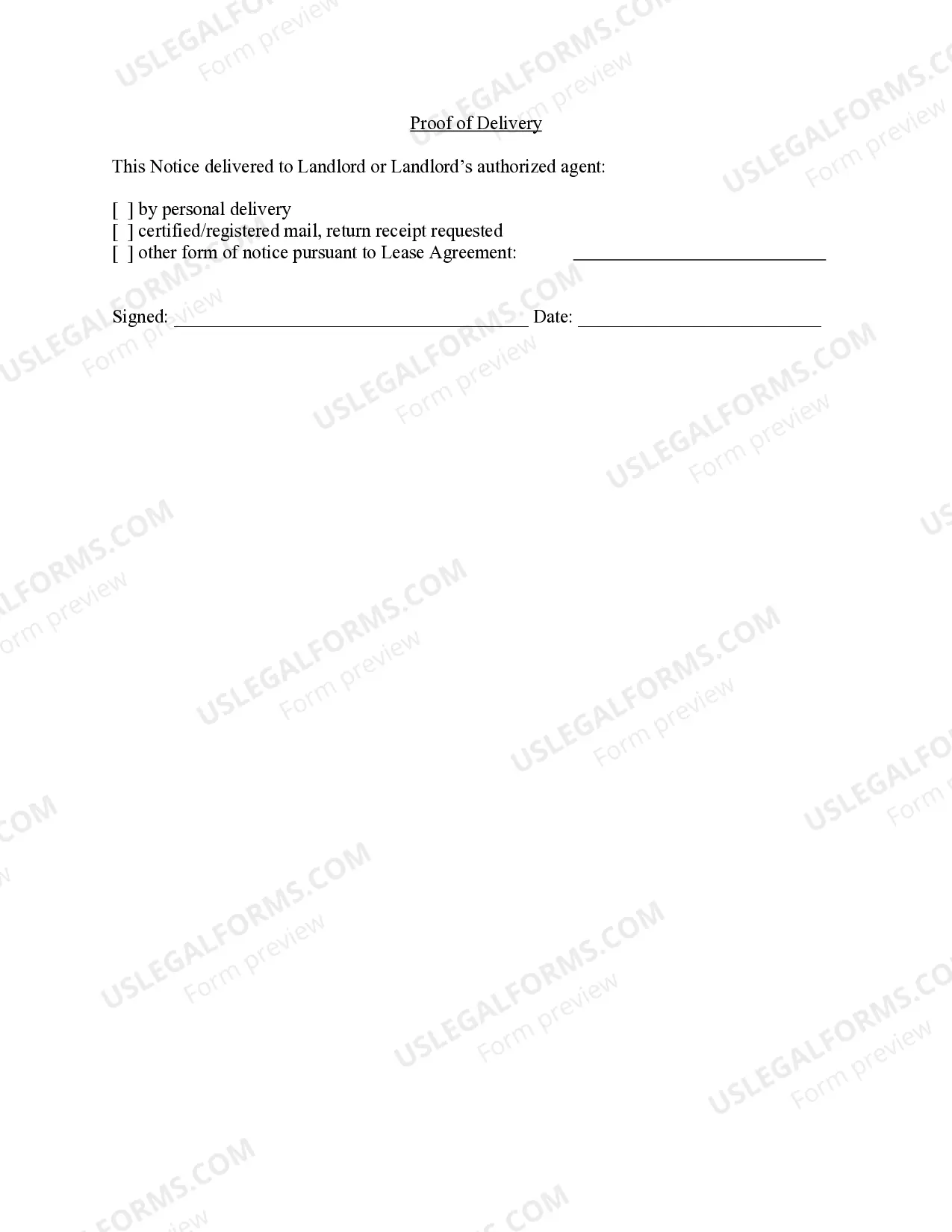
How to fill out California Letter From Tenant To Landlord Containing Notice To Landlord To Withdraw Retaliatory Rent Increase?
- If you already have an account with US Legal Forms, log in and select the template you need. Ensure that your subscription is active; if necessary, renew it based on your payment plan.
- In case this is your initial visit, start by browsing the preview mode and form descriptions. Verify that your chosen document aligns with local jurisdiction regulations.
- If you encounter any inconsistencies, utilize the Search tab above to find the correct template for your needs.
- Once you've located your desired form, click the Buy Now button to select a subscription plan and create an account for access to the extensive library.
- Complete your purchase by entering your payment information through credit card or PayPal.
- Finally, download your form and save it to your device. You can always access it later from the My Forms section.
In conclusion, US Legal Forms empowers users by offering a vast collection of legal documents, ensuring easy access and legal compliance. With over 85,000 templates and expert assistance available, managing legal paperwork has never been simpler.
Start your journey today by visiting US Legal Forms and streamline your legal documentation process!
Form popularity
FAQ
The amount a landlord can raise rent in Illinois varies based on local ordinances. While there is no set maximum for the entire state, some areas may cap increases at a certain percentage. Landlords are required to provide a notice period for rent increase, typically 30 days, so tenants can adjust their budgets accordingly. It's advisable to review local laws or seek guidance from resources like USLegalForms for clarity.
The maximum rent increase a landlord can impose often depends on local laws. While Illinois does not have a statewide cap, some cities may enforce specific percentages or conditions. Furthermore, landlords must provide a notice period for rent increase, allowing tenants to prepare for the change. Always consult local regulations for precise information on allowable increases.
Yes, in Illinois, there is a limit on rent increases for certain properties based on local laws. Many municipalities enforce rent control or limit the frequency and percentage of increases. Landlords must provide a notice period for rent increase, typically 30 days, to ensure tenants are adequately informed. It's essential to check local regulations, as they may vary significantly.
If you fail to give a 30-day notice for a rent increase, you may face disputes with your tenant. Most jurisdictions legally require landlords to provide sufficient notice to ensure tenants can prepare for the change. Not adhering to the notice period for rent increase might lead to financial penalties or difficulties in enforcing the new rent. To avoid these pitfalls, consider using platforms like uslegalforms that provide templates and guidance for proper communication.
In New York, the most a landlord can raise rent varies depending on whether the unit is rent-stabilized or not. For rent-stabilized apartments, the state sets annual maximum increases based on guidelines established by the Rent Guidelines Board. It's essential to also adhere to the notice period for rent increase specified in the lease agreement. Understanding these rules helps landlords manage increases effectively.
The most a landlord can raise rent often depends on local laws and regulations. Many areas have rent control measures that limit increases to a set percentage, tied to inflation or other economic factors. Always check the applicable laws in your region to understand the legal limits and the required notice period for rent increase. It's crucial to stay informed to avoid potential legal issues.
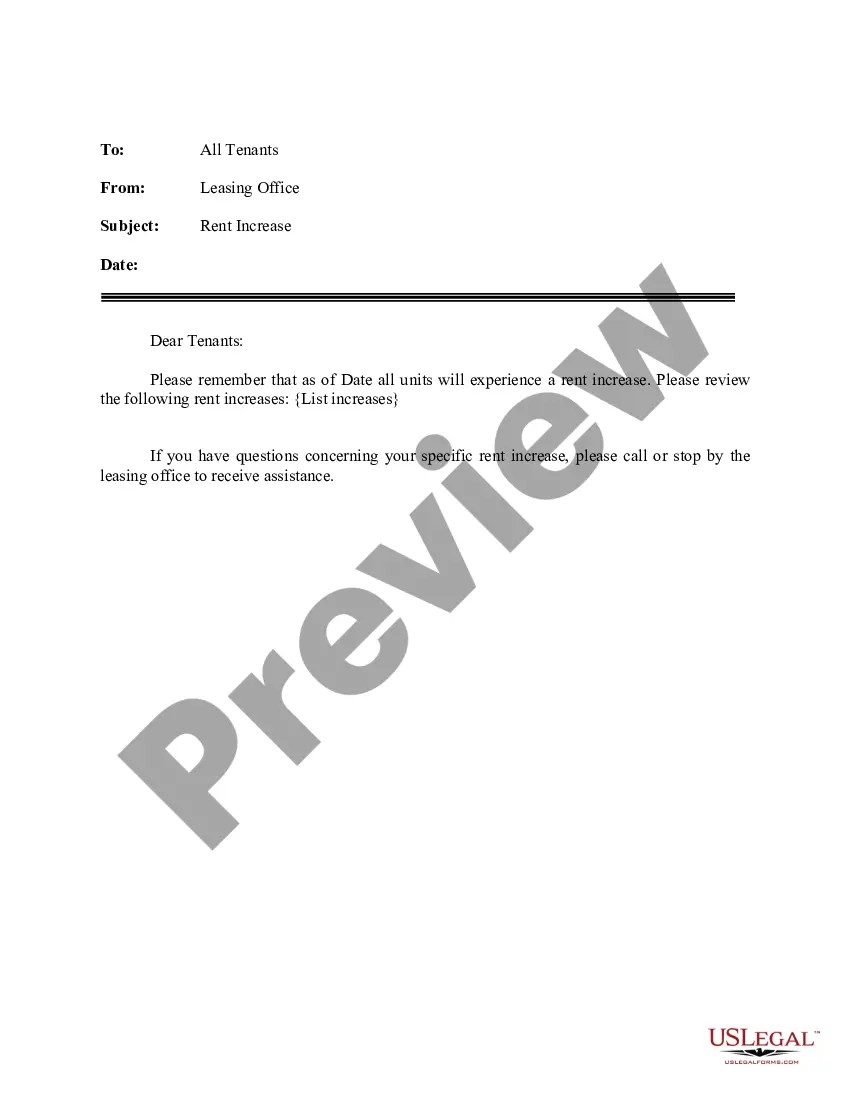
To write a letter informing your tenant of a rent increase, start with a polite introduction. Clearly specify the new rent amount and the effective date of the increase. Additionally, mention the notice period for rent increase as required by state law, ensuring your tenant understands the timeline. It’s also a good idea to provide your contact information for any questions.
Yes, New York does have a rent increase cap, specifically for rent-stabilized apartments. The Rent Guidelines Board sets caps on how much rent can increase annually, which helps protect tenants from excessive hikes. For unregulated apartments, however, there is no state-imposed cap, but the notice period for rent increase still applies. To understand these caps better and ensure you're informed, visit US Legal Forms for comprehensive legal documents and guides.
In New York, the allowable rent increase depends on the type of rental agreement you have. For rent-stabilized apartments, increases are limited each year by the Rent Guidelines Board, while unregulated apartments can see increases based on market rates. However, landlords must still adhere to the notice period for rent increase requirements, ensuring tenants have adequate warning. If you're unsure about your specific situation, US Legal Forms can help clarify the regulations.
In New York, the law requires landlords to provide a notice period for rent increase, typically 30 days, depending on the duration of the tenancy. For month-to-month leases, landlords must give proper written notice before implementing any rent increase. This law protects renters from sudden financial burdens and helps maintain transparency in housing agreements. If you have questions about your rights regarding rent increases, US Legal Forms offers resources to guide you.