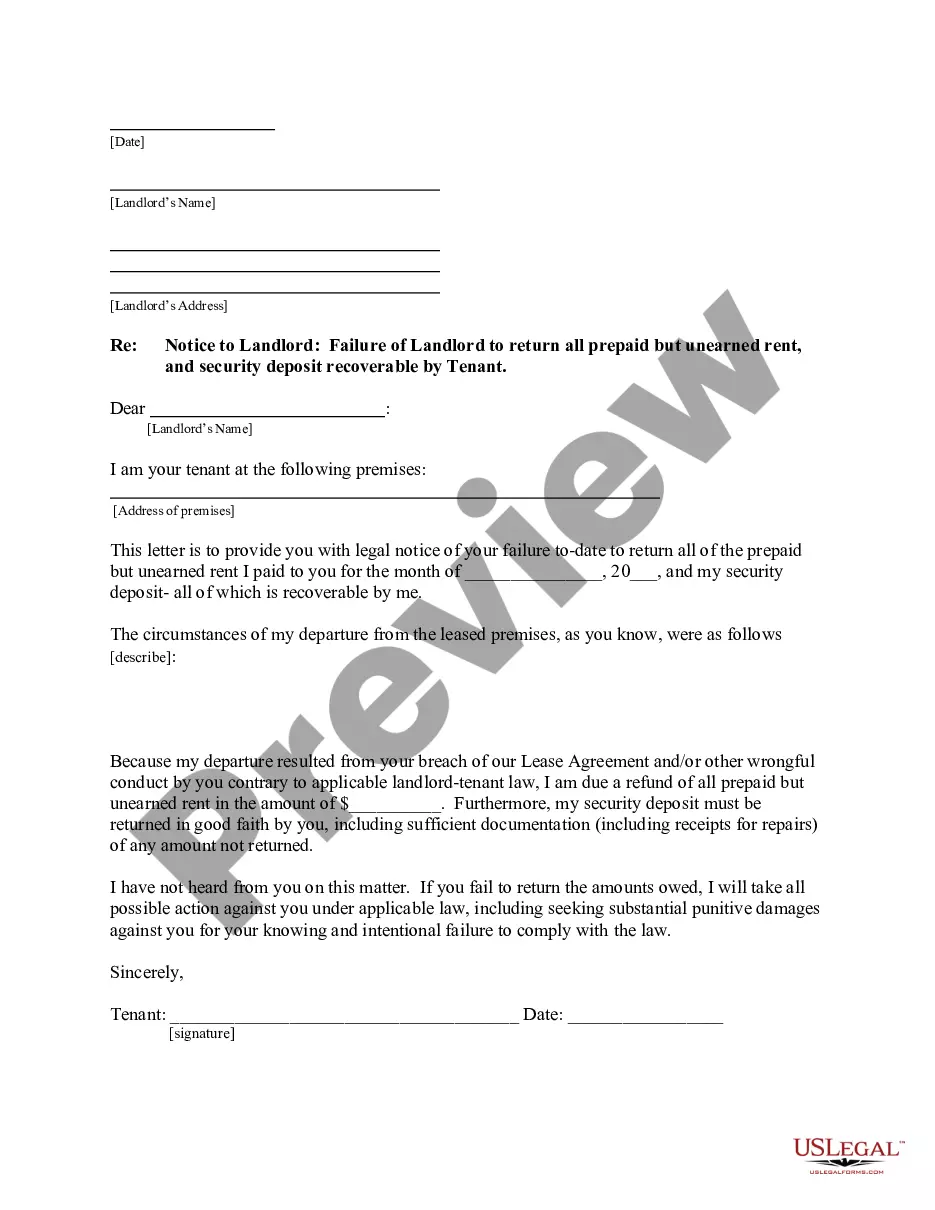
Tenant Landlord Failure For Lease
Description



Get your form ready online
Our built-in tools help you complete, sign, share, and store your documents in one place.
Make edits, fill in missing information, and update formatting in US Legal Forms—just like you would in MS Word.
Download a copy, print it, send it by email, or mail it via USPS—whatever works best for your next step.
Sign and collect signatures with our SignNow integration. Send to multiple recipients, set reminders, and more. Go Premium to unlock E-Sign.
If this form requires notarization, complete it online through a secure video call—no need to meet a notary in person or wait for an appointment.
We protect your documents and personal data by following strict security and privacy standards.

Make edits, fill in missing information, and update formatting in US Legal Forms—just like you would in MS Word.

Download a copy, print it, send it by email, or mail it via USPS—whatever works best for your next step.

Sign and collect signatures with our SignNow integration. Send to multiple recipients, set reminders, and more. Go Premium to unlock E-Sign.

If this form requires notarization, complete it online through a secure video call—no need to meet a notary in person or wait for an appointment.

We protect your documents and personal data by following strict security and privacy standards.
Looking for another form?









How to fill out California Letter From Tenant To Landlord For Failure Of Landlord To Return All Prepaid And Unearned Rent And Security Recoverable By Tenant?
- Access your account on the US Legal Forms website. If you're a returning user, make sure your subscription is current to download the forms directly.
- For new users, start by previewing the form descriptions to select one that meets your specific needs and complies with local laws.
- Use the search function if you need to find alternative templates that suit your requirements better.
- Once you've selected your form, purchase it by clicking on the 'Buy Now' button. Choose the subscription plan that fits you best.
- Complete your payment using a credit card or your PayPal account to finalize the subscription.
- Download your chosen document to your device and access it anytime from the 'My Forms' section of your profile.
In conclusion, US Legal Forms offers a robust solution for those dealing with tenant landlord failure for lease issues. With our user-friendly platform and extensive resources, you can ensure your documents are precise and legally sound.
Don't wait—visit US Legal Forms today to start your journey towards hassle-free legal documentation!
Form popularity
FAQ
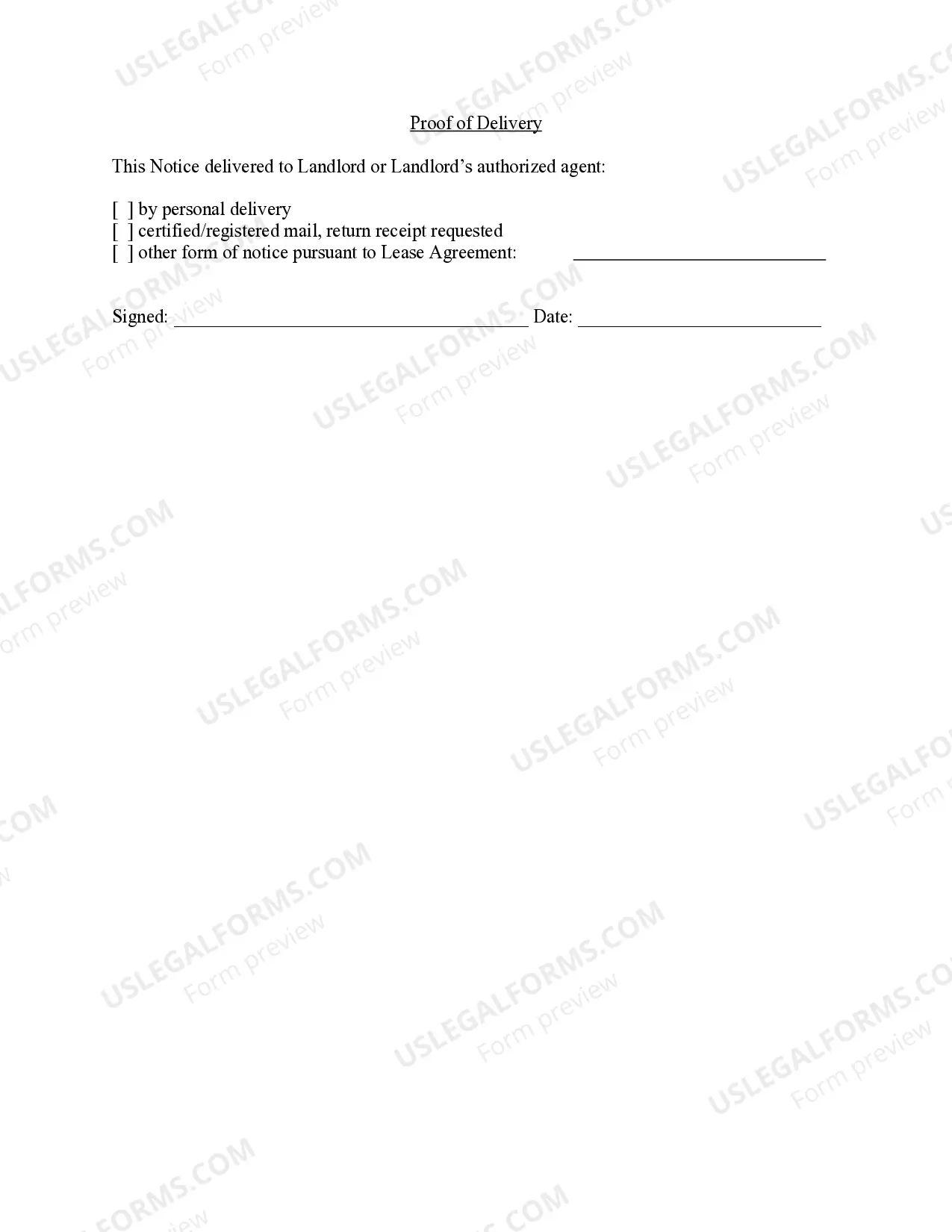
A demand letter for unpaid rent should include details like the amount owed, the due date, and any late fees as stipulated in the lease. It’s essential to remain professional while clearly stating your expectations for payment. Such a letter serves as a formal step in addressing tenant landlord failure for lease and demonstrates your commitment to resolving the matter.
If a landlord violates a lease, your first step should be documenting the violation. Then, communicating your concerns directly to your landlord can often lead to a resolution. If necessary, consult a legal professional to explore your rights and options, particularly to prevent tenant landlord failure for lease.
In your hardship letter, clearly explain your current financial situation and request consideration for delayed rent. Be honest and provide any supporting documentation to emphasize your situation. This letter can play a crucial role in negotiating terms that may help prevent tenant landlord failure for lease.
Filing legal action against a landlord typically requires gathering evidence of the violation and understanding your rights. Consult local laws regarding tenant rights to see if the lease agreement has been violated. If you are encountering tenant landlord failure for lease, consider platforms like ulegalforms to help draft necessary documents and ensure proper proceedings.
To write a letter to someone not paying rent, be direct but courteous. Specify the overdue amount, the original due date, and reference the lease agreement's terms. This approach reinforces the stakes and shows that you are serious about resolving the tenant landlord failure for lease issue amicably.
When writing a letter for nonpayment of rent, start by clearly stating the amount owed and the due date. Include a reminder of the terms of the lease agreement and potential consequences of continued nonpayment to address any tenant landlord failure for lease. A professional tone helps convey the seriousness of the situation while allowing an opportunity for resolution.
A tenant that won’t leave is often referred to as a ‘holdover tenant.’ This situation can create significant challenges for landlords who may face tenant landlord failure for lease. It is advisable to consult with legal options to ensure proper procedures are followed in order to regain possession of the property.
Landlord negligence occurs when a landlord fails to meet their legal duties, resulting in unsafe conditions or harm to tenants. This can include neglecting repairs, ignoring health code violations, or not handling tenant concerns appropriately. Utilizing resources like USLegalForms can help you understand your rights and the proper procedures to address this negligence. Recognizing tenant landlord failure for lease can guide your approach for resolving these serious issues.
In Arizona, landlords cannot lock tenants out, seize personal property, or retaliate against tenants for exercising their rights. They also must maintain safe and habitable living conditions. Familiarizing yourself with tenant rights through resources like USLegalForms can provide clarity. If you encounter tenant landlord failure for lease situations, knowing these boundaries can guide your steps.
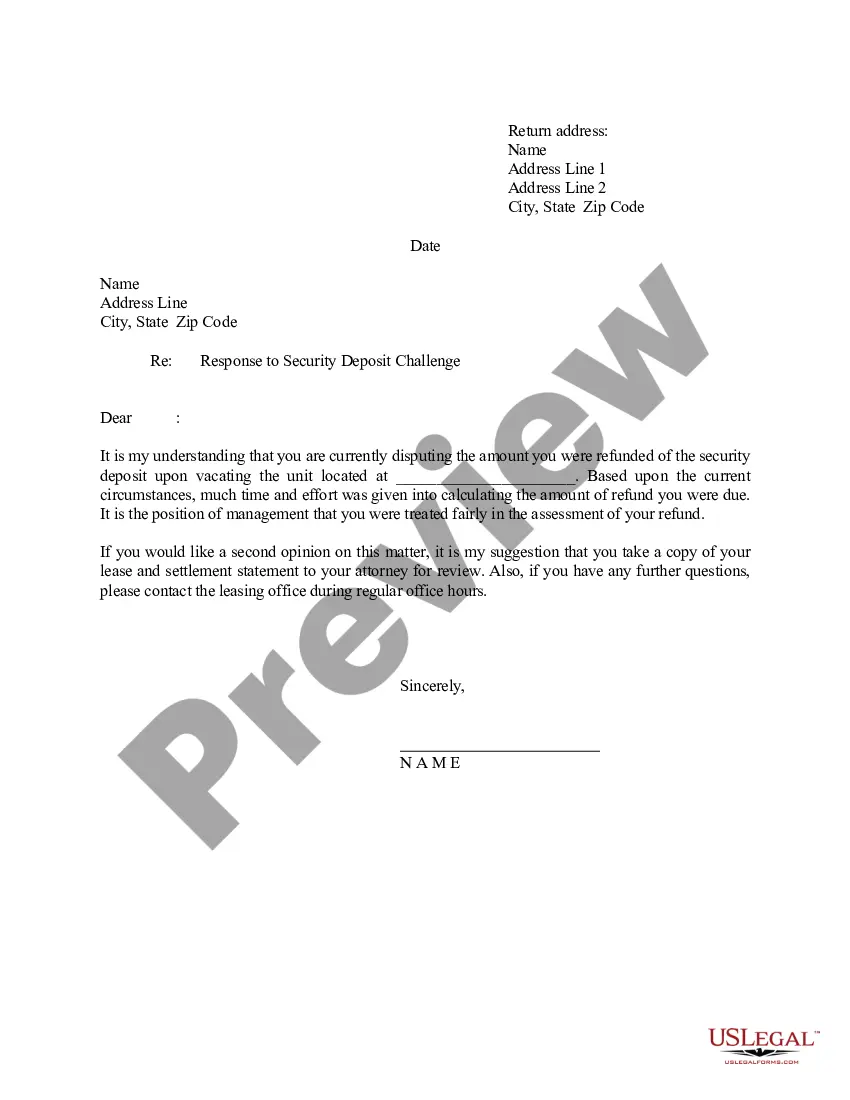
Dealing with an irresponsible landlord can be frustrating, but start by clearly communicating your concerns through written correspondence. Document all interactions, including dates and outcomes. Platforms like USLegalForms can provide the templates needed for formal requests or complaints, ensuring your communication is professional. Understanding the tenant landlord failure for lease implications can also empower you to seek further action, if necessary.