California Law Withholding Rent
Description




Get your form ready online
Our built-in tools help you complete, sign, share, and store your documents in one place.
Make edits, fill in missing information, and update formatting in US Legal Forms—just like you would in MS Word.
Download a copy, print it, send it by email, or mail it via USPS—whatever works best for your next step.
Sign and collect signatures with our SignNow integration. Send to multiple recipients, set reminders, and more. Go Premium to unlock E-Sign.
If this form requires notarization, complete it online through a secure video call—no need to meet a notary in person or wait for an appointment.
We protect your documents and personal data by following strict security and privacy standards.

Make edits, fill in missing information, and update formatting in US Legal Forms—just like you would in MS Word.

Download a copy, print it, send it by email, or mail it via USPS—whatever works best for your next step.

Sign and collect signatures with our SignNow integration. Send to multiple recipients, set reminders, and more. Go Premium to unlock E-Sign.

If this form requires notarization, complete it online through a secure video call—no need to meet a notary in person or wait for an appointment.

We protect your documents and personal data by following strict security and privacy standards.
Looking for another form?


Form popularity
FAQ
Certain properties are exempt from California rent control laws, including single-family homes owned by an individual who owns less than three rental units and affordable housing projects. Furthermore, newly constructed buildings and those used for less than 12 months typically may not fall under these regulations. Understanding these exemptions is vital for both tenants and landlords to navigate the rental landscape effectively. For tailored advice, the resources on US Legal Forms can help.
California law withholding rent dictates that rent increases are capped at 5% plus the local rate of inflation per year, but the total cannot exceed 10%. This rule is designed to protect tenants from excessive rent hikes, ensuring housing remains accessible. Landlords must notify tenants of any increase in writing to comply with legal requirements. For more specific information based on your circumstances, consider consulting US Legal Forms.
Under California law withholding rent, new rent control laws limit how much landlords can increase rent annually. These laws aim to maintain housing affordability in a state with rising housing costs. Additionally, certain jurisdictions may have stricter rules, so it's essential to stay informed about local ordinances. For detailed guidance, you can refer to platforms like US Legal Forms.
Under California law withholding rent for mold requires specific conditions to be met. Tenants can withhold rent if the mold poses serious health risks and the landlord fails to address the problem after being notified. It is crucial to document any communications and mold conditions thoroughly. Consider using resources like uslegalforms to ensure you follow proper legal procedures and protect your rights.
In California, the longest you can be late on rent typically depends on your lease agreement's terms. Generally, a landlord may consider rent late after the grace period, which can vary but often ranges from 3 to 5 days. California law withholding rent does not protect tenants from penalties or eviction once they become delinquent. Therefore, it is important to communicate with your landlord and understand your lease obligations.
The best approach is to be honest with your landlord about your situation, rather than relying on an excuse. If you face financial hardship or unexpected circumstances, communicate these issues openly. Understanding California law withholding rent may provide you with options, including payment plans or temporary solutions that could suit both you and your landlord.
To legally withhold rent in California, you must have valid reasons, such as significant repairs needed in your rental unit that the landlord has not addressed. Familiarize yourself with California law withholding rent, including appropriate notice periods and documentation required. Using a platform like US Legal Forms can help you prepare the necessary documents and ensure compliance with state laws.
Yes, withholding rent may affect your credit score, especially if your landlord decides to report the debt to credit agencies. To avoid negative consequences, understand the implications of California law withholding rent and document all communications with your landlord. Proactive communication may help resolve the issue without impacting your credit.
While this FAQ focuses on California law withholding rent, it isimportant to know that laws vary by state. In Florida, you may be able to withhold rent under specific circumstances related to the condition of the rental property, but you must follow legal procedures. It is advisable to consult local laws or seek assistance to navigate this issue properly.
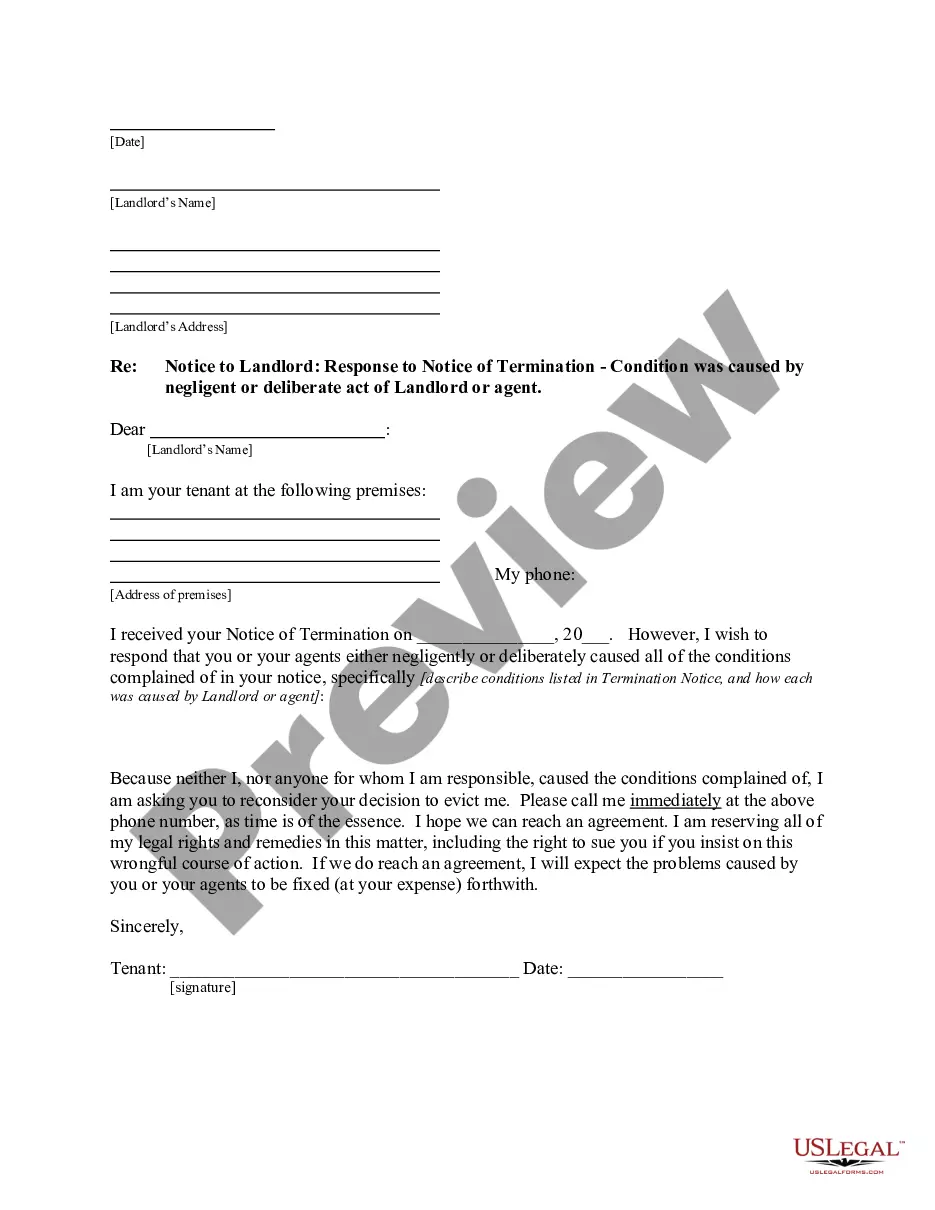
To write a letter of withholding rent, clearly state your intention to withhold payment and explain the reasons behind your decision. Be sure to outline specific issues that violate your rental agreement under California law withholding rent. Include relevant dates, your contact information, and a request for action from your landlord. This documentation can support your case if disputes arise.