What Is A Landlord
Description
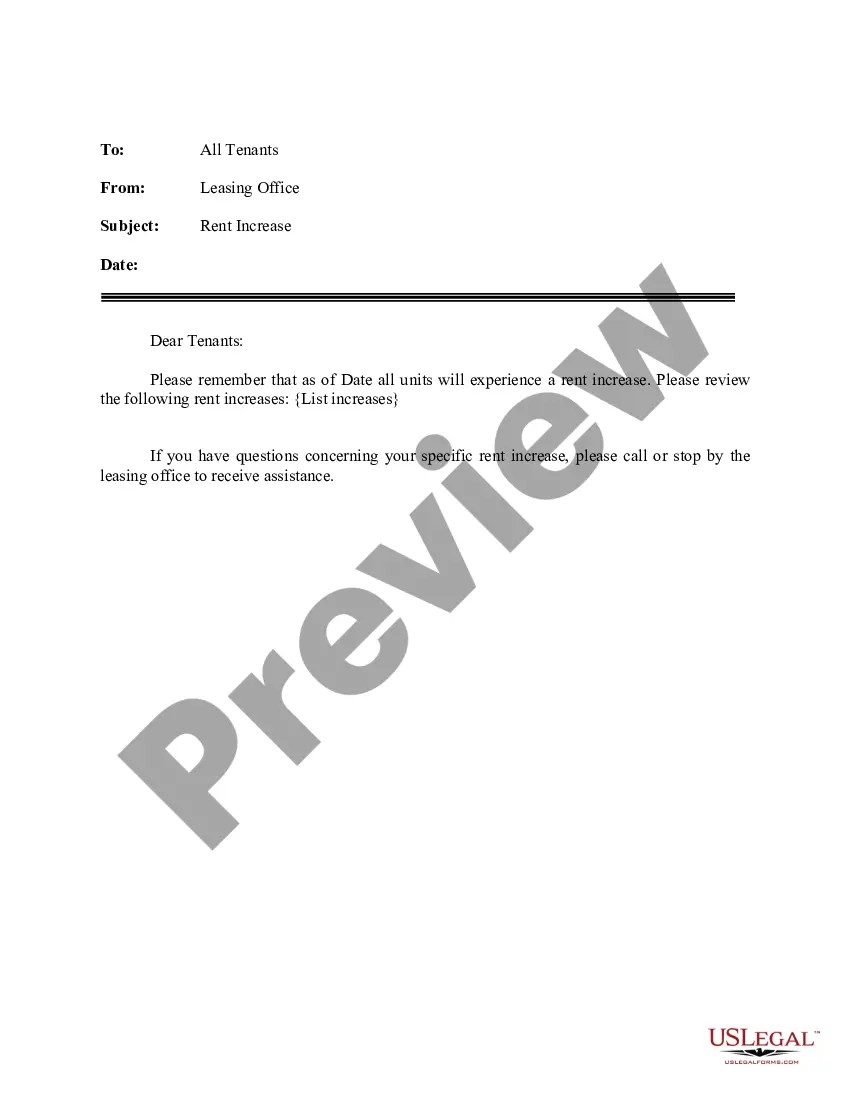

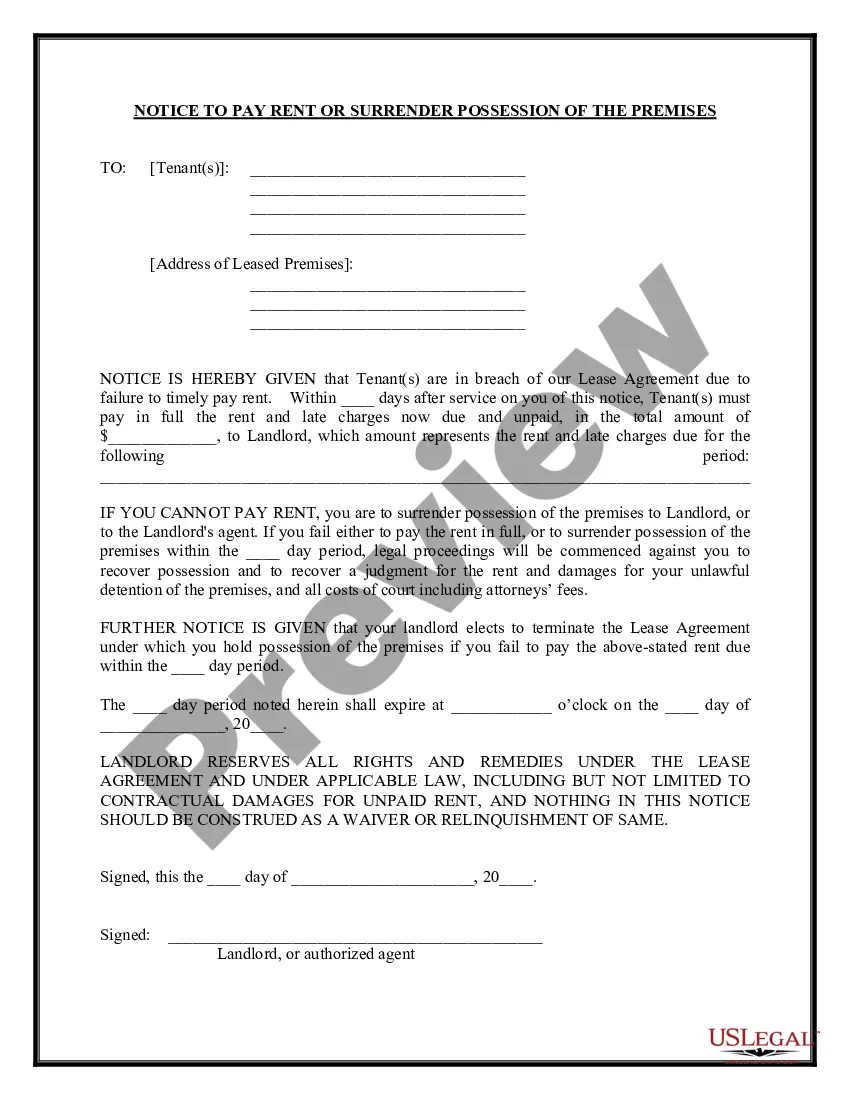
Get your form ready online
Our built-in tools help you complete, sign, share, and store your documents in one place.
Make edits, fill in missing information, and update formatting in US Legal Forms—just like you would in MS Word.
Download a copy, print it, send it by email, or mail it via USPS—whatever works best for your next step.
Sign and collect signatures with our SignNow integration. Send to multiple recipients, set reminders, and more. Go Premium to unlock E-Sign.
If this form requires notarization, complete it online through a secure video call—no need to meet a notary in person or wait for an appointment.
We protect your documents and personal data by following strict security and privacy standards.

Make edits, fill in missing information, and update formatting in US Legal Forms—just like you would in MS Word.

Download a copy, print it, send it by email, or mail it via USPS—whatever works best for your next step.

Sign and collect signatures with our SignNow integration. Send to multiple recipients, set reminders, and more. Go Premium to unlock E-Sign.

If this form requires notarization, complete it online through a secure video call—no need to meet a notary in person or wait for an appointment.

We protect your documents and personal data by following strict security and privacy standards.
Looking for another form?

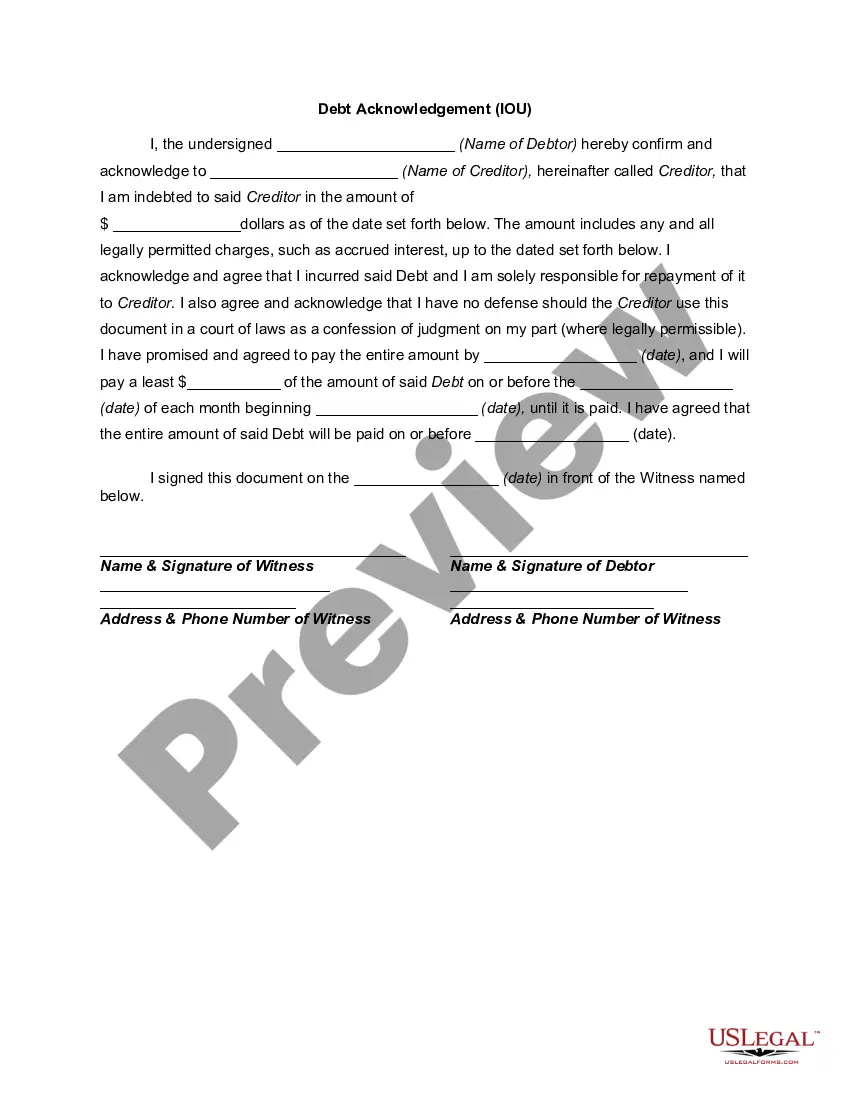
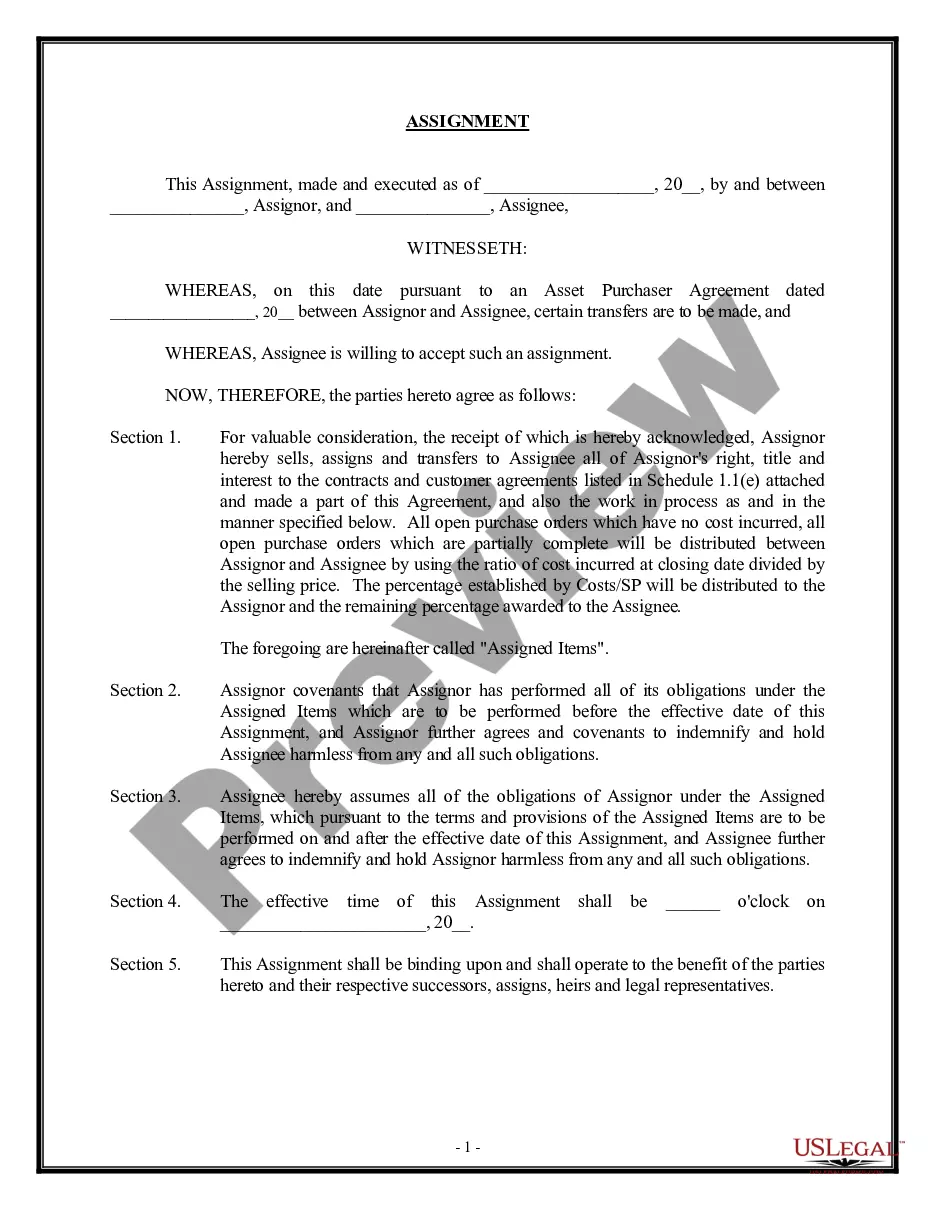
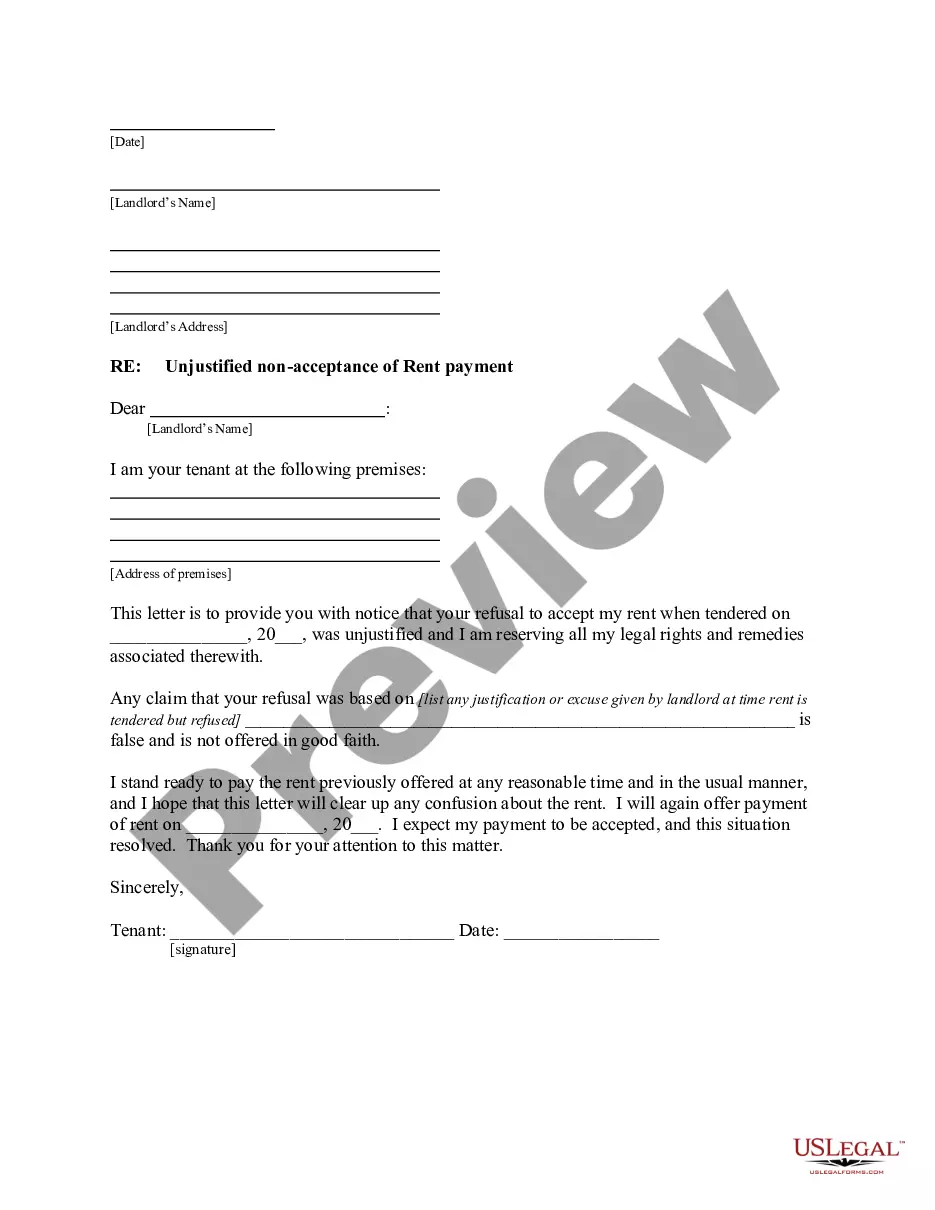
How to fill out California Letter From Tenant To Landlord Containing Notice To Cease Unjustified Nonacceptance Of Rent?
- If you have previously used US Legal Forms, simply log in to your account and download the required form by clicking the Download button. Ensure your subscription is active—renew if necessary.
- For first-time users, begin by reviewing the previews and descriptions of available forms to choose the one that aligns with your needs and local jurisdiction.
- If you encounter difficulties finding the right template, utilize the Search feature located at the top of the page to locate a suitable document. Proceed once you find the appropriate form.
- Select your desired document by clicking on the Buy Now button, and pick your preferred subscription plan. You will need to create an account to unlock access to a wider range of resources.
- Complete your purchase by entering your payment details via credit card or your PayPal account, ensuring your subscription is processed.
- Finally, download your selected form and save it to your device. You can access it later at any time through the My Forms section of your account.
By leveraging US Legal Forms, you gain access to an extensive library of over 85,000 legal forms, making your documentation process smooth and compliant. With numerous templates available, you can find exactly what fits your requirements.
Start today by visiting US Legal Forms and simplify your landlord obligations. Efficiently manage your properties with the right legal documents at your fingertips!
Form popularity
FAQ
The politically correct term for landlord is often 'property owner' or 'property manager.' These terms better reflect the role of individuals who manage rental properties. Understanding what is a landlord’s duties and responsibilities enhances this discussion, as it shifts focus from the traditional ownership model to a more inclusive property management perspective. Using these terms can help create a more respectful dialogue around rental agreements.
To address a landlord in a letter, start with a formal salutation like 'Dear Mr./Ms. Last Name.' If you are unsure about their preferred title, using 'Dear First Name Last Name' is also acceptable. Make sure the body of your letter reflects clarity regarding your concerns or requests, which showcases your understanding of what is a landlord's role in the rental agreement. This helps foster a positive communication environment.
When referencing a landlord, it's important to capture their professional title and name accurately. You should clearly state your relationship with them, explaining why you are providing this reference. This context is crucial as it helps potential landlords understand what is a landlord's experience and expectations from a tenant. An authentic reference can significantly bolster your application.
Writing a landlord involves formal communication, so start by addressing them correctly with their full name and title. Ensure you state your purpose clearly, whether it's a request, complaint, or inquiry that relates to what is a landlord's duties. Be concise but polite, expressing yourself respectfully. This sets the tone for productive conversations about your rental situation.
Filling out a landlord verification form requires you to provide information about your current or previous landlords. Include details such as their contact information and your rental duration. This form helps potential landlords confirm your rental history, which plays a crucial role in understanding what is a landlord's perspective on your reliability. Providing accurate information will enhance your credibility as a prospective tenant.
To fill out a landlord application, start by gathering necessary documents such as your income verification and identification. Then, clearly provide your personal information and rental history on the application form. Be honest and thorough, as landlords typically use these details to assess your reliability as a tenant. With the right documentation, you'll be well on your way to understanding what is a landlord expects from potential tenants.
Certain individuals and entities are exempt from receiving a 1099 form, such as corporations and tax-exempt organizations. Understanding which parties are exempt can help you comply with tax reporting requirements as a landlord. Stay informed to effectively manage your obligations.
No, a landlord cannot issue a 1099 form for unpaid rent because the 1099 form is only for reported income. Rent that is not collected does not count as income for IRS reporting. Therefore, it’s important to understand what a landlord should document and report to avoid confusion.
As a landlord, you should keep documents such as lease agreements, maintenance records, and accounting sheets for income and expenses. Organizing this information streamlines your tax filing process and ensures you deduct the appropriate expenses. Knowing what a landlord needs in documentation can save you time and hassle.
A landlord is typically an individual or entity that owns rental property and leases it to tenants. To qualify as a landlord, one must have the legal right to rent out the property and collect rent from tenants. Understanding what a landlord is helps you navigate rental agreements and rights.