Tenant Issues With Landlord
Description
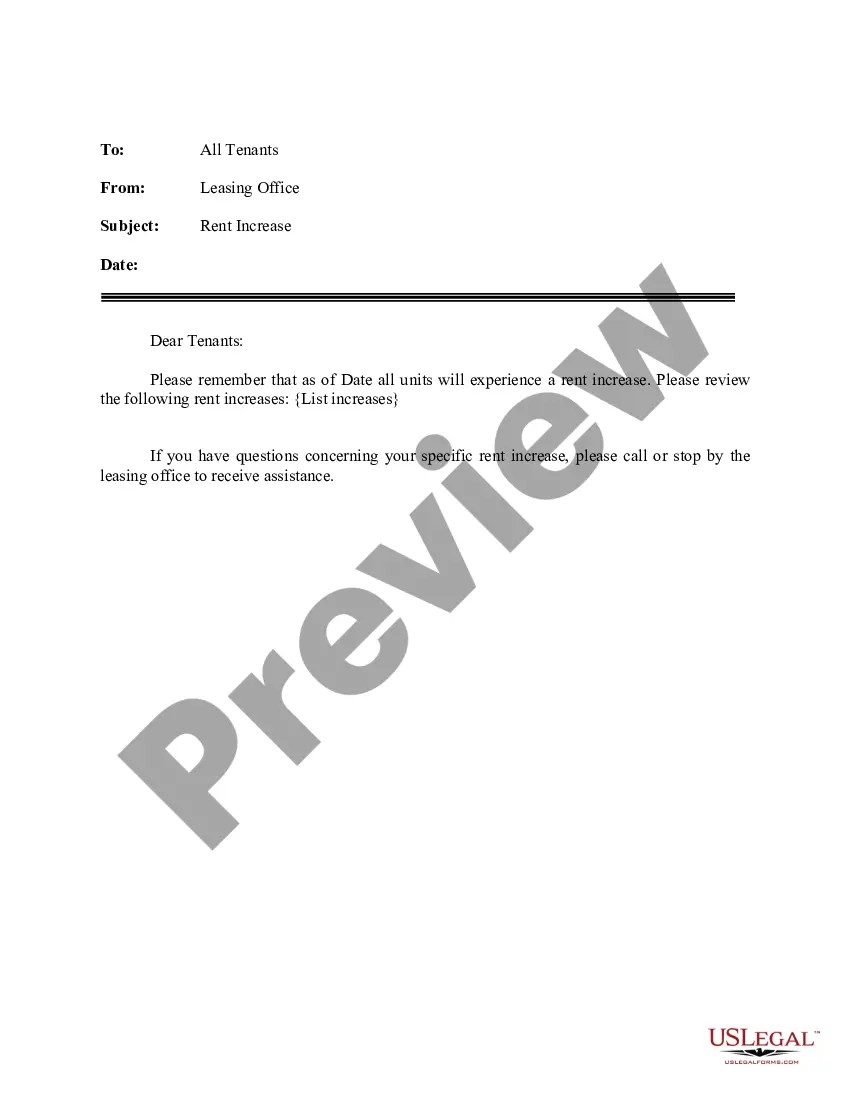

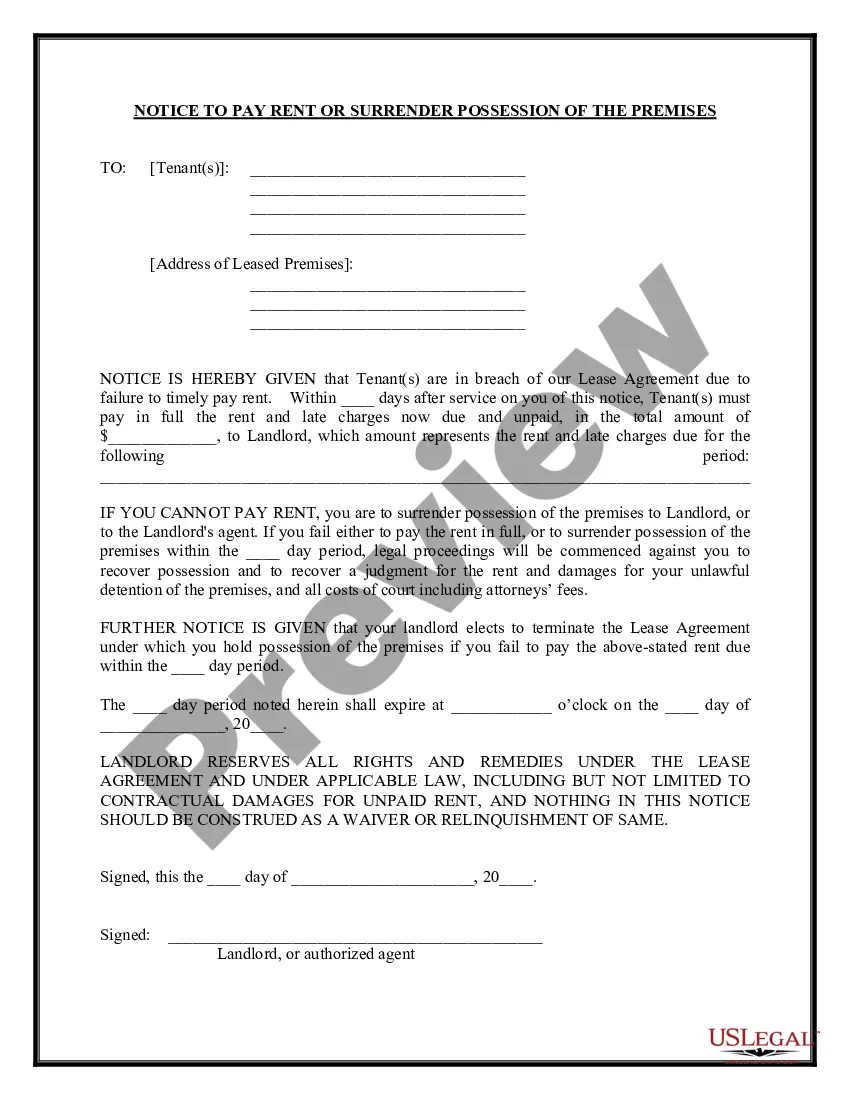
Get your form ready online
Our built-in tools help you complete, sign, share, and store your documents in one place.
Make edits, fill in missing information, and update formatting in US Legal Forms—just like you would in MS Word.
Download a copy, print it, send it by email, or mail it via USPS—whatever works best for your next step.
Sign and collect signatures with our SignNow integration. Send to multiple recipients, set reminders, and more. Go Premium to unlock E-Sign.
If this form requires notarization, complete it online through a secure video call—no need to meet a notary in person or wait for an appointment.
We protect your documents and personal data by following strict security and privacy standards.

Make edits, fill in missing information, and update formatting in US Legal Forms—just like you would in MS Word.

Download a copy, print it, send it by email, or mail it via USPS—whatever works best for your next step.

Sign and collect signatures with our SignNow integration. Send to multiple recipients, set reminders, and more. Go Premium to unlock E-Sign.

If this form requires notarization, complete it online through a secure video call—no need to meet a notary in person or wait for an appointment.

We protect your documents and personal data by following strict security and privacy standards.
Looking for another form?

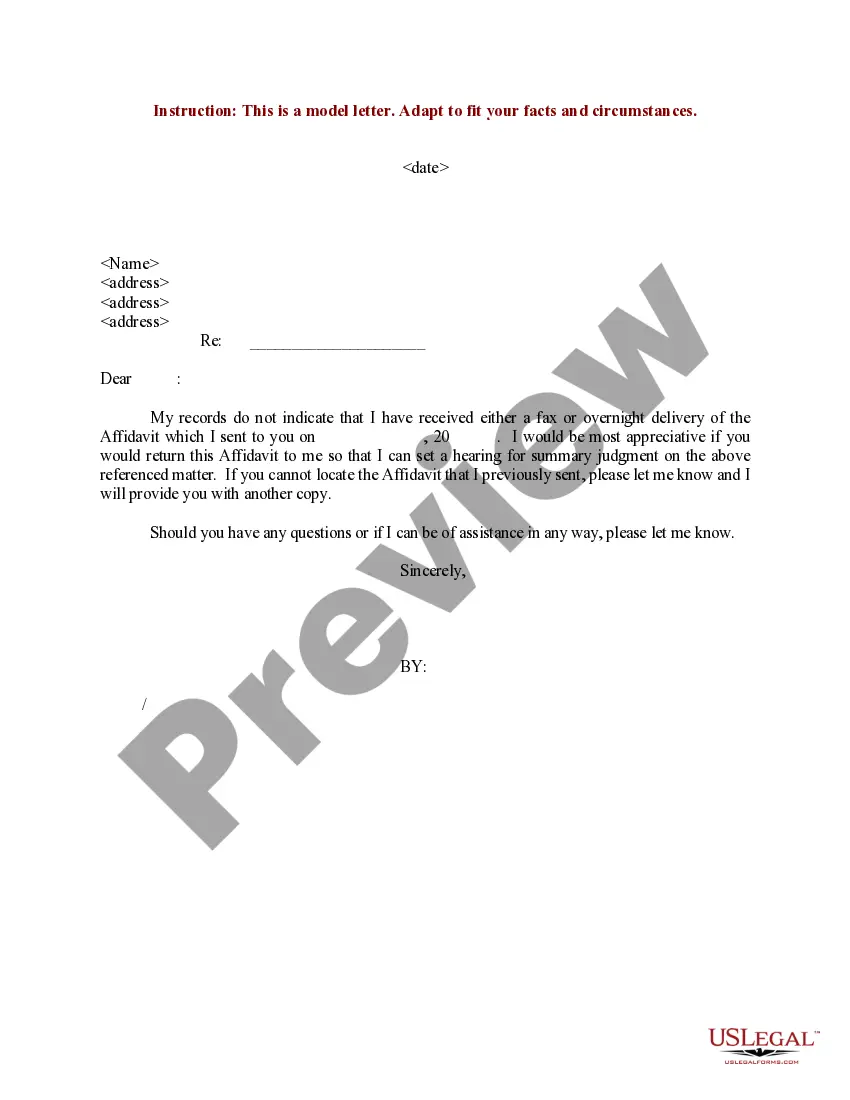

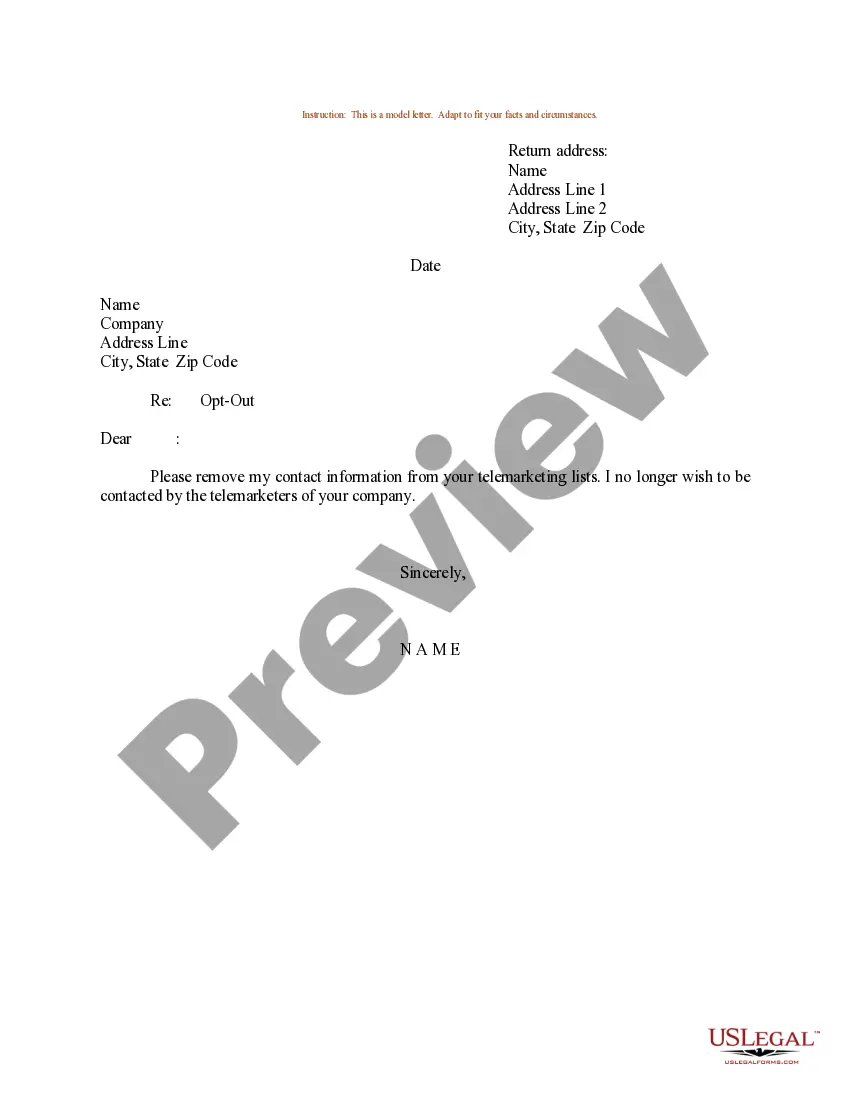





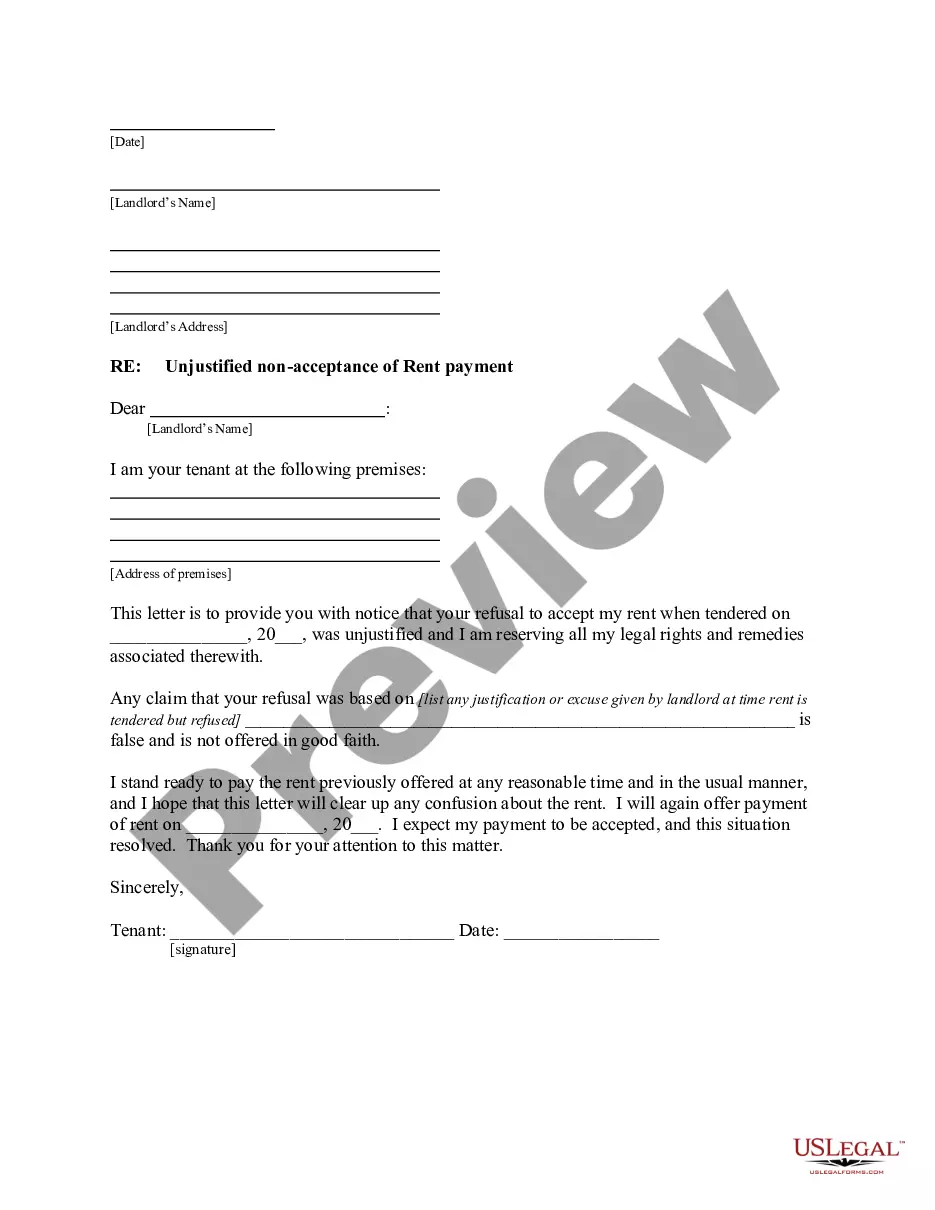
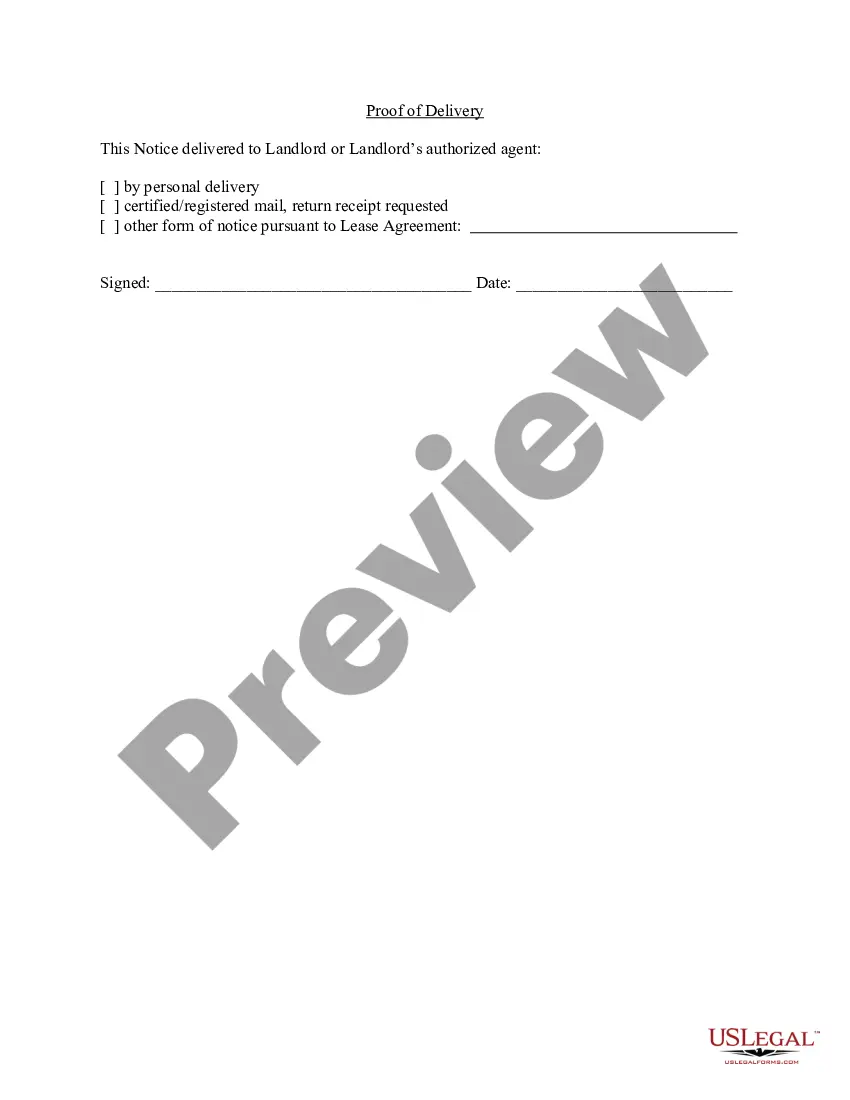
How to fill out California Letter From Tenant To Landlord Containing Notice To Cease Unjustified Nonacceptance Of Rent?
- Log into your US Legal Forms account if you're a returning user and verify that your subscription is active. If it needs renewal, follow your payment plan guidelines.
- For first-time users, start by browsing the Preview mode and reading the form descriptions. Ensure you've selected the right document that complies with your local jurisdiction.
- If necessary, utilize the Search feature to locate alternate templates if your first choice doesn’t suit your requirements.
- Once you've found the correct document, click the Buy Now button and choose your preferred subscription plan. Remember, you'll need to create an account to access all resources.
- Proceed to make your purchase by entering your credit card information or opting for PayPal.
- After your purchase, download the completed form and save it to your device for easy access. You can revisit your document anytime through the My Forms section in your profile.
Taking these simple steps can help you efficiently manage tenant issues with your landlord.
With US Legal Forms, you’re not only gaining access to comprehensive legal templates but also the support of premium experts ready to assist you. Start resolving your tenant-landlord issues today and ensure your rights are protected.
Form popularity
FAQ
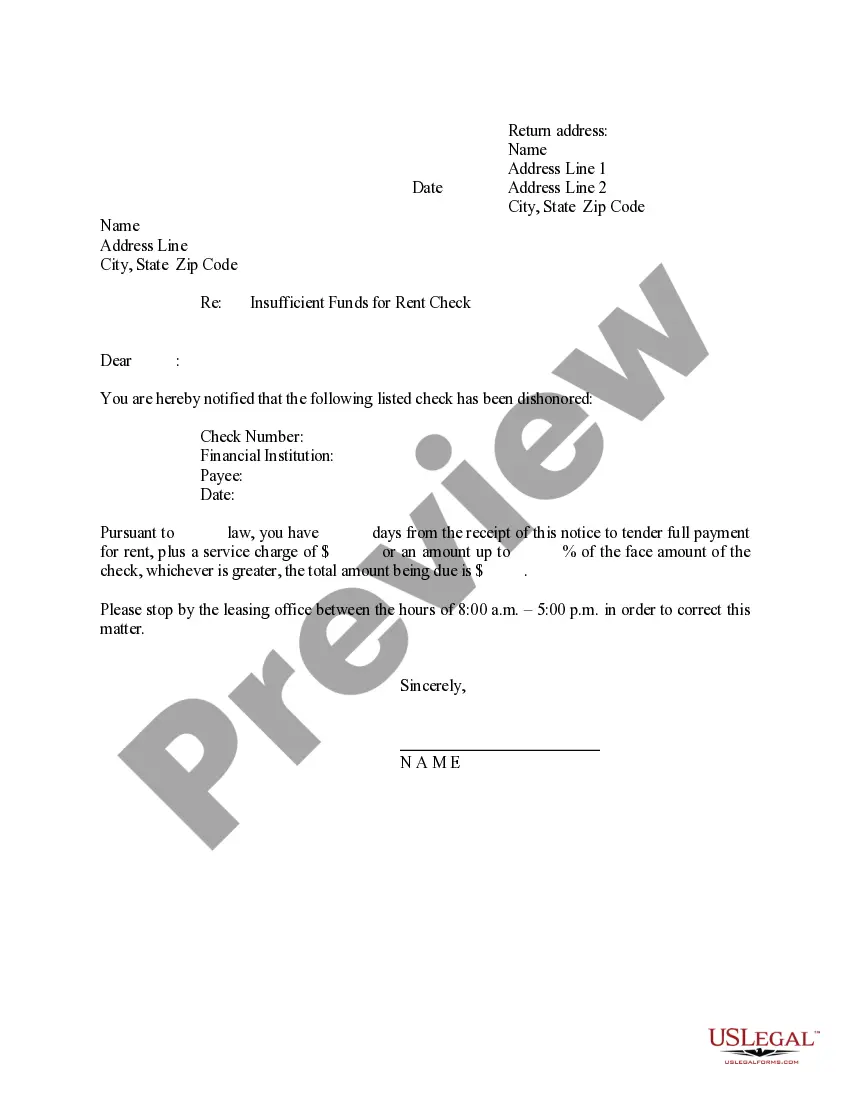
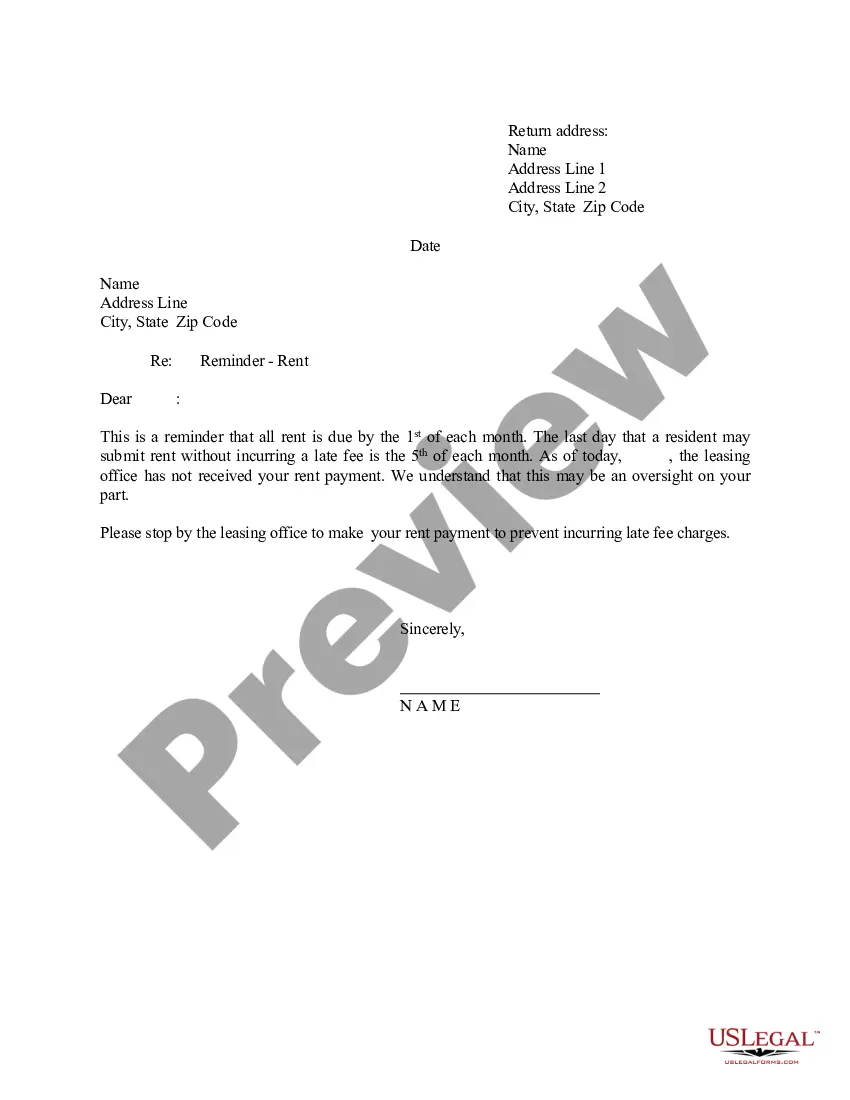
When speaking with a potential landlord, avoid negative comments about previous landlords or rental experiences. This can raise red flags about your reliability as a tenant. Additionally, steer clear of unrealistic demands or expectations regarding property conditions, as these can signal upcoming tenant issues with landlords.
In New Jersey, you can report bad landlords to local housing authorities or the Department of Community Affairs. Documentation of tenant issues is essential, so keep all related correspondence and records on file. Taking formal action can help improve rental conditions and hold landlords accountable for their responsibilities.
Resolving tenant problems typically requires open communication and a willingness to negotiate. You should document issues clearly and engage in dialogue with your landlord to find mutually acceptable solutions. Remember, addressing tenant issues with a landlord effectively can help foster a respectful and cooperative living arrangement.
Start by clearly stating the issue in your letter to your landlord, making it easy for them to understand your concerns. Be specific about the tenant issues you are facing and include any relevant details, like dates and previous communications. Finally, request a timeline for resolution to encourage prompt action and show your commitment to maintaining a good relationship.
To stand out to a landlord, focus on being a reliable and responsible tenant. You could provide a strong rental history, proof of income, and good references. This demonstrates that you can handle tenant issues with a landlord professionally, creating trust and impression of stability.
To resolve disputes between tenants, it's vital to encourage open dialogue and promote understanding. Mediation can be a constructive approach, helping both parties find common ground. When issues persist, resources available through US Legal Forms can assist tenants in drafting agreements that outline terms clearly, reducing future conflicts.
Filing legal action against your landlord begins with documenting the tenant issues you are facing. Gather evidence such as photos, communications, and witnesses to support your case. Afterward, you can consult a legal professional or use resources like US Legal Forms to navigate the necessary paperwork and procedures to file your claim effectively.
Landlords often worry about property damage, non-payment of rent, and lengthy eviction processes. Additionally, they fear legal complications that may arise from tenant issues with landlords, leading to financial losses. Educating themselves on tenant rights and maintaining open communication can help landlords manage these fears effectively.
In Kansas, tenants can report landlords to their local housing authority or the Kansas Attorney General if they face tenant issues with their landlord. Additionally, you might consider contacting legal aid organizations for assistance. These entities can guide you through the complaint process and advocate for your rights as a tenant.
Landlords typically begin with a formal notice when tenants breach their rental agreement. The most common action is to initiate eviction proceedings. While this can be a lengthy process, landlords may also seek to recover damages through small claims court. It’s important for tenants to understand their rights and seek help in tenant issues with landlords.