Trust Living Print Without Assets
Description

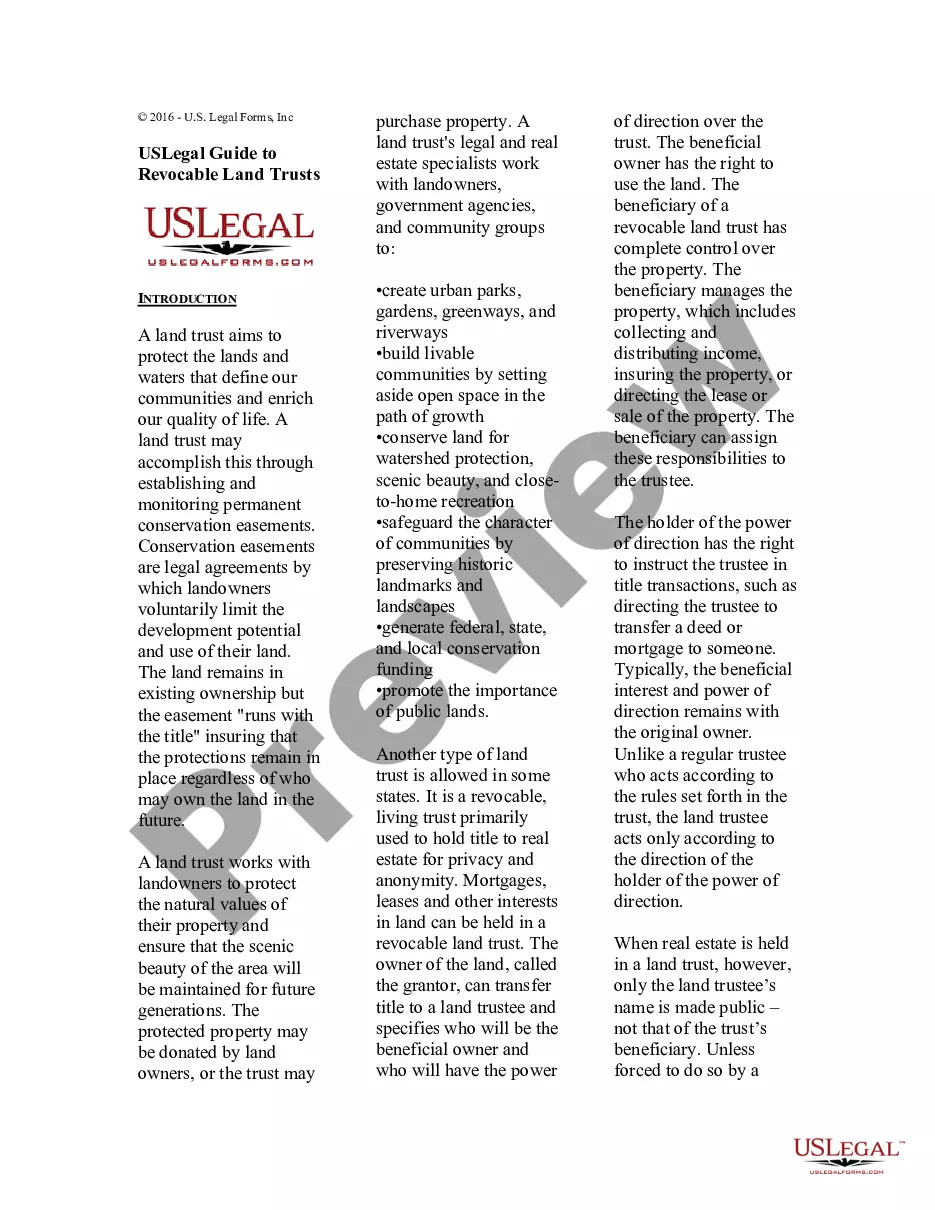
Get your form ready online
Our built-in tools help you complete, sign, share, and store your documents in one place.
Make edits, fill in missing information, and update formatting in US Legal Forms—just like you would in MS Word.
Download a copy, print it, send it by email, or mail it via USPS—whatever works best for your next step.
Sign and collect signatures with our SignNow integration. Send to multiple recipients, set reminders, and more. Go Premium to unlock E-Sign.
If this form requires notarization, complete it online through a secure video call—no need to meet a notary in person or wait for an appointment.
We protect your documents and personal data by following strict security and privacy standards.

Make edits, fill in missing information, and update formatting in US Legal Forms—just like you would in MS Word.

Download a copy, print it, send it by email, or mail it via USPS—whatever works best for your next step.

Sign and collect signatures with our SignNow integration. Send to multiple recipients, set reminders, and more. Go Premium to unlock E-Sign.

If this form requires notarization, complete it online through a secure video call—no need to meet a notary in person or wait for an appointment.

We protect your documents and personal data by following strict security and privacy standards.
Looking for another form?


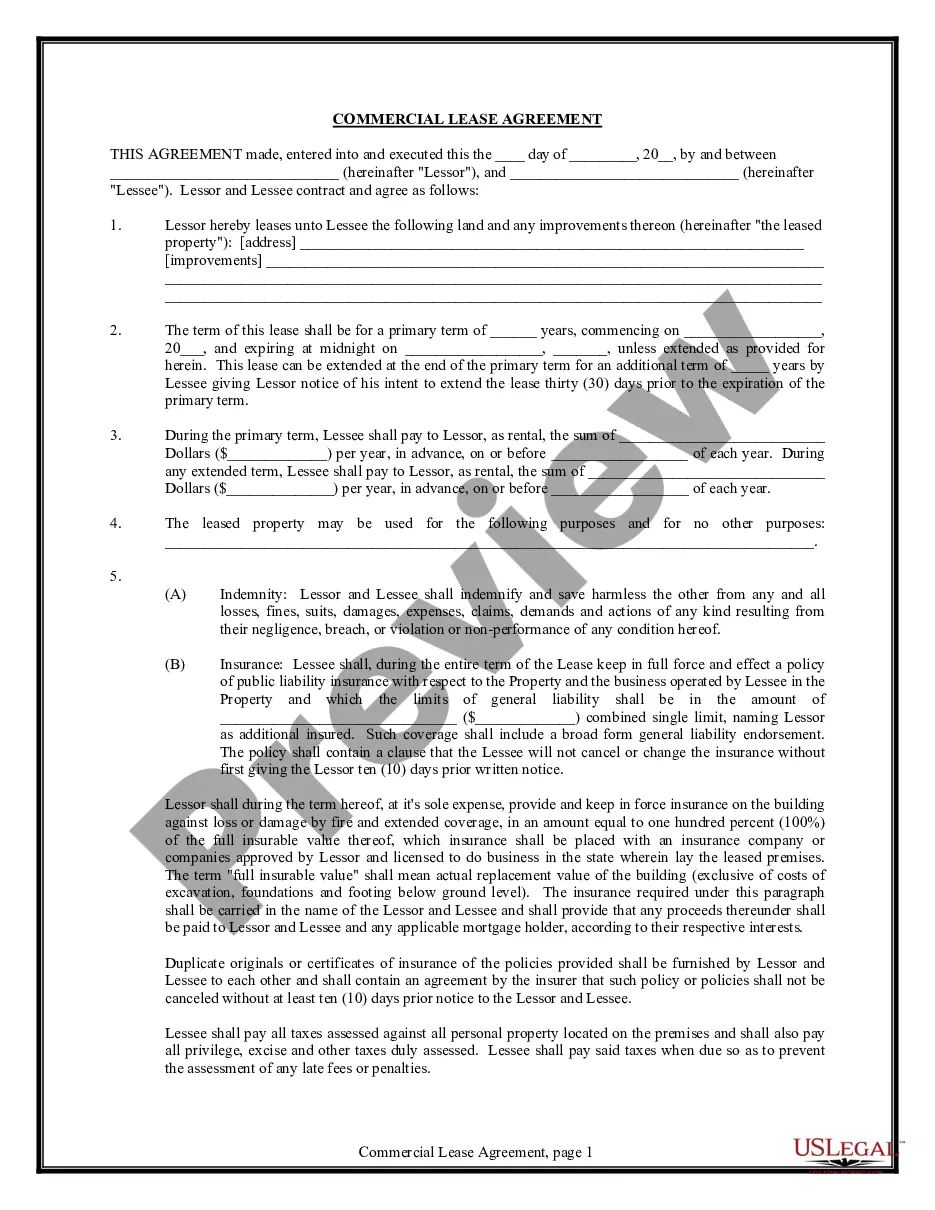
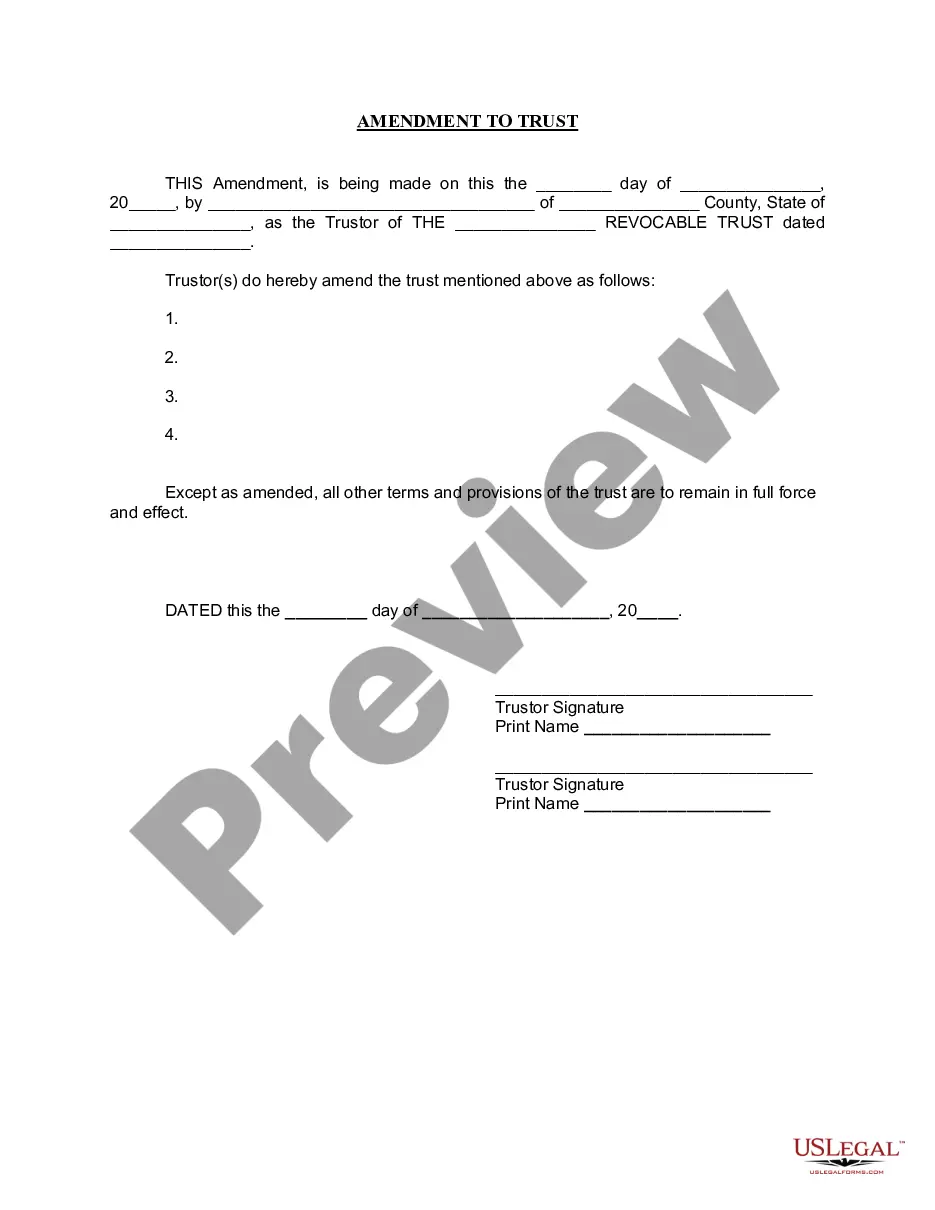
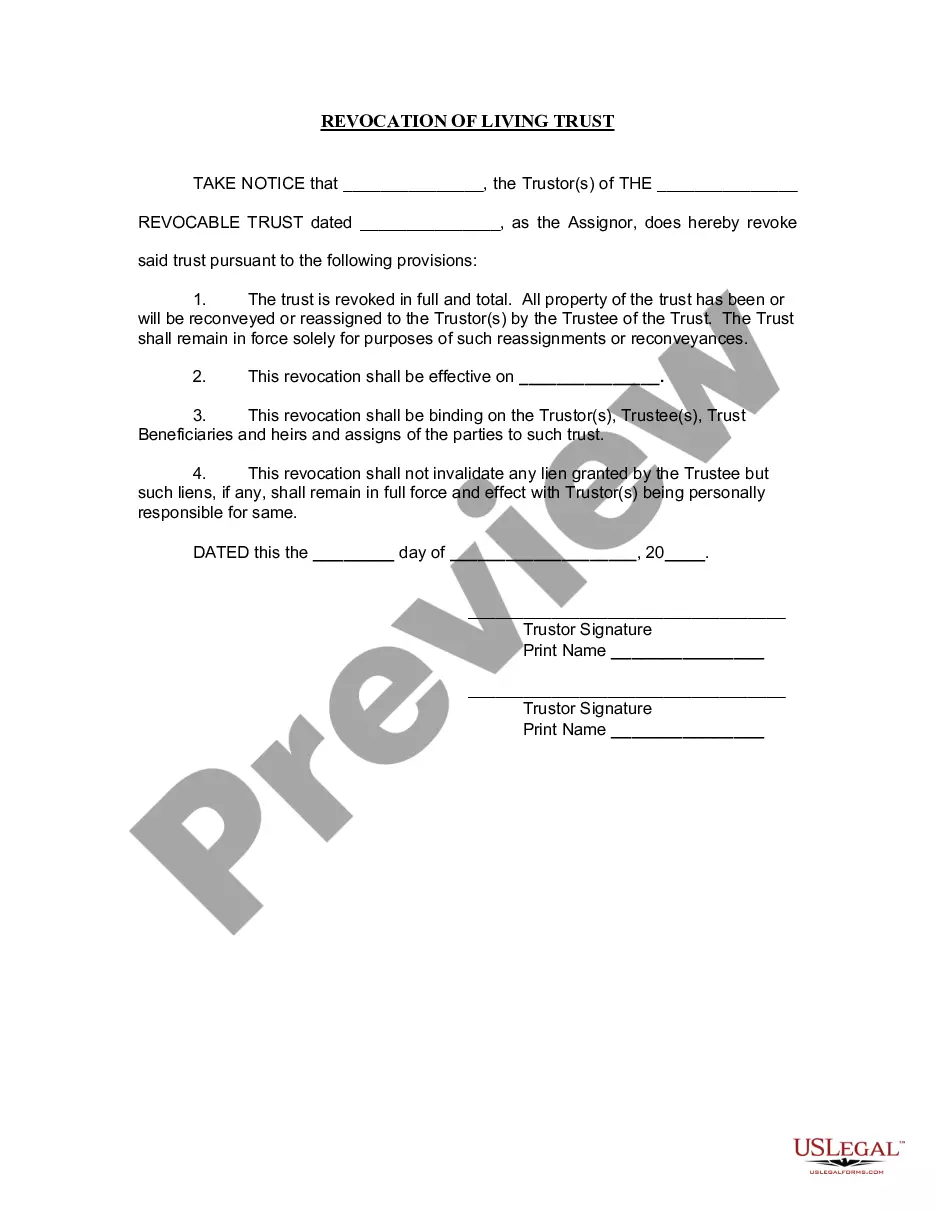
How to fill out Arizona Revocation Of Living Trust?
Getting a go-to place to access the most recent and relevant legal templates is half the struggle of working with bureaucracy. Finding the right legal documents needs precision and attention to detail, which is why it is important to take samples of Trust Living Print Without Assets only from reputable sources, like US Legal Forms. A wrong template will waste your time and hold off the situation you are in. With US Legal Forms, you have little to worry about. You can access and see all the information regarding the document’s use and relevance for the circumstances and in your state or county.
Take the following steps to complete your Trust Living Print Without Assets:
- Make use of the library navigation or search field to locate your template.
- View the form’s information to see if it suits the requirements of your state and region.
- View the form preview, if available, to ensure the template is definitely the one you are interested in.
- Return to the search and find the right document if the Trust Living Print Without Assets does not fit your requirements.
- When you are positive regarding the form’s relevance, download it.
- If you are a registered customer, click Log in to authenticate and gain access to your picked forms in My Forms.
- If you do not have a profile yet, click Buy now to get the template.
- Pick the pricing plan that fits your requirements.
- Proceed to the registration to complete your purchase.
- Finalize your purchase by picking a payment method (credit card or PayPal).
- Pick the file format for downloading Trust Living Print Without Assets.
- Once you have the form on your device, you can alter it with the editor or print it and complete it manually.
Remove the hassle that comes with your legal paperwork. Discover the comprehensive US Legal Forms library to find legal templates, check their relevance to your circumstances, and download them on the spot.
Form popularity
FAQ
Assets that should not be used to fund your living trust include: Qualified retirement accounts ? 401ks, IRAs, 403(b)s, qualified annuities. Health saving accounts (HSAs) Medical saving accounts (MSAs) Uniform Transfers to Minors (UTMAs) Uniform Gifts to Minors (UGMAs) Life insurance. Motor vehicles.
How Do I Create a Trust? Step 1: Decide Upon the Assets. You will need to list the items and value of those items that have been allocated, or will otherwise be acquired, at trust inception. Step 2: Appoint Trustee(s) ... Step 3: Determine the Beneficiaries. ... Step 4: Outline the Terms.
What Type of Assets Go into a Trust? Real Estate. Many people wonder whether it is a good idea to place their house in a trust. ... Financial Accounts. ... Life Insurance. ... Valuable Personal Property. ... Collectible Vehicles. ... Sole Proprietorships. ... Partnerships. ... Limited Liability Companies (LLC).
Bare trusts This means the assets set aside by the settlor will always go directly to the intended beneficiary. Bare trusts are often used to pass assets to young people - the trustees look after them until the beneficiary is old enough.
A trust deed is a legal document that sets out the rules for establishing and operating your fund. It includes such things as the fund's objectives, who can be a member and whether benefits can be paid as a lump sum or income stream.