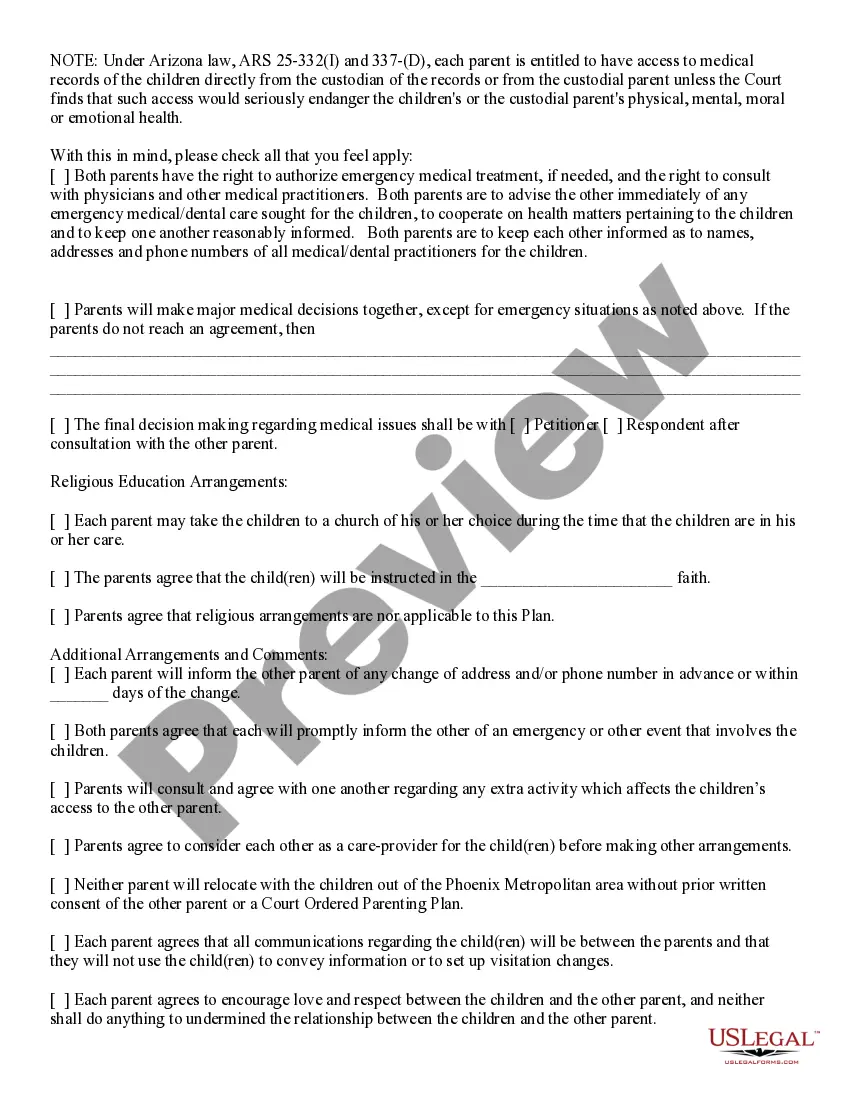
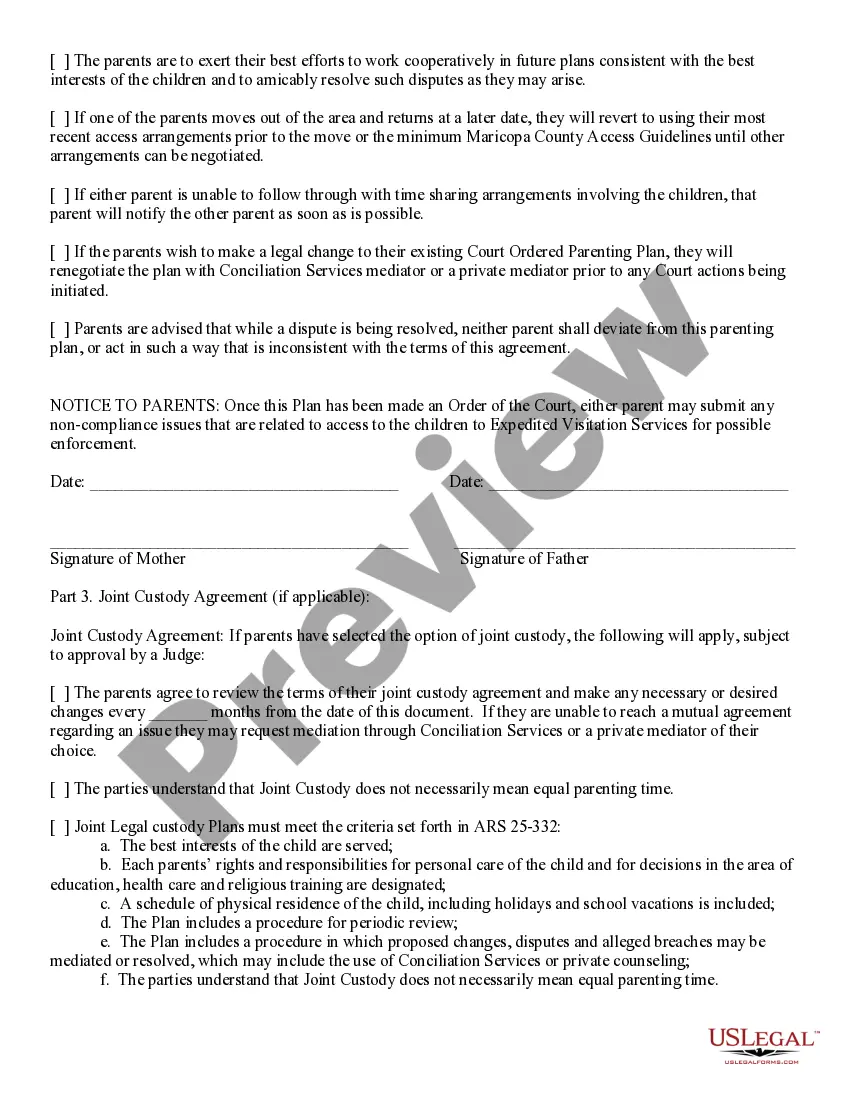
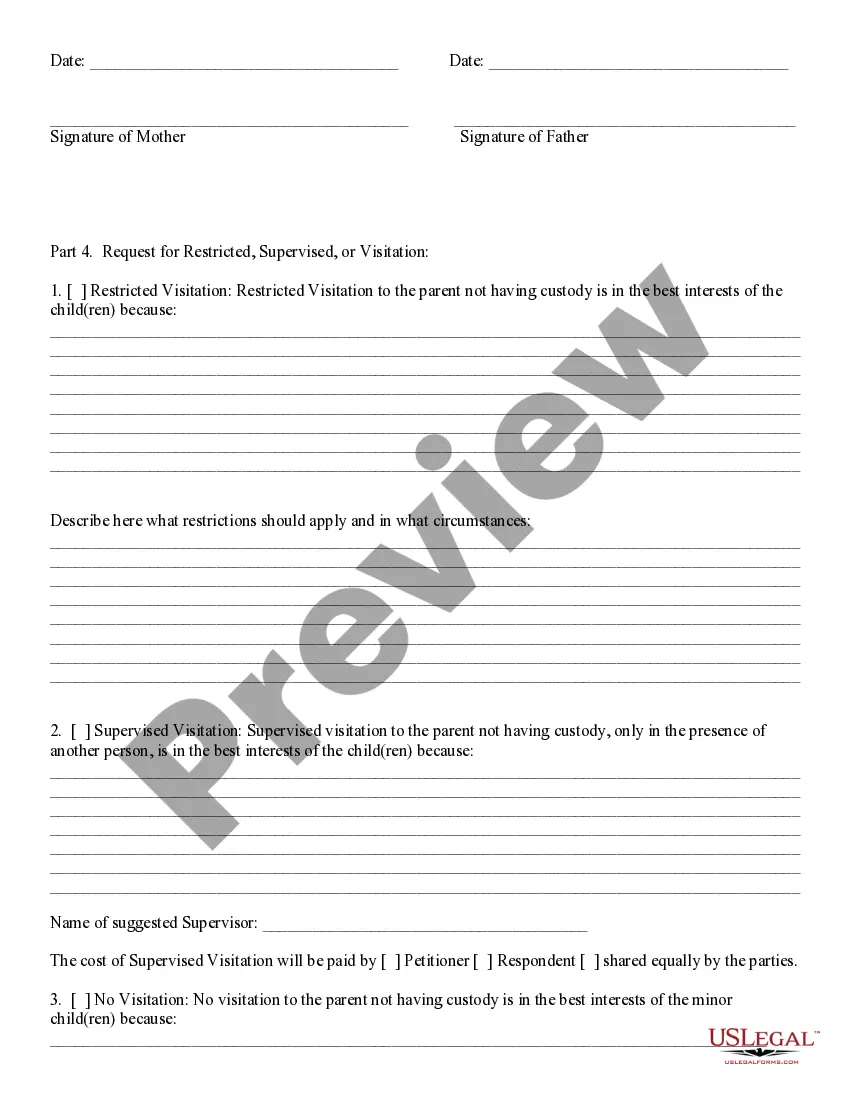
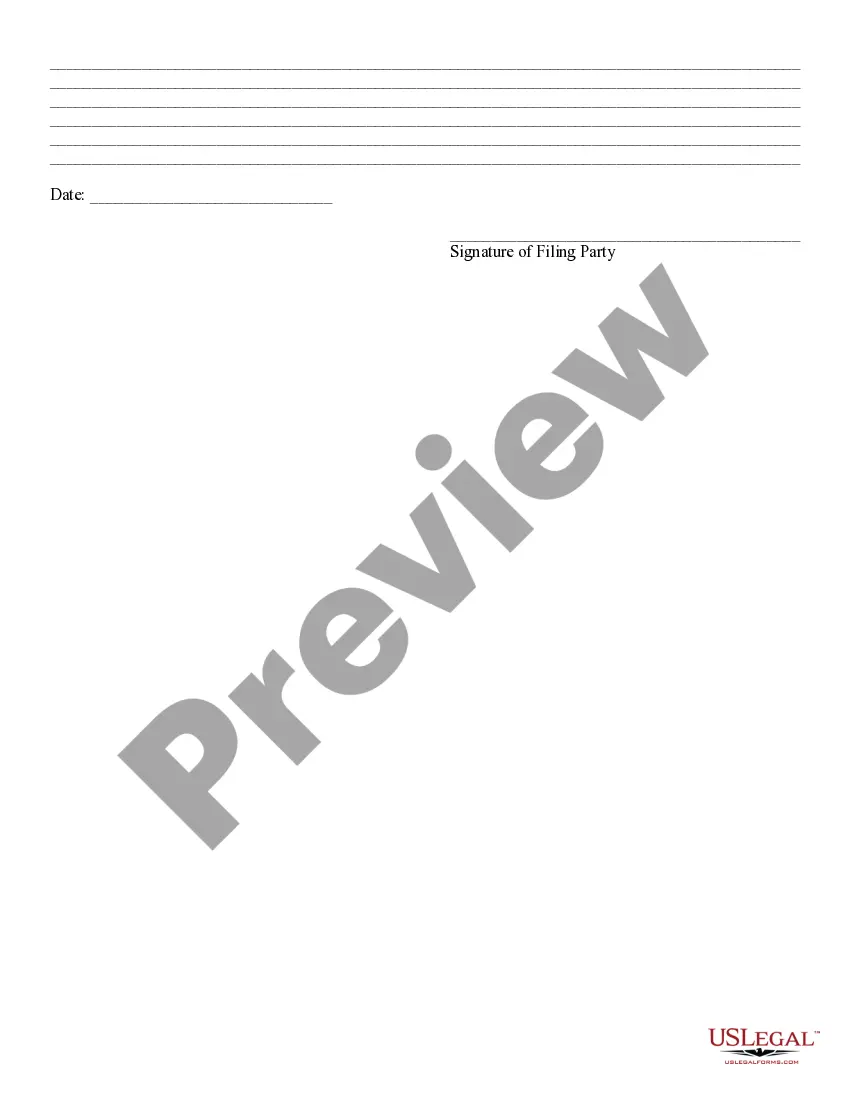
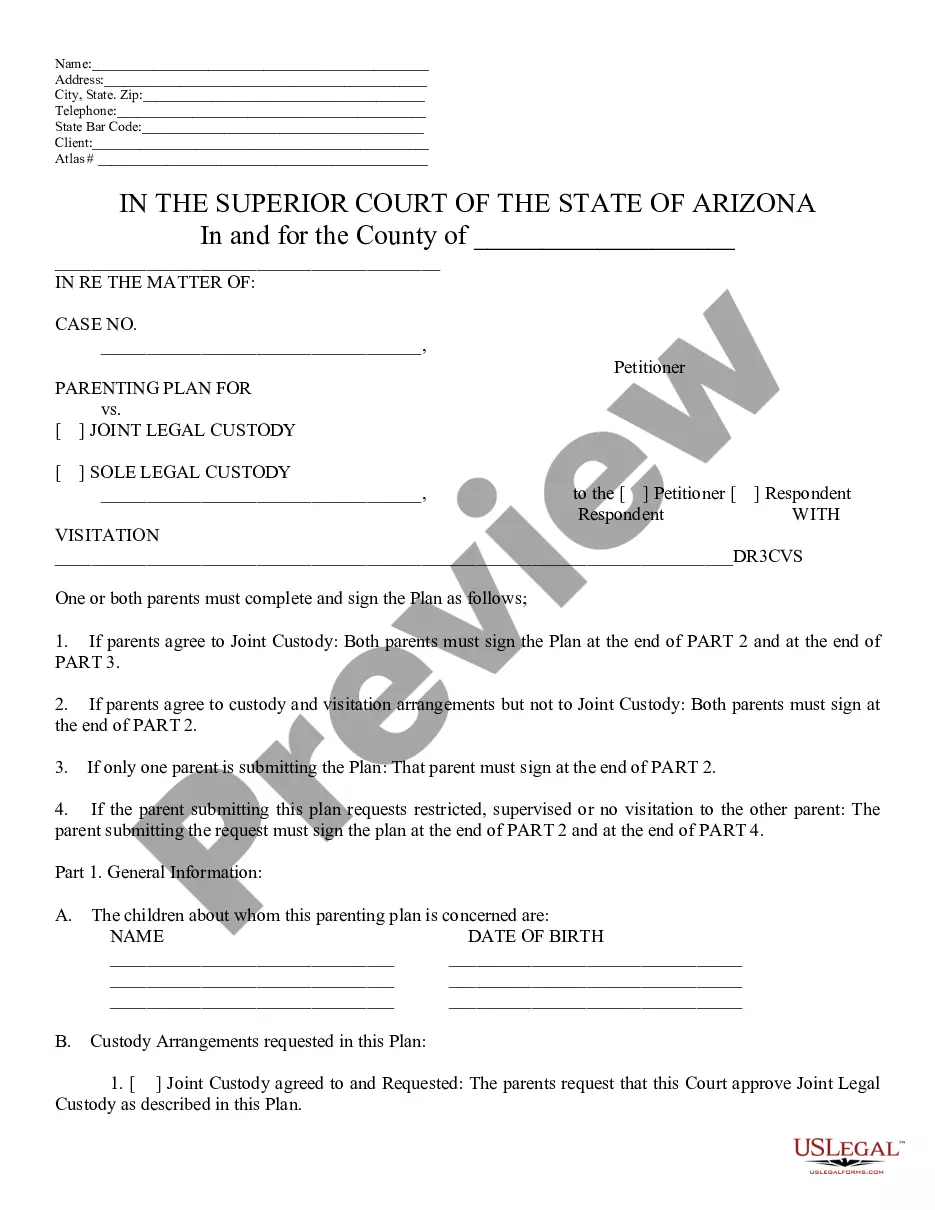
Sample Parenting Plan For Joint Custody
Description
Get your form ready online
Our built-in tools help you complete, sign, share, and store your documents in one place.
Make edits, fill in missing information, and update formatting in US Legal Forms—just like you would in MS Word.
Download a copy, print it, send it by email, or mail it via USPS—whatever works best for your next step.
Sign and collect signatures with our SignNow integration. Send to multiple recipients, set reminders, and more. Go Premium to unlock E-Sign.
If this form requires notarization, complete it online through a secure video call—no need to meet a notary in person or wait for an appointment.
We protect your documents and personal data by following strict security and privacy standards.

Make edits, fill in missing information, and update formatting in US Legal Forms—just like you would in MS Word.

Download a copy, print it, send it by email, or mail it via USPS—whatever works best for your next step.

Sign and collect signatures with our SignNow integration. Send to multiple recipients, set reminders, and more. Go Premium to unlock E-Sign.

If this form requires notarization, complete it online through a secure video call—no need to meet a notary in person or wait for an appointment.

We protect your documents and personal data by following strict security and privacy standards.
Looking for another form?

How to fill out Arizona Parenting Plan And Guidelines?
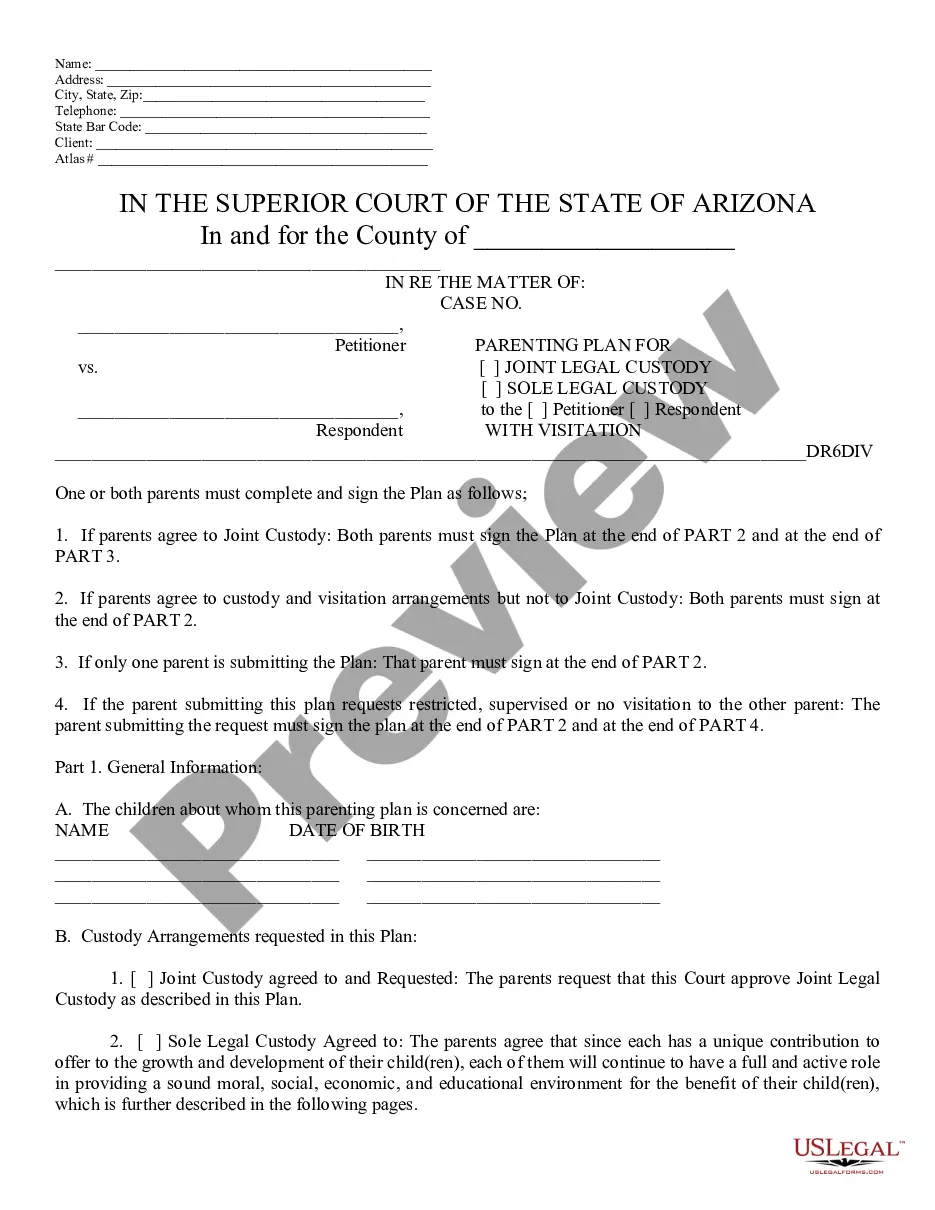
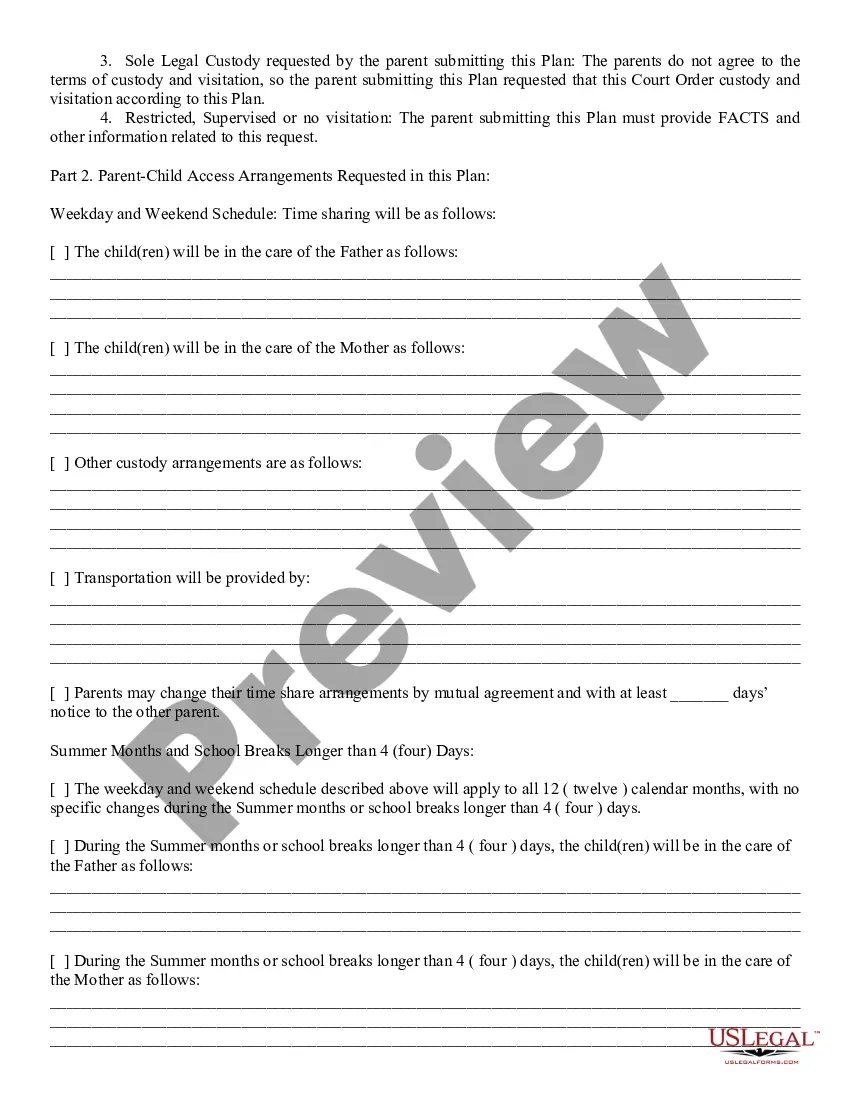
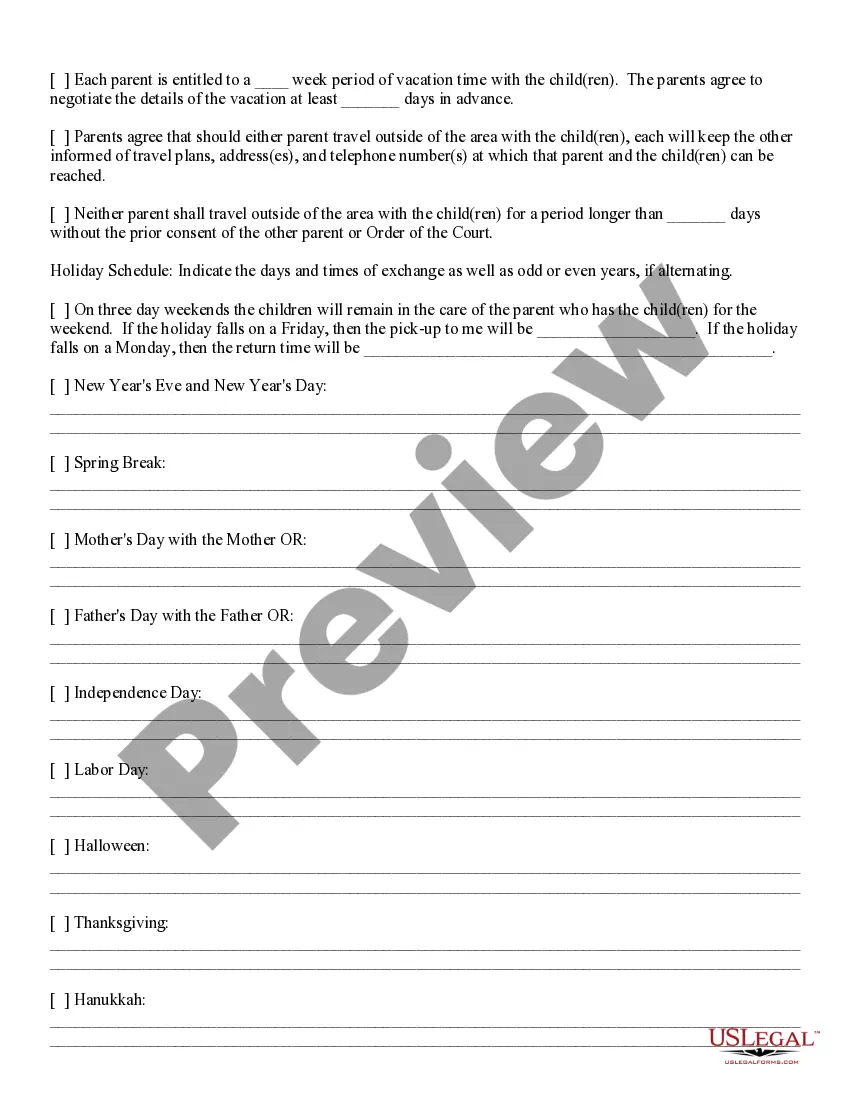
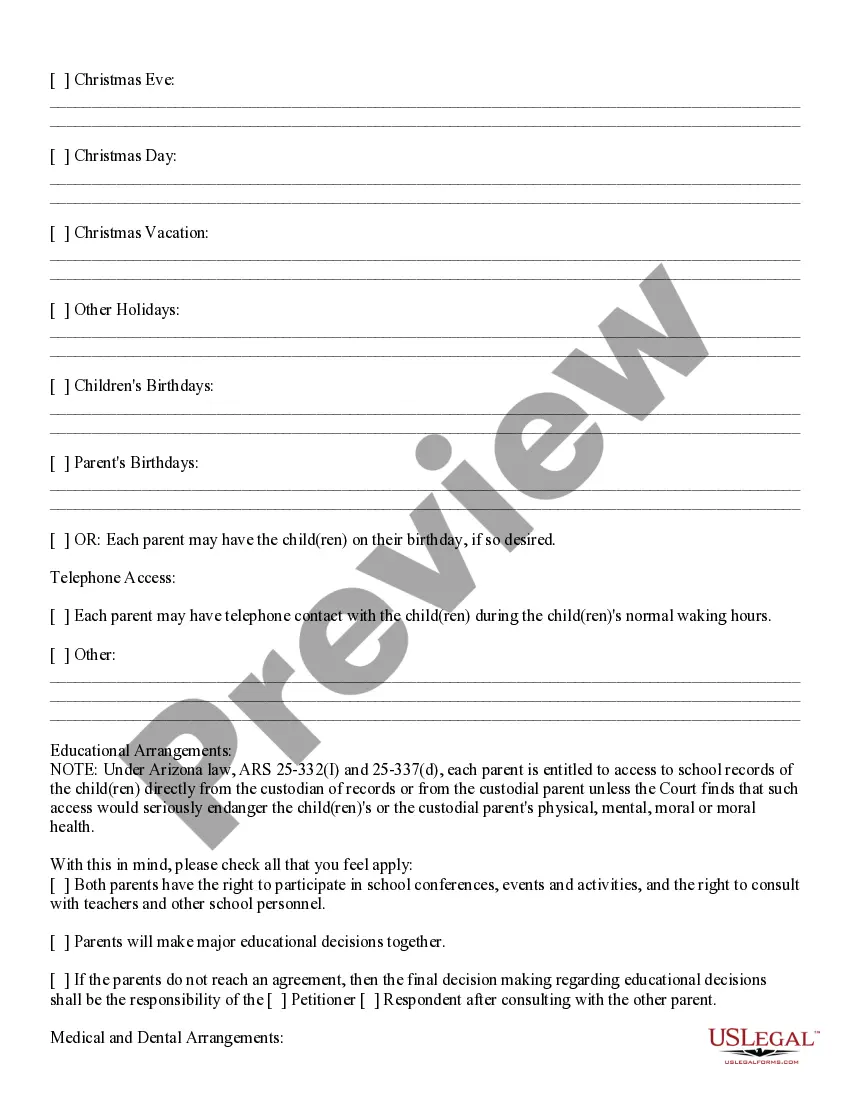
It’s well-known that you cannot become a legal expert overnight, nor can you swiftly compose a Sample Parenting Plan For Joint Custody without possessing a specific set of abilities.
Assembling legal manuscripts is a lengthy process that demands a particular education and competencies. Thus, why not entrust the development of the Sample Parenting Plan For Joint Custody to the experts.
With US Legal Forms, which boasts one of the largest collections of legal documents, you can discover everything from court forms to templates for internal business communication. We understand how crucial compliance and adherence to federal and local statutes and rules are. That’s why, on our platform, all templates are region-specific and current.
Click Buy now. Once the transaction is finalized, you can download the Sample Parenting Plan For Joint Custody, fill it out, print it, and send or mail it to the relevant individuals or organizations.
You can access your documents again from the My documents section at any time. If you’re an existing customer, you can simply Log In, and find and download the template from the same section. Regardless of your forms' intended purpose—whether they are financial, legal, or personal—our website is here to assist you. Give US Legal Forms a try now!
- Begin by visiting our website and retrieve the document you require in just a few minutes.
- Locate the form you need by utilizing the search bar at the top of the webpage.
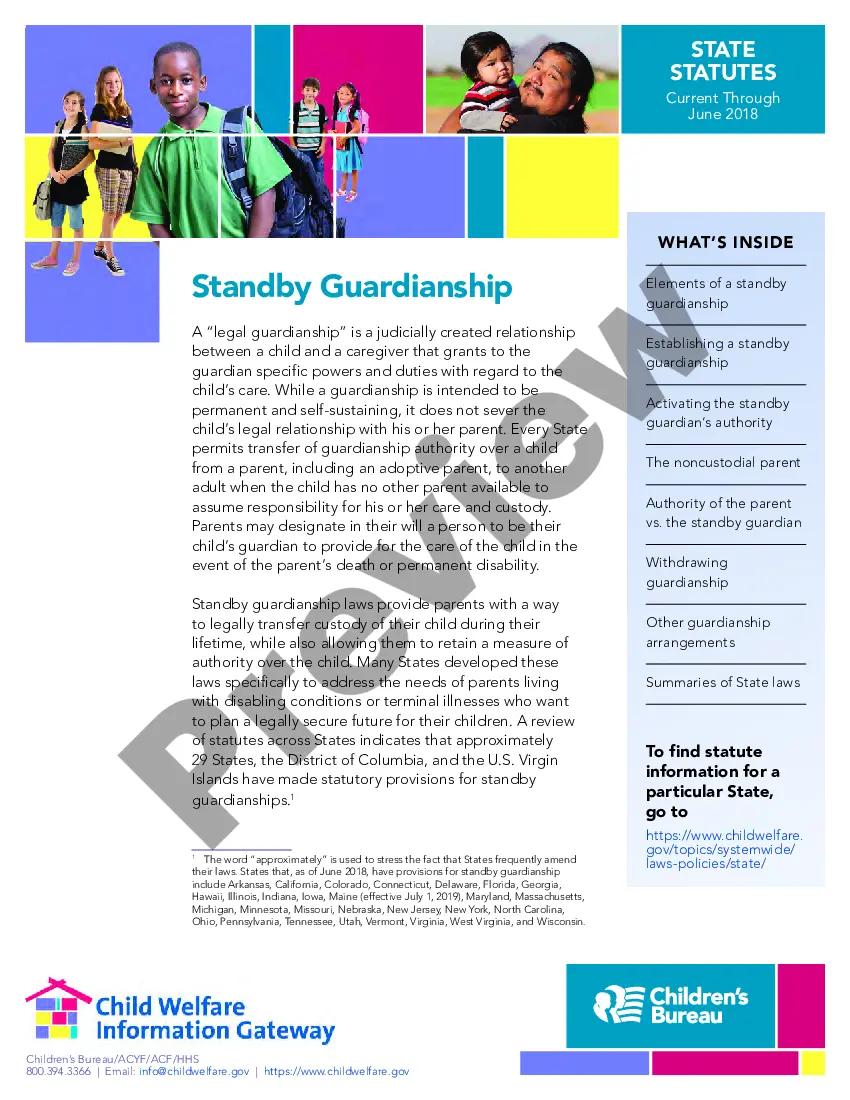
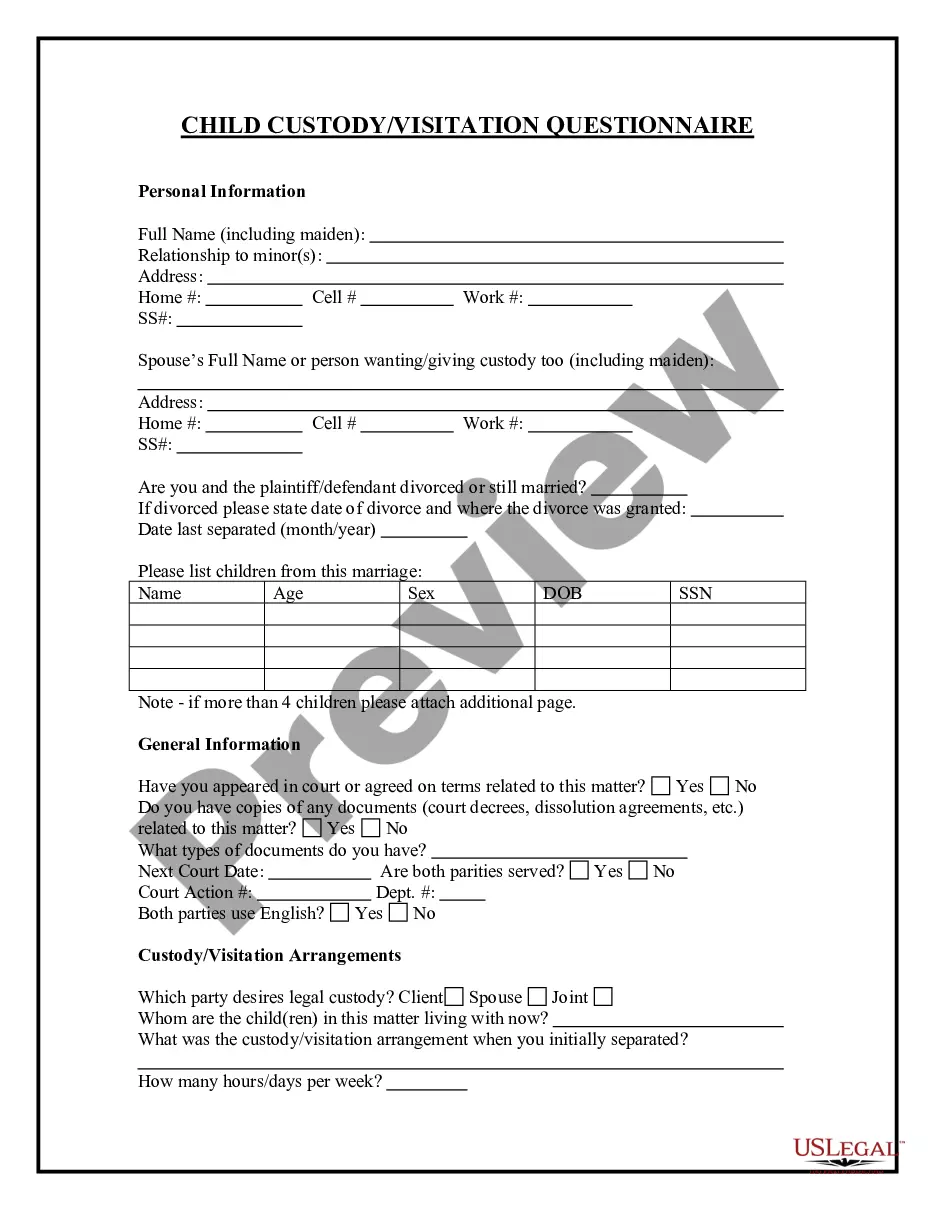
- Preview it (if this option is available) and review the accompanying description to see if the Sample Parenting Plan For Joint Custody is what you seek.
- If you need another template, restart your search.
- Create a free account and select a subscription plan to purchase the template.
Form popularity
FAQ
One of the biggest mistakes in custody battles is failing to prioritize the child's best interests. When parents focus solely on winning, they may neglect what truly matters for their child's well-being. Establishing a supportive co-parenting relationship can significantly improve outcomes. Using a sample parenting plan for joint custody as a foundation can guide parents in maintaining a child-centric approach.
A 50/50 parenting schedule could be arranged in many ways, such as: Biweekly rotation - One week with one parent, and one week with the other parent. 2-2-5-5 rotation - Two days with one parent, and two days with the other parent. Then, five days back with the first parent, and five days with the other parent.
In Washington, you can choose how to set up your residential plan. You can choose to do a joint custody plan, such as a 50/50 residential plan, or you can choose to do a sole custody plan. The courts encourage parents to design parenting plans themselves whenever possible.
Ing to a report from the Washington State Center for Court Research, the most commonly reported balance of parenting time was 50/50 between mother and father, with nearly 21 percent of cases.
Common schedules 2-2-5-5: Your child spends two days with one parent, two days with the other parent, then five days with the first parent and the next five with the second parent. The schedule then repeats. This is a 50/50 schedule, meaning each parent has the child 50 percent of the time.
Stress can come with children having to transfer from one parent's home to the other. This can be one of the main drawbacks of shared custody. The back-and-forth of 50/50 custody might be difficult for some children to get used to. Small children who like stability may find it particularly difficult.