Adoption Rights For Queer Couples
Description

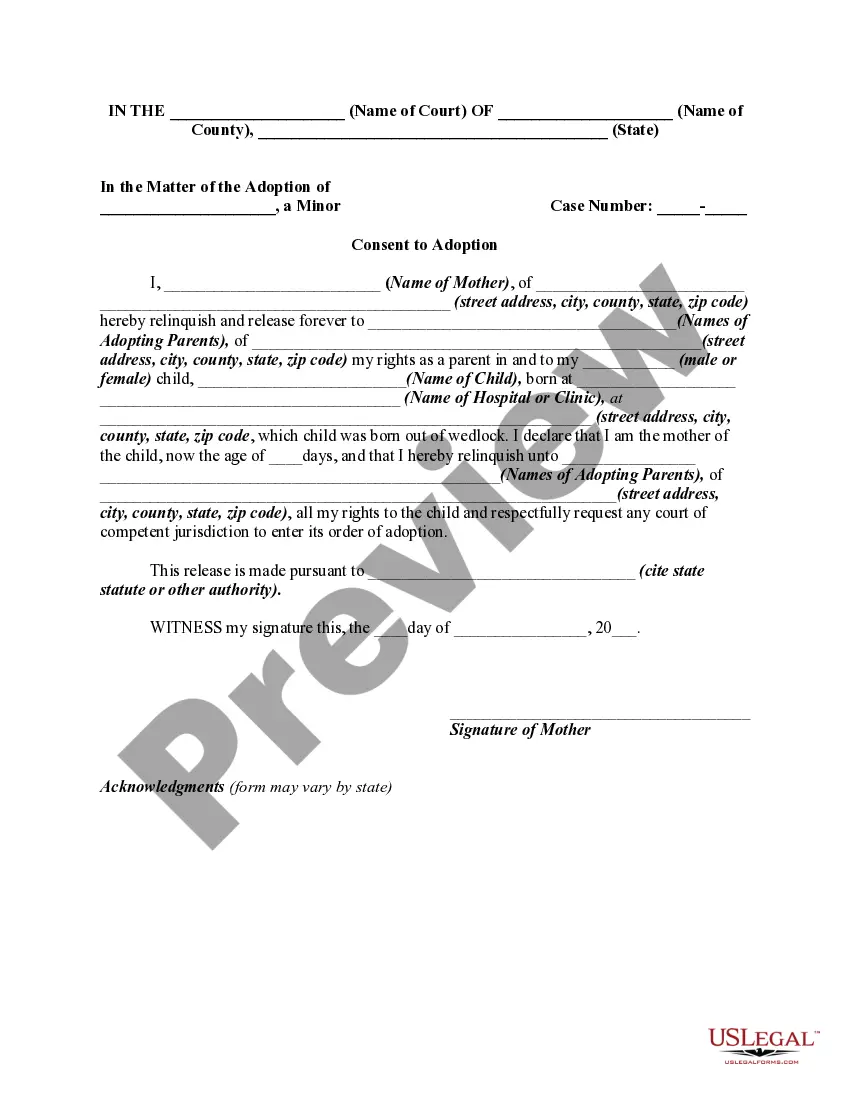
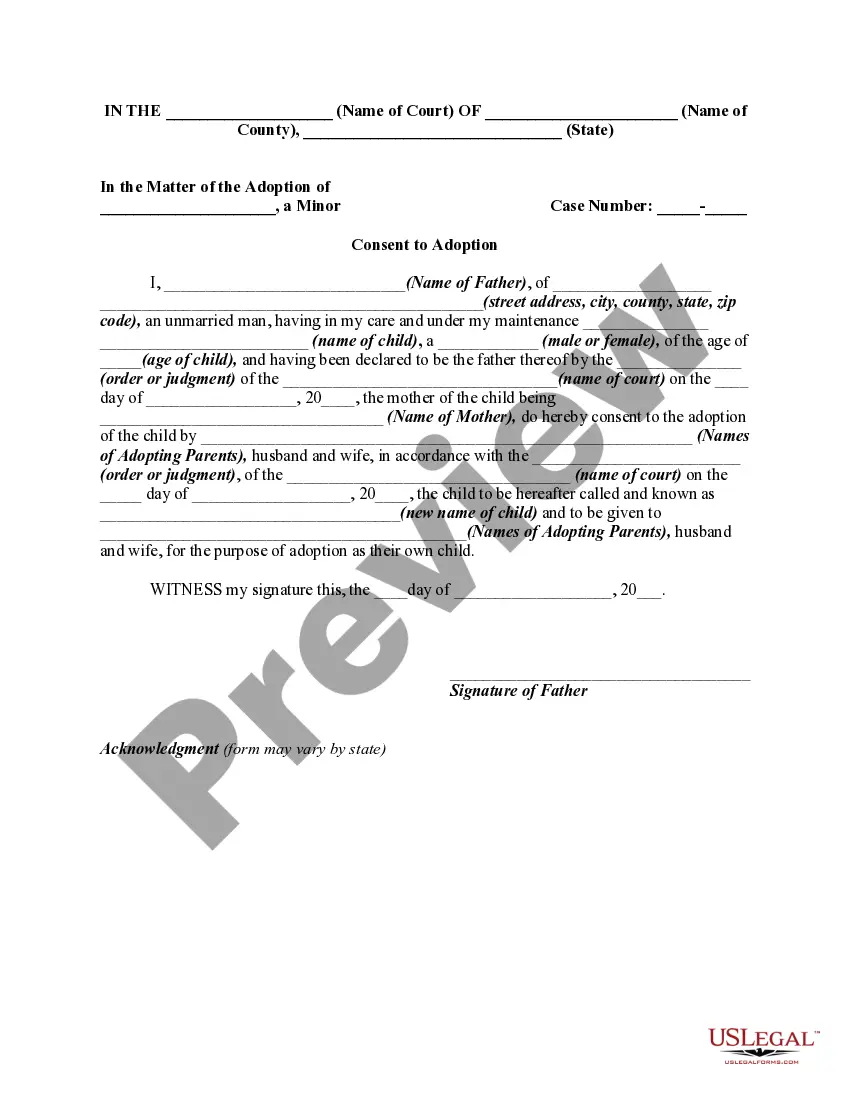
Get your form ready online
Our built-in tools help you complete, sign, share, and store your documents in one place.
Make edits, fill in missing information, and update formatting in US Legal Forms—just like you would in MS Word.
Download a copy, print it, send it by email, or mail it via USPS—whatever works best for your next step.
Sign and collect signatures with our SignNow integration. Send to multiple recipients, set reminders, and more. Go Premium to unlock E-Sign.
If this form requires notarization, complete it online through a secure video call—no need to meet a notary in person or wait for an appointment.
We protect your documents and personal data by following strict security and privacy standards.

Make edits, fill in missing information, and update formatting in US Legal Forms—just like you would in MS Word.

Download a copy, print it, send it by email, or mail it via USPS—whatever works best for your next step.

Sign and collect signatures with our SignNow integration. Send to multiple recipients, set reminders, and more. Go Premium to unlock E-Sign.

If this form requires notarization, complete it online through a secure video call—no need to meet a notary in person or wait for an appointment.

We protect your documents and personal data by following strict security and privacy standards.
Looking for another form?








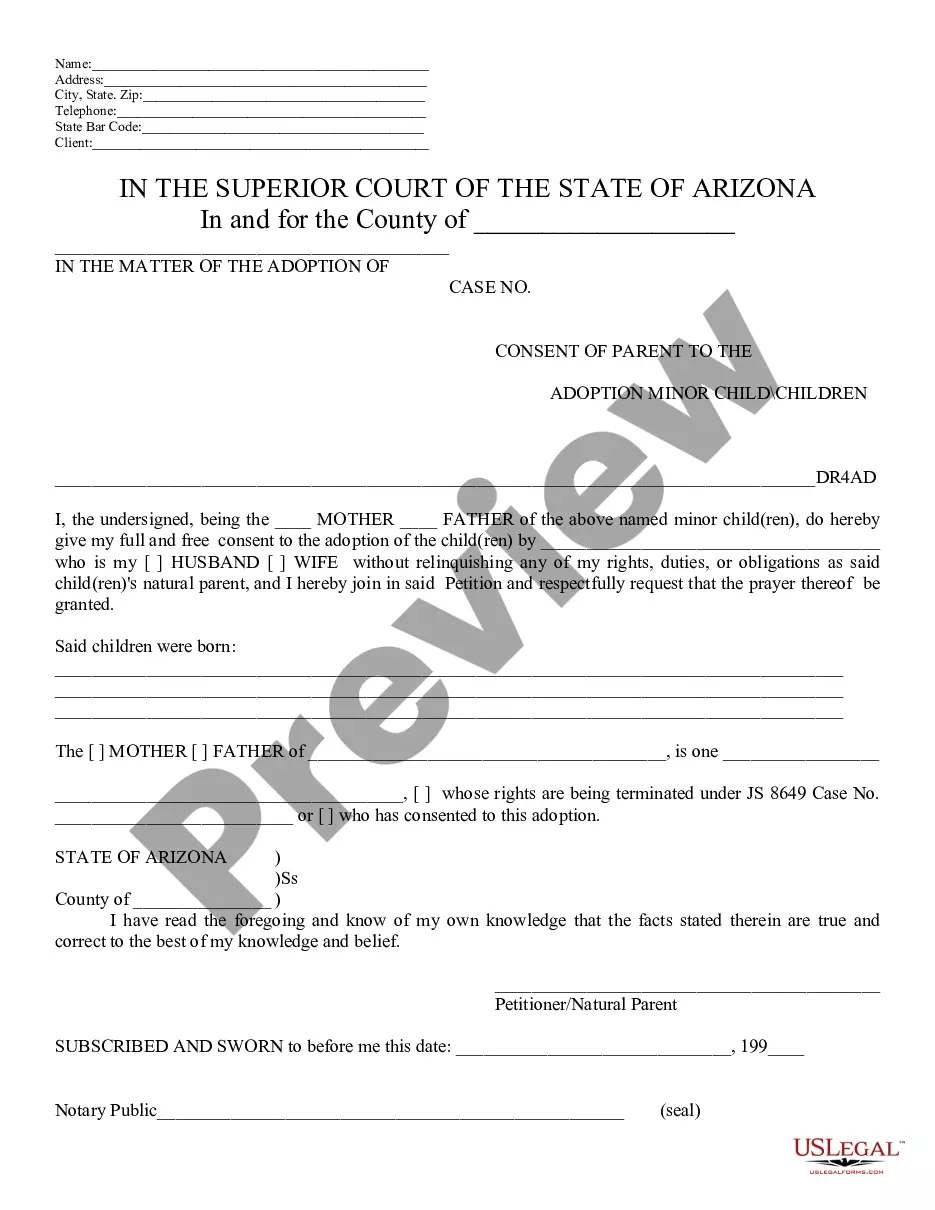
How to fill out Arizona Consent Of Parent To Adoption Of Minor Child - Nonrelinquishing Parental Rights?
- If you are a returning user, log in to your account and select the required form template. Ensure your subscription is valid; if not, renew per your plan.
- For first-time users, preview the form descriptions to confirm you have selected the correct template based on your local jurisdiction's needs.
- Should you need a different template, utilize the Search feature to find one that better suits your requirements.
- Once you've identified the correct document, click on the Buy Now button to choose your preferred plan and register for an account.
- Complete your purchase by entering your credit card details or using your PayPal account to finalize the subscription.
- Download your form to your device. You can access it anytime from the My Forms section.
US Legal Forms empowers both individuals and attorneys by providing a robust library of over 85,000 fillable and editable legal forms, making the document preparation process efficient and straightforward.
Don't hesitate to take that significant step towards securing your adoption rights. Start your journey with US Legal Forms today!
Form popularity
FAQ
Yes, you can specify gender when adopting, but this flexibility depends on state regulations. Many adoption agencies will ask about your preferences during the matching process, but the ultimate goal is to find a loving home for a child in need. For the most accurate guidance, consider exploring resources that focus on adoption rights for queer couples, such as USLegalForms, to aid in your decision.
As a queer couple, you may have options regarding who you wish to adopt, but these options are often constrained by state laws. While some jurisdictions allow you to express preferences for certain characteristics, such as age or background, they may not permit you to choose a specific child. It's wise to consult with legal experts or agencies familiar with adoption rights for queer couples to better understand your choices.
Adoption rights for queer couples can significantly differ across the United States. Some experts identify states like Utah or Nebraska as particularly complex due to their restrictive laws and procedures. However, what's crucial for you is to work with a knowledgeable adoption agency or legal service, like USLegalForms, that specializes in supporting LGBTQ+ families throughout the adoption journey.
When considering adoption rights for queer couples, it's essential to know that the ability to specify gender typically varies by state. Some states may allow prospective parents to indicate their preference regarding the gender of the child, while others may focus on matching based on the needs of the child and the capabilities of the parents. Understanding the laws in your state can help you navigate this process more smoothly.
When you consider adoption rights for queer couples, it is entirely reasonable to want to choose the child you wish to adopt. You can usually discuss your preferences with the agency, which will work with you to find a match that fits your family dynamic. It is beneficial to stay open-minded about different ages, backgrounds, and needs, as this can lead to fulfilling placements and meaningful relationships.
Choosing the gender of the child you wish to adopt is often possible, but it is essential to approach this with an understanding of the agency's policies and the child's circumstances. Adoption rights for queer couples mean that you can express your preferences. However, keep in mind that the emphasis is always on finding a loving, stable home for the child, regardless of gender.
When adopting, you may express preferences regarding the gender of the child you wish to adopt. Adoption rights for queer couples include the ability to communicate these preferences to your adoption agency. Agencies will take your desires into account while also focusing on the child's needs and the overall fit between the child and family. Be prepared to consider both your preferences and the child’s best interest during the process.
In many cases, agencies allow you to share your preferences for the gender of a foster child, as part of the adoption rights for queer couples. However, it’s crucial to remember that the primary goal is to find the best fit for the child’s well-being and stability. Therefore, while preferences are considered, they may not always be guaranteed. Being open to all possibilities enhances your chances of providing a loving foster home.
Yes, queer couples can foster children and have the same rights as heterosexual couples in this regard. Foster care systems across the United States recognize the diverse family structures that exist today. Engaging with a supportive agency can help you navigate the requirements and processes to ensure that you can provide a nurturing environment for a child in need.
When considering adoption rights for queer couples, it is important to understand that many agencies allow prospective parents to express their preferences regarding the gender of the child. However, these preferences may vary based on the agency's policies and the child's needs. Ultimately, while you may have a say in the gender, the most important aspect is to provide a loving and supportive home, regardless of gender.