30 Day Eviction Notice For Tenant
Description
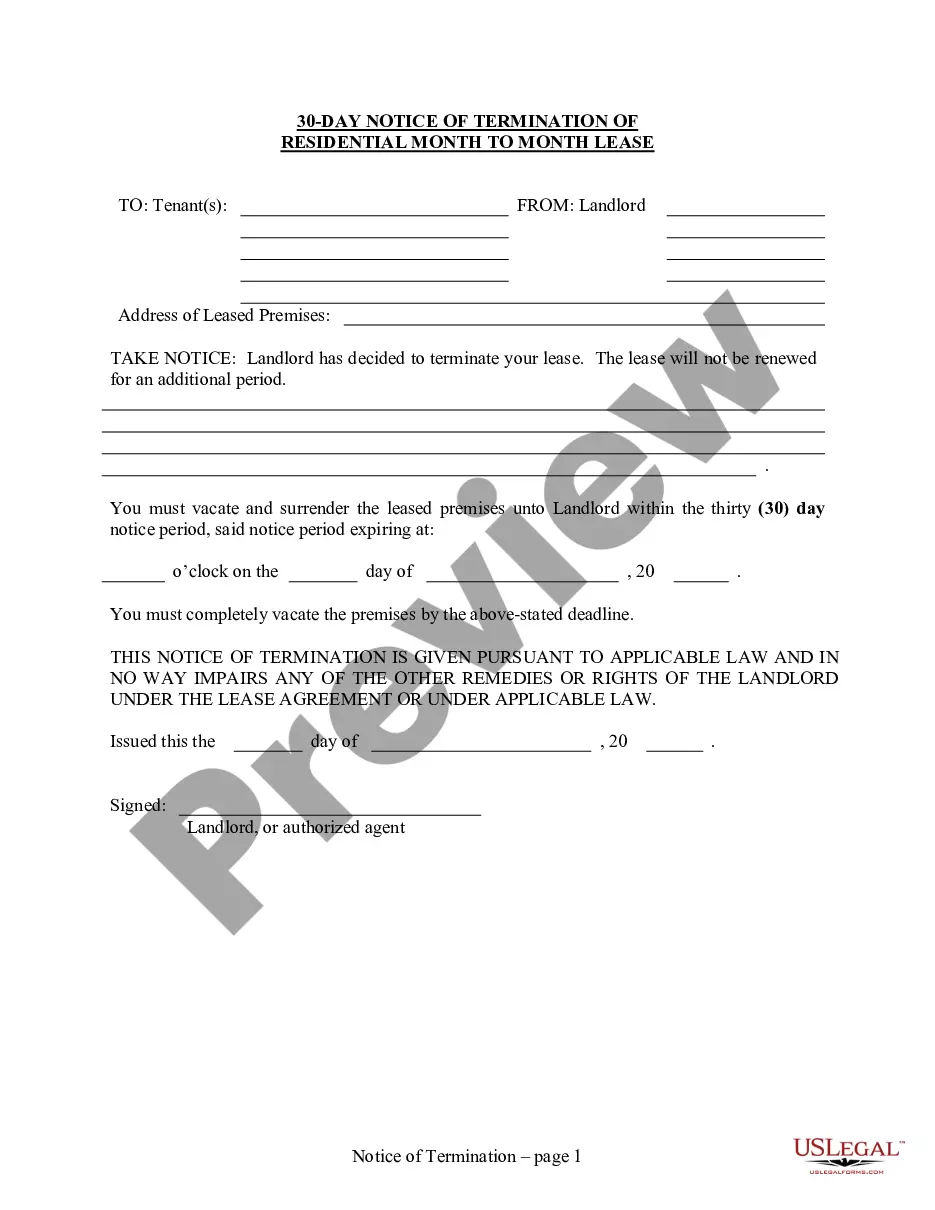
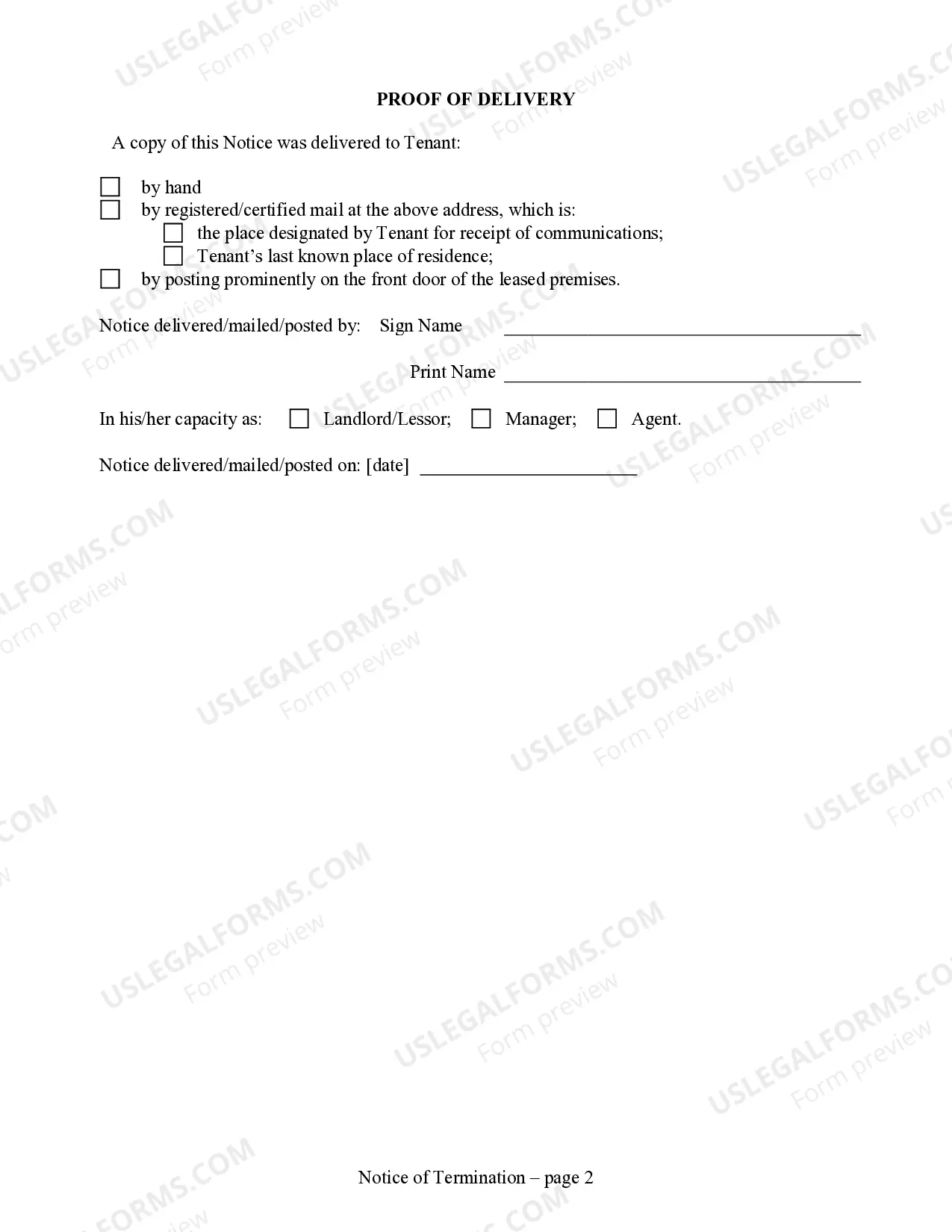
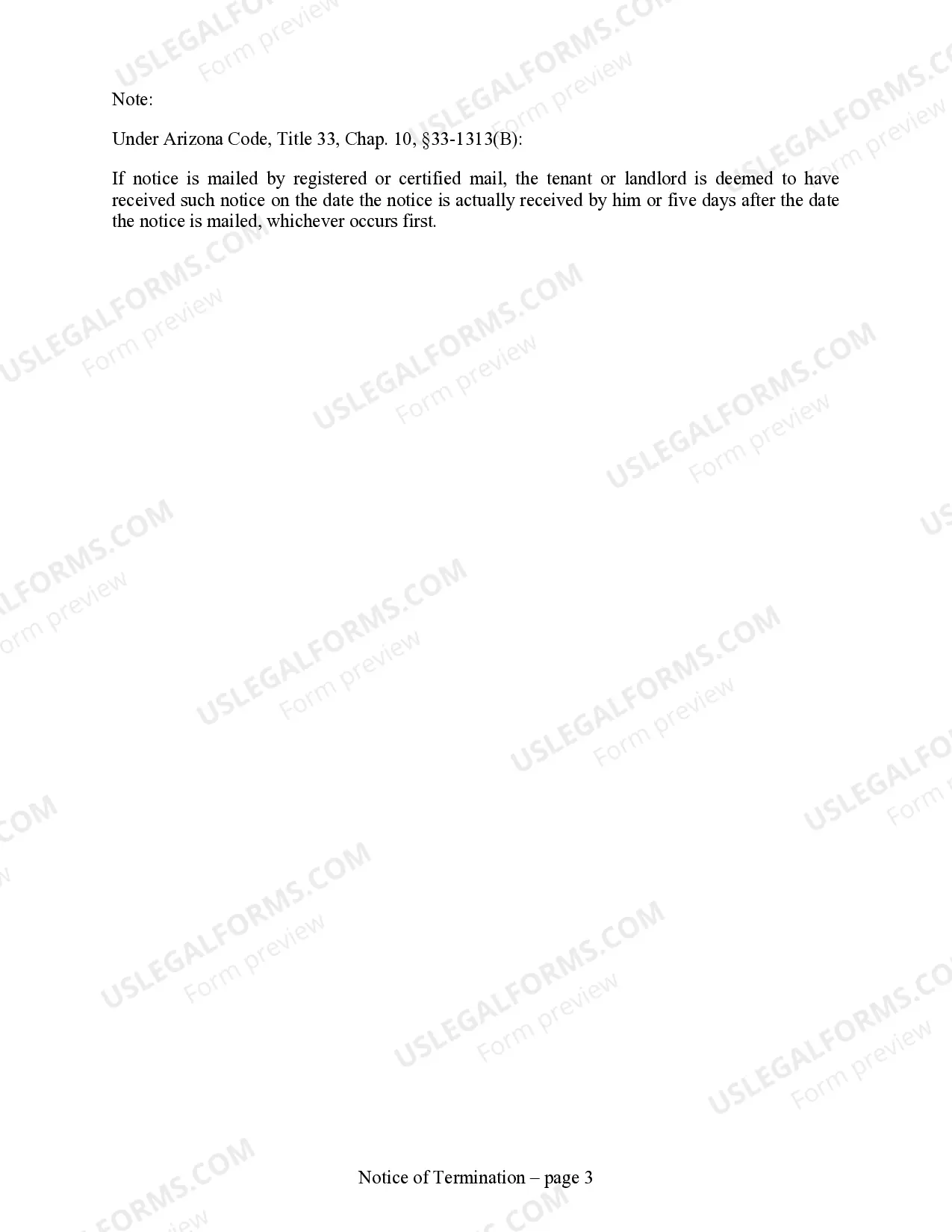
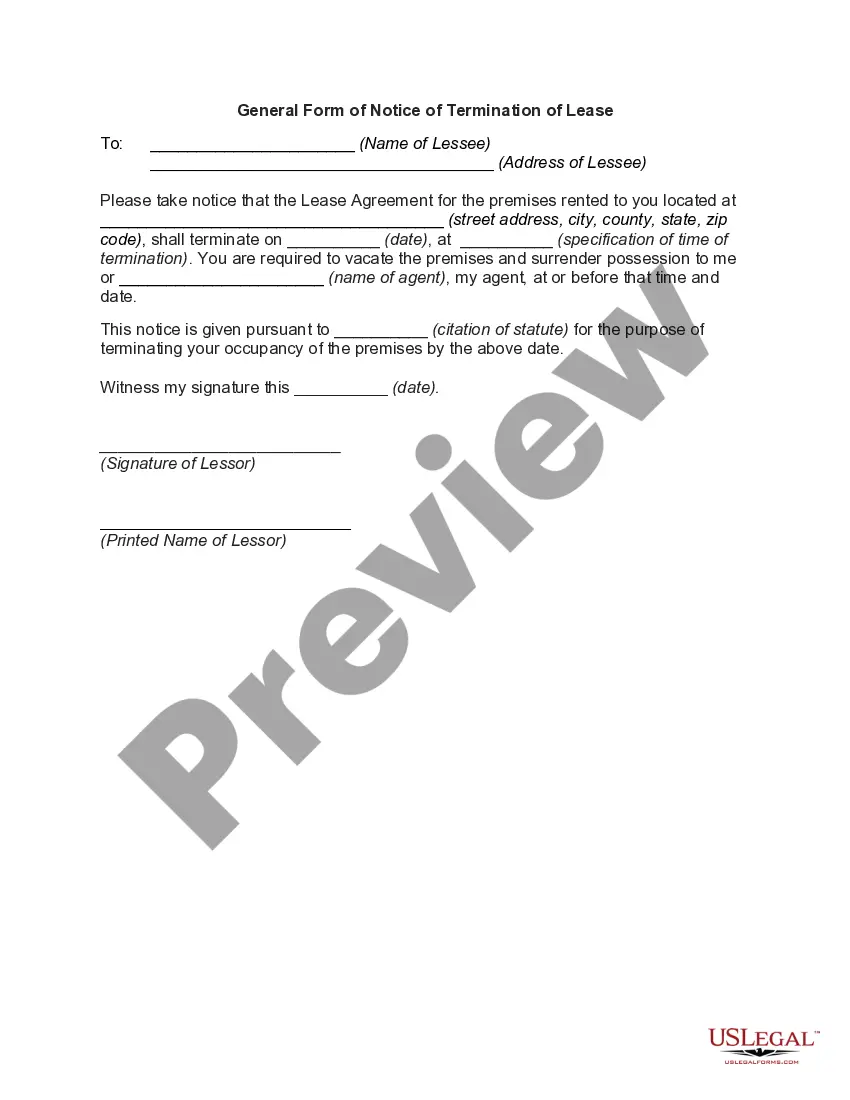
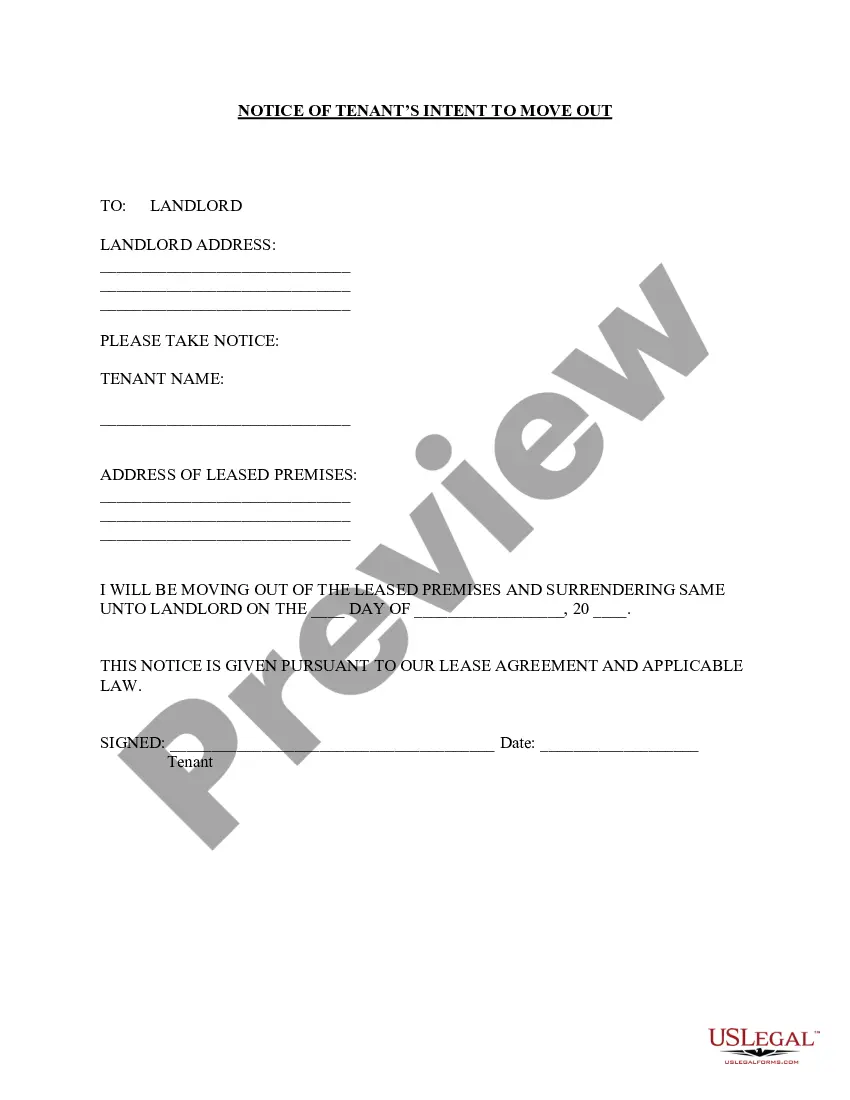

Get your form ready online
Our built-in tools help you complete, sign, share, and store your documents in one place.
Make edits, fill in missing information, and update formatting in US Legal Forms—just like you would in MS Word.
Download a copy, print it, send it by email, or mail it via USPS—whatever works best for your next step.
Sign and collect signatures with our SignNow integration. Send to multiple recipients, set reminders, and more. Go Premium to unlock E-Sign.
If this form requires notarization, complete it online through a secure video call—no need to meet a notary in person or wait for an appointment.
We protect your documents and personal data by following strict security and privacy standards.

Make edits, fill in missing information, and update formatting in US Legal Forms—just like you would in MS Word.

Download a copy, print it, send it by email, or mail it via USPS—whatever works best for your next step.

Sign and collect signatures with our SignNow integration. Send to multiple recipients, set reminders, and more. Go Premium to unlock E-Sign.

If this form requires notarization, complete it online through a secure video call—no need to meet a notary in person or wait for an appointment.

We protect your documents and personal data by following strict security and privacy standards.
Looking for another form?






How to fill out Arizona 30 Day Notice To Terminate Month To Month Lease - Residential From Landlord To Tenant?
- Visit the US Legal Forms website and log in to your account if you're a returning user, then click on the Download button for the required form template.
- If you're new to this service, start by checking the Preview mode and form description to make sure the template fits your needs and complies with your local laws.
- If necessary, use the Search tab to find the correct template that aligns with your jurisdiction requirements.
- Select the document you need by clicking the Buy Now button and choose the subscription plan that suits you best, ensuring you create an account to access the full library.
- Complete your purchase by entering your payment details via credit card or PayPal, allowing access to the templates immediately.
- Once your payment is processed, download the eviction notice form to your device and locate it anytime in the My Forms menu whenever needed.
Using US Legal Forms not only provides access to a robust collection of over 85,000 fillable legal forms but also guarantees you can get expert assistance if needed. This support ensures that your eviction notice is handled accurately.
Don't delay your legal process—utilize US Legal Forms today to create a compliant and effective 30 day eviction notice for tenant.
Form popularity
FAQ
A solid way to provide a 30 day eviction notice for tenant is to use a template to ensure you cover all necessary details. You can find ready-made templates on platforms like US Legal Forms, which provide legally compliant formats. Make sure to fill in specific information, such as the tenant's name, property address, and notice date. This approach simplifies the process and keeps everything organized.
To write a 30 day eviction notice for tenant, start with the date and ensure you address the tenant properly. State the intent for eviction, the date they must vacate, and any relevant reasons. Keep the language clear and concise to avoid misunderstandings. Consider using a template from US Legal Forms to ensure all required elements are included.
Yes, a 30 day eviction notice for tenant can be handwritten, as long as it includes all necessary information. Ensure that it clearly states the date, address, and specific terms for vacating the premises. While a typed document may look more professional, a handwritten notice can still be legally binding. Just be sure to keep it legible and straightforward.
A notice to vacate may be invalid due to several factors, including improper delivery or lack of proper date. For a 30 day eviction notice for tenant to be valid, it must clearly state the reason for eviction and comply with local laws. Additionally, if the lease has not expired or was not properly executed, it could also be deemed invalid. Accurate details are crucial to ensure a successful process.
In Tennessee, the minimum eviction notice is usually 30 days for a month-to-month tenancy. This 30 day eviction notice for tenant informs the tenant of the need to vacate the property. However, different situations may require varying notice periods, so review your specific circumstances. Consult local laws or seek legal advice for clarity on your case.
Typically, a 30 day eviction notice for tenant does not need to be notarized. However, local laws may vary, so it's important to check your state's regulations. By keeping this document simple and clear, you can facilitate the eviction process effectively. Always ensure you deliver the notice properly to avoid any future disputes.
After an eviction order is issued in Alabama, tenants usually have up to 7 days to vacate, but this can depend on individual circumstances. If you received a 30 day eviction notice for tenant, ensure you are aware of your legal rights and understand the timeline. Engaging with relevant resources, such as uslegalforms, can help clarify your obligations and options, making the process easier to navigate.
In Ohio, a tenant typically must provide a landlord with a 30 day eviction notice for tenant if they plan to move out. This notice should come in written form and state the intention to vacate the rental property. Adhering to this timeframe allows both parties to prepare for a smooth transition, reducing potential conflicts. Always check your lease agreement for any additional terms regarding notice requirements.
A landlord in Ohio can evict a tenant after serving a 30 day eviction notice for tenant and following proper legal procedures. If the tenant does not respond or vacate, the landlord may take the case to court, which can lead to eviction in as little as 30 to 45 days. Prompt action by the landlord is essential to maintain a smooth process. Remember to stay informed about your rights and options during this time.
If you receive a 30 day eviction notice for tenant in Ohio, you can take steps to delay the process. Consider negotiating with your landlord to discuss a repayment plan or request more time to vacate. Additionally, you can file a motion to contest the eviction in court, which might extend the timeline. Each situation is unique, so be sure to seek legal advice for the best approach.