Transfer Death Tod Agreement For The Us
Description



Get your form ready online
Our built-in tools help you complete, sign, share, and store your documents in one place.
Make edits, fill in missing information, and update formatting in US Legal Forms—just like you would in MS Word.
Download a copy, print it, send it by email, or mail it via USPS—whatever works best for your next step.
Sign and collect signatures with our SignNow integration. Send to multiple recipients, set reminders, and more. Go Premium to unlock E-Sign.
If this form requires notarization, complete it online through a secure video call—no need to meet a notary in person or wait for an appointment.
We protect your documents and personal data by following strict security and privacy standards.

Make edits, fill in missing information, and update formatting in US Legal Forms—just like you would in MS Word.

Download a copy, print it, send it by email, or mail it via USPS—whatever works best for your next step.

Sign and collect signatures with our SignNow integration. Send to multiple recipients, set reminders, and more. Go Premium to unlock E-Sign.

If this form requires notarization, complete it online through a secure video call—no need to meet a notary in person or wait for an appointment.

We protect your documents and personal data by following strict security and privacy standards.
Looking for another form?


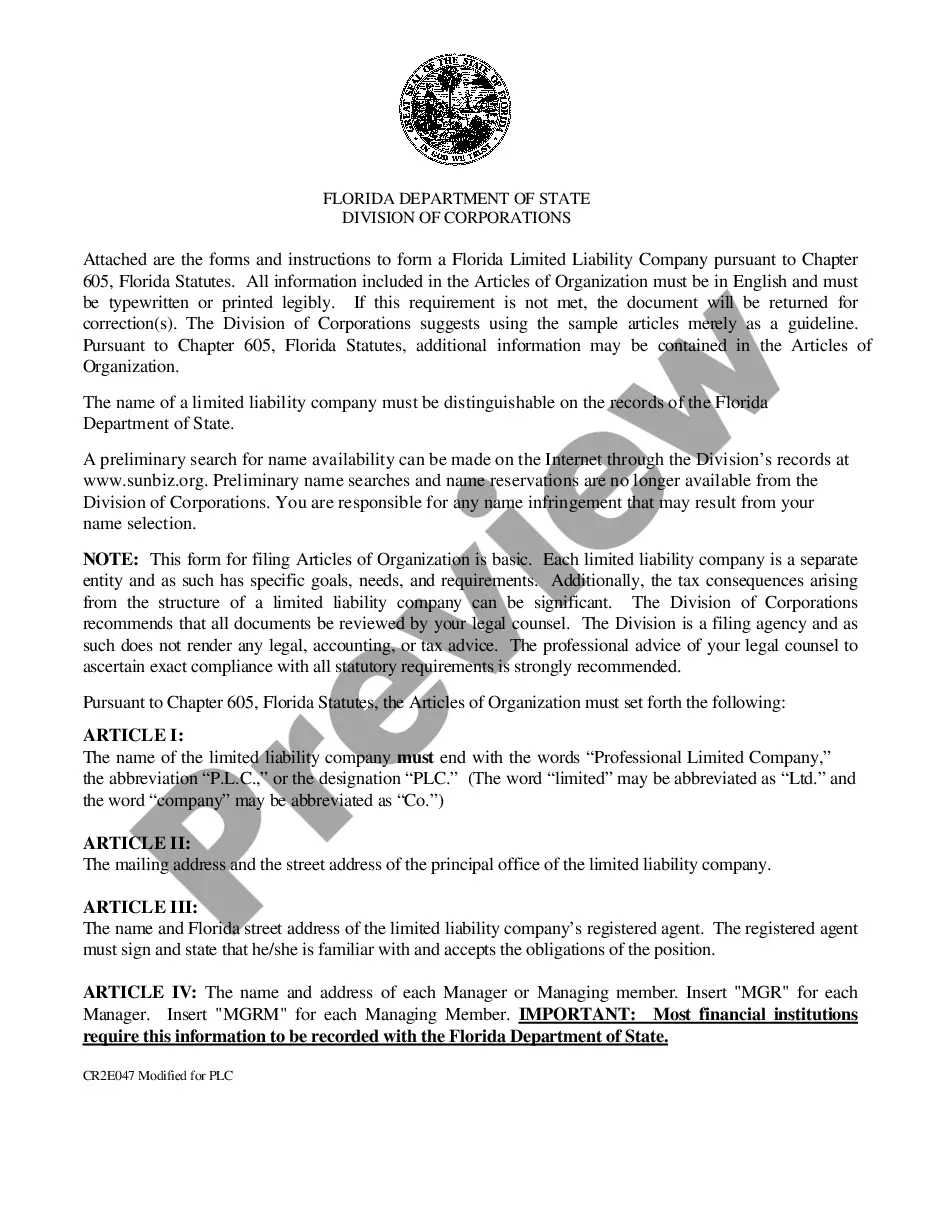






How to fill out Arizona Transfer On Death Or TOD - Beneficiary Deed - Individual Grantor To Three Individuals?
- Log in to your US Legal Forms account if you are a returning user. Ensure your subscription is active; renew if necessary.
- If you are a new user, start by exploring the library. Use the Preview mode to review form details and ensure it matches your jurisdiction's requirements.
- If the desired template doesn’t meet your needs, utilize the Search feature to find an appropriate document.
- Purchase the document by clicking on the Buy Now button and select a subscription plan that suits you. You’ll need to create an account for access.
- Complete your purchase by entering your payment information, either via credit card or PayPal.
- Download the form to your device and save it for easy access in the My Forms section of your account.
By following these straightforward steps, you'll quickly have your Transfer on Death agreement ready to go. US Legal Forms not only offers a vast selection of legal documents but also provides access to expert assistance to ensure your forms are completed accurately.
Don’t hesitate to take control of your legal needs. Start your journey with US Legal Forms today and simplify your legal documentation process!
Form popularity
FAQ
Yes, New York State allows the use of Transfer on Death (TOD) deeds. This means that property owners in New York can designate beneficiaries to receive their real estate automatically upon their death, bypassing unwanted probate delays. Utilizing a TOD agreement for the US can significantly streamline the transfer process and provide peace of mind. For more information on how to set this up correctly, consider exploring the resources offered by USLegalForms.
The best way to leave property after your passing depends on your individual circumstances and preferences. Many people find that using a Transfer on Death (TOD) agreement for the US provides a straightforward solution, allowing beneficiaries to receive property without going through probate. Additionally, it may be wise to consult an estate planning expert. For comprehensive forms and assistance, USLegalForms serves as a valuable resource.
Choosing between a Transfer on Death (TOD) agreement and naming a beneficiary involves various factors. A TOD deed simplifies transferring property directly to heirs upon the owner's passing, avoiding probate. In contrast, naming a beneficiary allows the use of life insurance or retirement accounts, but could complicate the transfer of real estate. Evaluating your situation fully with resources like USLegalForms can help determine the best solution for your estate planning needs.
Yes, New Jersey does allow Transfer on Death (TOD) deeds. This legal tool enables property owners to transfer real estate to beneficiaries upon their death without the need for probate. By creating a TOD agreement for the US, you can streamline the process and ensure your property goes to your chosen heirs efficiently. To learn more about how to utilize this option, consider exploring USLegalForms for detailed guidance.
In New York, the rules for a Transfer on Death agreement allow individuals to transfer real property without probate. However, it's important to file the appropriate paperwork, including a TOD deed, with the county clerk. Additionally, beneficiaries must be clearly named, and careful consideration of state-specific requirements is essential to ensure the validity of the transfer.
To set up a Transfer on Death account, you must first contact your bank or financial institution to inquire about their specific process. Generally, you will need to fill out a TOD designation form that names the beneficiary. After completing the form, make sure to keep a copy and inform your beneficiary of the arrangement.
A Transfer on Death agreement for the US typically does not avoid inheritance tax, as the transferred assets may still be subject to tax upon the death of the owner. However, the specific rules can vary by state. It's advisable to consult a tax professional to understand any potential tax liabilities associated with the transfer of assets.
Disadvantages of a Transfer on Death deed include its inability to manage real estate during the owner’s life and the potential for family disputes. This type of agreement may also not be recognized in all states with equal strength. Additionally, if the named beneficiary passes away before the owner, the transfer may become complicated, and a new deed will be required.
While you can complete a Transfer on Death agreement for the US without a lawyer, consulting one can help prevent potential legal issues. A lawyer provides guidance on the implications of transferring assets upon death. They can also assist in ensuring that the TOD deed complies with state regulations and accurately reflects your wishes.
One downside of a Transfer on Death (TOD) agreement for the US is that it may not provide benefits if the estate has outstanding debts. Furthermore, the asset may be subject to creditor claims after death. Also, it does not allow for management of the asset during the owner's lifetime, which could lead to complications if the owner becomes incapacitated.