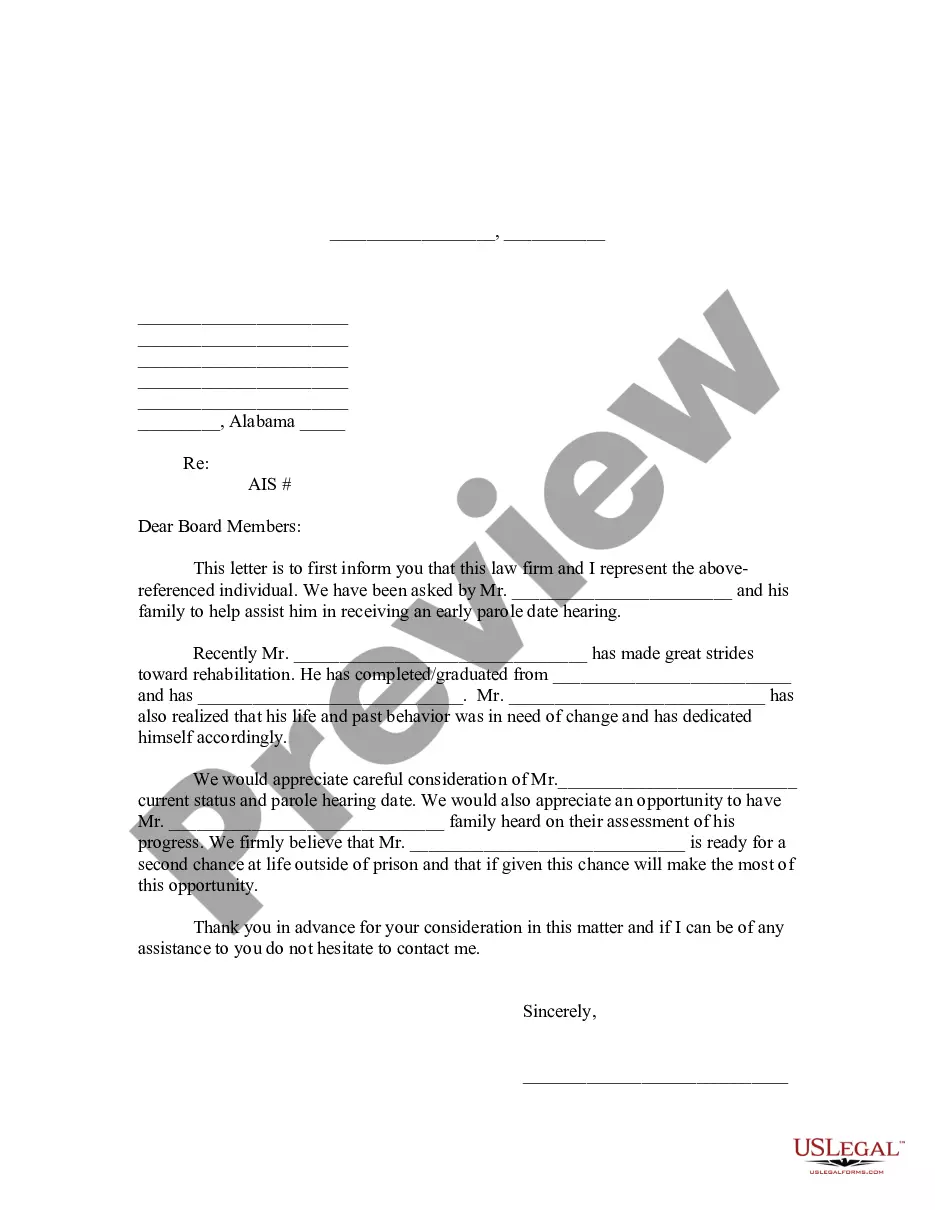
Example Of Support Letter For Inmate
Description



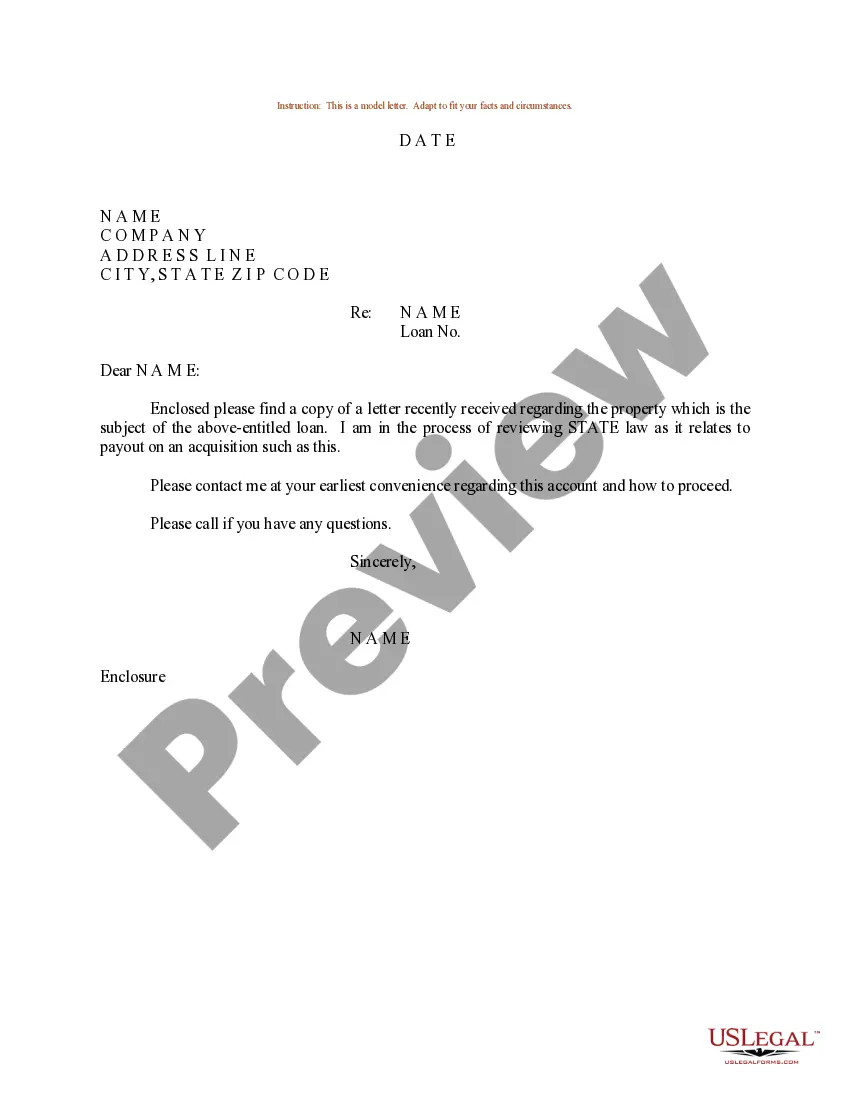
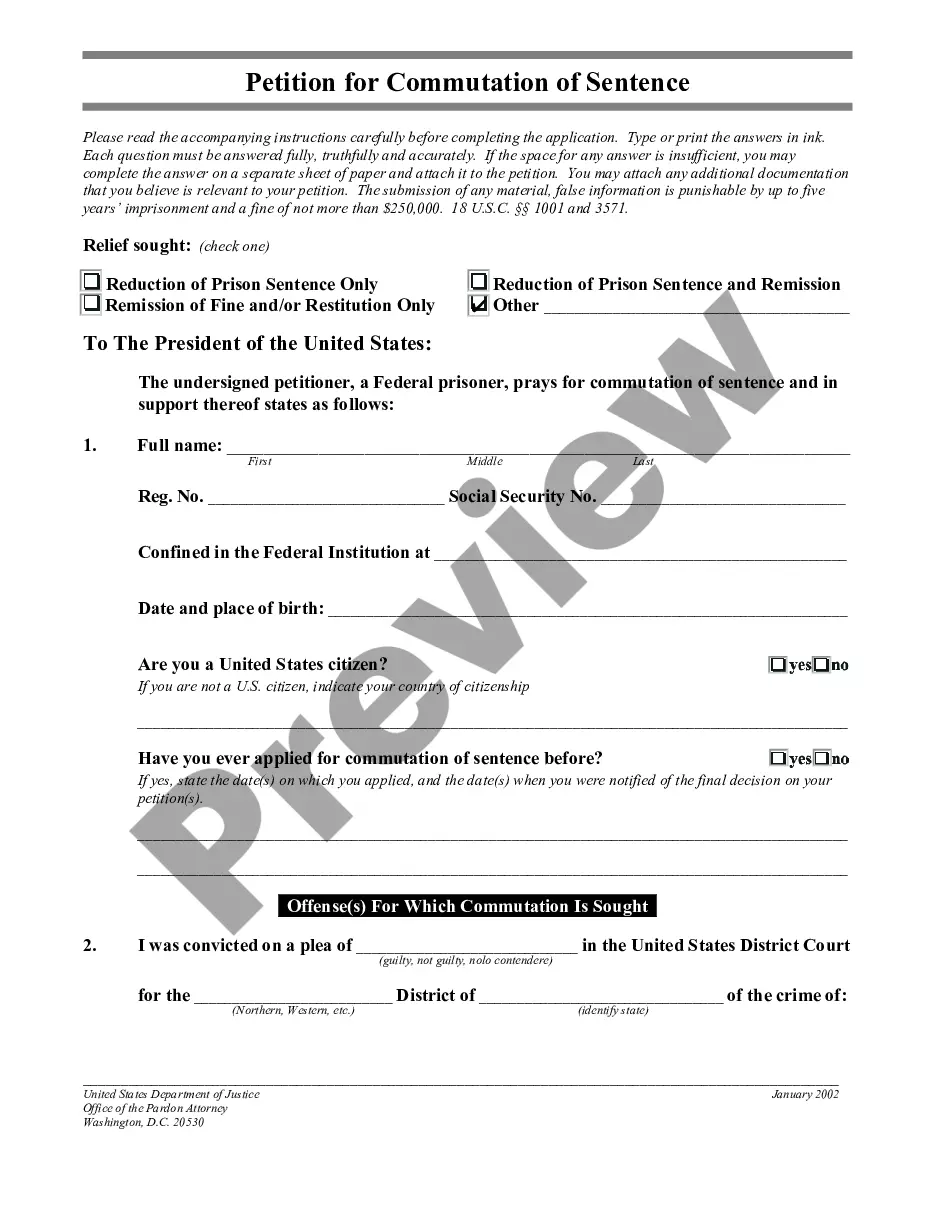
Get your form ready online
Our built-in tools help you complete, sign, share, and store your documents in one place.
Make edits, fill in missing information, and update formatting in US Legal Forms—just like you would in MS Word.
Download a copy, print it, send it by email, or mail it via USPS—whatever works best for your next step.
Sign and collect signatures with our SignNow integration. Send to multiple recipients, set reminders, and more. Go Premium to unlock E-Sign.
If this form requires notarization, complete it online through a secure video call—no need to meet a notary in person or wait for an appointment.
We protect your documents and personal data by following strict security and privacy standards.

Make edits, fill in missing information, and update formatting in US Legal Forms—just like you would in MS Word.

Download a copy, print it, send it by email, or mail it via USPS—whatever works best for your next step.

Sign and collect signatures with our SignNow integration. Send to multiple recipients, set reminders, and more. Go Premium to unlock E-Sign.

If this form requires notarization, complete it online through a secure video call—no need to meet a notary in person or wait for an appointment.

We protect your documents and personal data by following strict security and privacy standards.
Looking for another form?
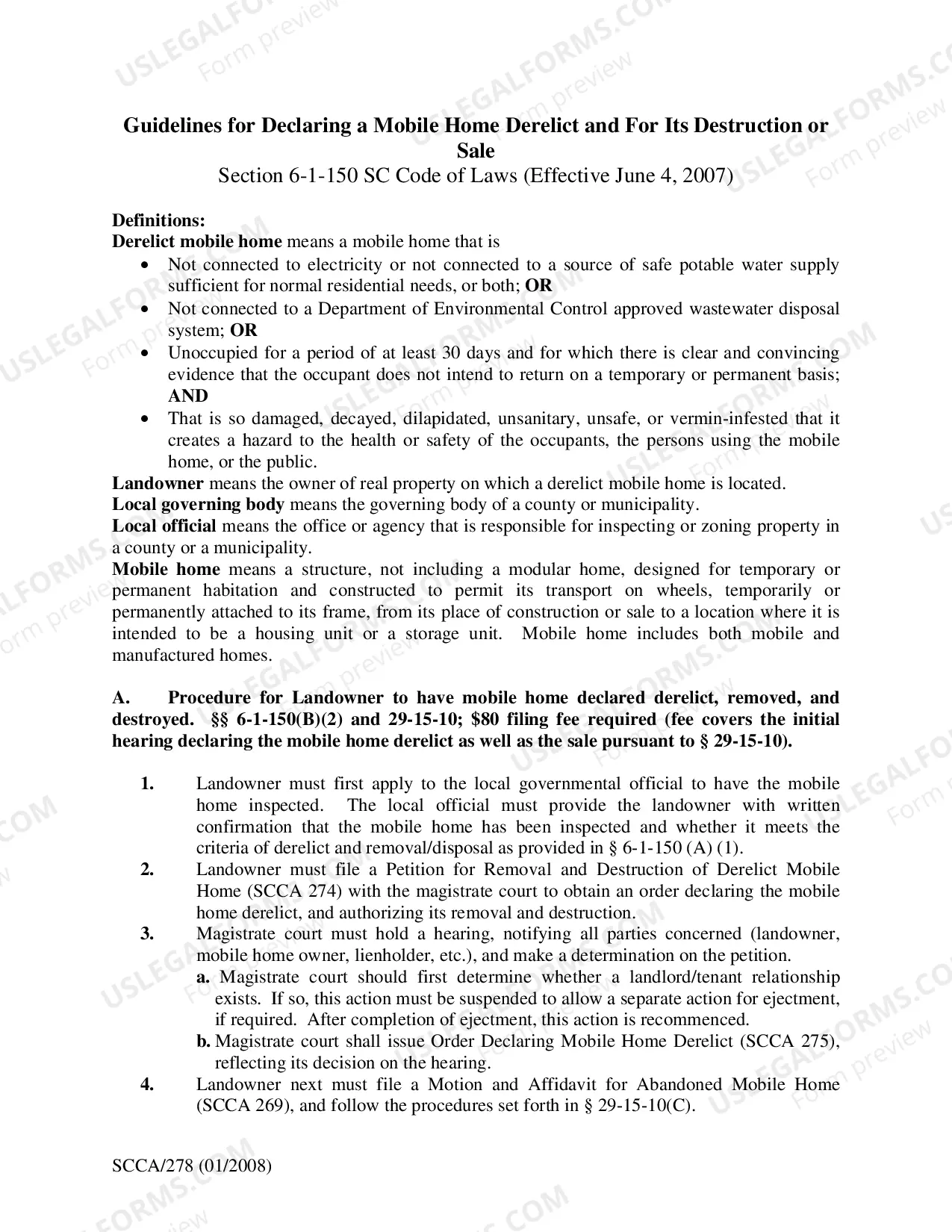
How to fill out Alabama Letter To Parol Board Members By Attorney Requesting Parol Of Inmate For Family?
Legal administration can be overwhelming, even for seasoned professionals.
When you are looking for a Sample Support Letter for Inmate and lack the time to search for the correct and current version, the processes can be stressful.
US Legal Forms caters to any requirements you may have, from personal to business paperwork, all in one location.
Utilize advanced tools to complete and manage your Sample Support Letter for Inmate.
Here are the steps to follow after downloading the form you need: Confirm it is the correct form by previewing it and reviewing its description. Ensure that the template is accepted in your state or county. Click Buy Now once you are ready. Choose a subscription plan. Select the file format you need, and Download, fill out, eSign, print, and send your documents. Take advantage of the US Legal Forms online library, supported by 25 years of experience and trustworthiness. Transform your regular document management into a straightforward and user-friendly process today.
- Access a resource hub of articles, guides, and materials relevant to your situation and needs.
- Save time and effort searching for the documents you require, and use US Legal Forms' advanced search and Preview feature to locate Sample Support Letter for Inmate and obtain it.
- If you have a monthly subscription, Log In to your US Legal Forms account, search for the form, and download it.
- Check the My documents tab to view the documents you have previously downloaded and to organize your folders as you see fit.
- If this is your first time with US Legal Forms, create an account and gain unlimited access to all the benefits of the library.
- A robust online form repository could be transformative for anyone wanting to manage these circumstances effectively.
- US Legal Forms is a frontrunner in online legal documents, offering over 85,000 state-specific legal forms available to you at any time.
- With US Legal Forms, you can access state- or county-specific legal and business documents.
Form popularity
FAQ
Address the envelope. On the first line, write the inmate's name and number. On the second line, write the physical address of the prison, or the P.O. box where the prison accepts inmate mail. On the third line, write the city, state, and zip code.
Simon Says Step 1: Choose an appropriate format. ... Step 2: Introduce yourself. ... Step 3: Describe your relationship with the offender and why you think the offender is unlikely to reoffend or violate parole conditions. ... Step 4: Explain how you will support the offender's rehabilitation. ... Step 5: Conclude your letter.
Your correspondence may be opened by the prison. Don't say anything that could cause repercussions for your correspondent, such as disparaging remarks about prison officials. Sexual or violent content is likely to prevent your letter from being delivered.
What to write Introduce yourself ? tell them your name, general location, and how you found out about them. Share things about yourself and the outside world. ... Ask questions to get to know them ? such as how they're doing, plans they have for the future, and what their interests are.
Letters may include information regarding employment/potential employment, residence, transportation, available treatment programs (as applicable), or other information the writer feels would be helpful to the parole panel in making their decision. Be sure to include the offender's name and TDCJ number.