Eviction Forgiveness Rentals
Description
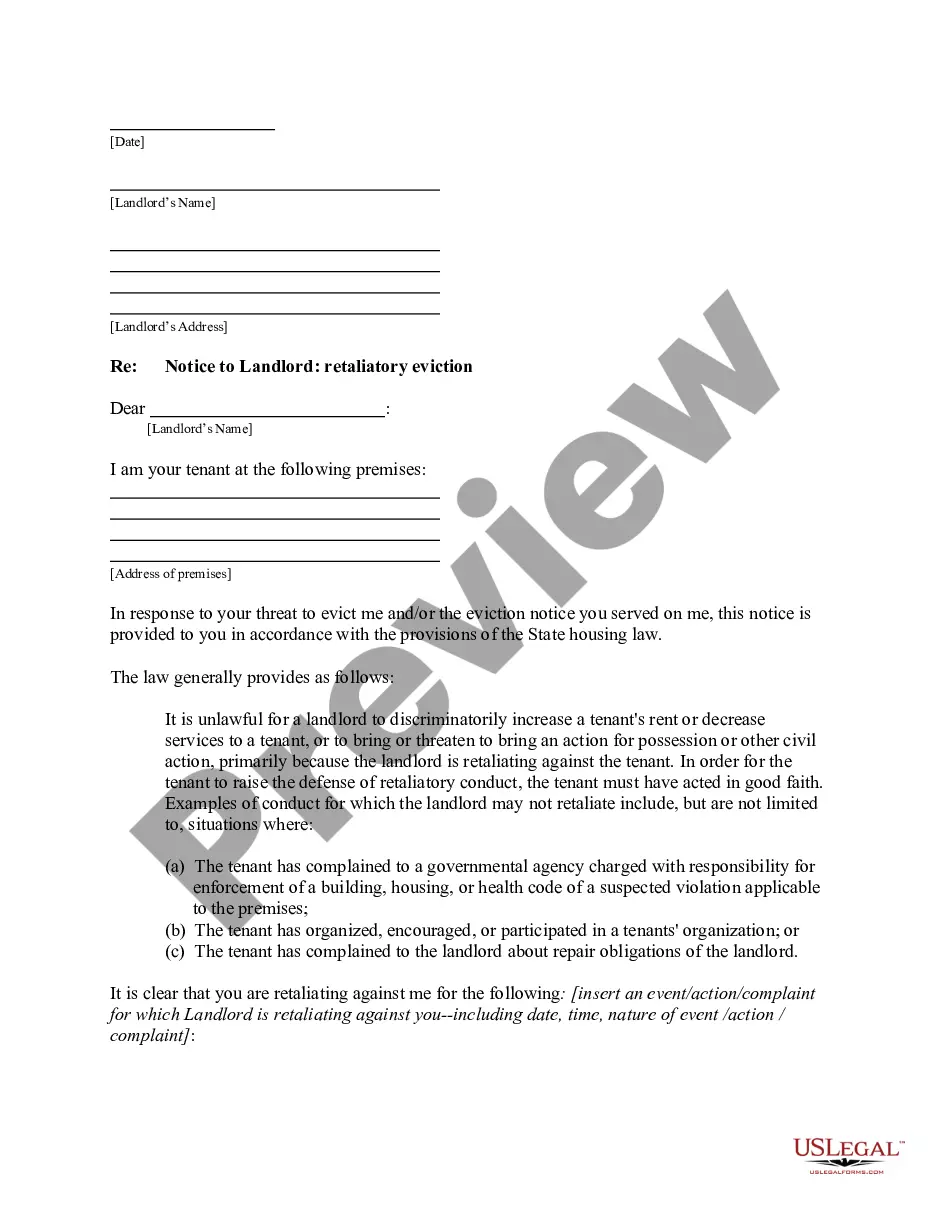

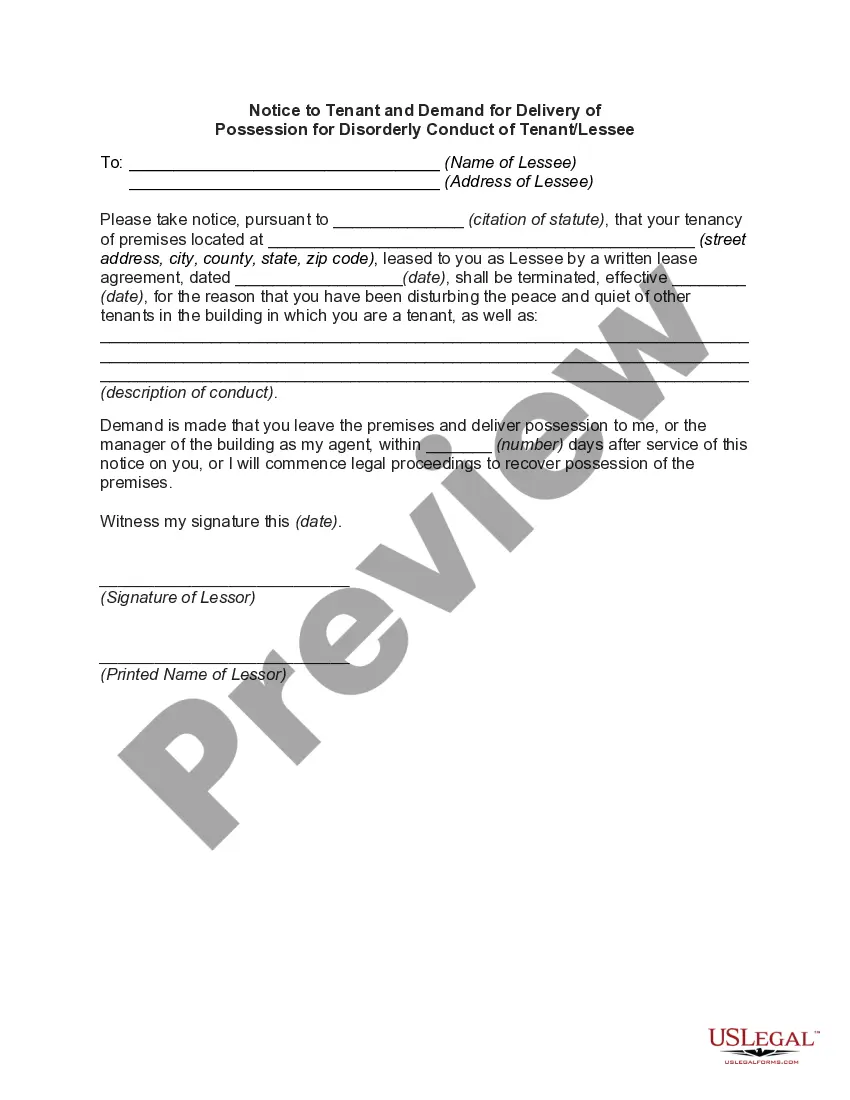
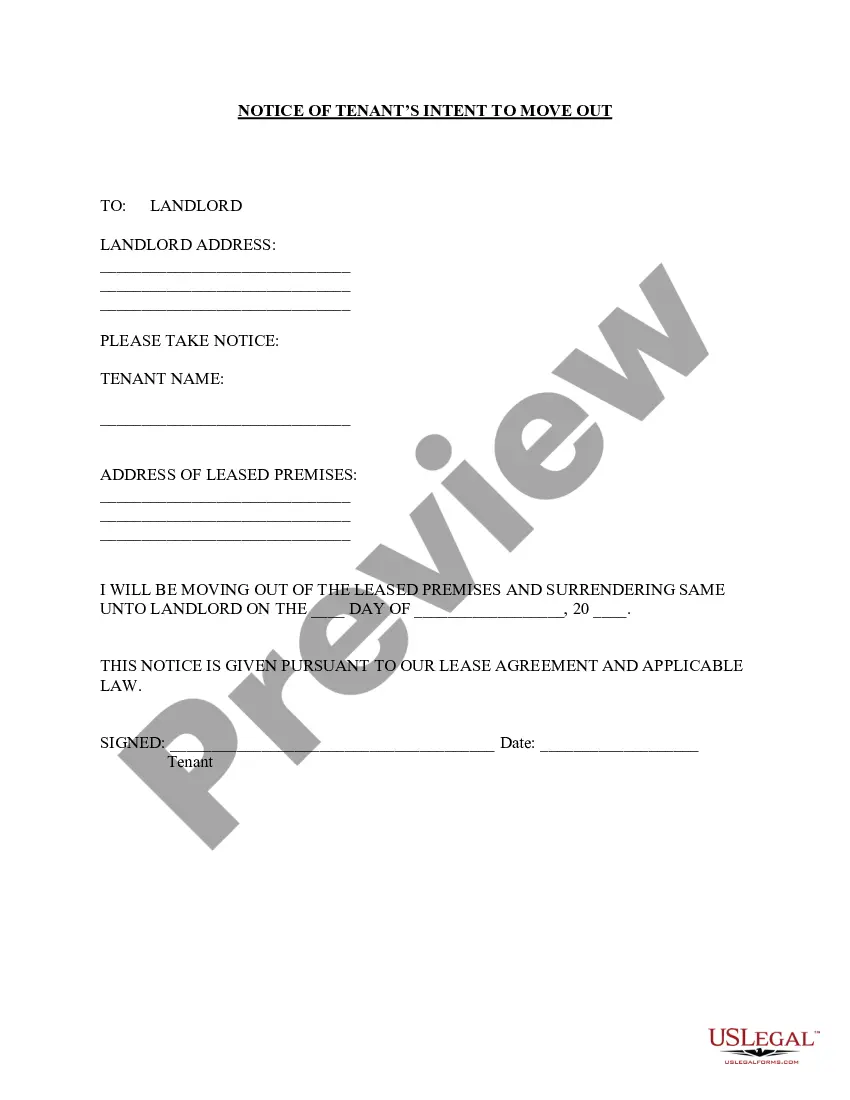


Get your form ready online
Our built-in tools help you complete, sign, share, and store your documents in one place.
Make edits, fill in missing information, and update formatting in US Legal Forms—just like you would in MS Word.
Download a copy, print it, send it by email, or mail it via USPS—whatever works best for your next step.
Sign and collect signatures with our SignNow integration. Send to multiple recipients, set reminders, and more. Go Premium to unlock E-Sign.
If this form requires notarization, complete it online through a secure video call—no need to meet a notary in person or wait for an appointment.
We protect your documents and personal data by following strict security and privacy standards.

Make edits, fill in missing information, and update formatting in US Legal Forms—just like you would in MS Word.

Download a copy, print it, send it by email, or mail it via USPS—whatever works best for your next step.

Sign and collect signatures with our SignNow integration. Send to multiple recipients, set reminders, and more. Go Premium to unlock E-Sign.

If this form requires notarization, complete it online through a secure video call—no need to meet a notary in person or wait for an appointment.

We protect your documents and personal data by following strict security and privacy standards.
Looking for another form?








Form popularity
FAQ
To remove an eviction from a tenant screening report, start with a thorough review of your report for inaccuracies. If you find legitimate grounds for removal, gather necessary documentation and reach out to the screening company. Using resources like USLegalForms can facilitate this process and assist with the required steps for eviction forgiveness rentals.
When explaining an eviction on a rental application, be honest and straightforward. You can describe the circumstances that led to the eviction and emphasize what you have learned since then. Highlight any steps you have taken towards eviction forgiveness rentals or rebuilding your rental history to build trust with potential landlords.
An eviction typically stays on your record for seven years. However, the impact of an eviction can diminish over time, especially if you show consistent, responsible renting behaviors during this period. Some options, like eviction forgiveness rentals, may help alleviate the negative effects sooner.
Deleting your rental history may not be straightforward, but you can take steps to manage what appears to potential landlords. First, review your tenant screening reports for errors. If there are inaccuracies, reach out to the reporting company. You may also consider leveraging eviction forgiveness rentals as a way to show your positive rental history despite past issues.
Removing an eviction from a tenant screening report involves contacting the screening company. Request a copy of your report to verify any inaccuracies. If you qualify for eviction forgiveness rentals, you may present evidence of your situation to have the entry removed or corrected.
To write a letter to your landlord to stop an eviction, start by clearly stating your intention to resolve the issue. Mention any plans you have for eviction forgiveness rentals, like making a payment or negotiating a repayment plan. Be polite and concise while expressing your desire for collaboration to find a mutual solution.
Yes, you can have an eviction removed from your credit report, especially if you demonstrate eviction forgiveness rentals. Begin by contacting the credit bureaus and presenting any evidence that supports your case, such as a settlement or agreement with your landlord. The process can take time, but many tenants have successfully improved their credit scores by addressing eviction listings.
The hardship relief program in New York is designed to help tenants facing financial difficulties due to unforeseen circumstances. This program offers assistance with rental payments and can prevent eviction. By engaging with this program, you can find stability and security within your housing situation. Also, consider looking into eviction forgiveness rentals if this program aligns with your needs.
The new eviction law in New York state features enhanced protections for tenants, including longer notice periods and limits on evictions. It emphasizes the need for landlords to provide valid reasons for eviction, which helps protect vulnerable tenants. Staying informed about changes in the law is essential for both tenants and landlords. Exploring eviction forgiveness rentals may also become advantageous if you need more options.
To rent with an eviction on your record, start by improving your financial situation and gathering supportive documentation. Prepare references from previous landlords or employers to vouch for your reliability. Being upfront about your past will help as well. Finding eviction forgiveness rentals can make this process easier, as these landlords may be more understanding.
