Alabama Letter from Tenant to Landlord containing Notice to landlord to cease retaliatory threats to evict or retaliatory eviction
About this form
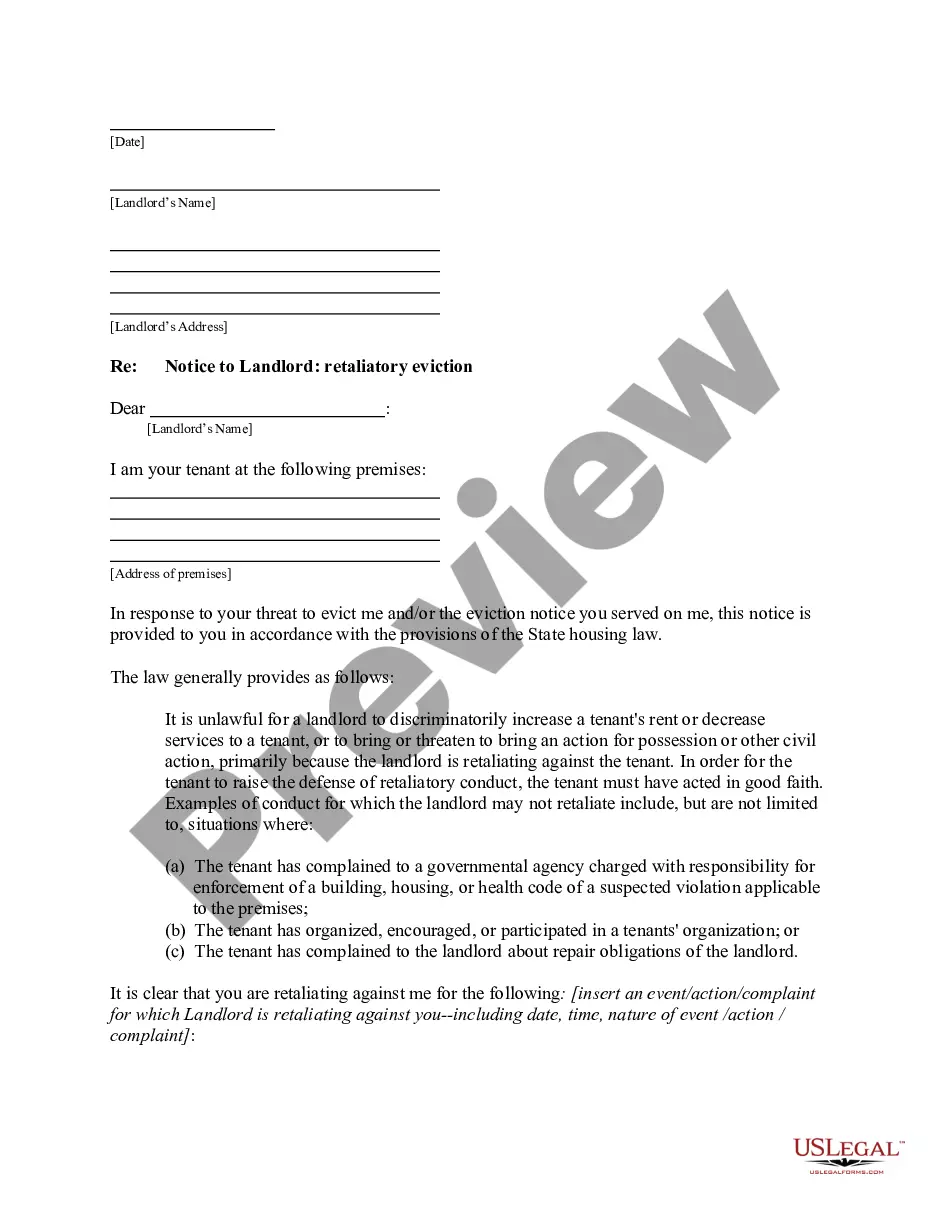
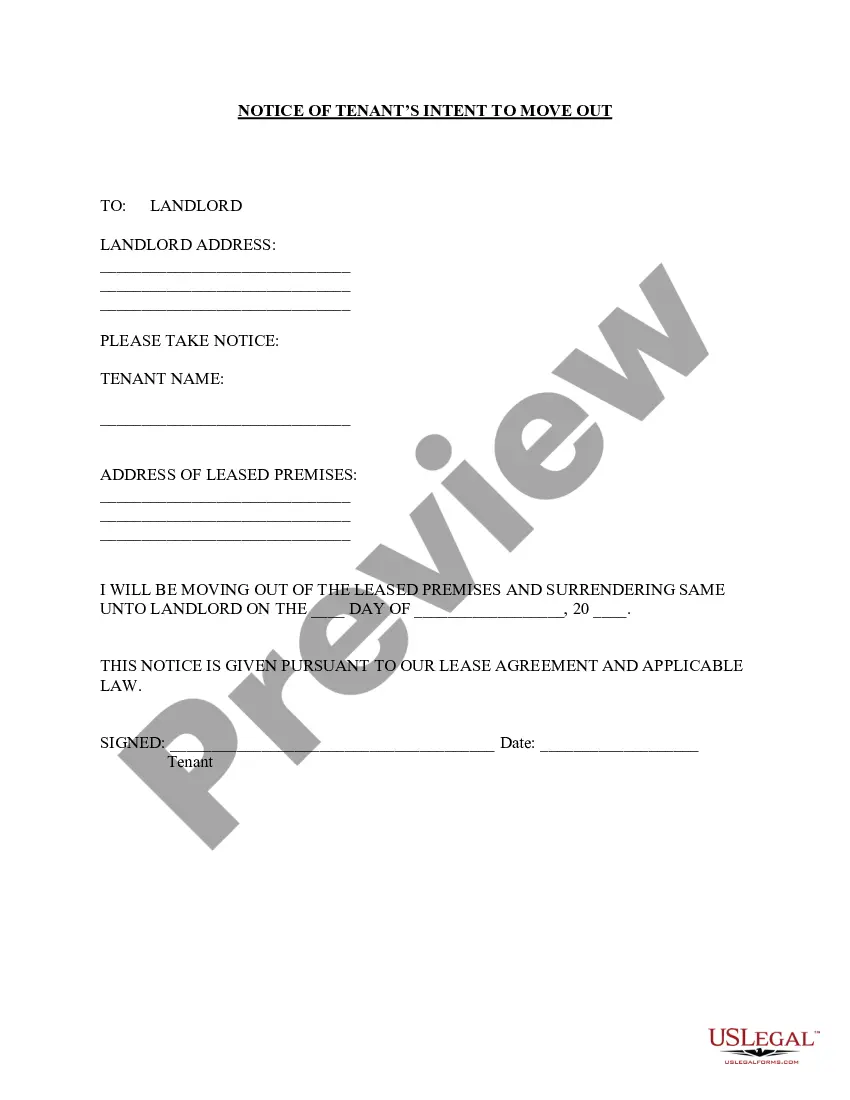
The Letter from Tenant to Landlord containing Notice to landlord to cease retaliatory threats to evict or retaliatory eviction is a legal document that allows tenants to formally address and contest their landlord's actions perceived as retaliatory. This notice is crucial for tenants who believe they are facing eviction threats as a form of retaliation, typically in response to their complaints or actions regarding housing issues. Unlike a standard eviction notice, this letter specifically focuses on the claim that the eviction is unjust and retaliatory, ensuring the tenant's rights are upheld.
Key components of this form
- Identification of the tenant and landlord, including contact information.
- A detailed account of the landlord's retaliatory actions or threats.
- References to relevant housing laws that protect tenants from retaliation.
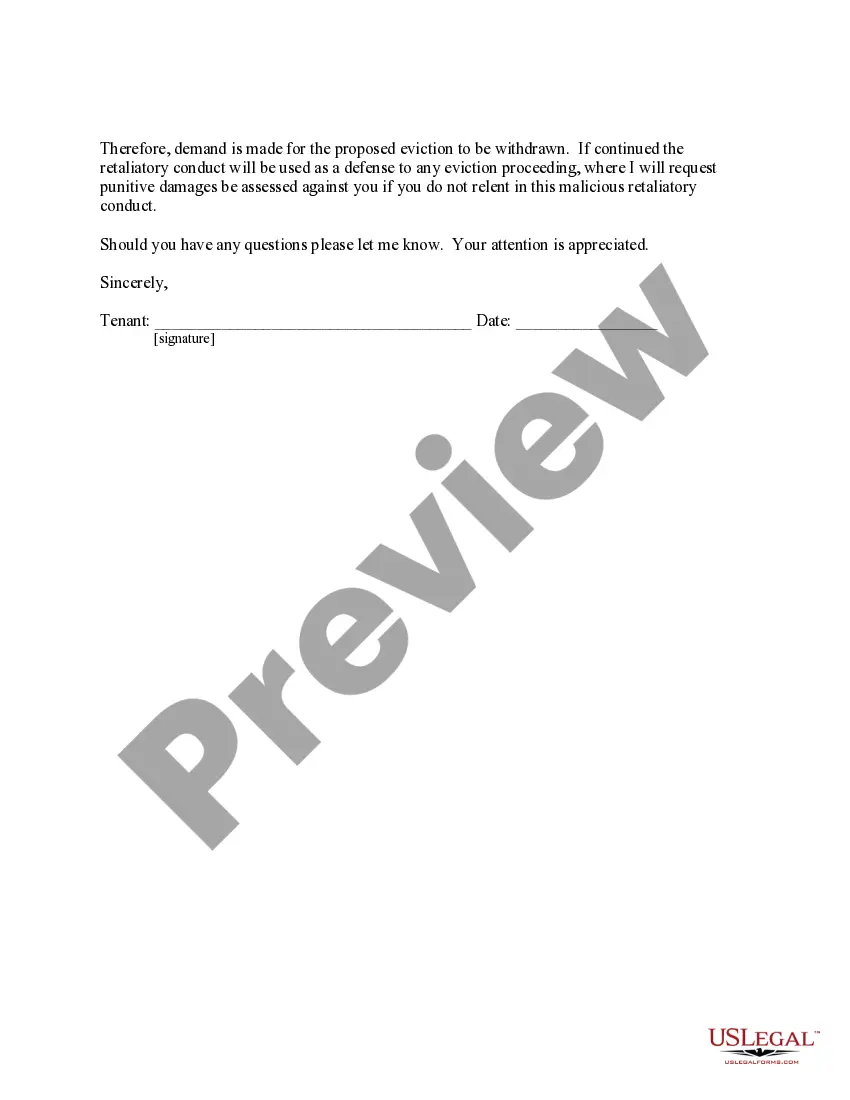
- Space for the tenant to express their demand for the landlord to cease the retaliatory actions.
- Signature of the tenant along with the date for legal validation.




When to use this form
This form should be used when a tenant feels threatened with eviction as a result of exercising their legal rights, such as reporting housing violations or participating in tenant advocacy groups. Itâs essential to ensure that the landlord is aware that the tenant considers the eviction threat as retaliation, which can protect the tenant under housing law.
Who needs this form
- Tenants facing eviction threats they believe are retaliatory in nature.
- Individuals who have reported landlords for code violations or requested repairs.
- Members of tenant organizations who are experiencing pushback from their landlords.
Instructions for completing this form
- Identify yourself as the tenant and provide the landlord's contact information.
- Clearly outline the retaliatory actions you have experienced.
- Reference any relevant housing laws that apply to your situation.
- State your demand for the landlord to cease these retaliatory actions.
- Sign and date the letter before delivering it to the landlord.
Does this document require notarization?
This form does not typically require notarization unless specified by local law. It is advisable to check local regulations to ensure compliance, but it is often sufficient for the tenant to sign the document before delivering it to the landlord.
Get your form ready online
Our built-in tools help you complete, sign, share, and store your documents in one place.
Make edits, fill in missing information, and update formatting in US Legal Forms—just like you would in MS Word.
Download a copy, print it, send it by email, or mail it via USPS—whatever works best for your next step.
Sign and collect signatures with our SignNow integration. Send to multiple recipients, set reminders, and more. Go Premium to unlock E-Sign.
If this form requires notarization, complete it online through a secure video call—no need to meet a notary in person or wait for an appointment.
We protect your documents and personal data by following strict security and privacy standards.

Make edits, fill in missing information, and update formatting in US Legal Forms—just like you would in MS Word.

Download a copy, print it, send it by email, or mail it via USPS—whatever works best for your next step.

Sign and collect signatures with our SignNow integration. Send to multiple recipients, set reminders, and more. Go Premium to unlock E-Sign.

If this form requires notarization, complete it online through a secure video call—no need to meet a notary in person or wait for an appointment.

We protect your documents and personal data by following strict security and privacy standards.
Common mistakes
- Failing to provide specific details about the retaliatory threats.
- Not citing relevant laws that protect against retaliation.
- Overlooking to sign and date the form before submission.
Benefits of using this form online
- Immediate access to a legally vetted form drafted by licensed attorneys.
- Conveniently editable to suit specific situations and needs.
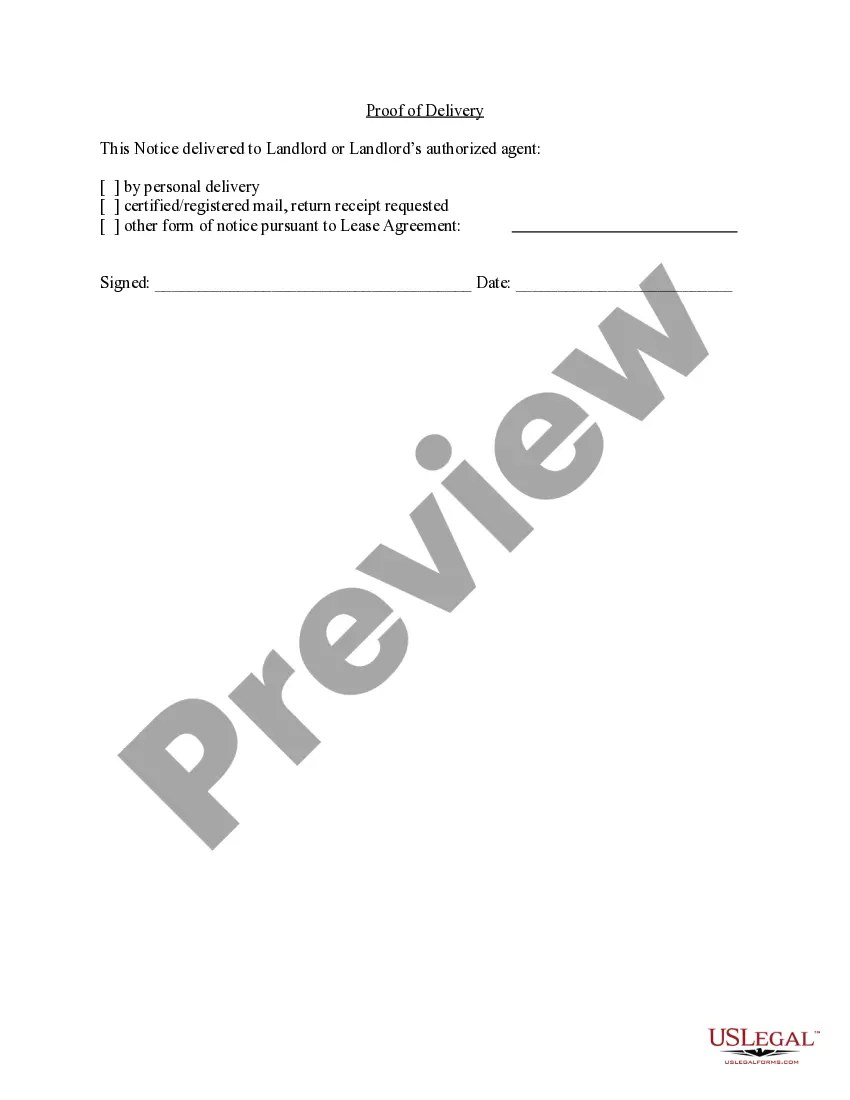
- Secure download for easy distribution to landlords or authorized agents.
Legal use & context
- The form serves as evidence that the tenant has formally notified the landlord about retaliatory threats.
- It is important for establishing a record that could be used in legal disputes regarding eviction.
- Using this form can help the tenant assert their rights under local housing laws.
What to keep in mind
- This form is essential for tenants facing retaliatory threats of eviction.
- It documents the tenant's belief and outlines actions that protect them under housing laws.
- Proper completion and delivery of this form is critical to assert legal protections against eviction.
Looking for another form?
Form popularity
FAQ
It is a formal Alabama tenant notice that targets retaliatory eviction threats by documenting the alleged retaliation and demanding the landlord cease those actions. The form is used when a tenant believes eviction threats arise from exercising housing rights, and it includes identification of the parties, a retaliation account, references to protections, a cease-demand, and a signature/date line.
Yes. This form provides a written way to tell your landlord to stop retaliatory threats or evictions. It includes identification of the parties, a description of the retaliation, references to housing protections, a clear demand to cease the actions, and a signature/date line to validate the notice.
A retaliatory eviction notice is an eviction threat or action taken in response to a tenant exercising rights, such as reporting code violations or requesting repairs. The Alabama form helps address such retaliation by outlining the alleged actions, referencing protections, and demanding the landlord cease those retaliatory steps.
To address retaliation, document every threatening action, complete and send the Alabama form to demand cessation, and keep copies for records. Include identification, a detailed account of retaliation, references to housing protections, and a signature. Consider consulting a licensed attorney or tenant advocacy group for guidance specific to your situation.
Avoid admissions that could weaken your position or waive protections. Do not promise not to report issues or admit fault. Use the form to present facts, dates, and your demand to stop retaliation, keeping your communication focused and professional. This helps preserve evidence and keeps the process on track.
This form is specifically designed to address retaliatory threats and evictions, including a demand to cease, and references to housing protections. A standard eviction notice simply informs of eviction; it does not confront retaliation or require cessation, nor include space to detail retaliation or attach legal references.