Granting Clause
About this form
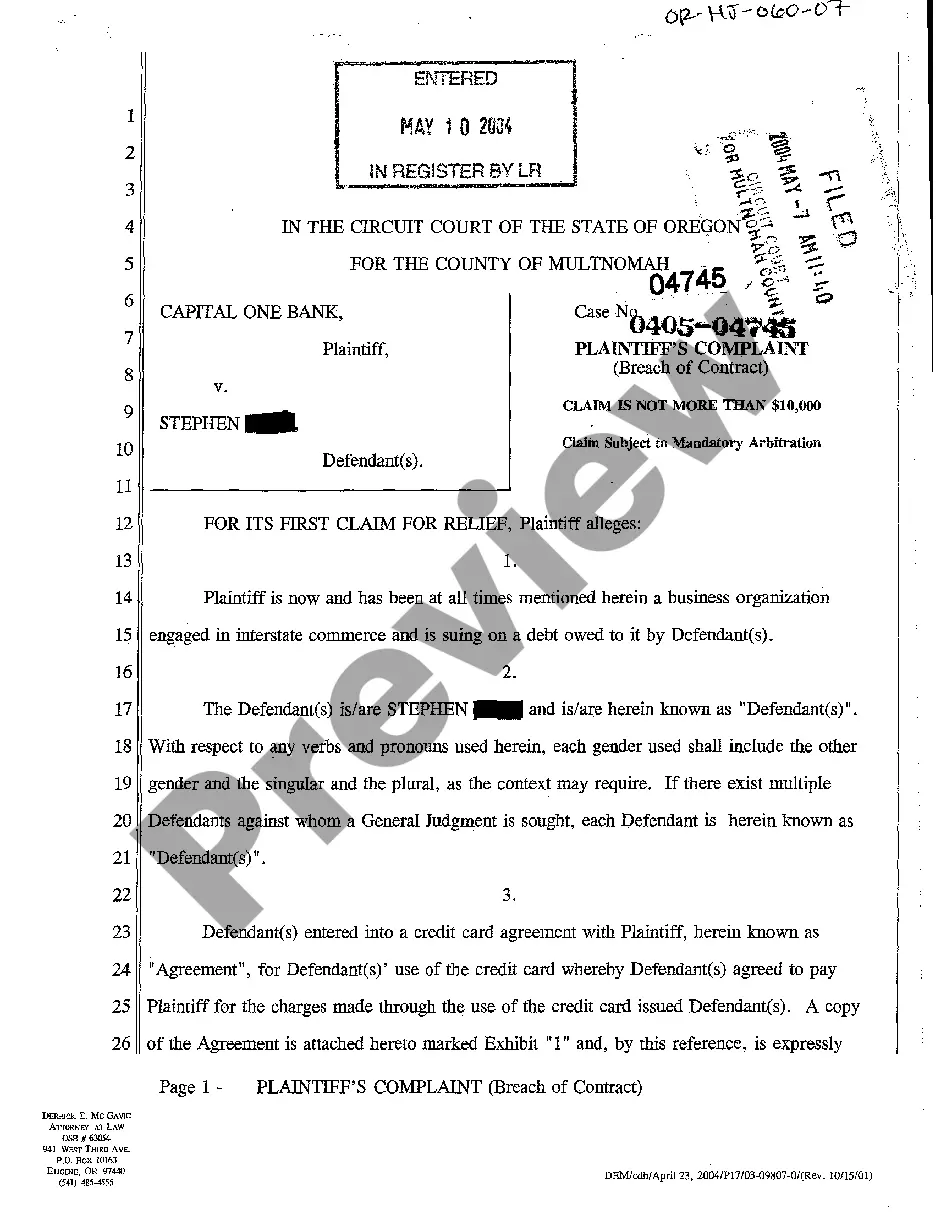
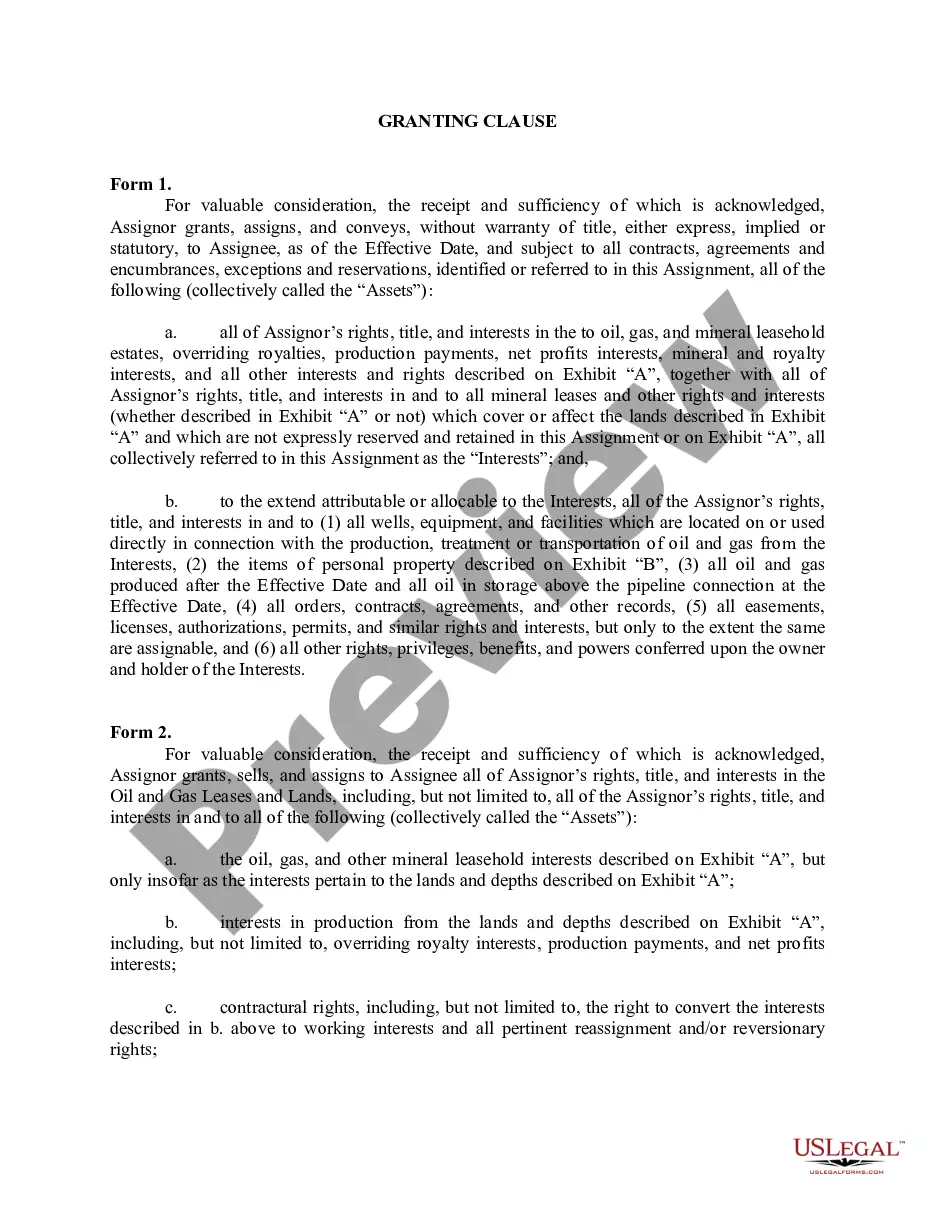
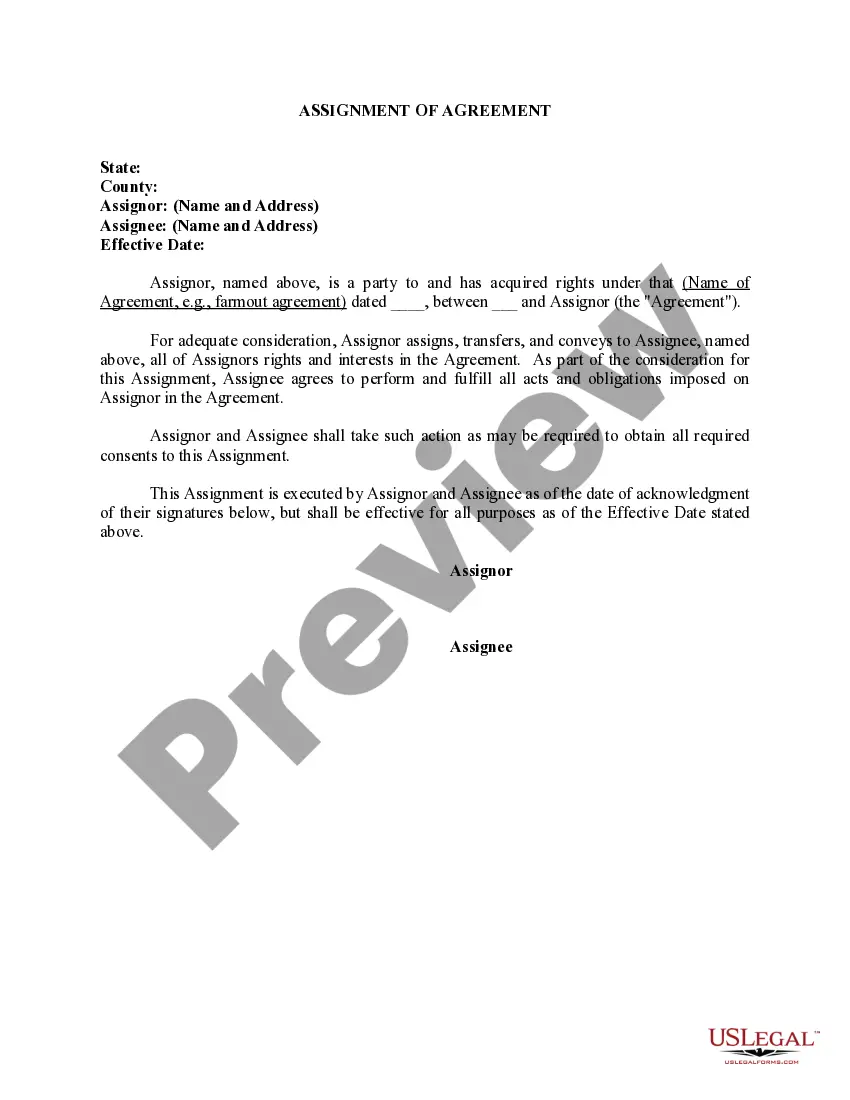
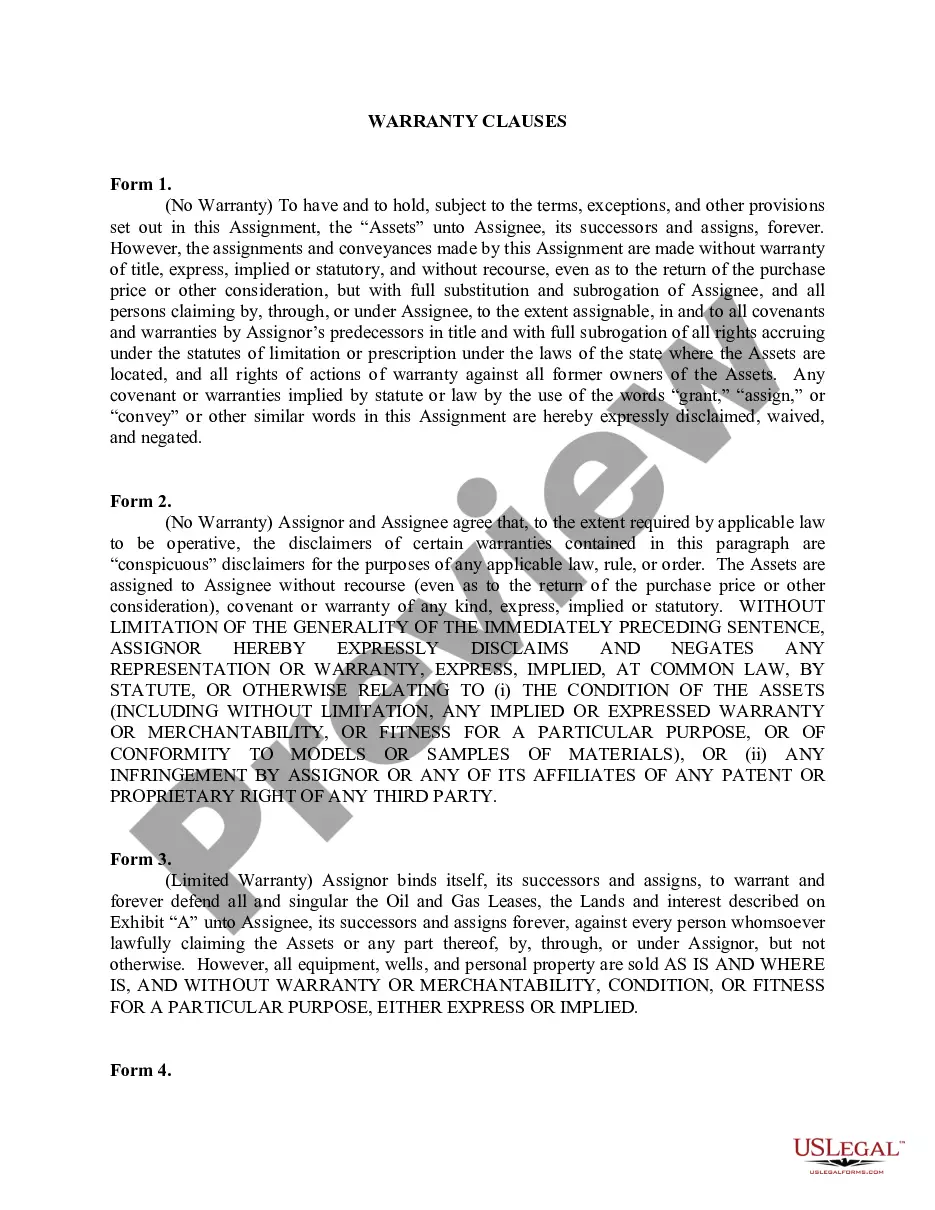
The Granting Clause form is a legal document used to assign rights and interests in oil, gas, and mineral leasehold estates from one party (the Assignor) to another (the Assignee). It enables the Assignor to convey ownership of specific assets, without warranty of title, and delineates the terms of this transfer. This form is particularly important in transactions involving mineral rights, differentiating it from other property transfer forms due to its focus on natural resources and related interests.
Form components explained
- Identification of the parties involved (Assignor and Assignee).
- Definition of the assets being assigned, including interests in oil, gas, and mineral leases.
- Details regarding overriding royalties, production payments, net profits interests, and other relevant rights.
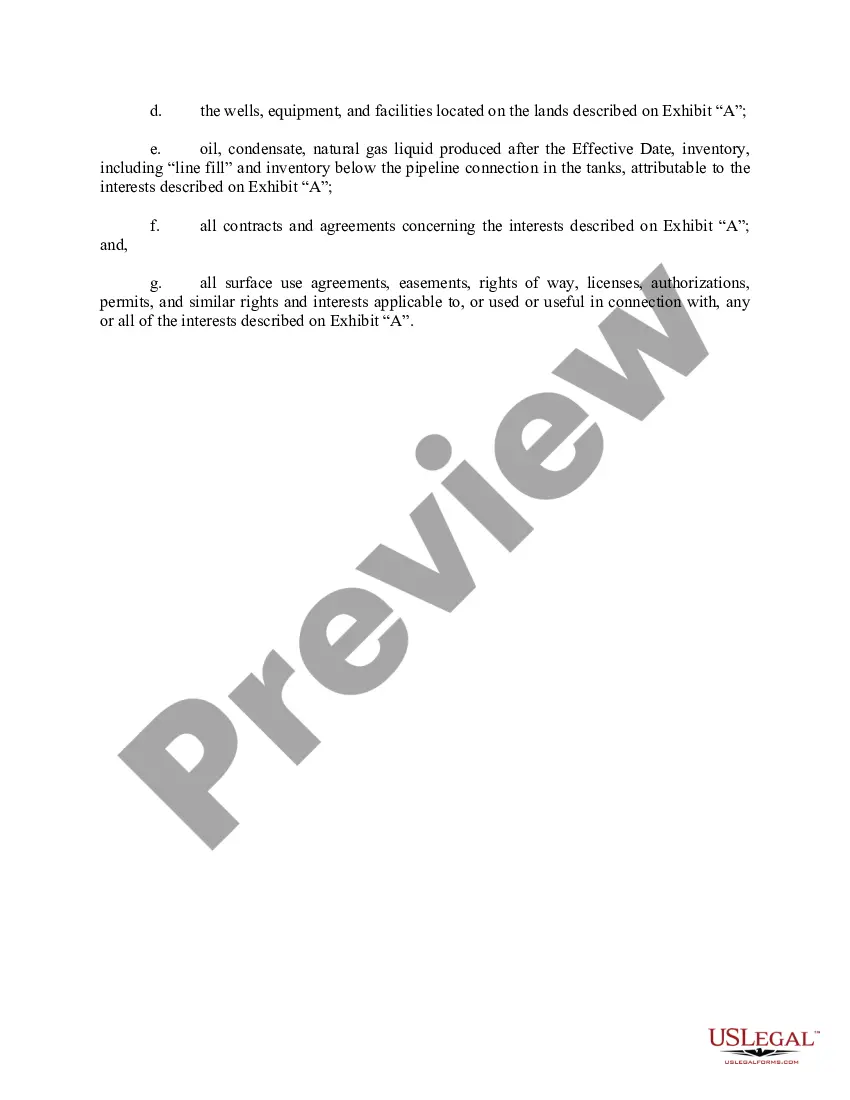
- Provisions related to wells, equipment, and personal property linked to the assigned interests.
- Effective date of the transfer and acknowledgment of the receipt of valuable consideration.
Common use cases
This form is necessary when an individual or entity (the Assignor) wants to transfer their interest in oil, gas, or mineral leasehold properties to another party (the Assignee). Common scenarios for using the Granting Clause include selling mineral rights, transferring interests in a joint venture, or setting up inheritance arrangements for oil and gas assets. By utilizing this form, the parties involved ensure a clear understanding of the rights being assigned and protect their legal interests in the transaction.
Intended users of this form
- Property owners with interests in oil, gas, or mineral resources.
- Individuals involved in the sale or transfer of mineral rights.
- Joint venture partners in energy-related projects.
- Estate executors managing mineral asset transfers.
- Legal representatives handling property transactions involving natural resources.
Instructions for completing this form
- Identify the parties involved clearly by entering their names and contact information.
- Specify the assets being assigned by referencing the relevant leases and interests.
- Include effective dates for the transfer of rights to clarify when the assignment takes effect.
- Acknowledge valuable consideration to demonstrate that something of value is exchanged.
- Ensure all parties sign and date the document to validate the agreement.
Notarization requirements for this form
This form does not typically require notarization to be legally valid. However, some jurisdictions or document types may still require it. US Legal Forms provides secure online notarization powered by Notarize, available 24/7 for added convenience.
Get your form ready online
Our built-in tools help you complete, sign, share, and store your documents in one place.
Make edits, fill in missing information, and update formatting in US Legal Forms—just like you would in MS Word.
Download a copy, print it, send it by email, or mail it via USPS—whatever works best for your next step.
Sign and collect signatures with our SignNow integration. Send to multiple recipients, set reminders, and more. Go Premium to unlock E-Sign.
If this form requires notarization, complete it online through a secure video call—no need to meet a notary in person or wait for an appointment.
We protect your documents and personal data by following strict security and privacy standards.

Make edits, fill in missing information, and update formatting in US Legal Forms—just like you would in MS Word.

Download a copy, print it, send it by email, or mail it via USPS—whatever works best for your next step.

Sign and collect signatures with our SignNow integration. Send to multiple recipients, set reminders, and more. Go Premium to unlock E-Sign.

If this form requires notarization, complete it online through a secure video call—no need to meet a notary in person or wait for an appointment.

We protect your documents and personal data by following strict security and privacy standards.
Mistakes to watch out for
- Failing to clearly define the assets being assigned.
- Not including the effective date of the transfer.
- Inaccurate identification of parties involved.
- Omitting signatures from all required parties.
- Neglecting to ensure the form complies with state-specific requirements.
Advantages of online completion
- Convenience of immediate access and downloading.
- Editability to customize the form for specific needs.
- Reliability, as the forms are reviewed by licensed attorneys.
- Time-saving, eliminating the need for in-person legal consultations.
- Easy storage and retrieval of digital documents.
Legal use & context
- The Granting Clause is legally binding once executed by the parties involved.
- This form ensures clear delineation of rights and interests, reducing potential disputes.
- Compliance with state laws is crucial for enforceability.
- Proper execution helps in maintaining a clear chain of title for the assets being assigned.
Main things to remember
- The Granting Clause is essential for assigning oil and gas interests legally.
- Ensure accurate details are provided to avoid legal complications.
- Consult local laws for specific requirements related to the transfer of rights.
- Utilizing this form online offers convenience and accessibility for users.
Looking for another form?
Form popularity
FAQ
Granting Clause: The clause in the deed that lists the grantor and the grantee and states that the property is being transferred between the parties.
A grant deed is a legal document used to transfer ownership of real property. The grantor is the person transferring the property, and each grantor must sign the deed.The grant deed shows that the title has not already been granted to another person.
Tenendum clause refers to a part of a contract or instrument that identifies the tenure of the real estate being transferred. Tenendum is a Latin word which means to be held. This term is a relic of the feudal system and was used to specify the particulars of the overriding feudal holding.
In real estate contracts, the habendum clause refers to the transfer of ownership of a property and any accompanying restrictions. Because the clause begins with the phrase, "To have and to hold," the habendum clause is sometimes called the "to have and to hold clause."
Does the granting clause in itself convey the title?No, only the grantor's signature conveys the title. No, the title must be delivered and accepted by the grantee to be conveyed.
Granting clause: A granting clause states that the grantor is conveying ownership of the property to the grantee. In fact, the granting clause also is known as the words of conveyance. Usually, if more than one person owns a property, all the owners must sign. Click to see full answer.
Grantor's name. Grantee's name and address. Description of grantee (ex: unmarried man, husband and wife, joint tenants) Person who requested grant deed. Address of real estate that is being transferred. Legal description of property (lot number) Original title order number for property.
Print a grant deed from an online source. Sign the document in the presence of a notary public. Take the deed to the recorder's office in the county where the property is located.