Notice That Lessor Does Not Consent to Assignment
Overview of this form
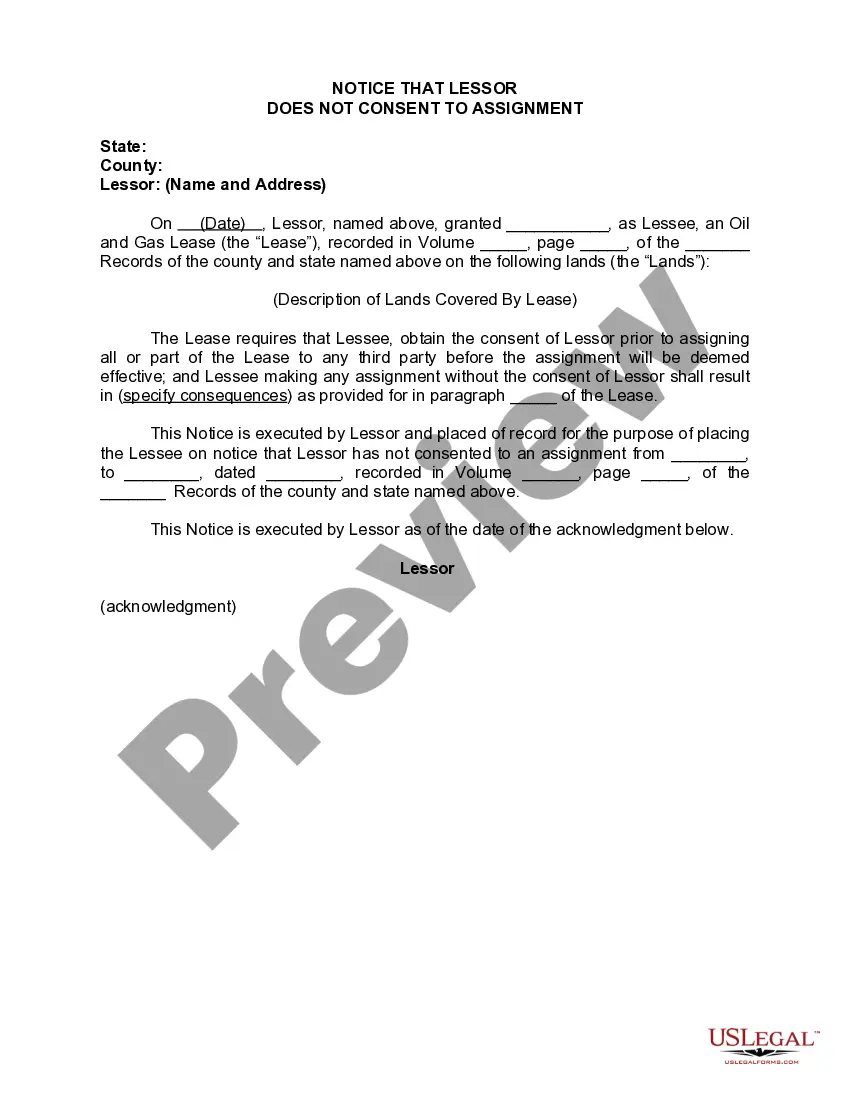
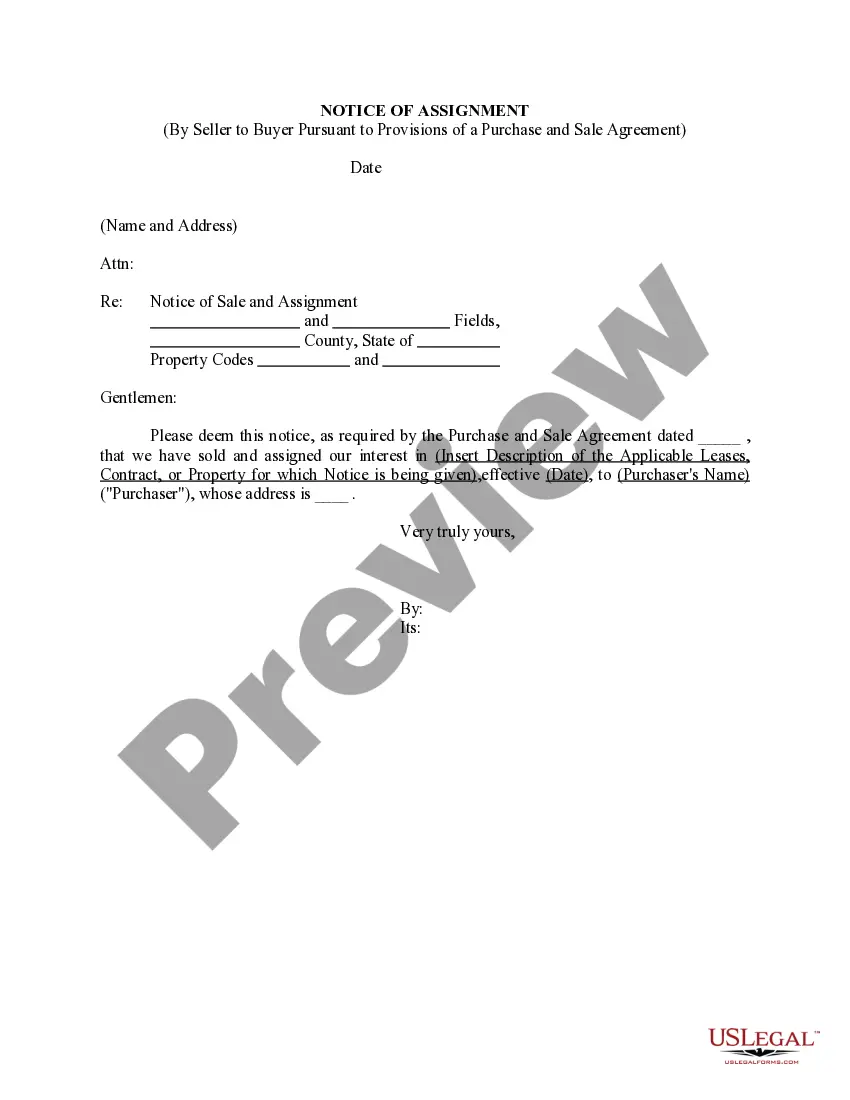
The Notice That Lessor Does Not Consent to Assignment is a legal document used by a lessor to formally indicate that they do not approve an assignment of a lease by the lessee. This form serves as constructive notice and may be essential in cases where the lease requires lessor consent for any assignment to be valid. It is crucial for distinguishing between permissible and impermissible assignments under the lease agreement.
Form components explained
- Identification of the lessor, including name and address.
- Date of execution of the notice.
- Details of the original lease agreement, including recording information.
- Statement confirming that the lessee must obtain consent from the lessor for any assignment.
- Consequences specified for assignments made without consent.
- Signature and acknowledgment by the lessor.

Situations where this form applies
This form is necessary when a lessee attempts to assign their lease rights to another party without obtaining permission from the lessor. If the lease agreement requires consent for assignments, and the lessor does not agree, this notice clarifies the lessor's position and protects the lessor's rights under the lease.
Who can use this document
- Lessees seeking to assign lease rights and needing to understand the lessor's position.
- Lessors who wish to formally deny consent to an assignment of a lease.
- Legal professionals advising clients on lease assignments and consent issues.
How to prepare this document
- Identify the lessor by entering their name and address at the top of the form.
- Fill in the date when the notice is being executed.
- Provide details of the lessee including their name and information related to the lease agreement.
- Specify the consequences of any unauthorized assignment as stated in the lease.
- Have the lessor sign the notice and ensure it is acknowledged properly.
Notarization guidance
This form does not typically require notarization unless specified by local law. It is recommended to consult with a legal professional to ensure compliance with jurisdictional requirements.
Get your form ready online
Our built-in tools help you complete, sign, share, and store your documents in one place.
Make edits, fill in missing information, and update formatting in US Legal Forms—just like you would in MS Word.
Download a copy, print it, send it by email, or mail it via USPS—whatever works best for your next step.
Sign and collect signatures with our SignNow integration. Send to multiple recipients, set reminders, and more. Go Premium to unlock E-Sign.
If this form requires notarization, complete it online through a secure video call—no need to meet a notary in person or wait for an appointment.
We protect your documents and personal data by following strict security and privacy standards.

Make edits, fill in missing information, and update formatting in US Legal Forms—just like you would in MS Word.

Download a copy, print it, send it by email, or mail it via USPS—whatever works best for your next step.

Sign and collect signatures with our SignNow integration. Send to multiple recipients, set reminders, and more. Go Premium to unlock E-Sign.

If this form requires notarization, complete it online through a secure video call—no need to meet a notary in person or wait for an appointment.

We protect your documents and personal data by following strict security and privacy standards.
Mistakes to watch out for
- Failing to provide clear consequences for unauthorized assignments.
- Not including all required information about the lessee and lease.
- Omitting the date of execution, which could affect the notice's validity.
Advantages of online completion
- Convenience of downloading the form directly from home.
- Easy customization to meet specific needs and requirements.
- Reliable templates drafted by licensed attorneys, ensuring legal compliance.
- Instant access to the form, eliminating the need for in-person visits.
Key takeaways
- The form serves as a formal notice by the lessor to indicate non-consent to an assignment.
- It protects the rights of the lessor under the lease agreement.
- Correct completion and recording of the notice are essential for legal effectiveness.
Looking for another form?



Form popularity
FAQ
Though landlords must scrupulously respect tenants' rights, one thing they don't have to do is automatically renew tenant's leases. In fact, except for discriminatory or retaliatory reasons, landlords of rental properties can refuse to renew tenant leases as it suits them.
Most often, the lease won't permit assignment without the landlord's approval, but leases often state that the landlord cannot unreasonably withhold consent. As long as you produce a tenant who's shown a history of payment under prior leases and has been a model tenant, a landlord should consent to assignment.
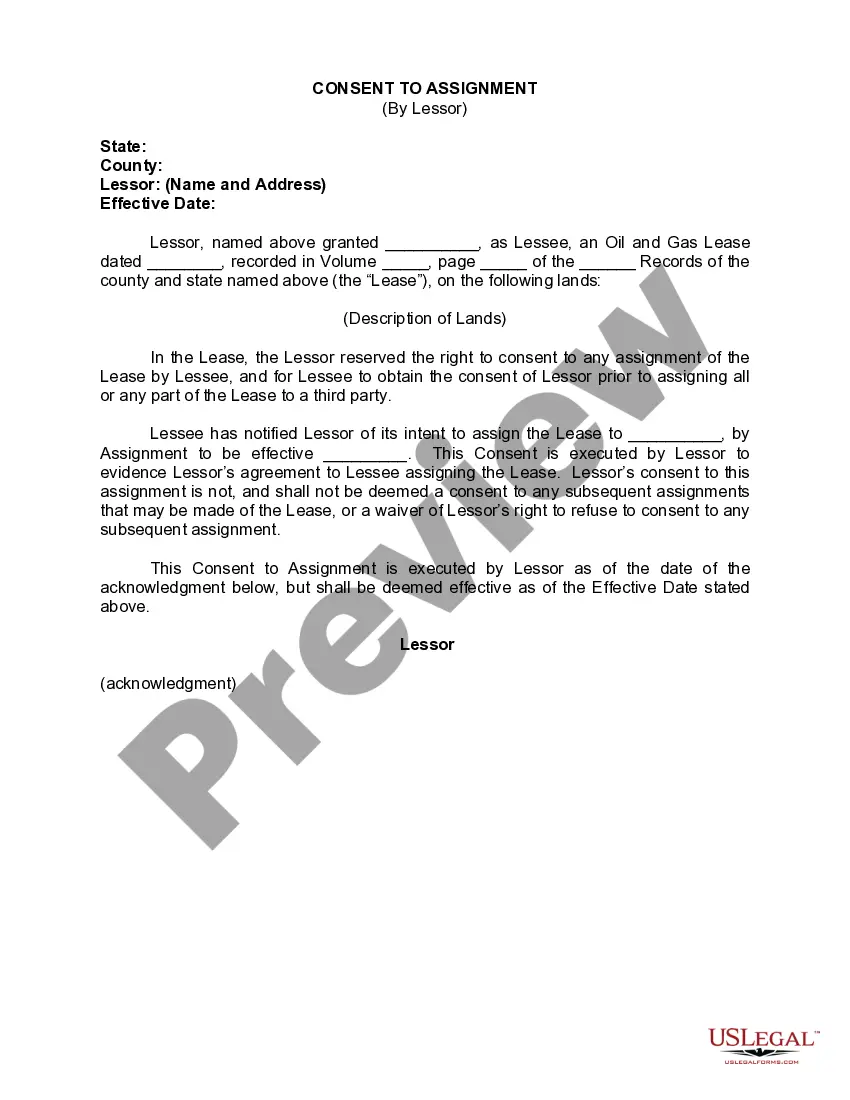
What is a Landlord's Consent to Lease Assignment? With a Landlord's Consent to Lease Assignment, landlords and property managers can give formal approval to tenants who wish to exit their lease agreement and transfer it to a new tenant before the rental term is complete.
Can the landlord refuse consent to an Assignment? Most leases will say that the Landlord cannot unreasonably withhold consent. According to section 19 (1A) of the Landlord and Tenant Act 1927 the landlord can insert conditions in the lease, which need to be met in the case of an assignment.
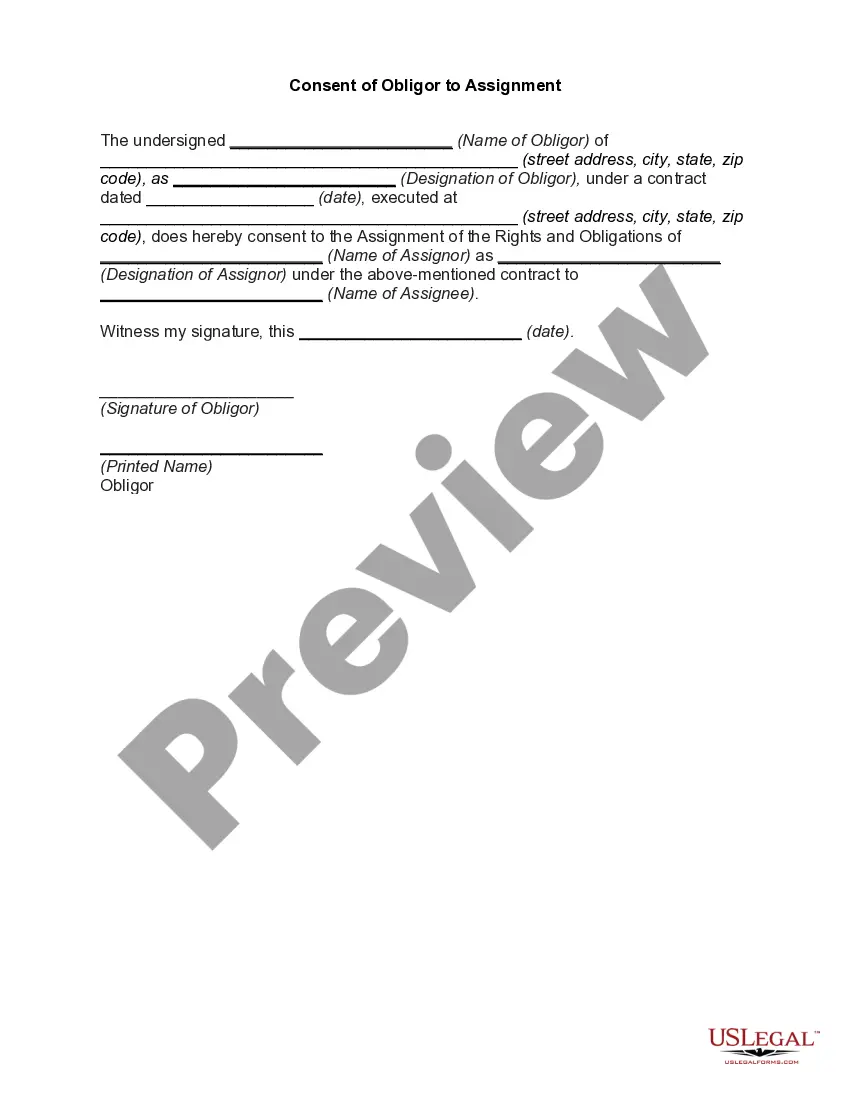
Consent to assignment refers to allowing a party of a contract (the assignor) to assign a contract and move the obligations to another party (the assignee).
Anyone renting a building, whether for commercial or personal use, has the right to privacy. You are entitled to do anything on the property that you wish, so long as whatever you are doing is legal. The landlord cannot prevent you from operating your business nor from allowing guests or patrons on the property.
An assignment is when the tenant transfers their lease interest to a new tenant using a Lease Assignment. The assignee takes the assignor's place in the landlord-tenant relationship, although the assignor may remain liable for damages, missed rent payments, and other lease violations.
Landlords can try and forfeit a lease if a tenant is in breach of their obligations (this assumes that the lease document includes a right to forfeit).If a commercial lease contains a break clause, either or both parties to the agreement may seek to terminate the lease before its fixed period has ended.
An assignment is when the tenant transfers their lease interest to a new tenant using a Lease Assignment. The assignee takes the assignor's place in the landlord-tenant relationship, although the assignor may remain liable for damages, missed rent payments, and other lease violations.