Insanity
Understanding this form
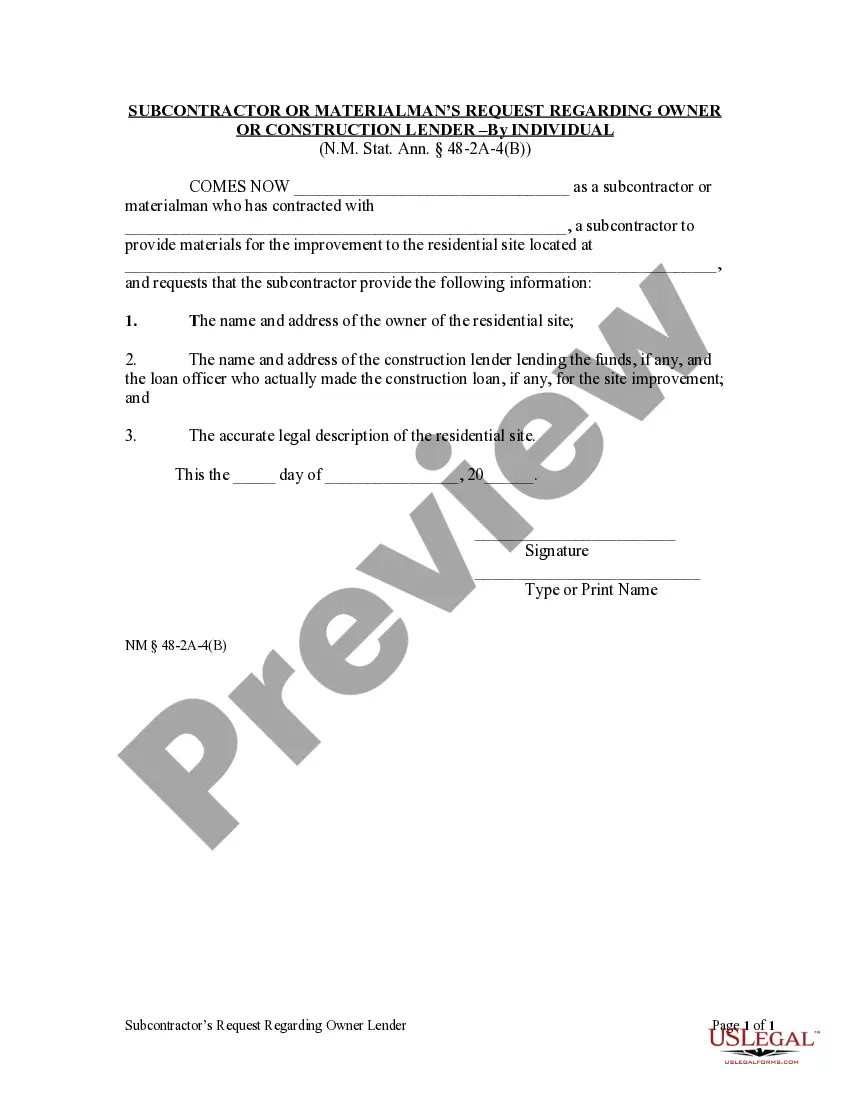
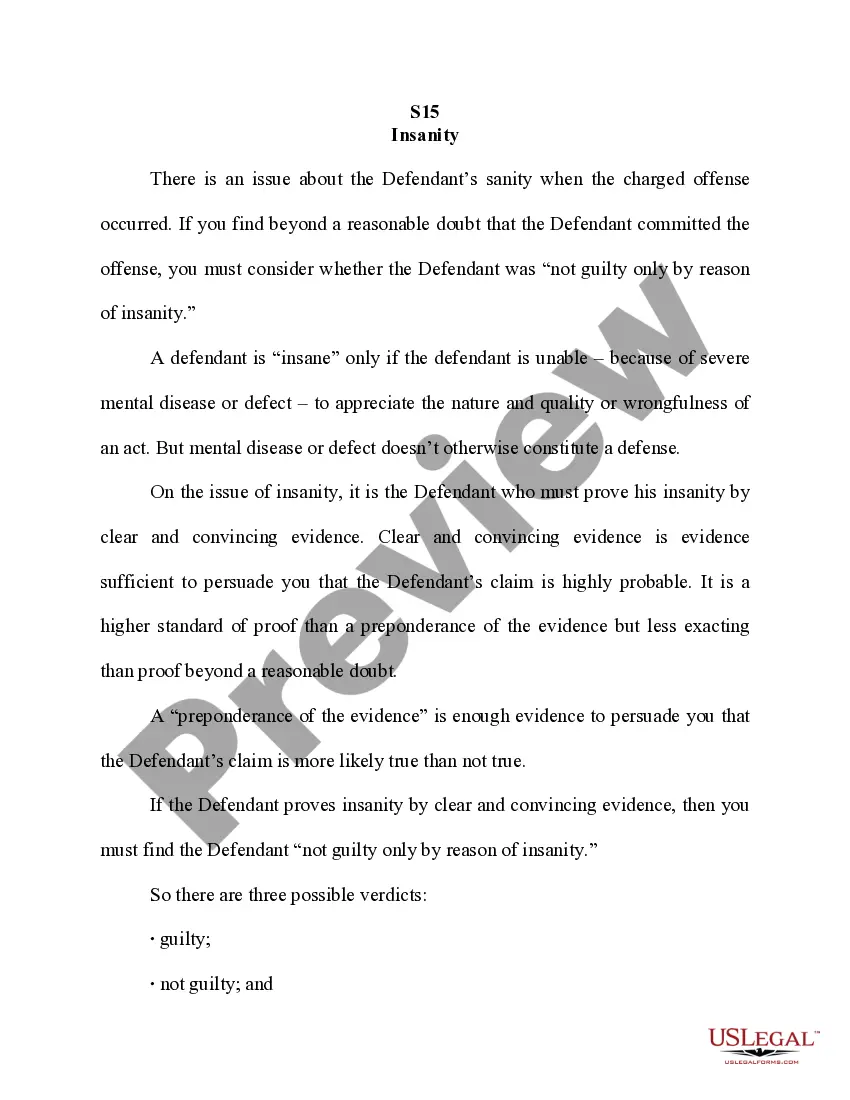
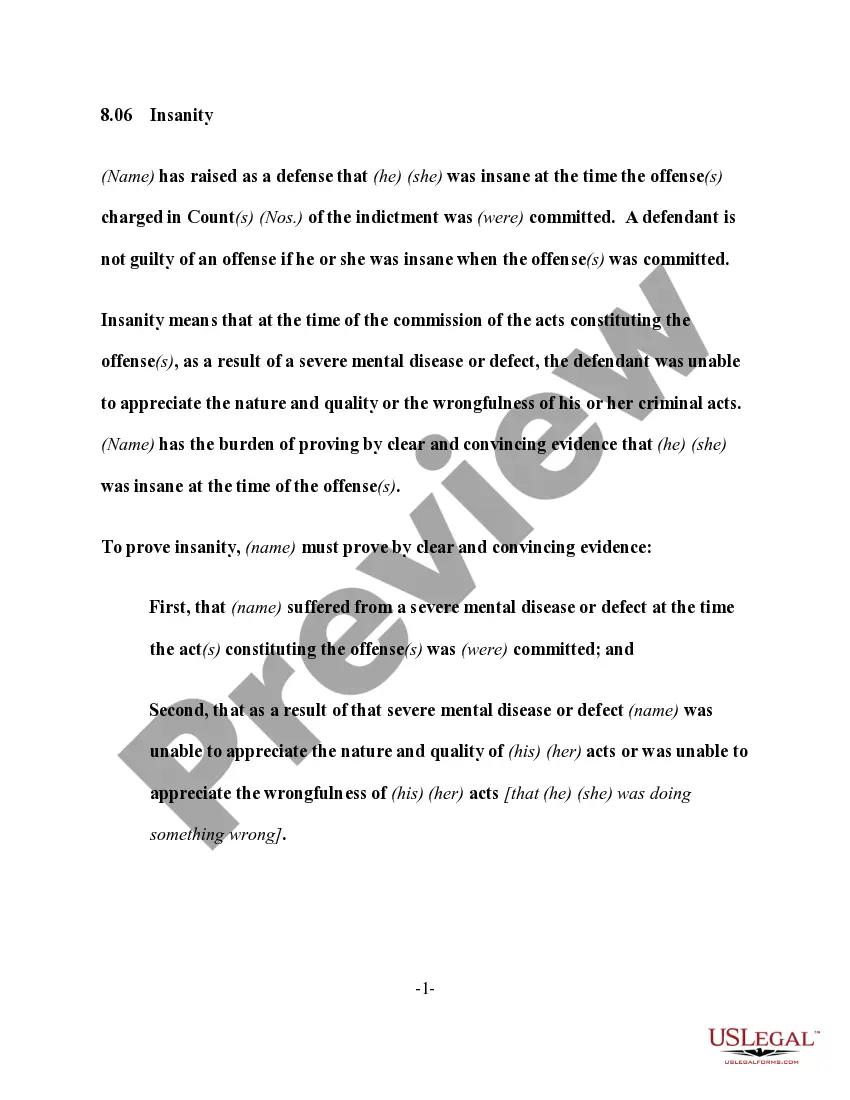
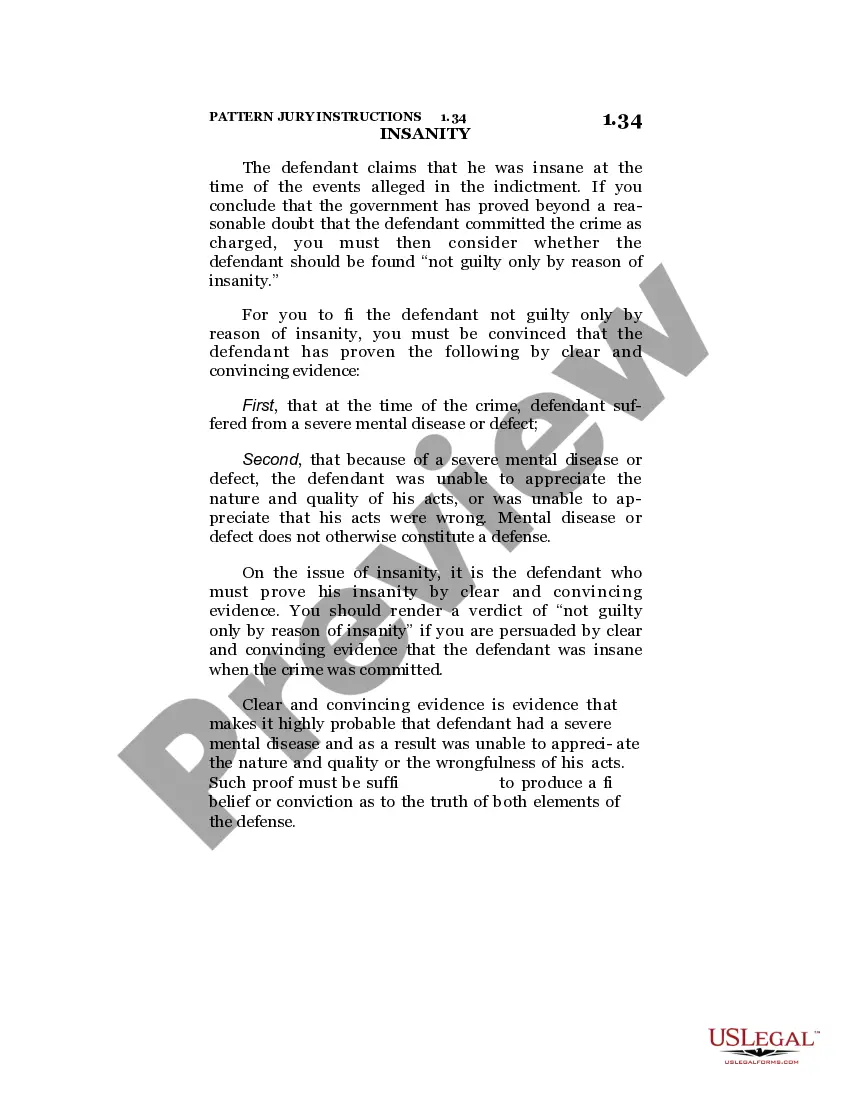
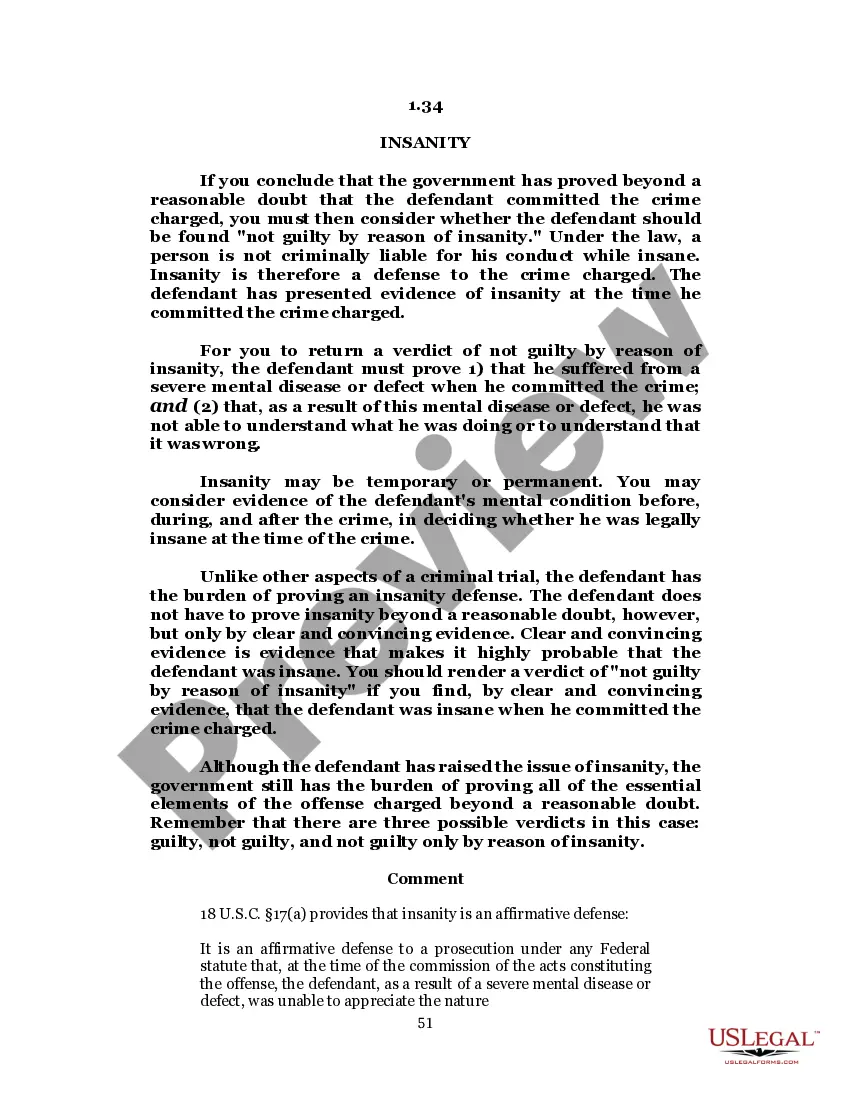
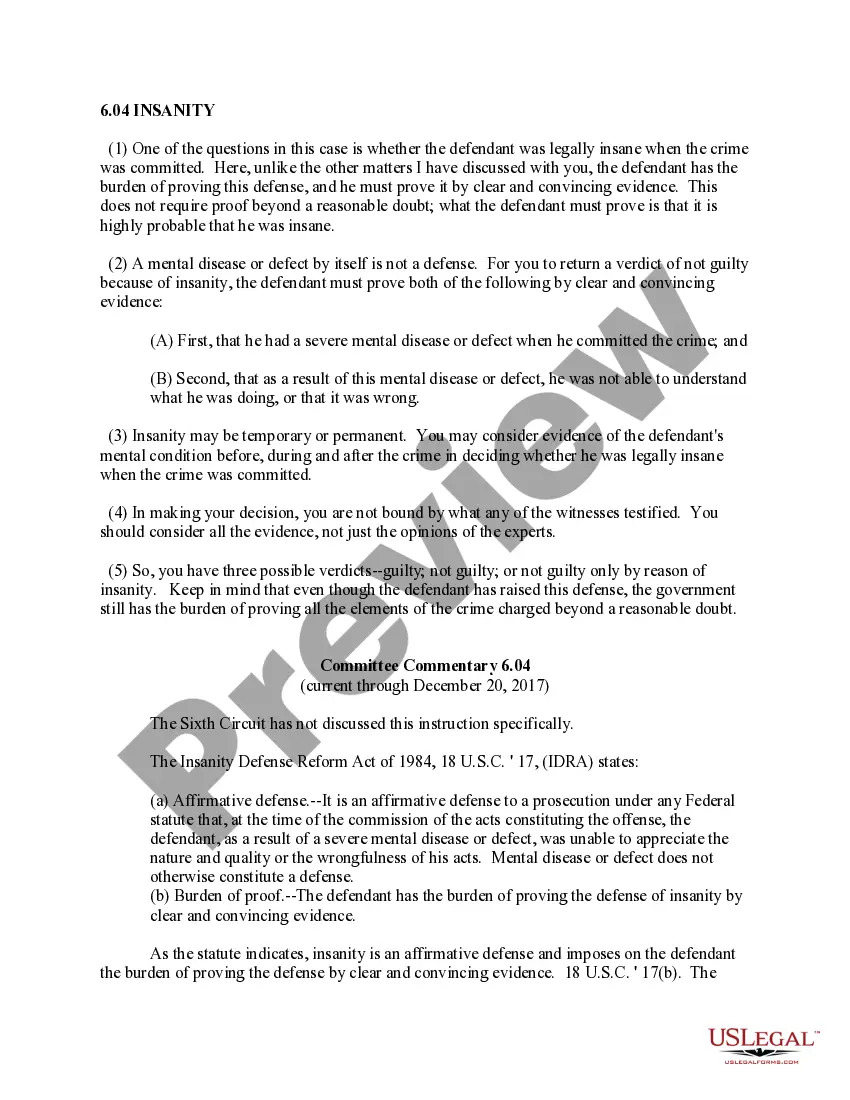
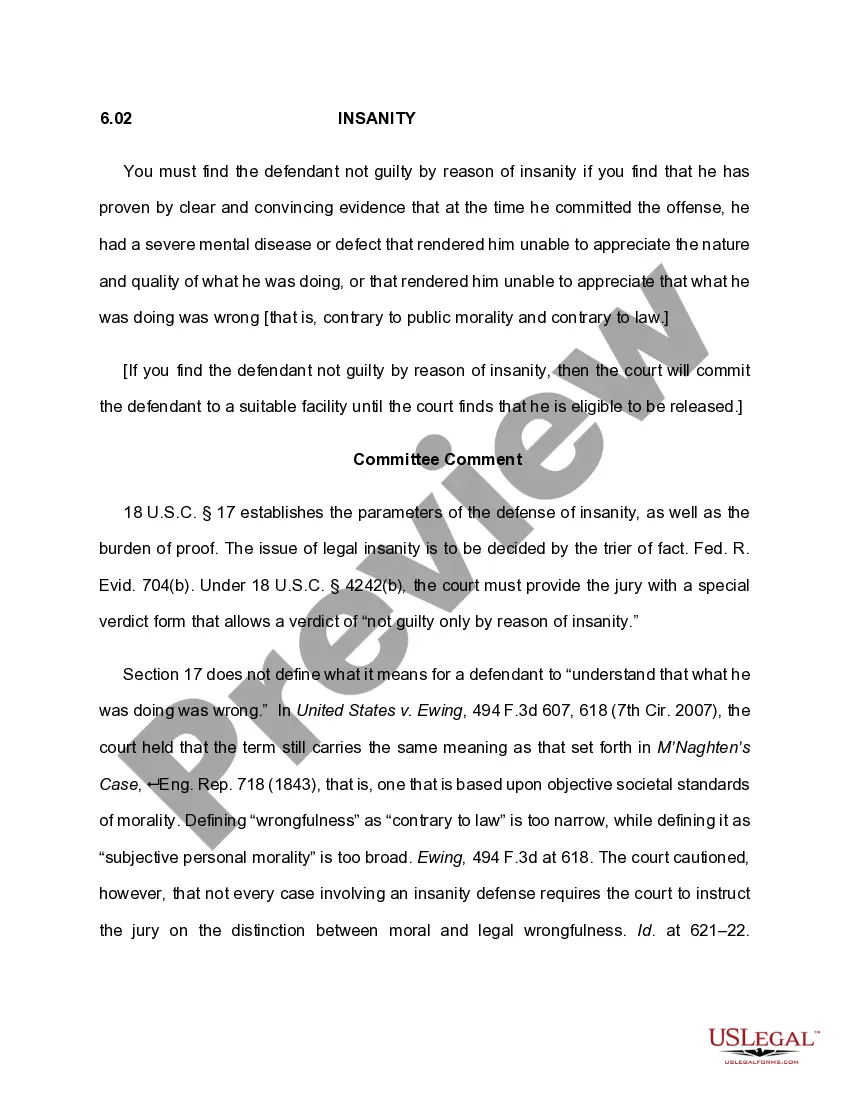
The Insanity form serves as a guideline for determining the mental state of a defendant at the time a crime was committed. It establishes the criteria for evaluating whether a defendant can be declared "not guilty by reason of insanity," distinguishing it from other defenses. This form is derived from the Pattern Jury Instructions provided by the 11th Circuit Federal Court of Appeals, emphasizing a legal standard that balances mental health considerations with accountability in the judicial system.
Main sections of this form
- Definition of insanity: outlines the conditions under which a defendant is considered legally insane.
- Burden of proof: specifies that the defendant must prove their insanity by clear and convincing evidence.
- Possible verdicts: outlines the three verdict outcomes related to the insanity defense: guilty, not guilty, or not guilty by reason of insanity.

When to use this document
This form is used in criminal cases where a defendant's mental state is in question at the time of the offense. It is applicable when the defense claims that a severe mental disease or defect impacted the defendant's ability to perceive the nature or wrongfulness of their actions. Legal representatives commonly utilize this form during trials that involve the insanity defense.
Intended users of this form
- Criminal defense attorneys who need to present an insanity defense on behalf of their clients.
- Prosecutors who must counter claims of insanity in criminal trials.
- Judges overseeing cases where the defendantâs mental competency is under examination.
- Legal scholars and students studying criminal law and defenses pertaining to mental health.
How to prepare this document
- Review the charges against the defendant and establish the need for an insanity defense.
- Gather evidence of the defendant's mental state at the time of the crime.
- Prepare to present clear and convincing evidence to support the claim of insanity.
- Discuss potential verdict options with the jury, including the implications of each.
- Coordinate with legal counsel to ensure proper procedural adherence during the trial.
Is notarization required?
This form does not typically require notarization unless specified by local law. Always check with legal counsel to confirm specific requirements in your jurisdiction.
Get your form ready online
Our built-in tools help you complete, sign, share, and store your documents in one place.
Make edits, fill in missing information, and update formatting in US Legal Forms—just like you would in MS Word.
Download a copy, print it, send it by email, or mail it via USPS—whatever works best for your next step.
Sign and collect signatures with our SignNow integration. Send to multiple recipients, set reminders, and more. Go Premium to unlock E-Sign.
If this form requires notarization, complete it online through a secure video call—no need to meet a notary in person or wait for an appointment.
We protect your documents and personal data by following strict security and privacy standards.
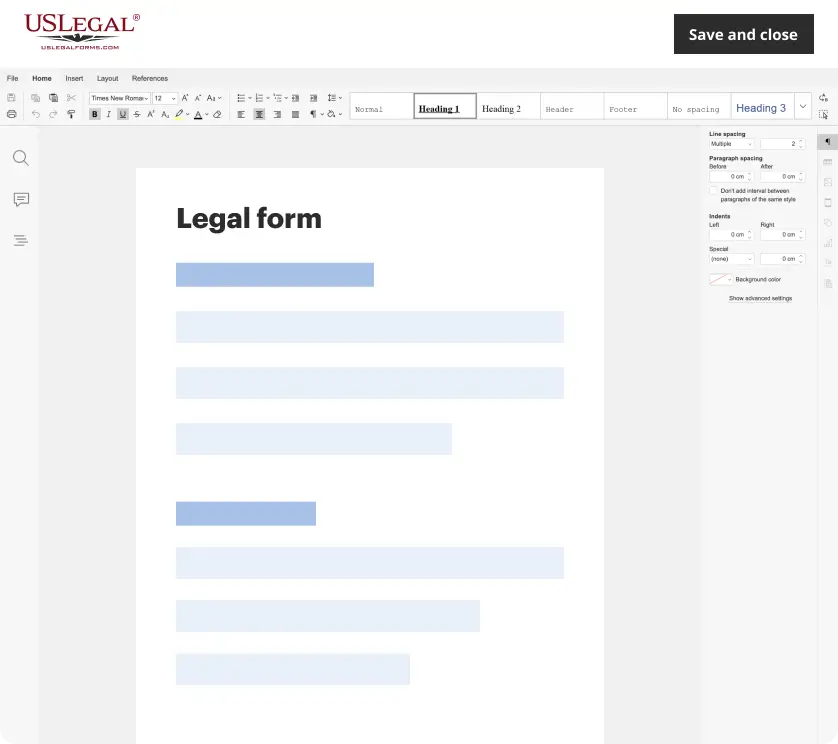
Make edits, fill in missing information, and update formatting in US Legal Forms—just like you would in MS Word.
Download a copy, print it, send it by email, or mail it via USPS—whatever works best for your next step.
Sign and collect signatures with our SignNow integration. Send to multiple recipients, set reminders, and more. Go Premium to unlock E-Sign.
If this form requires notarization, complete it online through a secure video call—no need to meet a notary in person or wait for an appointment.
We protect your documents and personal data by following strict security and privacy standards.
Typical mistakes to avoid
- Failing to provide sufficient evidence to prove insanity by clear and convincing standards.
- Miscalculating the burden of proof, which lies with the defendant.
- Neglecting to consider the psychological evaluation timelines and documentation.
Why complete this form online
- Immediate access to the guidelines for presenting an insanity defense.
- Convenience of downloading and editing the form as needed.
- Enhanced reliability with content drafted by licensed attorneys.
Looking for another form?

Form popularity
FAQ
Insanity in Contemporary Times For example: ?A person with depression? instead of ?a depressed person.? ?A person who has anorexia nervosa? or ?a person diagnosed with an eating disorder? instead of ?an anorexic? or ?a bulimic.?
: unsoundness of mind or lack of the ability to understand that prevents one from having the mental capacity required by law to enter into a particular relationship, status, or transaction or that releases one from criminal or civil responsibility: as.
The noun insanity originates from the Latin word insanitatem, meaning "unhealthfulness" relating to the mind.
Actions that are very stupid and possibly dangerous synonym madness, lunacy.
N. 1. in law, the state of not suffering from a mental disorder or neurological defect that impairs one's ability to understand or appreciate one's acts or to conform to the requirements of the law.
You probably know that the word insane means crazy. Well, the opposite of insane is sane ? or not crazy. A sane person is of sound mind and is mentally healthy. Sane people have good judgment, are reasonable, and can tell the difference between what's real and imagined.