Sewer Easement
About this form
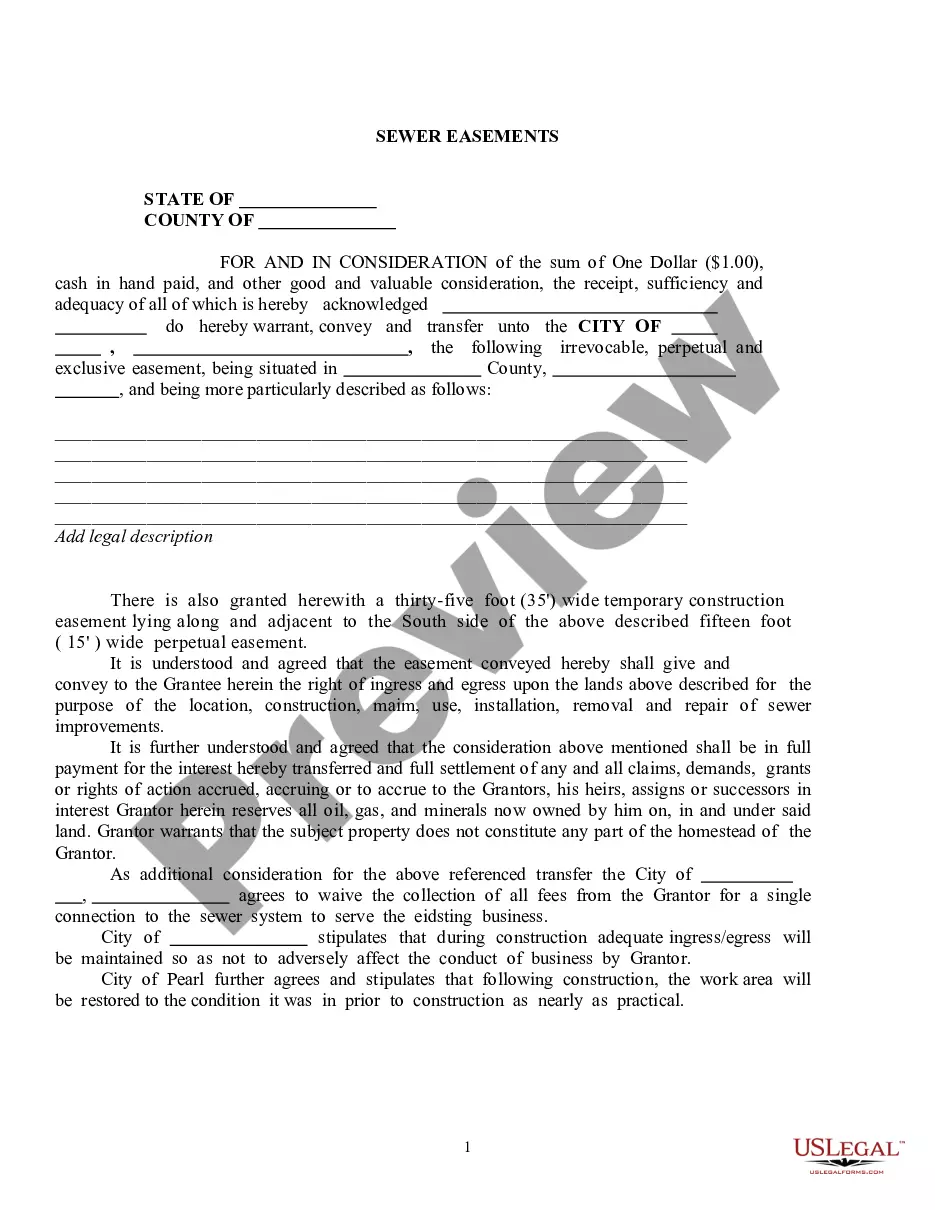
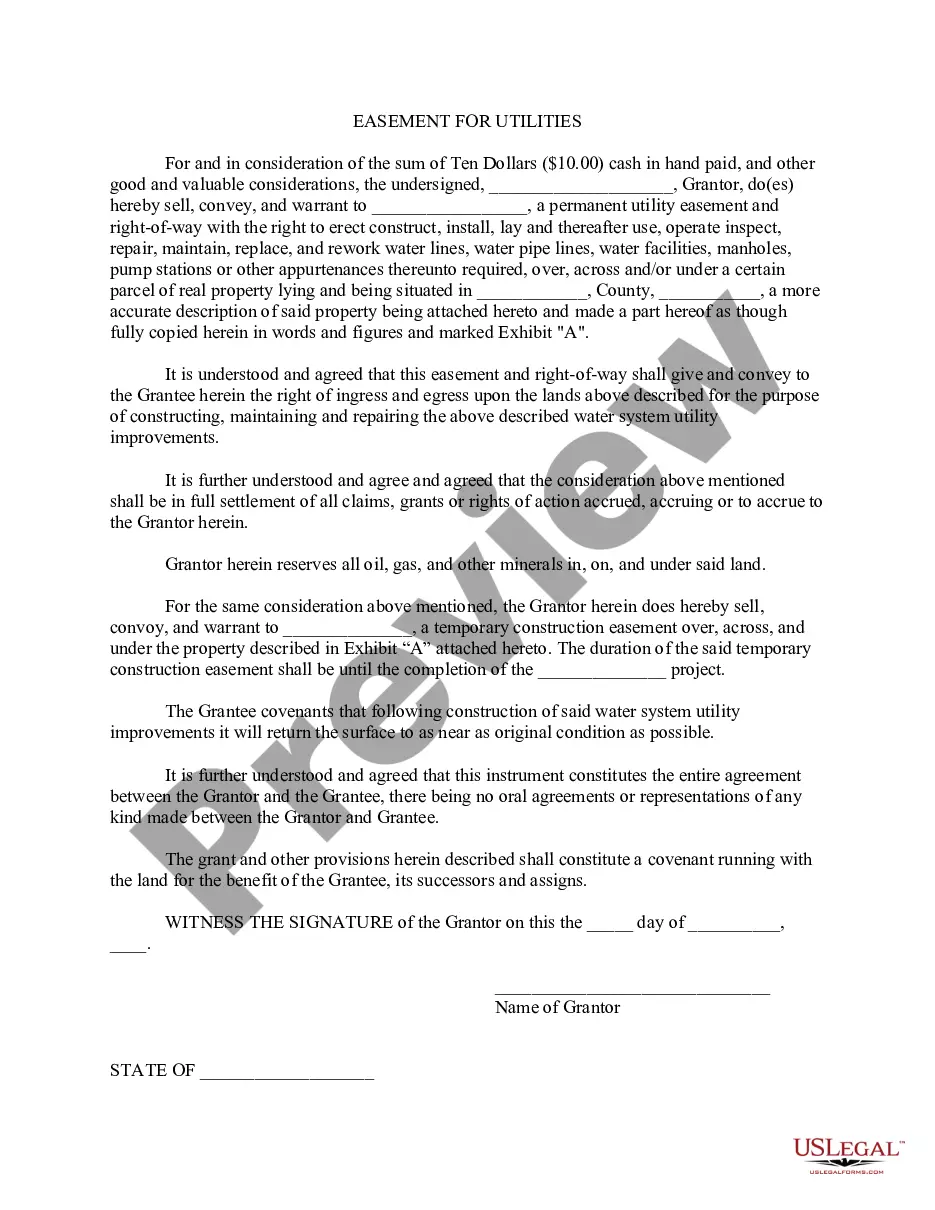
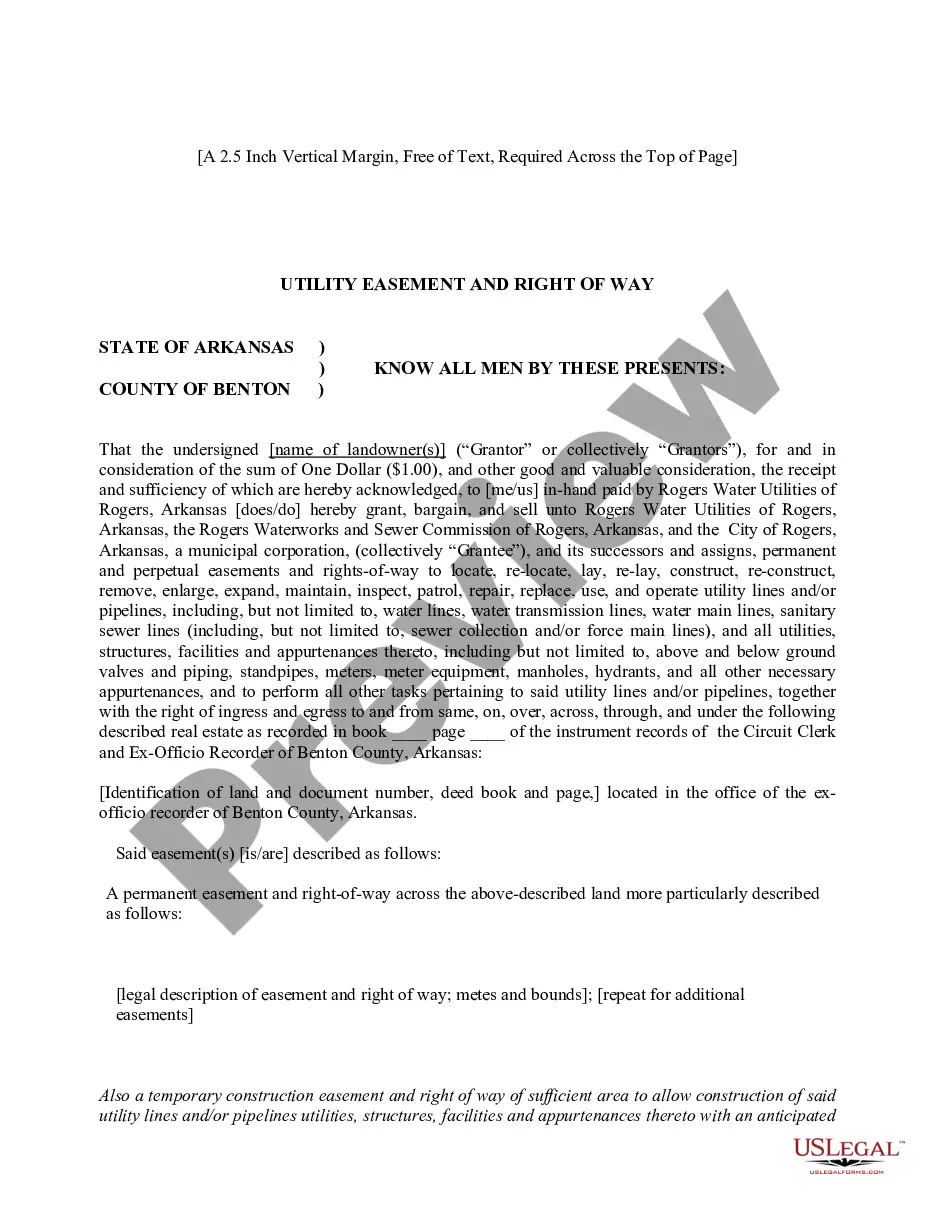
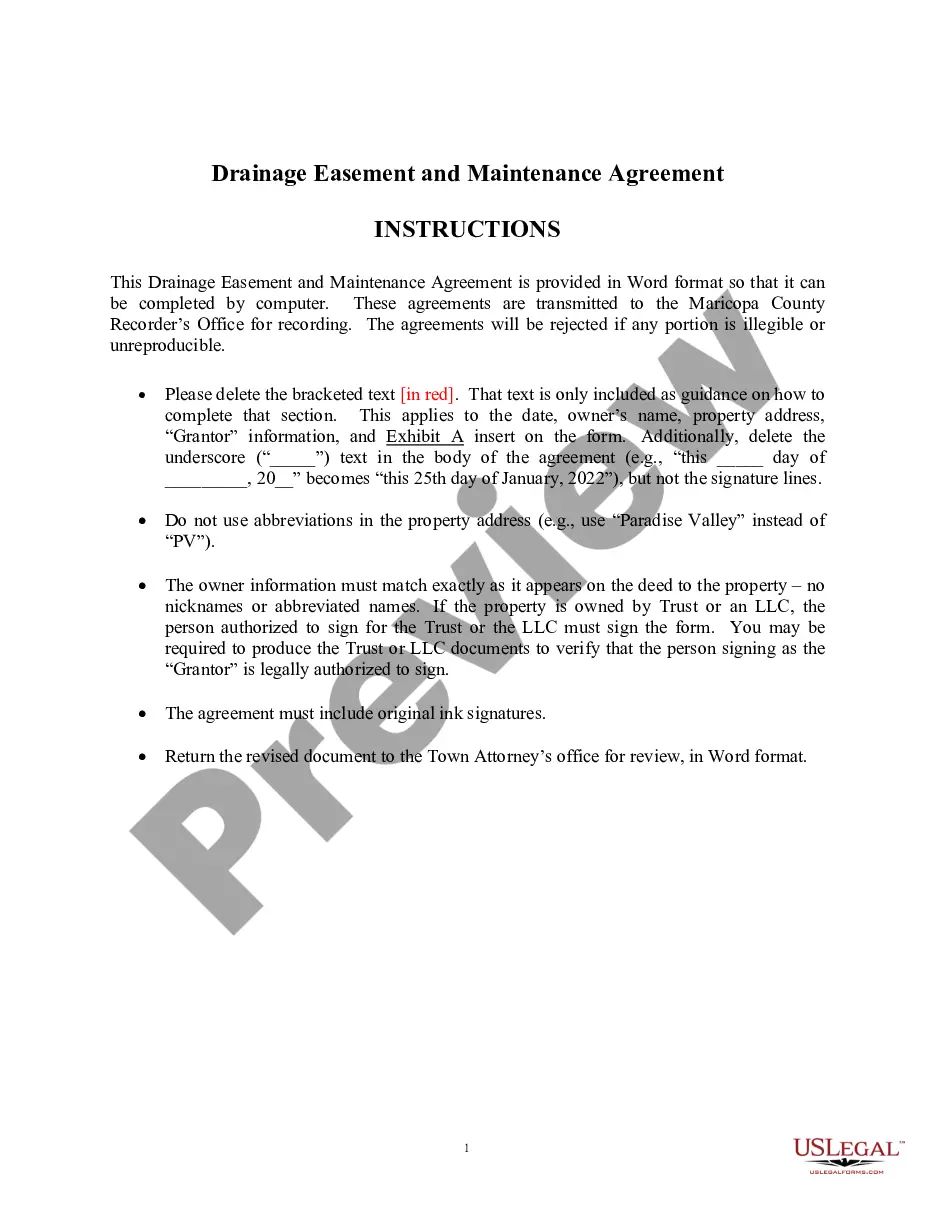
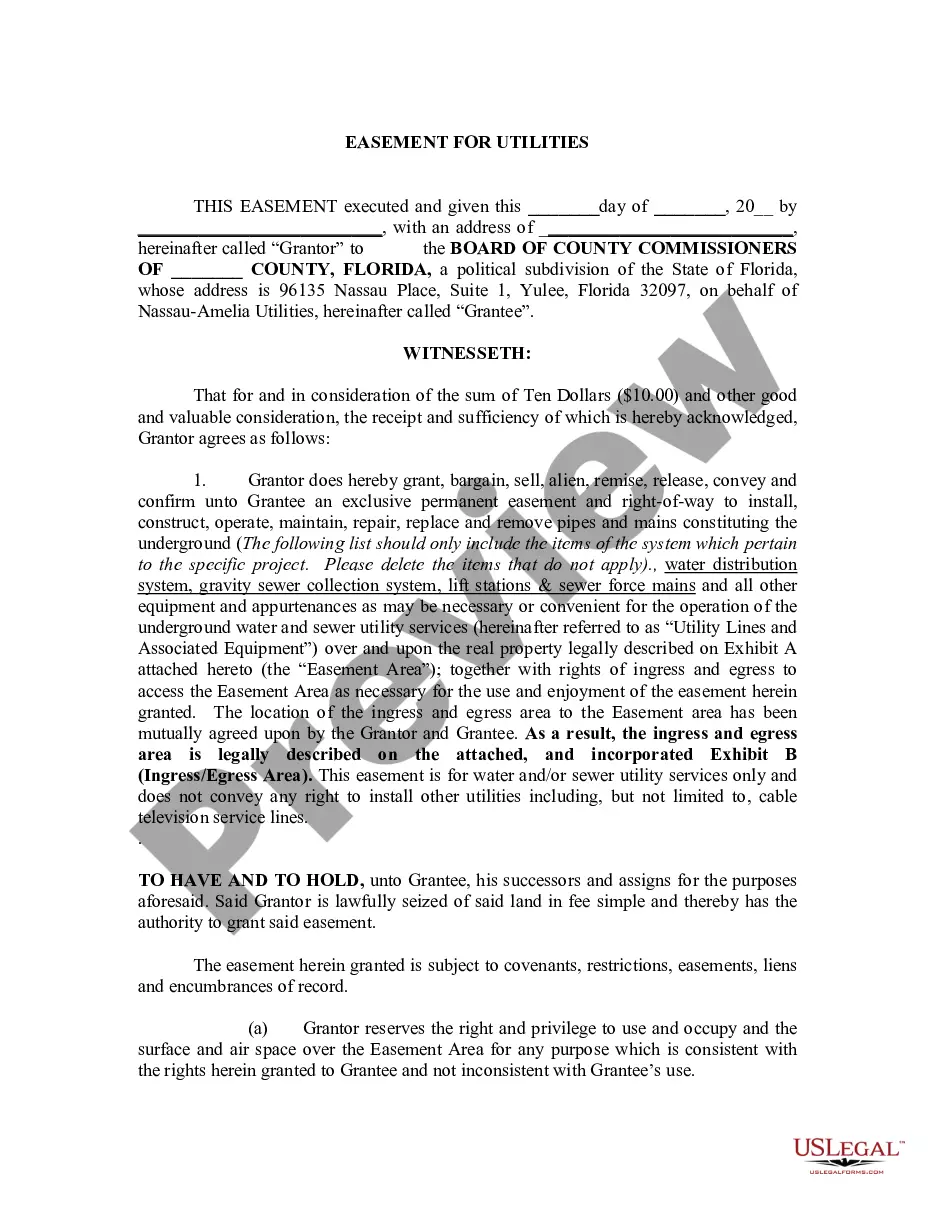
The Sewer Easement form is a legal document that grants the right to use a portion of one property for sewer-related improvements. This form is crucial for establishing easements that allow governmental or utility companies to install, maintain, and repair sewer systems on private land. Unlike other property agreements, a sewer easement specifically pertains to sewer infrastructure, setting it apart from general easements used for access or other utilities.
Form components explained
- Identification of the Grantor and Grantee.
- Description of the easement area including dimensions.
- Permissions for ingress and egress for construction and repairs.
- Clarity on the transfer of rights and responsibilities.
- Reservation of mineral rights by the Grantor, if applicable.

When to use this form
This form is useful when a property owner needs to grant permission for sewer improvements that may temporarily or permanently affect their land. It is specifically used in scenarios where local government or utility companies require access for sewer installation or maintenance. Situations where construction intended for sewer lines will occur, or where existing sewer lines need upgrades, also necessitate this form.
Who this form is for
- Property owners granting sewer easements.
- Government entities needing access for sewer projects.
- Utility companies responsible for sewer installation and maintenance.
- Developers conducting construction that involves sewer lines.
Completing this form step by step
- Identify the parties involved: the Grantor (property owner) and Grantee (government or utility).
- Specify the location and dimensions of the easement area.
- Outline the rights granted, including access for construction and maintenance.
- Include any reservations, such as mineral rights retained by the Grantor.
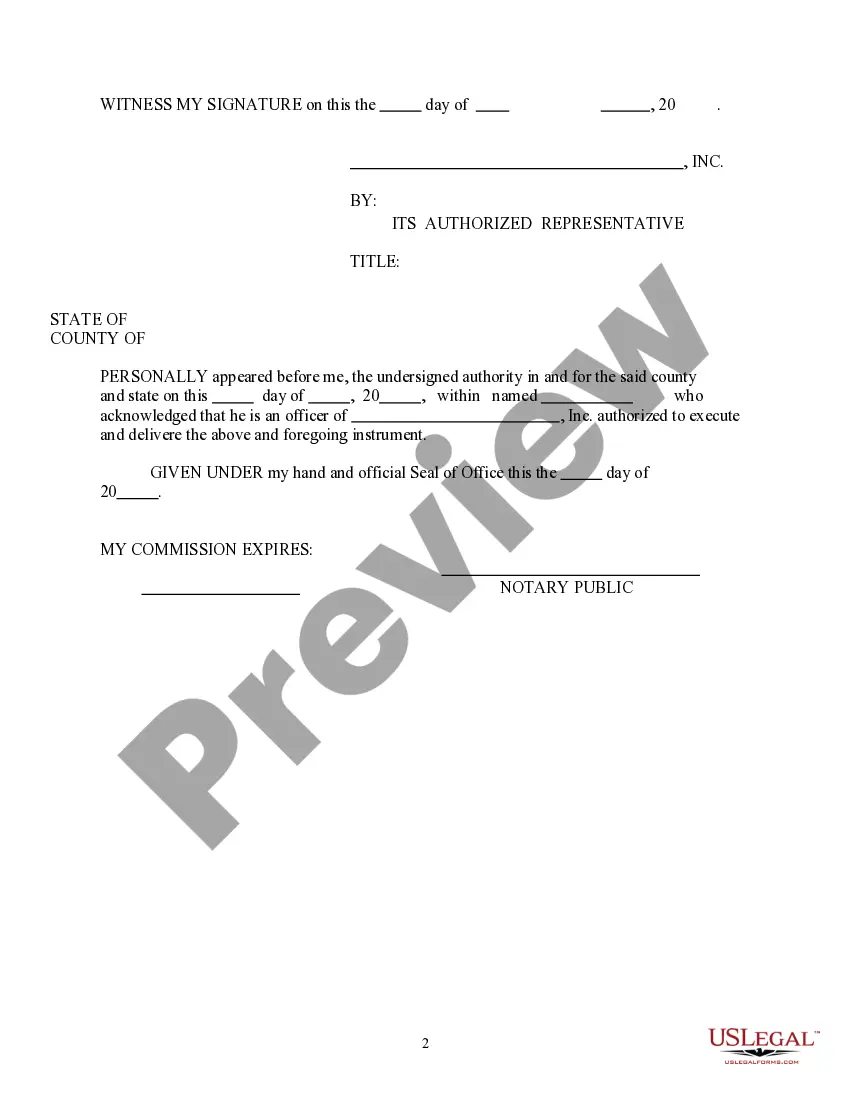
- Sign and date the form to finalize the agreement.
Notarization requirements for this form
This form must be notarized to be legally valid. US Legal Forms provides secure online notarization powered by Notarize, allowing you to complete the process through a verified video call.
Get your form ready online
Our built-in tools help you complete, sign, share, and store your documents in one place.
Make edits, fill in missing information, and update formatting in US Legal Forms—just like you would in MS Word.
Download a copy, print it, send it by email, or mail it via USPS—whatever works best for your next step.
Sign and collect signatures with our SignNow integration. Send to multiple recipients, set reminders, and more. Go Premium to unlock E-Sign.
If this form requires notarization, complete it online through a secure video call—no need to meet a notary in person or wait for an appointment.
We protect your documents and personal data by following strict security and privacy standards.

Make edits, fill in missing information, and update formatting in US Legal Forms—just like you would in MS Word.

Download a copy, print it, send it by email, or mail it via USPS—whatever works best for your next step.

Sign and collect signatures with our SignNow integration. Send to multiple recipients, set reminders, and more. Go Premium to unlock E-Sign.

If this form requires notarization, complete it online through a secure video call—no need to meet a notary in person or wait for an appointment.

We protect your documents and personal data by following strict security and privacy standards.
Common mistakes
- Failing to accurately describe the easement area.
- Not including important reservations or conditions.
- Neglecting to obtain necessary signatures from all parties.
- Overlooking local laws that may affect the easement.
Benefits of using this form online
- Convenient access to downloadable templates anytime.
- Editable forms that can be customized to meet specific needs.
- Secure transactions ensuring legal compliance.
Key takeaways
- The Sewer Easement form provides legal rights for sewer access on private property.
- It is essential for both parties to understand their obligations and rights under the agreement.
- Proper completion can help avoid future disputes regarding access and use.
- Using an online platform simplifies obtaining legally sound forms efficiently.
Looking for another form?
Form popularity
FAQ
The owner of the land that has the benefit of the right of way (the user) also has no obligation to maintain and repair but is entitled to maintain and repair the way but if he does so, he has to do so at his own cost.
The party gaining the benefit of the easement is the dominant estate (or dominant tenement), while the party granting the benefit or suffering the burden is the servient estate (or servient tenement). For example, the owner of parcel A holds an easement to use a driveway on parcel B to gain access to A's house.
Generally, the owner of any easement has a duty to maintain the easement. If the easement is owned by more than one person, or is attached parcels of land under different ownership, each owner must share in the cost of maintaining the easement pursuant to their agreement.
An easement is an interest in a real estate property or parcel of land.Essentially this means that someone other than you could have access to the land. This isn't necessarily a bad thing.
A property easement is a legal situation in which the title to a specific piece land remains with the landowner, but another person or organization is given the right to use that land for a distinct purpose.
'Sewer easement' and 'covenant' are rather different concepts. Assuming that what you mean is that some other property has the right to run a sewer across your property, though, what it basically means is that they have the right to do that and you can't do anything to interfere with it.
Generally, the owner of any easement has a duty to maintain the easement. If the easement is owned by more than one person, or is attached parcels of land under different ownership, each owner must share in the cost of maintaining the easement pursuant to their agreement.
So, having an easement on a property may have a permanent outcome on the property with rights of the home owner. But not all easements are bad.If you live in a rural area, you run into bad easement issues more often, typically where the easement was created by a parcel owner next to your land.
Maintenance easement means a binding agreement between the city and the person or persons holding title to a property served by a stormwater facility where the property owner promises to maintain certain stormwater facilities; grants the city the right to enter the subject property to inspect and make certain repairs,