Tax Indemnity Agreement
Overview of this form
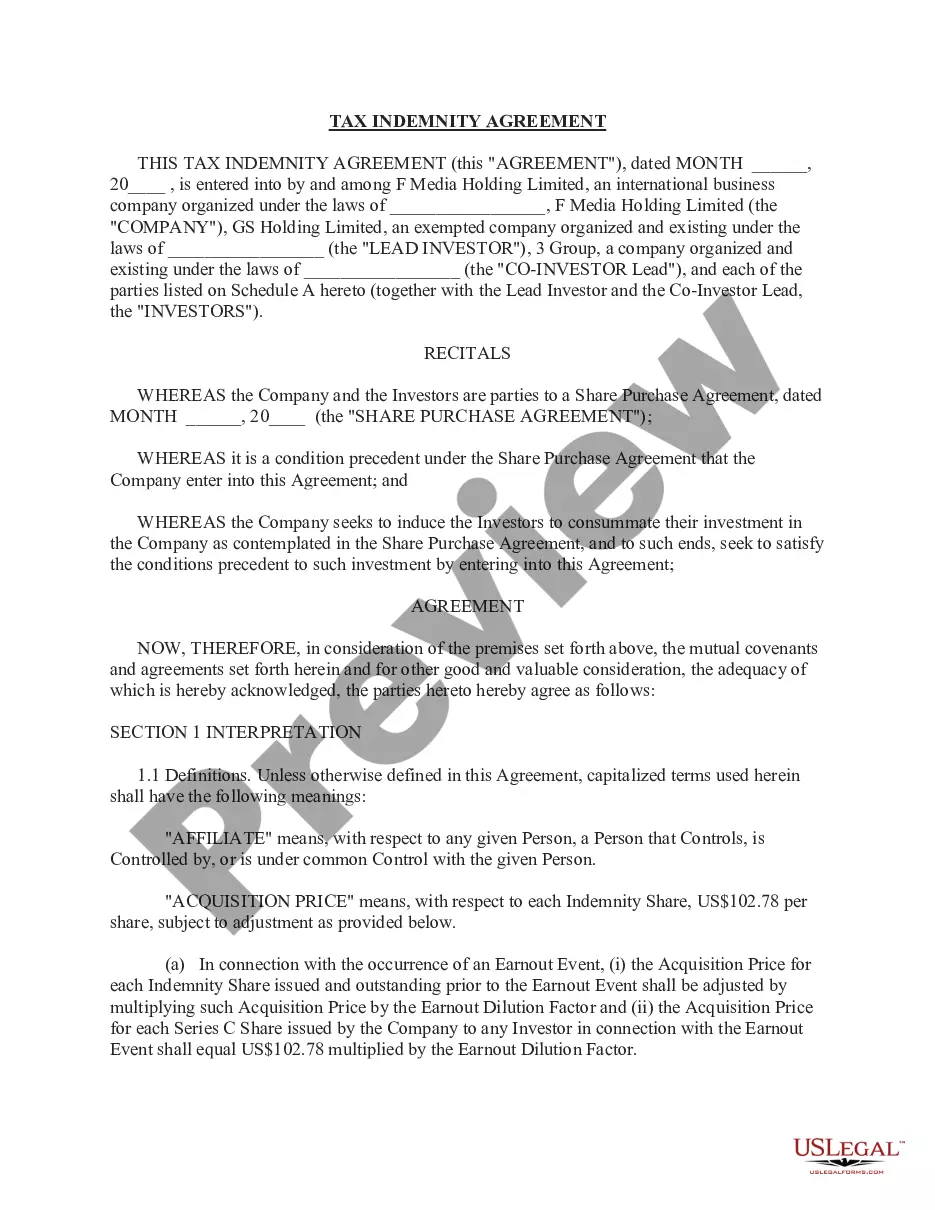
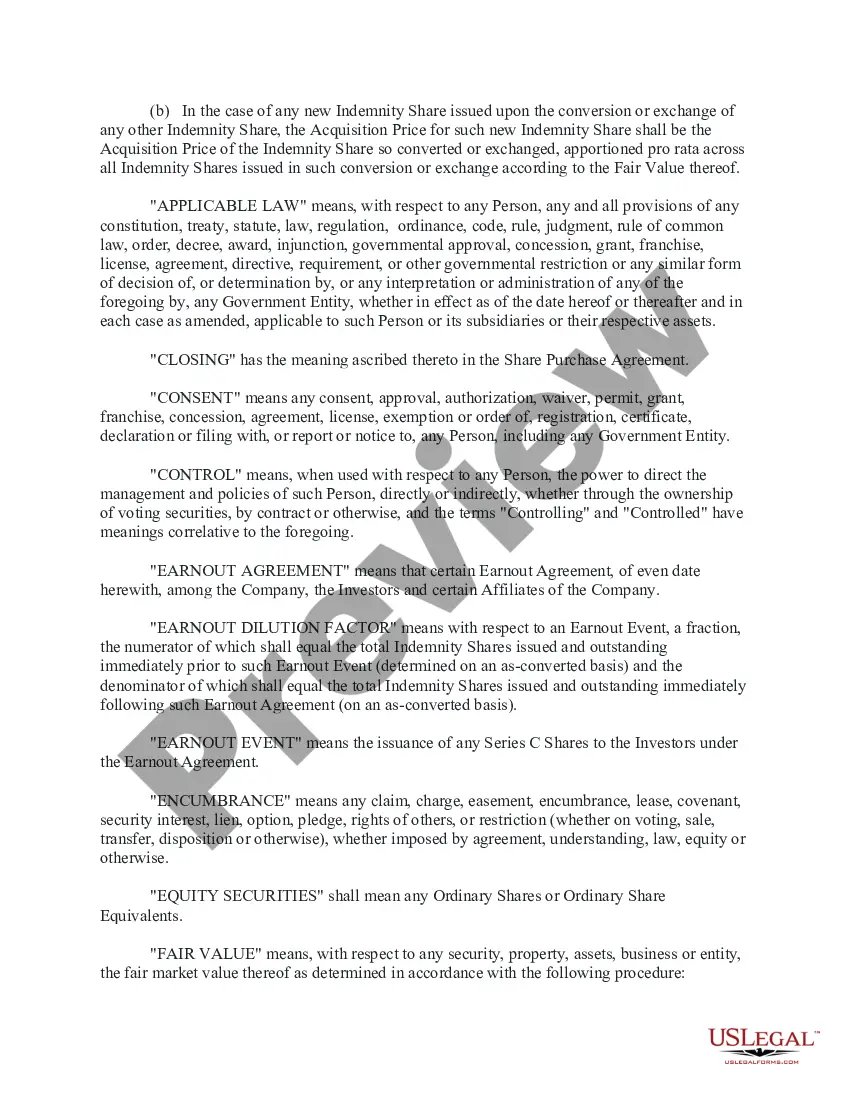
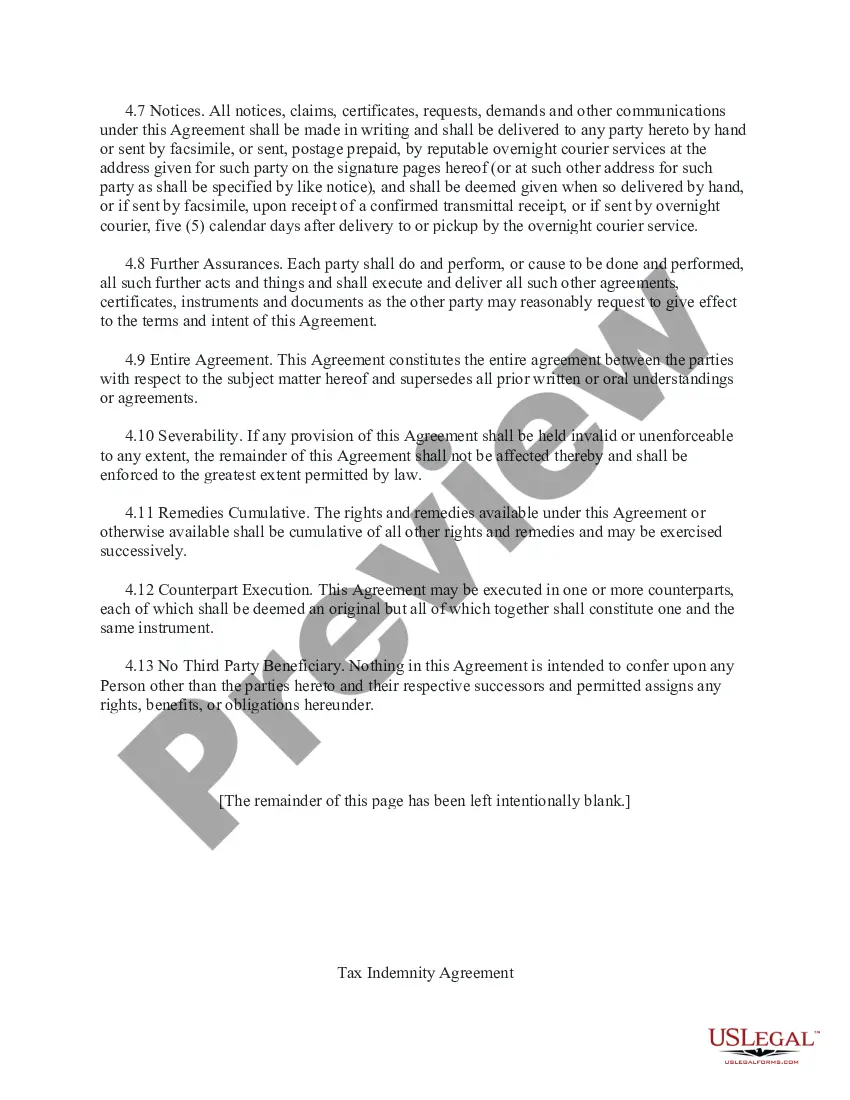
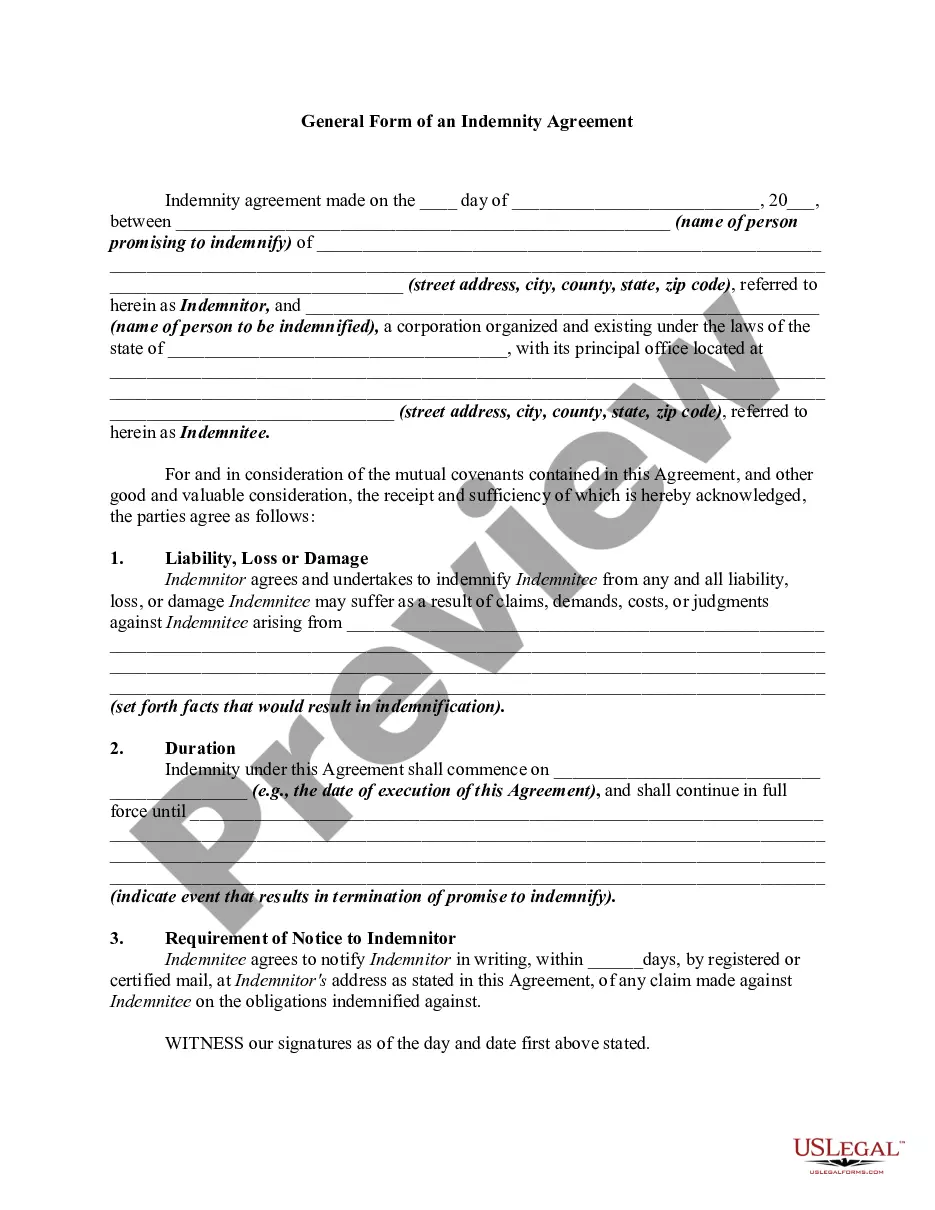
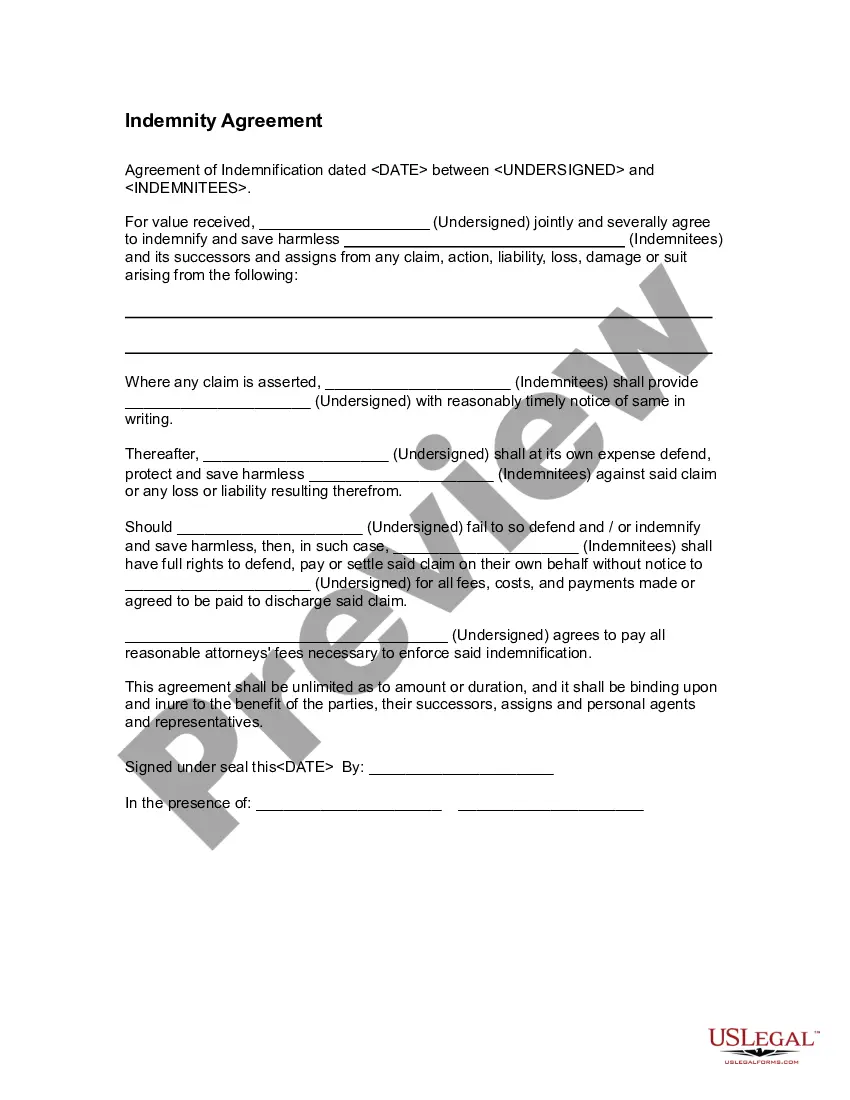
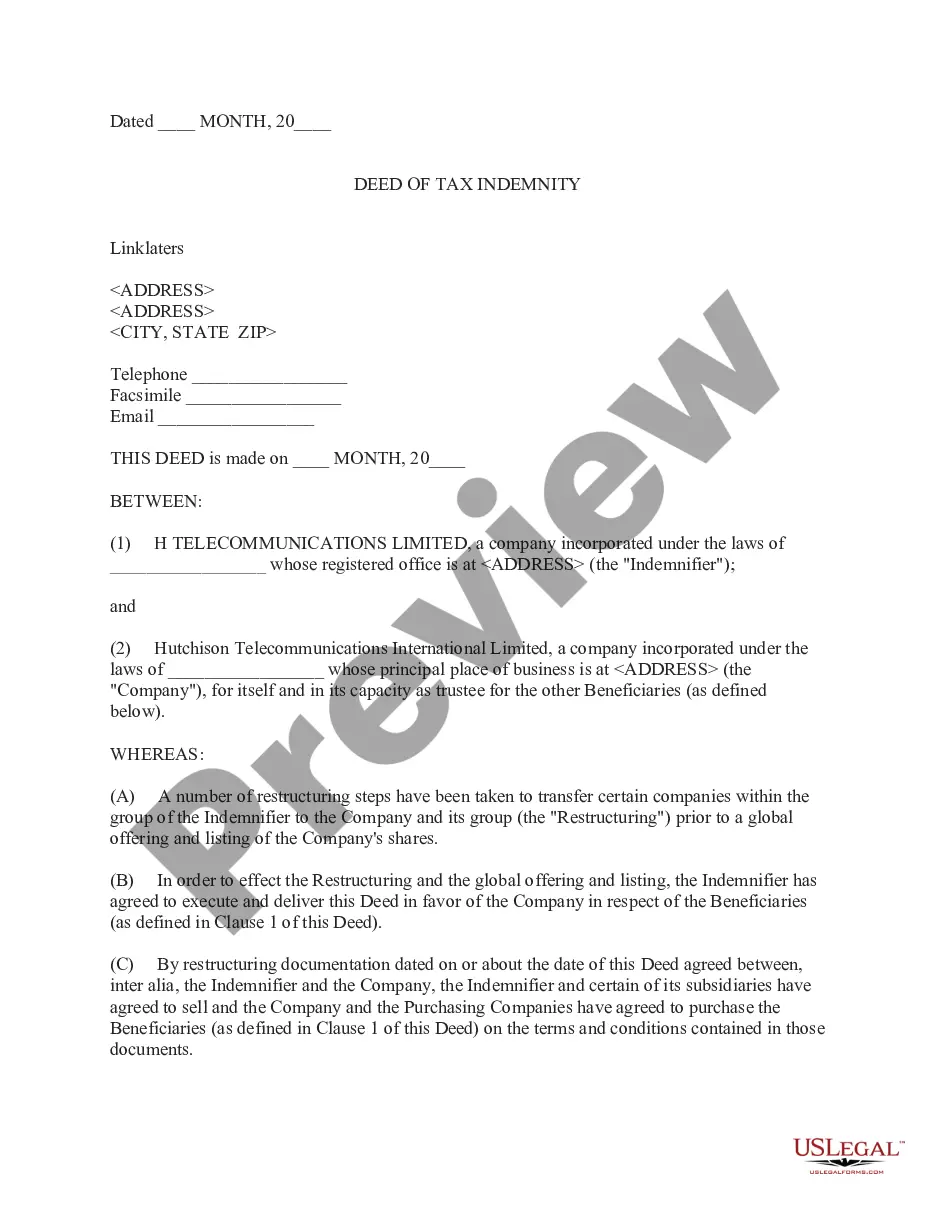
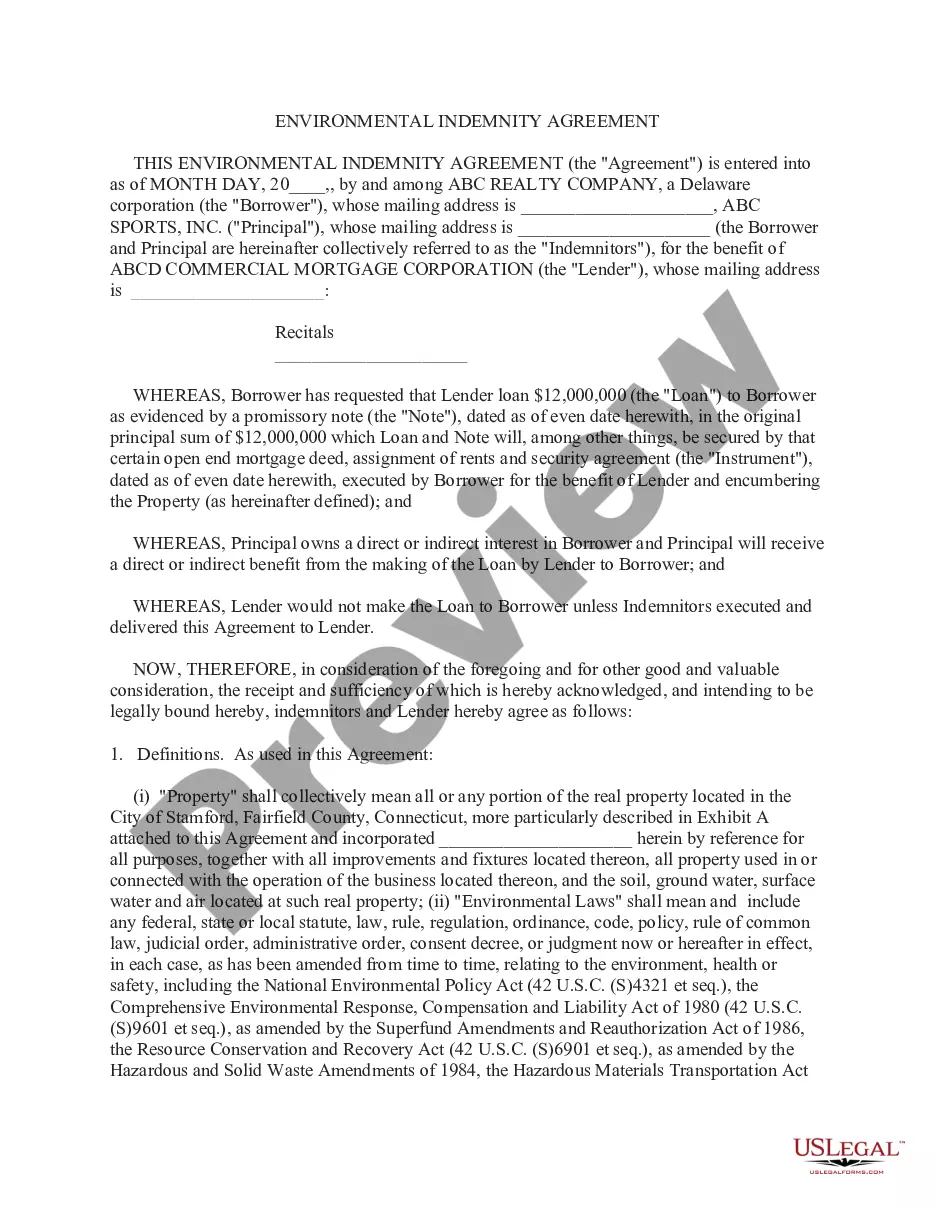
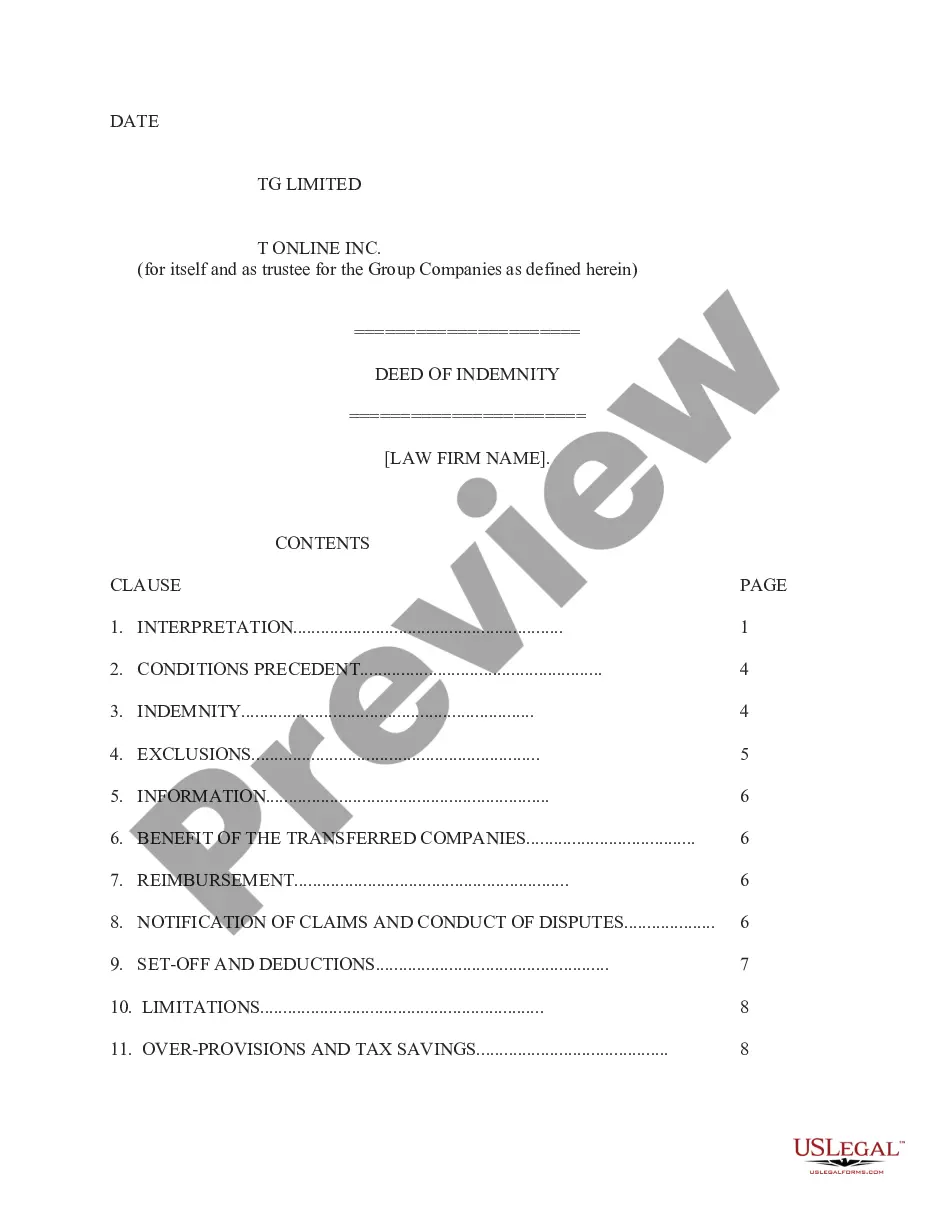
The Tax Indemnity Agreement is a legal document designed to outline the responsibilities of one party to indemnify another against certain tax liabilities. This form is commonly used during business transactions, such as mergers and acquisitions, where tax-related issues may arise after the deal is finalized. Unlike other indemnity agreements, this specific form focuses on tax implications and responsibilities, ensuring clear guidelines are established between all involved parties.
Form components explained
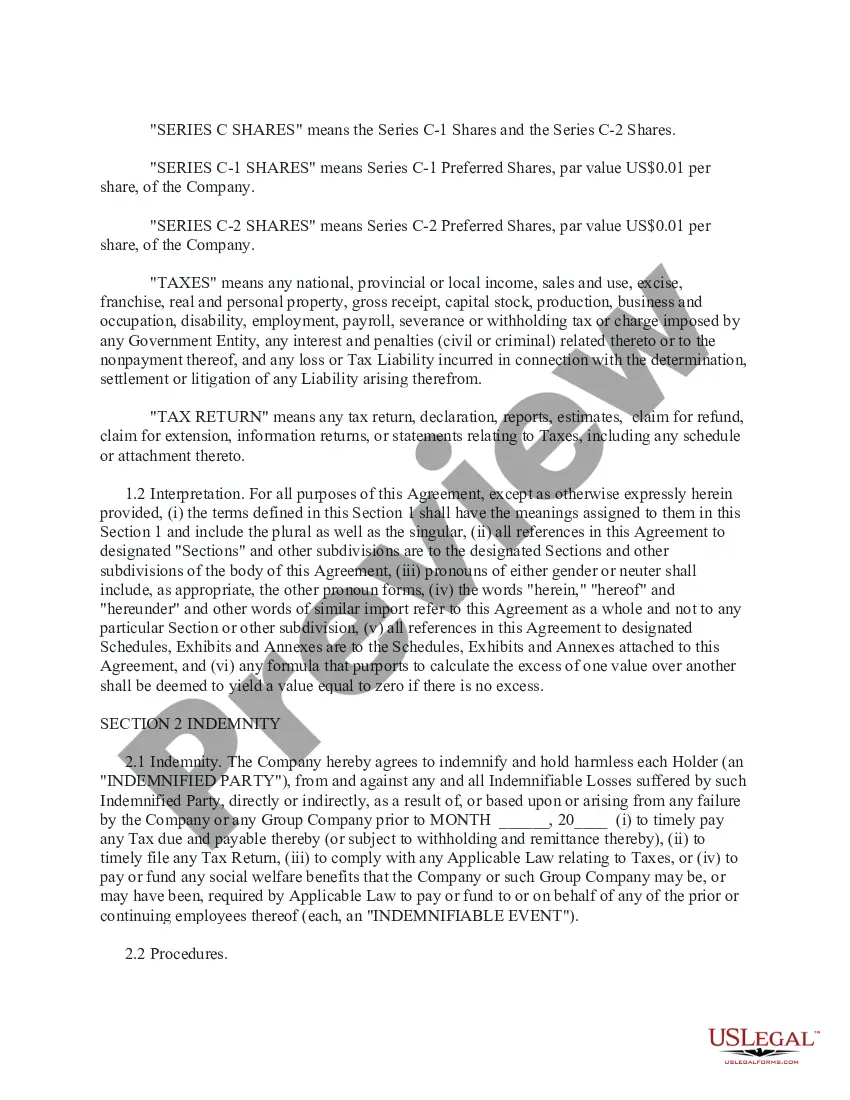
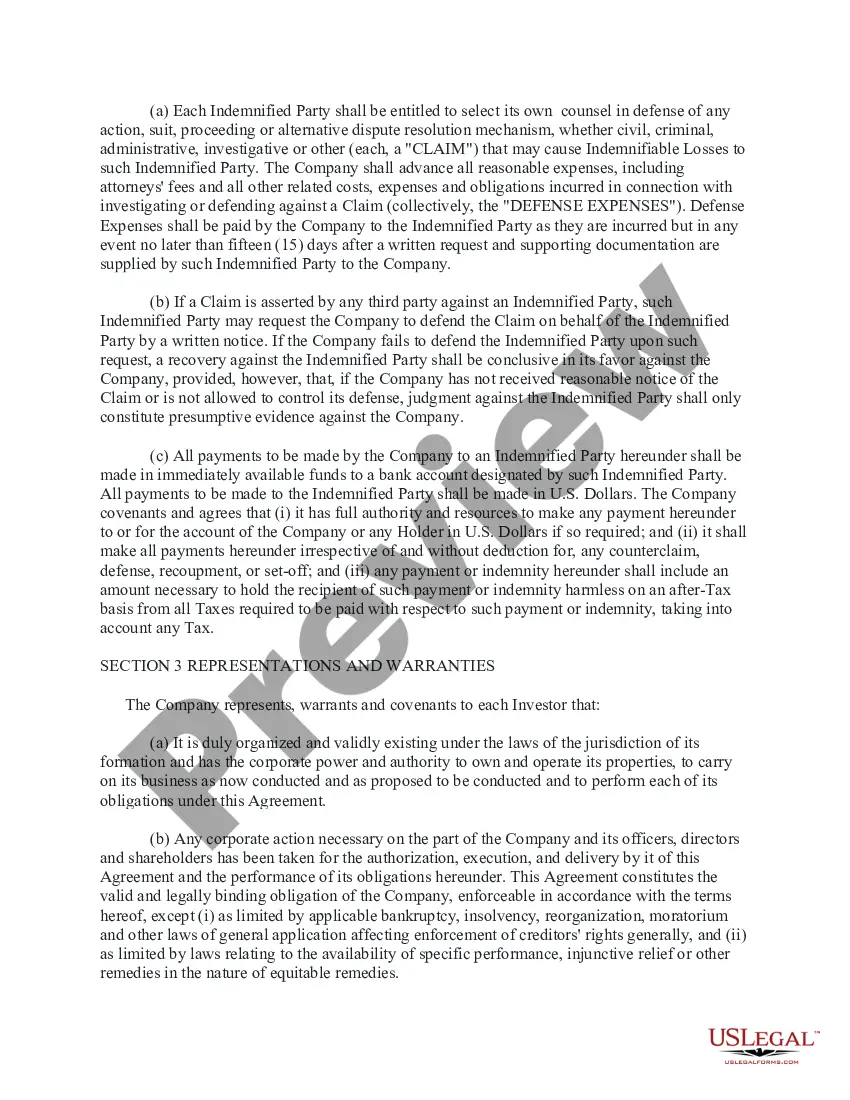
- Indemnity Clause: Specifies the obligations of the indemnifying party to cover tax-related losses.
- Definitions Section: Offers clear definitions of key terms used throughout the agreement, such as "Indemnifiable Loss" and "Indemnity Share."
- Procedures for Claims: Outlines the steps an indemnified party must take to initiate claims under the agreement.
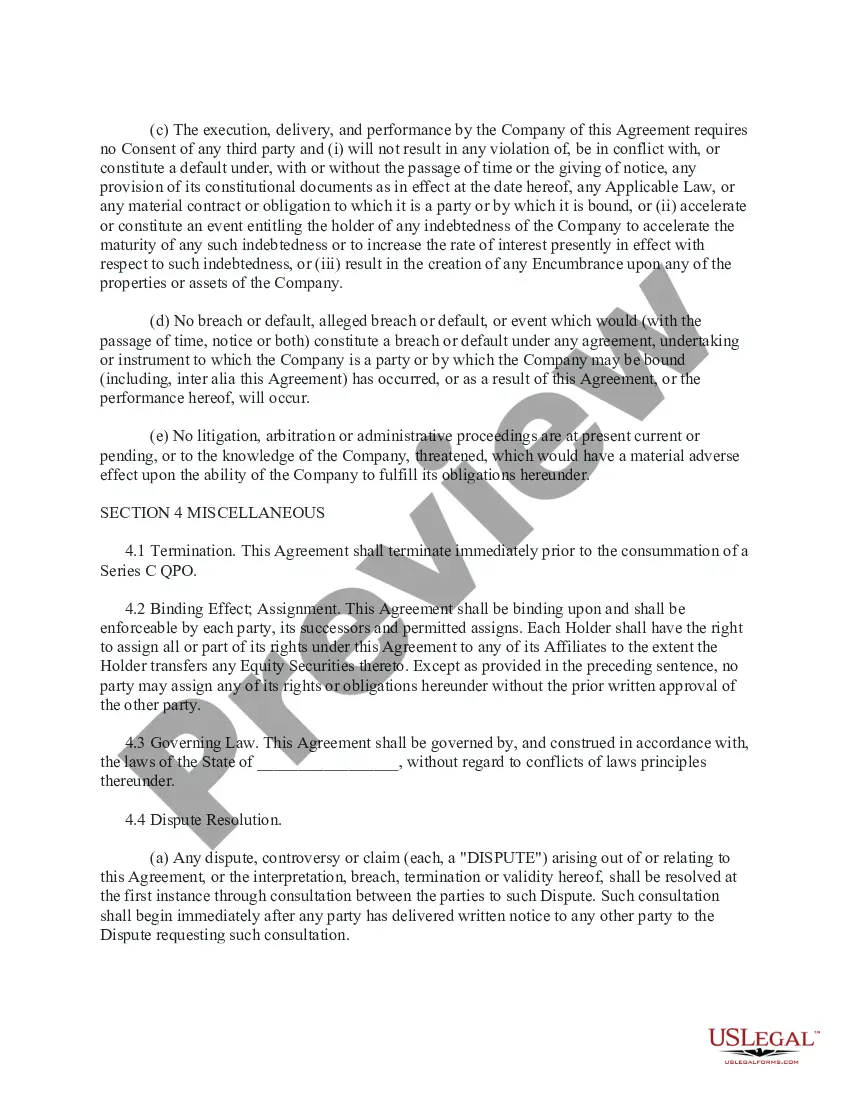
- Representations and Warranties: Includes assurances from the company about its legal compliance and business status.
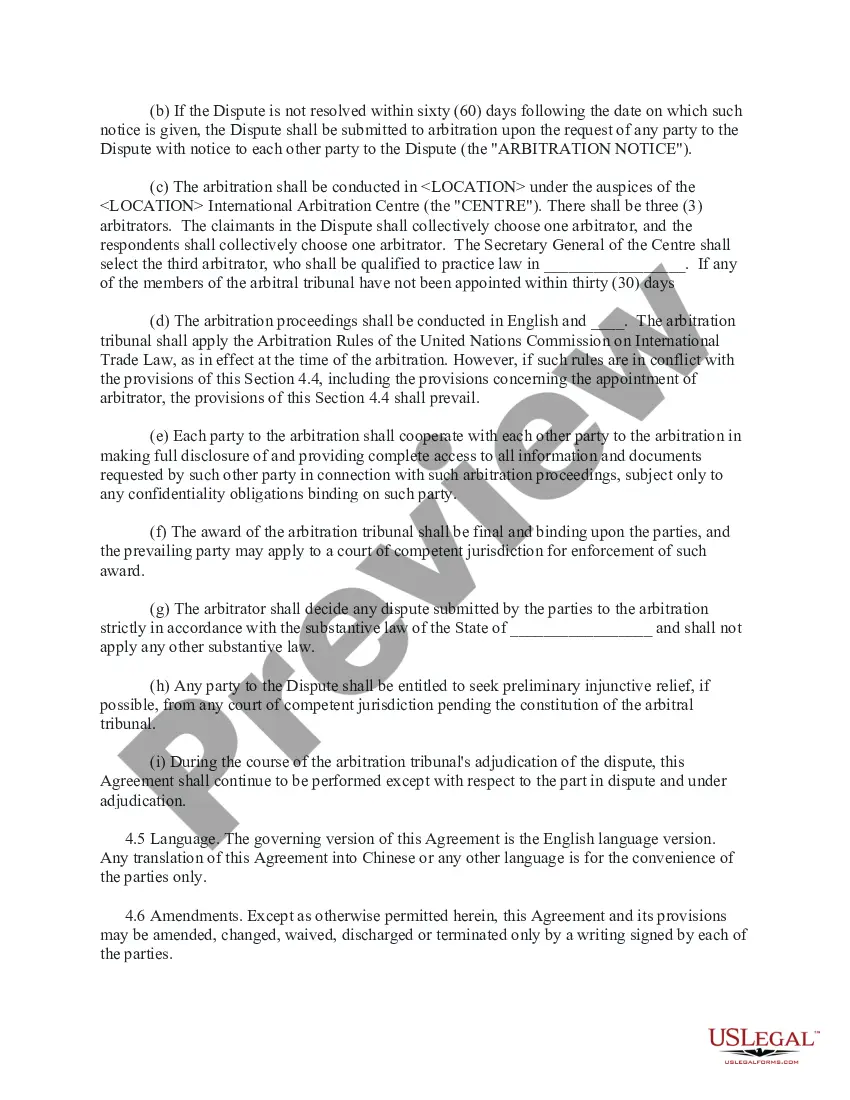
- Governing Law: Specifies which jurisdiction's laws will govern the agreement.




Common use cases
This form should be utilized in scenarios involving potential tax liabilities connected to financial transactions, such as mergers, acquisitions, or public offerings. When businesses enter into agreements that may later result in tax disputes or claims from third parties, a Tax Indemnity Agreement provides a framework for handling these issues efficiently and protecting the interests of all parties involved.
Who needs this form
- Corporate entities engaging in mergers or acquisitions.
- Investors involved in business transactions requiring tax liability considerations.
- Legal professionals drafting agreements that involve tax indemnification clauses.
How to complete this form
- Identify the parties involved: Clearly outline the names and roles of the indemnifying and indemnified parties.
- Detail the indemnity clauses: Specify the scope and limitations of the indemnification.
- Define critical terms: Include definitions for terms that may be complex or specific to the agreement.
- Include representations and warranties: Ensure all parties affirm their legal status and capabilities.
- Enter applicable dates: Fill out the dates relevant to the agreement's execution and any critical timelines.
Is notarization required?
Notarization is not commonly needed for this form. However, certain documents or local rules may make it necessary. Our notarization service, powered by Notarize, allows you to finalize it securely online anytime, day or night.
Get your form ready online
Our built-in tools help you complete, sign, share, and store your documents in one place.
Make edits, fill in missing information, and update formatting in US Legal Forms—just like you would in MS Word.
Download a copy, print it, send it by email, or mail it via USPS—whatever works best for your next step.
Sign and collect signatures with our SignNow integration. Send to multiple recipients, set reminders, and more. Go Premium to unlock E-Sign.
If this form requires notarization, complete it online through a secure video call—no need to meet a notary in person or wait for an appointment.
We protect your documents and personal data by following strict security and privacy standards.

Make edits, fill in missing information, and update formatting in US Legal Forms—just like you would in MS Word.

Download a copy, print it, send it by email, or mail it via USPS—whatever works best for your next step.

Sign and collect signatures with our SignNow integration. Send to multiple recipients, set reminders, and more. Go Premium to unlock E-Sign.

If this form requires notarization, complete it online through a secure video call—no need to meet a notary in person or wait for an appointment.

We protect your documents and personal data by following strict security and privacy standards.
Avoid these common issues
- Failing to define key terms clearly, which can lead to ambiguity.
- Not specifying the jurisdiction for governance, potentially complicating legal enforcement.
- Neglecting to include adequate procedures for making claims, which may hinder indemnified parties.
Benefits of completing this form online
- Convenience of completing the form from anywhere with internet access.
- Easy to edit and customize the agreement to meet specific needs.
- Access to reliable templates drafted by licensed attorneys, ensuring legal compliance.
Looking for another form?





Form popularity
FAQ
The tax treatment of payments under fixed indemnity health coverage depends on how the premiums are paid. If employees are taxed on the premiums, the fixed indemnity payments are not taxable. Fixed indemnity payments are taxable when premiums are paid by the employer or by employees on a pre-tax basis.
Supplemental health insurance premiums, like hospital indemnity insurance and critical illness insurance, are generally tax deductible, but only as a qualified medical expense.
From a US tax perspective, there are typically no consequences from indemnification payments. The amount paid to the taxing authority and the amount collected from the seller would generally offset, with no net impact on taxable earnings.
Although similar to a hold harmless agreement, an indemnity agreement is an arrangement whereby one party agrees to pay the other party for any damages regardless of who is at fault.
What Lawsuit Settlement is not Taxable? Compensation money awarded for visible injuries is considered tax-free, so there is no need to include these settlements in your yearly tax report. As mentioned, settlement awards from personal injury lawsuits that demonstrate ?observable bodily harm? are not taxable by the IRS.
Why are indemnity clauses misused? Indemnity clauses are most commonly misused for two reasons: That if a risk is not covered by an indemnity, a party will not have adequate means of recovering its loss if the risk materialises.
Us Income taxes guide 15.8. Income tax indemnifications are contractual arrangements established between two parties whereby one party will reimburse the other for income taxes paid to a taxing authority related to tax positions that arose (typically) prior to a transaction.
Money you receive as part of an insurance claim or settlement is typically not taxed. The IRS only levies taxes on income, which is money or payment received that results in you having more wealth than you did before.