Prepayment Penalty Clauses: Contract for Real Property
Overview of this form
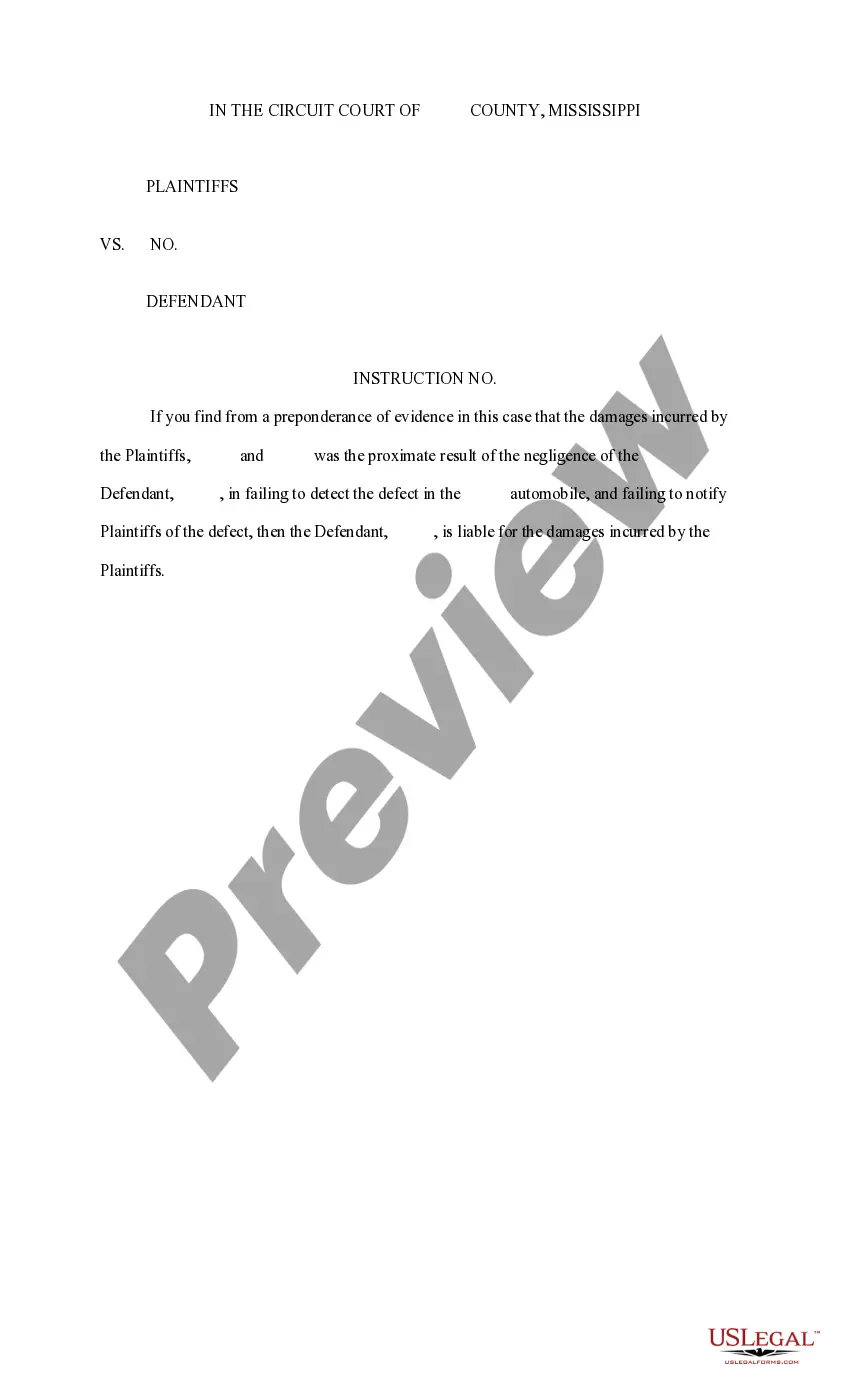
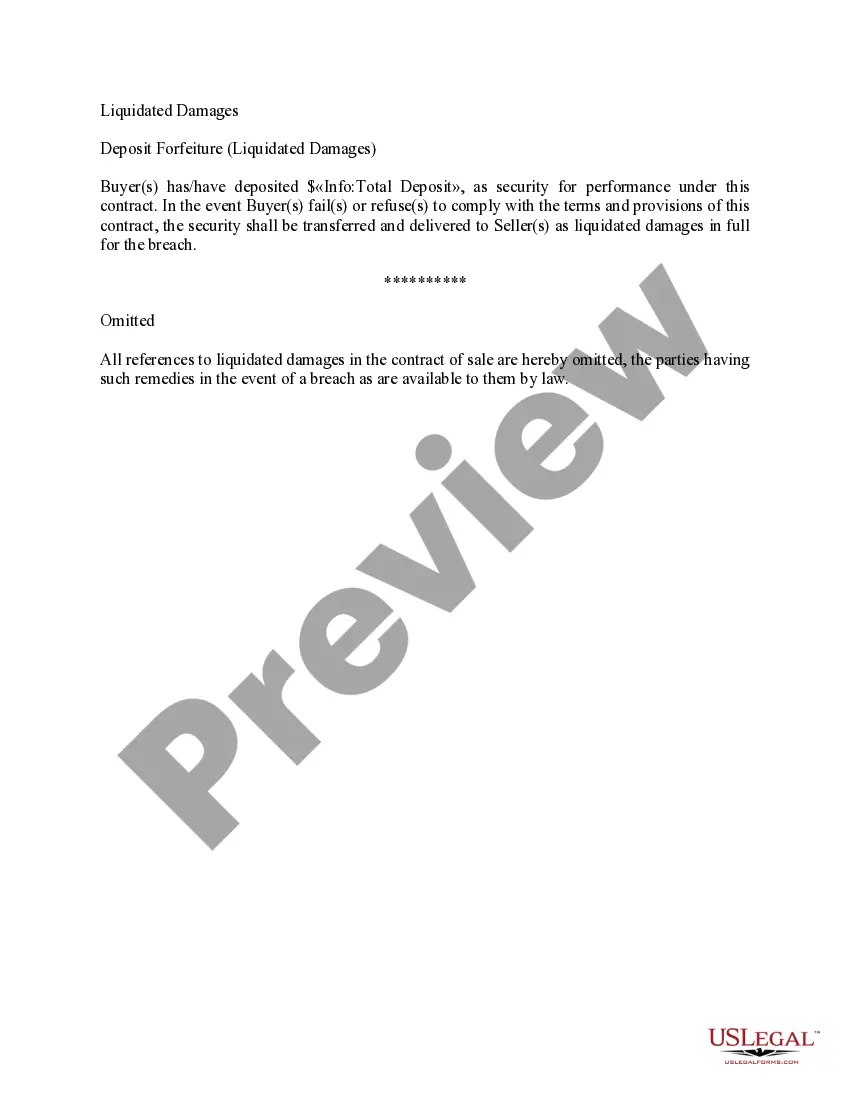
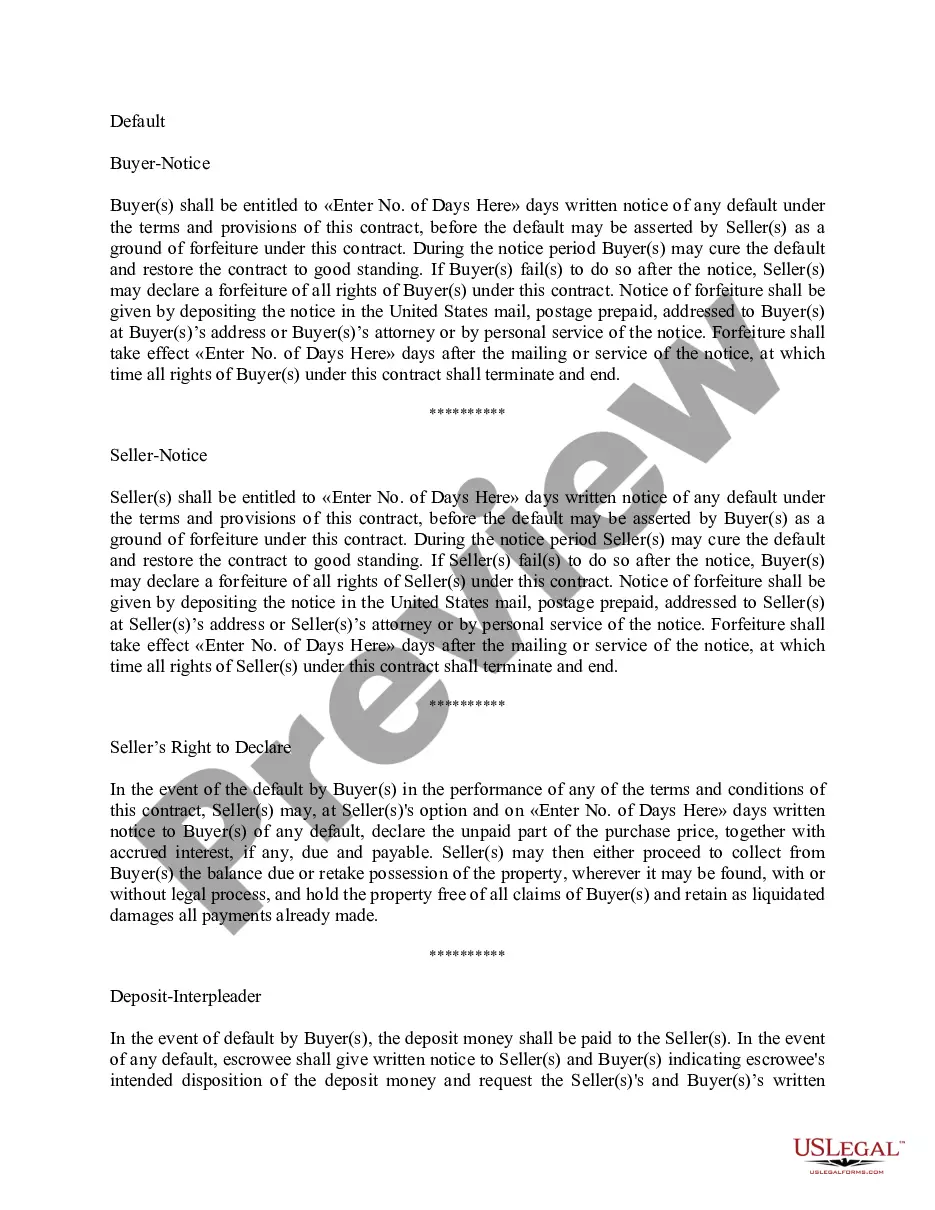
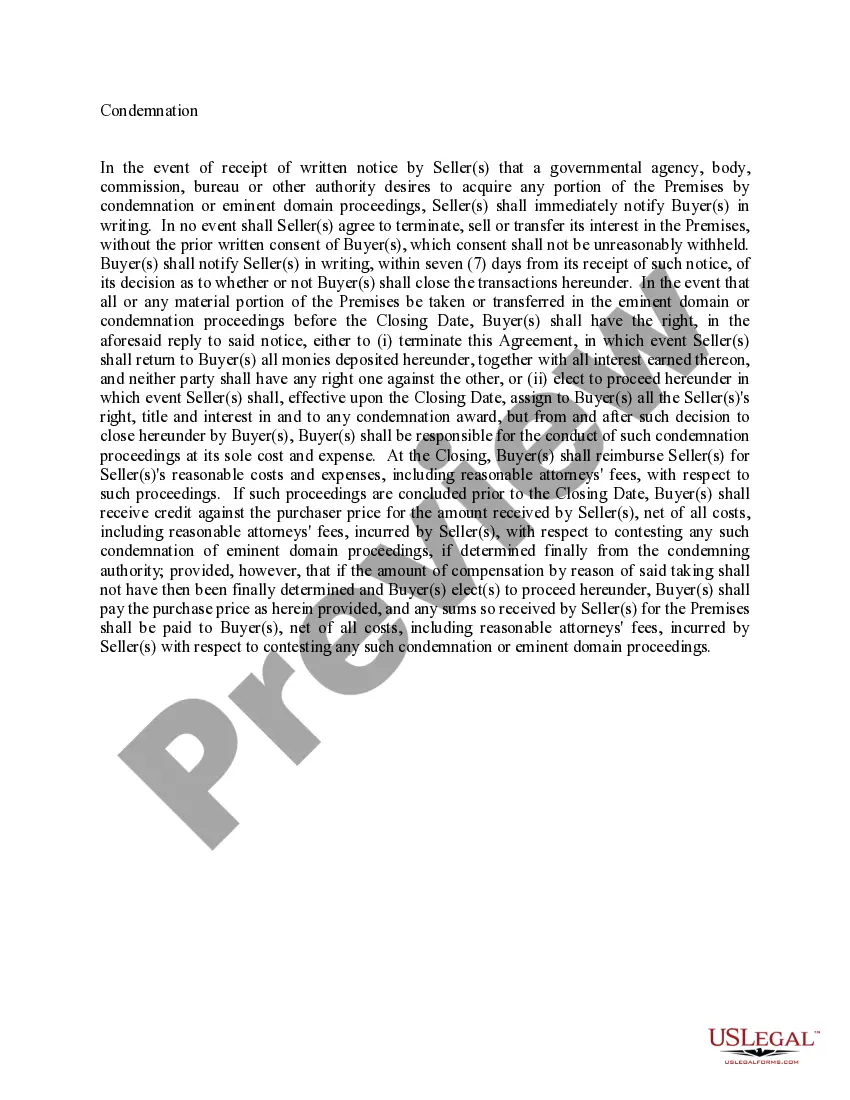
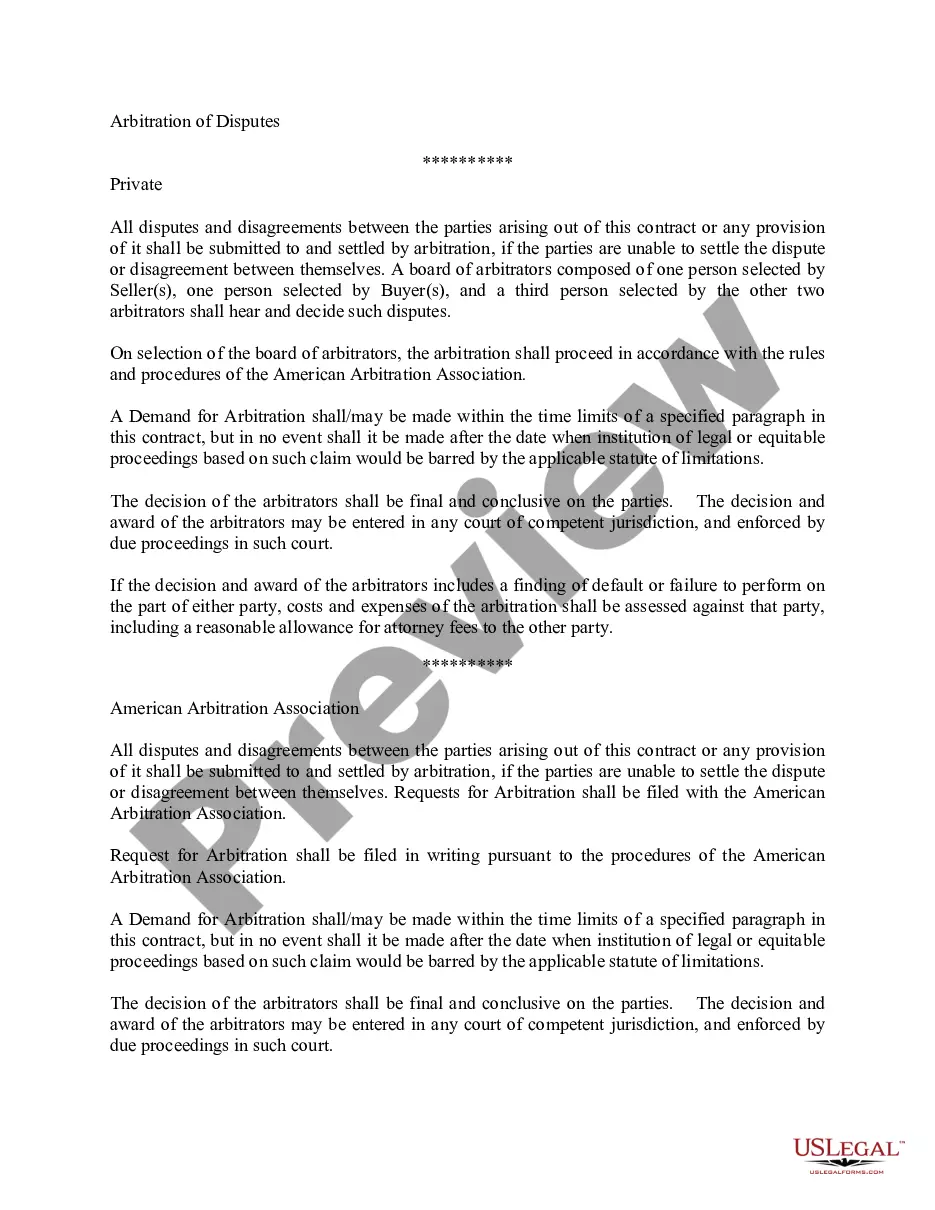
The Prepayment Penalty Clause form for a contract for real property outlines the terms under which a borrower can make early payments on their mortgage. This form specifies conditions that may impose penalties on the borrower if payments are made before a set date. Unlike standard contracts, this form specifically addresses the financial implications of prepayment, which can protect lenders from potential losses due to early payoffs. Understanding this clause is crucial for both borrowers and lenders to ensure clarity and compliance in real estate transactions.
Key parts of this document
- The prohibition of principal prepayment before a specified date.
- The allowance for penalty-free prepayments after this date, up to a certain amount per calendar year.
- Details about penalties for prepayments exceeding the allowed amount.
- Space to enter the specific date and monetary amounts relevant to the contract.
When this form is needed
This form is essential when drafting a mortgage agreement that includes a prepayment penalty clause. It should be used in scenarios where the lender wishes to limit the borrower's ability to make early payments without facing penalties. Real estate transactions that involve significant loan amounts or where the lender's return on investment may be affected by early payment often require this clause to ensure that both parties are aware of financial obligations and penalties associated with prepayment.
Who can use this document
- Lenders providing mortgages who want to establish terms for prepayment penalties.
- Real estate attorneys drafting contracts for clients.
- Borrowers who need to understand the implications of prepayment penalties in their mortgage agreements.
- Real estate agents advising clients about contract terms and considerations.
Steps to complete this form
- Identify the parties involved in the contract, including the borrower and lender.
- Specify the property for which the mortgage is being issued.
- Enter the date before which no prepayment can be made.
- Indicate the amount that can be prepaid each year without penalty.
- Fill in the penalty amount for any prepayments that exceed the specified limit.
Is notarization required?
This form does not typically require notarization unless specified by local law. It is advisable to check local regulations to ensure compliance with any specific notarization requirements related to real property contracts.
Get your form ready online
Our built-in tools help you complete, sign, share, and store your documents in one place.
Make edits, fill in missing information, and update formatting in US Legal Forms—just like you would in MS Word.
Download a copy, print it, send it by email, or mail it via USPS—whatever works best for your next step.
Sign and collect signatures with our SignNow integration. Send to multiple recipients, set reminders, and more. Go Premium to unlock E-Sign.
If this form requires notarization, complete it online through a secure video call—no need to meet a notary in person or wait for an appointment.
We protect your documents and personal data by following strict security and privacy standards.

Make edits, fill in missing information, and update formatting in US Legal Forms—just like you would in MS Word.

Download a copy, print it, send it by email, or mail it via USPS—whatever works best for your next step.

Sign and collect signatures with our SignNow integration. Send to multiple recipients, set reminders, and more. Go Premium to unlock E-Sign.

If this form requires notarization, complete it online through a secure video call—no need to meet a notary in person or wait for an appointment.

We protect your documents and personal data by following strict security and privacy standards.
Common mistakes
- Failing to clearly specify the prepayment restriction date.
- Not defining the penalty amounts accurately, leading to confusion.
- Using outdated or invalid state-specific language that does not comply with current laws.
Why complete this form online
- Easy access to legal templates drafted by licensed attorneys, ensuring compliance.
- Quick customization options to fit individual needs and state requirements.
- Convenient download and printing process that saves time and resources.
What to keep in mind
- The Prepayment Penalty Clause form is essential for defining early payment restrictions in mortgage agreements.
- Clarifying the terms protects both lenders' interests and borrowers' understanding of their obligations.
- Proper use and completion of the form ensure compliance with applicable state laws.
Looking for another form?

Form popularity
FAQ
How much are prepayment penalties? Although prepayment penalties are rare today, when applicable, the fee can be steep. The penalty can be 2 percent of your loan balance within the loan's first two years and 1 percent of your loan balance in year three.
Divide the number of months remaining in your mortgage by 12, and multiply the result by the first figure (if you have 24 months remaining on your mortgage, divide 24 by 12 to get 2). Multiply $4,000 x 2 = $8,000 prepayment penalty. When in doubt, consult with your mortgage lender.
With a 3/2/1 prepayment penalty, the homeowner is charged a 3% penalty fee on the remaining balance of the loan, if they pay off their home mortgage within the first year. If they pay off their loan balance the second year, the penalty fee is 2%.
Generally, the penalty is a straightforward declining payment schedule. For example, a 5-4-3-2-1 schedule for a 5 year loan term would make the borrower responsible for paying a penalty of 5% of the outstanding balance if prepaying the loan in the first year, 4% in the second year, 3% in the third year, and so on.
A prepayment penalty is a fee that some lenders charge if you pay off all or part of your mortgage early. If you have a prepayment penalty, you would have agreed to this when you closed on your home. Not all mortgages have a prepayment penalty.
The penalty can be 2 percent of your loan balance within the loan's first two years and 1 percent of your loan balance in year three. For example, say you want to sell your home only one year after you took out a non-conforming mortgage loan to purchase it.
A 3-2-1 prepayment penalty, otherwise known as a 3 year stepdown prepayment penalty, charges a 3% fee on the outstanding principal loan balance if the loan is paid off in year 1, a 2% fee in year 2, and a 1% fee in year 3. If the loan is paid off in year 4, there will be no prepayment penalty.