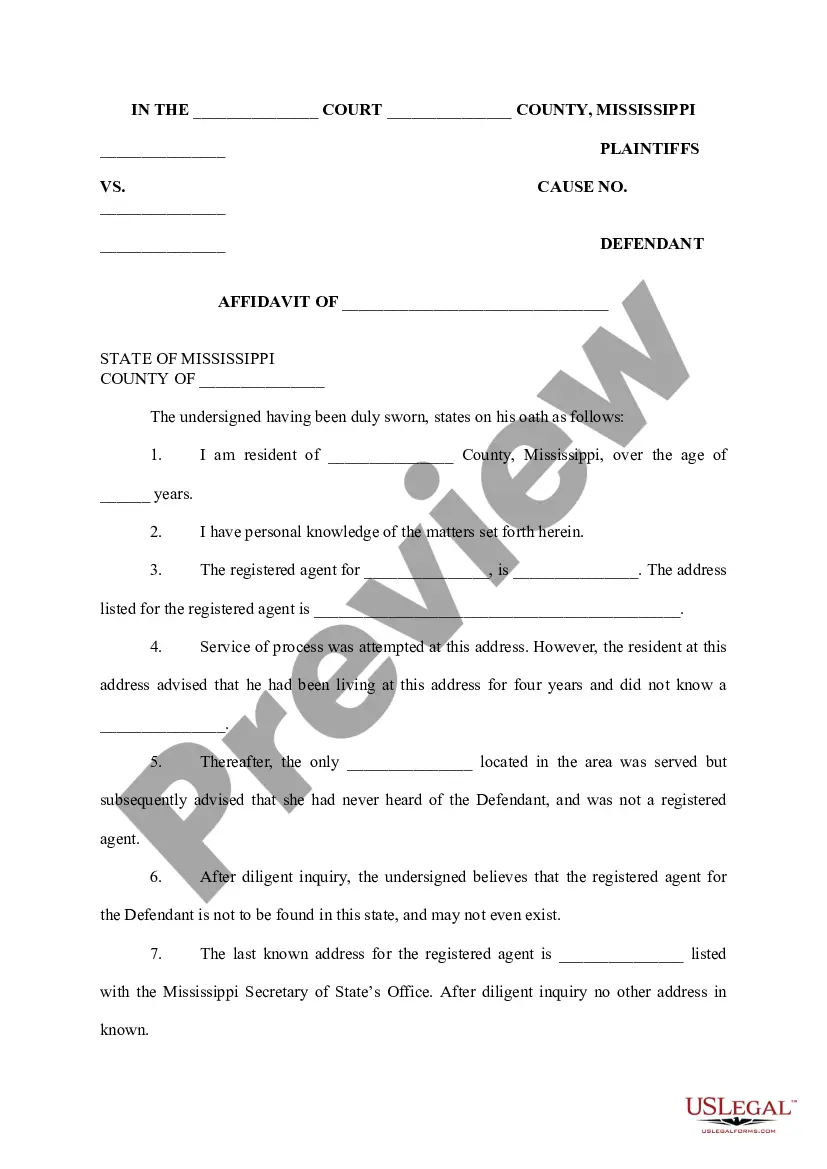
Motion for Rule 2004 examination - hearing
Overview of this form
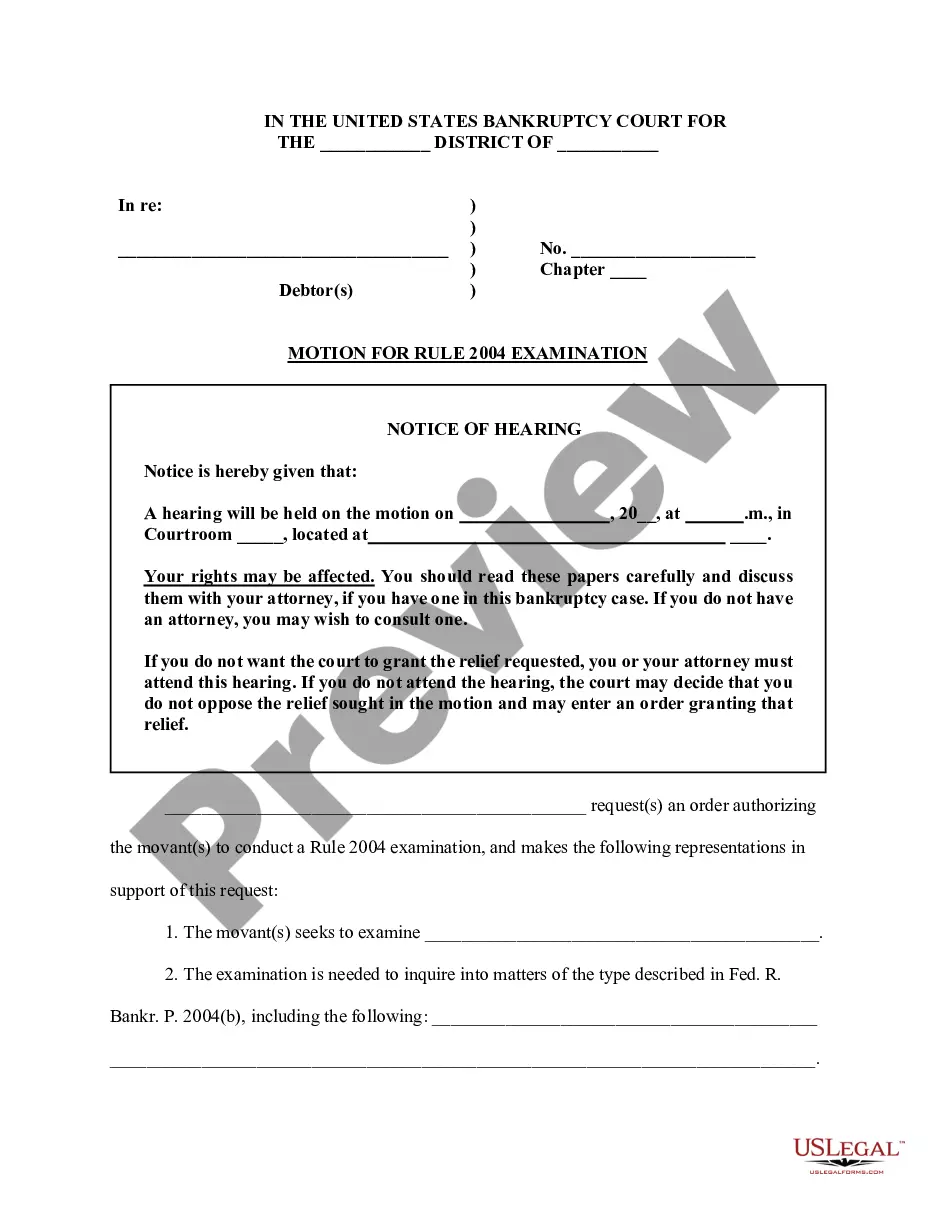
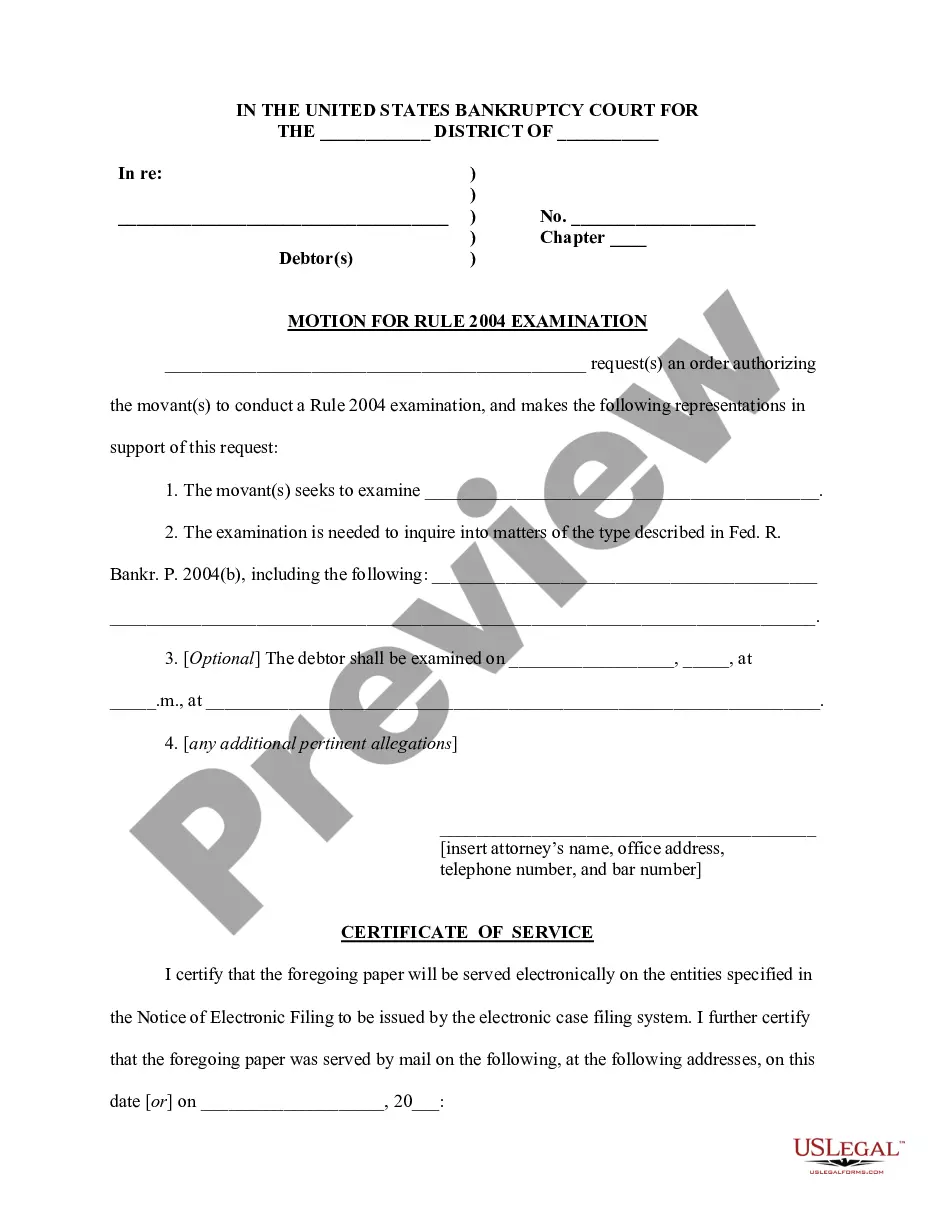
The Motion for Rule 2004 Examination is a legal document filed in bankruptcy court that requests a hearing to examine a debtor under Rule 2004 of the Federal Rules of Bankruptcy Procedure. This motion allows the examining party to gather information about the debtor's financial affairs and assets, which aids in ensuring equitable treatment of creditors. It is distinct from other motions as it specifically addresses the examination of debtors or other relevant parties in bankruptcy cases.
What’s included in this form
- Caption Section: Identifies the court, the debtor, and the case number.
- Motion Section: Specifies the request for a Rule 2004 examination.
- Notice of Hearing: Details about the scheduled hearing, including date and time.
- Representations: Provides the reasons for the examination and any pertinent allegations.
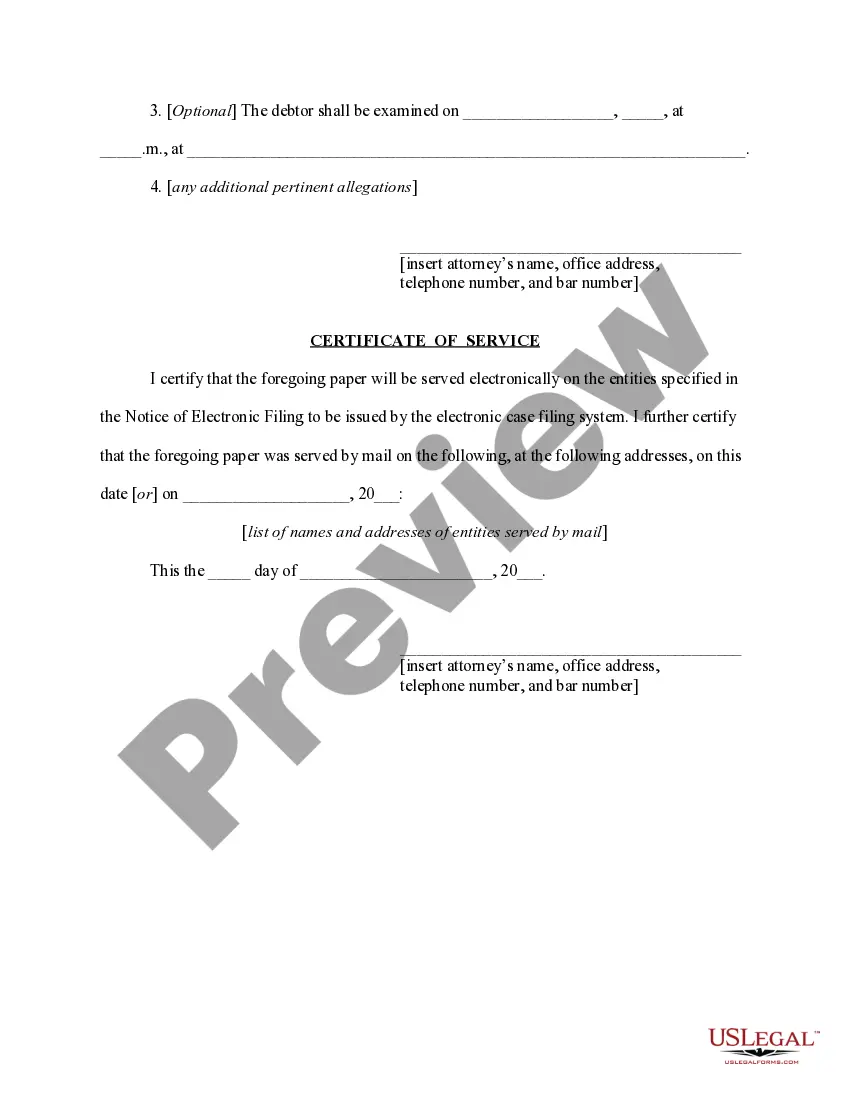
- Attorney Information: Includes the name, address, telephone number, and bar number of the attorney filing the motion.
- Certificate of Service: Confirms that relevant parties have been notified of the motion.
When to use this form
This form should be used when a creditor or interested party needs to investigate the financial circumstances of a debtor in a bankruptcy case. Common scenarios include when the necessary information cannot be obtained through regular discovery processes, or when specific details are needed to assess the debtor's assets, liabilities, or potential misconduct. The examination can involve questioning the debtor about their financial records and transactions that occurred prior to filing for bankruptcy.
Who this form is for
- Creditors looking to gather information about a debtorâs financial situation.
- Trustees managing a bankruptcy estate who need to investigate claims.
- Debtors responding to queries regarding their financial disclosures.
- Attorneys representing parties involved in bankruptcy proceedings.
Steps to complete this form
- Fill in the caption section by entering the court, district, debtor name, case number, and chapter details.
- In the motion section, clearly state the request for the Rule 2004 examination and the individual to be examined.
- Specify the matters to be inquired about, citing Rule 2004(b) for clarity.
- List any proposed dates for the examination if applicable.
- Complete the attorney information section with your legal details.
- In the Certificate of Service, provide a list of entities served and the method of service.
Does this form need to be notarized?
This form does not typically require notarization unless specified by local law. However, consulting with an attorney is advised to ensure compliance with any specific requirements in your jurisdiction.
Get your form ready online
Our built-in tools help you complete, sign, share, and store your documents in one place.
Make edits, fill in missing information, and update formatting in US Legal Forms—just like you would in MS Word.
Download a copy, print it, send it by email, or mail it via USPS—whatever works best for your next step.
Sign and collect signatures with our SignNow integration. Send to multiple recipients, set reminders, and more. Go Premium to unlock E-Sign.
If this form requires notarization, complete it online through a secure video call—no need to meet a notary in person or wait for an appointment.
We protect your documents and personal data by following strict security and privacy standards.

Make edits, fill in missing information, and update formatting in US Legal Forms—just like you would in MS Word.

Download a copy, print it, send it by email, or mail it via USPS—whatever works best for your next step.

Sign and collect signatures with our SignNow integration. Send to multiple recipients, set reminders, and more. Go Premium to unlock E-Sign.

If this form requires notarization, complete it online through a secure video call—no need to meet a notary in person or wait for an appointment.

We protect your documents and personal data by following strict security and privacy standards.
Avoid these common issues
- Failing to provide sufficient details for the examination request.
- Not including the required notice of hearing information.
- Incomplete attorney information section.
- Neglecting to verify compliance with local court rules.
- Not properly certifying service to all necessary parties.
Benefits of completing this form online
- Convenience of accessing and completing the form from any location.
- Editability to customize the form for specific legal requirements.
- Reliability with templates drafted by licensed attorneys ensuring accuracy and compliance.
Looking for another form?

Form popularity
FAQ
Bankruptcy Rule 2004 provides that ?the court may order the examination of any entity? and that the scope of such examination ?may relate only to the acts, conduct, or property or to the liabilities and financial condition of the Debtor, or to any matter which may affect the administration of the Debtor's estate or to
In bankruptcy court disputed matters are either classified as ?contested matters? or ?adversary proceedings?. A contested matter commonly arises in disputed motions. Whereas adversary proceedings largely track traditional civil litigation (i.e., Complaint, Answer, Trial).
Authority to Take a Rule 2004 Exam: FRBP 2004 provides parties with the opportunity to conduct an examination of a person and/or documents, even though an adversary proceeding has not been filed. This is called a "Rule 2004 Examination".
During a 2004 examination, the trustee or creditor can examine anyone that might have knowledge of the debtor's finances and request the debtor or a third party to produce documents for review.