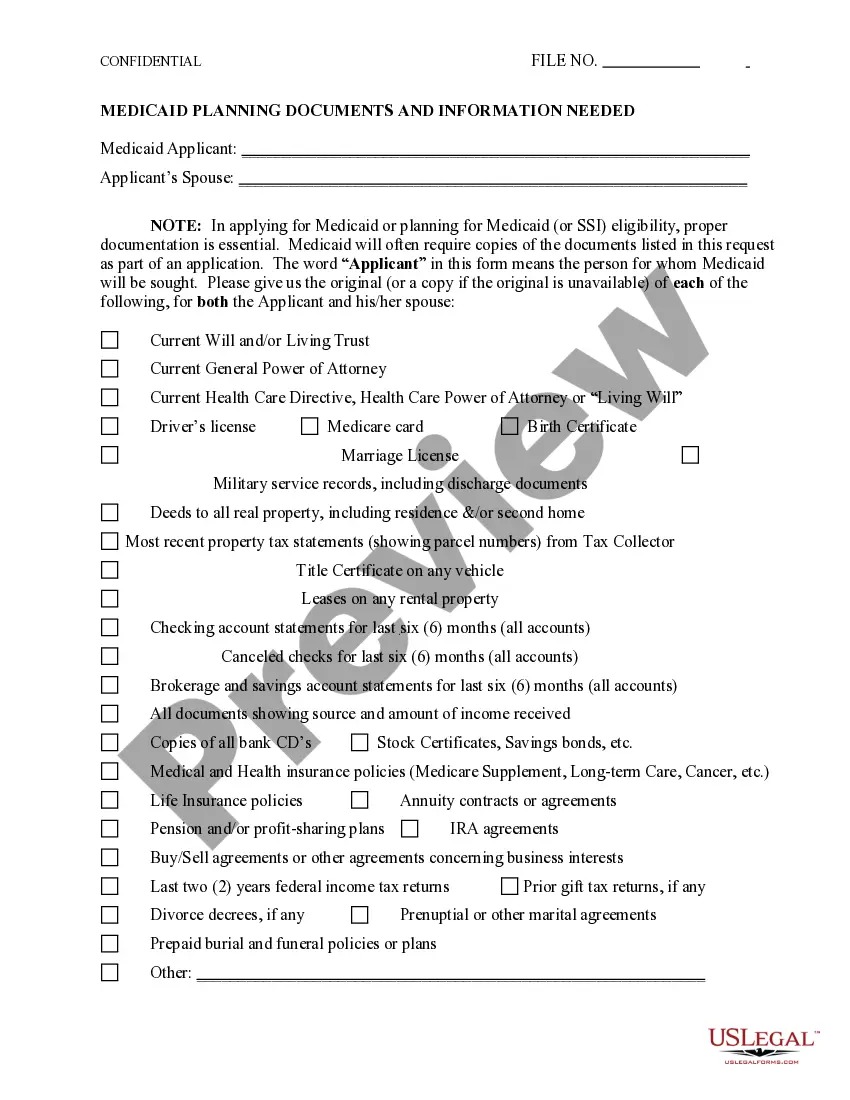
Request for Medicaid Planning Documents and Information
Overview of this form
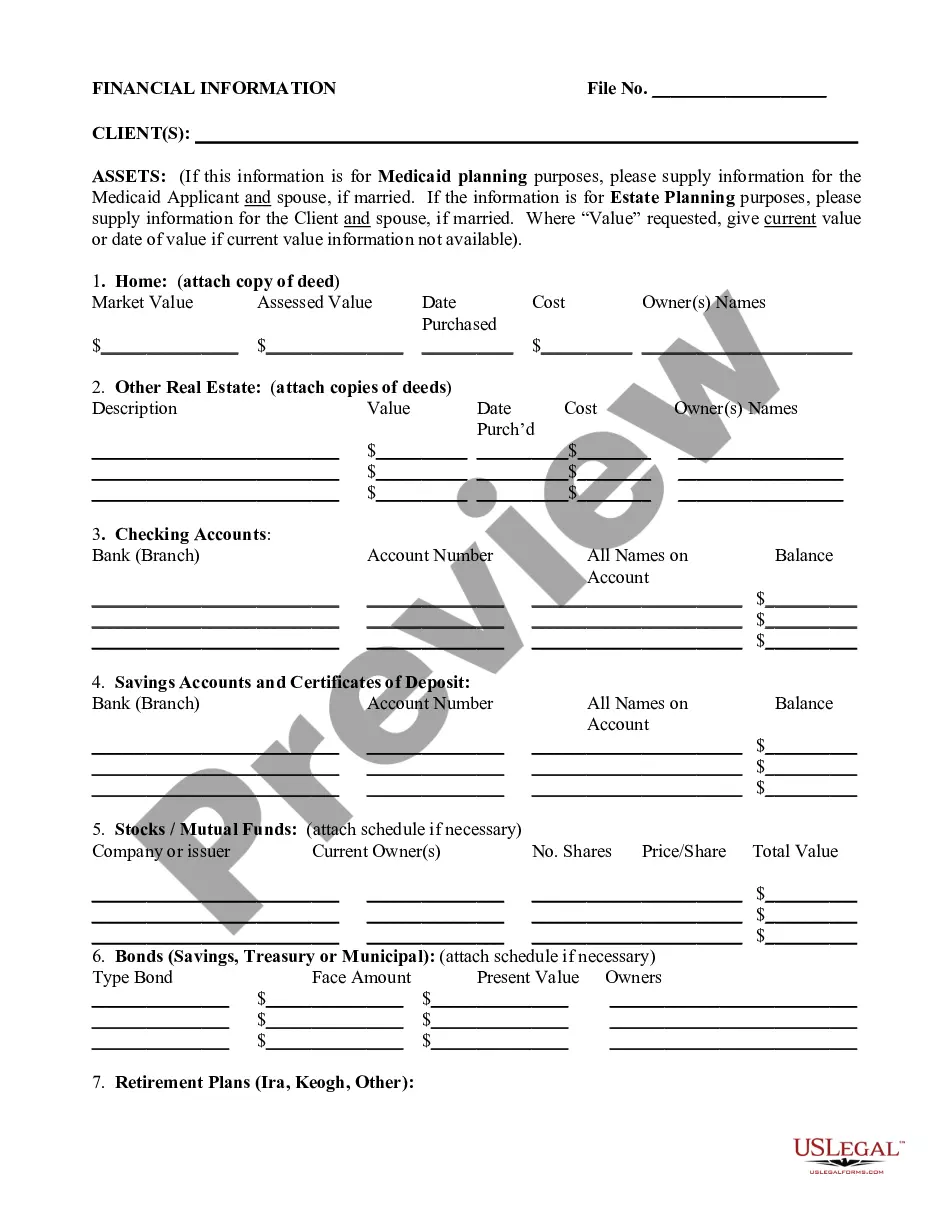
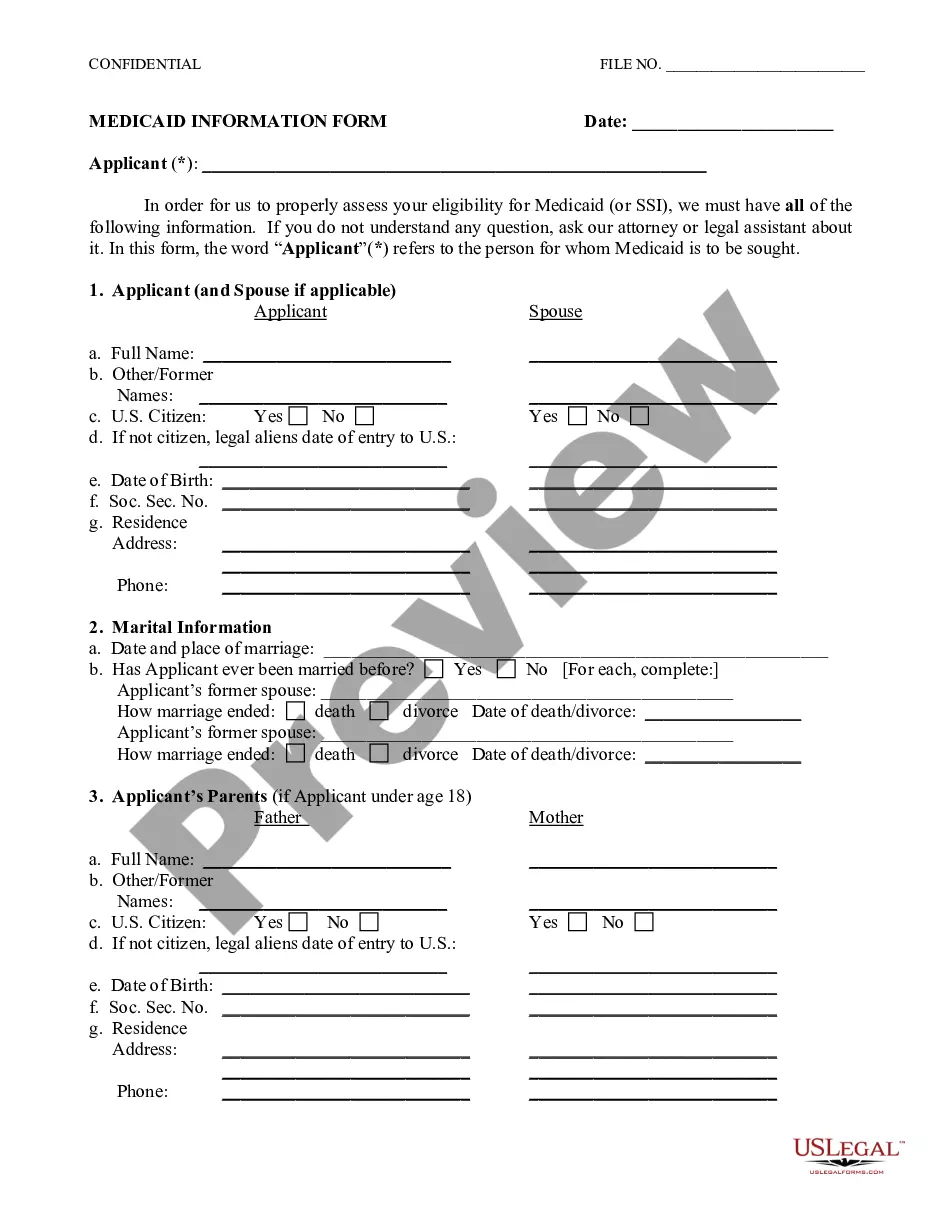
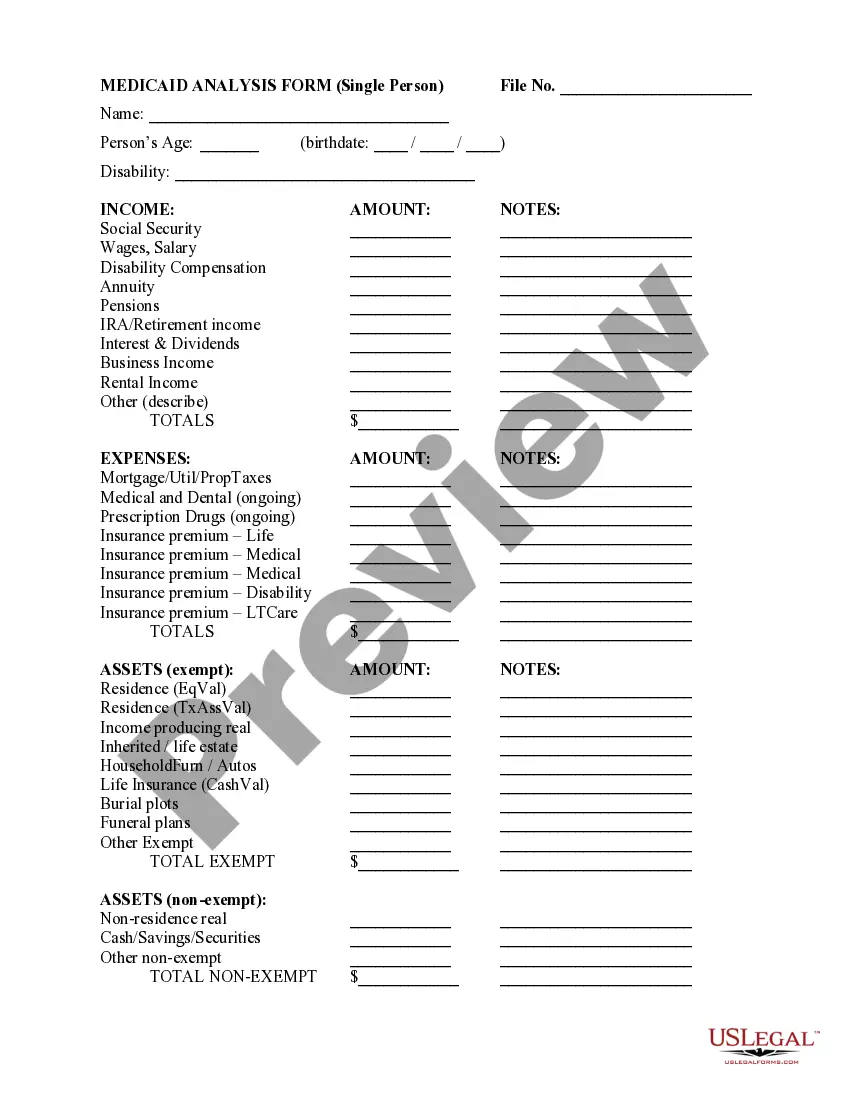
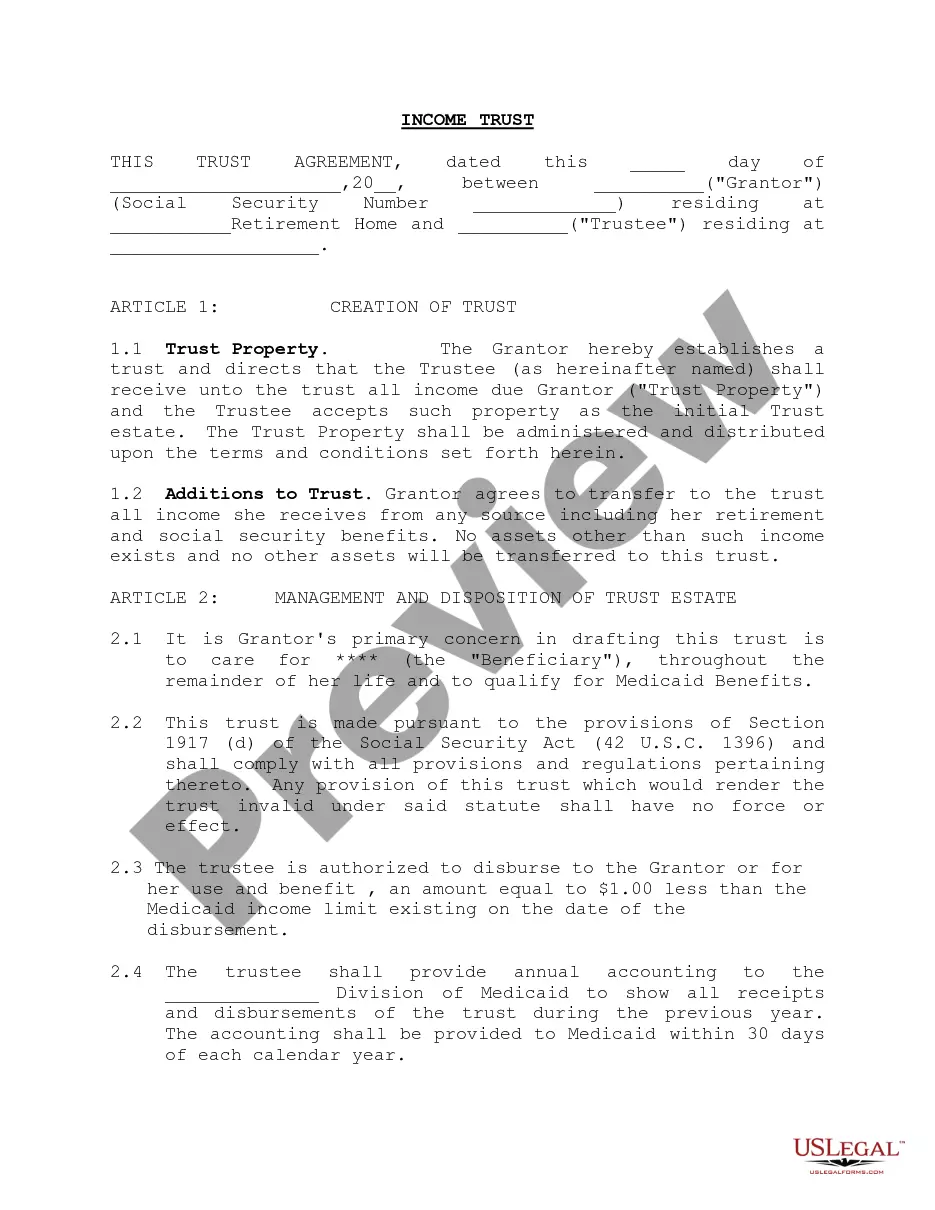
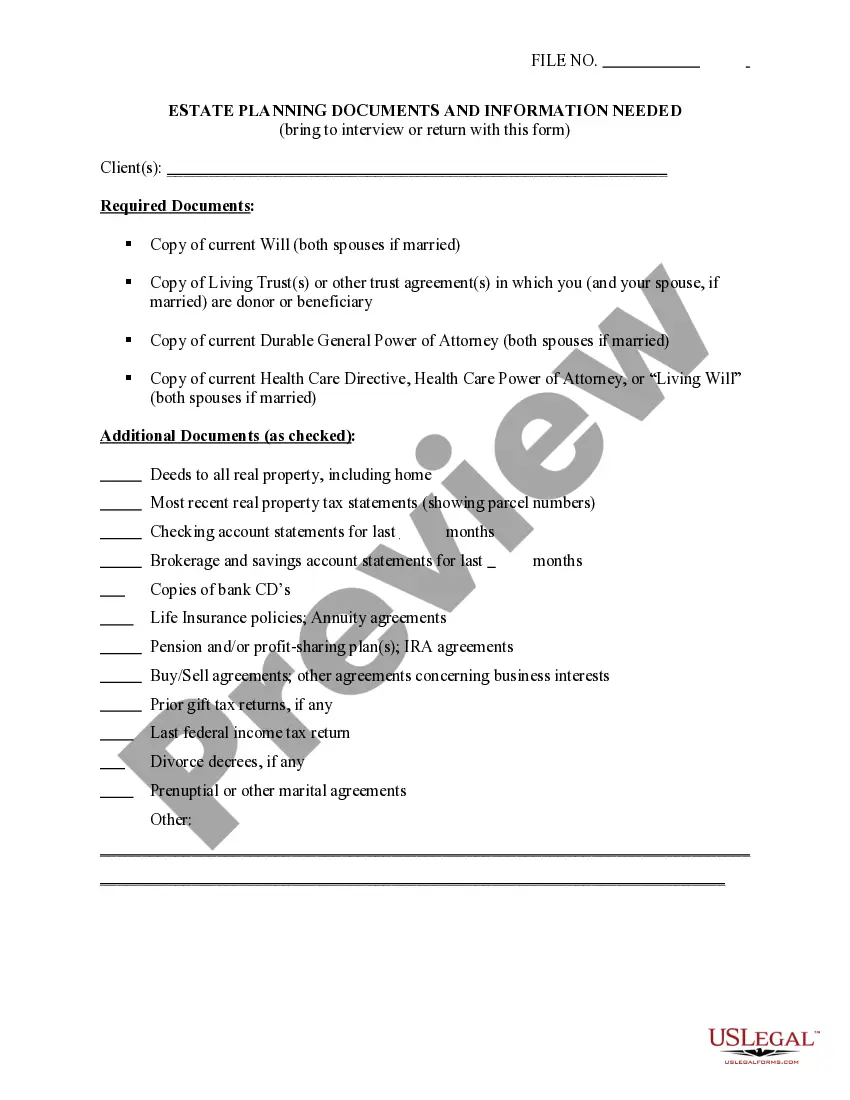
The Request for Medicaid Planning Documents and Information is a legal form used by law firms to collect essential documents and information needed to represent a client seeking Medicaid benefits. This form is a vital step in the Medicaid planning process, as it ensures that all necessary documentation is in order for a successful application. Unlike similar forms, this one specifically focuses on gathering detailed financial and personal information necessary for Medicaid eligibility determination.
Main sections of this form
- Medicaid Applicant and Spouse information fields
- List of required documents including wills, power of attorney, and healthcare directives
- Financial documentation such as bank statements, income sources, and tax returns
- Personal identification requirements including birth certificates and marriage licenses
- Assets details like deeds to property and vehicle titles
Situations where this form applies
This form should be used when an individual or their family is preparing to apply for Medicaid benefits. It is especially important in situations involving aging parents, individuals with disabilities, or those facing substantial medical expenses. Gathering all required documentation in advance can streamline the application process, helping to ensure that eligibility for benefits is determined efficiently.
Who should use this form
- Individuals applying for Medicaid benefits
- The spouses of Medicaid applicants
- Family members assisting applicants with the Medicaid process
- Legal professionals handling Medicaid applications on behalf of clients
Completing this form step by step
- Enter the Medicaid applicant's name and the details of their spouse, if applicable.
- Gather the listed documents and check each one off as you collect them.
- Make copies for your records, ensuring originals are ready for submission if requested.
- Review the completed form for accuracy before submitting to your attorney.
- Complete any additional information or notes in the space provided.
Is notarization required?
This form does not typically require notarization unless specified by local law. However, it is advisable to check if your state has specific requirements regarding notarization for Medicaid documentation. Be sure to consult with a legal professional if you have uncertainties.
Get your form ready online
Our built-in tools help you complete, sign, share, and store your documents in one place.
Make edits, fill in missing information, and update formatting in US Legal Forms—just like you would in MS Word.
Download a copy, print it, send it by email, or mail it via USPS—whatever works best for your next step.
Sign and collect signatures with our SignNow integration. Send to multiple recipients, set reminders, and more. Go Premium to unlock E-Sign.
If this form requires notarization, complete it online through a secure video call—no need to meet a notary in person or wait for an appointment.
We protect your documents and personal data by following strict security and privacy standards.

Make edits, fill in missing information, and update formatting in US Legal Forms—just like you would in MS Word.

Download a copy, print it, send it by email, or mail it via USPS—whatever works best for your next step.

Sign and collect signatures with our SignNow integration. Send to multiple recipients, set reminders, and more. Go Premium to unlock E-Sign.

If this form requires notarization, complete it online through a secure video call—no need to meet a notary in person or wait for an appointment.

We protect your documents and personal data by following strict security and privacy standards.
Typical mistakes to avoid
- Failing to gather all requested documents, leading to application delays.
- Not providing current versions of financial documents, such as bank statements.
- Omitting signatures or dates where required on the form.
Benefits of using this form online
- Convenience of completing the form from home at any time.
- Instant access to downloadable templates that can be customized.
- Reduced chances of errors by using professionally drafted legal forms.
Quick recap
- The Request for Medicaid Planning Documents and Information is essential for organizing a Medicaid application.
- Gather all required documentation thoroughly to avoid delays.
- This form is user-friendly and suitable for individuals, families, and legal professionals.
Looking for another form?
Form popularity
FAQ
Four states, Alabama, Illinois, North Carolina, and South Carolina, continue to use the 1988 federally set minimum Personal Needs Allowance of $30 / month. This means the PNA in these states has not changed in over 30 years.
Asset disregard means the total assets an individual can own and maintain under Medicaid and still qualify for benefits at the time the individual applies for benefits: Sample 1.
Income & Asset Limits for Eligibility 2023 South Carolina Medicaid Long-Term Care Eligibility for SeniorsType of MedicaidSingleIncome LimitAsset LimitInstitutional / Nursing Home Medicaid$2,742 / month$2,000Medicaid Waivers / Home and Community Based Services$2,742 / month?$2,0001 more row ?
What does SC Medicaid Cover? There are five South Carolina Medicaid plans, all of which are very similar. Plans are Absolute Total Care, Healthy Blue by BlueChoice of SC, First Choice by Select Health of South Carolina, WellCare, and Molina Healthcare of SC.
Partners for Healthy Children (PHC) Family SizeMonthly Income (Effective 3/1/2023)12,527.2023,418.1334,309.0645,200.005 more rows
If you think you may qualify for Medicaid, please complete an online Medicaid application at apply.scdhhs.gov. Apply in person at your local county office, or contact our main customer service line at (888) 549-0820.
Partners for Healthy Children (PHC) Family SizeMonthly Income (Effective 3/1/2023)12,527.2023,418.1334,309.0645,200.005 more rows
The general Medicaid eligibility rule is that a person can't have more than $2,000 in countable assets. If you are trying to become eligible for Medicaid to pay long-term care costs, you may need to spend down your assets or use other strategies to qualify.