FLSA Exempt / Nonexempt Compliance Form
About this form
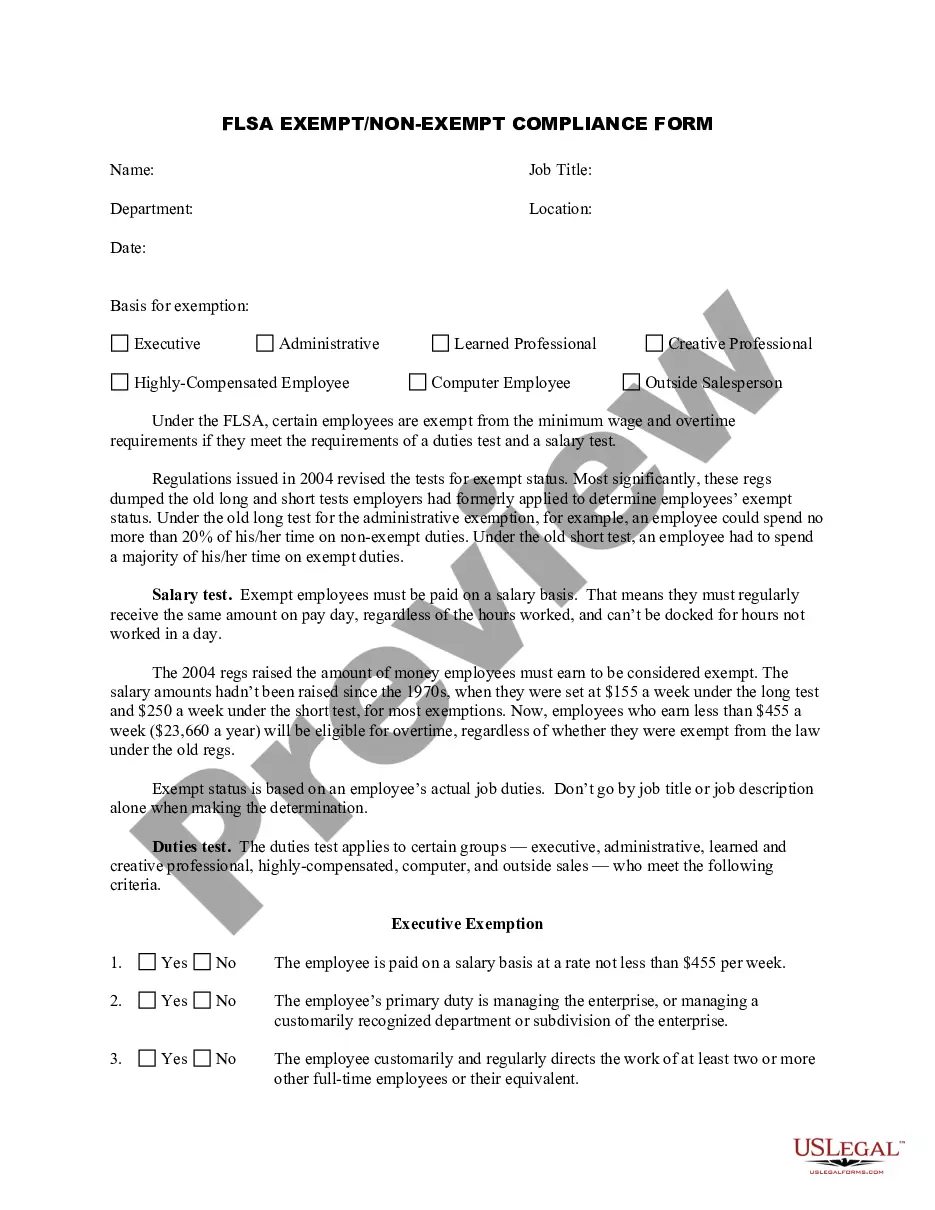
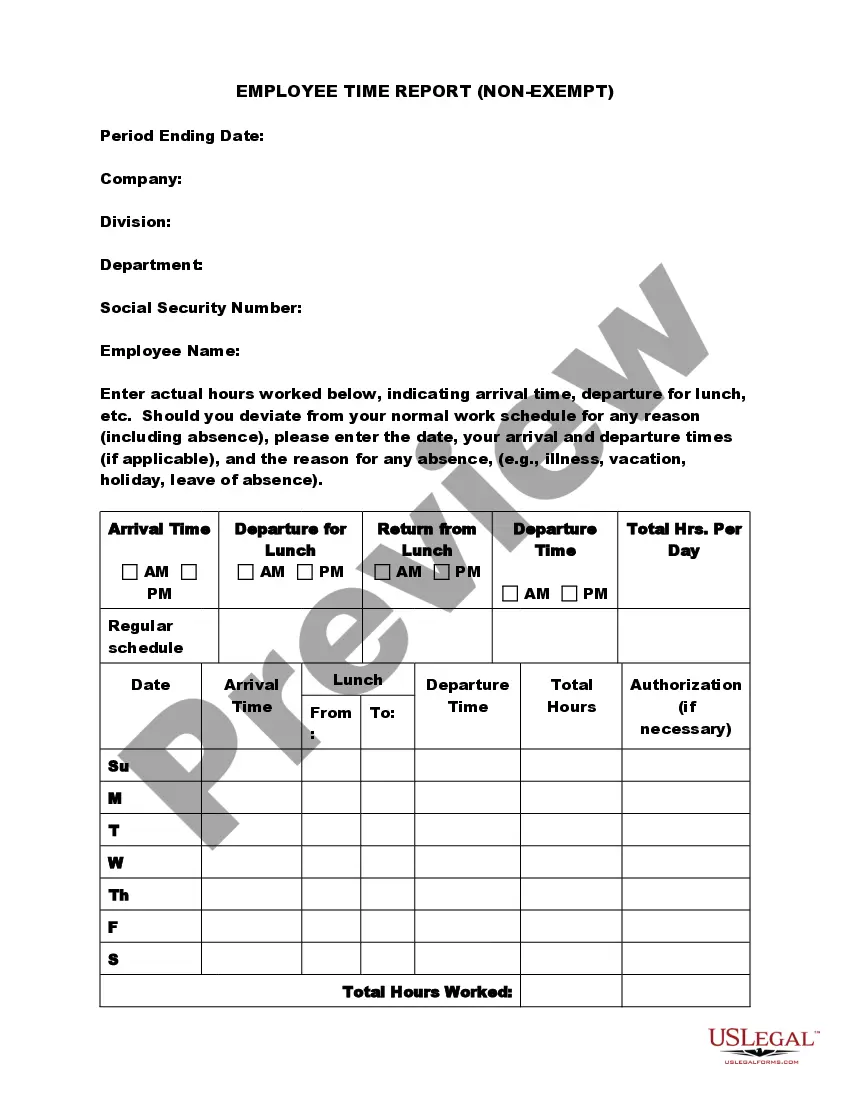
The FLSA Exempt / Nonexempt Compliance Form is a valuable tool for employers to assess whether their employees qualify for exemption under the Fair Labor Standards Act (FLSA). This form provides a structured checklist indicating which employees meet the criteria for exemption, based on their specific duties and salary. It helps ensure compliance with federal regulations, protecting both employees and employers from potential legal issues and misclassifications.
Key parts of this document
- Employee information fields, including name, job title, department, and location.
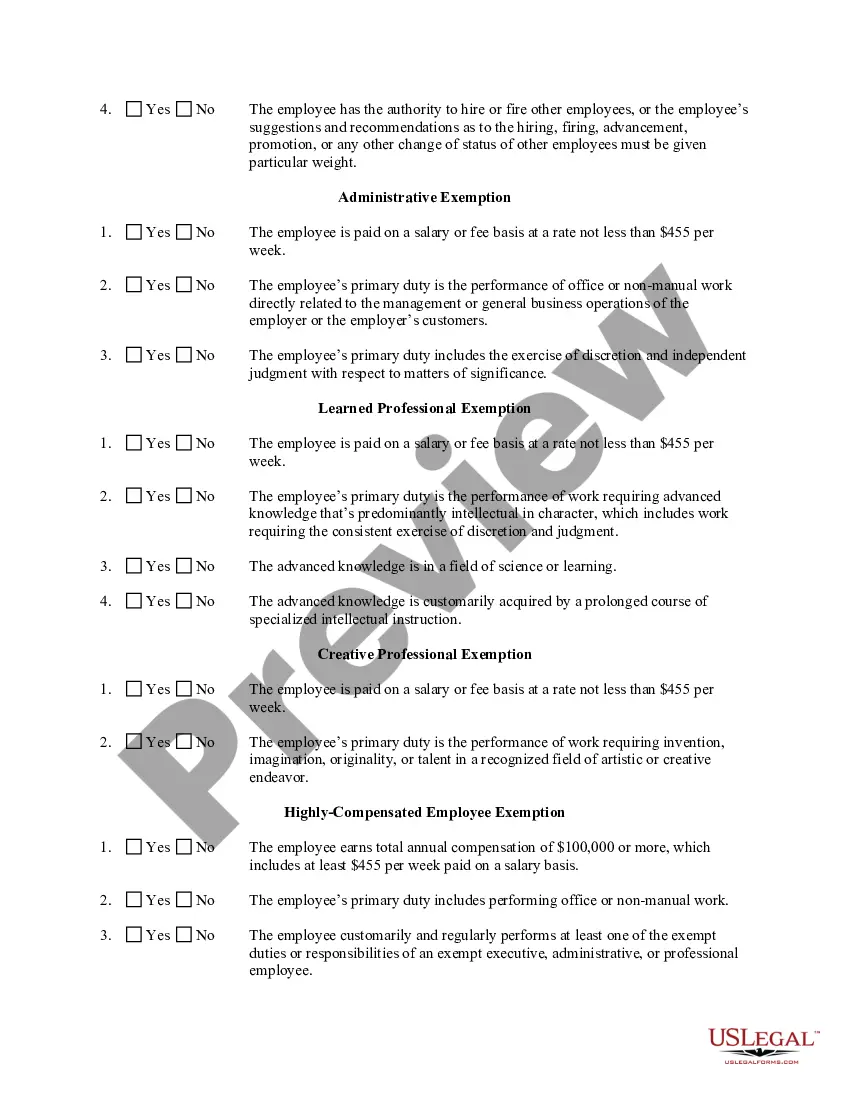
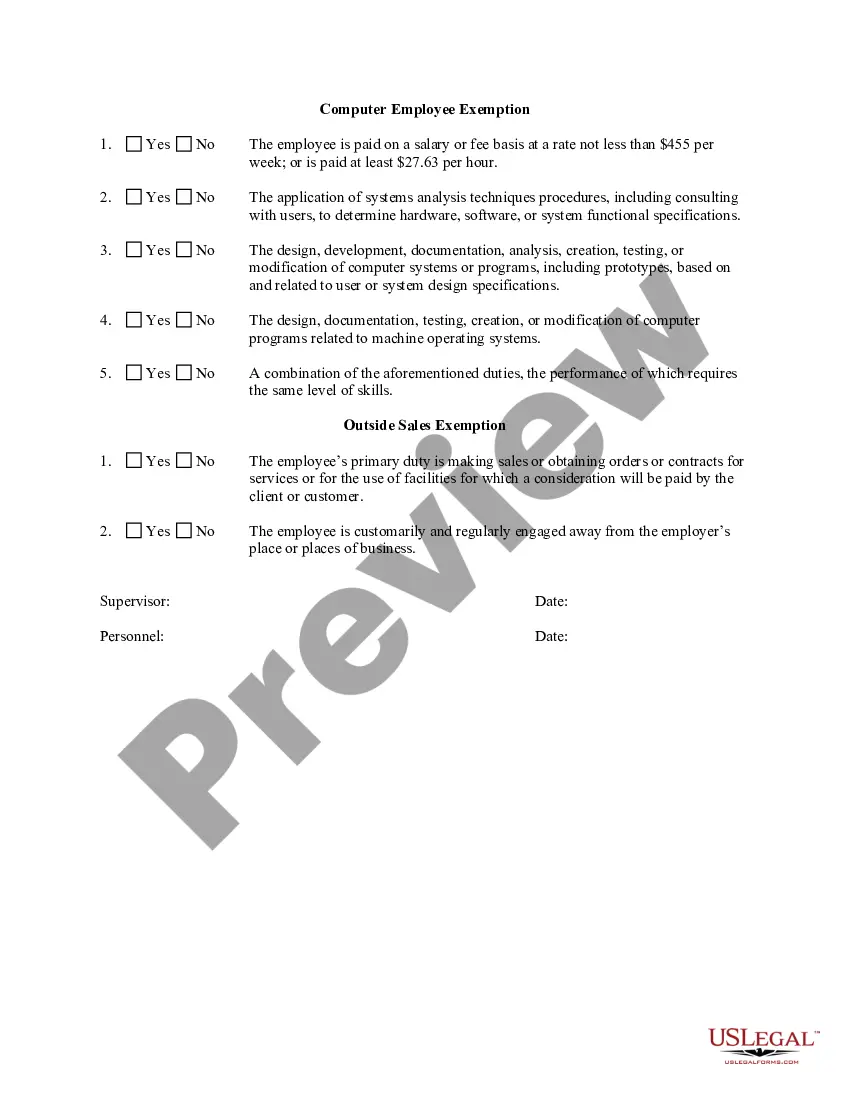
- Checklist of criteria that outlines the basis for exempt status.
- Sections for different exemptions: executive, administrative, learned professional, creative professional, highly-compensated, computer employee, and outside sales.
- Signature lines for supervisors and personnel verifying the assessment.
- Space to provide the date and any relevant notes regarding the exemption determination.
When this form is needed
This form is applicable when an employer is determining whether an employee is classified correctly as exempt or nonexempt under the FLSA. It is particularly useful during the hiring process or when reviewing job roles and responsibilities to ensure compliance with wage and hour laws. Additionally, this form may be used during audits or evaluations of employee classifications to avoid potential liabilities associated with incorrect exemptions.
Who this form is for
- Human resources professionals responsible for employee classifications.
- Business owners and managers who need to verify compliance with labor laws.
- Payroll professionals assessing employee eligibility for overtime pay.
- Teams conducting audits of current employment practices to ensure compliance with FLSA regulations.
Steps to complete this form
- Fill in the employee's name, job title, department, and location in the designated fields.
- Review the checklist for the basis of exemption and mark applicable criteria that the employee meets.
- Record the date of the assessment for future reference and compliance checks.
- Have the appropriate supervisor or HR representative sign and date the form to confirm the assessment.
- Keep a copy of the completed form for your records and ensure it is accessible for auditing purposes.
Is notarization required?
This form does not typically require notarization unless specified by local law. The acknowledgment of signing by supervising personnel confirms its validity for most employment situations.
Get your form ready online
Our built-in tools help you complete, sign, share, and store your documents in one place.
Make edits, fill in missing information, and update formatting in US Legal Forms—just like you would in MS Word.
Download a copy, print it, send it by email, or mail it via USPS—whatever works best for your next step.
Sign and collect signatures with our SignNow integration. Send to multiple recipients, set reminders, and more. Go Premium to unlock E-Sign.
If this form requires notarization, complete it online through a secure video call—no need to meet a notary in person or wait for an appointment.
We protect your documents and personal data by following strict security and privacy standards.

Make edits, fill in missing information, and update formatting in US Legal Forms—just like you would in MS Word.

Download a copy, print it, send it by email, or mail it via USPS—whatever works best for your next step.

Sign and collect signatures with our SignNow integration. Send to multiple recipients, set reminders, and more. Go Premium to unlock E-Sign.

If this form requires notarization, complete it online through a secure video call—no need to meet a notary in person or wait for an appointment.

We protect your documents and personal data by following strict security and privacy standards.
Common mistakes
- Failure to update classifications after job responsibilities change.
- Using job titles instead of actual job duties to determine exempt status.
- Assuming all salaried employees are exempt without proper assessment.
- Neglecting to document the decision-making process for employee classifications.
Why complete this form online
- Convenient access to legally compliant templates, ensuring the most up-to-date information.
- Editability for customizing the form according to specific business needs or state regulations.
- Security and reliability, safeguarding sensitive employee information.
- Instant download capability, allowing immediate use when assessments are necessary.
Legal use & context
- Helps ensure compliance with FLSA regulations, preventing potential legal disputes.
- Completing the form accurately safeguards against misclassification of employees.
- Documentation of compliance serves as a defense in audits by the Department of Labor.
Summary of main points
- The FLSA Exempt/Nonexempt Compliance Form is crucial for categorizing employees lawfully.
- Using this form helps employers confirm eligibility for overtime exemption.
- Accurate completion and signatures are vital for maintaining compliance and proper HR practices.
Looking for another form?
Form popularity
FAQ
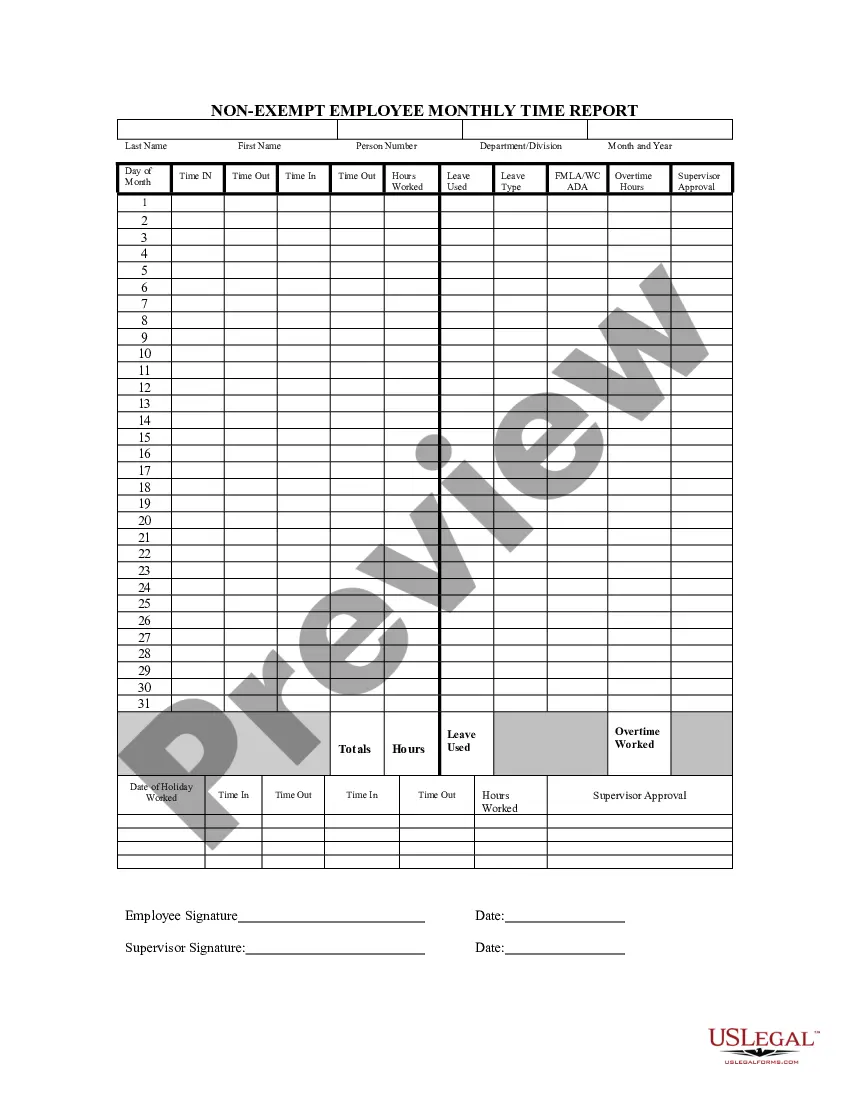
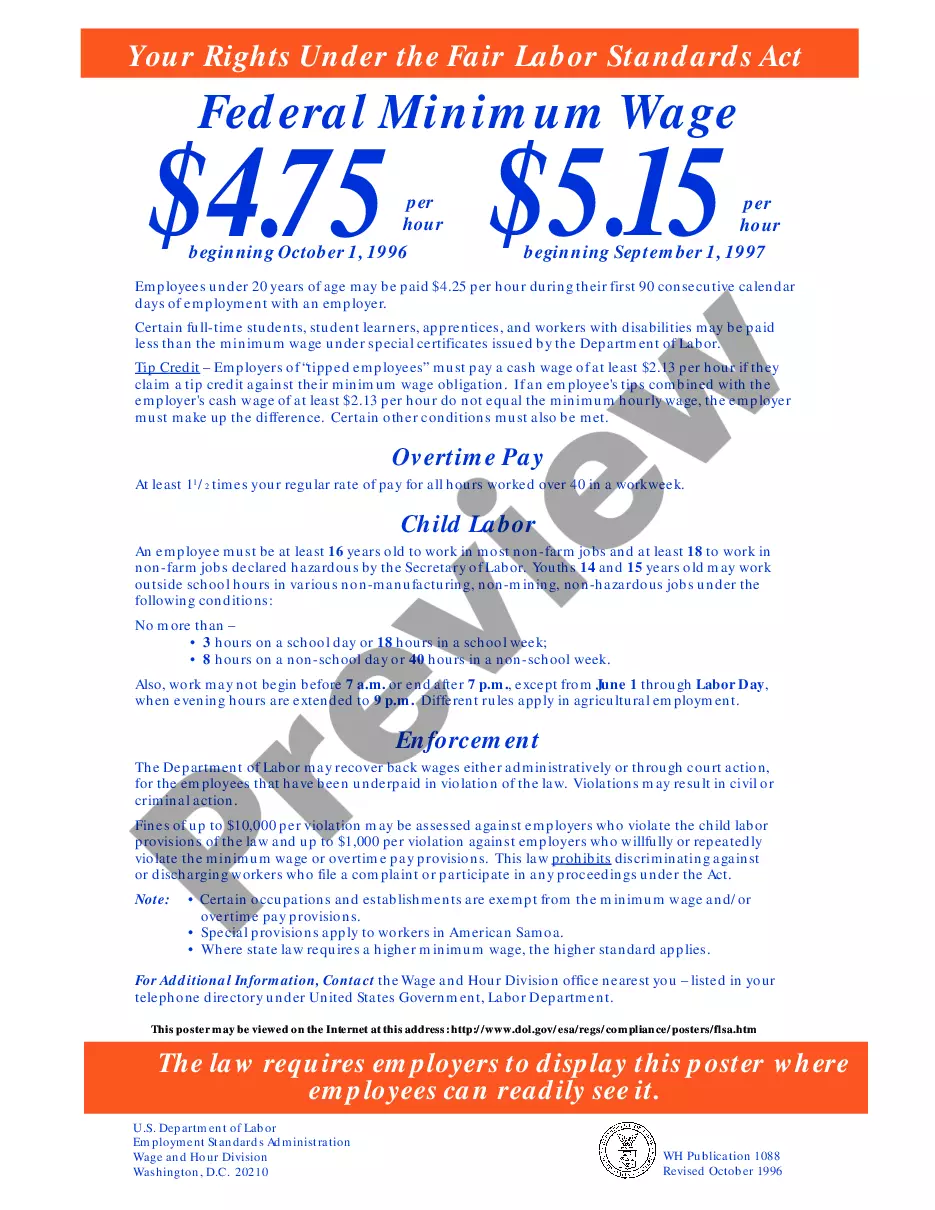
Non-exempt employees are workers who are entitled to earn the federal minimum wage and qualify for overtime pay, which is calculated as one-and-a-half times their hourly rate, for every hour they work, above and beyond a standard 40-hour workweek.
With few exceptions, to be exempt an employee must (a) be paid at least $23,600 per year ($455 per week), and (b) be paid on a salary basis, and also (c) perform exempt job duties. These requirements are outlined in the FLSA Regulations (promulgated by the U.S. Department of Labor).
Yes. Even when a position qualifies for exempt status an employer may prospectively change the status to nonexempt to help cure an attendance problem. As with all nonexempt positions, however, the employer will need to track the hours worked and pay overtime as appropriate.
An exempt employee is not entitled overtime pay by the Fair Labor Standards Act (FLSA). These salaried employees receive the same amount of pay per pay period, even if they put in overtime hours. A nonexempt employee is eligible to be paid overtime for work in excess of 40 hours per week, per federal guidelines.
The primary difference in status between exempt and non-exempt employees is their eligibility for overtime. Under federal law, that status is determined by the Fair Labor Standards Act (FLSA). Exempt employees are not entitled to overtime, while non-exempt employees are.
To meet the test for the creative professional exemption, an employee must have a primary duty that involves the performance of work requiring invention, imagination, originality or talent in a recognized field of artistic or creative endeavor (examples include actors, musicians, novelists, etc.).