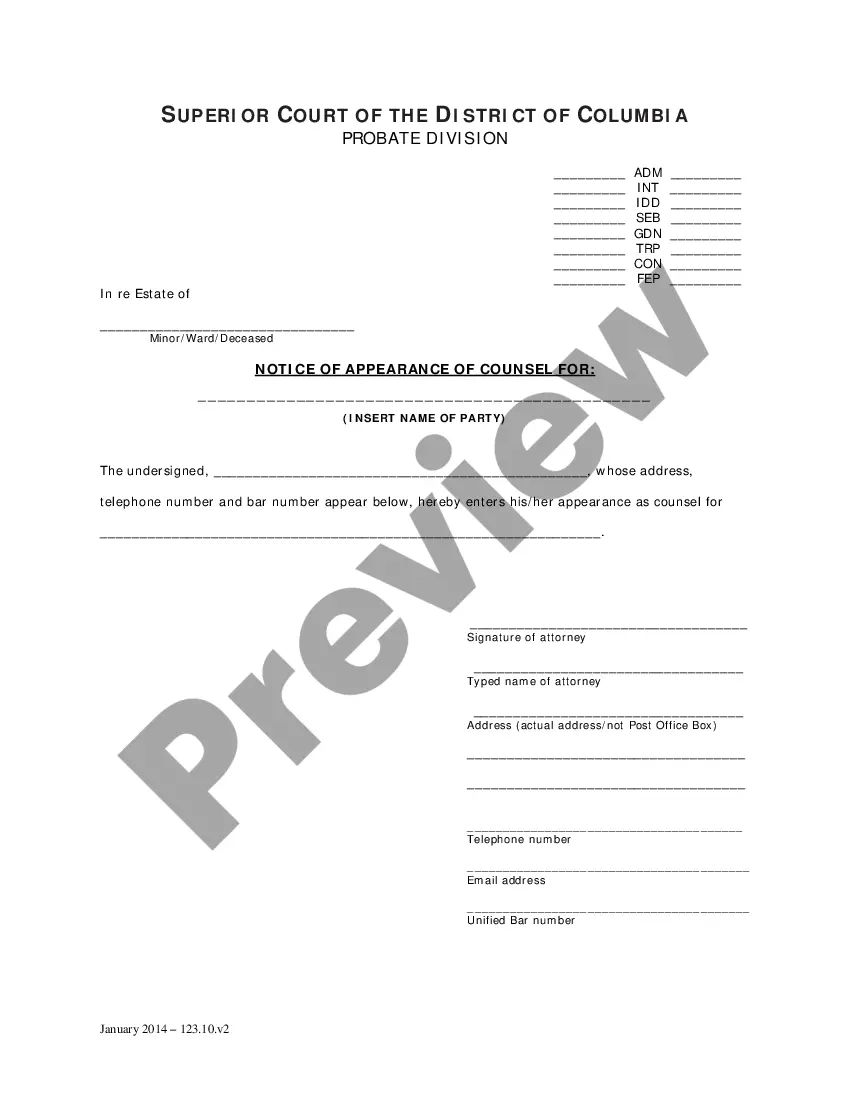
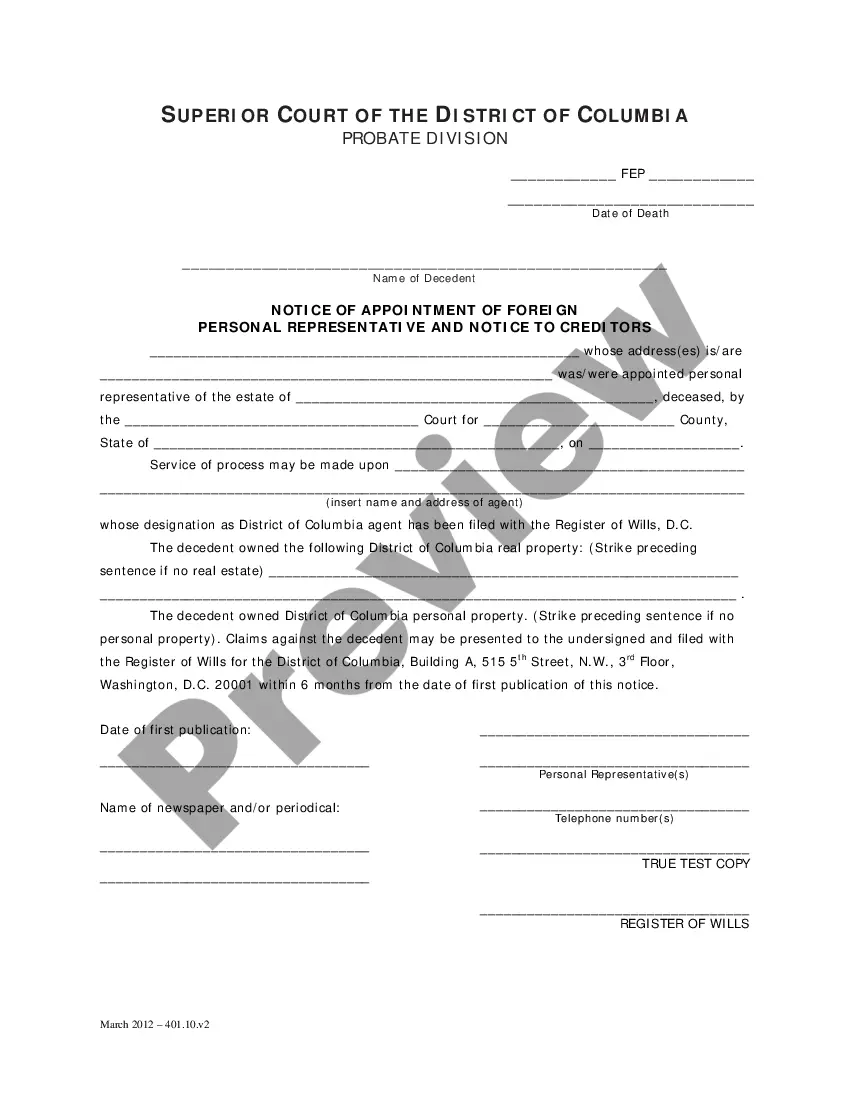
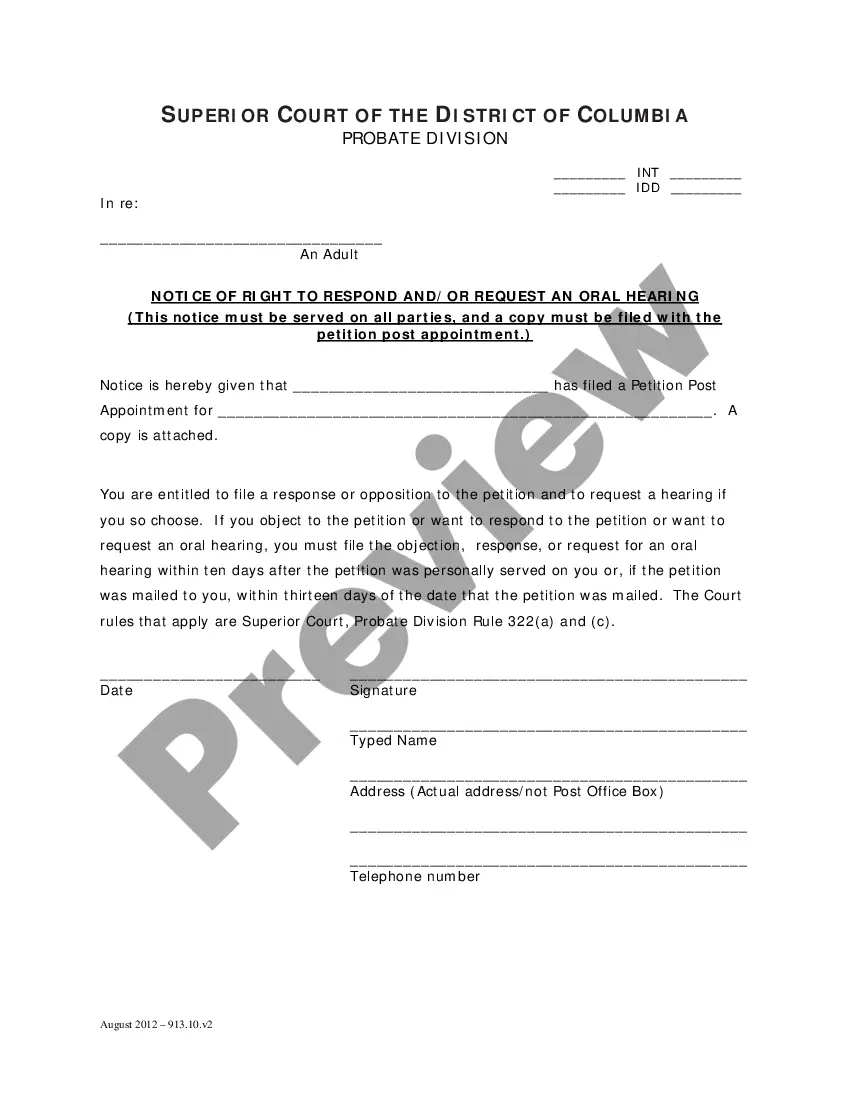
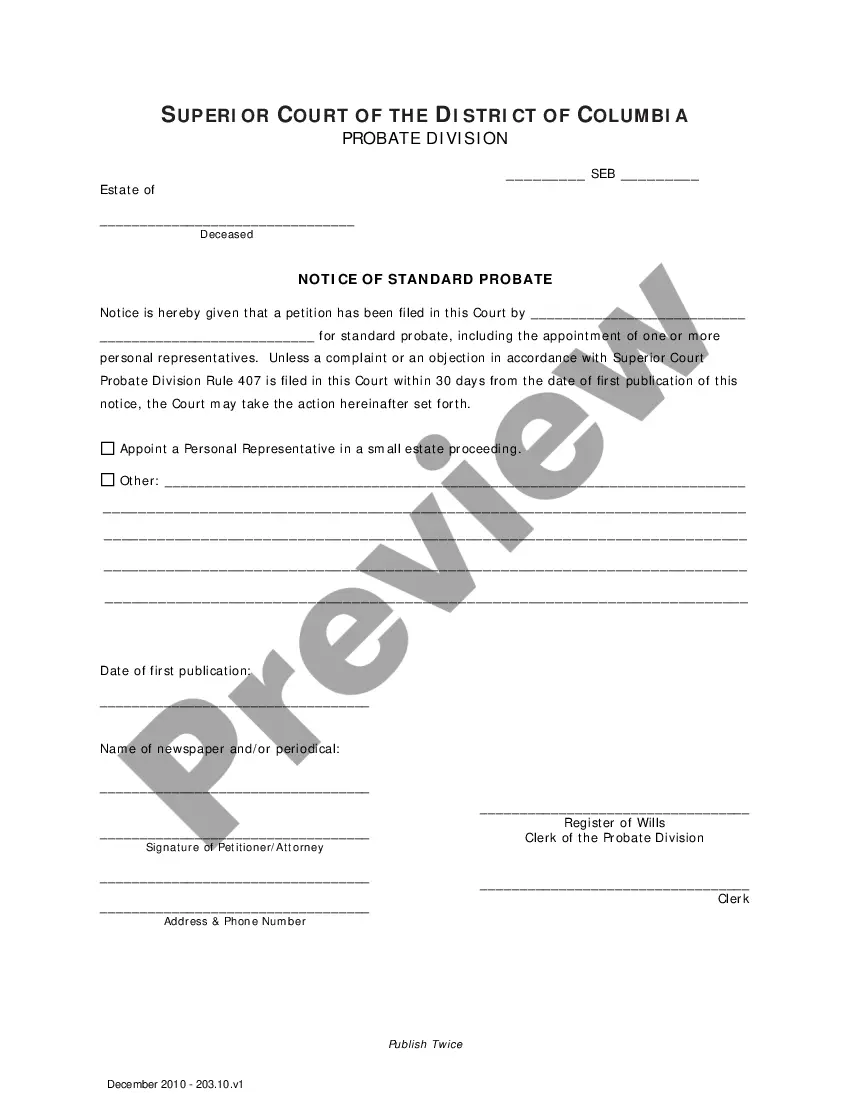
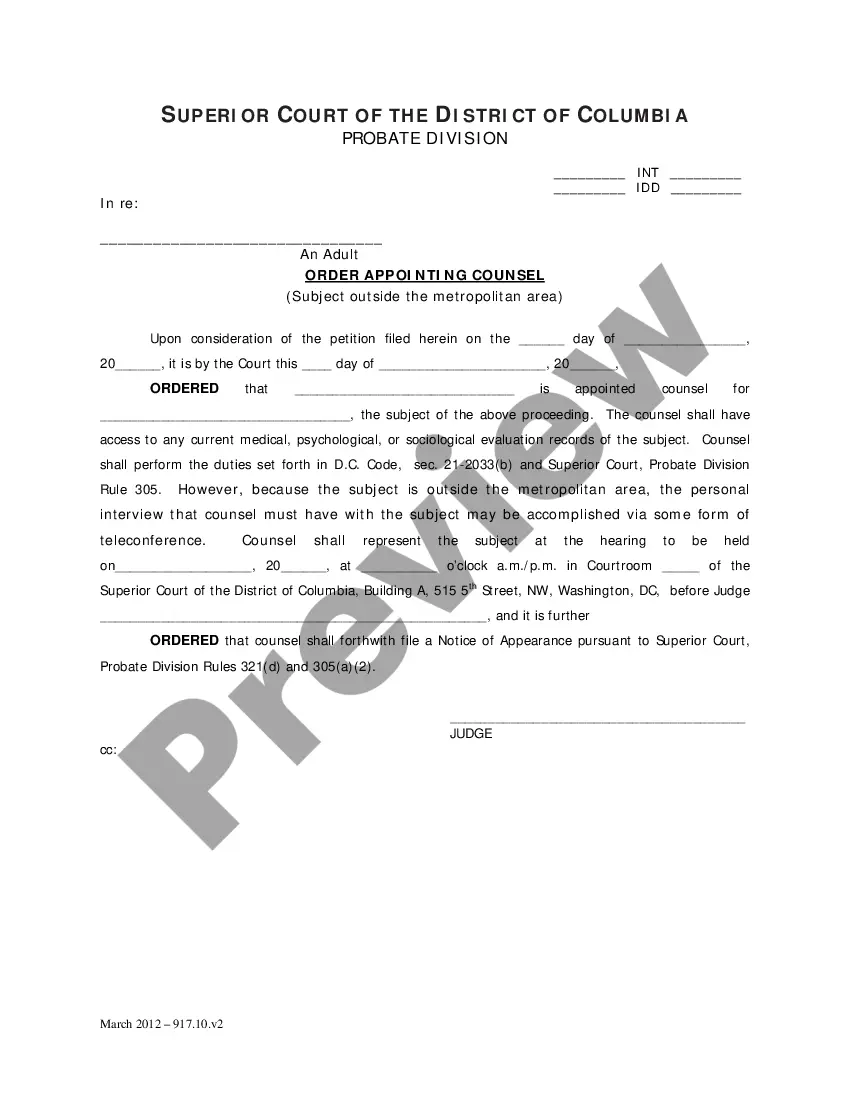
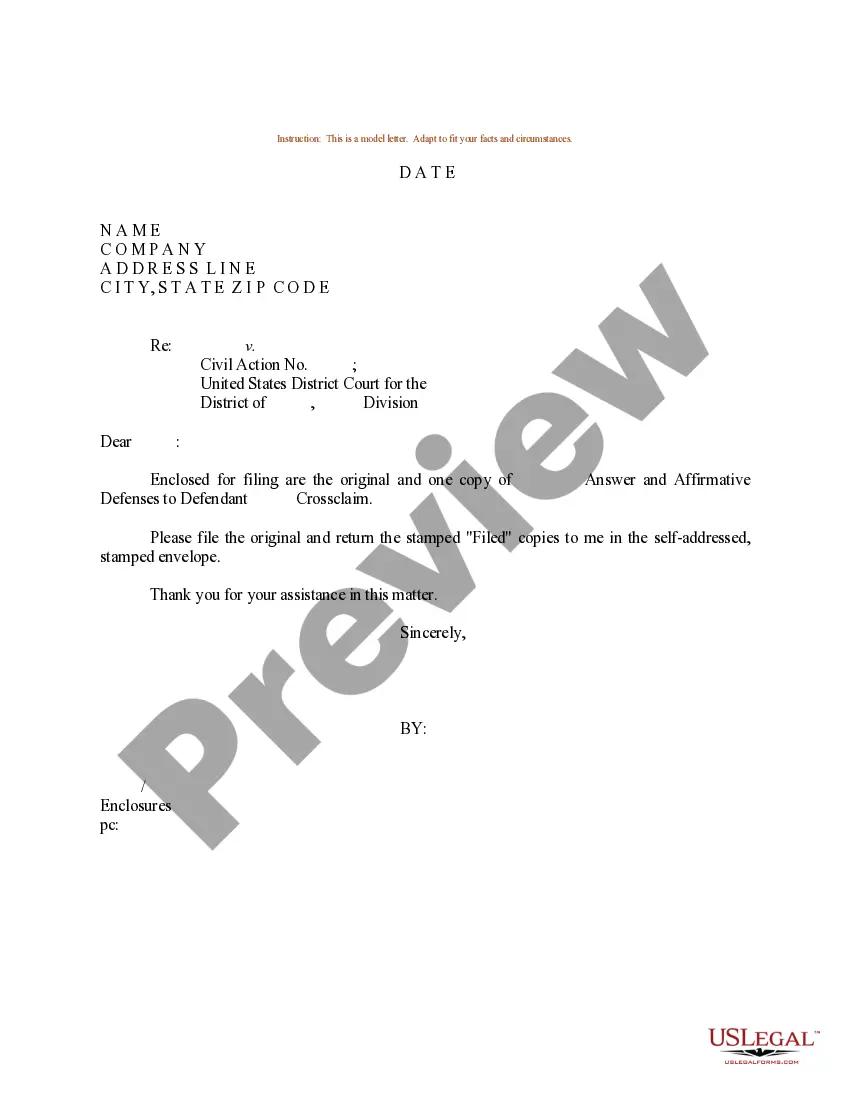
Sample Letter for Answer and Affirmative Defenses to Defendant's Crossclaim
Overview of this form
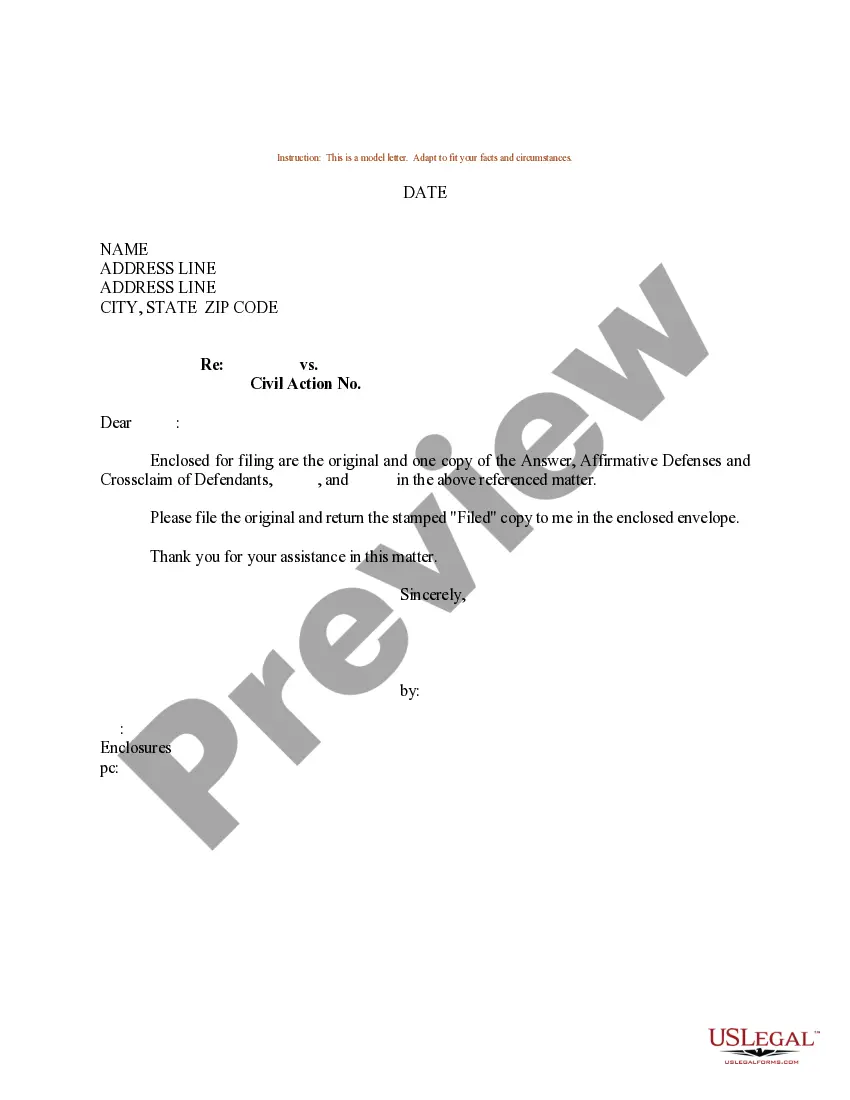
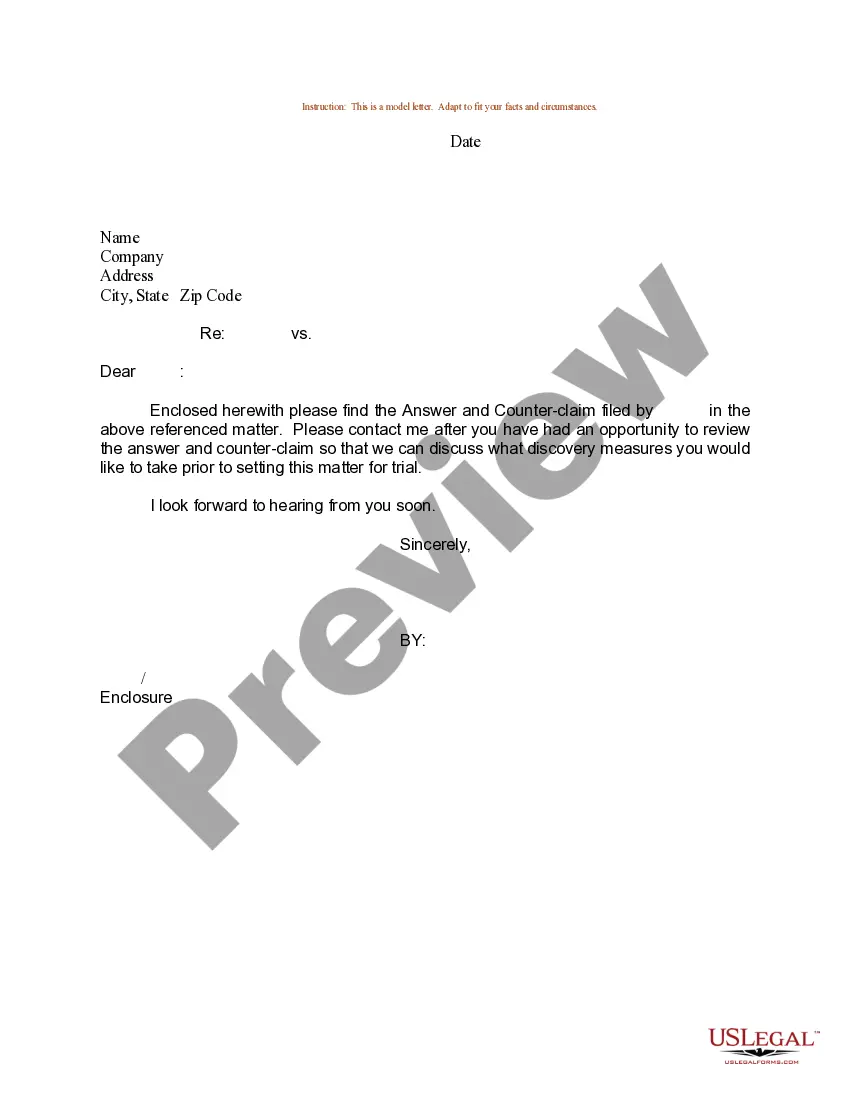
The Sample Letter for Answer and Affirmative Defenses to Defendant's Crossclaim is a document that helps the responding party formally present their answers and defenses against a crossclaim made by a defendant in a legal dispute. This form is crafted by licensed attorneys and serves to outline the response clearly and professionally, differing from generic response templates by ensuring compliance with legal standards and practices.
What’s included in this form
- Date of the letter.
- Recipient's name and address information.
- Clear identification of the sender.
- Statement of the affirmative defenses being asserted.
- Signature line for the responding party or their attorney.
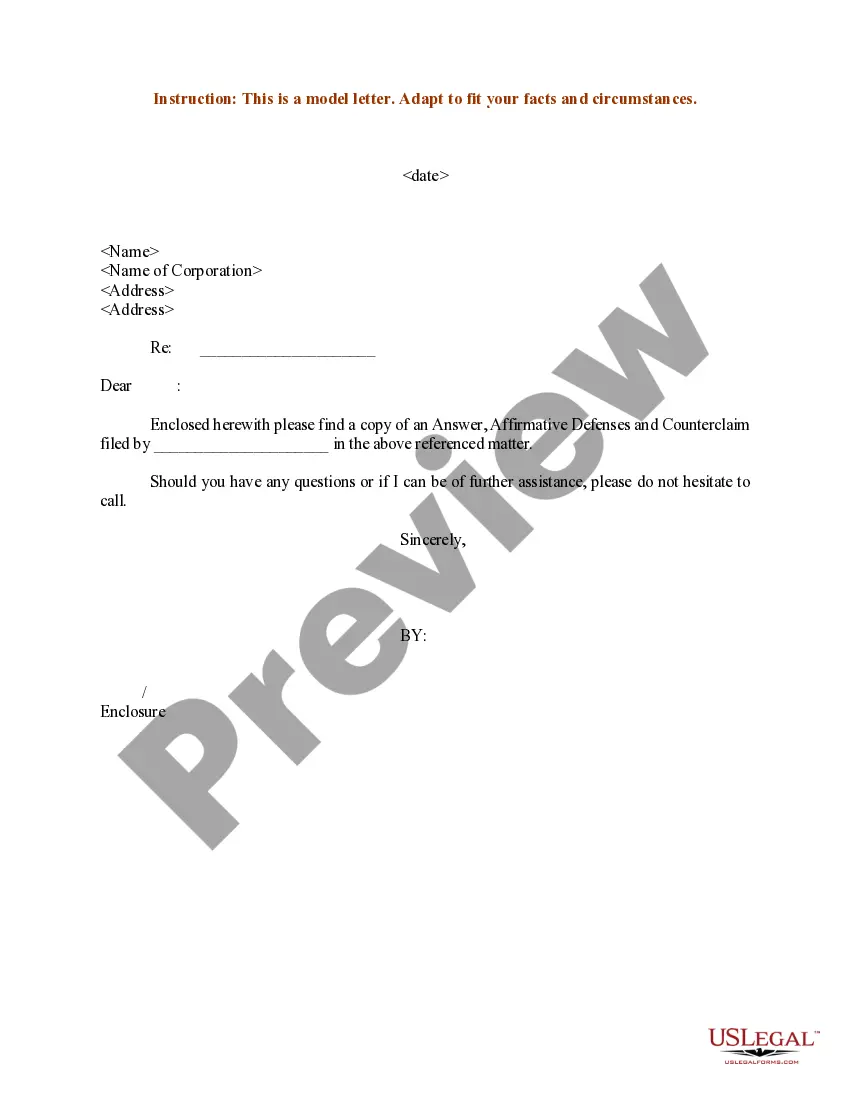
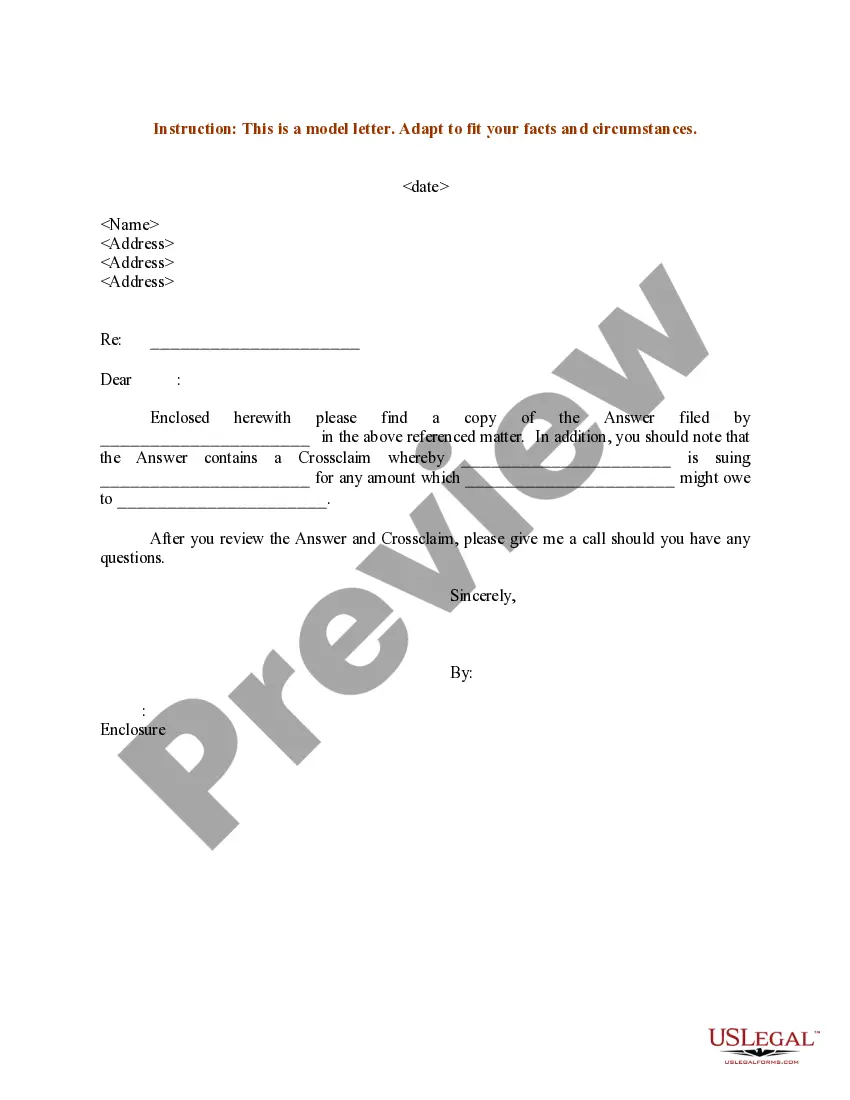
When to use this form
This form should be used when a defendant in a legal case has filed a crossclaim against another party and the responding party needs to formally address that claim. It is appropriate in both civil and commercial litigation contexts where affirmative defenses must be articulated in response to the claims presented.
Who should use this form
- Individuals or businesses involved in a legal dispute where a crossclaim has been filed.
- Defendants seeking to provide a formal answer to a crossclaim.
- Legal professionals drafting responses for clients in litigation.
Instructions for completing this form
- Enter the date at the top of the letter.
- Provide the recipient's name and address accurately.
- Clearly state the affirmative defenses you are asserting in response to the crossclaim.
- Sign the letter to validate your response.
- Make copies of the completed letter for your records and for service to the other party.
Does this document require notarization?
This form does not typically require notarization unless specified by local law. Ensure to verify any particular requirements based on the jurisdiction in which you are filing your response.
Get your form ready online
Our built-in tools help you complete, sign, share, and store your documents in one place.
Make edits, fill in missing information, and update formatting in US Legal Forms—just like you would in MS Word.
Download a copy, print it, send it by email, or mail it via USPS—whatever works best for your next step.
Sign and collect signatures with our SignNow integration. Send to multiple recipients, set reminders, and more. Go Premium to unlock E-Sign.
If this form requires notarization, complete it online through a secure video call—no need to meet a notary in person or wait for an appointment.
We protect your documents and personal data by following strict security and privacy standards.

Make edits, fill in missing information, and update formatting in US Legal Forms—just like you would in MS Word.

Download a copy, print it, send it by email, or mail it via USPS—whatever works best for your next step.

Sign and collect signatures with our SignNow integration. Send to multiple recipients, set reminders, and more. Go Premium to unlock E-Sign.

If this form requires notarization, complete it online through a secure video call—no need to meet a notary in person or wait for an appointment.

We protect your documents and personal data by following strict security and privacy standards.
Mistakes to watch out for
- Failing to include the correct date or address information.
- Not clearly stating defenses, which can lead to misunderstandings.
- Omitting the signature, rendering the letter incomplete.
Why complete this form online
- Convenient access to a professionally drafted format.
- Editability allows for customization to meet specific needs.
- Reliable source of legal documentation that adheres to legal standards.
Legal use & context
- This letter functions as a formal legal response and should adhere to rules of civil procedure.
- Affirmative defenses must be specific and adequately substantiated.
Quick recap
- The form is essential for addressing a crossclaim effectively and legally.
- Attention to detail is crucial for the accuracy and completeness of the response.
- Users should adapt the form based on their state-specific legal requirements.
Looking for another form?
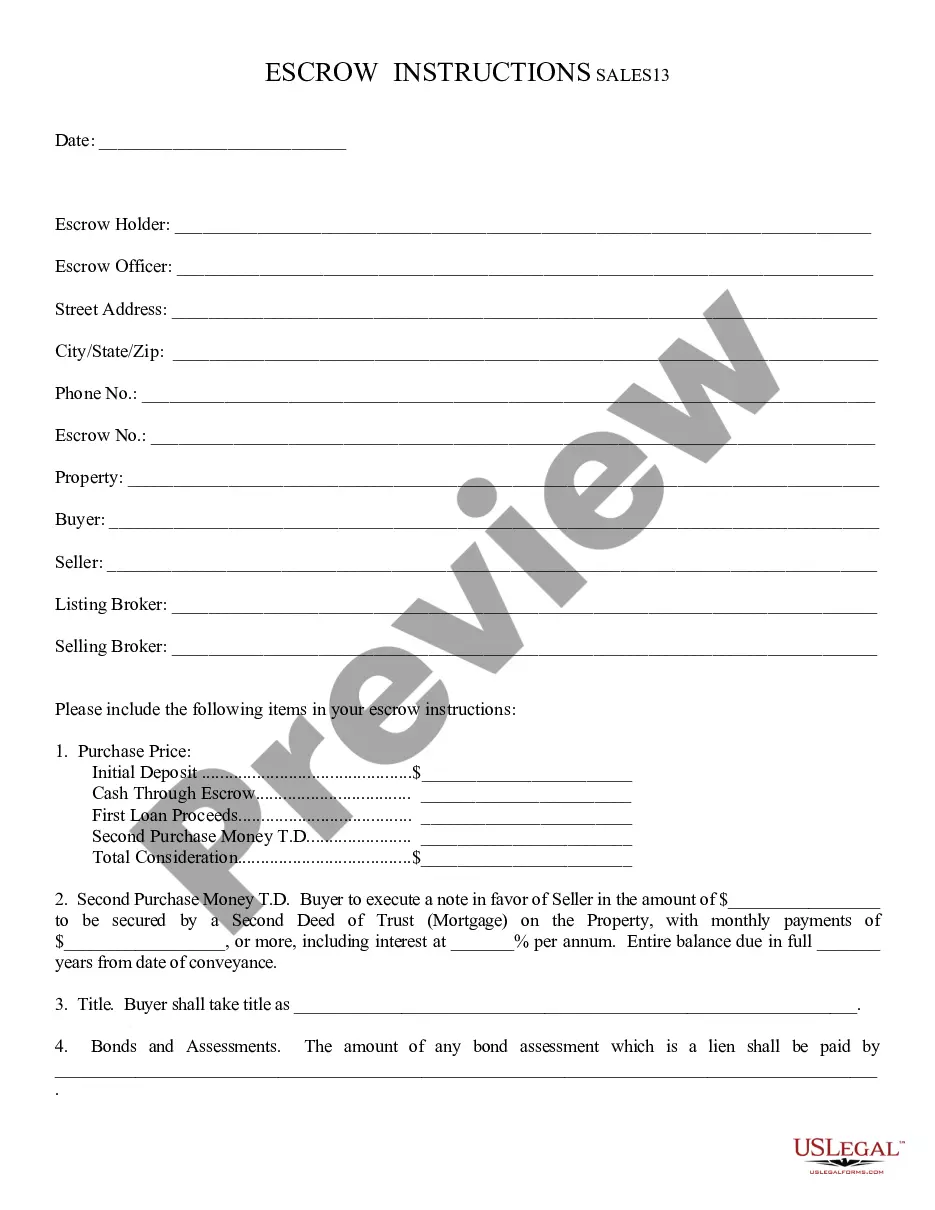


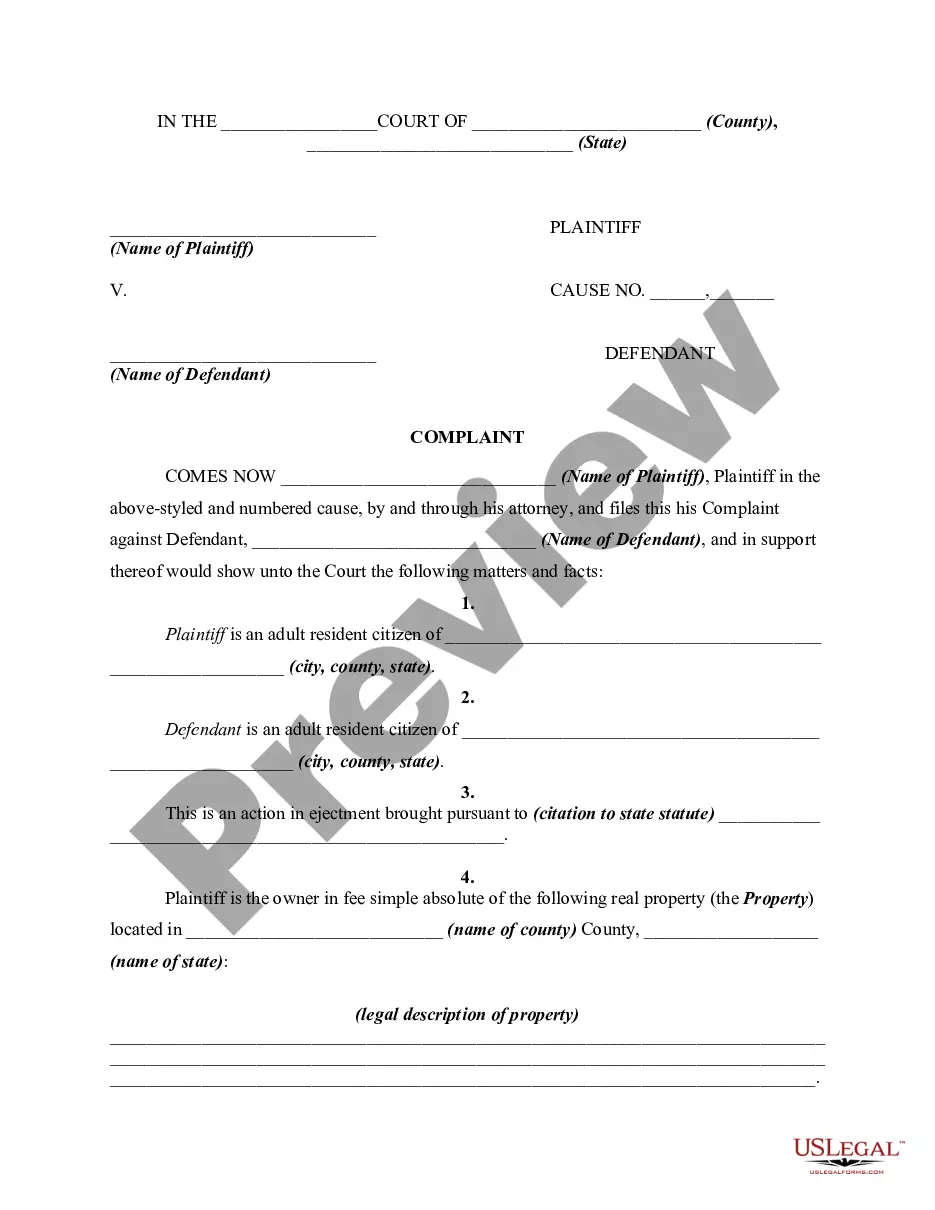
Form popularity
FAQ
Pull the header information from the plaintiff's petition. Title your Answer Answer to Plaintiff's Petition/Complaint. Center this title and make it bold. Introduce yourself. Admit, deny, or claim that you lack sufficient knowledge to admit or deny each of the plaintiff's numbered allegations.
Read the summons and make sure you know the date you must answer by. Read the complaint carefully. Write your answer. Sign and date the answer. Make copies for the plaintiff and yourself. Mail a copy to the plaintiff. File your answer with the court by the date on the summons.
When drafting an answer, one must: (1) follow the local, state, and federal court rules; (2) research the legal claims in the adversary's complaint; (3) respond to the adversary's factual allegations; and (4) assert affirmative defenses, counterclaims, cross-claims, or third-party claims, if applicable.
When served with a complaint, a person can either: (1) file a motion to dismiss under the relevant federal or state court rules; or (2) draft an answer.
Pull the header information from the plaintiff's petition. Title your Answer Answer to Plaintiff's Petition/Complaint. Center this title and make it bold. Introduce yourself. Admit, deny, or claim that you lack sufficient knowledge to admit or deny each of the plaintiff's numbered allegations.
Be brief. Answer the allegations in the complaint with one or two sentences. Again remember that the statements you make in your answer can be used as admissions against you. Your response to the allegations in the complaint may admit part of the statement in the specific paragraph and deny part.
File an answer. The most common way to respond to a complaint is by filing an answer. Negotiate. Being served with a lawsuit does not automatically mean you need to appear in court. Request more information from the plaintiff. Cross-complain. File a motion to dismiss.
An affirmative defense operates to prevent conviction even when the prosecutor has proof beyond a reasonable doubt as to every element of the crime. Some jurisdictions place the burden on the defendant to prove the defense, while others require that the prosecution disprove the defense beyond a reasonable doubt.
Provide the name of the court at the top of the Answer. You can find the information on the summons. List the name of the plaintiff on the left side. Write the case number on the right side of the Answer. Address the Judge and discuss your side of the case. Ask the judge to dismiss the case.