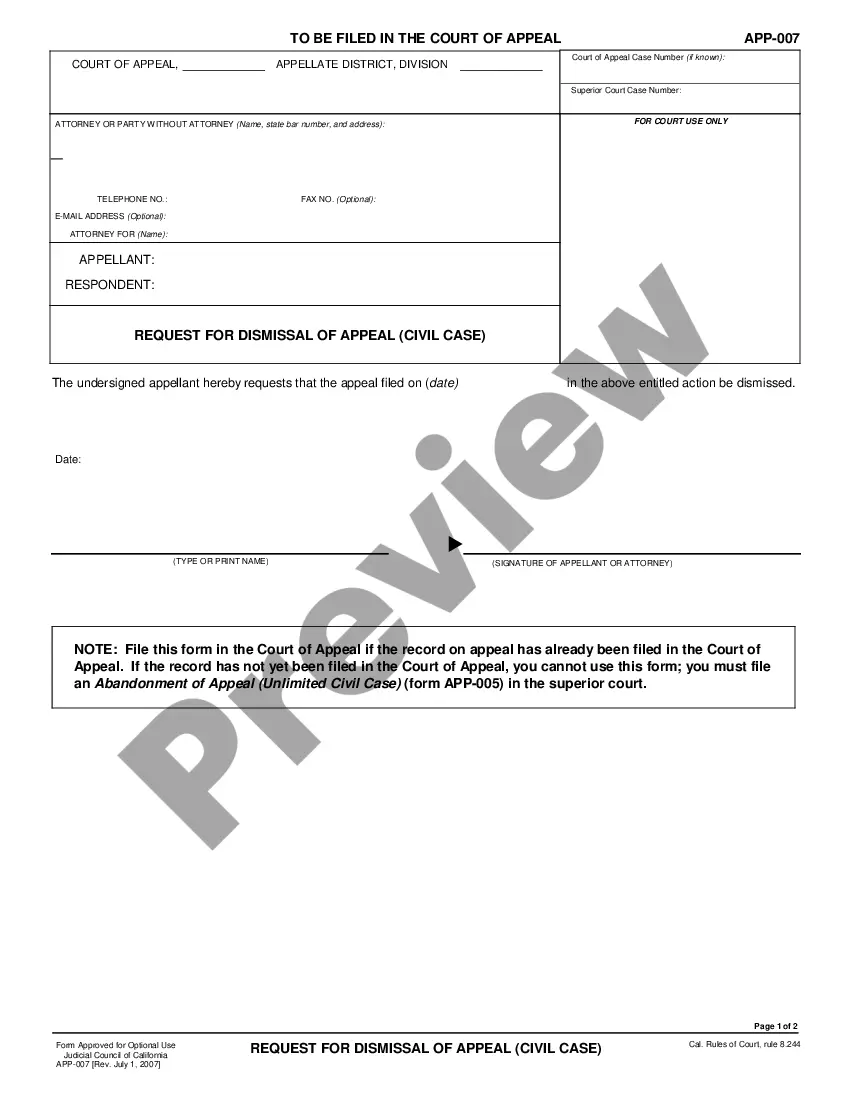
Sample Letter for Instructions to Appointed - Local Counsel - UCC-3
What this document covers
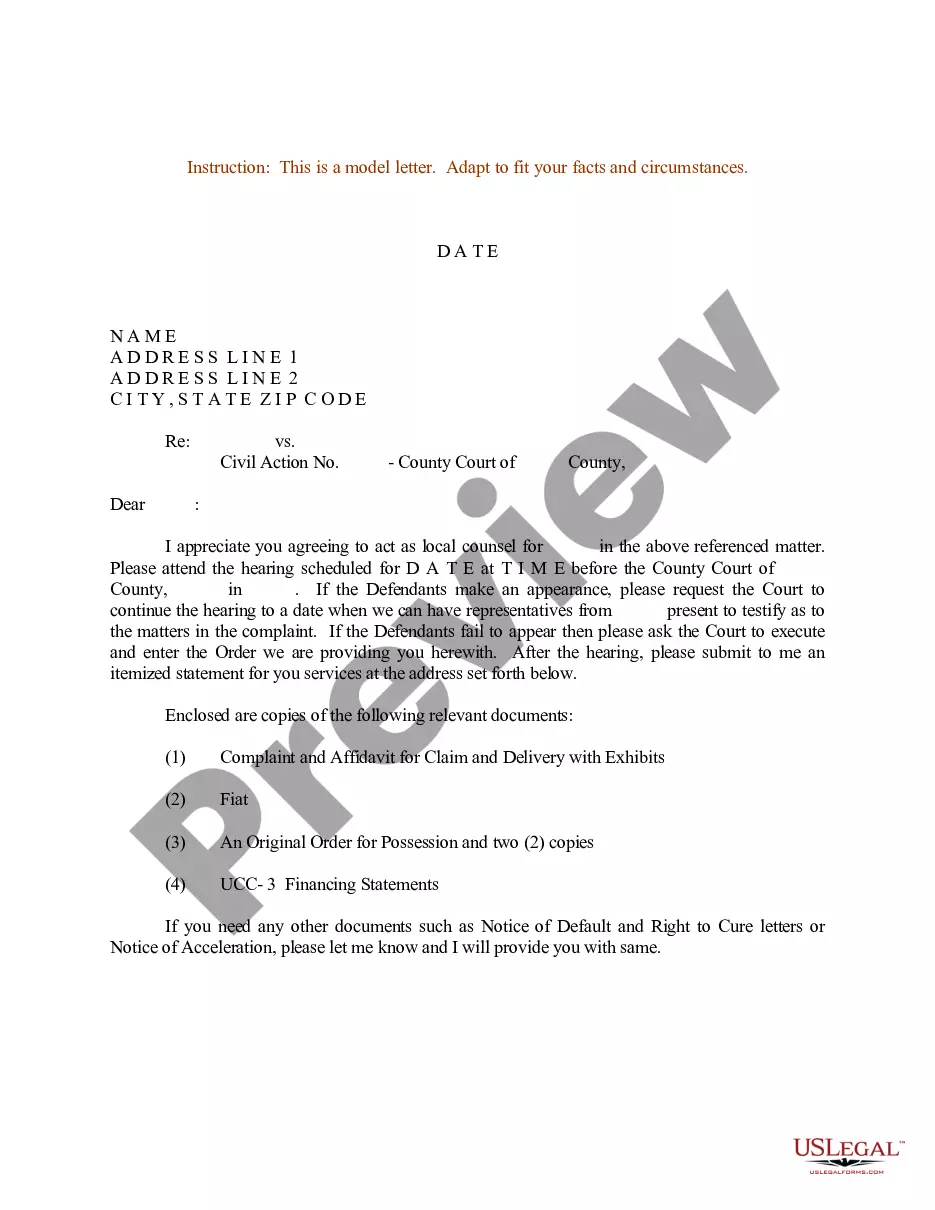
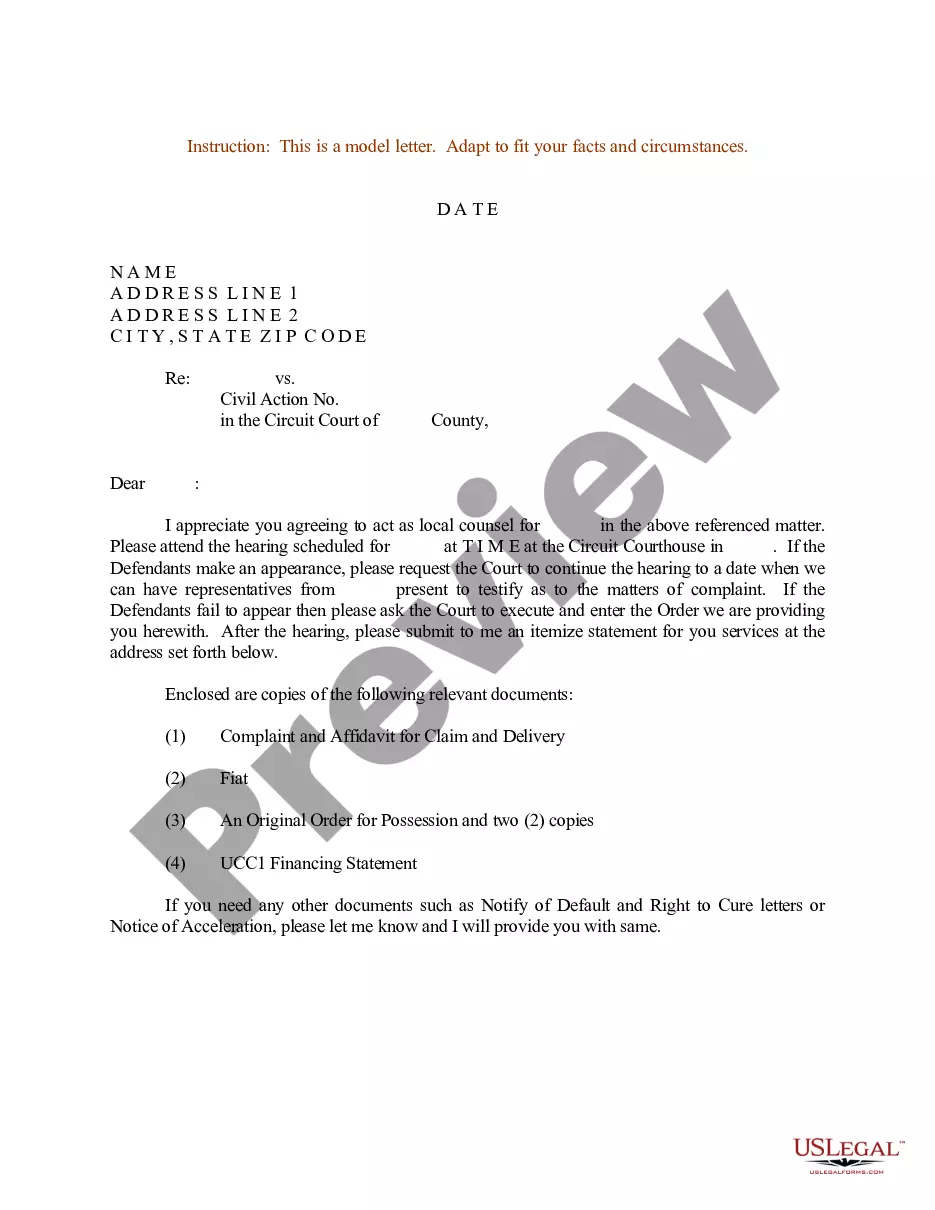
The Sample Letter for Instructions to Appointed - Local Counsel - UCC-3 is a legal document designed to provide specific instructions to an appointed local counsel in a UCC-3 financing statement context. This form serves as a template for ensuring that all necessary documents related to the secured transaction are organized and conveyed effectively. Unlike other legal letters, this form is specifically tailored for UCC filings, making it essential for compliance with Uniform Commercial Code requirements.
Main sections of this form
- Date of the letter
- Name and address of the party sending the instructions
- List of enclosed relevant documents
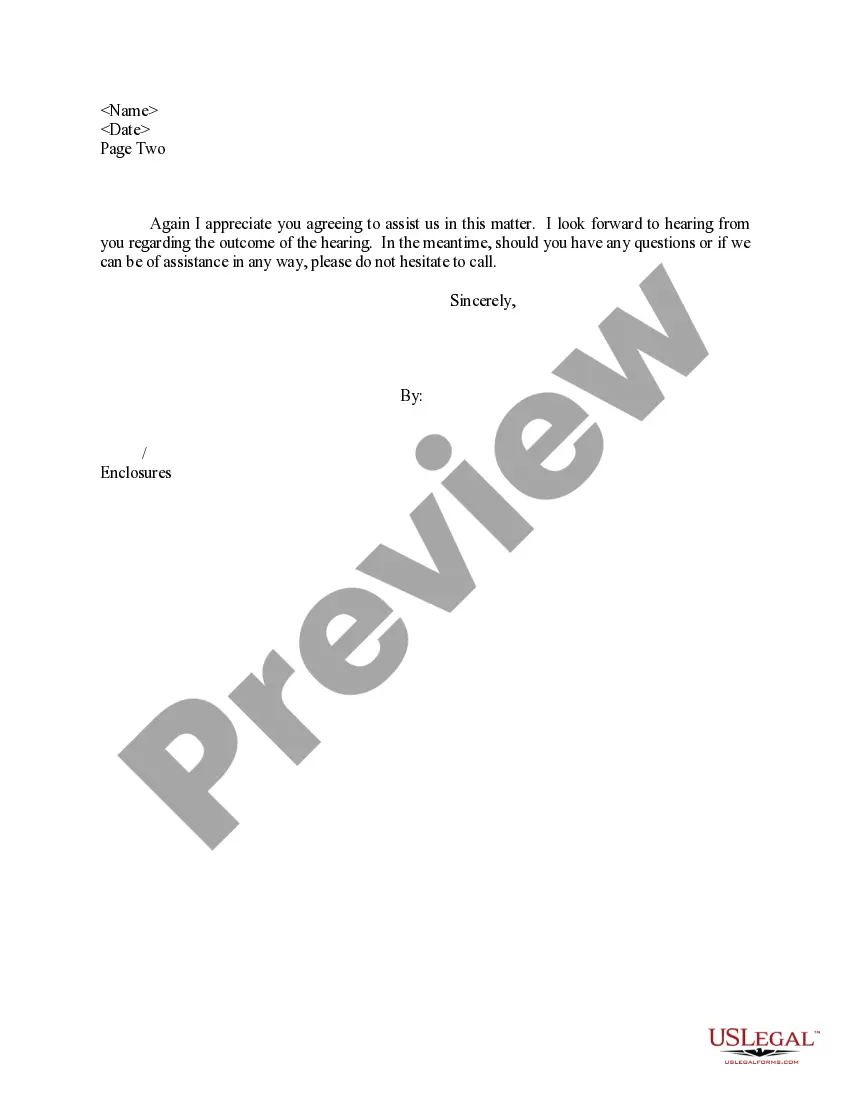
- Clear instruction to the appointed counsel regarding handling of the documents
When to use this document
This form is important when you need to delegate legal matters to a local counsel after filing a UCC-3 financing statement. Use this letter to ensure that your appointed attorney has all the necessary documents and instructions to carry out legal responsibilities effectively. It is particularly useful in situations involving secured transactions where proper documentation is crucial for protecting your interests.
Who needs this form
- Individuals or businesses engaging in secured transactions
- Attorneys needing a clear communication channel with local counsel
- Any party responsible for filing UCC statements
How to prepare this document
- Enter the date at the top of the letter.
- Provide the name and address of the party sending the instructions.
- List all enclosed documents, ensuring clarity on each item.
- Clearly state the instructions to the appointed local counsel.
- Sign the letter to validate the instructions provided.
Is notarization required?
Notarization is not commonly needed for this form. However, certain documents or local rules may make it necessary. Our notarization service, powered by Notarize, allows you to finalize it securely online anytime, day or night.
Get your form ready online
Our built-in tools help you complete, sign, share, and store your documents in one place.
Make edits, fill in missing information, and update formatting in US Legal Forms—just like you would in MS Word.
Download a copy, print it, send it by email, or mail it via USPS—whatever works best for your next step.
Sign and collect signatures with our SignNow integration. Send to multiple recipients, set reminders, and more. Go Premium to unlock E-Sign.
If this form requires notarization, complete it online through a secure video call—no need to meet a notary in person or wait for an appointment.
We protect your documents and personal data by following strict security and privacy standards.

Make edits, fill in missing information, and update formatting in US Legal Forms—just like you would in MS Word.

Download a copy, print it, send it by email, or mail it via USPS—whatever works best for your next step.

Sign and collect signatures with our SignNow integration. Send to multiple recipients, set reminders, and more. Go Premium to unlock E-Sign.

If this form requires notarization, complete it online through a secure video call—no need to meet a notary in person or wait for an appointment.

We protect your documents and personal data by following strict security and privacy standards.
Avoid these common issues
- Neglecting to include all relevant documents
- Failing to clearly outline instructions
- Omitting the date or sender's information
- Not signing the letter
Why complete this form online
- Convenience of downloading and editing the form instantly
- Accessibility from any device, allowing for quick updates
- Reliability of having professionally drafted content tailored for UCC transactions
Legal use & context
- This letter enhances the legal documentation process for UCC filings.
- It serves as a formal communication tool between parties involved in secured transactions.
- Using this form helps in maintaining proper records and ensuring compliance with legal standards.
What to keep in mind
- The Sample Letter for Instructions to Appointed - Local Counsel - UCC-3 is essential for UCC filings.
- Clear instructions are vital for the local counsel's effectiveness.
- Properly completing this form can prevent common errors and enhance legal compliance.
Looking for another form?

Form popularity
FAQ
The lay person can use an intermediary to instruct counsel on their behalf. A member could instruct counsel directly to act in a personal matter, or act as an intermediary on behalf of someone else.
"Counsel" is used to refer to a barrister who is instructed on a particular case. It is customary to use the third person when addressing a barrister instructed on a case: "Counsel is asked to advise" rather than "You are asked to advise".
In the United Kingdom and in some Commonwealth countries, a Queen's Counsel (post-nominal QC) during the reign of a queen, or King's Counsel (post-nominal KC) during the reign of a king, is a lawyer (usually a barrister or advocate) who is a senior counsel in court cases; in important cases each side is typically led
Brief to counsel is a summary prepared by a solicitor for a barrister, containing all of the information and documents relevant to the presentation of a case in court. A brief to counsel, at a minimum, contains instructions from the solicitor to counsel regarding the specific work to be undertaken.
Instructing solicitor means a solicitor or law practice who engages another solicitor to provide legal services for a client for a matter.
Instructing Counsel: An Overview of How to Properly Instruct a Barrister.When it is appropriate to use a barrister, the barrister is sent 'Instructions' (when asked to give an opinion on a case) or a 'Brief' (if the barrister is to appear in court).
A solicitor will usually instruct a barrister to represent their client in court for two reasons: their commitments to their other clients mean they can't attend court on that day, or they feel that the case requires a specialist advocate or expert guidance.