Child Support Enforcement Transmittal #3 - Request for Assistance - Discovery and Instructions
About this form
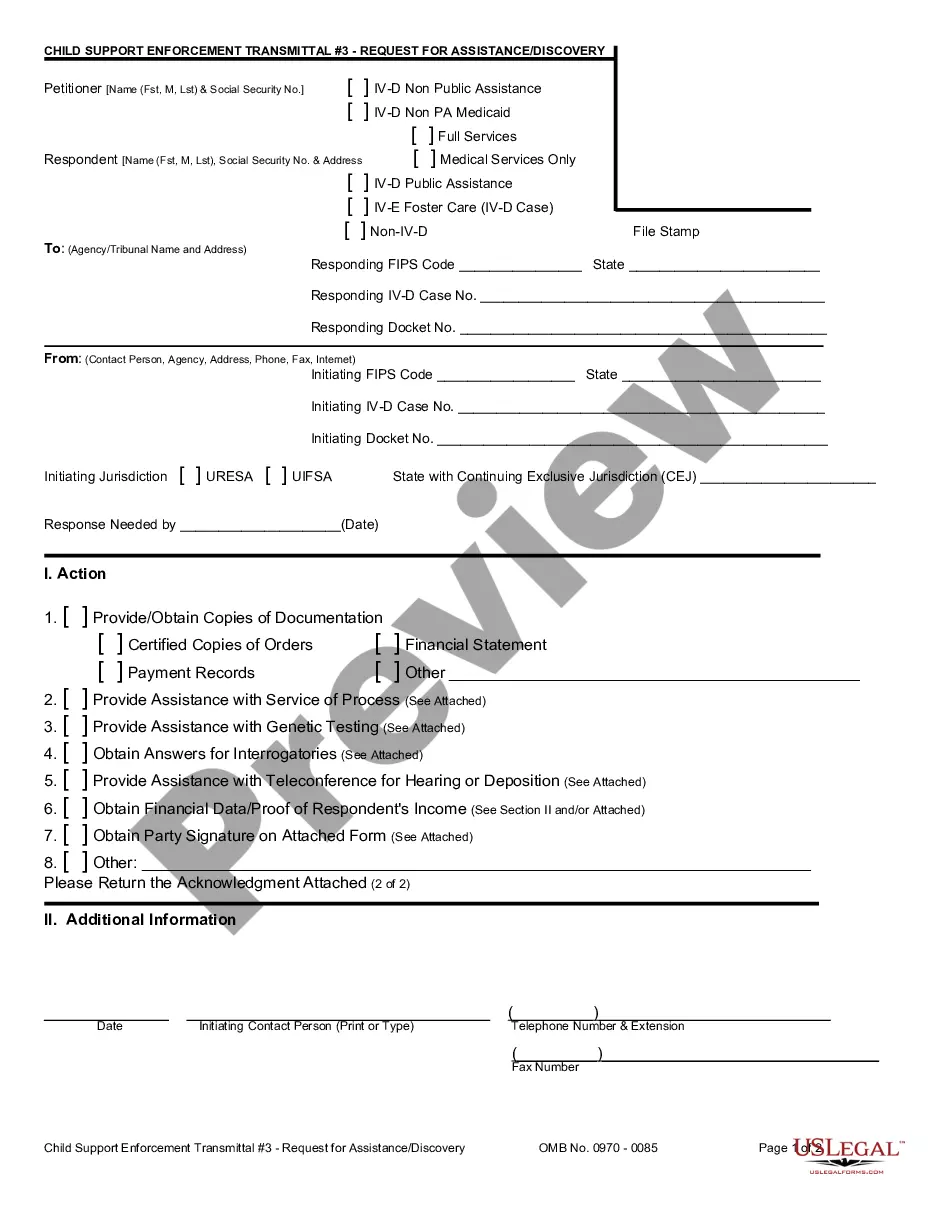
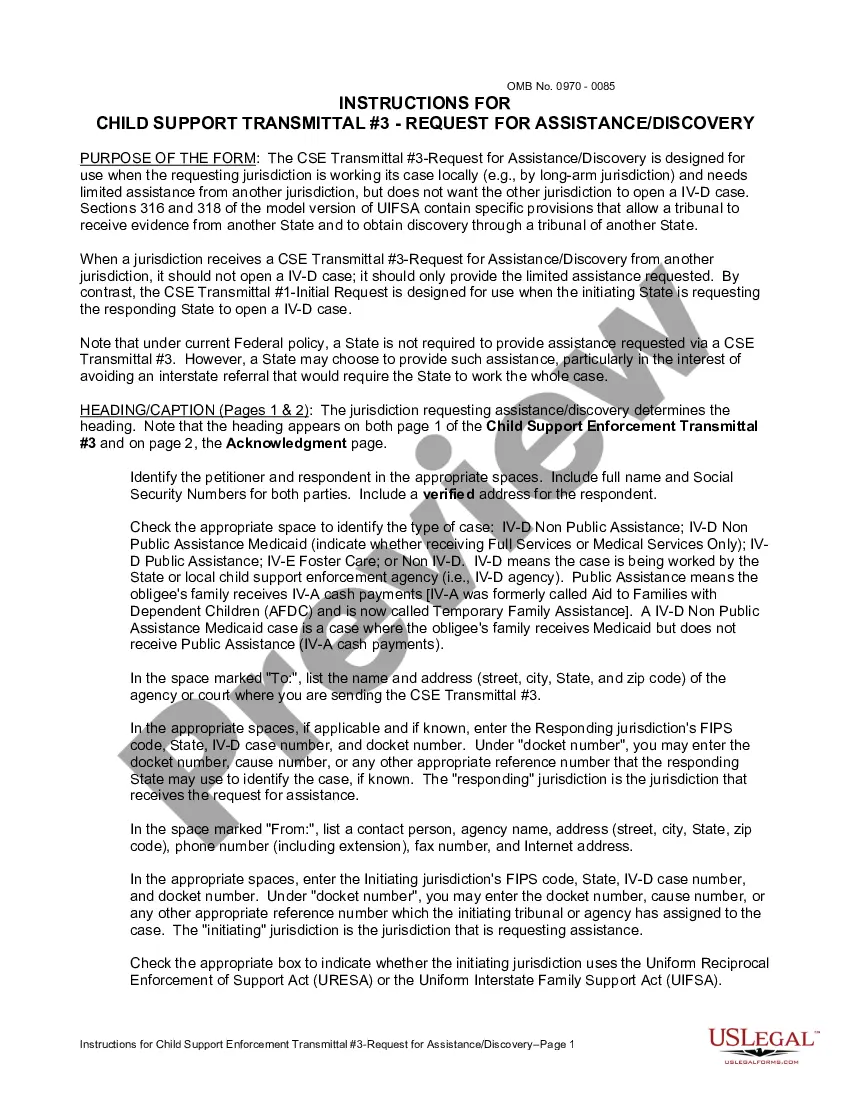
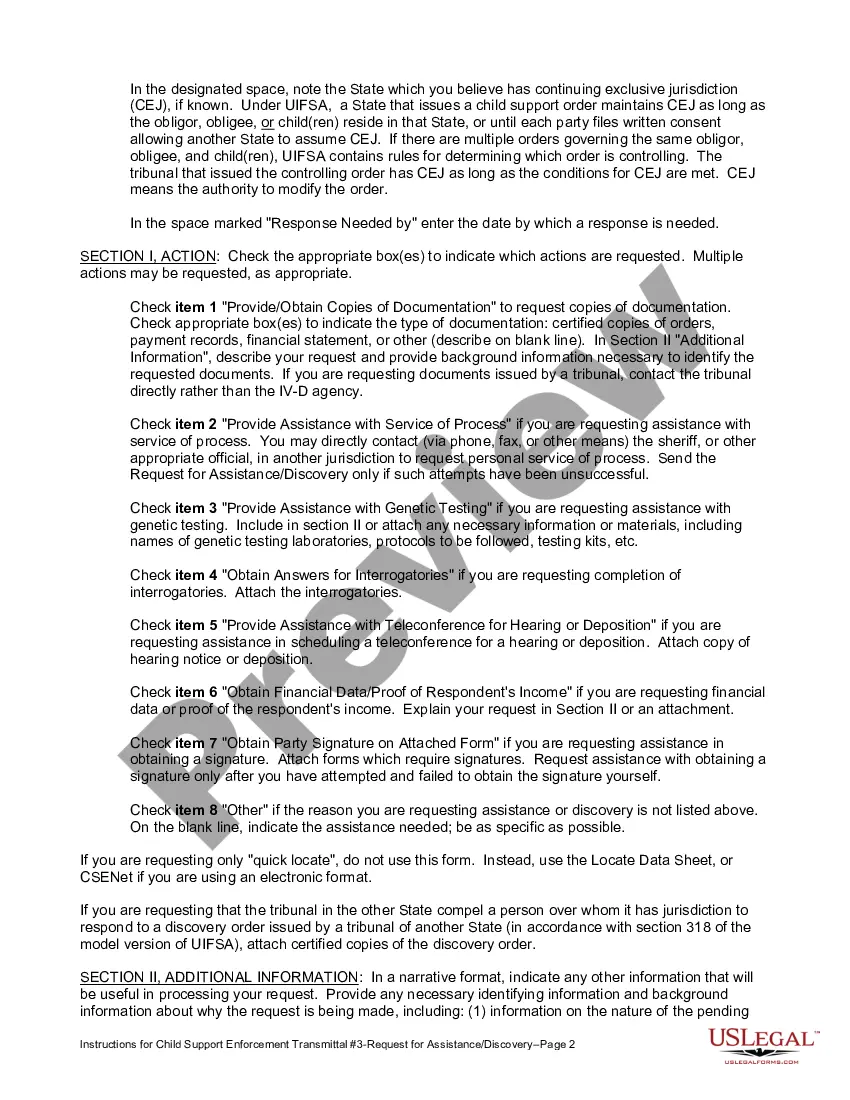
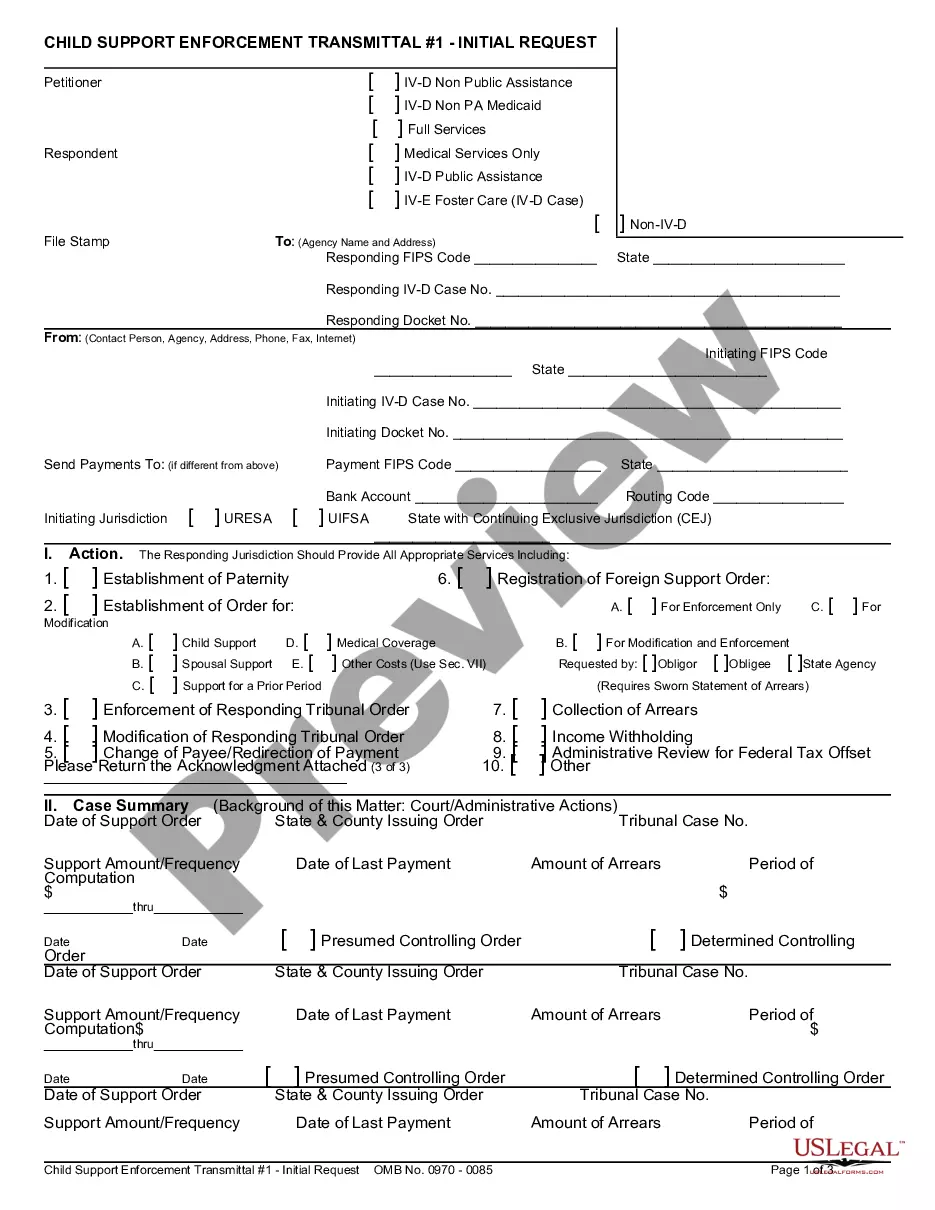
The Child Support Enforcement Transmittal #3 - Request for Assistance - Discovery is designed to facilitate communication between jurisdictions when one jurisdiction needs support in managing a child support case without requiring the other jurisdiction to open a new IV-D case. This form is particularly useful when documentation or assistance related to child support enforcement is required across state lines, distinguishing it from other forms like the CSE Transmittal 1, which is used to open a new case.
Key components of this form
- Petitioner and Respondent Information: Includes full names and Social Security numbers.
- Jurisdiction Details: Specifies both initiating and responding jurisdictions using FIPS codes.
- Action Request Sections: Allows the requester to specify what assistance is needed, such as documentation provision, service of process, or financial data retrieval.
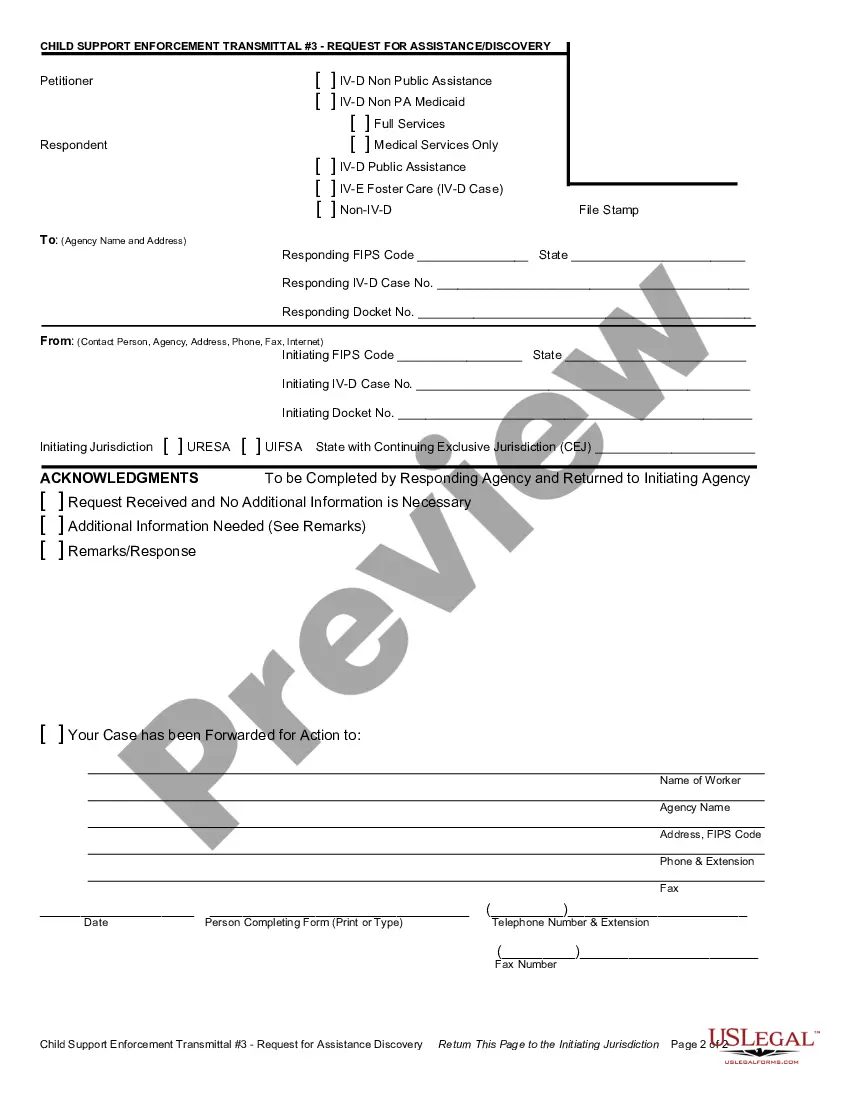
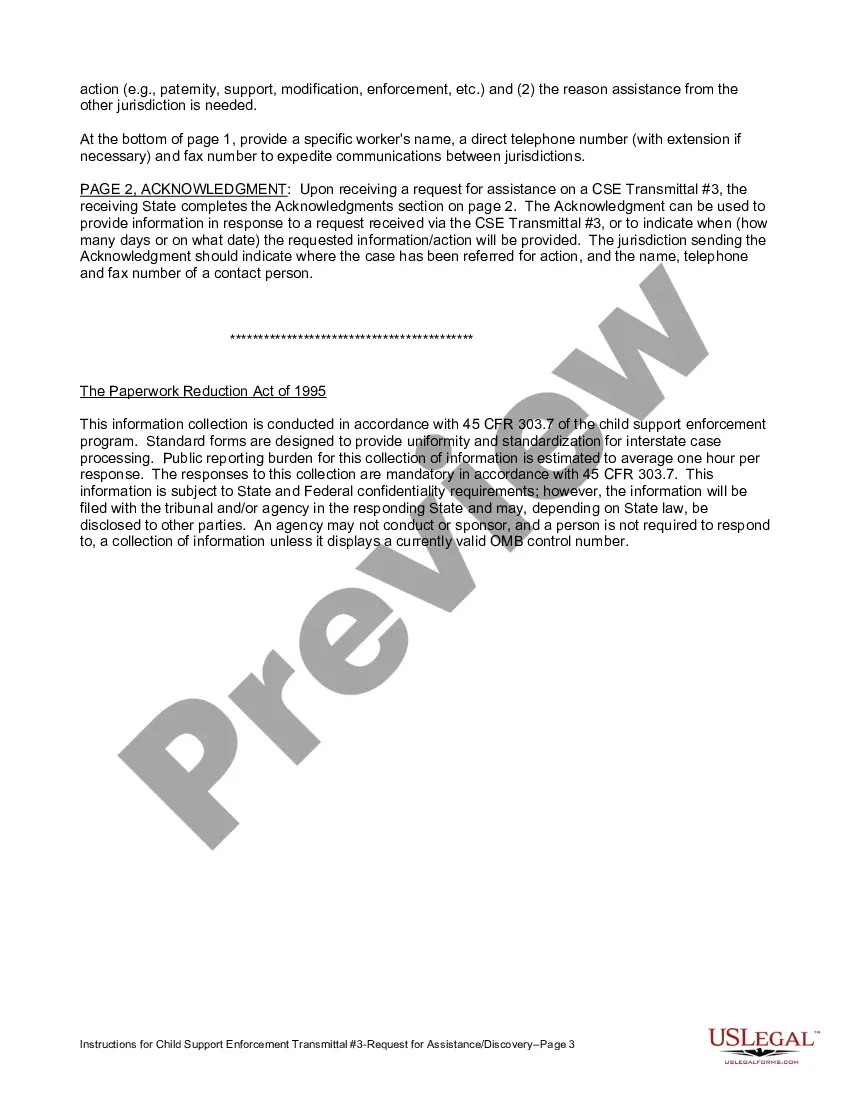
- Acknowledgment Section: For the responding jurisdiction to confirm receipt and actions taken based on the request.
- Additional Information: A section for providing context or background details regarding the case.
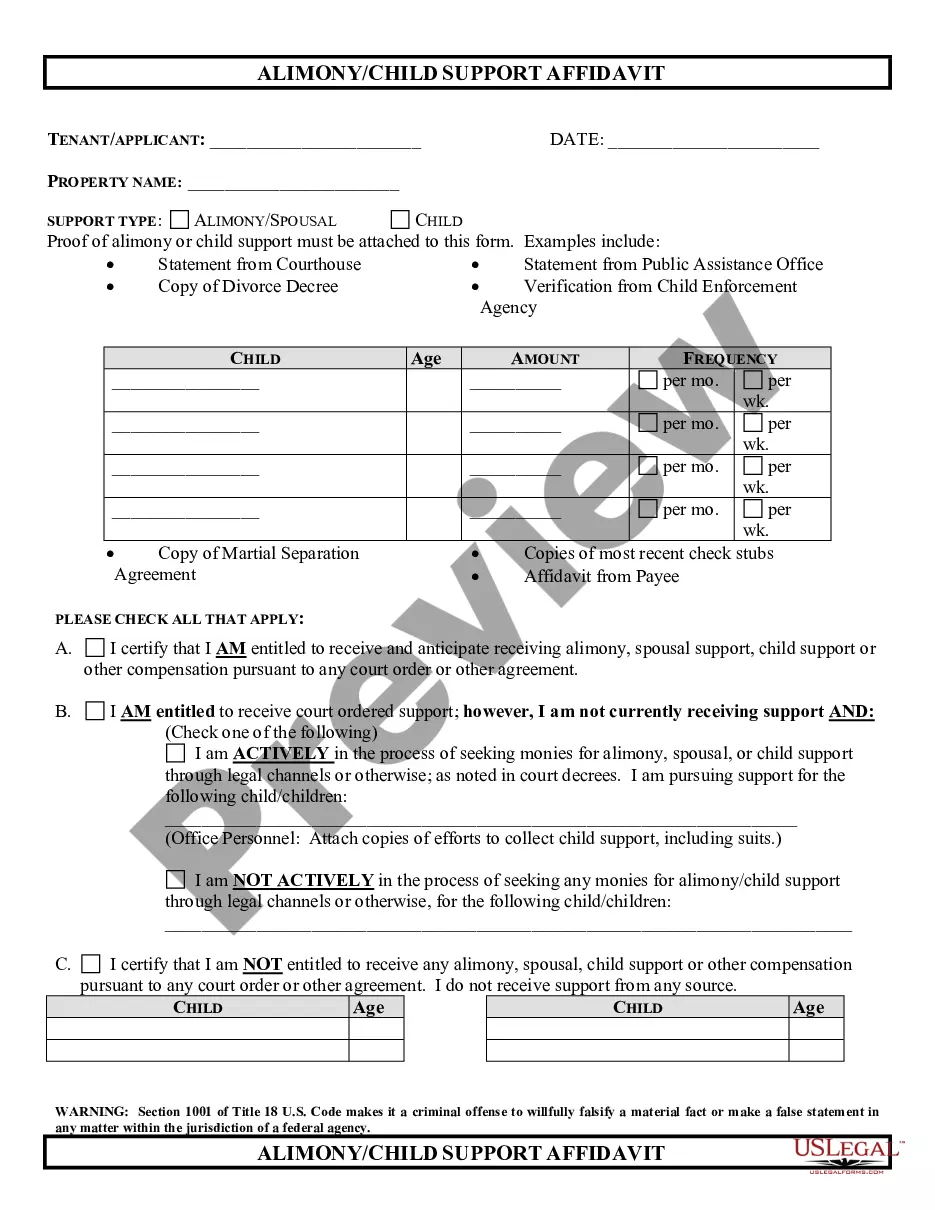
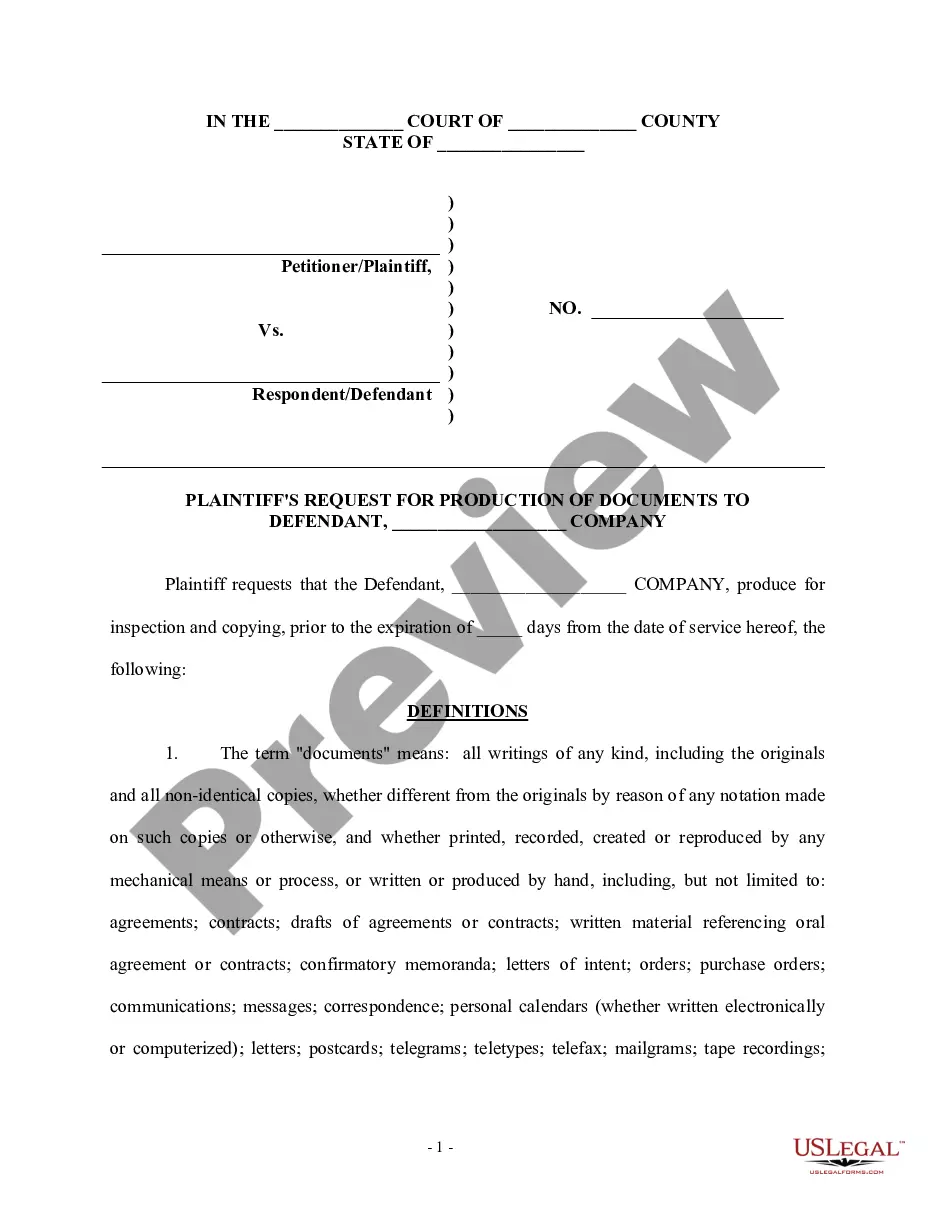
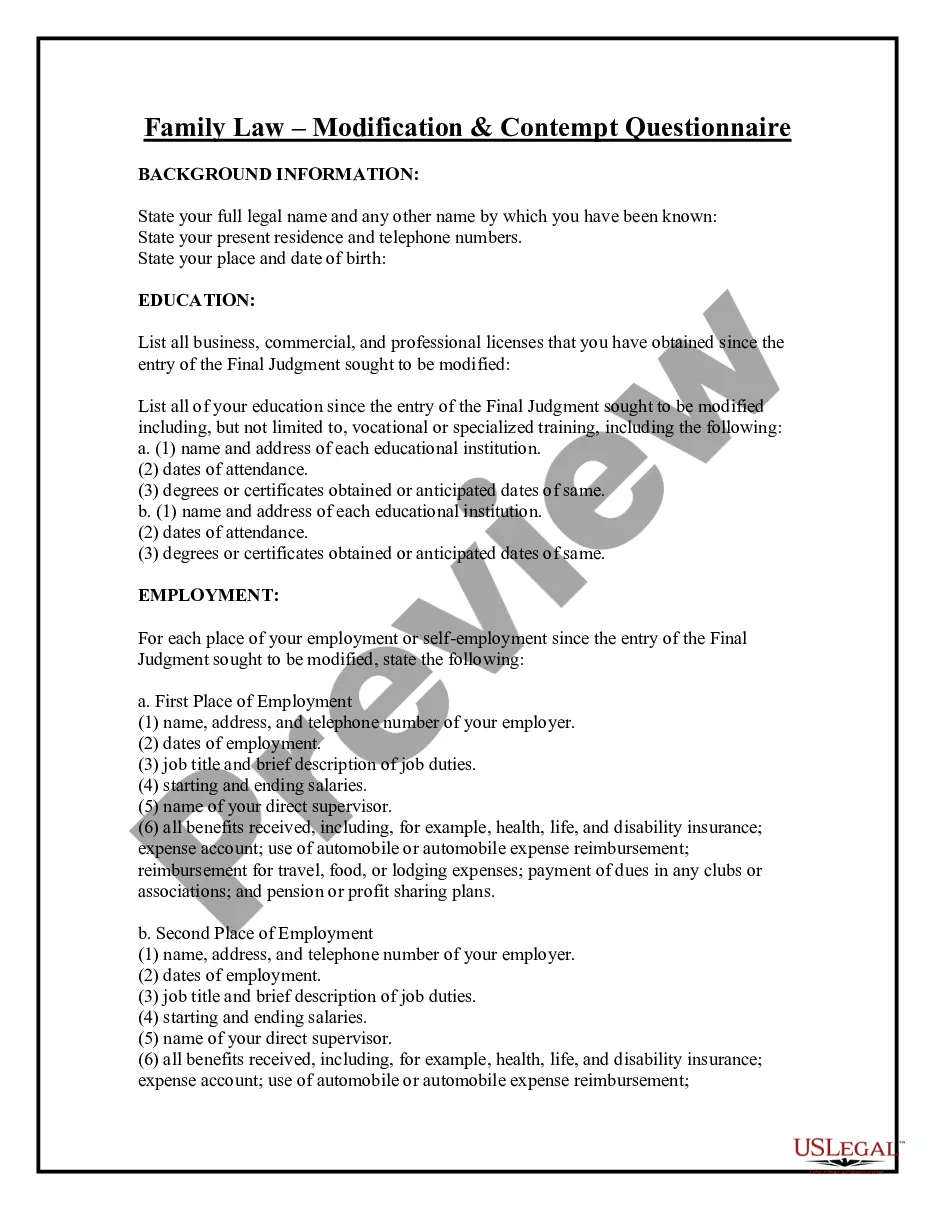
Situations where this form applies
This form should be used when an initiating jurisdiction is actively managing a child support case and requires specific assistance from another jurisdiction. Scenarios may include needing to obtain financial documentation, serve legal papers, or request genetic testing, particularly when managing cross-state obligations where parties may reside in different states but the case remains under the jurisdiction of the initiating agency.
Who should use this form
- Child support enforcement agencies that need assistance from another jurisdiction.
- Legal professionals representing clients in child support matters across state lines.
- Individuals involved in child support disputes who require inter-jurisdictional support.
Instructions for completing this form
- Identify the parties involved: Enter the full names and Social Security numbers of the petitioner and respondent.
- Enter jurisdiction details: Fill in the initiating and responding jurisdictions with relevant FIPS codes and case numbers.
- Specify the requested actions: Check the appropriate boxes for documentation or assistance needed, providing additional details as necessary.
- Provide additional context: In the Additional Information section, describe the nature of the request and relevant case details.
- Complete the acknowledgment: Ensure the responding agency fills out the acknowledgment section upon receiving the request.
Does this document require notarization?
This form usually doesn’t need to be notarized. However, local laws or specific transactions may require it. Our online notarization service, powered by Notarize, lets you complete it remotely through a secure video session, available 24/7.
Get your form ready online
Our built-in tools help you complete, sign, share, and store your documents in one place.
Make edits, fill in missing information, and update formatting in US Legal Forms—just like you would in MS Word.
Download a copy, print it, send it by email, or mail it via USPS—whatever works best for your next step.
Sign and collect signatures with our SignNow integration. Send to multiple recipients, set reminders, and more. Go Premium to unlock E-Sign.
If this form requires notarization, complete it online through a secure video call—no need to meet a notary in person or wait for an appointment.
We protect your documents and personal data by following strict security and privacy standards.

Make edits, fill in missing information, and update formatting in US Legal Forms—just like you would in MS Word.

Download a copy, print it, send it by email, or mail it via USPS—whatever works best for your next step.

Sign and collect signatures with our SignNow integration. Send to multiple recipients, set reminders, and more. Go Premium to unlock E-Sign.

If this form requires notarization, complete it online through a secure video call—no need to meet a notary in person or wait for an appointment.

We protect your documents and personal data by following strict security and privacy standards.
Mistakes to watch out for
- Omitting important identification numbers, such as Social Security numbers or FIPS codes.
- Failing to specify the actions requested or providing inadequate details in the Additional Information section.
- Not checking the appropriate jurisdiction for assistance needs, which can lead to delays in processing the request.
Benefits of completing this form online
- Convenience of downloading and completing the form at any time and from anywhere.
- Ability to easily customize the form to meet specific local requirements and case details.
- Access to guidance and suggestions directly embedded within the form for efficient completion.
Legal use & context
- This form is utilized in interstate child support cases to enhance cooperation between jurisdictions.
- It serves to streamline requests without necessitating the establishment of new child support cases in responding states.
- Requests made through this form may not be mandatory; responding jurisdictions can choose whether to provide assistance based on their policies.
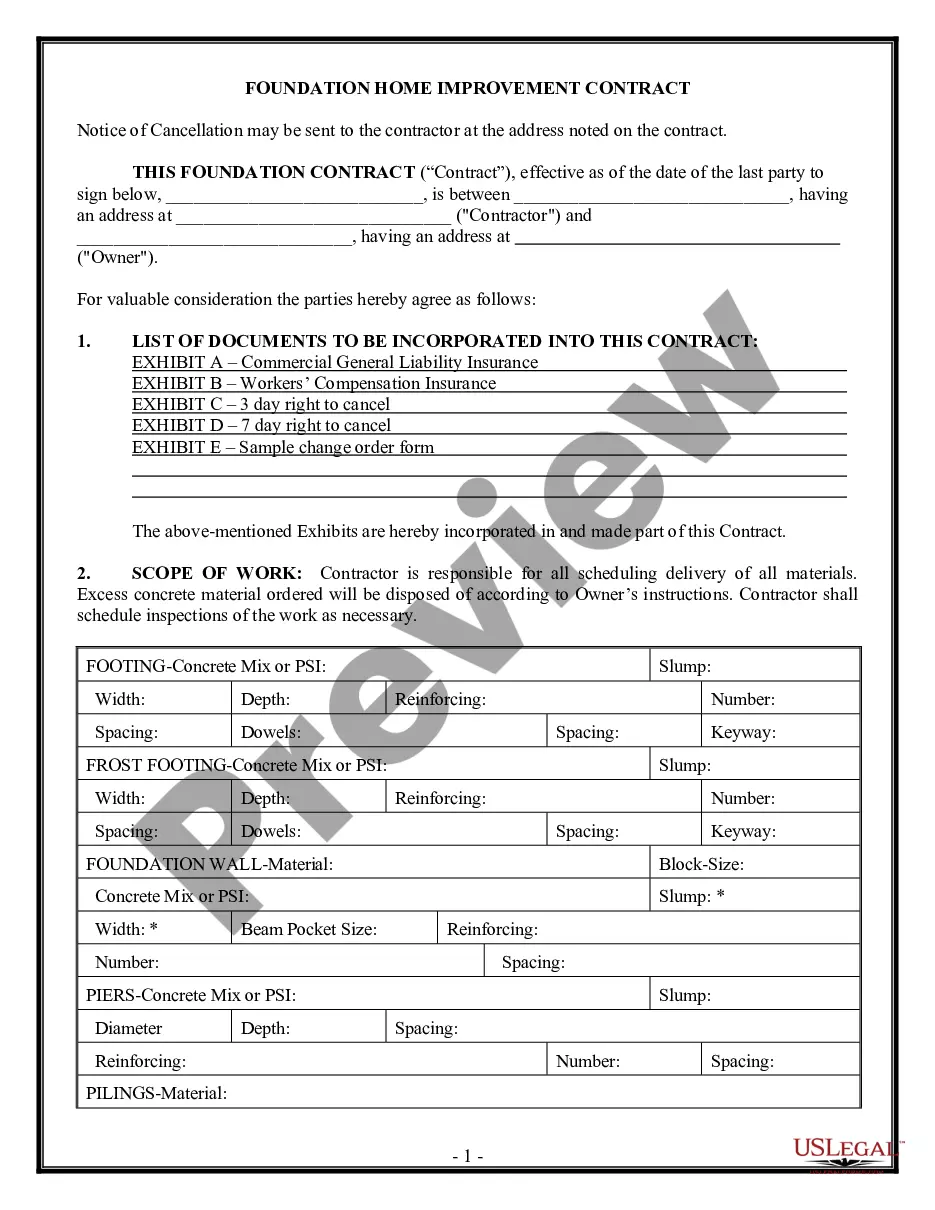
Looking for another form?







Form popularity
FAQ
Retroactive Child Support Summary To conclude, Georgia does not provide for retroactive child support or back child support.
In Georgia, child support arrearage cannot be waived, dropped or forgiven by the custodial parent.
MO Statute of Limitations on Back Child Support Payments (Arrears) Missouri's statute of limitations on child support enforcement is 10 years from last payment on court record or other form of revival of order on court record.
For parents interested in more information or to obtain child support services, contact the Department of Revenue, Florida's designated child support agency. The Department of Revenue's contact number for child support matters is (850) 488-5437.
If the child support owed exceeds $10,000 or is overdue by more than two years, the offense is a felony that carries up to a two-year prison sentence.
If you fail to pay child support in Georgia, you could face some serious consequences, ranging from being in contempt of court to losing your driver's license.If a court finds the non-paying parent is in contempt, a judge could impose fines and even jail the parent.
In this situation, there is a temptation to withhold child support, but this is not allowed. Child support payments and visitation are considered by law to be separate issues.You have an obligation to financially support your children, regardless of any visitation issues.
Criminal prosecution possible if paying parent fails to pay child support for six months within a twelve-month period or an aggregate delinquency of more than five thousand dollars is a felony. Criminal nonsupport charges punish the failure to pay, but they do not result in a new order for payment.
Class D Felony for attempting to leave state to avoid payment, or $2,500 in past-due support and 4 months of consecutive non-payment, or has previously been convicted of nonsupport.