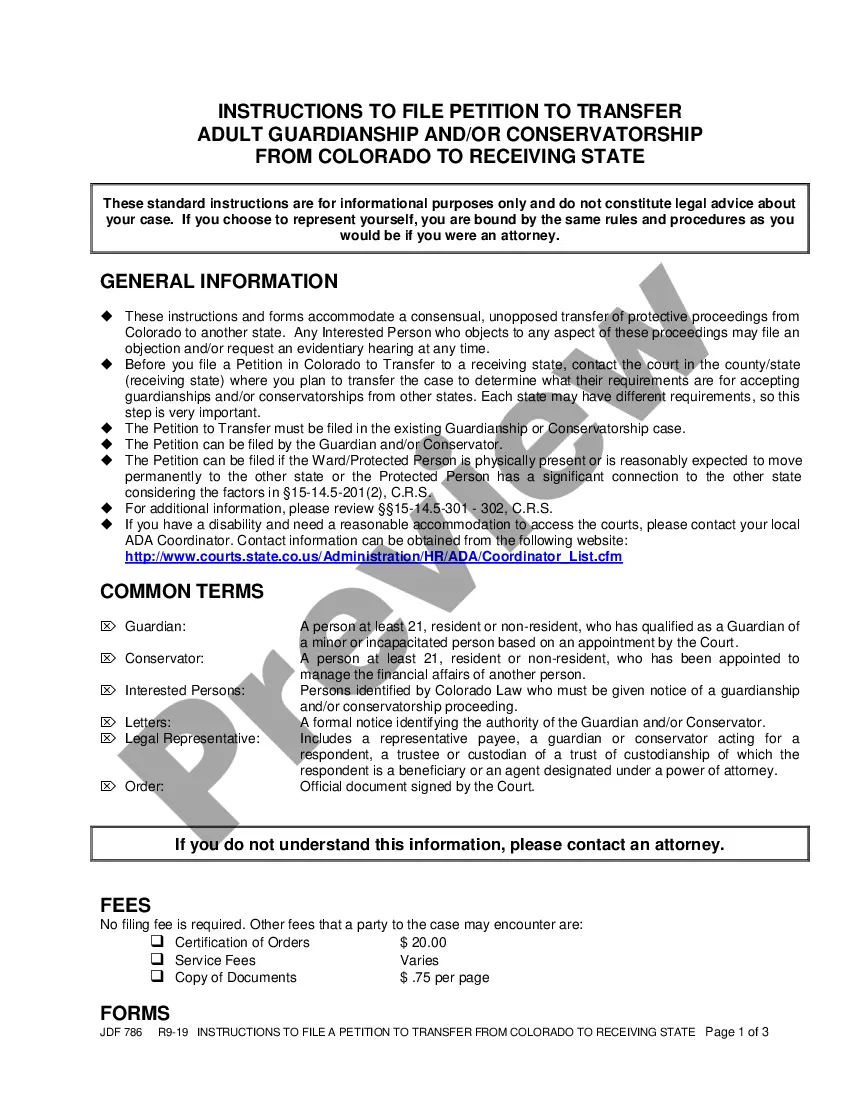
Sample Letter for FCC 393
Overview of this form
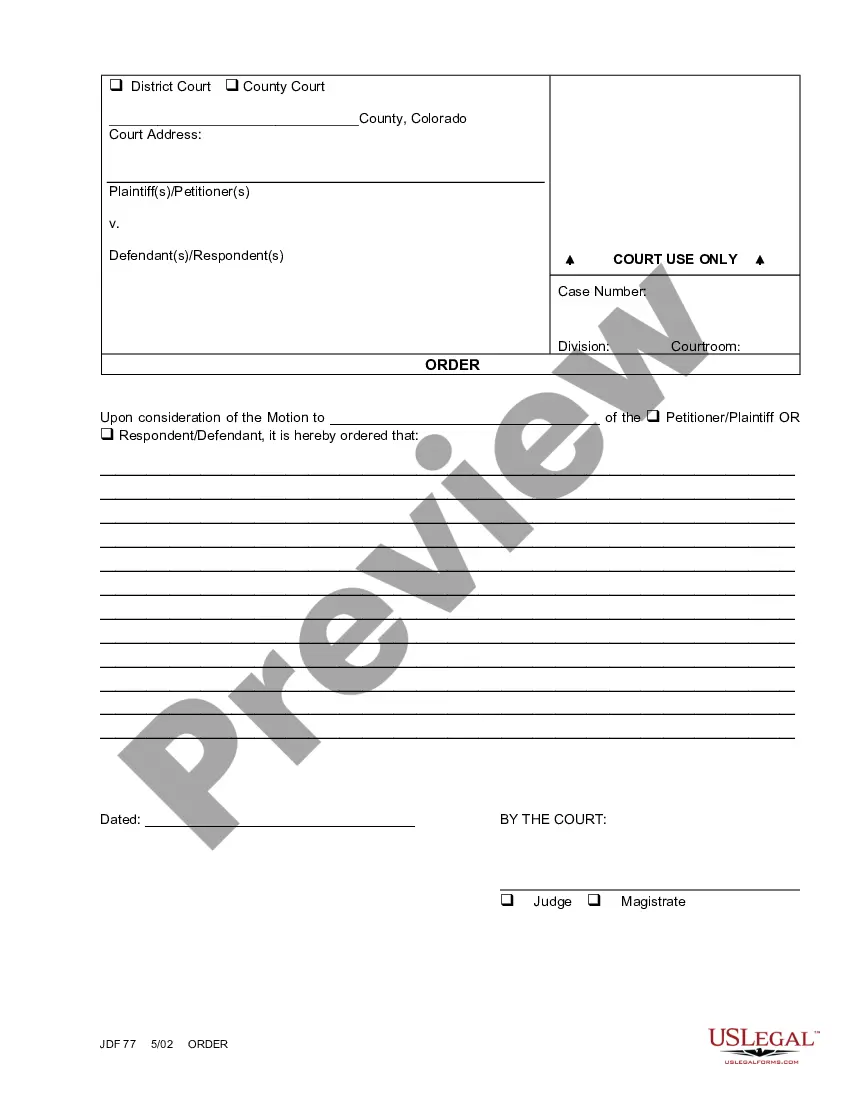
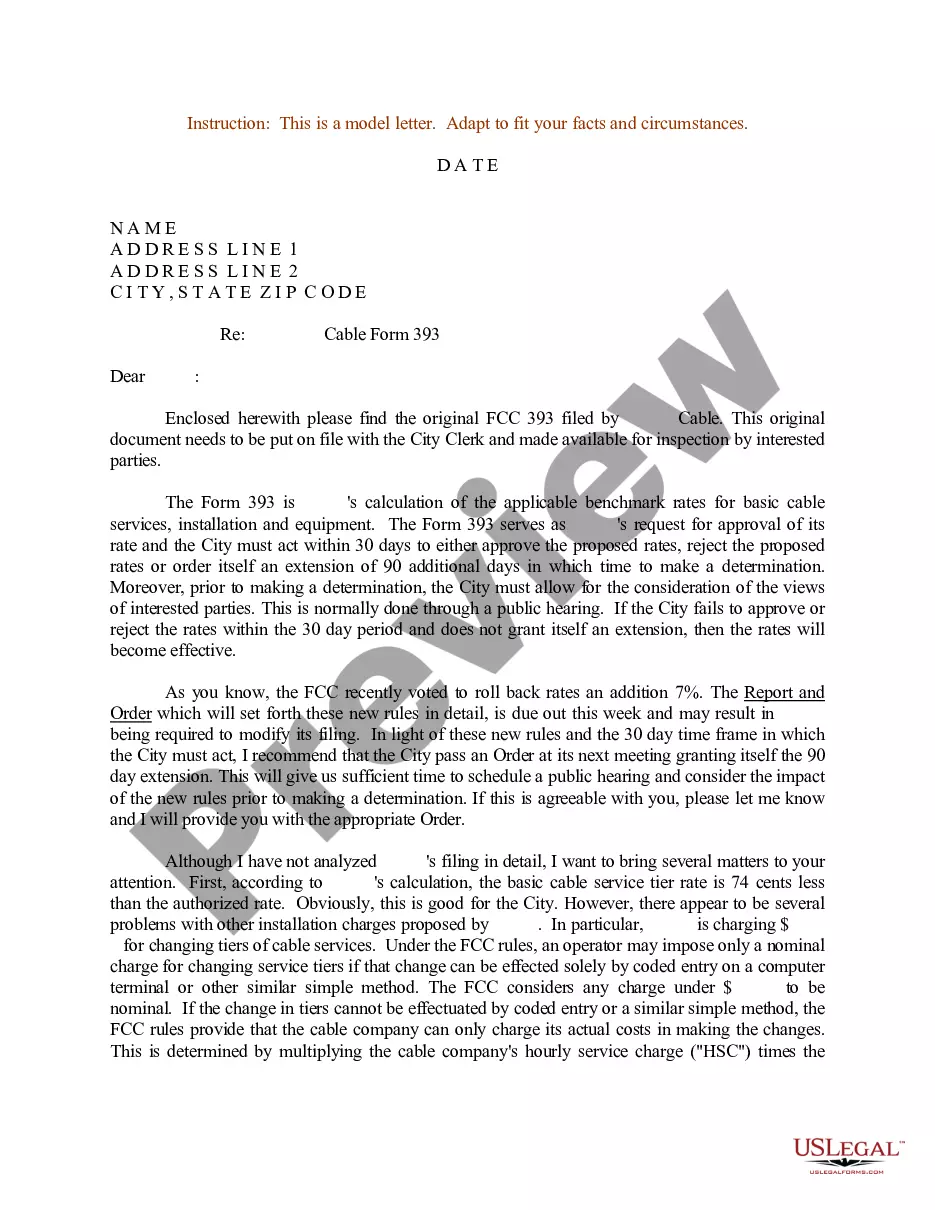
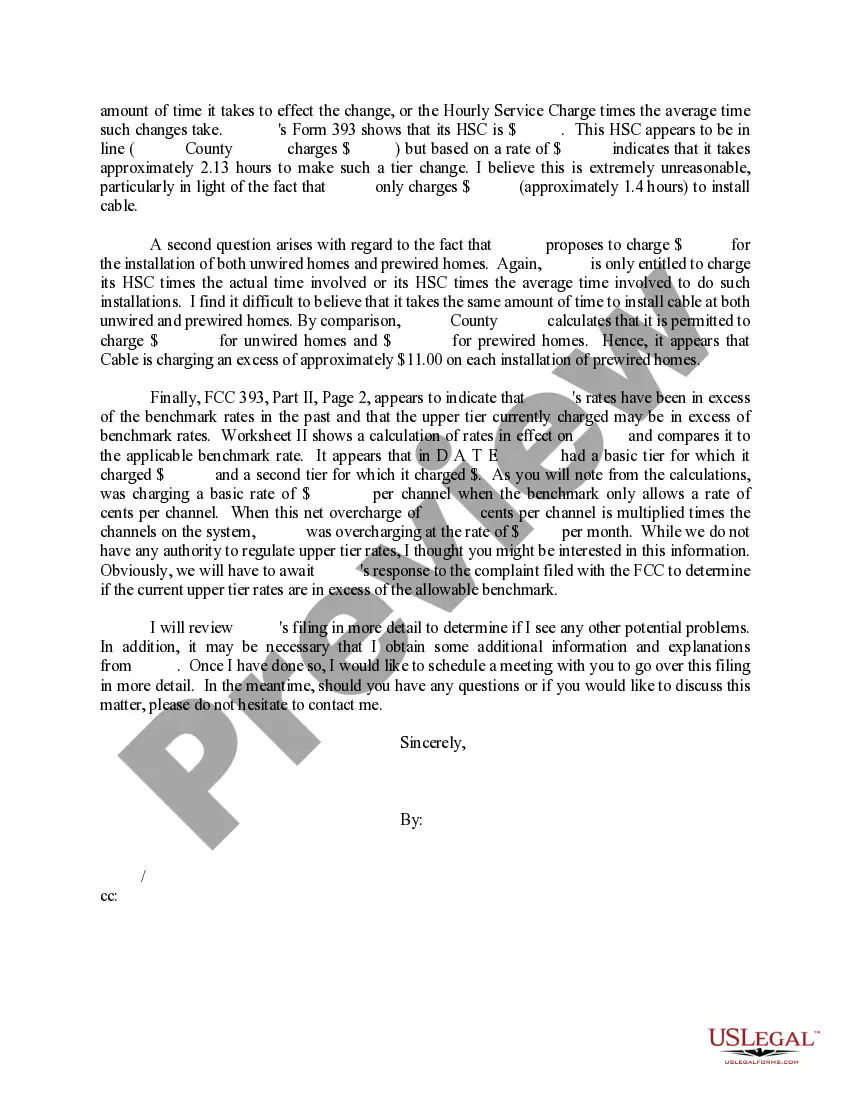
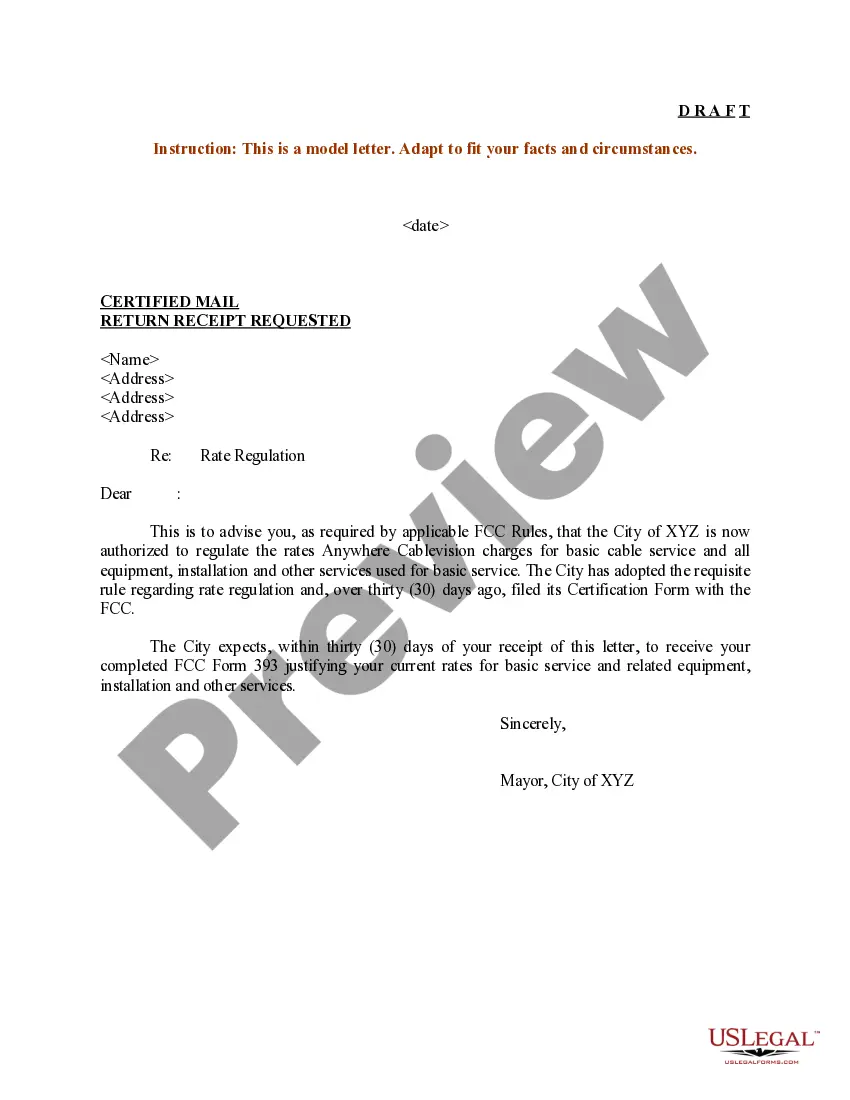
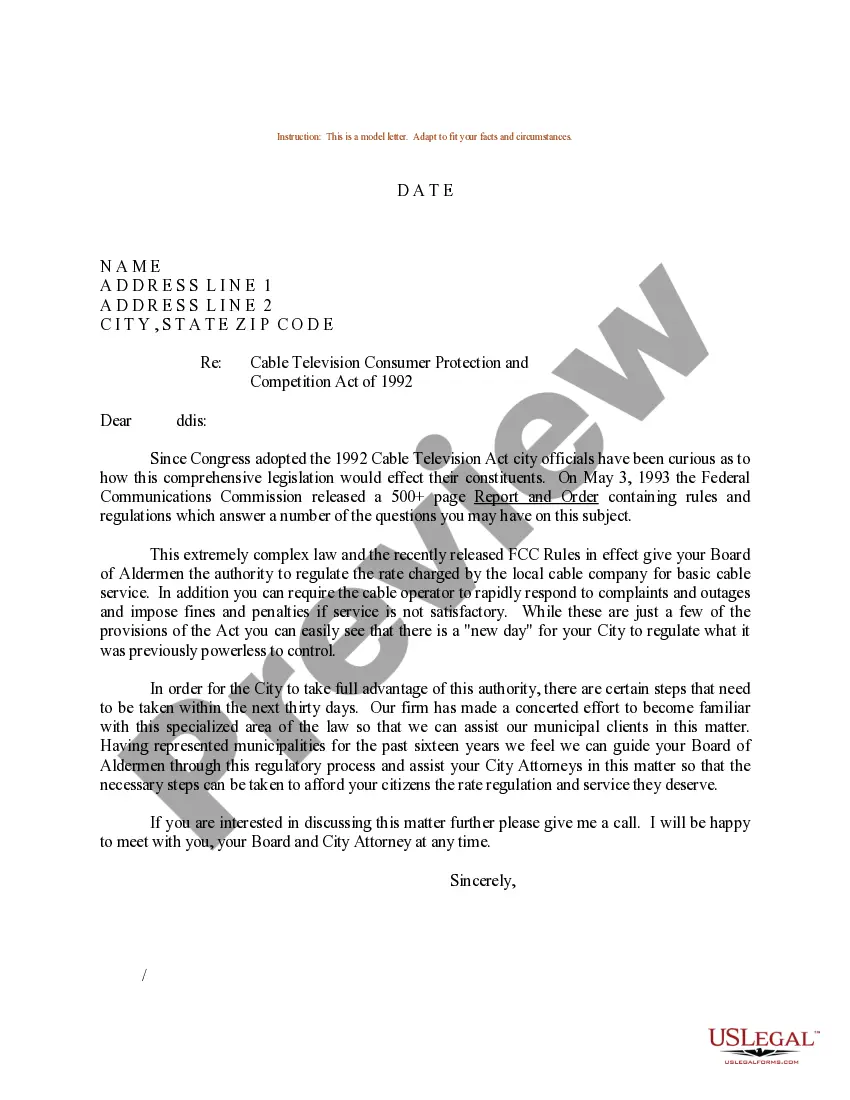
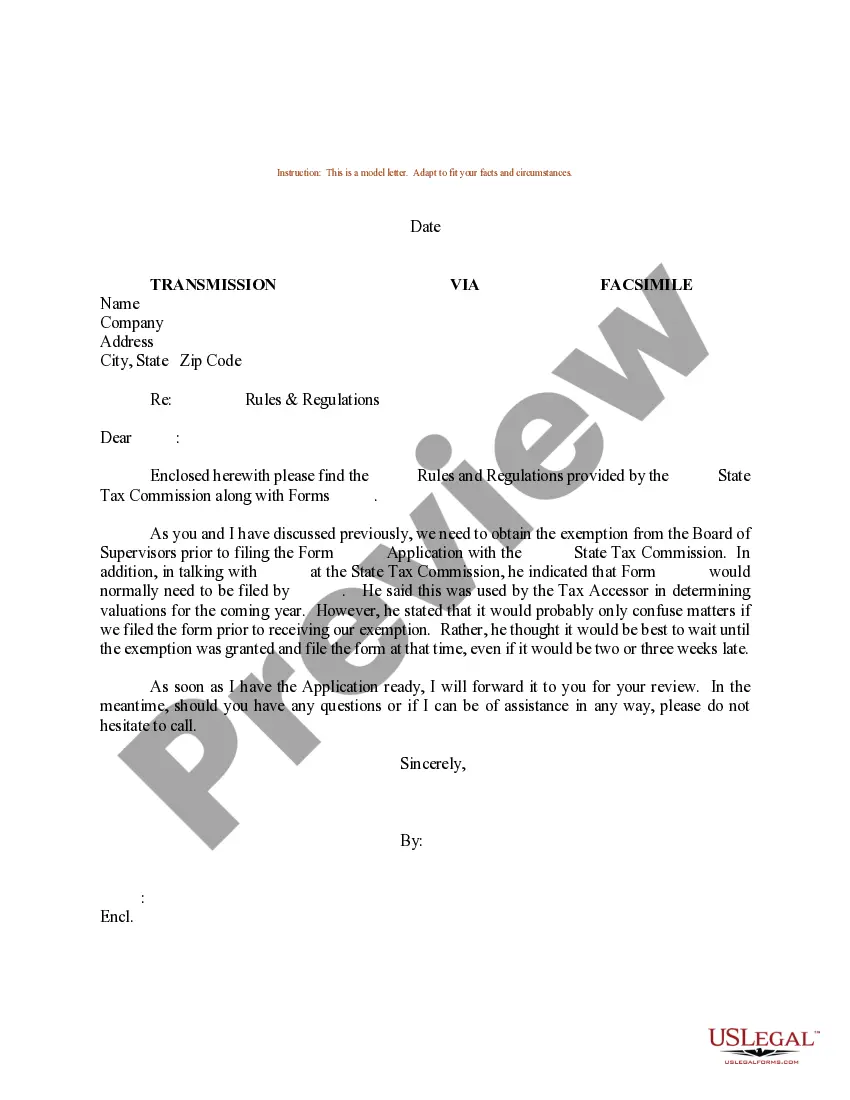
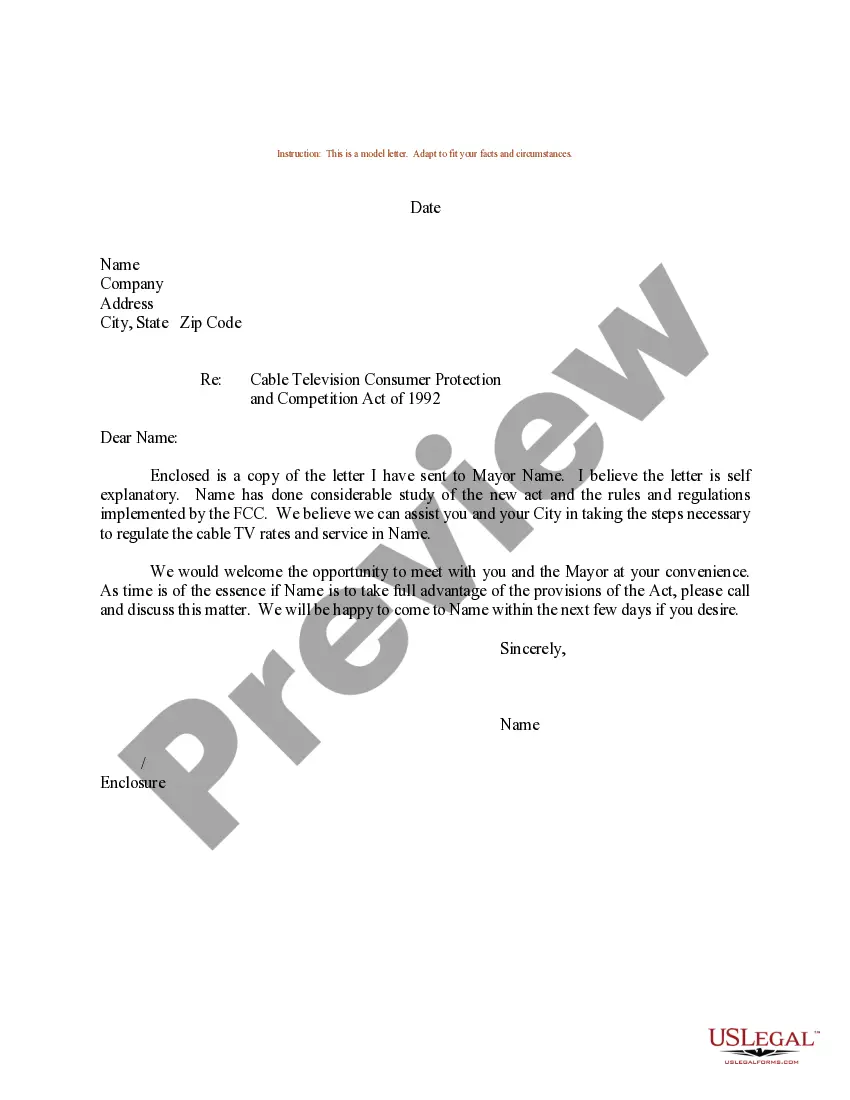
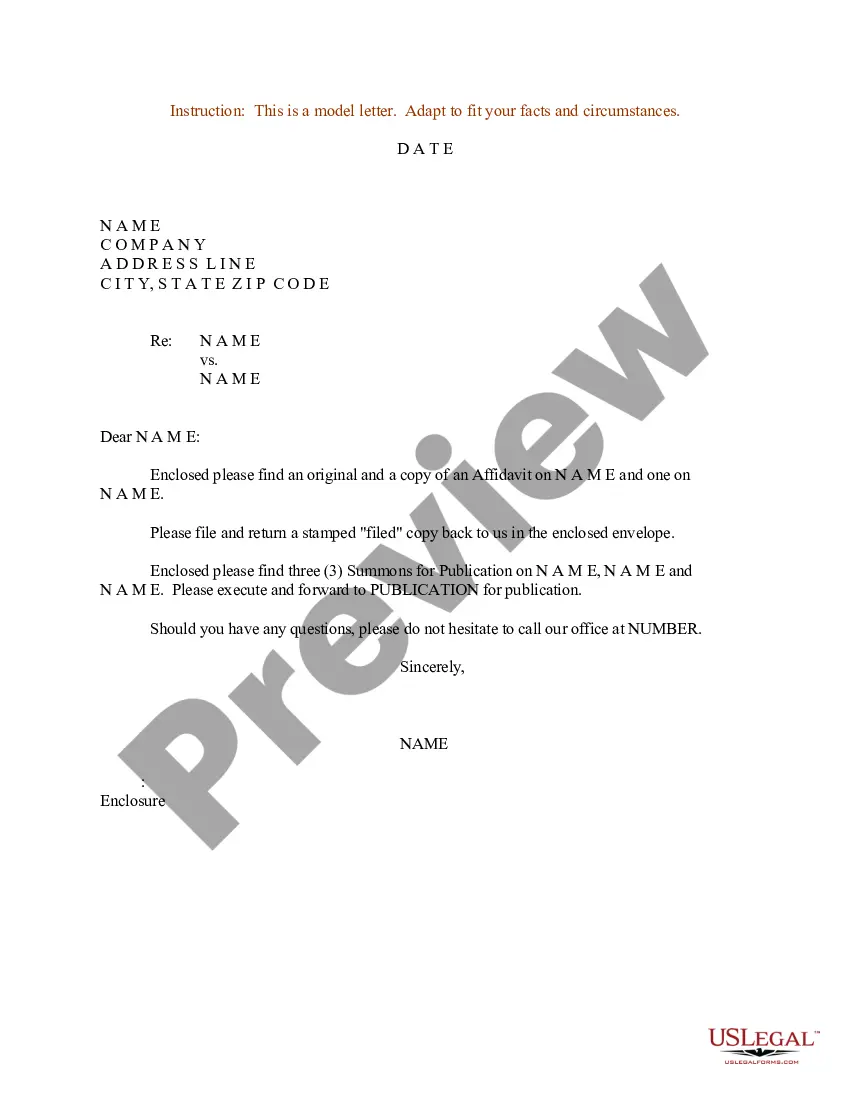
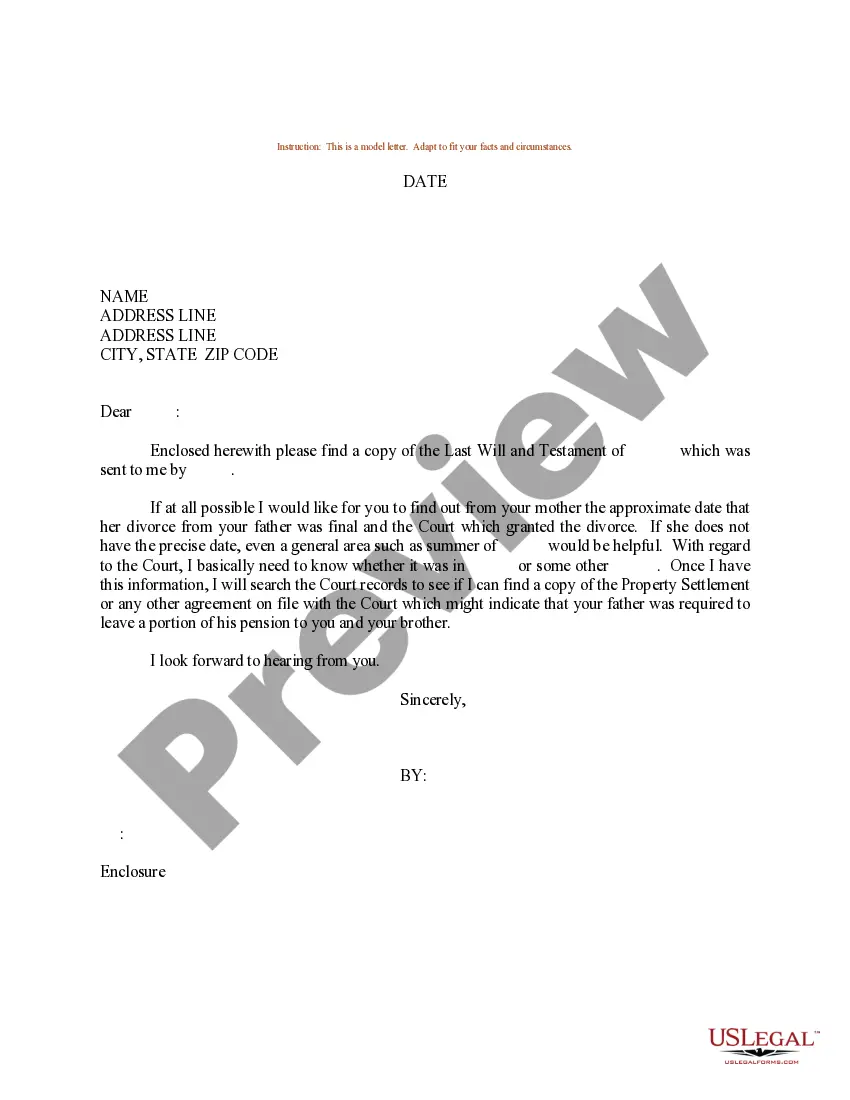
The Sample Letter for FCC 393 is a template designed to assist individuals in drafting a formal correspondence related to a specific matter requiring attention from the Federal Communications Commission (FCC). This form is particularly useful when you need a structured way to communicate with the FCC but do not want to create a document from scratch. It ensures that your letter adheres to standard formatting and includes necessary details, differentiating it from more general correspondence templates.
What’s included in this form
- Date: A field for entering the date of the letter.
- Recipient's name: Area for specifying the name of the FCC representative or department.
- Address lines: Sections designated for the complete mailing address of the recipient.
- City, state, and ZIP code: Required fields for comprehensive address formatting.
When to use this document
This form should be used when you need to contact the FCC regarding issues such as compliance with regulations, requests for information, or other formal inquiries. It is ideal for individuals and organizations wishing to ensure that their communication is clear, professional, and properly formatted.
Who should use this form
Eligibility for using this form includes:
- Individuals writing to the FCC to address specific inquiries or issues.
- Businesses or organizations needing to correspond with the FCC regarding compliance or licensing.
- Legal professionals drafting communications on behalf of clients.
Steps to complete this form
- Enter the current date at the top of the letter.
- Insert the name of the FCC representative or department you are contacting.
- Provide the complete address, including any necessary detail on the recipient's location.
- Include the city, state, and ZIP code where the letter should be sent.
Does this form need to be notarized?
In most cases, this form does not require notarization. However, some jurisdictions or signing circumstances might. US Legal Forms offers online notarization powered by Notarize, accessible 24/7 for a quick, remote process.
Get your form ready online
Our built-in tools help you complete, sign, share, and store your documents in one place.
Make edits, fill in missing information, and update formatting in US Legal Forms—just like you would in MS Word.
Download a copy, print it, send it by email, or mail it via USPS—whatever works best for your next step.
Sign and collect signatures with our SignNow integration. Send to multiple recipients, set reminders, and more. Go Premium to unlock E-Sign.
If this form requires notarization, complete it online through a secure video call—no need to meet a notary in person or wait for an appointment.
We protect your documents and personal data by following strict security and privacy standards.

Make edits, fill in missing information, and update formatting in US Legal Forms—just like you would in MS Word.

Download a copy, print it, send it by email, or mail it via USPS—whatever works best for your next step.

Sign and collect signatures with our SignNow integration. Send to multiple recipients, set reminders, and more. Go Premium to unlock E-Sign.

If this form requires notarization, complete it online through a secure video call—no need to meet a notary in person or wait for an appointment.

We protect your documents and personal data by following strict security and privacy standards.
Common mistakes
- Failing to include the correct date, which can affect the letter's relevance.
- Using vague or informal language that may hinder clarity.
- Leaving out critical address components, which may prevent proper delivery.
Benefits of using this form online
- Convenience of instantly downloading and editing the template to fit your needs.
- Reliability of having a professionally crafted format that adheres to standard practices.
- Flexible access that allows you to complete the form at your convenience from any device.
Looking for another form?


Form popularity
FAQ
This template helps you draft a formal letter to the Federal Communications Commission (FCC) without writing from scratch. It provides a structured format to address a specific issue that requires FCC attention and aligns with standard professional letter formatting. Use it when you need to communicate with the FCC about compliance, licensing inquiries, or information requests and want a clear, complete layout.
This form does not list common FCC violations. The Sample Letter for FCC 393 is a template to draft a formal communication to the FCC with a clear date, recipient name, and complete address fields. Use it to raise concerns or request information, and refer to FCC resources for an authoritative list of violations.
When this form is used to contact the FCC, it initiates formal correspondence rather than a complaint mechanism by itself. The FCC may review the letter, request additional information, or take action based on its regulations. The template ensures your issue is presented clearly, with proper formatting and recipient details.
This form does not enumerate complaint types. It serves as a ready-to-fill letter template for FCC communications. You can describe compliance concerns, licensing questions, or information requests in the body of your letter, using the included fields for date and recipient details to keep the submission orderly.
This form is designed for drafting a formal letter to the FCC, not detailing regulatory scope. It focuses on formatting and providing recipient details. It does not specify what the FCC can or cannot regulate. For exact regulatory authority, consult official FCC rules and guidance.
This form is a standard template specifically labeled for FCC 393 communications and includes structured fields for date, recipient’s name, and full mailing address. Other templates in the same category may target different FCC forms or omit one or more address fields, making this one especially suitable for formal, properly formatted correspondence.