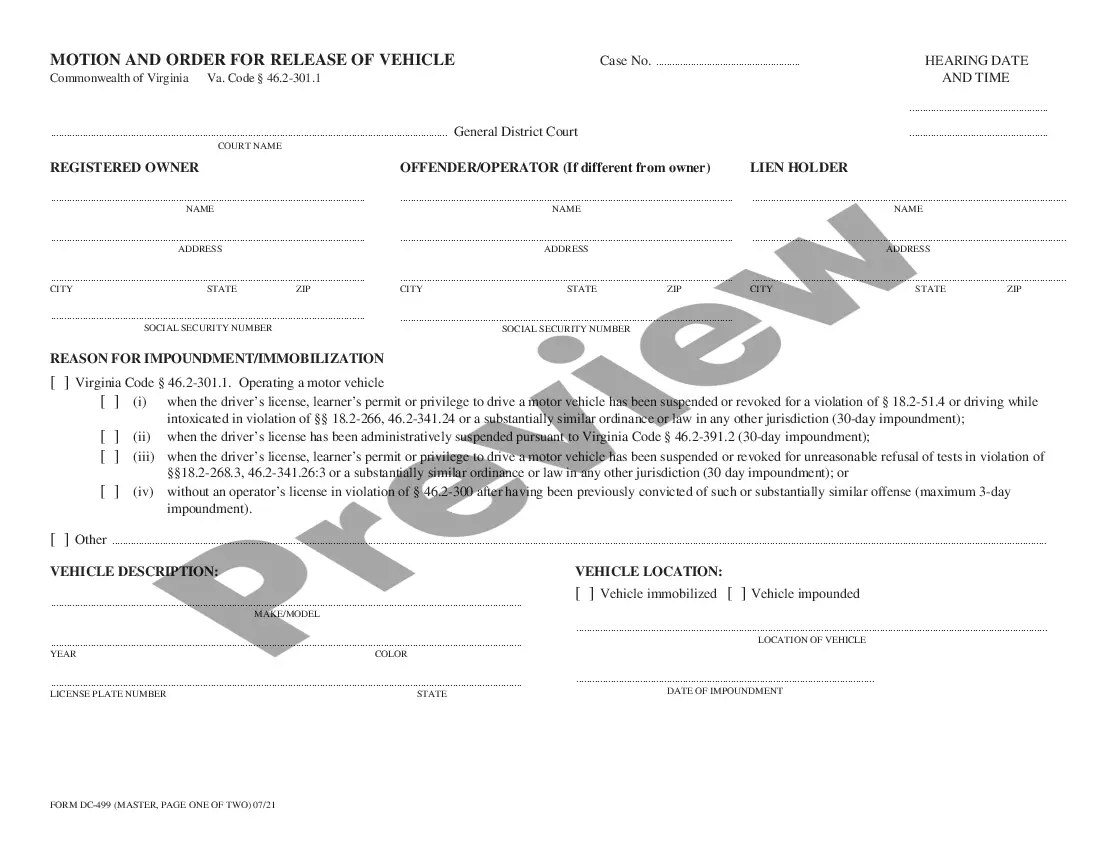
Sample Letter for Past Due Balance
Understanding this form
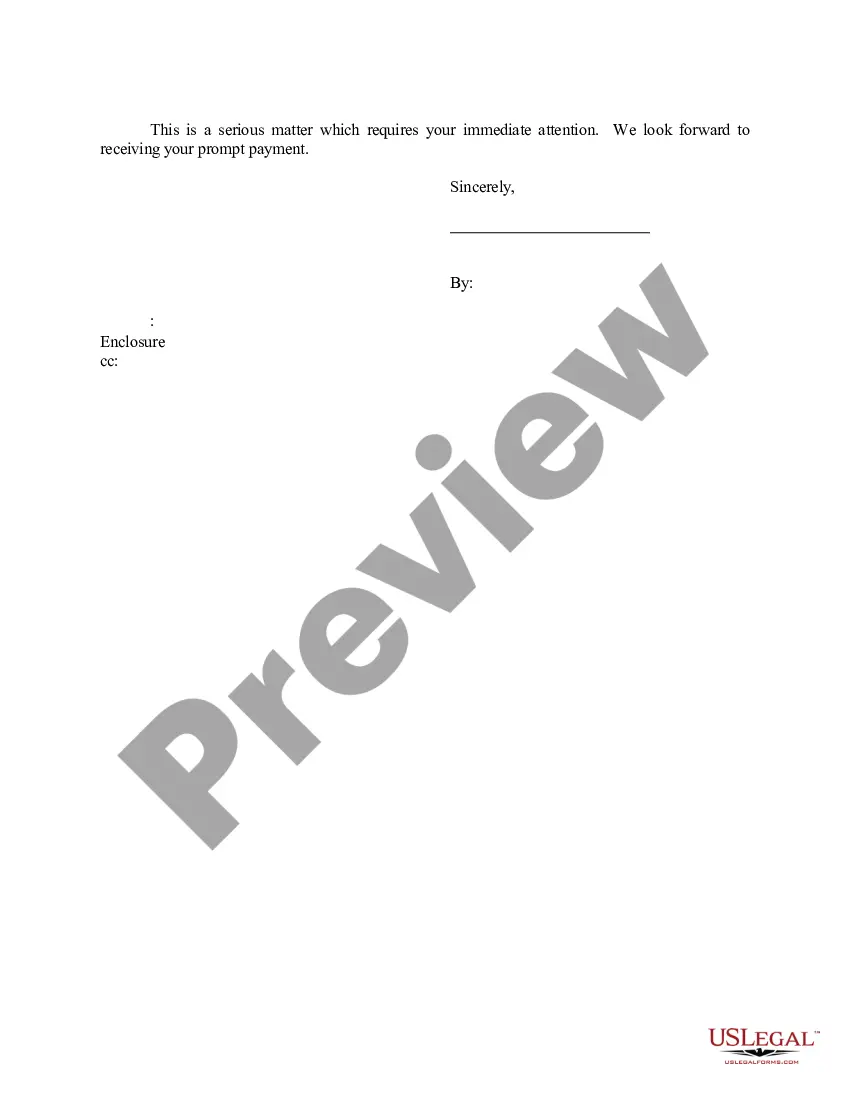
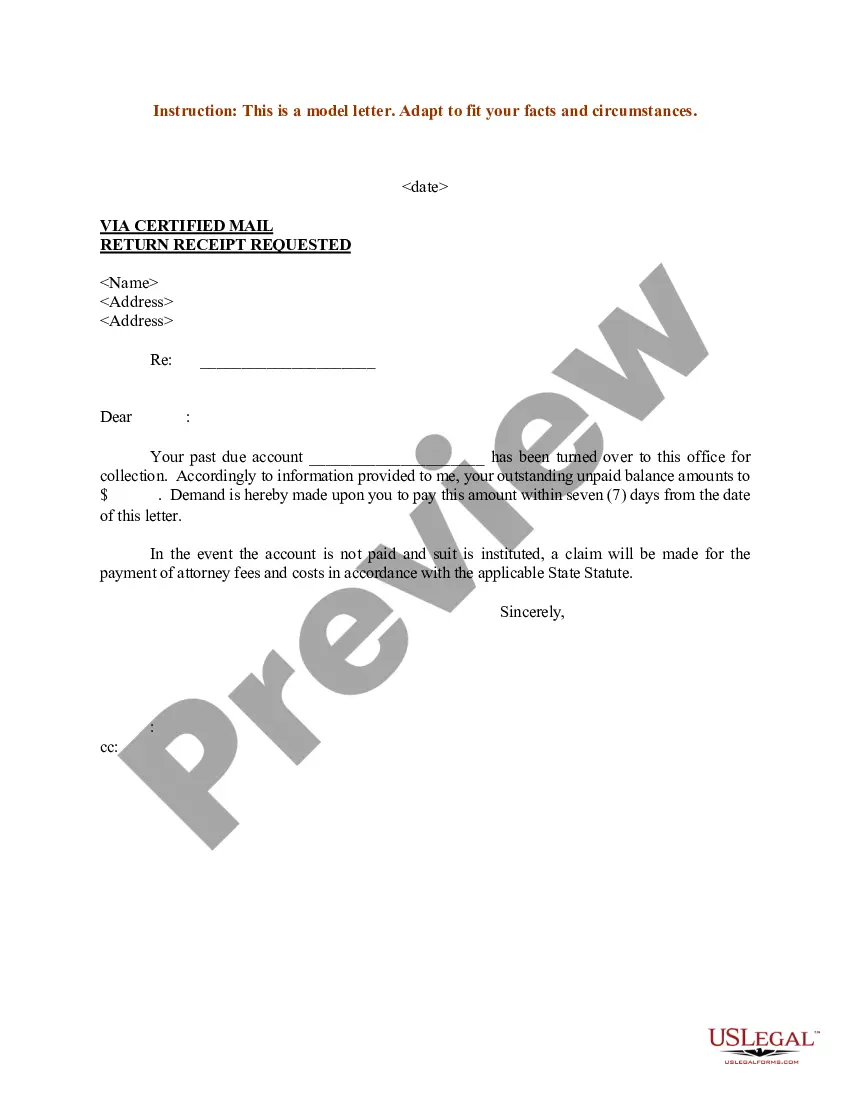
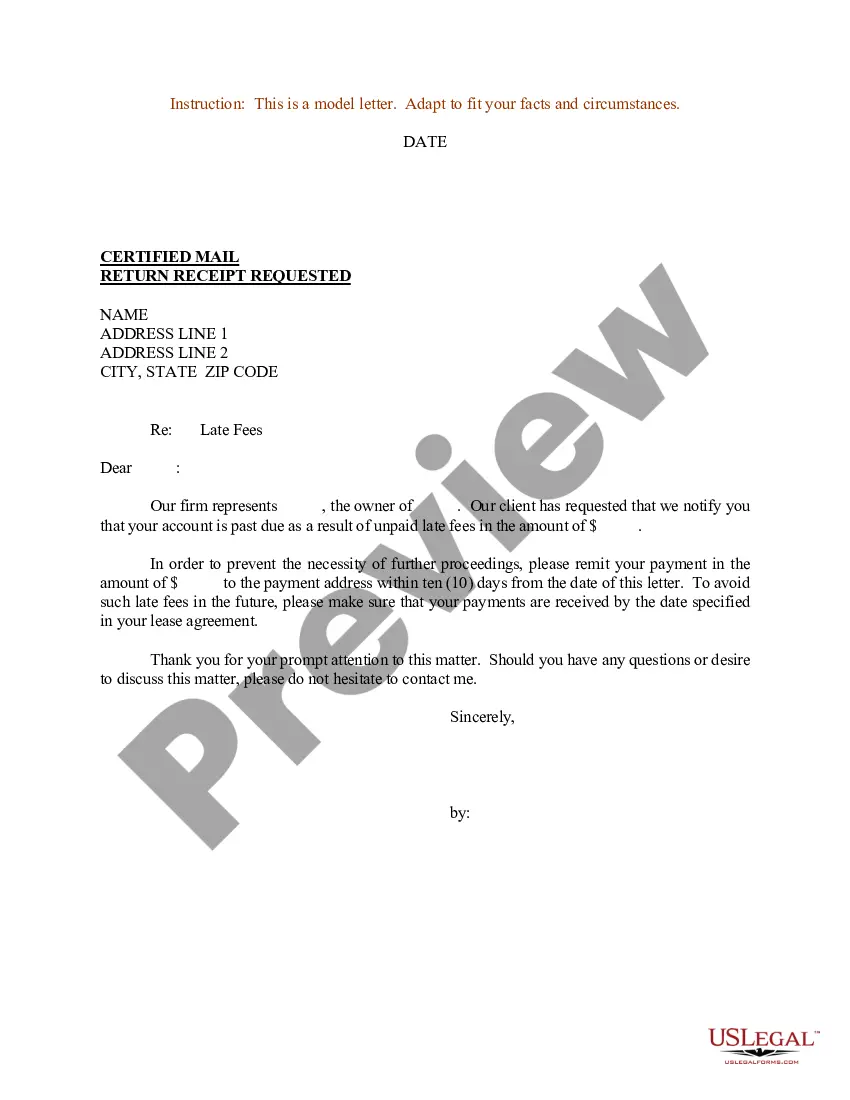
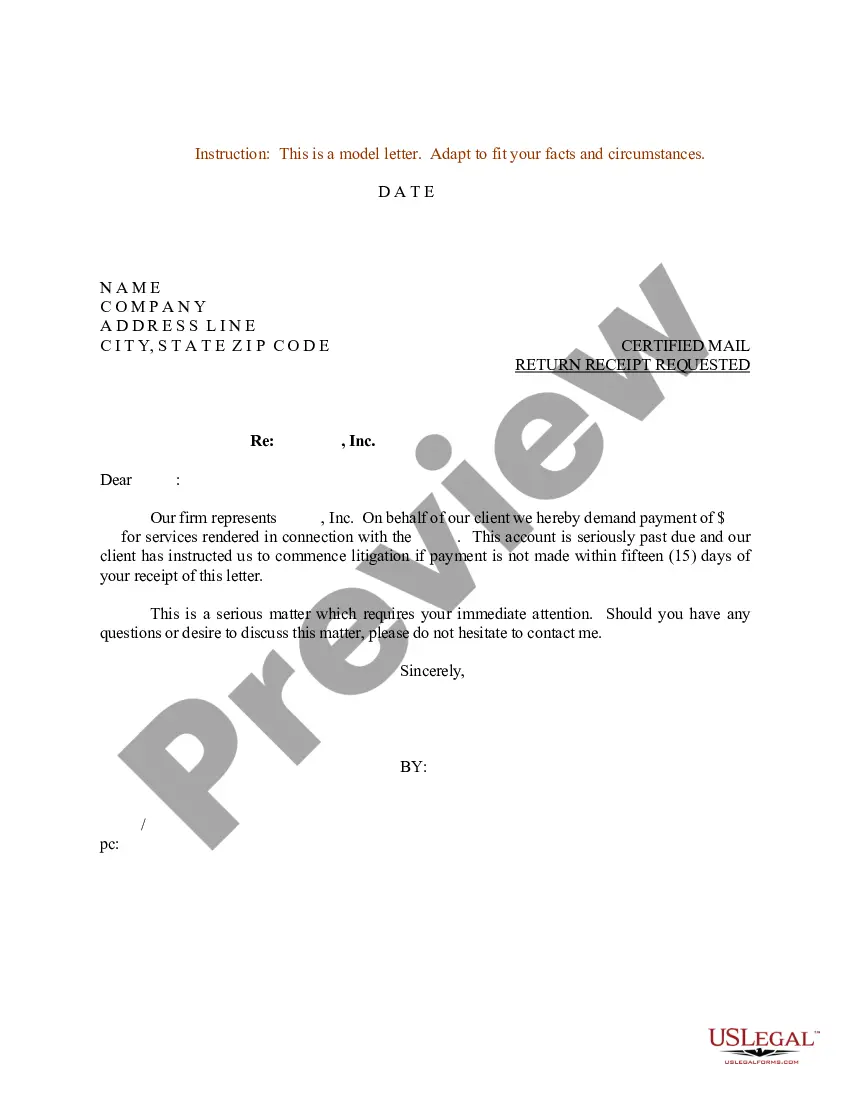
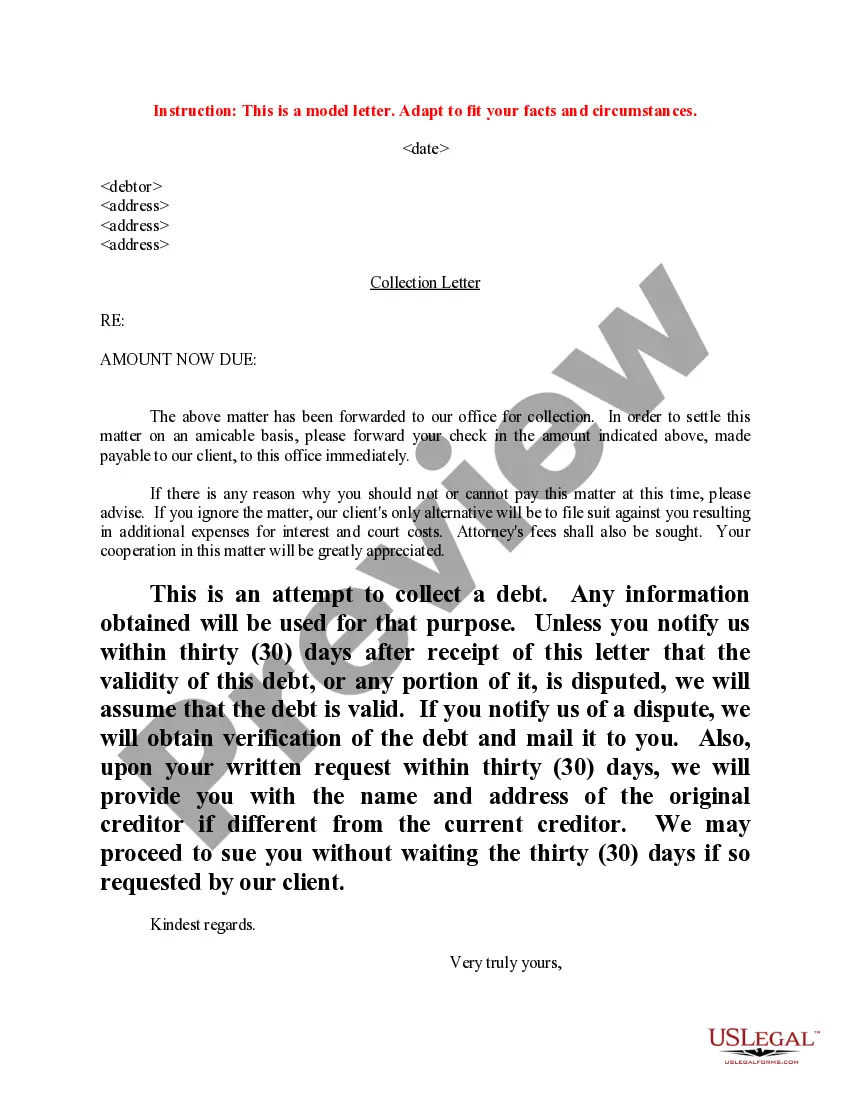
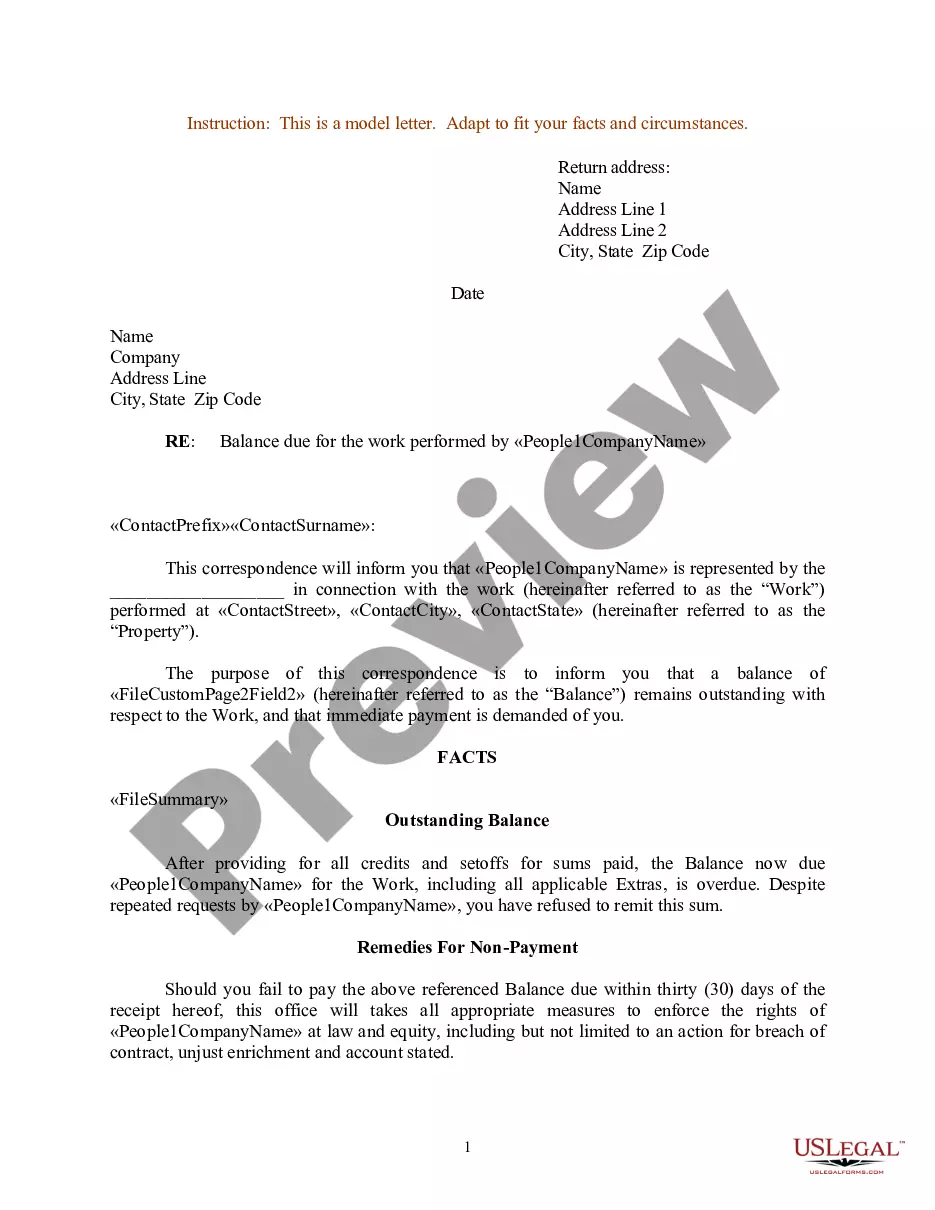
The Sample Letter for Past Due Balance is a formal document used to notify a debtor about an outstanding balance owed. This letter serves as an attempt to collect the debt, highlighting the seriousness of the situation while allowing the debtor the opportunity to contest the validity of the debt if necessary. This form differs from informal reminders by including legal language that confirms its purpose as a debt collection notice.
Key components of this form
- Date: The date the letter is sent.
- Sender's information: Includes the name and address of the creditor sending the letter.
- Debtor's information: Name and address of the person or entity that owes the debt.
- Subject line: A clear note indicating the purpose of the letter.
- Debt validity statement: A declaration informing the debtor of their rights regarding contesting the debt.
Common use cases
This form is useful in situations where a creditor has not received payment for a past due balance and needs to formally request payment. It can be employed in personal, business, or professional contexts to communicate the urgency of settling the outstanding debt, ensuring there is a legal record of the request.
Who needs this form
- Creditors seeking to collect unpaid debts.
- Small business owners who have clients with overdue invoices.
- Individuals attempting to recover personal loans or services rendered.
- Collection agencies reaching out to debtors on behalf of creditors.
Steps to complete this form
- Identify the date on which you are sending the letter.
- Enter your name and address in the sender's information section.
- Fill in the debtorâs name and address accurately.
- Clearly state the purpose of the letter in the subject line.
- Include the required declaration about the validity of the debt.
Notarization requirements for this form
This form does not typically require notarization unless specified by local law. Ensure you review state regulations for any specific requirements.
Get your form ready online
Our built-in tools help you complete, sign, share, and store your documents in one place.
Make edits, fill in missing information, and update formatting in US Legal Forms—just like you would in MS Word.
Download a copy, print it, send it by email, or mail it via USPS—whatever works best for your next step.
Sign and collect signatures with our SignNow integration. Send to multiple recipients, set reminders, and more. Go Premium to unlock E-Sign.
If this form requires notarization, complete it online through a secure video call—no need to meet a notary in person or wait for an appointment.
We protect your documents and personal data by following strict security and privacy standards.

Make edits, fill in missing information, and update formatting in US Legal Forms—just like you would in MS Word.

Download a copy, print it, send it by email, or mail it via USPS—whatever works best for your next step.

Sign and collect signatures with our SignNow integration. Send to multiple recipients, set reminders, and more. Go Premium to unlock E-Sign.

If this form requires notarization, complete it online through a secure video call—no need to meet a notary in person or wait for an appointment.

We protect your documents and personal data by following strict security and privacy standards.
Mistakes to watch out for
- Failing to include correct debtor information.
- Not providing a clear subject line indicating the letter's purpose.
- Omitting the date, which can affect legal timelines.
- Neglecting to state the debtor's right to contest the debt.
Advantages of online completion
- Instant access to professionally drafted templates suitable for various situations.
- Easy to edit and customize to match individual circumstances.
- Reliable legal formatting that enhances clarity and compliance.
- Convenience of downloadable formats for easy printing and sending.
Legal use & context
- This letter is legally recognized as a formal attempt to collect a debt.
- It emphasizes the validity of the debt and the consequences of non-payment.
- It provides the debtor with adequate notice to respond or contest the debt.
Summary of main points
- A Sample Letter for Past Due Balance is essential for effective debt collection.
- Properly filling out the letter ensures clear communication with the debtor.
- Using a legally sound template enhances the chances of successful collection.
Looking for another form?

Form popularity
FAQ
A clear subject line detailing what the email is about. An opening line that's warm. State the purpose of the email in a non-harassing tone (include amount owed, invoice number, and due date) Inquire about the progress of the invoice.
To request payment professionally, it's important to first make sure there was no error or miscommunication about the invoice. Send a polite email to your client explaining that the payment is now past due and ask to make sure they received the initial invoice and there were no problems with it.
The letter is a reminder, do not make any accusations. Get straight to the point by telling the receiver of the late payment. Remind them exactly what it is they have not paid for, and the amount. State the date the payment was due.
A few more observations: Ask for the payment simply and be straightforward. Tell them you have included the invoice as part of the email and how you want to be paid. The conclusion is polite and lets them know that you'd love to work more with them in the future.
Keep it professional. Your payment notice letter should be short and to the point. Make sure you mention if they have made the required payment to disregard this notice. State specifically what the consequences will be if they do not pay in full by the due date.
Your company name and address. recipient's name and address. today's date. a clear reference and/or any account reference numbers. the amount outstanding. original payment due date. a brief explanation that no payment has been received.
As such, your first past due letter should be firm, but still cordial. Use more formal language to signify your serious intention, and to prevent the late payment as becoming a personal issue. To avoid defensiveness or tension, broach the issue delicately by saying your account with us now appears as past due.
Invoice number and date. Amount owing. Payment terms such as late fees. Reminders of previous letters. Instructions for payment (include links in emails) Your contact information.
A clear subject line detailing what the email is about. An opening line that's warm. State the purpose of the email in a non-harassing tone (include amount owed, invoice number, and due date) Inquire about the progress of the invoice.