Nominee Trust
Understanding this form
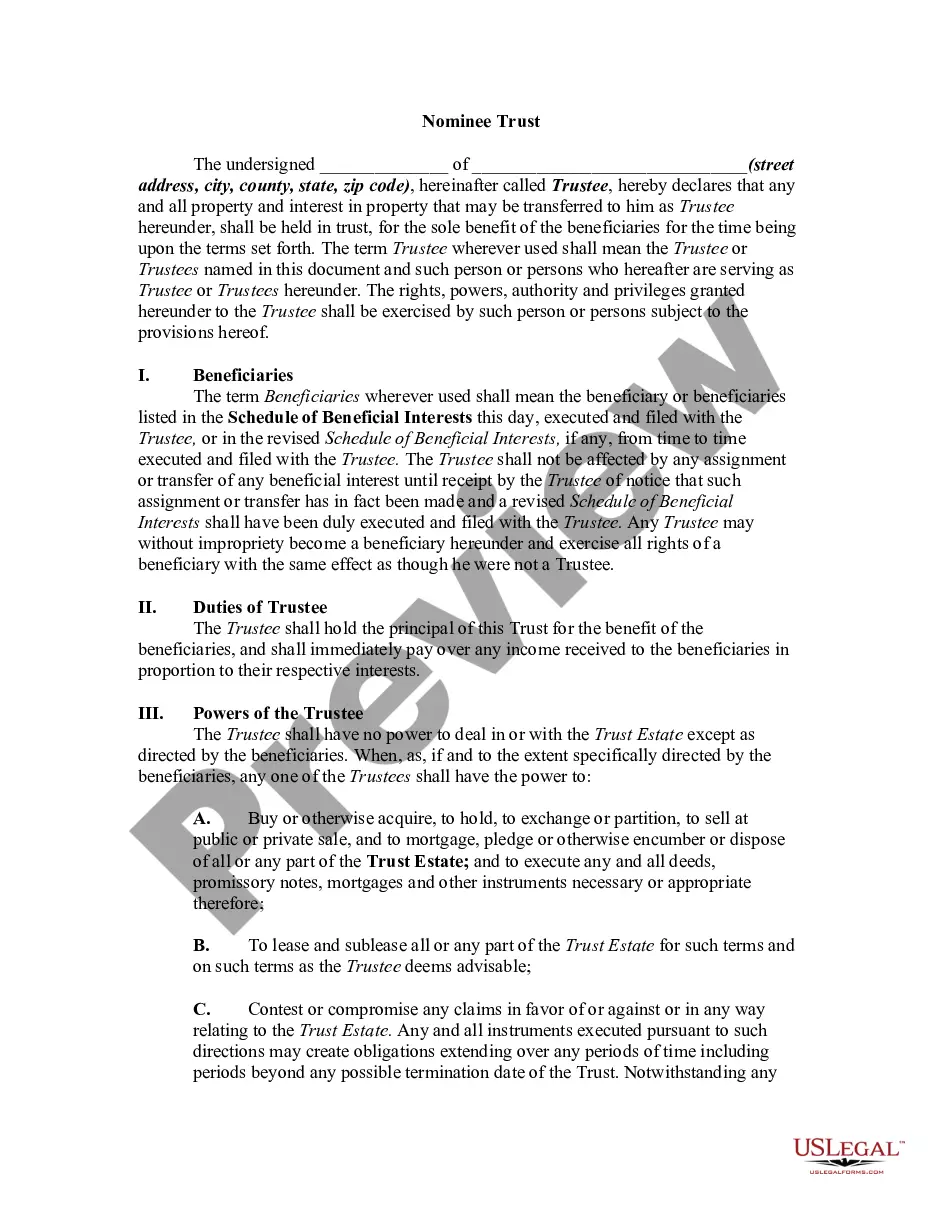
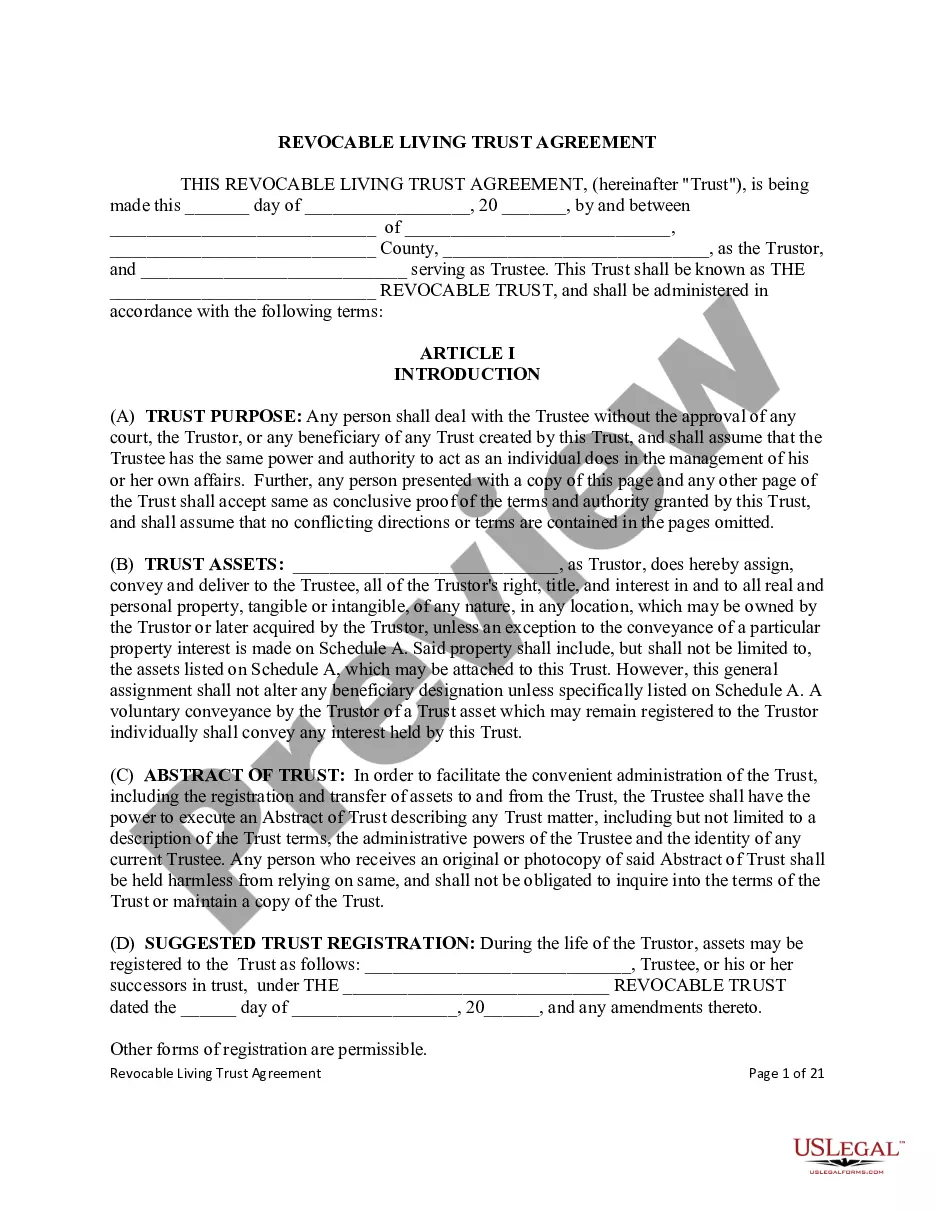
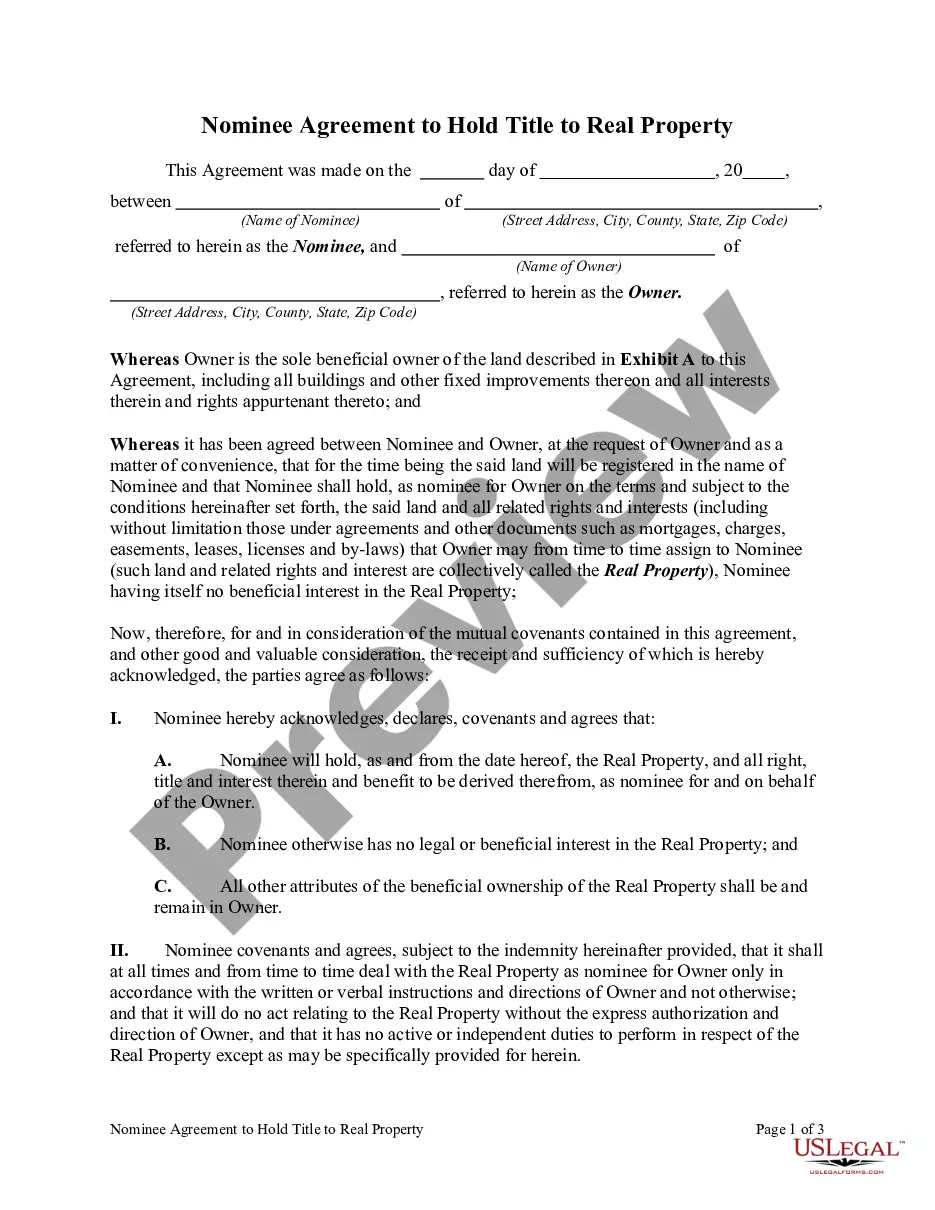
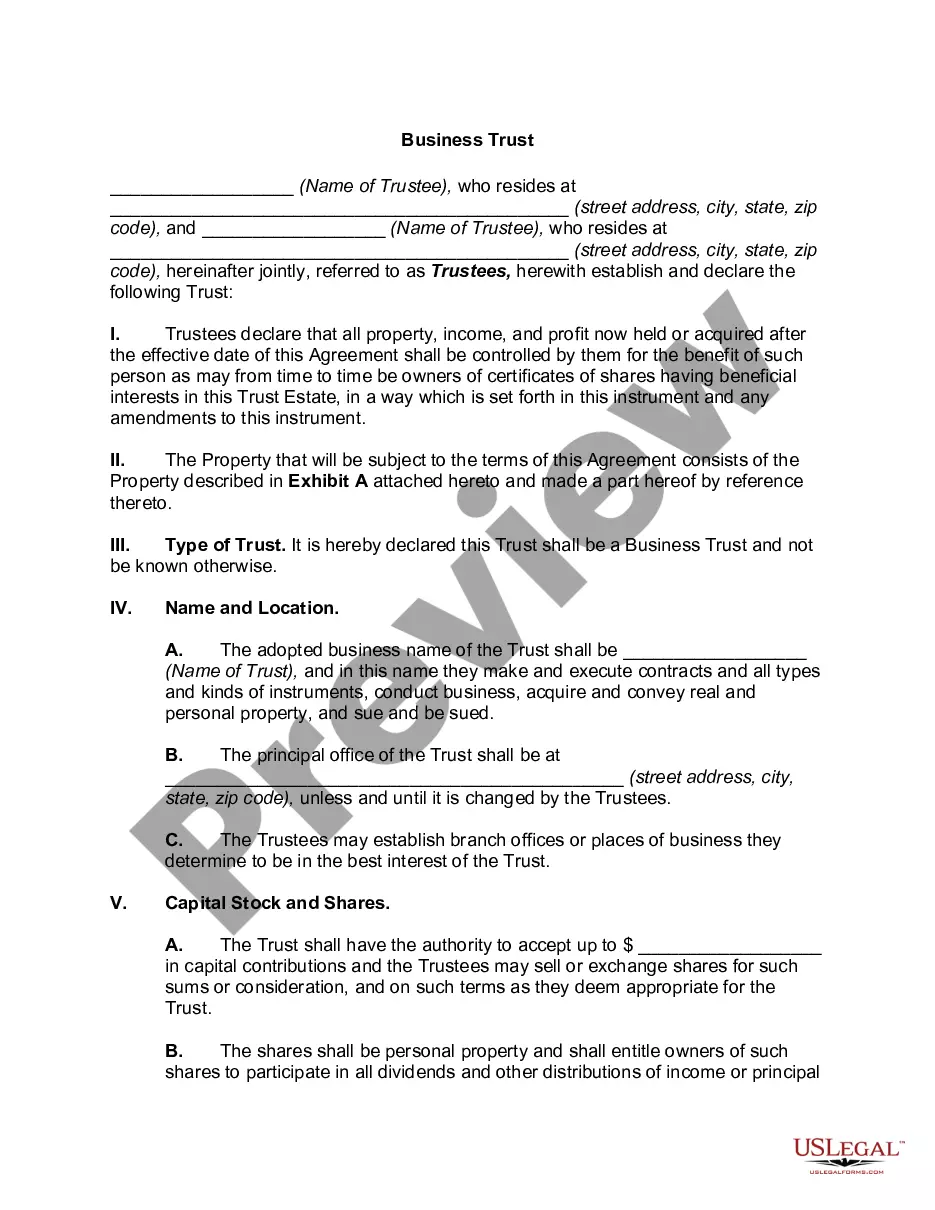
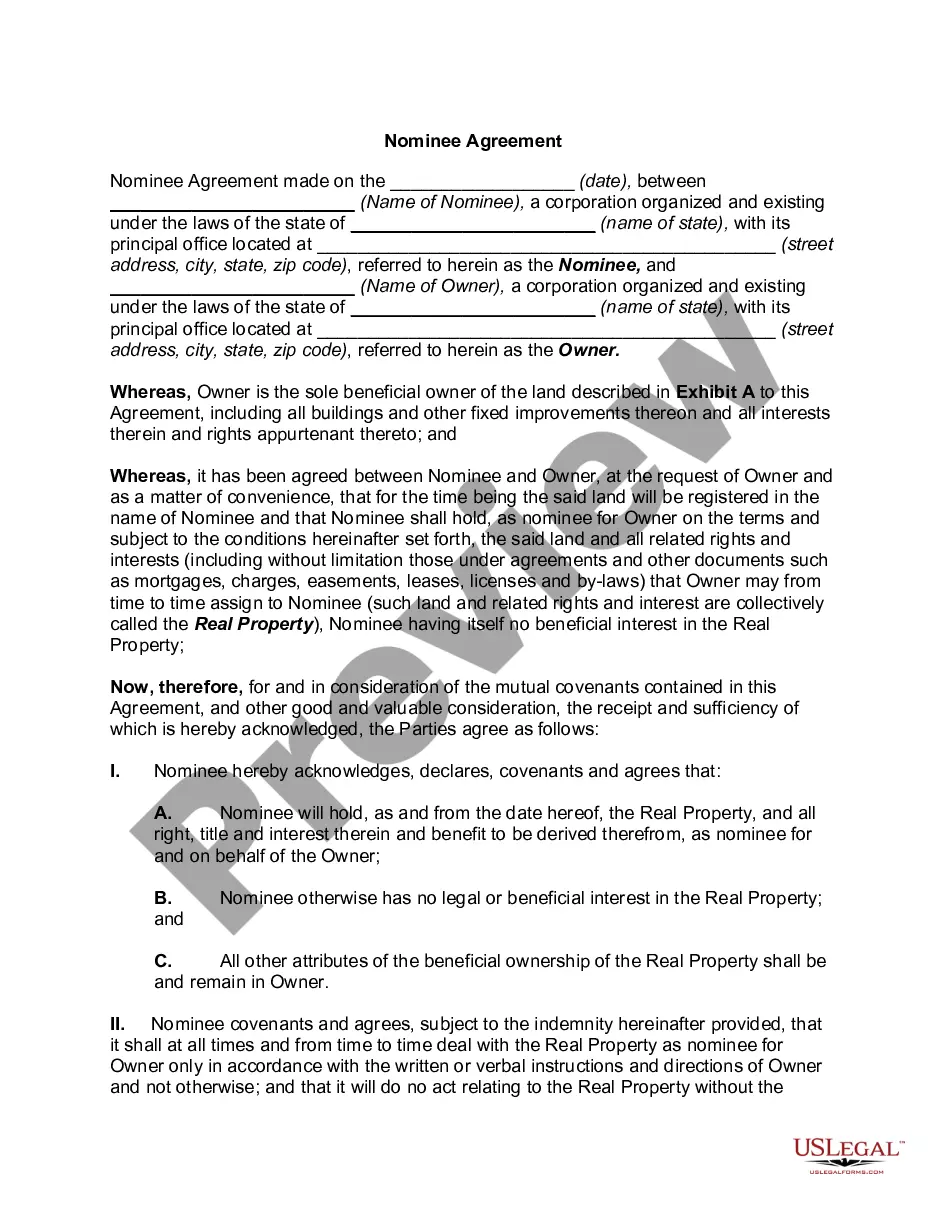
A nominee trust is a legal arrangement where the trustee holds the title to property on behalf of the beneficiaries, who maintain control over the trust's assets. This type of trust is commonly used for holding real estate and offers potential tax advantages. Unlike traditional trusts, the relationship between the trustee and the beneficiaries is less formal, yet it must comply with certain legal principles to be valid.
Key parts of this document
- Declaration of Trust: Sets forth the agreement between the trustee and beneficiaries.
- Beneficiaries: Identifies the individuals entitled to the trust's benefits.
- Duties of the Trustee: Outlines the responsibilities of the trustee in managing and distributing trust assets.
- Powers of the Trustee: Specifies actions the trustee can take based on beneficiaries' directions.
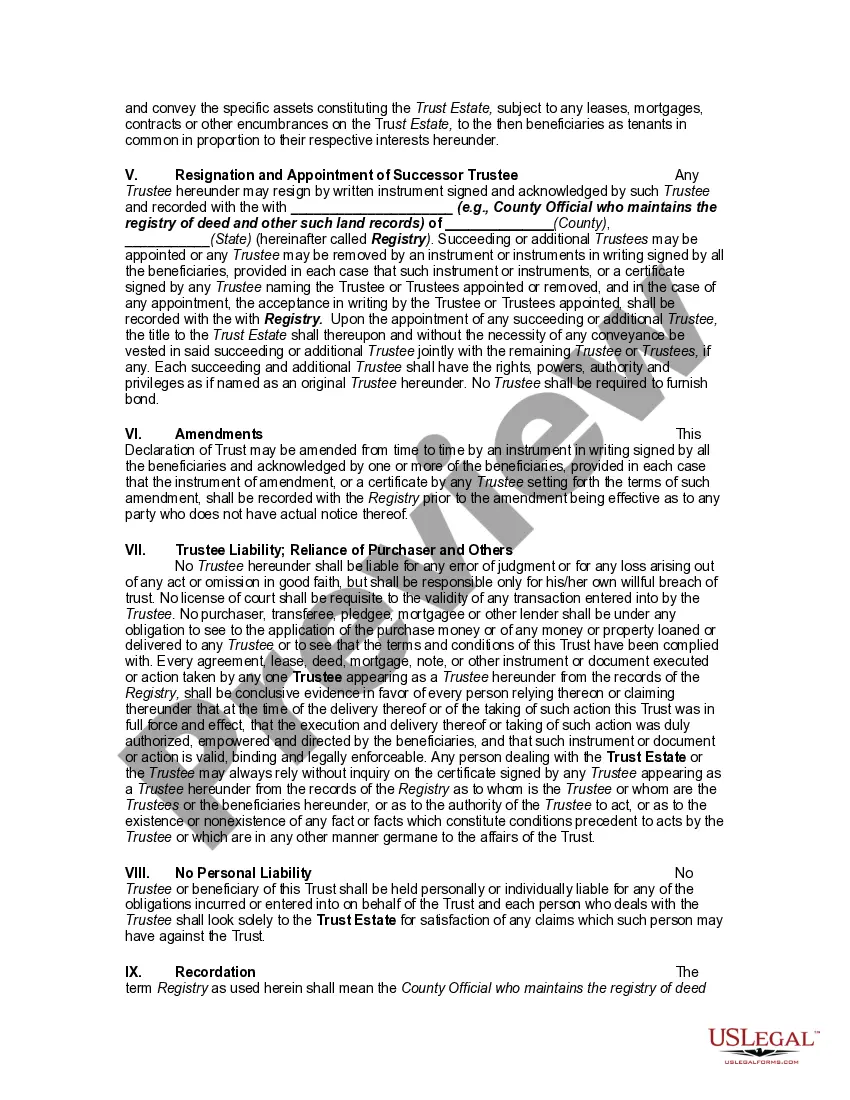
- Termination: Describes how and when the trust can be dissolved.
- Resignation and Appointment of Successor Trustee: Details the process for changing trustees.
When to use this document
This form is useful when you want to establish a trust where the trustee holds title to property while allowing designated beneficiaries to retain control. This arrangement is especially beneficial in real estate transactions, where it can offer privacy and certain tax benefits. Additionally, it is applicable in situations where the trust needs to facilitate estate planning without transferring legal title directly to the beneficiaries.
Who can use this document
- Property owners seeking to transfer title without public disclosures.
- Individuals looking to streamline their estate planning process.
- Those wanting to take advantage of specific tax benefits associated with real estate ownership.
- Family members or partners involved in property investments.
Steps to complete this form
- Identify the parties involved: Specify the trustee and beneficiaries.
- Provide property details: Clearly describe the real estate being placed in trust.
- Outline duties: State the responsibilities of the trustee as outlined in the form.
- Define powers: Specify what the trustee can or cannot do with the trust assets.
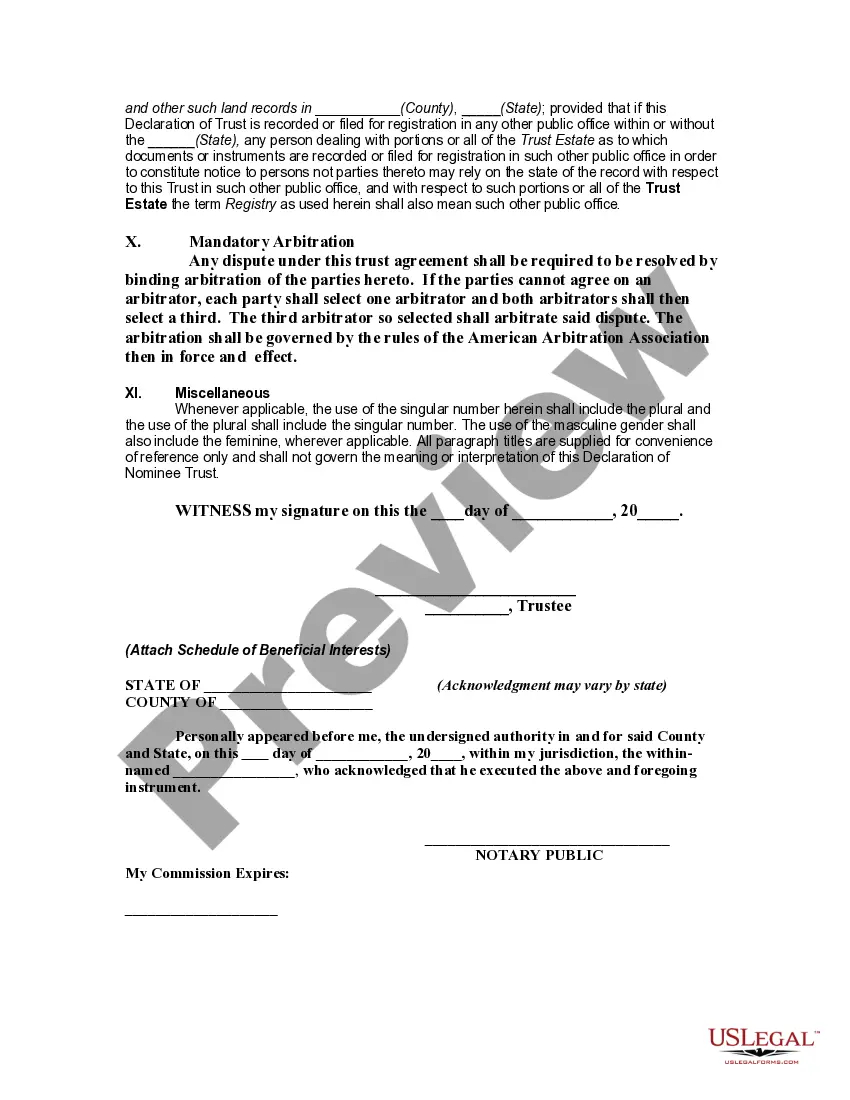
- Sign and notarize: Ensure all required signatures are completed and the document is notarized if applicable.
Does this document require notarization?
This form needs to be notarized to ensure legal validity. US Legal Forms provides secure online notarization powered by Notarize, allowing you to complete the process through a verified video call, available anytime.
Get your form ready online
Our built-in tools help you complete, sign, share, and store your documents in one place.
Make edits, fill in missing information, and update formatting in US Legal Forms—just like you would in MS Word.
Download a copy, print it, send it by email, or mail it via USPS—whatever works best for your next step.
Sign and collect signatures with our SignNow integration. Send to multiple recipients, set reminders, and more. Go Premium to unlock E-Sign.
If this form requires notarization, complete it online through a secure video call—no need to meet a notary in person or wait for an appointment.
We protect your documents and personal data by following strict security and privacy standards.

Make edits, fill in missing information, and update formatting in US Legal Forms—just like you would in MS Word.

Download a copy, print it, send it by email, or mail it via USPS—whatever works best for your next step.

Sign and collect signatures with our SignNow integration. Send to multiple recipients, set reminders, and more. Go Premium to unlock E-Sign.

If this form requires notarization, complete it online through a secure video call—no need to meet a notary in person or wait for an appointment.

We protect your documents and personal data by following strict security and privacy standards.
Mistakes to watch out for
- Failing to identify all beneficiaries accurately.
- Not specifying the property details correctly.
- Neglecting to update the Schedule of Beneficial Interests after changes.
- Overlooking the need for notarization in certain states.
Benefits of completing this form online
- Easy access to legal forms tailored for your specific needs.
- Convenient editing options allow customization based on individual requirements.
- Reliable legal language drafted by licensed attorneys, ensuring accuracy.
- Instant download enables quick setup for legal arrangements.
Looking for another form?
Form popularity
FAQ
There are three main ways for a beneficiary to receive an inheritance from a trust: Outright distributions. Staggered distributions. Discretionary distributions.
Nominee realty trusts are a hybrid between true trusts and agency agreements where one or more individuals are appointed to act for others. Typically, the trustee or trustees of a nominee trust act on behalf of beneficiaries named in a separate document.
A nominee trust is an example of a bare trust: this is a simple type of trust where the trustee acts as the legal owner of some property but is under no obligation to manage the trust fund other than as directed by the beneficiary, and where there are no restrictions beneficiary's right to use the property.
Living trusts, Totten trusts, and nominee trusts are the main types of revocable trusts. They can be revoked, amended, or terminated by the trust grantor, the person who creates the trust, any time before his or her death.
As the grantor, you can sell properties in a revocable trust the same way you would sell any other property titled in your own name. You can take the property out of the trust and retitle it in your name, but that isn't necessary.
Trustee is the person who take care of the money payout based on your trust deed. Nominee is the person you nominate to claim the death payout from your life insurance. Beneficiary is the person who can use and enjoy the death payout from your life insurance.