Identity Theft Protection Guide
What is this form?
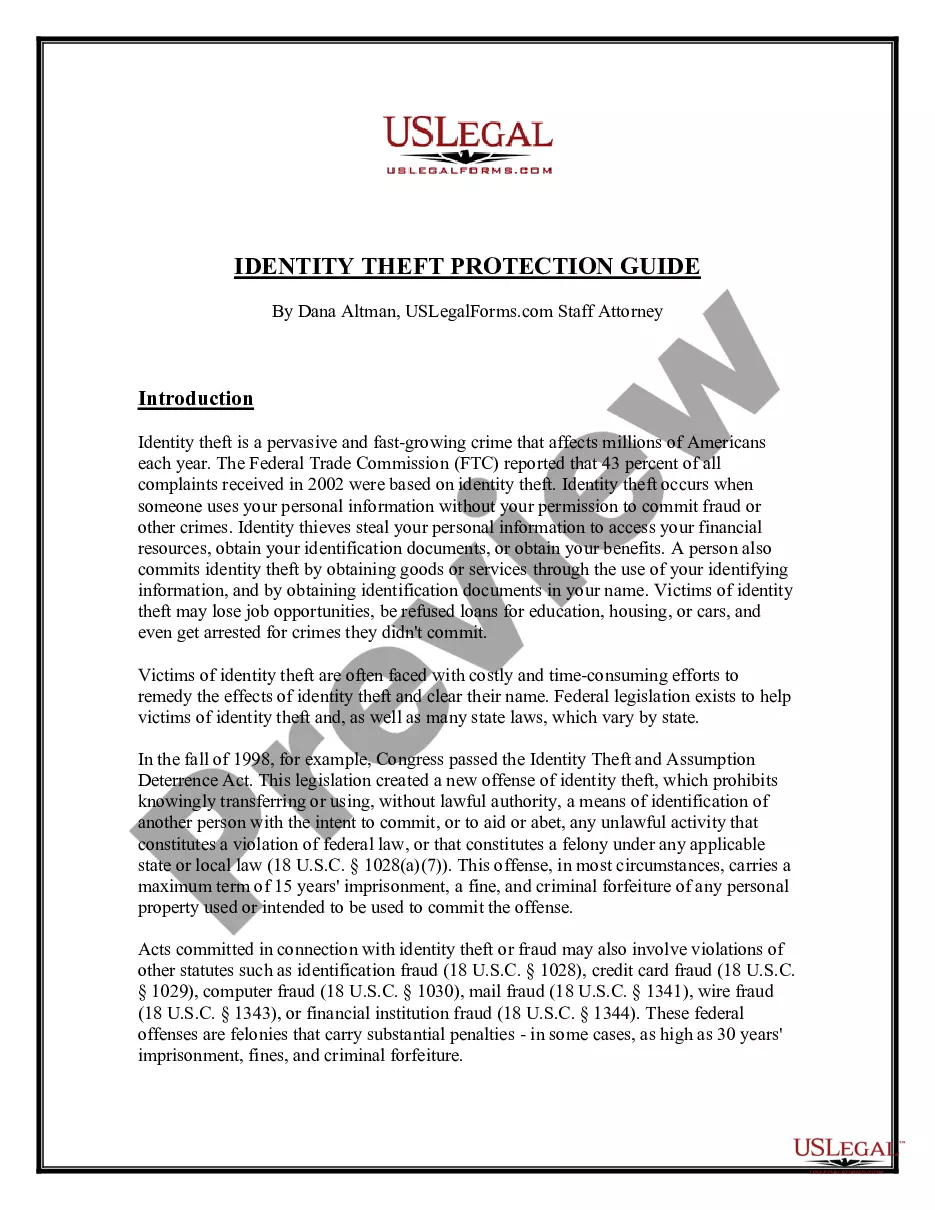
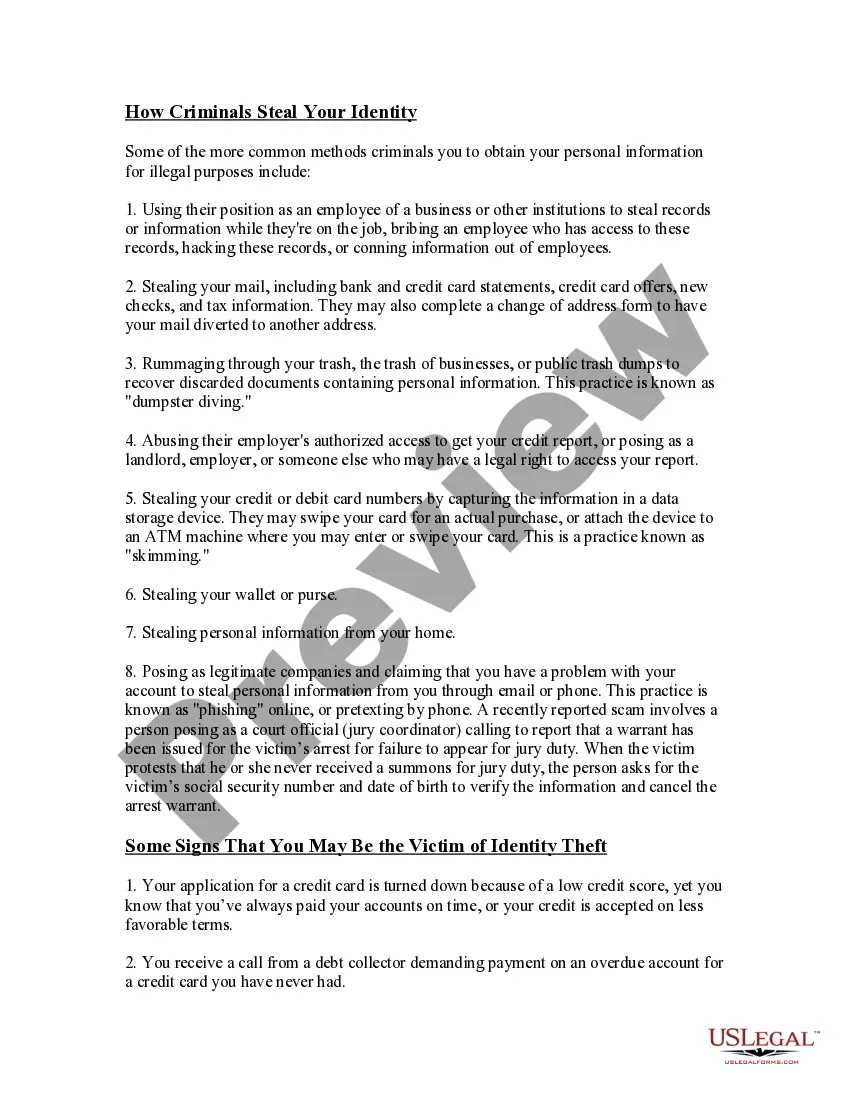
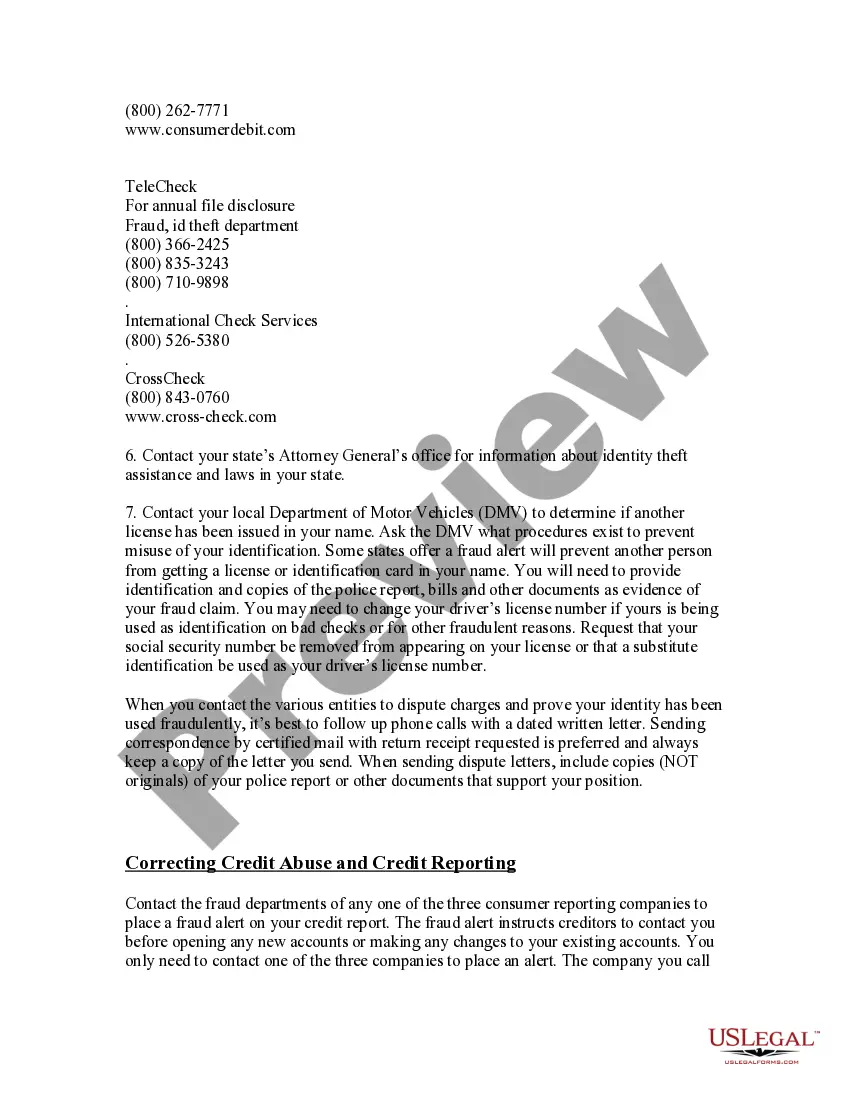
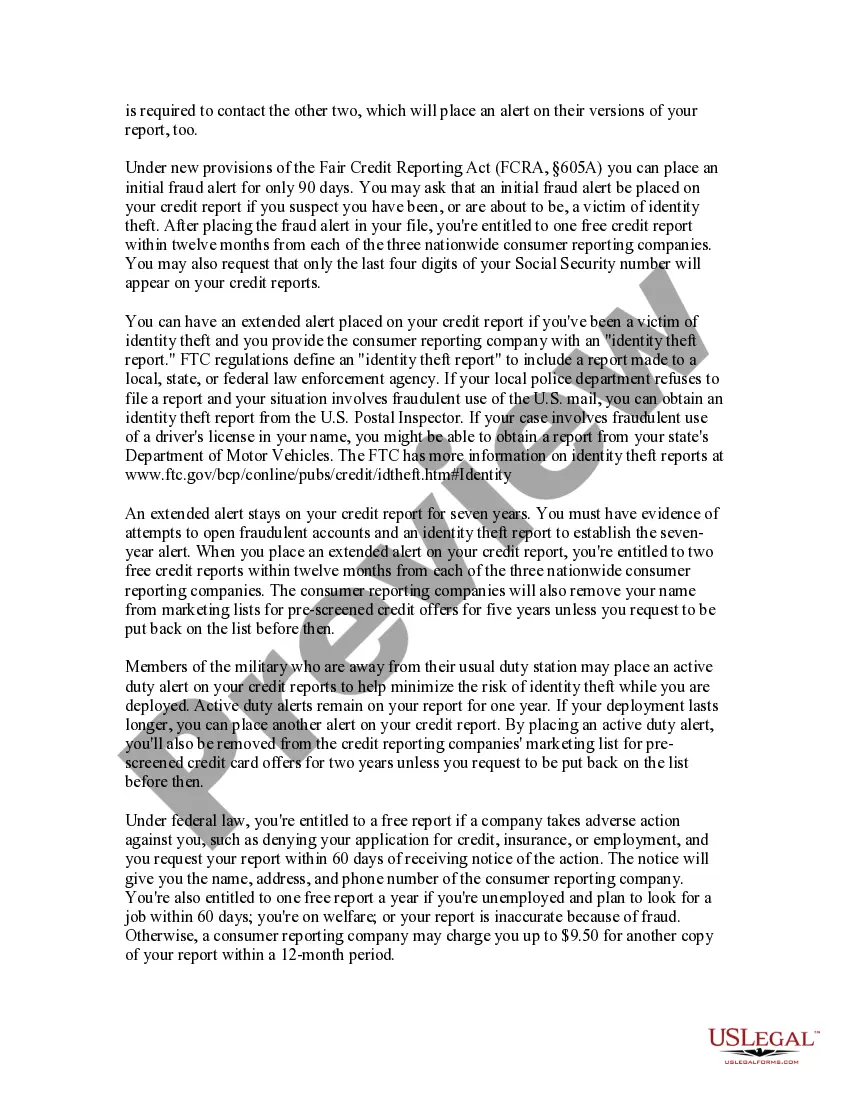
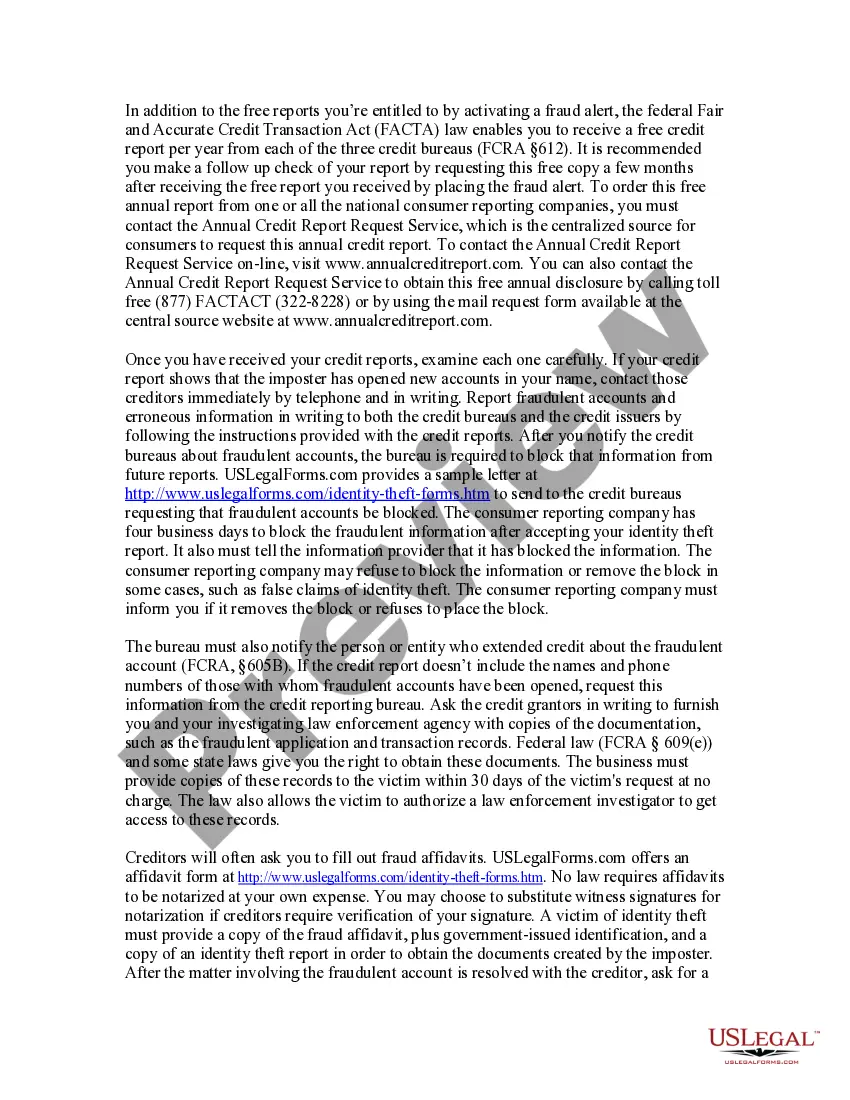
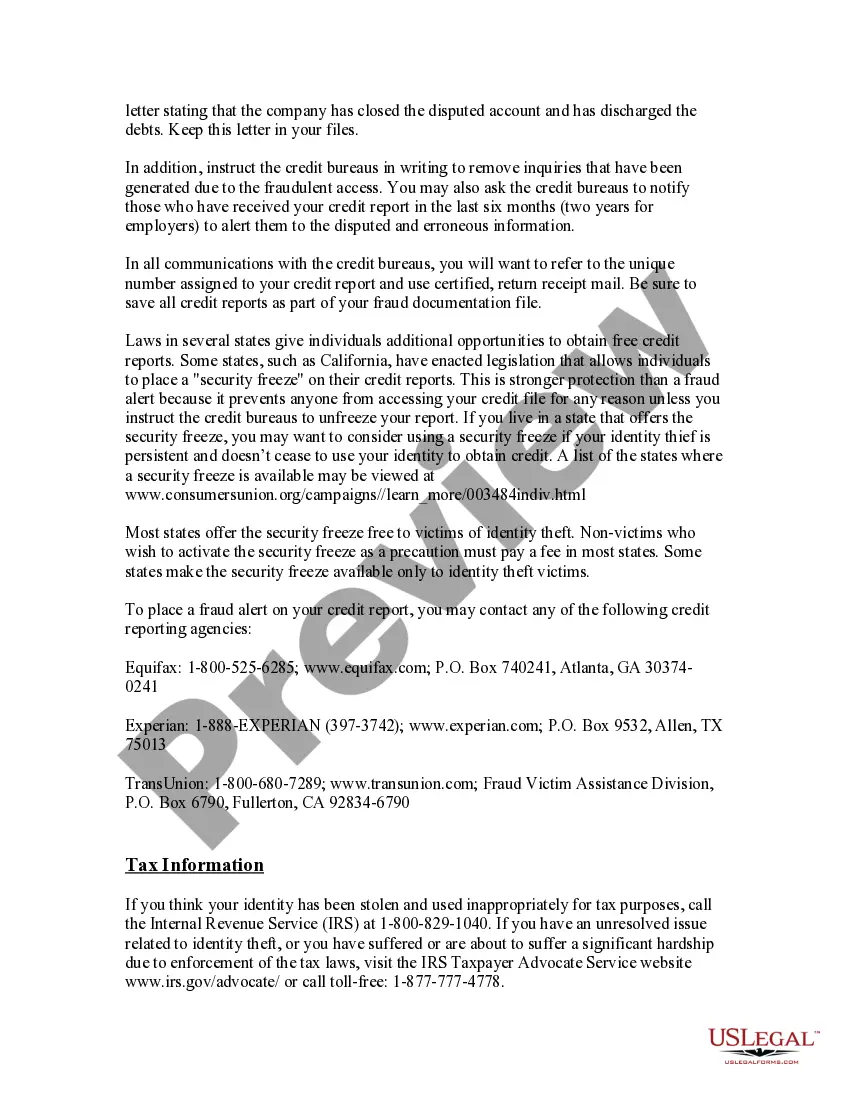
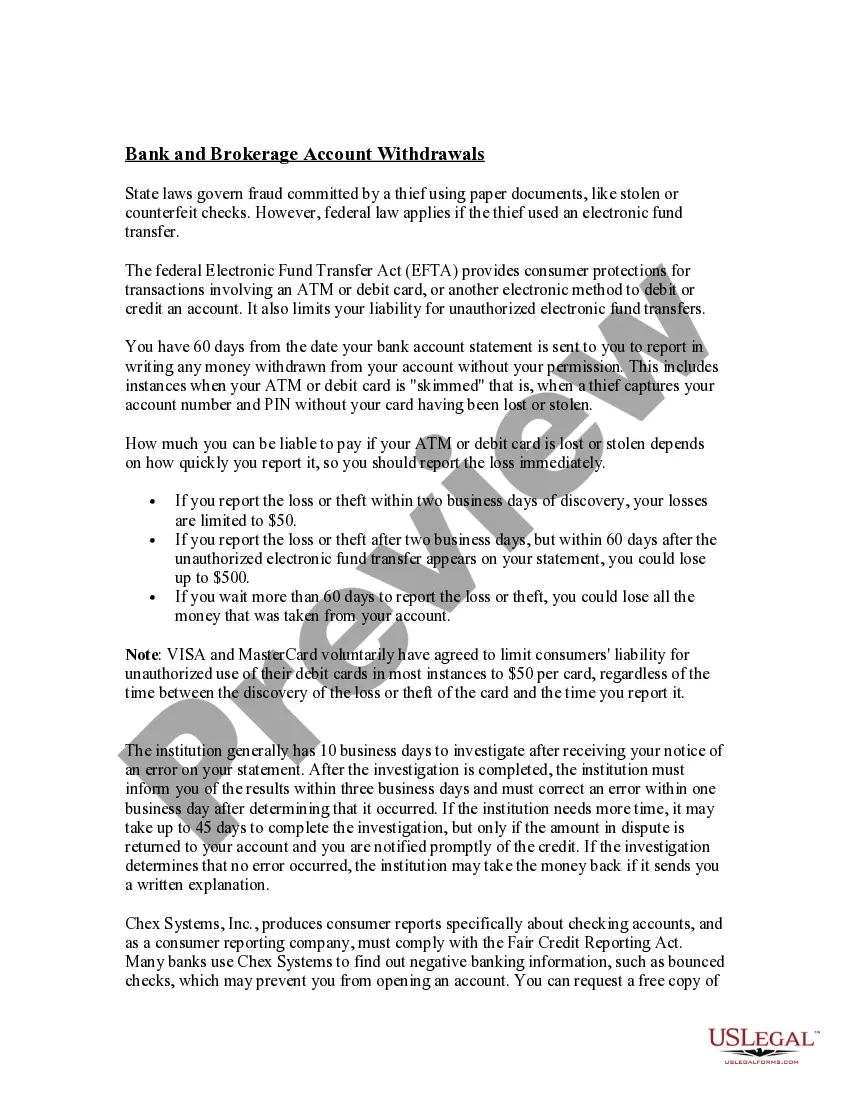
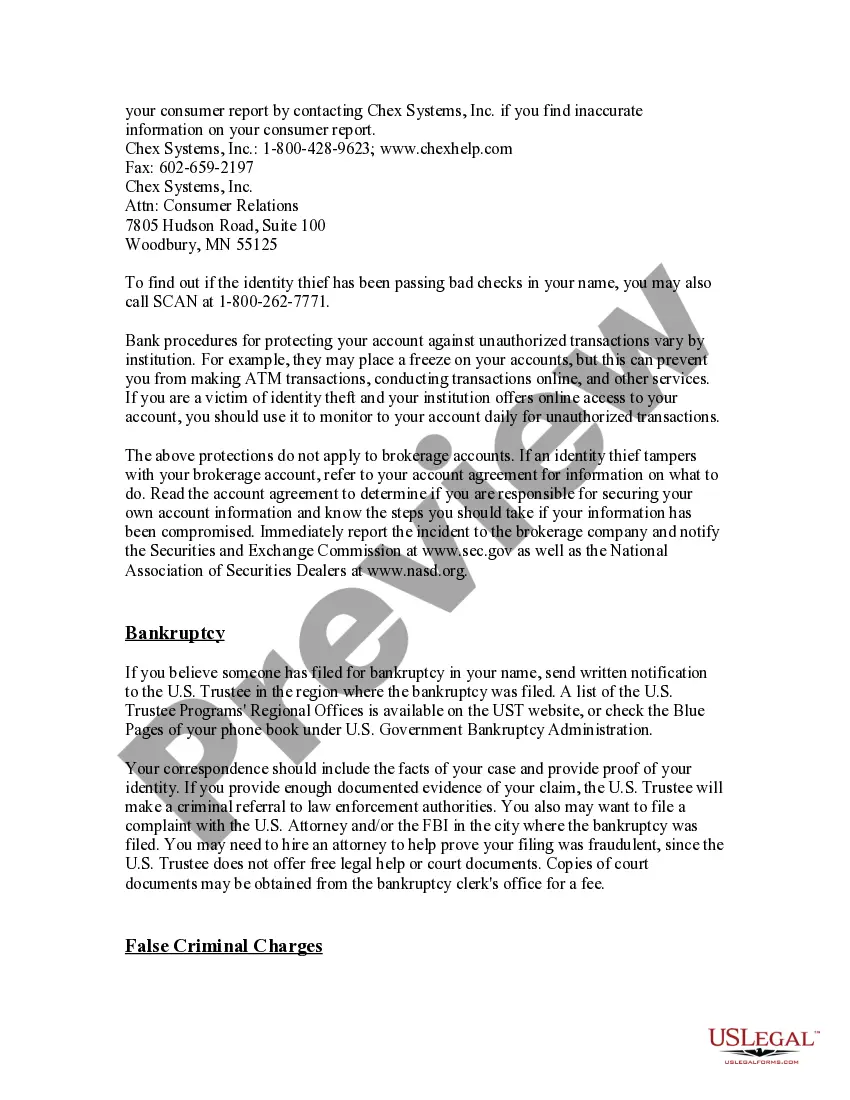
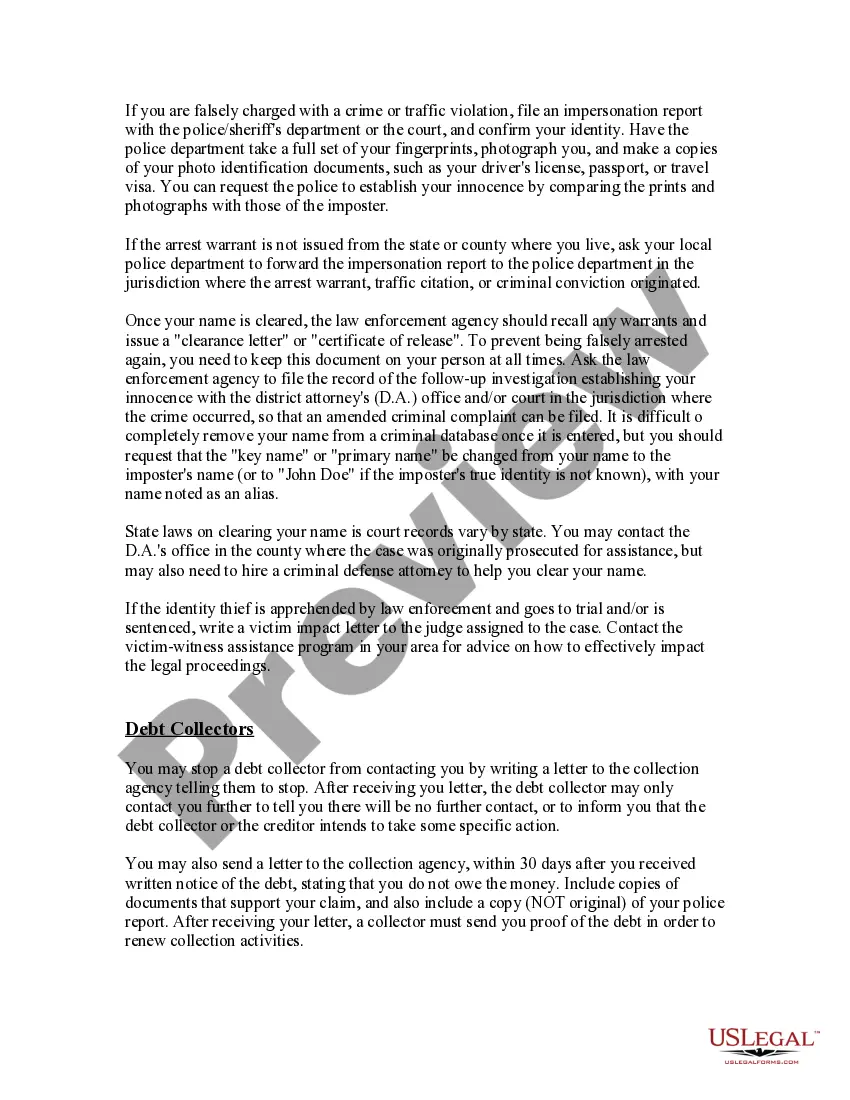
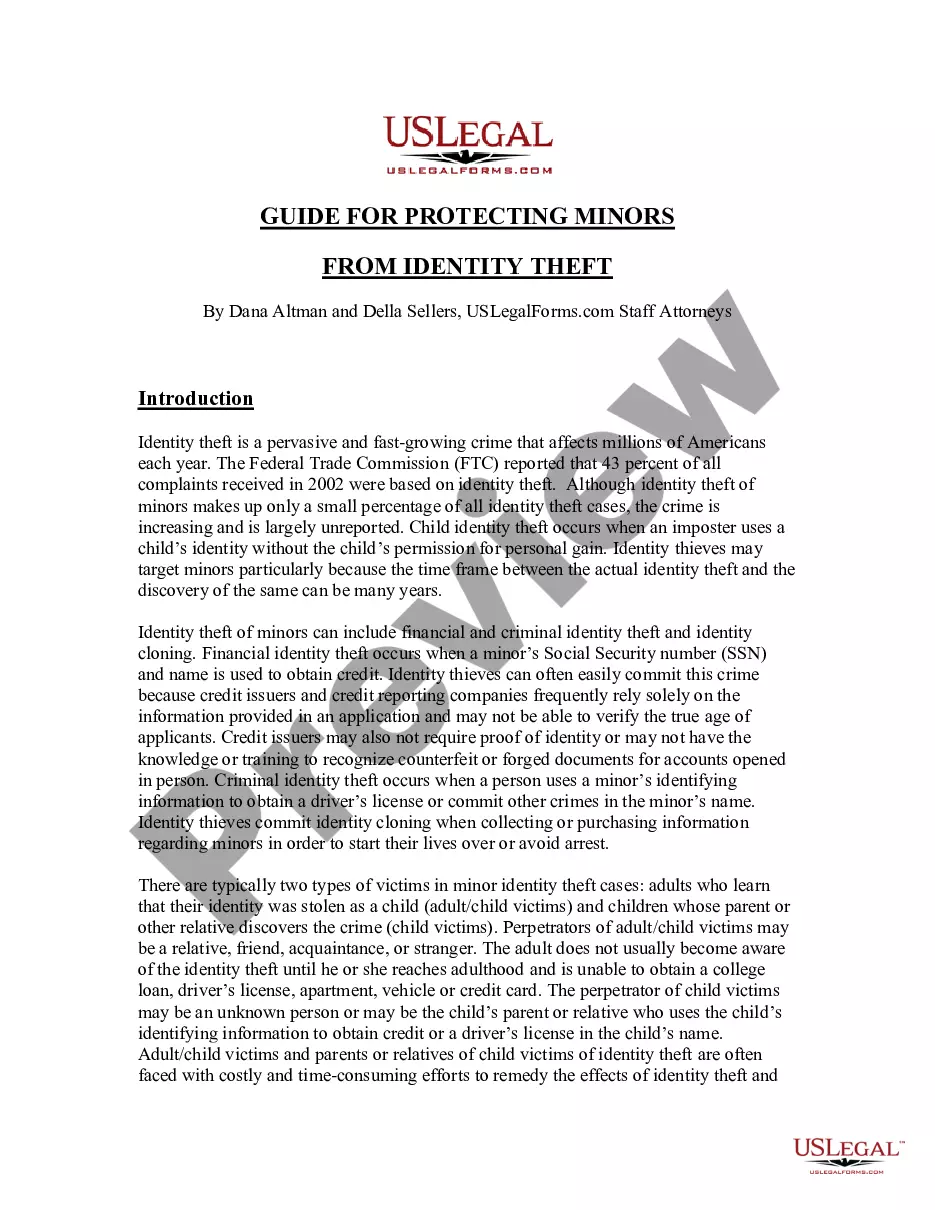
The Identity Theft Protection Guide is a comprehensive resource designed to assist individuals in navigating the complexities of identity theft. This guide outlines critical steps to take when your personal identification is lost or stolen, helping you manage communications with creditors and government agencies effectively. Unlike other forms that focus solely on reporting identity theft, this guide offers strategies for both prevention and remediation, ensuring you understand your rights and the resources available to protect your identity.
Key components of this form
- Detailed overview of identity theft, including common methods of theft.
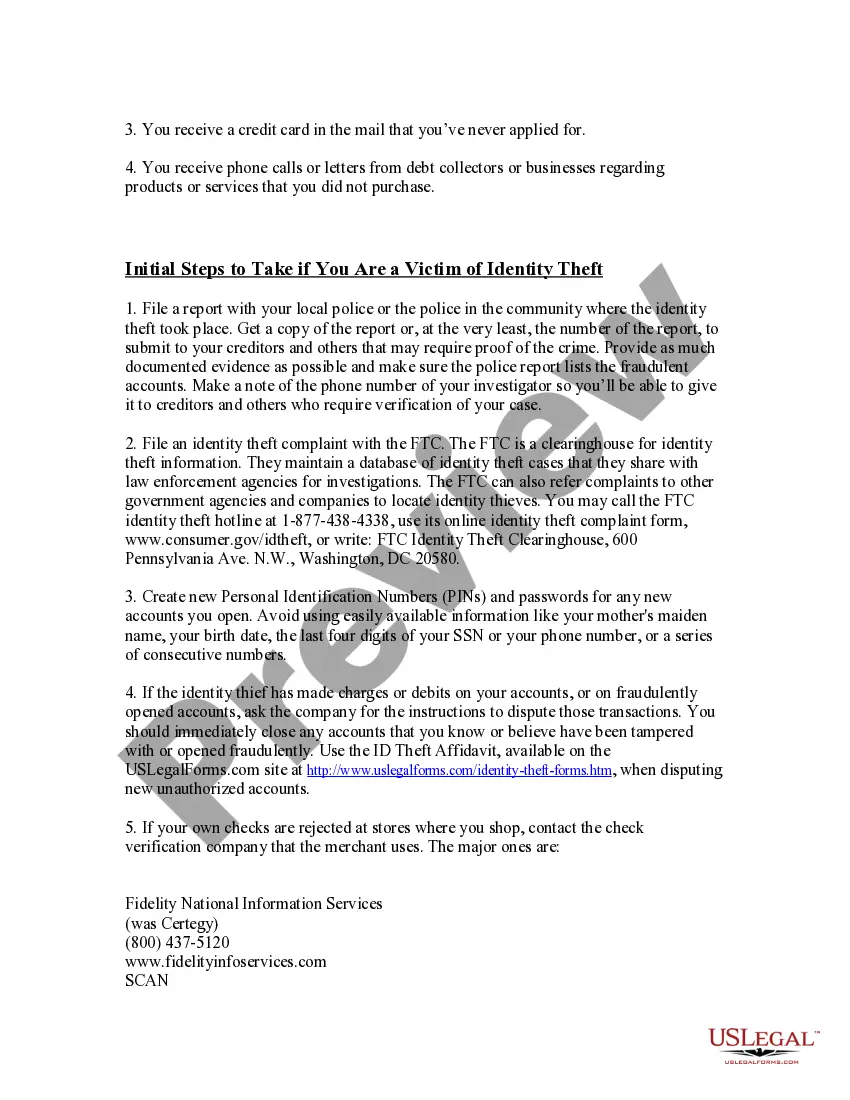
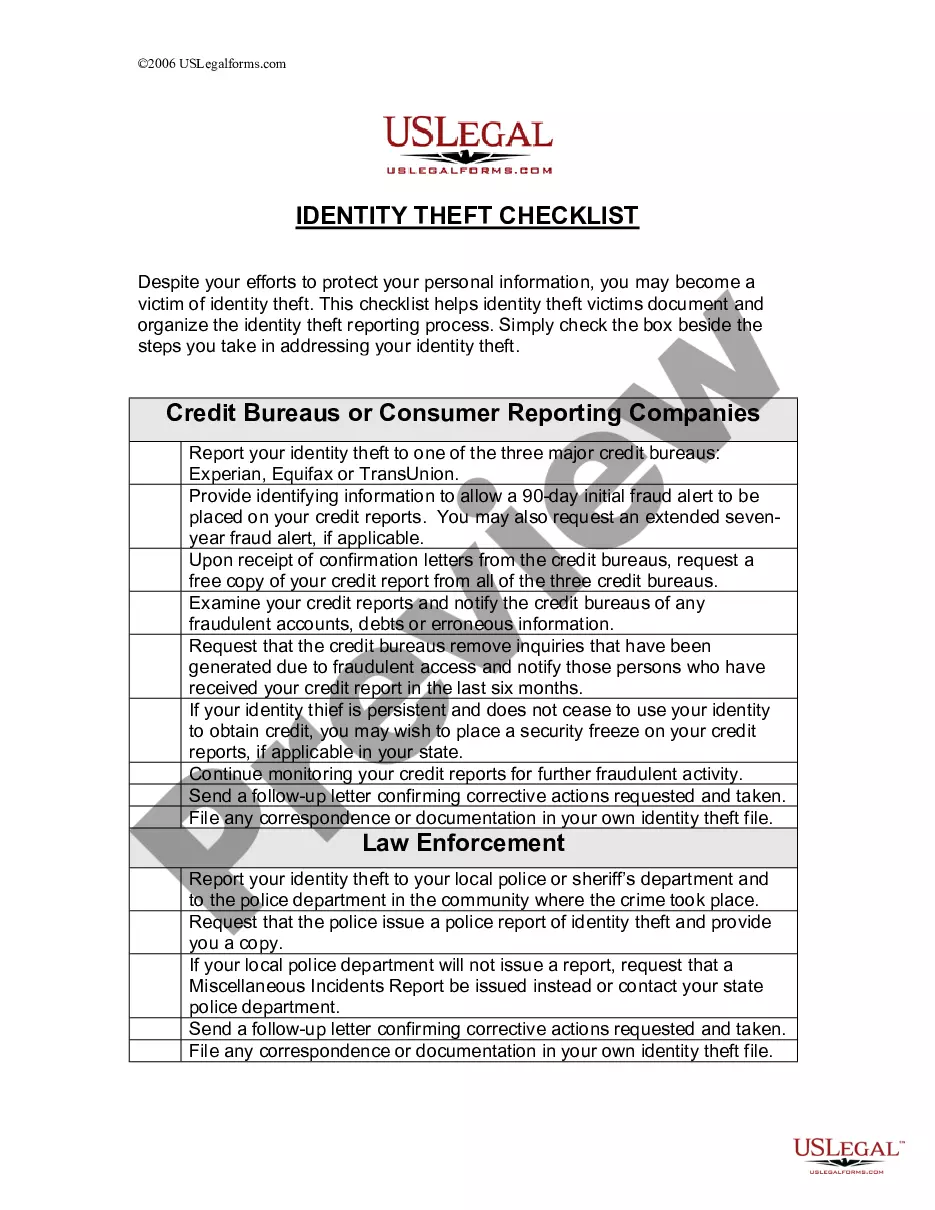
- Steps to take immediately if you suspect you are a victim and how to file necessary reports.
- Information on managing fraudulent accounts and correcting credit reports.
- Preventative measures to safeguard against future identity theft.
- Resources for further assistance, including links to relevant agencies and organizations.

When to use this document
This guide is essential if you have experienced identity theft or believe you may be at risk. Use it to understand how to rectify the damage done by identity thieves, communicate effectively with creditors, and take preventative measures to protect your personal information going forward. The guide is also valuable for anyone looking to enhance their knowledge about identity theft and the steps to mitigate potential risks.
Who this form is for
- Individuals who suspect they have been victims of identity theft.
- Anyone interested in understanding identity theft prevention techniques.
- People looking to manage and rectify actions taken against them by identity thieves.
- Victims seeking guidance on engaging with creditors and law enforcement.
Completing this form step by step
- Review the guide thoroughly to understand the steps involved in dealing with identity theft.
- Identify any fraudulent accounts that may require correction by contacting respective creditors.
- File an identity theft report with your local authorities and the Federal Trade Commission.
- Utilize the resources provided throughout the guide to alert necessary agencies and prevent future theft.
- Implement the preventative measures recommended to secure your personal information.
Is notarization required?
This form does not typically require notarization to be legally valid. However, some jurisdictions or document types may still require it. US Legal Forms provides secure online notarization powered by Notarize, available 24/7 for added convenience.
Get your form ready online
Our built-in tools help you complete, sign, share, and store your documents in one place.
Make edits, fill in missing information, and update formatting in US Legal Forms—just like you would in MS Word.
Download a copy, print it, send it by email, or mail it via USPS—whatever works best for your next step.
Sign and collect signatures with our SignNow integration. Send to multiple recipients, set reminders, and more. Go Premium to unlock E-Sign.
If this form requires notarization, complete it online through a secure video call—no need to meet a notary in person or wait for an appointment.
We protect your documents and personal data by following strict security and privacy standards.

Make edits, fill in missing information, and update formatting in US Legal Forms—just like you would in MS Word.

Download a copy, print it, send it by email, or mail it via USPS—whatever works best for your next step.

Sign and collect signatures with our SignNow integration. Send to multiple recipients, set reminders, and more. Go Premium to unlock E-Sign.

If this form requires notarization, complete it online through a secure video call—no need to meet a notary in person or wait for an appointment.

We protect your documents and personal data by following strict security and privacy standards.
Mistakes to watch out for
- Neglecting to file a report with law enforcement immediately.
- Failing to monitor credit reports regularly after an incident.
- Not following up on disputes with creditors or reporting agencies.
- Using easily guessable passwords when creating new accounts.
Why complete this form online
- Convenient and immediate access to essential identity theft protection strategies.
- Edit and customize the information as per your specific needs and circumstances.
- Reliable guidance drafted by licensed attorneys to ensure legal accuracy.
- 24/7 availability, allowing you to access the information whenever you need it.
Legal use & context
- This guide provides actionable steps based on federal and state laws governing identity theft.
- Utilizing this information does not replace professional legal advice when necessary.
- Referencing this guide may help users understand their rights in identity theft situations.
Key takeaways
- Identity theft is a serious crime that requires immediate action to mitigate damage.
- The guide provides critical steps for victims to follow, ensuring proper reporting and protection.
- Preventative measures can significantly reduce the risk of identity theft in the future.
Looking for another form?


Form popularity
FAQ
Install ProtectionAndroid devices are particularly vulnerable, but any device can get lost or stolen, so install protection. Don't stop there; install a virtual private network, or VPN, as well. Your local security software protects your data on your own devices, while the VPN protects it as it travels the internet.
Track what bills you owe and when they're due. If you stop getting a bill, that could be a sign that someone changed your billing address. Review your bills. Check your bank account statement. Get and review your credit reports.
10 Ways To Protect Yourself From Identity Theft. Destroy private records and statements. Secure your mail. Safeguard your Social Security number. Don't leave a paper trail. Never let your credit card out of your sight. Know who you're dealing with. Take your name off marketers' hit lists.
The Identity Theft Affidavit you filed with the FTC; Government-issued photographic ID (such as a state ID card or driver's license); Proof of your home address (like a utility bill or rent agreement); Proof of the theft (bills from creditors or notices from the IRS); and.
To see if your Social Security number is being used by someone else for employment purposes, review your Social Security Statement at www.socialsecurity.gov/myaccount to look for suspicious activity. Finally, you'll want to use additional scrutiny by regularly checking your bank and credit card accounts online.
Notify affected creditors or banks. Put a fraud alert on your credit report. Check your credit reports. Freeze your credit. Report the identity theft to the FTC. Go to the police. Remove fraudulent info from your credit report.
File a claim with your identity theft insurance, if applicable. Notify companies of your stolen identity. File a report with the FTC. Contact your local police department. Place a fraud alert on your credit reports. Freeze your credit. Sign up for a credit monitoring service, if offered.
Keep your mail safe. Read your account statements. Check your credit reports. Shred! Store personal documents at home. Be wary of unknown phone calls and emails. Create difficult logins and passwords. Use one credit card for online shopping.
Analyze Your Situation. Place a Fraud Alert with a National Credit Reporting Agency (CRA) Check Your Financial Accounts. Check Your Computer for Viruses. Secure Your Proof of Identity. File a Complaint with the Federal Trade Commission (FTC) File a Police Report. Keep a Record of Your Actions.