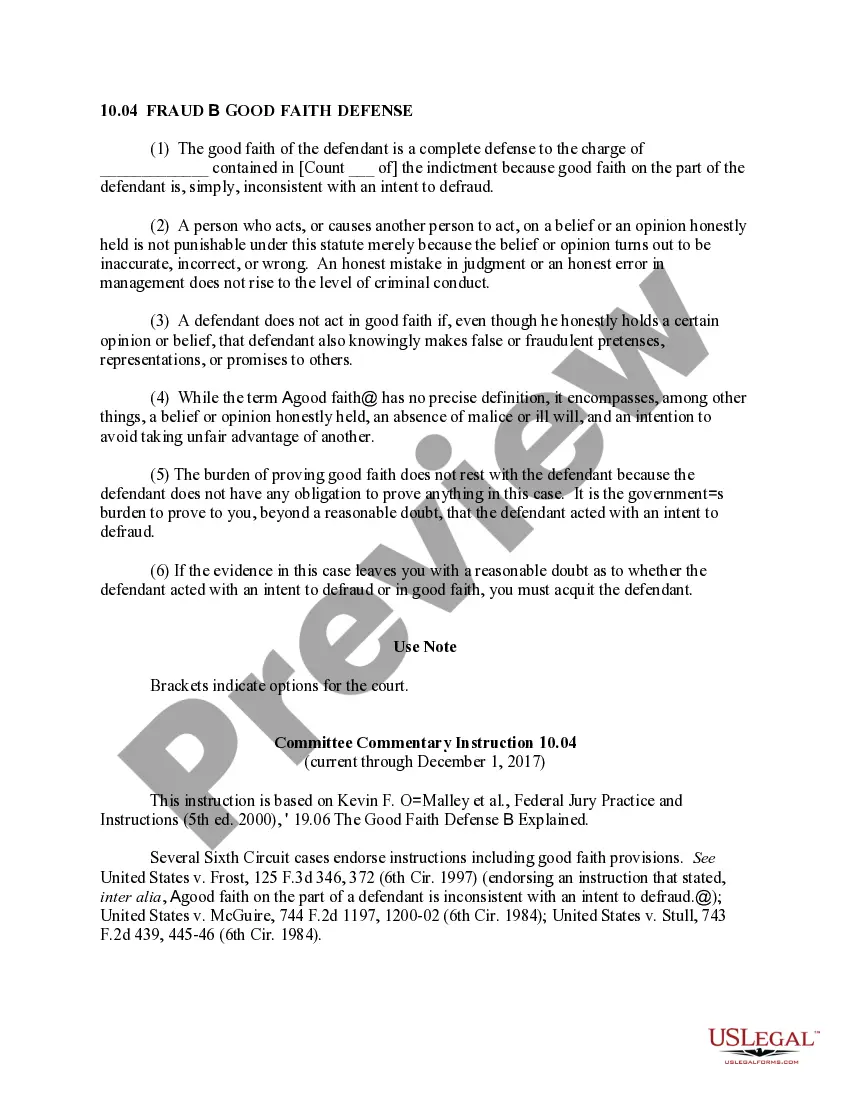
Information Security
About this form
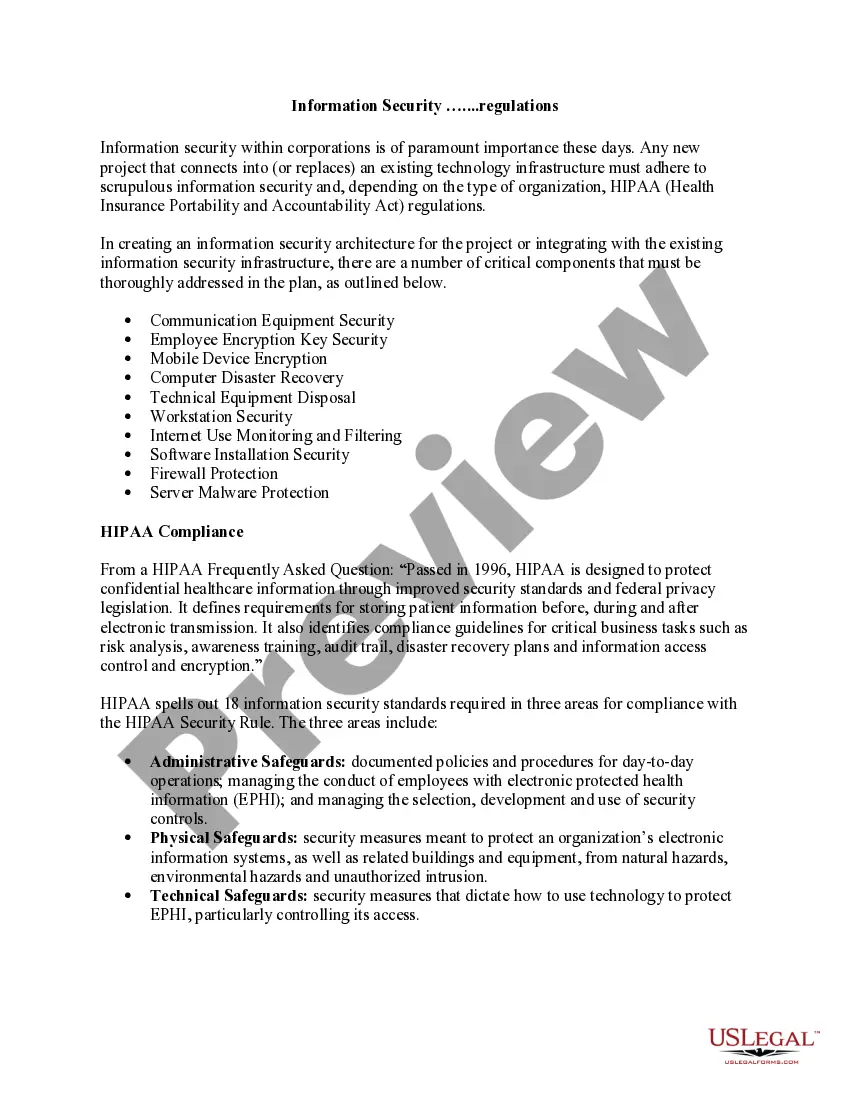
The Information Security form is a crucial tool designed to help organizations develop a comprehensive information security plan. It establishes key protocols for safeguarding sensitive data, particularly for entities subject to regulations such as HIPAA. Unlike generic security procedures, this form is specifically structured to address the distinct security measures required for protecting electronic protected health information (EPHI) and ensuring compliance with legal standards.
Key parts of this document
- Communication Equipment Security
- Employee Encryption Key Security
- Mobile Device Encryption
- Computer Disaster Recovery
- Technical Equipment Disposal
- Workstation Security
- Internet Use Monitoring and Filtering
- Software Installation Security
- Firewall Protection
- Server Malware Protection
- HIPAA Compliance

When to use this form
This form is essential for organizations undertaking new projects that connect to, or replace, existing technology infrastructure. It should be utilized when developing a security architecture to ensure compliance with HIPAA regulations and protect sensitive healthcare information. Organizations adjusting their information security measures or responding to data breaches should also consider using this form.
Who can use this document
- Businesses handling electronic protected health information
- Healthcare providers and organizations
- IT professionals tasked with implementing security protocols
- Compliance officers ensuring adherence to HIPAA regulations
- Risk management teams responsible for data protection
Completing this form step by step
- Identify all types of sensitive data your organization manages.
- List the security measures currently in place.
- Define procedures for data encryption and access control.
- Establish a disaster recovery plan, including regular backups.
- Set up monitoring systems to track internet usage and implement filtering software.
Notarization requirements for this form
This form usually doesn’t need to be notarized. However, local laws or specific transactions may require it. Our online notarization service, powered by Notarize, lets you complete it remotely through a secure video session, available 24/7.
Get your form ready online
Our built-in tools help you complete, sign, share, and store your documents in one place.
Make edits, fill in missing information, and update formatting in US Legal Forms—just like you would in MS Word.
Download a copy, print it, send it by email, or mail it via USPS—whatever works best for your next step.
Sign and collect signatures with our SignNow integration. Send to multiple recipients, set reminders, and more. Go Premium to unlock E-Sign.
If this form requires notarization, complete it online through a secure video call—no need to meet a notary in person or wait for an appointment.
We protect your documents and personal data by following strict security and privacy standards.

Make edits, fill in missing information, and update formatting in US Legal Forms—just like you would in MS Word.

Download a copy, print it, send it by email, or mail it via USPS—whatever works best for your next step.

Sign and collect signatures with our SignNow integration. Send to multiple recipients, set reminders, and more. Go Premium to unlock E-Sign.

If this form requires notarization, complete it online through a secure video call—no need to meet a notary in person or wait for an appointment.

We protect your documents and personal data by following strict security and privacy standards.
Mistakes to watch out for
- Failing to regularly update security measures.
- Not training employees on data security protocols.
- Overlooking specific state regulations that may apply.
Why use this form online
- Access to professionally drafted templates created by licensed attorneys.
- Immediate download and editability to fit specific organizational needs.
- Convenient access to the latest regulatory updates ensuring compliance.
Legal use & context
Utilizing this form helps organizations establish a legally sound information security plan, ensuring compliance with applicable laws such as HIPAA. However, it is essential to regularly review and update security protocols based on evolving regulations and technological advancements.
What to keep in mind
- This form is vital for enhancing organizational security measures.
- Complying with HIPAA is crucial for healthcare-related organizations.
- Regular updates to security practices help mitigate risks.
Looking for another form?




Form popularity
FAQ
The CIA triad refers to an information security model made up of the three main components: confidentiality, integrity and availability. Each component represents a fundamental objective of information security.
The basic tenets of information security are confidentiality, integrity and availability. Every element of the information security program must be designed to implement one or more of these principles. Together they are called the CIA Triad.
With the dramatic increase in remote work, cybersecurity has quickly become a top concern changing how companies, employees, and clients interact.
The U.S. Department of Defense has promulgated the Five Pillars of Information Assurance model that includes the protection of confidentiality, integrity, availability, authenticity, and non-repudiation of user data.
What are the Types of Information Security? Application Security. It describes the measures taken to secure the data from unwanted access, misuse, and disruption to applications and systems.Infrastructure Security.Cloud Security.Cryptography.Confidentiality.Integrity.Availability.Develop security policy.
An information security expert may develop the means of data access by authorized individuals or establish security measures to keep information safe. Cybersecurity, on the other hand, focuses on protecting information from cyberattacks such as ransomware and spyware.