Montana Easement for Sanitary Sewer Line
What is this form?
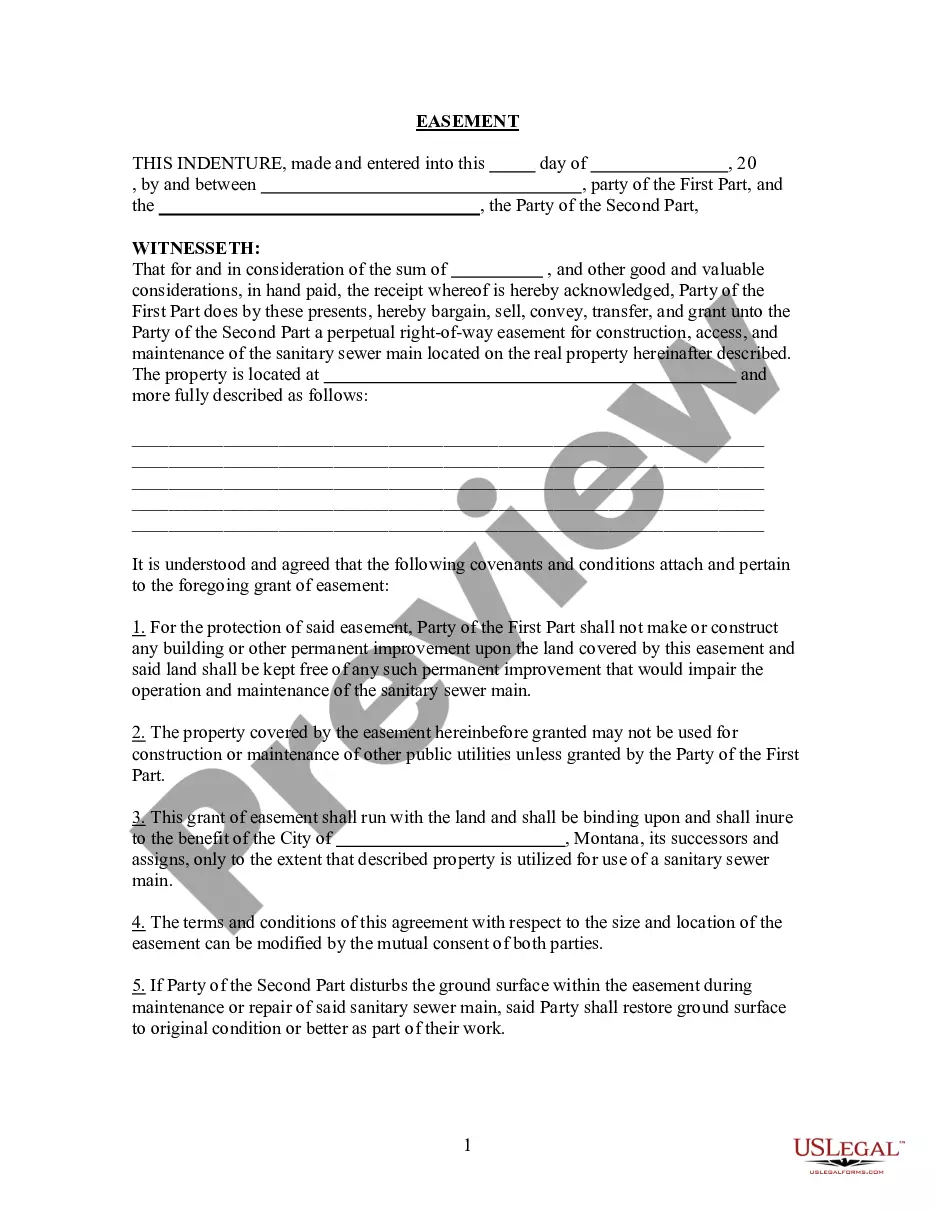
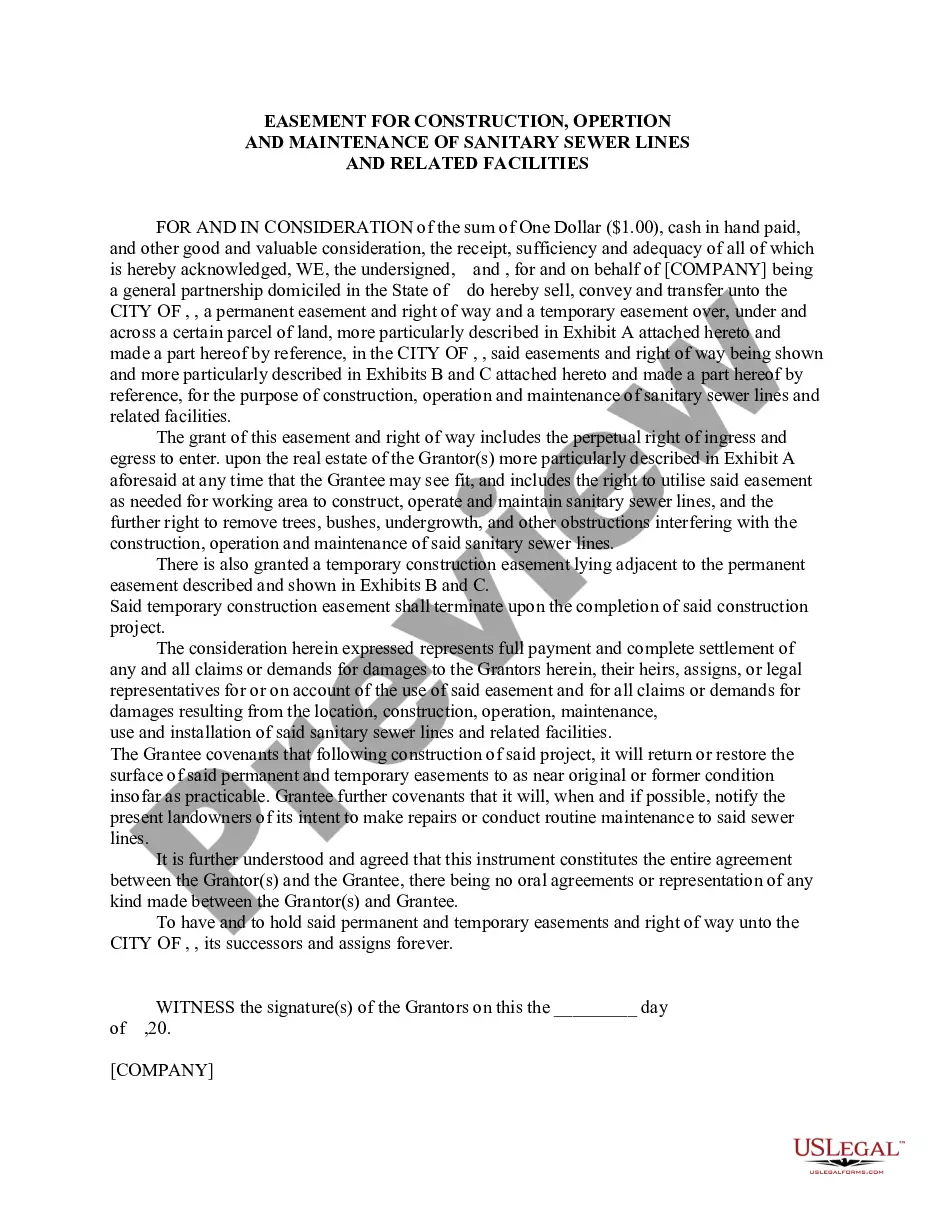
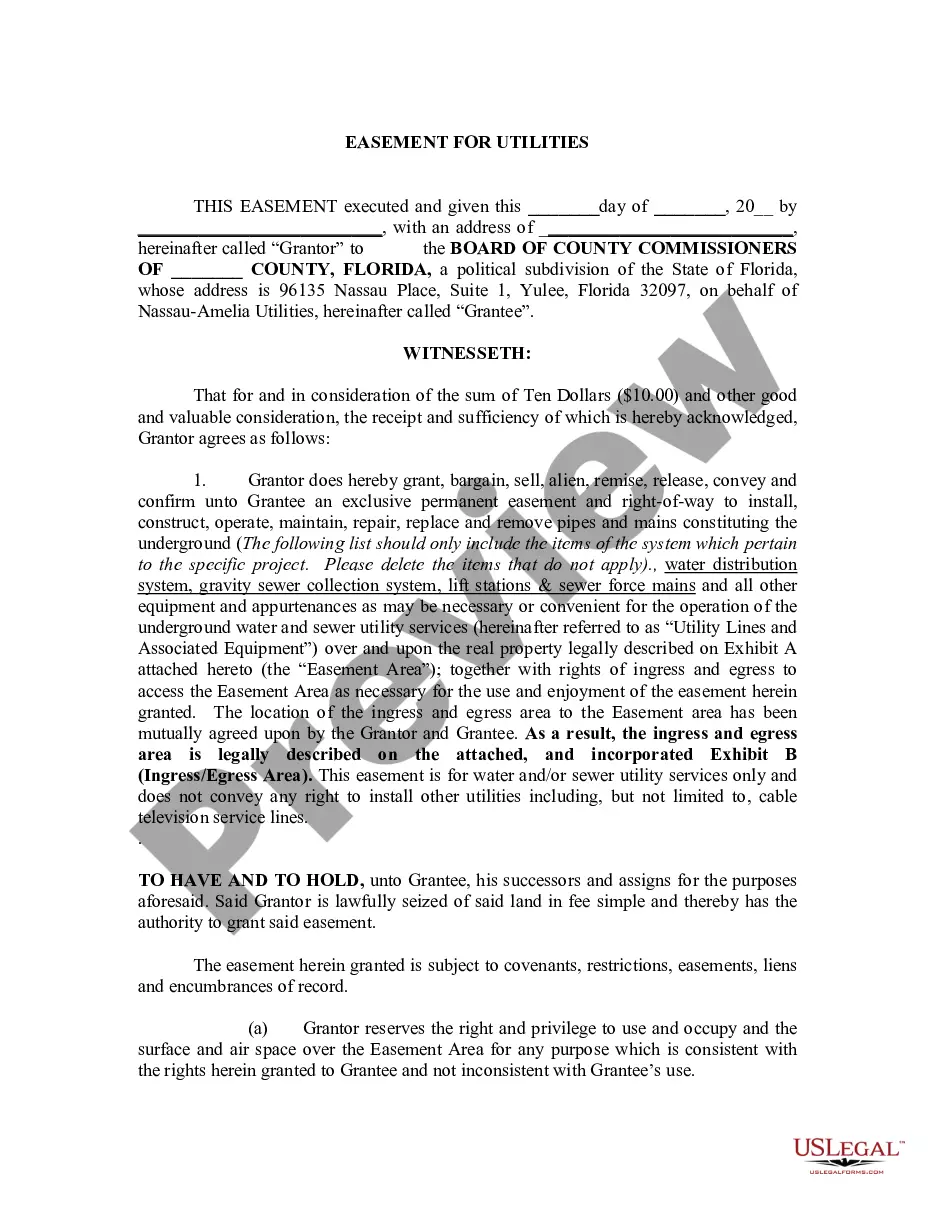
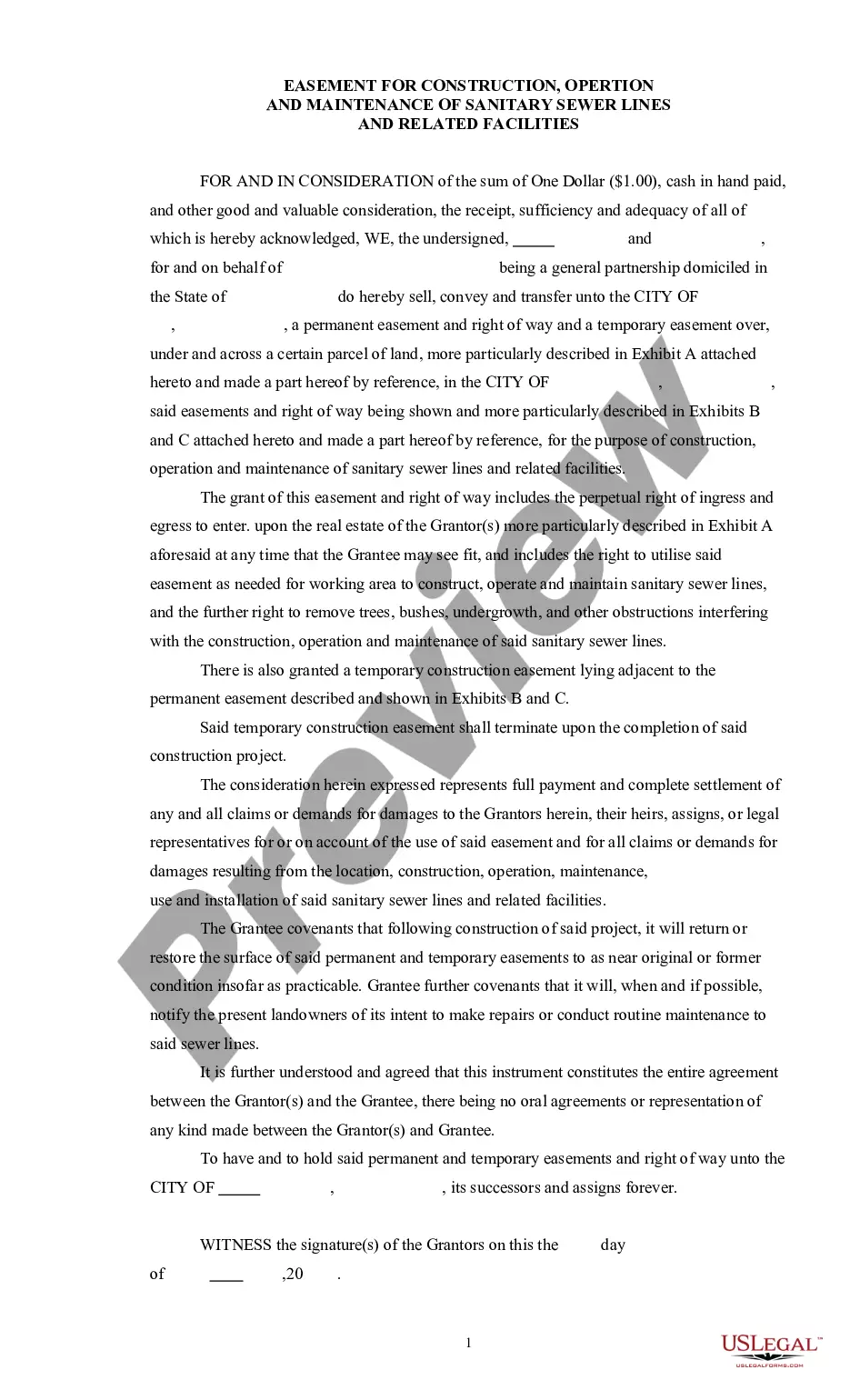
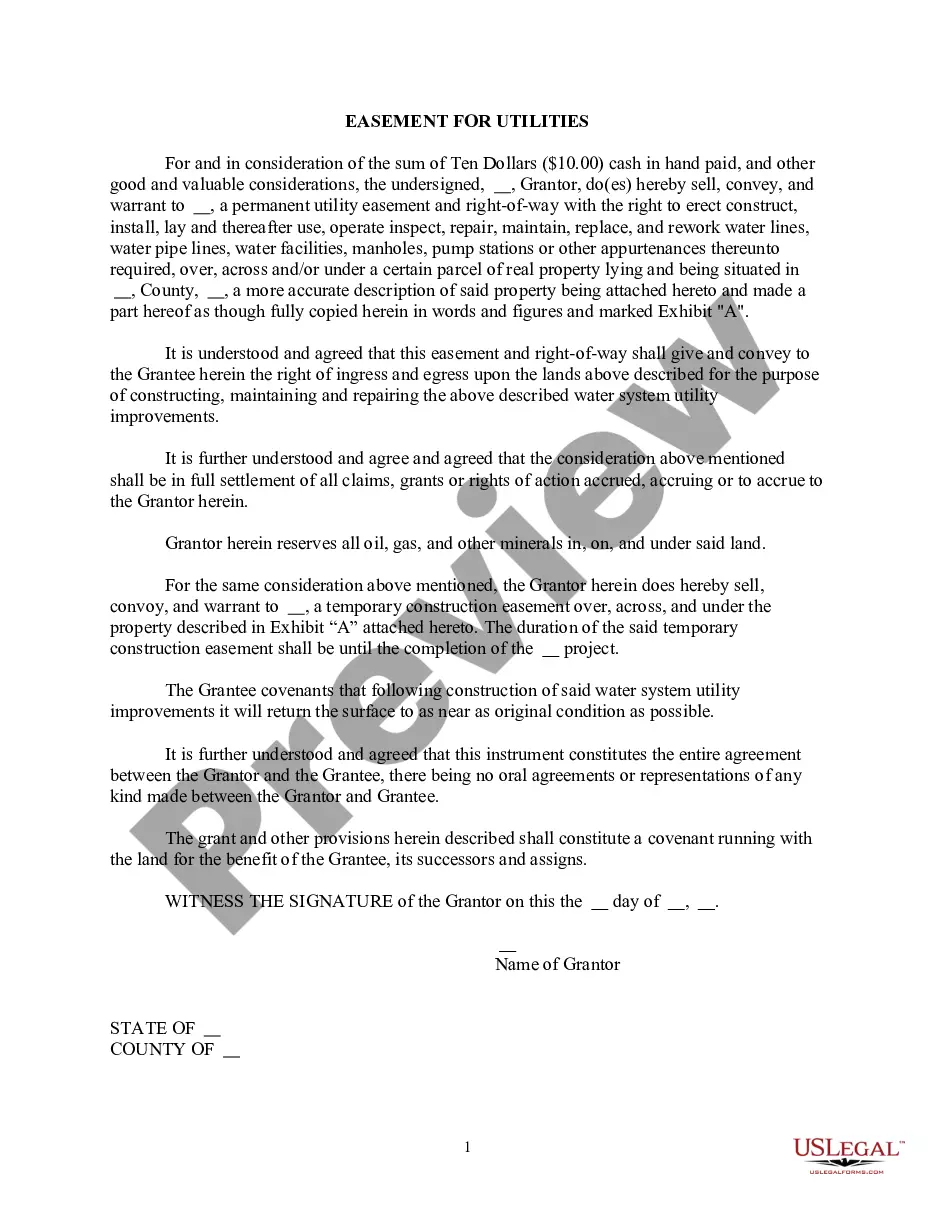
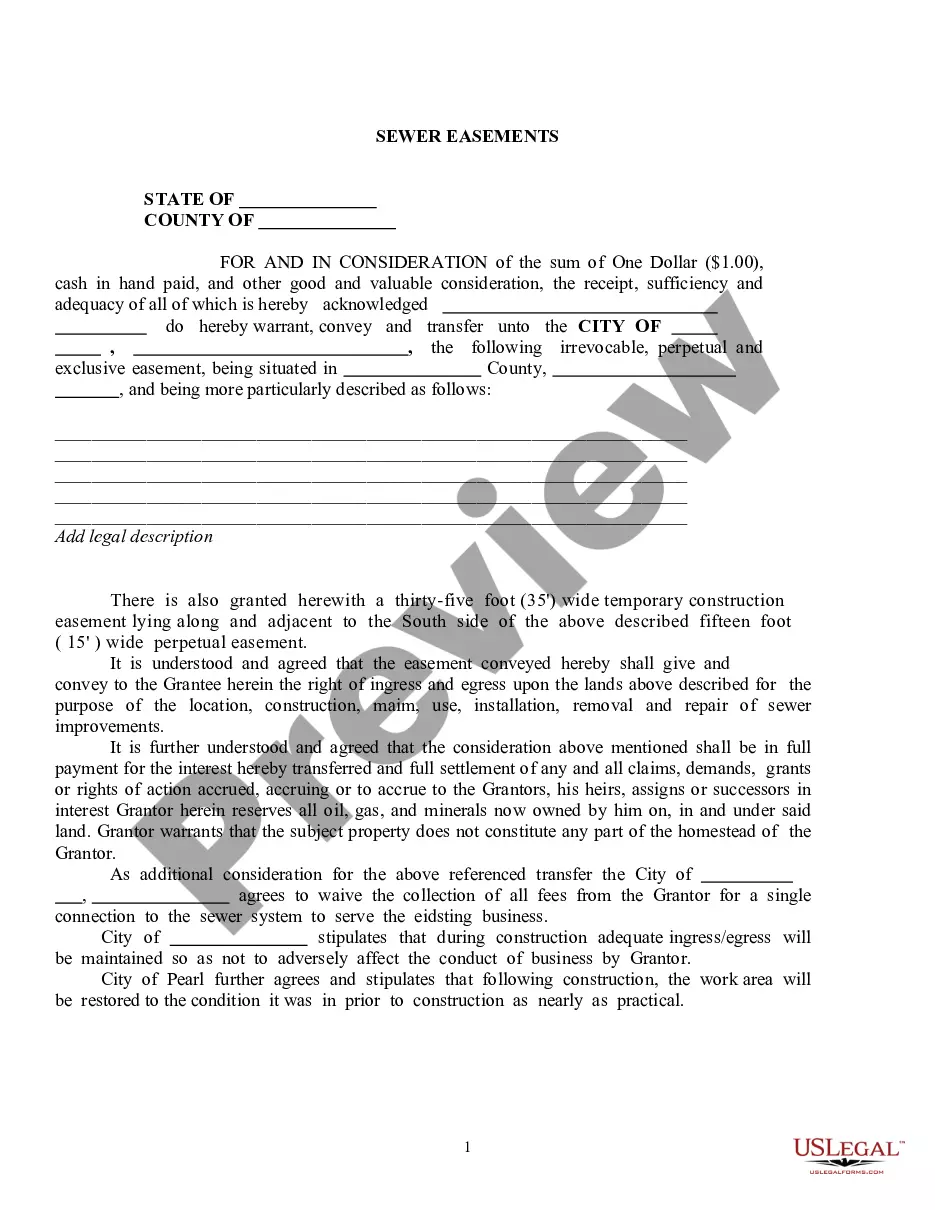
The Easement for Sanitary Sewer Line is a legal document that allows one party access to another's property for the purposes of constructing, maintaining, and accessing a sanitary sewer line. Unlike other easements, this specific form outlines conditions and restrictions tailored for sewer-related activities, ensuring proper operation without interference from the property owner.
Main sections of this form
- Identification of the parties involved in the easement agreement.
- Clear description of the property where the easement applies.
- Restrictions on permanent improvements that may affect the sewer line.
- Rights and responsibilities of each party regarding maintenance and restoration of the property.
- Provisions for modification of the easement terms upon mutual consent.
When to use this document
This form should be used when a property owner needs to grant a utility company or another party the right to access their land for the construction, operation, and maintenance of a sanitary sewer line. It is particularly important in scenarios where sewer lines cross private property, requiring clear legal authority to ensure uninterrupted service and maintenance.
Who can use this document
- Property owners who need to grant access for sewer line installation or maintenance.
- Utility companies that require legal permission to install or service sewer lines on private property.
- Developers who want to ensure compliance with local regulations when developing land with existing sewer lines.
Completing this form step by step
- Identify the parties involved by entering their names and addresses.
- Clearly define the property location where the easement will be granted.
- Specify the extent of the easement, including any limits on construction or improvements.
- Include any necessary provisions regarding maintenance and restoration obligations.
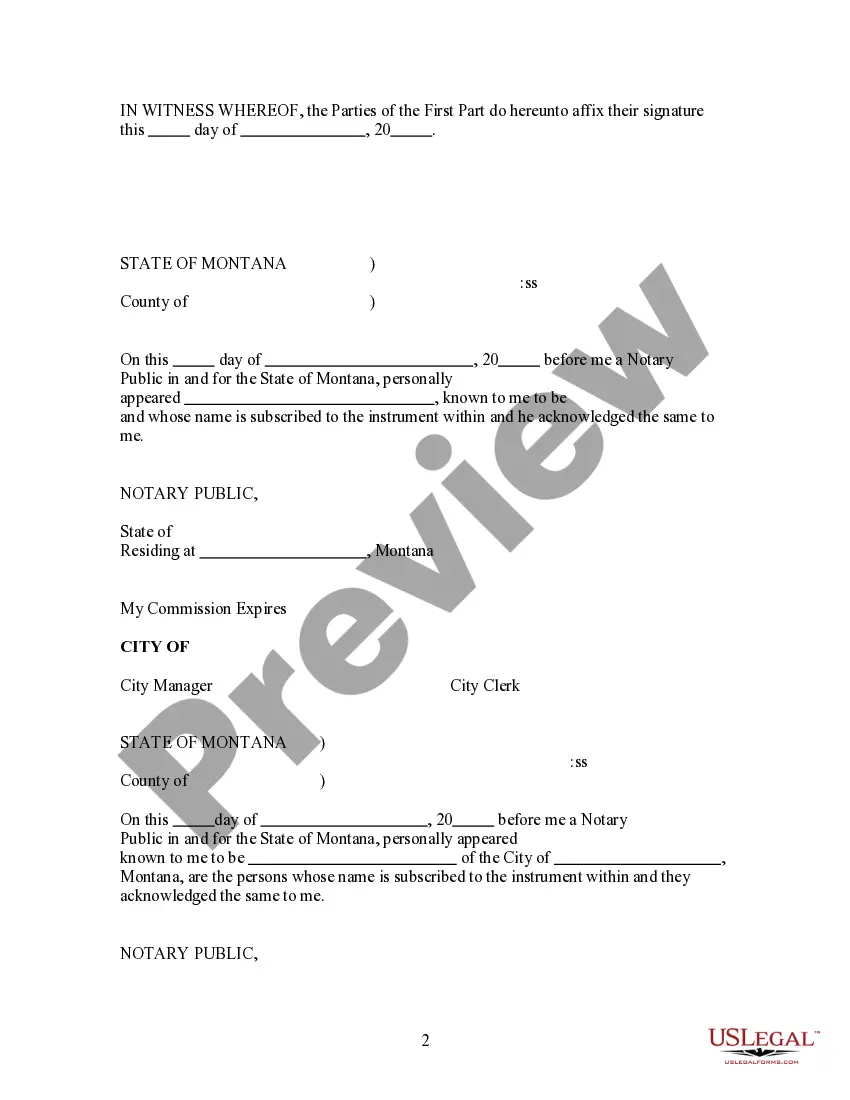
- Sign and date the document as required to finalize the agreement.
Does this form need to be notarized?
Notarization is not commonly needed for this form. However, certain documents or local rules may make it necessary. Our notarization service, powered by Notarize, allows you to finalize it securely online anytime, day or night.
Get your form ready online
Our built-in tools help you complete, sign, share, and store your documents in one place.
Make edits, fill in missing information, and update formatting in US Legal Forms—just like you would in MS Word.
Download a copy, print it, send it by email, or mail it via USPS—whatever works best for your next step.
Sign and collect signatures with our SignNow integration. Send to multiple recipients, set reminders, and more. Go Premium to unlock E-Sign.
If this form requires notarization, complete it online through a secure video call—no need to meet a notary in person or wait for an appointment.
We protect your documents and personal data by following strict security and privacy standards.

Make edits, fill in missing information, and update formatting in US Legal Forms—just like you would in MS Word.

Download a copy, print it, send it by email, or mail it via USPS—whatever works best for your next step.

Sign and collect signatures with our SignNow integration. Send to multiple recipients, set reminders, and more. Go Premium to unlock E-Sign.

If this form requires notarization, complete it online through a secure video call—no need to meet a notary in person or wait for an appointment.

We protect your documents and personal data by following strict security and privacy standards.
Common mistakes to avoid
- Failing to clearly define the property involved in the easement.
- Not specifying restrictions on construction or improvements within the easement area.
- Leaving out signatures or dates, which can invalidate the agreement.
- Assuming verbal agreements are sufficient; always use a written form.
Benefits of completing this form online
- Instant access to a legally vetted document drafted by licensed attorneys.
- Convenience of downloading and printing the form as needed.
- Editability allows for customization based on your specific needs.
- Quick turnaround compared to traditional legal methods.
Looking for another form?
Form popularity
FAQ
An easement is an interest in a real estate property or parcel of land.Essentially this means that someone other than you could have access to the land. This isn't necessarily a bad thing.
Easement holders have the right to use the land to their enjoyment as long as it does not place an unreasonable burden on the servient estate. Landowners have the right to make whatever use of the land as long as it doesn't unduly affect the easement.
A sewer easement is a special type of property ownership that allows a person the right to place a sewer or sewer line on land owned by someone else. An easement, in general, is a formal legal term that means a right of passage is granted.
Benefits the owner of adjacent land. The easement is thus appurtenant to the holder's land. The benefited land is called the dominant tenementThe land that benefits from an easement., and the burdened landthat is, the land subject to the easementis called the servient tenement.
So, having an easement on a property may have a permanent outcome on the property with rights of the home owner. But not all easements are bad.If you live in a rural area, you run into bad easement issues more often, typically where the easement was created by a parcel owner next to your land.
No - Council will not allow you to build over a sewer manhole or lamphole as they must remain accessible at all times. Any structure must be at least 1.5 metres away. Some lightweight structures may be approved subject to conditions.
An easement is a "nonpossessory" property interest that allows the holder of the easement to have a right of way or use property that they do not own or possess.If the easement only benefits an individual personally, not as an owner of a particular piece of land, the easement is known as "in gross."
'Sewer easement' and 'covenant' are rather different concepts. Assuming that what you mean is that some other property has the right to run a sewer across your property, though, what it basically means is that they have the right to do that and you can't do anything to interfere with it.
Easements are not serious issues on the whole. However, they can make a big difference to the potential profitability of a property because of the various building limitations often associated with them.