Illinois Warranty Deed from Trustee to Trustee
What this document covers
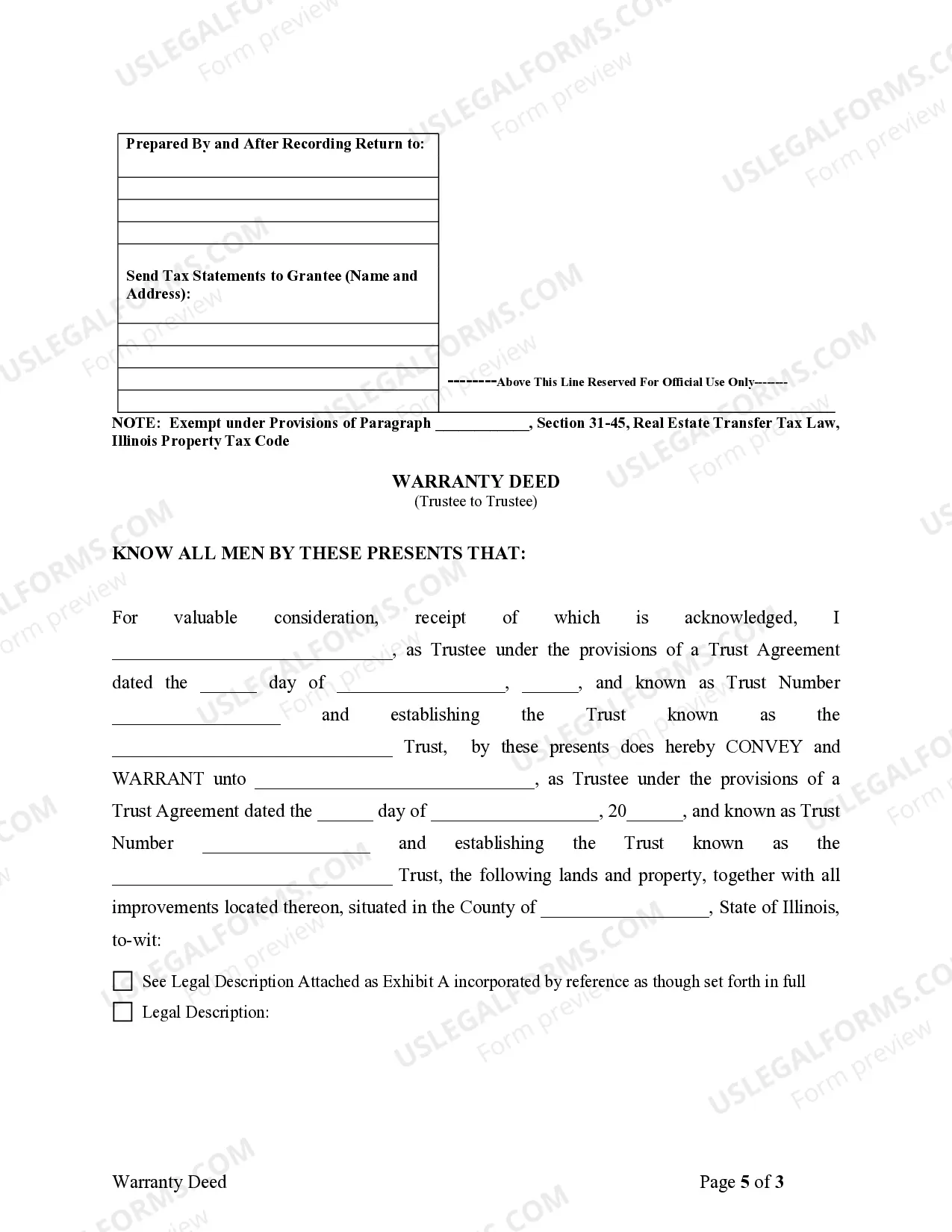
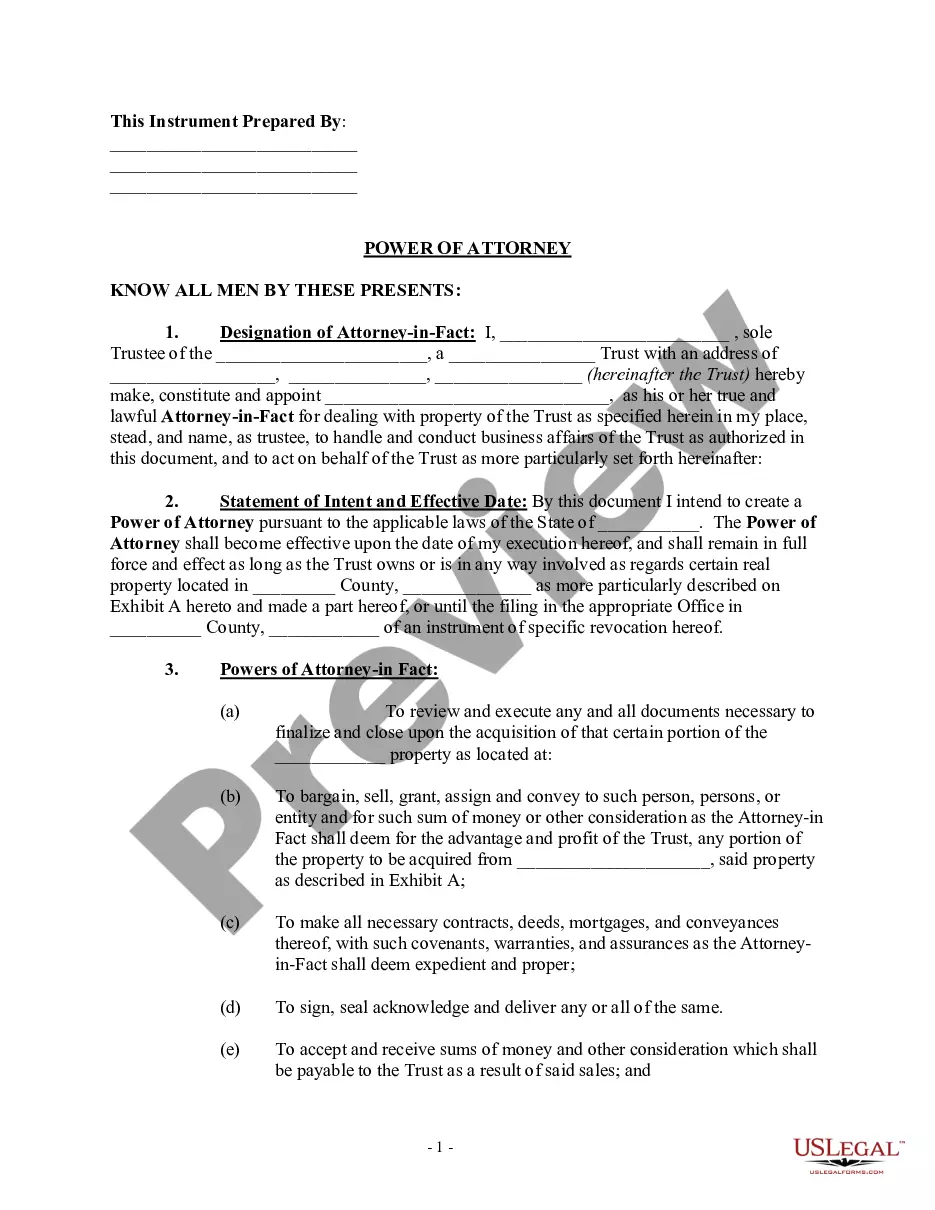
A Warranty Deed from Trustee to Trustee is a legal document used to transfer ownership of real property held in trust. In this form, the grantor and grantee are both trustees, allowing for the transfer of property between different trusts. This form provides a clear record of the transaction and helps protect the interests of all parties involved, distinguishing it from other types of deeds that may not provide the same level of assurance regarding title integrity.
Key components of this form
- Identification of the grantor and grantee, including their roles as trustees.
- Description of the property being transferred, including any improvements.
- Declaration of ownership and assurance that the property is free from encumbrances.
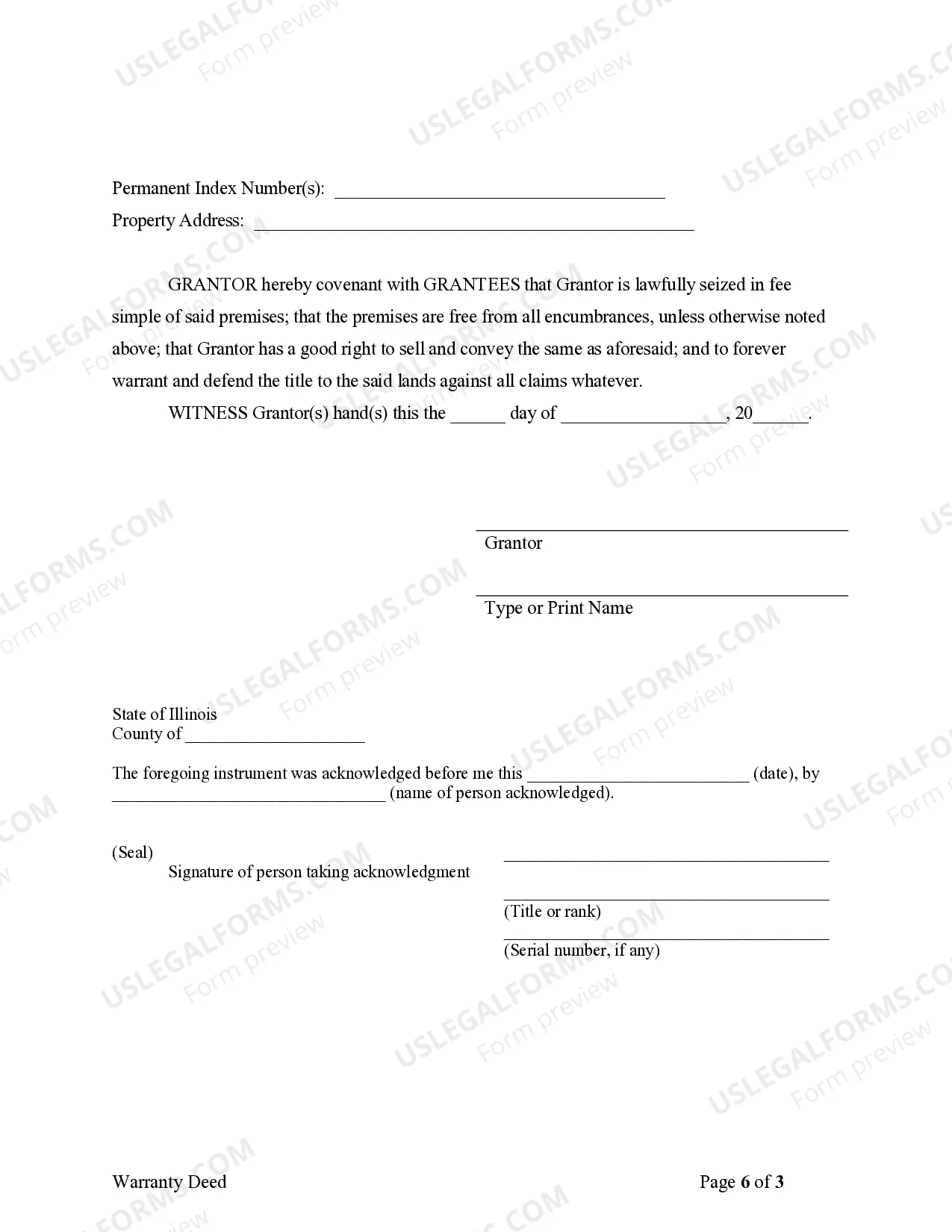
- Signature fields for both trustees to validate the transaction.
- Legal acknowledgment to formalize the deed.




When this form is needed
This form should be used when a trustee wishes to transfer property held in a trust to another trustee. Common scenarios include changing the trustee due to retirement, death, or reorganization of trust management. It can also be utilized when consolidating multiple trusts under a single management structure, ensuring the legal transfer of property is documented properly.
Intended users of this form
- Trustees who are responsible for managing a trust and need to transfer property.
- Individuals involved in estate planning and management of familial trusts.
- Legal professionals assisting clients with trust transfers.
- Beneficiaries of a trust who may require formal documentation of property transfers.
Instructions for completing this form
- Identify the grantor and grantee, providing their names and roles as trustees.
- Specify the trust agreement details, including dates and trust numbers.
- Clearly describe the property being transferred, including its location and any existing improvements.
- Include signatures from both parties to validate the transaction.
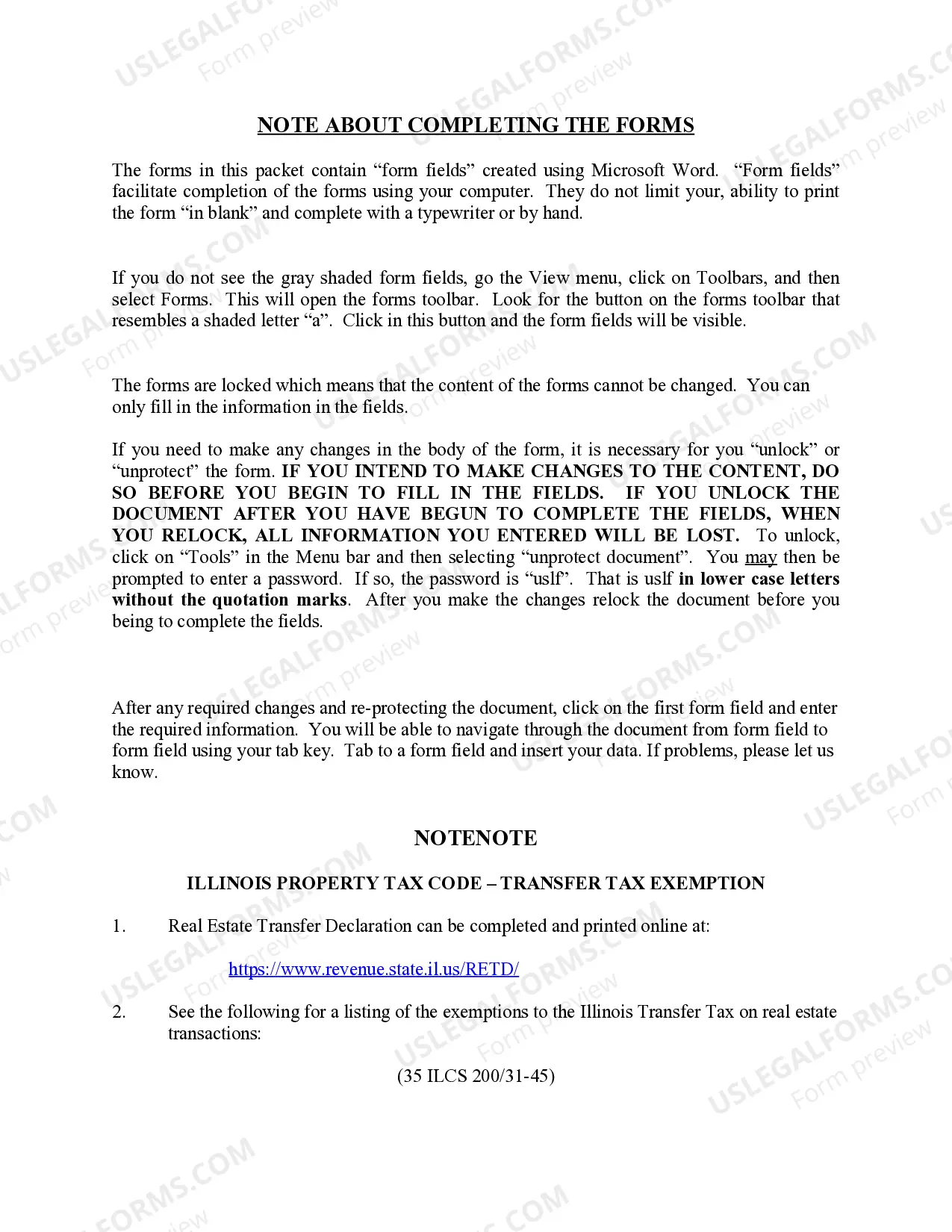
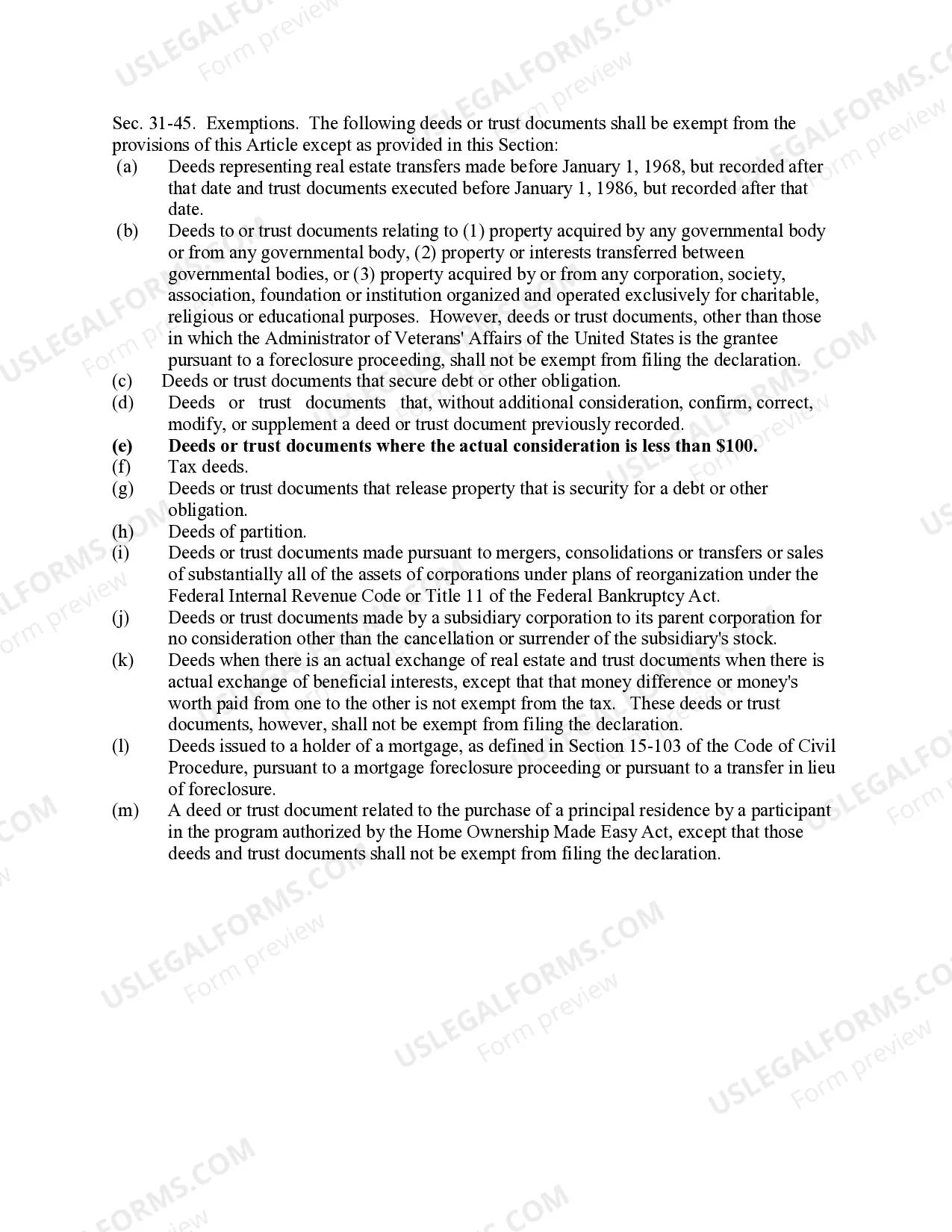
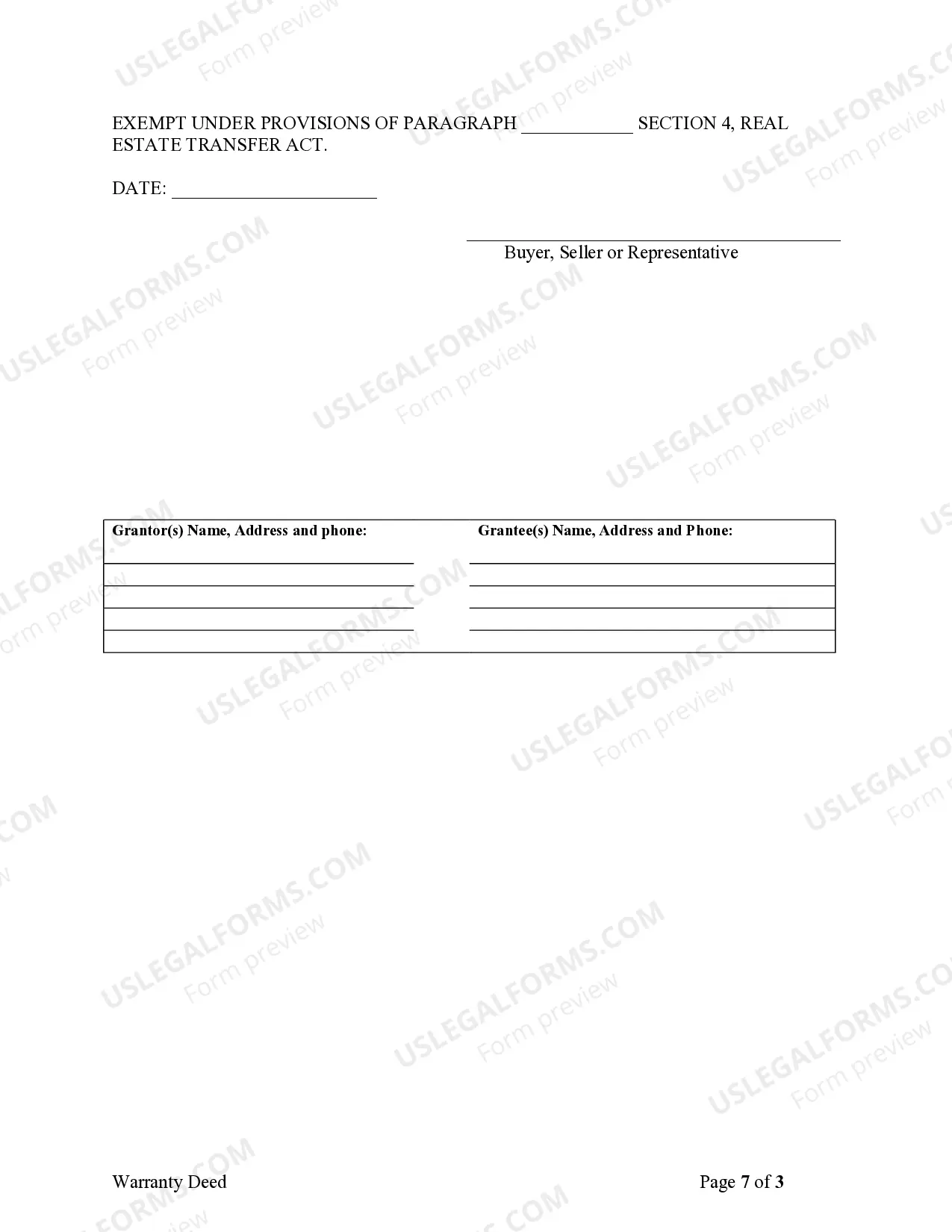
- Ensure proper acknowledgment and completion of any necessary tax declarations as required by Illinois law.
Does this document require notarization?
Yes, this form must be notarized to be legally valid. The notarization process provides an additional layer of security and ensures that the signatures are authenticated. US Legal Forms offers integrated online notarization, allowing you to complete the process securely via video call at any time, ensuring convenience and compliance without requiring physical travel.
Get your form ready online
Our built-in tools help you complete, sign, share, and store your documents in one place.
Make edits, fill in missing information, and update formatting in US Legal Forms—just like you would in MS Word.
Download a copy, print it, send it by email, or mail it via USPS—whatever works best for your next step.
Sign and collect signatures with our SignNow integration. Send to multiple recipients, set reminders, and more. Go Premium to unlock E-Sign.
If this form requires notarization, complete it online through a secure video call—no need to meet a notary in person or wait for an appointment.
We protect your documents and personal data by following strict security and privacy standards.

Make edits, fill in missing information, and update formatting in US Legal Forms—just like you would in MS Word.

Download a copy, print it, send it by email, or mail it via USPS—whatever works best for your next step.

Sign and collect signatures with our SignNow integration. Send to multiple recipients, set reminders, and more. Go Premium to unlock E-Sign.

If this form requires notarization, complete it online through a secure video call—no need to meet a notary in person or wait for an appointment.

We protect your documents and personal data by following strict security and privacy standards.
Avoid these common issues
- Failing to adequately describe the property being transferred, which may lead to future disputes.
- Not providing complete trust agreement details, risking challenges to the transfer.
- Neglecting to sign the document in the presence of an authorized witness or notary.
- Overlooking state-specific requirements related to tax declaration and filing.
Benefits of completing this form online
- Convenient access and immediate download of the form.
- Editability allows for customization to fit specific transaction needs.
- Assurance of being in compliance with current laws and regulations.
- 24/7 availability, enabling users to complete urgent transactions without delay.
Legal use & context
- This form is legally recognized in Illinois for the transfer of property between trustees.
- Ensure compliance with all local regulations to maintain enforceability.
- Consult with legal professionals if you are unsure about the appropriateness of using this form for your specific situation.
Summary of main points
- The Warranty Deed from Trustee to Trustee facilitates property transfers within a trust.
- It is crucial to fill out the form accurately to ensure legality and enforceability.
- Consider consulting a legal professional for complex transactions or specific state laws.
Looking for another form?



Form popularity
FAQ
A trustee deed offers no such warranties about the title.
A warranty deed protects property owners from future claims that someone else actually owns a portion (or all) of their property, while trustee deeds protect lenders when borrowers default on their mortgage loans.
Warranty Deed Vs Deed of Trust. Both a warranty deed and deed of trust are used to transfer the title of a property from one person to another.As you now know, a deed of trust protects the beneficiary (lender). A warranty deed, on the other hand, protects the property owner.
In Illinois, a special warranty deed transfers title in fee simple to the grantee with warranties and covenants of title that are limited to only the acts of the grantor or that result from the acts of the grantor and is the form of deed customarily used in commercial real estate transactions.
Trustee's deeds convey real estate out of a trust.This type of conveyance is named for the person using the form the trustee who stands in for the beneficiary of the trust and holds title to the property.
Let's start with the definition of a deed: DEED: A written instrument by which one party, the Grantor, conveys the title of ownership in property to another party, the Grantee. A Warranty Deed contains promises, called covenants, that the Grantor makes to the Grantee.
Typically, the lender will provide you with a copy of the deed of trust after the closing. The original warranty deeds are often mailed to the grantee after they are recorded. These are your original copies and should be kept in a safe place, such as a fireproof lockbox or a safe deposit box at a financial institution.
The mortgage company usually prepares this deed as part of the loan package and delivers it to the title company for you to sign at closing. The title company is commonly the trustee to the deed and holds legal title to the property until the loan gets fully repaid.
In Illinois, a trustee's deed is used to transfer real property out of a trust.The trustee's deed establishes basic information about the trust, such as the name and date of the trust document. The trustee serves as the grantor in the deed, and transfers the title into the grantee's name.