Georgia Motion for Judgment on the Pleadings
About this form
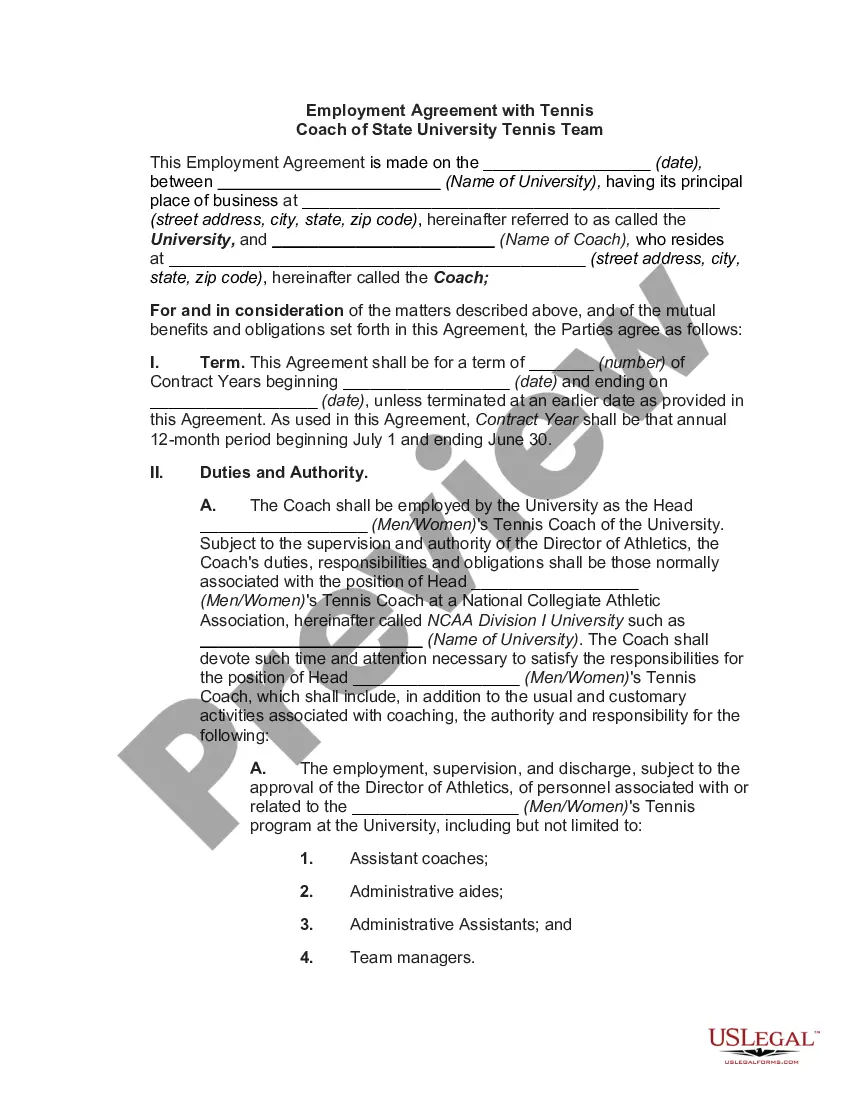
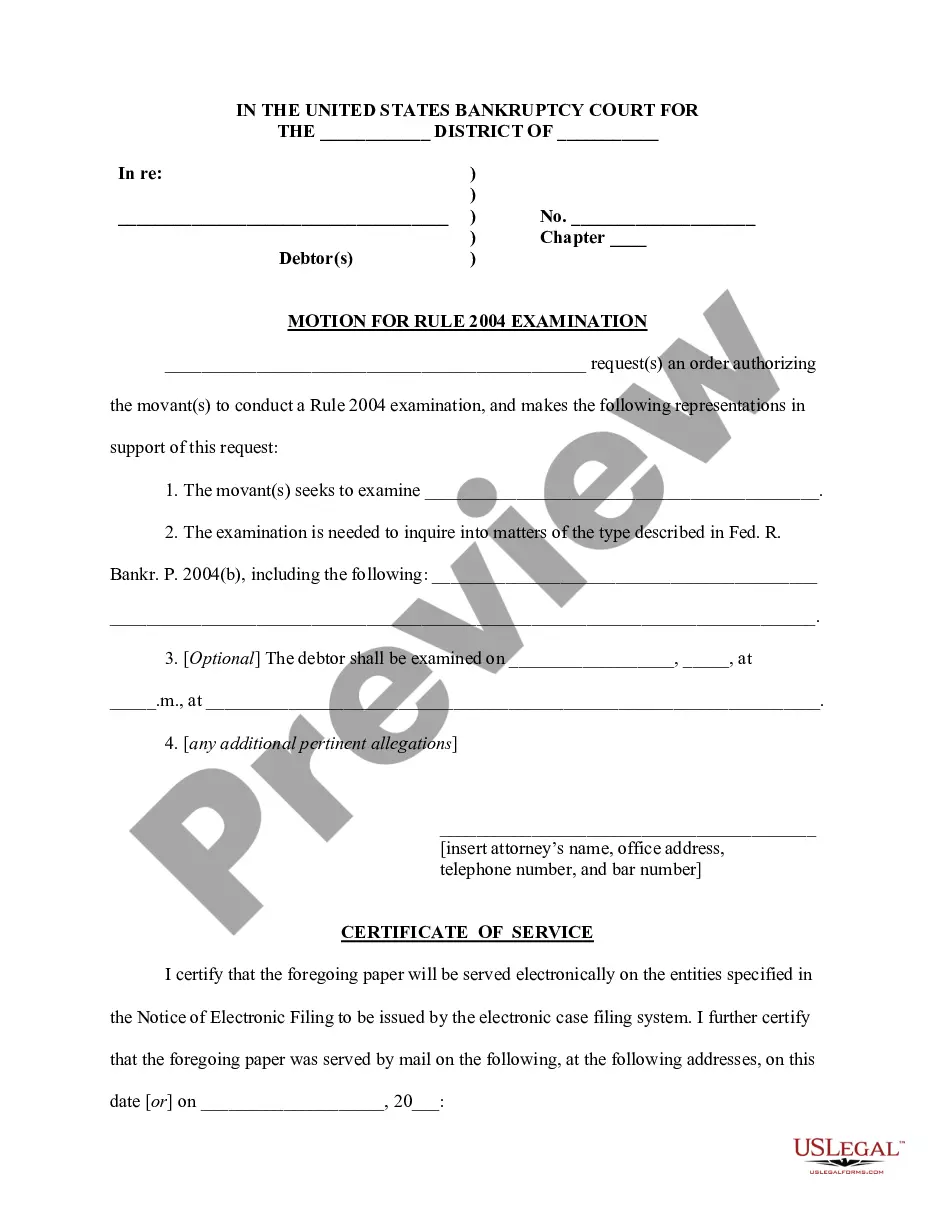
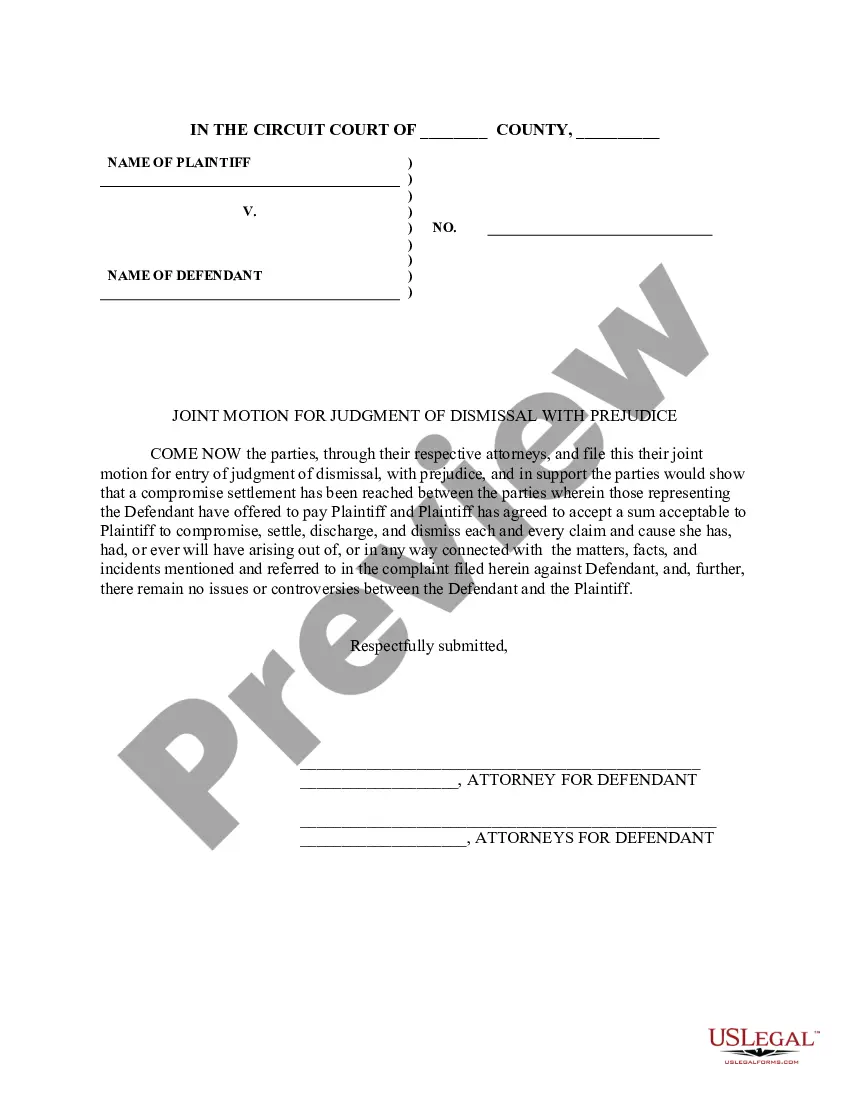
The Motion for Judgment on the Pleadings is a legal document used by plaintiffs in divorce cases. It allows a plaintiff to request the court to issue a judgment based solely on the pleadings, claiming that over 30 days have passed since the defendant's acknowledgment of service and consent to trial, without any defensive pleadings filed by the defendant. This form is specifically designed for situations where the plaintiff believes that the marriage is irretrievably broken and reconciliation is not possible, distinguishing it from other motions that may involve more extensive evidence or hearings.
Main sections of this form
- Statement that the plaintiff's petition and defendant's acknowledgment of service were filed over 30 days ago.
- Claim that the defendant has not submitted any answer, counterclaim, or other defensive pleadings.
- Declaration that the marriage is irretrievably broken, with no hope for reconciliation.

When this form is needed
This form is necessary when a plaintiff seeks a quick resolution in a divorce case. If the defendant has failed to respond to the initial filing or has not taken any steps to contest the divorce, this motion allows the plaintiff to move forward without delay. Situations may include uncontested divorces where both parties agree on the end of the marriage or when one party is unresponsive.
Who should use this form
This form is intended for use by:
- Individuals filing for divorce who have not received a response from their spouse.
- Planned plaintiffs looking to expedite their divorce process.
- Parties who wish to assert that their marriage is irretrievably broken and seek a court order without additional hearings.
How to complete this form
- Identify the parties involved, including the plaintiff and defendant.
- Document the date when the plaintiff's petition along with the defendantâs acknowledgment of service were submitted.
- Indicate whether the defendant has filed any answers or counterclaims.
- Clearly state the grounds for the motion, focusing on the irretrievable breakdown of the marriage.
- Sign and date the motion before submitting it to the court for consideration.
Notarization requirements for this form
This form does not typically require notarization unless specified by local law. However, it is advisable to check the requirements of your jurisdiction to ensure compliance.
Get your form ready online
Our built-in tools help you complete, sign, share, and store your documents in one place.
Make edits, fill in missing information, and update formatting in US Legal Forms—just like you would in MS Word.
Download a copy, print it, send it by email, or mail it via USPS—whatever works best for your next step.
Sign and collect signatures with our SignNow integration. Send to multiple recipients, set reminders, and more. Go Premium to unlock E-Sign.
If this form requires notarization, complete it online through a secure video call—no need to meet a notary in person or wait for an appointment.
We protect your documents and personal data by following strict security and privacy standards.

Make edits, fill in missing information, and update formatting in US Legal Forms—just like you would in MS Word.

Download a copy, print it, send it by email, or mail it via USPS—whatever works best for your next step.

Sign and collect signatures with our SignNow integration. Send to multiple recipients, set reminders, and more. Go Premium to unlock E-Sign.

If this form requires notarization, complete it online through a secure video call—no need to meet a notary in person or wait for an appointment.

We protect your documents and personal data by following strict security and privacy standards.
Typical mistakes to avoid
- Failing to verify if the defendant has indeed filed any responsive pleadings.
- Not including necessary documentation that supports your claim of irretrievable breakdown.
- Submitting the motion without proper signatures or dates.
Benefits of completing this form online
- Convenient access to legal forms from anywhere, at any time.
- Editable templates allow for easy customization to fit your specific circumstances.
- Reliable templates drafted by licensed attorneys, ensuring compliance with legal standards.
What to keep in mind
- The Motion for Judgment on the Pleadings is crucial for expediting uncontested divorce cases.
- Timely submission is important; ensure all required documents are attached.
- Understanding jurisdiction-specific rules can help in properly filing the motion.
Looking for another form?



Form popularity
FAQ
A motion for judgment on the pleadings refers to a request for a judgment based only on the written statements submitted by both parties. This type of motion eliminates the need for further evidence during a trial and can save time and resources. Embracing the Georgia Motion for Judgment on the Pleadings provides a streamlined pathway to achieving a resolution in your case.
A motion for judgment on the pleadings means that one party requests the court to deliver a ruling based on the pleadings without additional evidence. This legal tool allows for a more straightforward resolution of cases where the facts are clear. Ultimately, utilizing the Georgia Motion for Judgment on the Pleadings can facilitate a quicker legal resolution.
In Georgia, a motion for judgment on pleadings occurs when one party believes that the essential facts presented in the pleadings do not require a trial. This motion allows the court to decide the case based solely on these documents. By using the Georgia Motion for Judgment on the Pleadings, you can expedite the legal process and avoid unnecessary court time.
A motion for judgment is a request made to the court to make a decision based on the information already presented. In the context of a Georgia Motion for Judgment on the Pleadings, this refers to the court’s ability to resolve a case without going to trial. Parties involved seek a ruling based on the pleadings alone, making this an efficient way to reach a conclusion.
A Georgia Motion for Judgment on the Pleadings is a legal request made when one party believes that the pleadings clearly demonstrate they are entitled to a ruling without a trial. For example, if a plaintiff asserts a valid claim, and the defendant fails to provide any valid defenses in their answer, the plaintiff can file this motion. This tool streamlines the legal process, avoiding unnecessary trials when the outcome seems evident from the pleadings alone. Utilizing platforms like USLegal forms can help you draft and submit your motion accurately, ensuring compliance with Georgia laws.
Summary judgment refers to a court ruling that resolves a case or a part of it based on undisputed facts and evidence presented before the trial. Judgment, in a more general sense, can refer to any formal decision made by a court, which could include judgments following a trial or hearings. Understanding the nature of these concepts is vital for anyone considering a Georgia Motion for Judgment on the Pleadings, as clarity in legal terms can significantly impact your case. For more detailed insights, uslegalforms provides valuable resources and assistance for navigating these complex legal terms.
Judgment on the pleadings occurs when a court makes a decision based solely on the written pleadings without considering additional evidence. In contrast, summary judgment allows the introduction of evidence to support or refute the claims in a case. If you're focusing on a Georgia Motion for Judgment on the Pleadings, recognizing this distinction is crucial for navigating the legal process effectively. Each motion has its own place in trial strategy and can influence the outcome significantly.
A motion for summary judgment seeks to resolve the entire case, while a motion for summary adjudication targets specific claims or issues within the case. In the context of a Georgia Motion for Judgment on the Pleadings, it's important to understand how these motions can differ in their scope. Both motions aim to expedite legal proceedings, but they serve different purposes depending on the overall strategy in a legal case.
A Georgia Motion for Judgment on the Pleadings seeks a ruling based solely on the legal arguments presented in the pleadings, while a motion to dismiss challenges the legal sufficiency of the other party's claims before the issues are fully developed. The former is a request to end a case without further proceedings, while the latter may address whether the case should proceed at all. Understanding these differences can help you choose the appropriate motion for your situation.
Filing a motion for judgment, like a Georgia Motion for Judgment on the Pleadings, involves creating the motion document, which outlines your request and legal basis. You submit this document to the clerk of the court that has jurisdiction over your case. Make sure to follow the proper procedures and deadlines to ensure that your motion is considered.