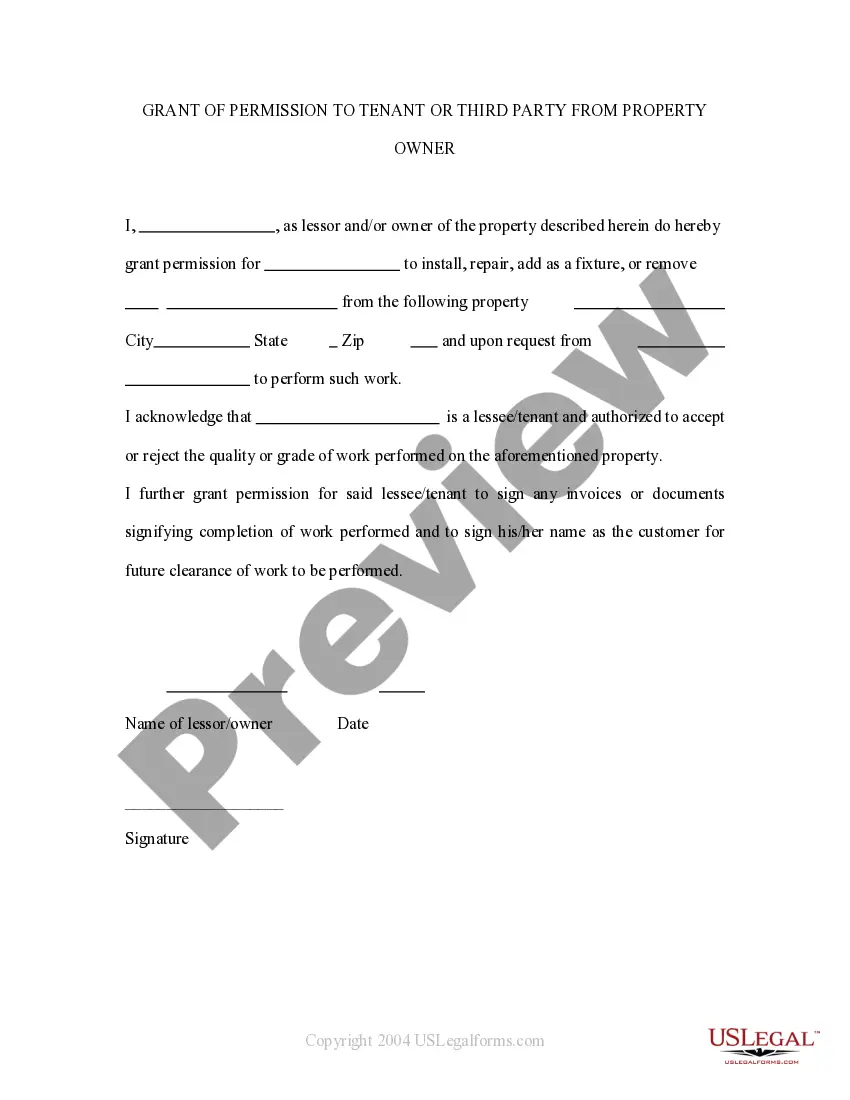
Tenant Rights With Security Deposit
Description
Get your form ready online
Our built-in tools help you complete, sign, share, and store your documents in one place.
Make edits, fill in missing information, and update formatting in US Legal Forms—just like you would in MS Word.
Download a copy, print it, send it by email, or mail it via USPS—whatever works best for your next step.
Sign and collect signatures with our SignNow integration. Send to multiple recipients, set reminders, and more. Go Premium to unlock E-Sign.
If this form requires notarization, complete it online through a secure video call—no need to meet a notary in person or wait for an appointment.
We protect your documents and personal data by following strict security and privacy standards.
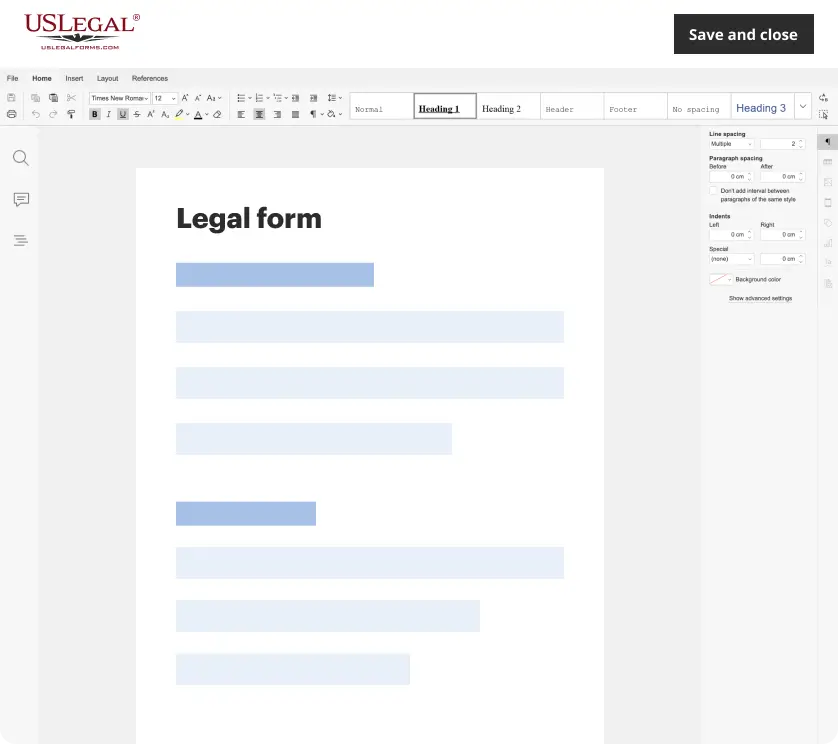
Make edits, fill in missing information, and update formatting in US Legal Forms—just like you would in MS Word.
Download a copy, print it, send it by email, or mail it via USPS—whatever works best for your next step.
Sign and collect signatures with our SignNow integration. Send to multiple recipients, set reminders, and more. Go Premium to unlock E-Sign.

If this form requires notarization, complete it online through a secure video call—no need to meet a notary in person or wait for an appointment.
We protect your documents and personal data by following strict security and privacy standards.
Looking for another form?

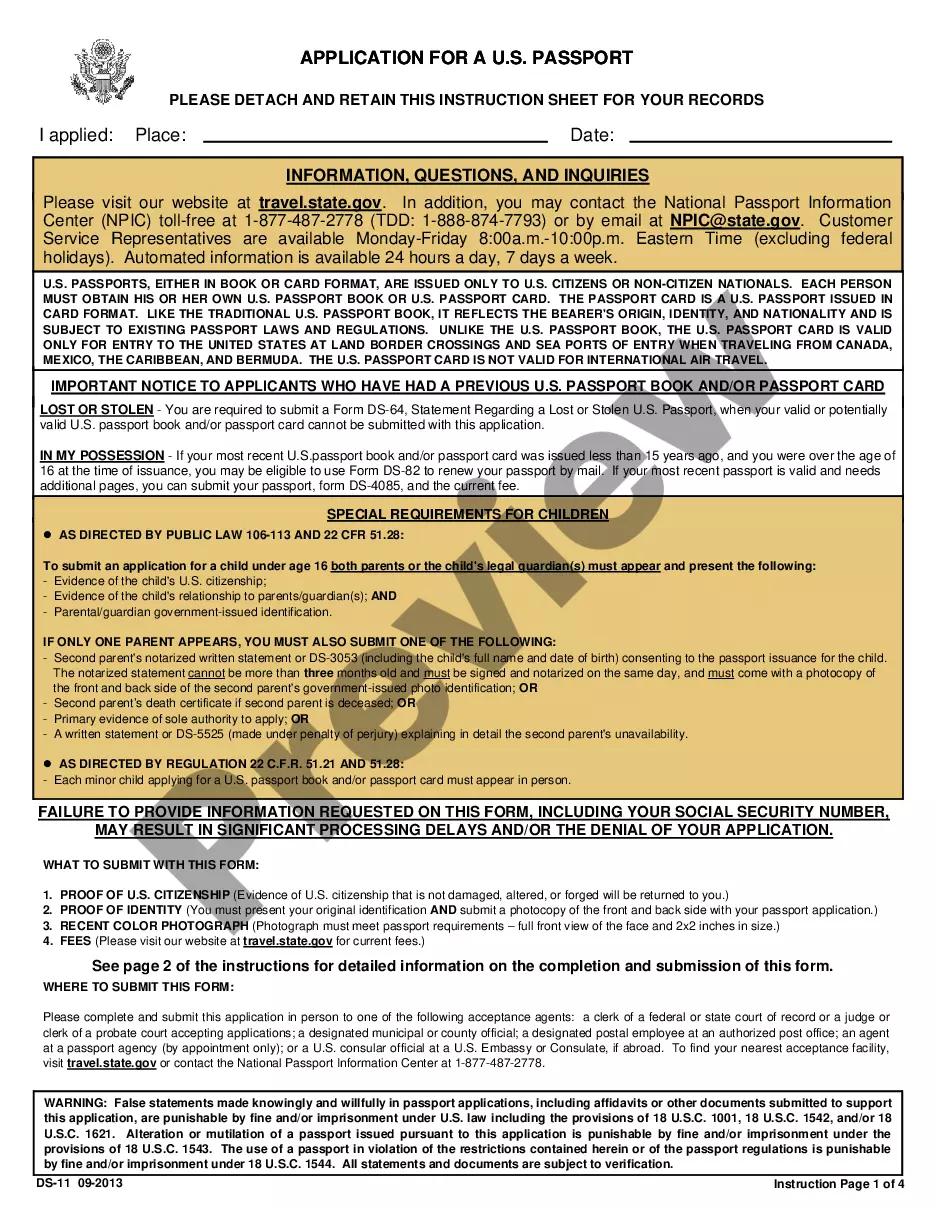

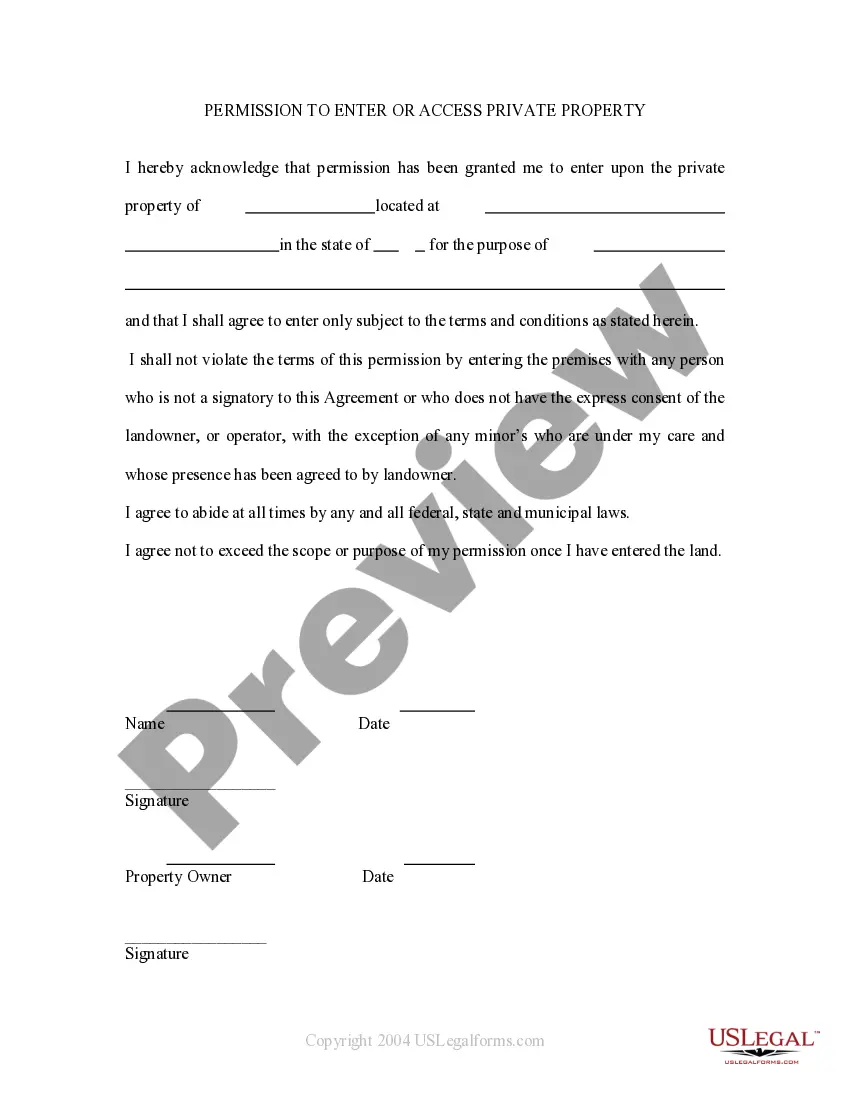
How to fill out Grant Of Permission To Tenant Or Third Party From Property Owner?
Creating legal documents from the ground up can occasionally be somewhat daunting.
Certain cases may require extensive research and significant financial investment.
If you’re looking for a simpler and more economical method of drafting Tenant Rights With Security Deposit or other forms without excessive hassle, US Legal Forms is consistently available for you.
Our online library of over 85,000 current legal documents covers nearly every aspect of your financial, legal, and personal matters.
Review the document preview and descriptions to ensure you have the correct form. Ensure the template you select adheres to the regulations and statutes of your state and county. Choose the most appropriate subscription plan to obtain the Tenant Rights With Security Deposit. Download the file, then complete, sign, and print it out. US Legal Forms has an impeccable reputation with over 25 years of experience. Join us today and make form completion straightforward and efficient!
- With just a few clicks, you can swiftly access state- and county-compliant forms meticulously prepared by our legal experts.
- Utilize our website whenever you require a dependable service to conveniently find and download the Tenant Rights With Security Deposit.
- If you’re familiar with our services and have already created an account, simply Log In, find the template, and download it or re-download it anytime in the My documents section.
- Not registered yet? No problem. It requires minimal time to register and explore the library.
- Before you rush into downloading Tenant Rights With Security Deposit, consider these suggestions.
Form popularity
FAQ
If your landlord refuses to return your security deposit in California, it's essential to first communicate your concerns directly. Document all communications and gather evidence supporting your claim. If the issue remains unresolved, consider seeking legal assistance or using platforms like US Legal Forms to ensure your tenant rights with security deposit are protected.
A California bill turned law will limit how much landlords can charge for security deposits. Gov. Gavin Newsom signed Assembly Bill 12 into law, which states that security deposits can't be any larger than one month's rent, on Oct. 11. The law is slated to take effect on July 1, 2024.
The landlord must return a tenant's security deposit plus interest, less any damages rightfully withheld, within 45 days after the tenancy ends. If the landlord fails to do this without a good reason, you may sue for up to three times the withheld amount, plus reasonable attorney's fees.
Section 92.104 of the Texas Property Code describes what a landlord may deduct from a security deposit: Before returning a security deposit, the landlord may deduct from the deposit damages and charges for which the tenant is legally liable under the lease or as a result of breaching the lease.
The letter should state whether the deposit is being returned in full, partially returned, or not returned at all. It should also explain the reason for any deductions. For example, if the landlord deducts money for damages, they should specify what those damages are.
Although it isn't mandatory, a landlord in Maryland can charge cleaning fees for the property. However, the tenant must have agreed to it first on the lease agreement.